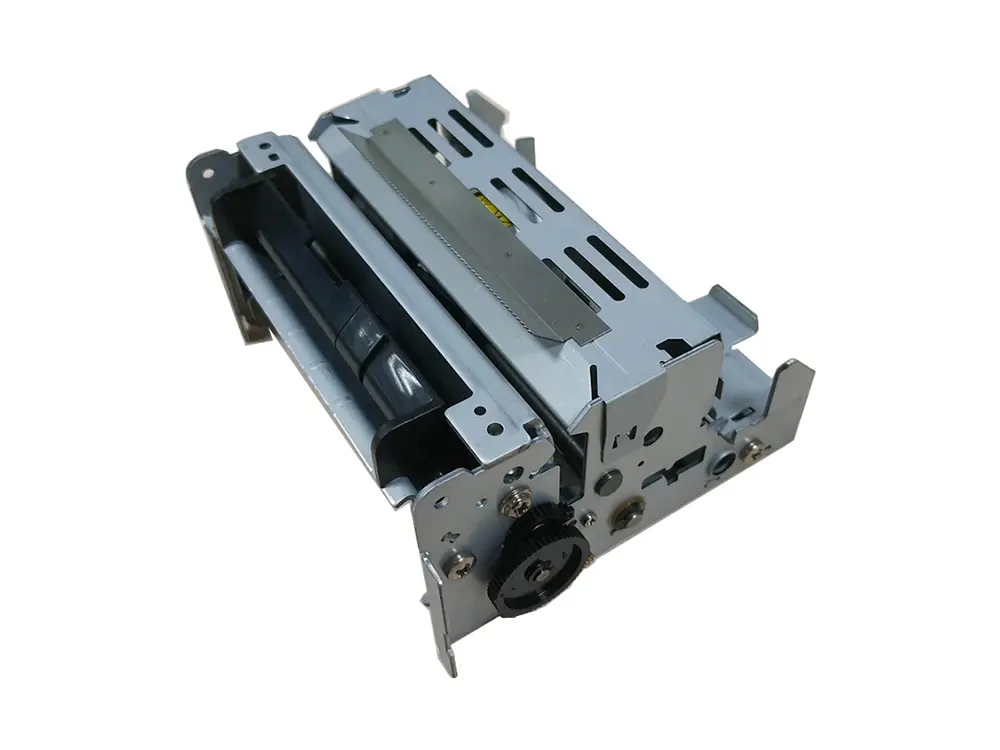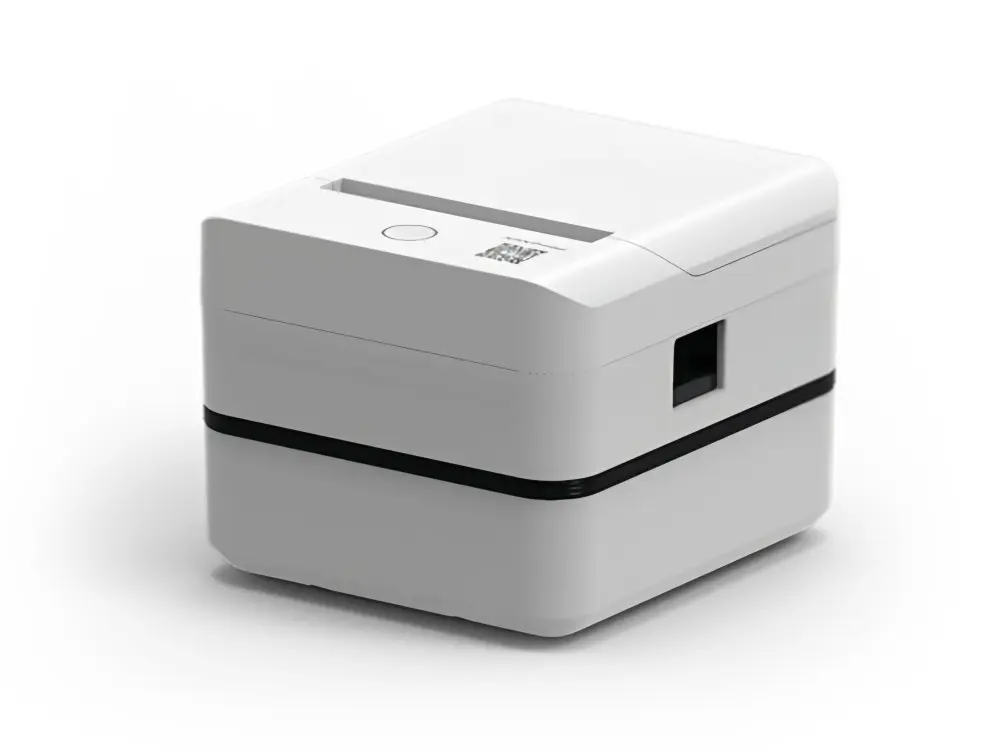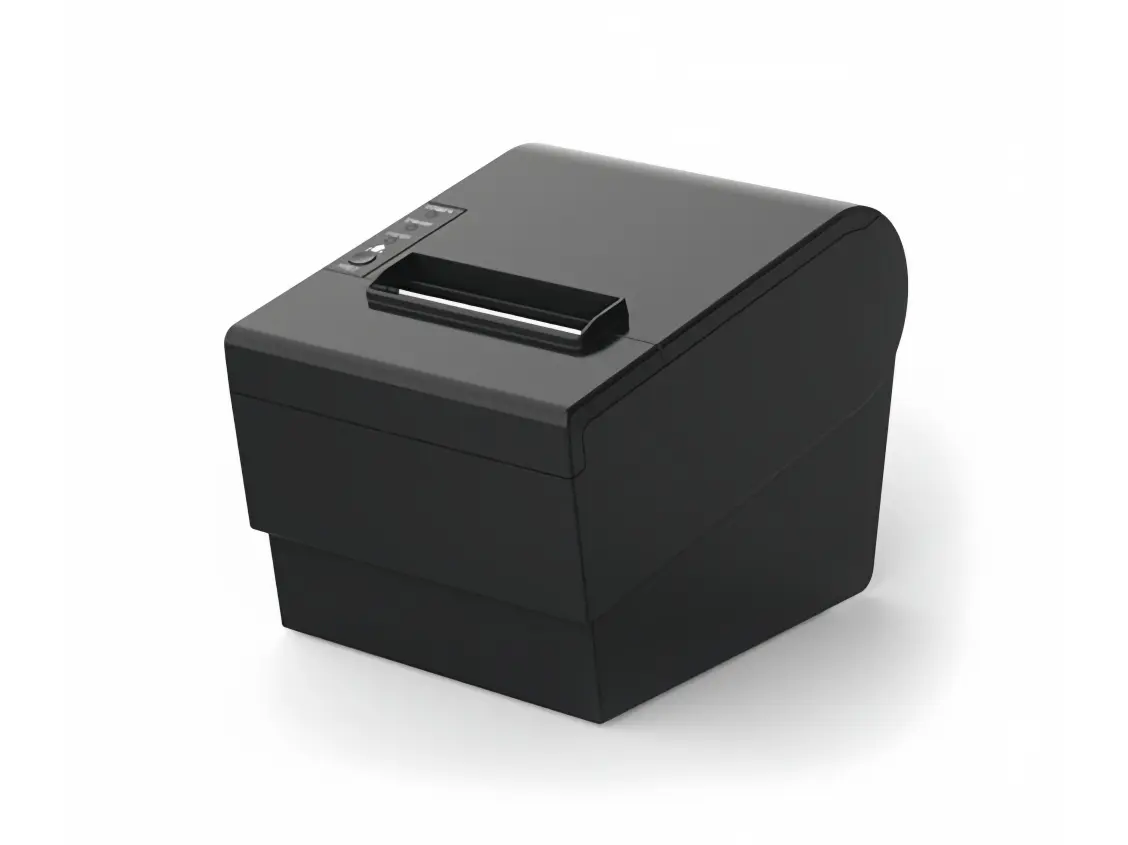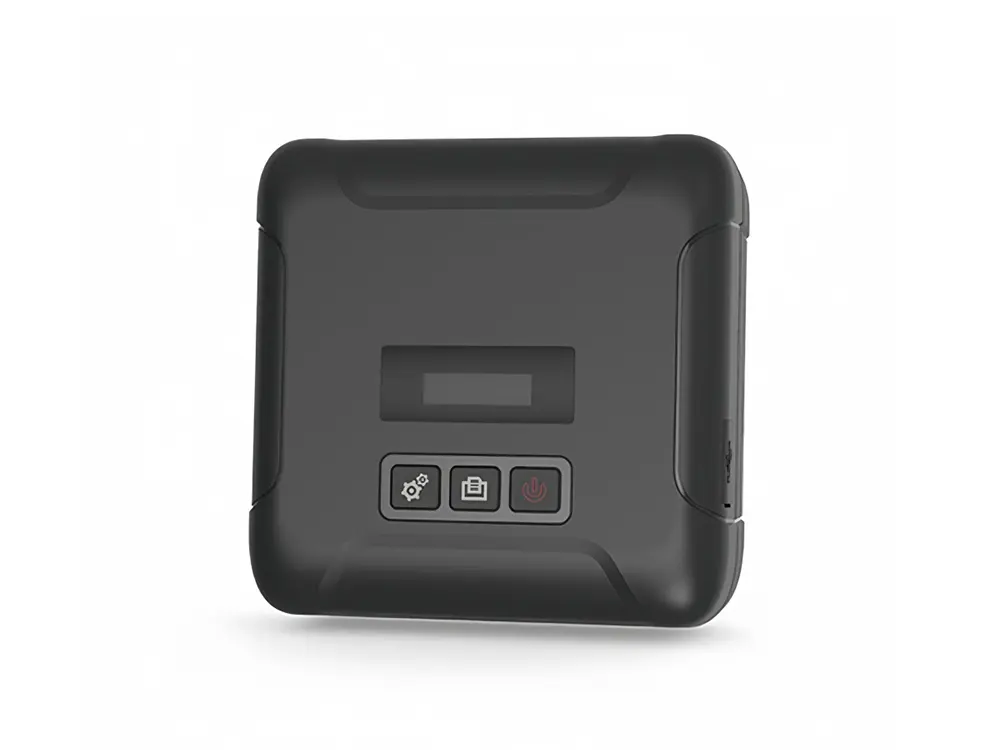
China is a major sourcing destination for point-of-sale hardware, including the Thermal Receipt Printer. Yet “top supplier” can mean different things to different buyers. A restaurant may prioritize fast printing and a reliable cutter, while a retail chain may focus on stable drivers, interface options, and consistent output across many locations.
This guide explains how to assess Chinese suppliers without relying on rankings alone. It looks at product range, manufacturing experience, quality-control practices, customization, and after-sales support. Buyers can also compare practical details: 58 mm or 80 mm paper widths, USB, Ethernet or Bluetooth connections, print speed, and the availability of sample units. Small details matter.
A supplier’s website can show useful specifications, but it cannot prove how a printer performs through a busy shift. Request clear product documentation, confirm warranty terms, and test sample printers with your own point-of-sale system. Ask who handles technical questions after delivery. These checks take time, and they may not reveal every issue. That is worth admitting.
The companies discussed in this article should be viewed as potential candidates, not as a universal ranking. The right choice depends on order size, target market, integration needs, and service expectations. A careful comparison can help buyers identify suppliers that fit their actual requirements, rather than simply choosing the most polished catalog.
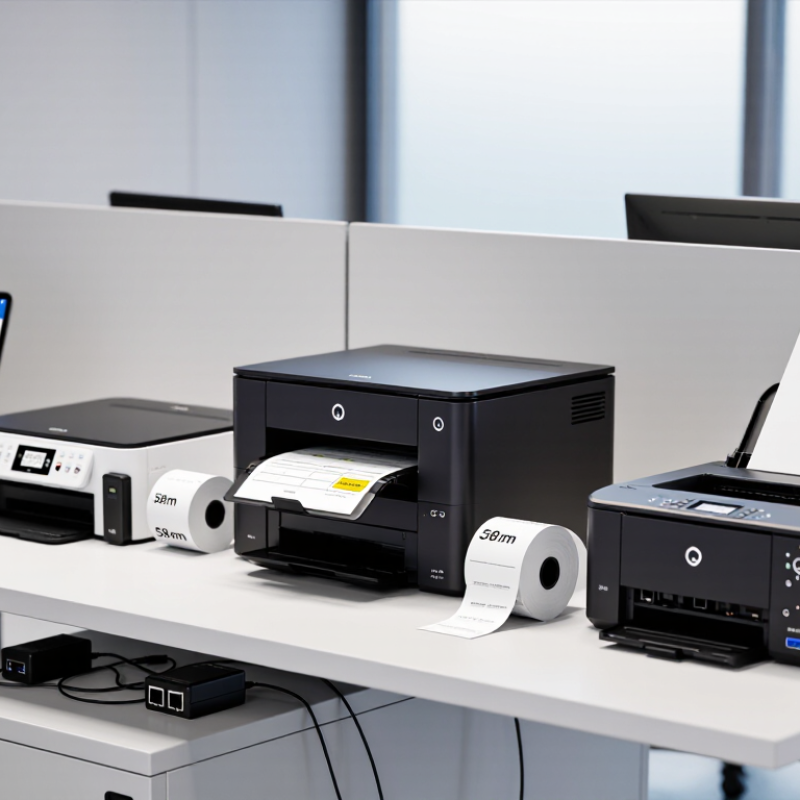
A thermal receipt printer creates text and simple graphics by applying heat to coated paper. It needs no ink or toner, which keeps routine maintenance simple. Many models print quickly, helping cashiers serve customers during busy lunch periods. You will find them at retail counters, cafés, ticket desks, clinics, and self-service kiosks. A receipt may be brief, but clear totals, dates, and item details matter when customers check purchases or request returns.
Their role persists as shopping habits change. The U.S. Census Bureau reported that e-commerce made up 16.1% of total U.S. retail sales in the fourth quarter of 2024, seasonally adjusted. Physical stores still handle many everyday transactions, where a printed slip offers immediate proof of purchase.
Thermal paper does have limits: heat, sunlight, and friction can make print fade. It is not ideal for records that must remain legible for years. That detail is easy to overlook.
Tips: Match printer width and connection type to the checkout system. Test a sample receipt during peak hours; small delays become noticeable in a queue. Store paper rolls away from heat and direct sunlight.
China’s thermal printer supply industry has grown alongside the country’s wider electronics manufacturing base. Many suppliers developed compact receipt printers for shop counters, ticket desks, and service terminals. Early designs focused on practical assembly, manageable costs, and dependable paper feeding. The supply chain gradually gained closer access to components such as cutters, power modules, print mechanisms, and molded housings. Production became more coordinated.
As retail, logistics, and food-service operations adopted digital systems, buyers began asking for more than basic printing. Suppliers expanded connection choices, including USB, serial, Ethernet, and wireless interfaces. Printers also became smaller and easier to install in crowded counters. Not every upgrade was smooth. Firmware compatibility, cutter life, and consistent printing still need careful testing. A fast sample may not reveal problems after months of daily use.
Today, manufacturers often support customized interfaces, casing designs, and paper widths for different equipment setups. Some serve overseas customers through contract production, while others develop their own engineering and quality-control processes. Factory capability can vary considerably. Buyers should ask how suppliers test print density, feed accuracy, and performance across long print runs. A neat product sheet is useful, but real operating conditions matter more.
The companies leading China’s thermal receipt printer supply market are usually manufacturers with stable production, tested components, and practical export experience. Many serve retailers, restaurants, kiosks, and logistics teams. Their products commonly support 58 mm or 80 mm paper, USB or Ethernet connections, and different operating systems. These details affect daily use. A printer that works well at a desk may struggle in a busy checkout area.
A dependable supplier should explain print speed, resolution, cutter life, and warranty terms clearly. Ask how each unit is tested before shipment, and request sample prints with small text and barcodes. Check whether technical support can help with setup, driver issues, and replacement parts. Some suppliers are factories; others coordinate production through partner facilities. That distinction matters, but it is not always obvious. Even a capable supplier may respond slowly during peak seasons, so test communication early.
Tips: Compare samples under real conditions. Print receipts repeatedly, check for fading, and test the connection you plan to use. Confirm paper width and power requirements in writing. Small details count. A little patience here can prevent avoidable downtime later.
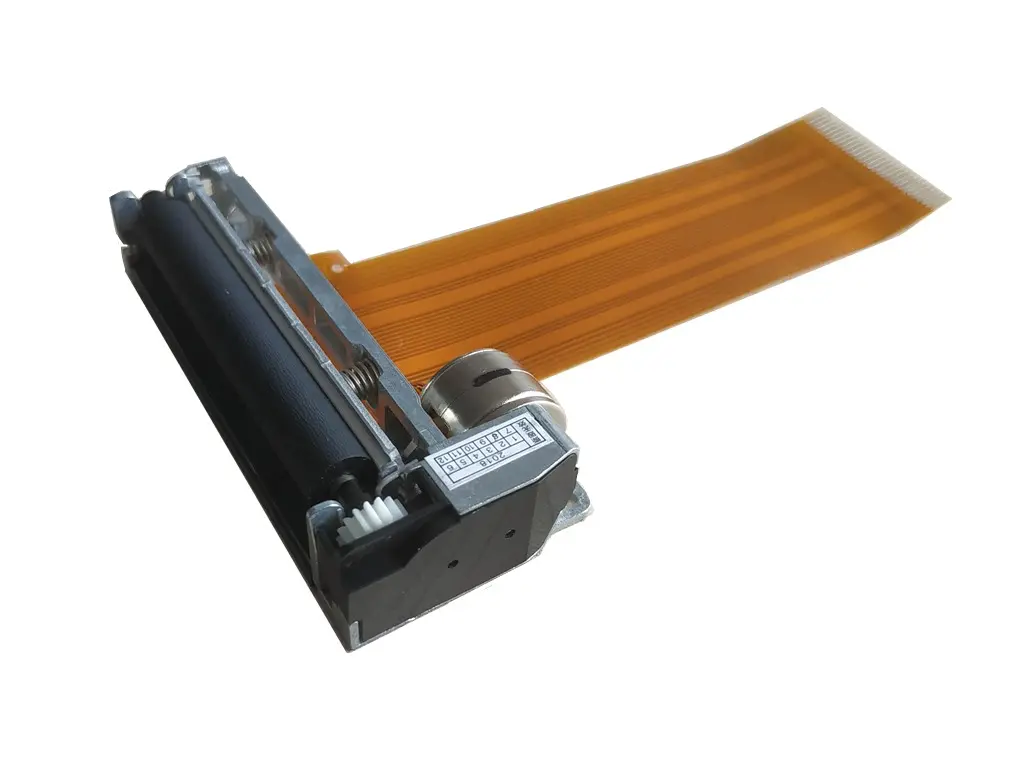
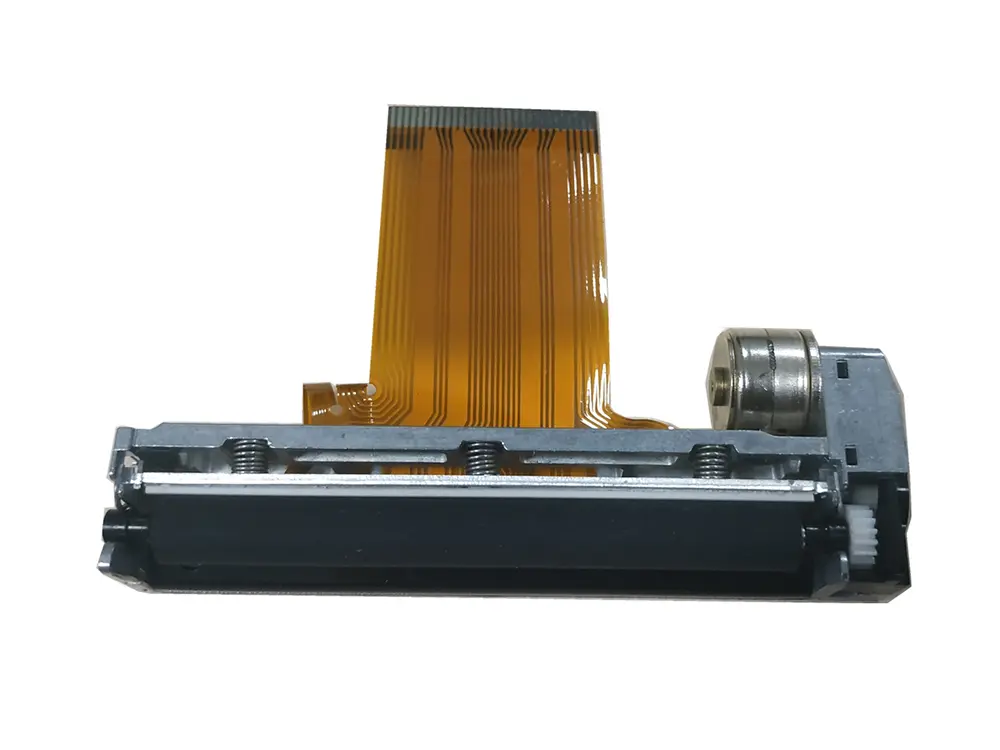
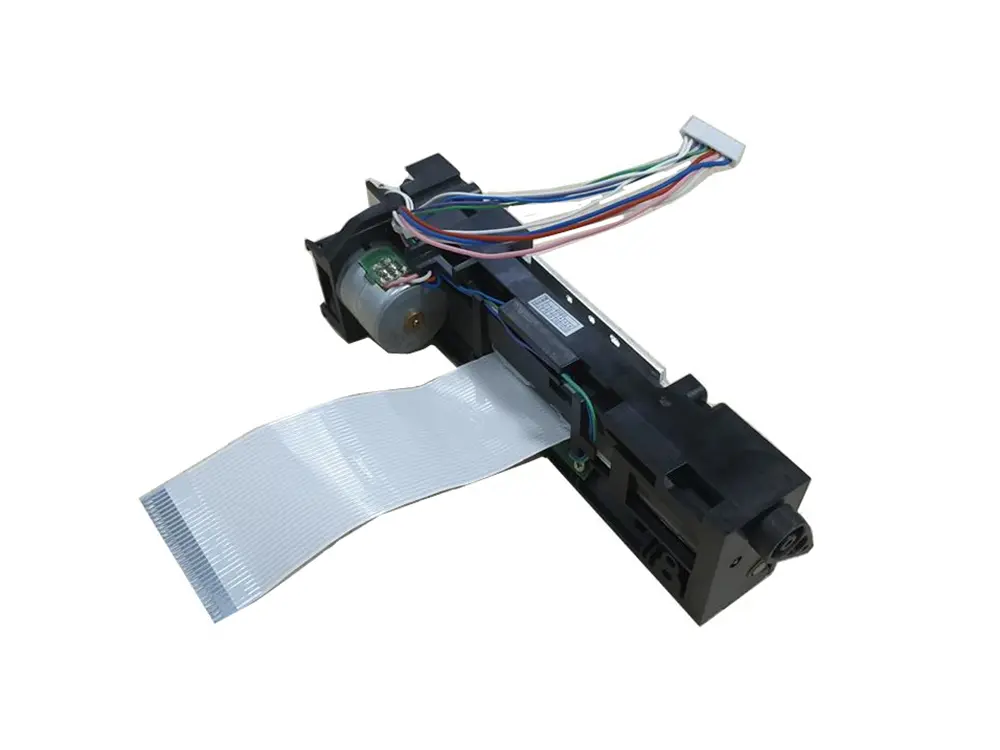
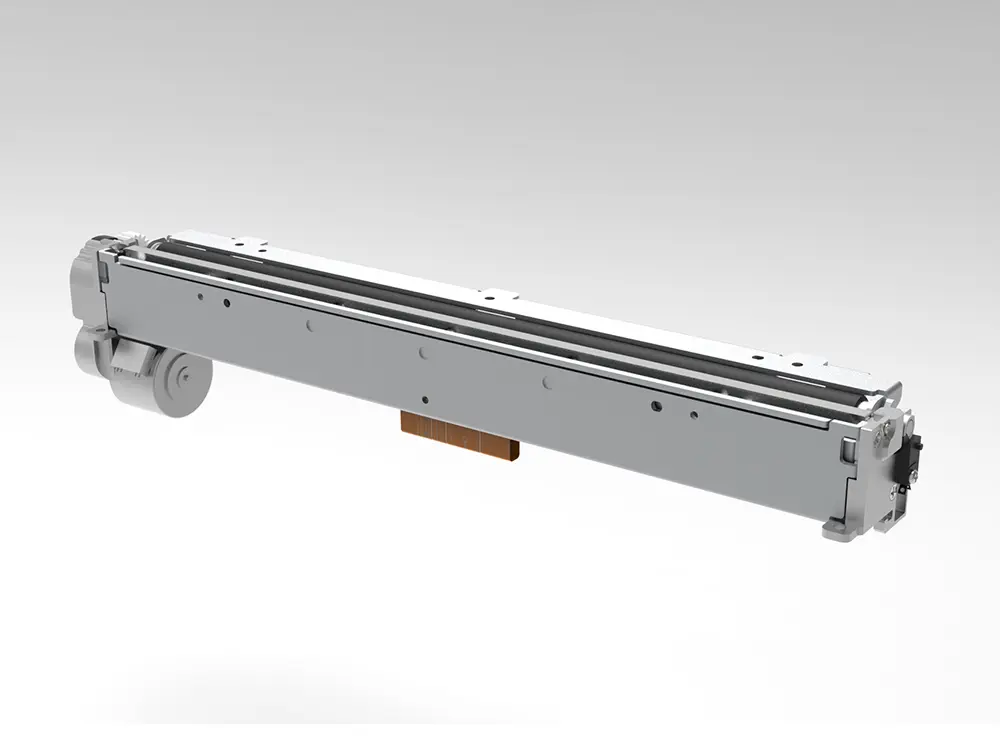
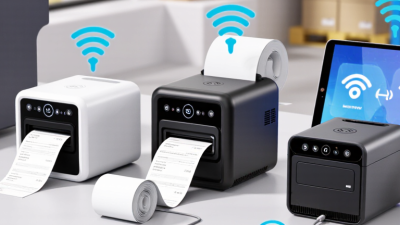
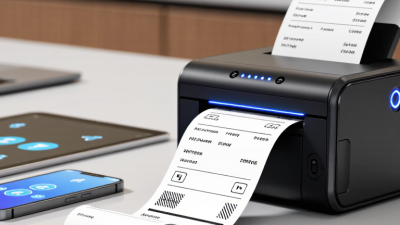
Thermal receipt printer suppliers in China commonly offer 58 mm and 80 mm models for counters, kiosks, and mobile checkout stations. Product choices may include USB, serial, Ethernet, or wireless connections. Buyers should check paper width, printing speed, cutter type, and supported operating systems against their actual setup. A compact printer can fit a crowded counter, but a cutter that jams during busy hours quickly becomes a nuisance.
Suppliers may also provide sample units, customized casing or logos, packaging, printer drivers, and software development kits. Some offer help with installation, connection testing, and troubleshooting; response quality can vary, so ask what support is included before placing a large order. Small details matter. Request a sample and test it with your own receipt layout, paper roll, and point-of-sale system. Check whether barcodes stay sharp and whether the printer reconnects after a power interruption. Not every customization is worth paying for. A special casing color may look appealing, while reliable spare-part access matters more in daily use. Specifications can sound tidy on paper, yet real testing may reveal gaps.
Common receipt paper formats supported by thermal printer product lines
Thermal receipt printer suppliers commonly offer printers for 58 mm and 80 mm receipt rolls, alongside accessories such as power adapters and cables. Product and service ranges may also include mobile or desktop models, OEM/ODM customization, drivers and SDKs, integration assistance, and after-sales support. Availability varies by supplier.
Choosing a Chinese thermal receipt printer supplier takes more than comparing unit prices. Ask for a sample that matches your intended paper width, print speed, and connection type. Test it with your own point-of-sale system, not just the supplier’s demonstration setup. A printer that works well on a desk may behave differently during a busy shift.
Review the supplier’s quality checks and request clear details about warranty coverage, replacement parts, and technical support response times. Ask how printheads and cutters are tested before shipment. Small details matter. Check whether manuals, driver updates, and packaging meet your team’s practical needs. If a specification is unclear, ask for it in writing rather than relying on a quick sales call.
For larger orders, consider a pilot run and inspect units from different cartons. Compare print clarity, paper feeding, and cutter performance after repeated use. A polished sample is reassuring, but it cannot guarantee every production unit will be identical. That is easy to overlook. Keep a record of test results and agreed specifications, then use them when reviewing the delivered goods.