How to Choose the Best Receipt Thermal Printer for Your Business?
Choosing the right Receipt Thermal Printer can greatly impact your business operations. With so many options available, making a decision may seem overwhelming. Understanding your specific needs is vital. Do you require high printing speed or advanced connectivity features? These factors can alter your choice significantly.
Different industries demand different capabilities. A retail store may prioritize compact size and price, while a restaurant may need a printer that withstands heat and moisture. Consider how often you will need to replace paper rolls. Quality and longevity can vary widely between models.
Reflecting on your purchasing decisions is essential. A poorly chosen printer can lead to frustrations and inefficiencies. Think about your budget and how a thermal printer can meet your daily demands. Ultimately, selecting the best Receipt Thermal Printer is not just about price; it's about finding the right fit for your business needs.
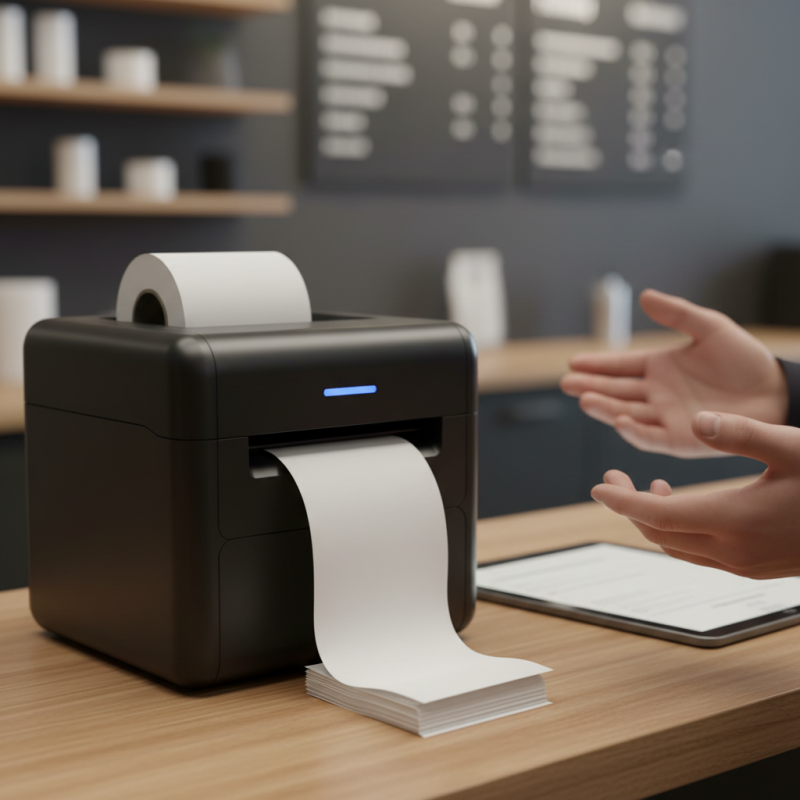
Understanding Receipt Thermal Printers: Key Features to Consider
When choosing a receipt thermal printer, understanding the key features is crucial. Factors like print speed, resolution, and connectivity options can significantly impact your daily operations. A printer that produces clear receipts at a fast pace boosts customer satisfaction. Look for models that print at least 200mm per second for the best performance.
Consider the size and design of the printer. Compact models save counter space and fit in various environments. Some printers offer vertical designs, which can be a smart choice for cramped areas. Don’t overlook paper width options either; a wider paper can enhance readability but may limit your installation space.
Reliability is non-negotiable in this equipment. Frequent malfunctions lead to frustration and lost sales. Choose models with proven longevity and solid customer reviews. It’s also wise to think about ease of maintenance; some printers require complicated procedures that could hinder operations. Always anticipate potential issues, even with reputable brands. Investing time in understanding these features will help in selecting a printer that meets your requirements.
Evaluating Print Quality and Speed for Your Business Needs
When choosing a receipt thermal printer, evaluating print quality and speed is critical. A strong report from the International Data Corporation states that 78% of businesses prioritize print speed in their decision-making. Slow printers can lead to long queues, frustrating customers. The ideal printing speed for retail businesses often ranges from 200 to 300 mm per second. It’s essential to match this speed with your transaction volume.
Print quality also matters. Clear, sharp prints improve customer satisfaction. According to a survey conducted by the Consumer Technology Association, 67% of consumers believe that a legible receipt signals professionalism. Look for printers that provide at least 203 DPI (dots per inch) for optimal clarity. Businesses should also consider occasional challenges, like paper jams or fading ink, which can occur regardless of the printer’s capabilities.
Tips: Test different printers during peak hours. This helps gauge real-world performance under pressure. Additionally, regularly assess the printer’s maintenance needs to ensure it operates smoothly. Inconsistent print quality can affect your bottom line. Stay vigilant and ready to adapt your equipment as your business grows.
Assessing Connectivity Options: USB, Bluetooth, and Wi-Fi Compatibility
When selecting a receipt thermal printer for your business, connectivity options are crucial. USB is the most common choice. It's reliable, and most systems support it. However, using a USB connection can limit mobility. Your register or point of sale (POS) system must be close to the printer. This setup may not work in larger spaces.
Bluetooth offers a flexible alternative. It allows devices to connect wirelessly. This can be advantageous in busy environments. Staff can carry the printer around, improving efficiency. However, not all Bluetooth devices are compatible. You might face connectivity issues if devices are from different manufacturers. It’s essential to check compatibility in advance.
Wi-Fi compatibility expands your options even further. It connects multiple devices without cables. This can help in settings where staff are spread out. But, Wi-Fi printers may experience latency. A weak signal can cause delays in printing. Carefully assess your business layout before deciding. Connectivity can make or break your operational efficiency.
Exploring Cost Factors: Initial Investment and Ongoing Maintenance
When choosing a thermal printer, cost factors play a crucial role. The initial investment can vary significantly among different models. Companies should assess their budget carefully. High-quality printers often come at higher prices, but cheaper options may lead to higher maintenance costs later. It's important to evaluate the printing volume your business will generate. A low-priced printer might not withstand frequent use, leading to more expenses over time.
Ongoing maintenance also needs consideration. Regular maintenance can prevent unexpected breakdowns. This might include replacing thermal heads and rollers. Some printers require specific supplies that can add to the overall cost. Businesses should account for these expenses in their long-term budgeting. The goal is to find a balance between upfront costs and reliability. Evaluating different models helps identify potential pitfalls. Relying on user reviews can also provide valuable insights. This process may feel overwhelming, but it's essential to make an informed decision.
Cost Factors in Choosing a Receipt Thermal Printer
Identifying Brand Reputation and Customer Support Services
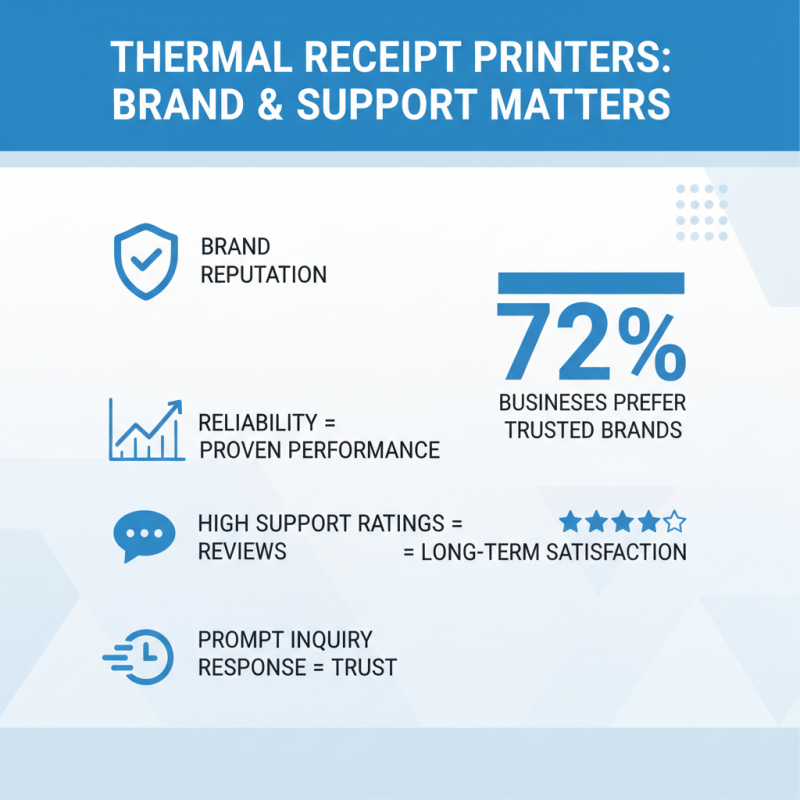
When selecting a thermal receipt printer, brand reputation plays a crucial role. A strong brand often indicates reliability. Research shows that 72% of businesses prefer brands with proven performance. Customer reviews can offer insights. High ratings in customer support often correlate with long-term satisfaction. Companies that respond to inquiries promptly earn trust.
Consider warranty policies. A generous warranty can be a sign of confidence in product quality. Additionally, consistent technical support can be vital. Reports indicate that 63% of users prioritize after-sales service in their purchasing decisions. Exploring forums and community feedback can provide an understanding of real-world experiences.
Evaluate whether brands offer user-friendly resources. Support materials such as manuals, video tutorials, and FAQs simplify troubleshooting. Access to live chat and online assistance enhances customer experience. However, some brands may lack adequate resources, leading to frustration. It’s essential to weigh these factors carefully to find the right fit for your business needs.

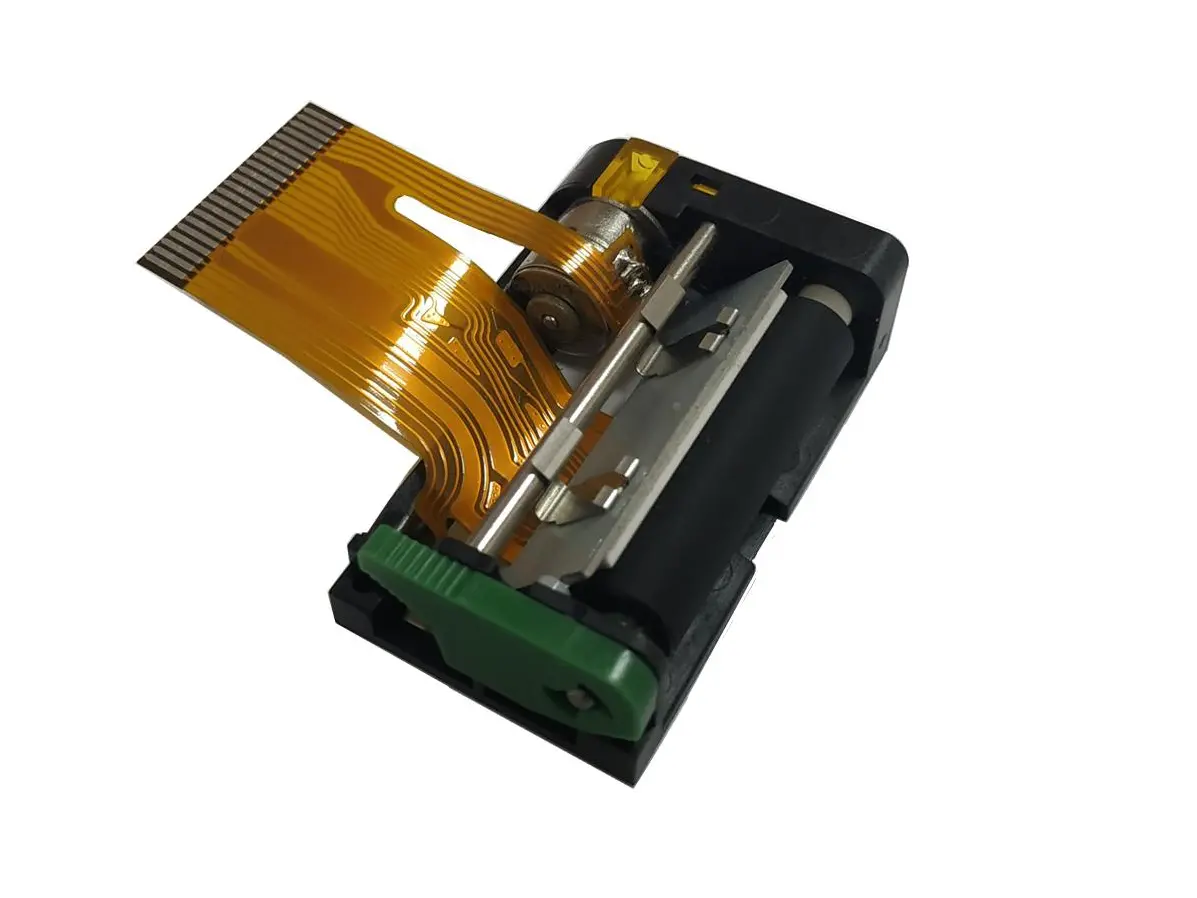 1 inch thermal printer mechanism
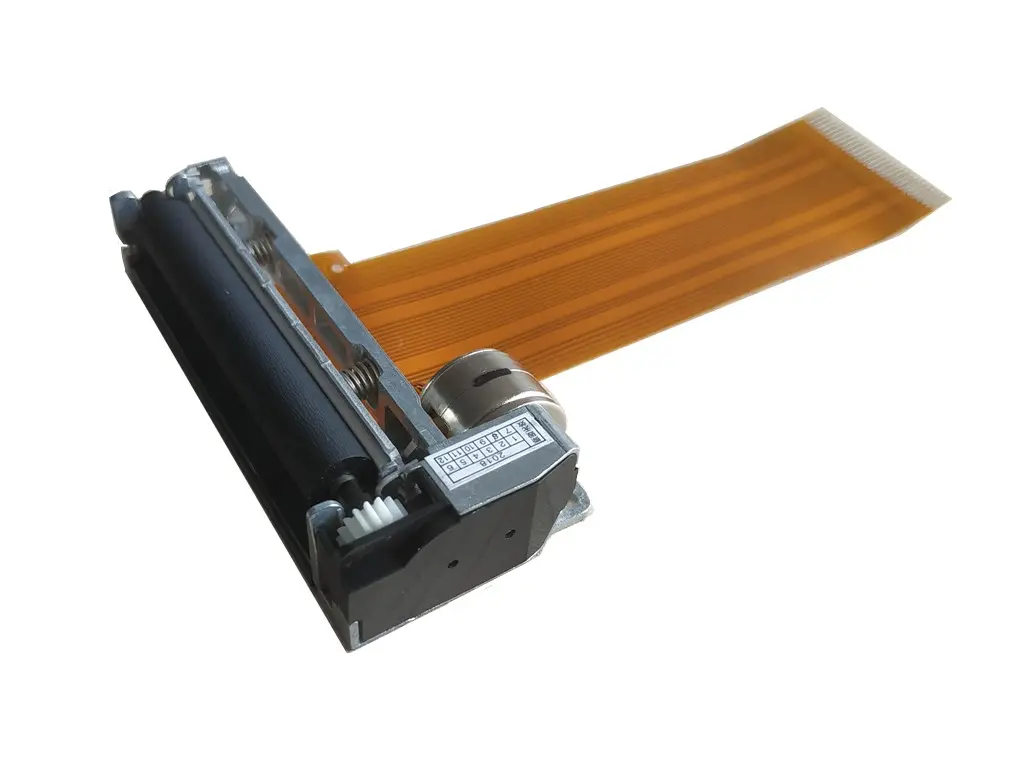 2 inch thermal printer mechanism
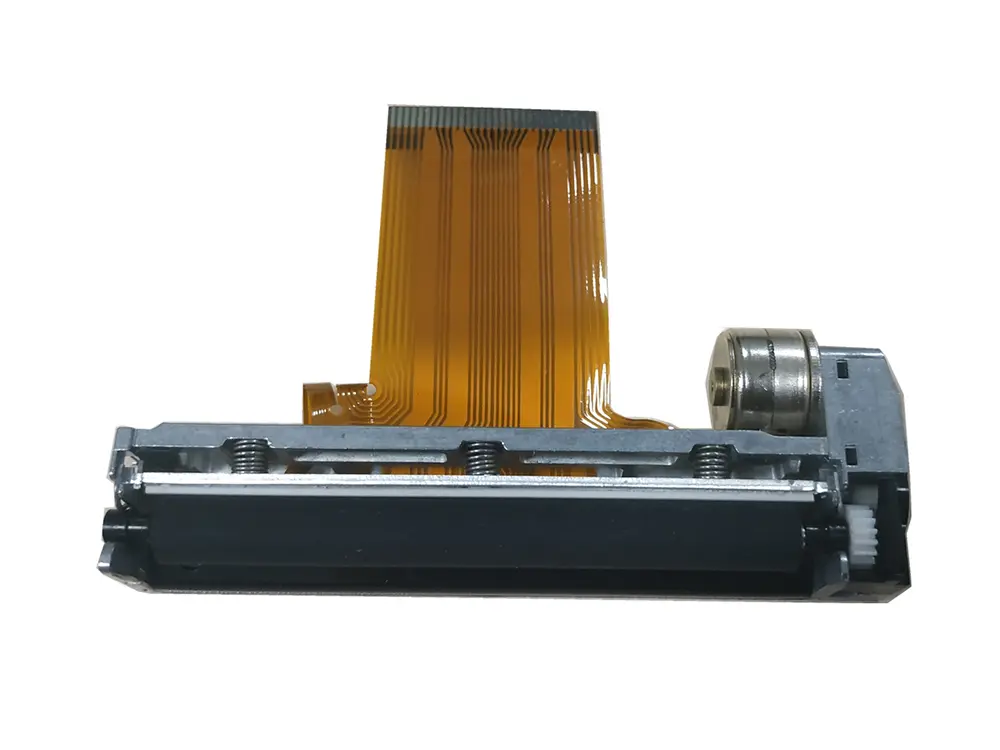 3 inch thermal printer mechanism
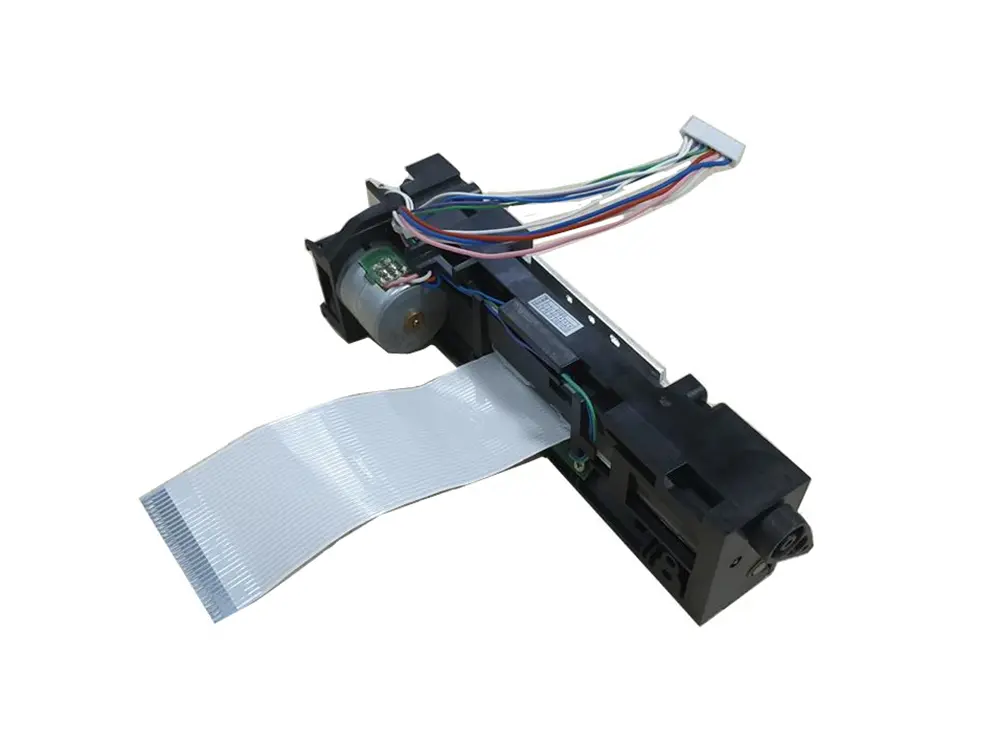 4 inch thermal printer mechanism
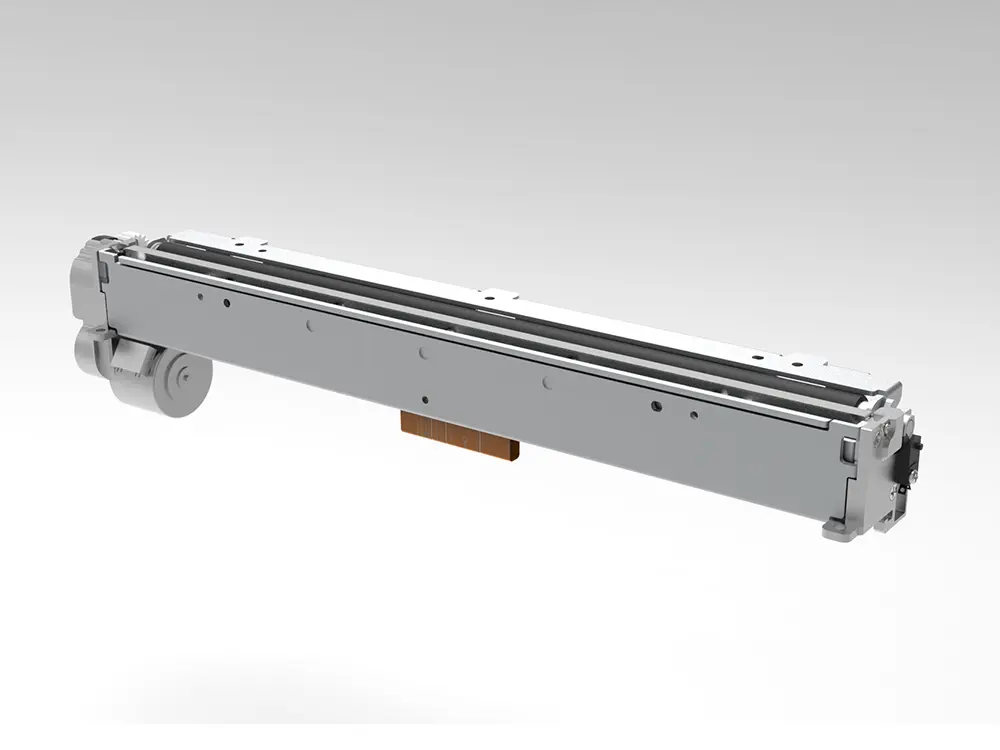 8 inch thermal printer mechanism
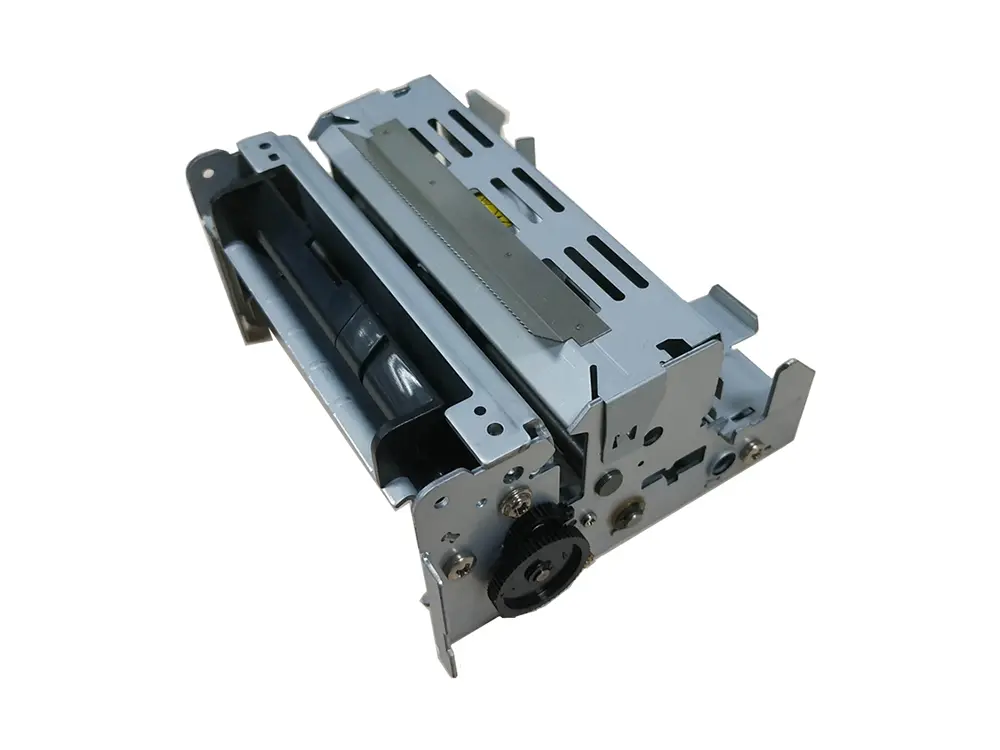 dot matrix printer mechanism
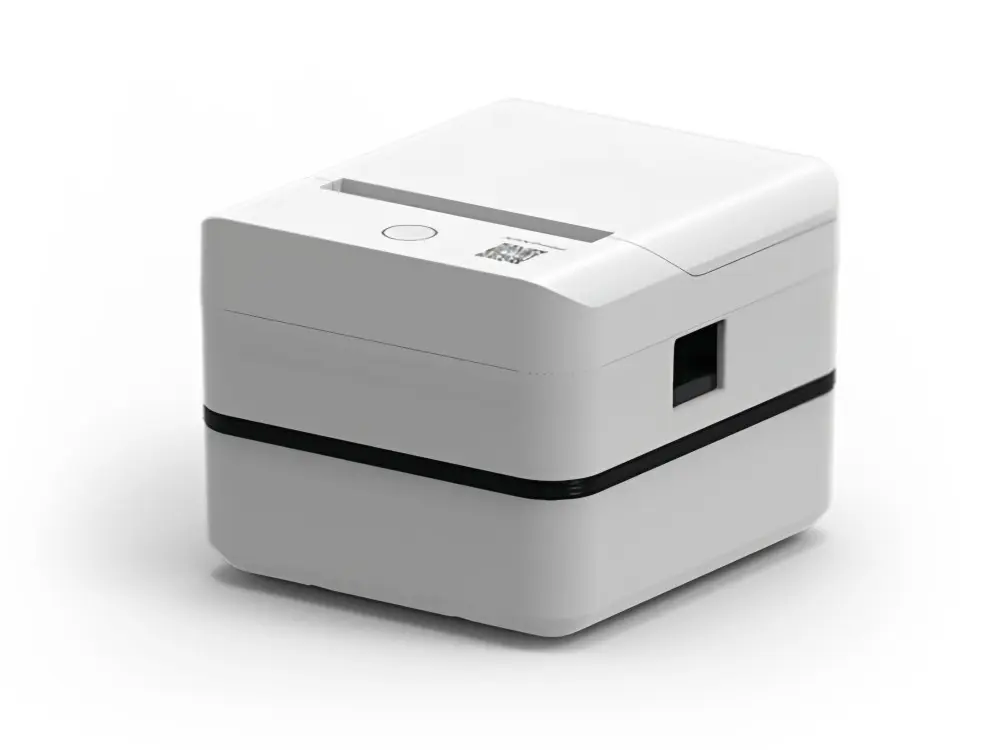 Label Printer
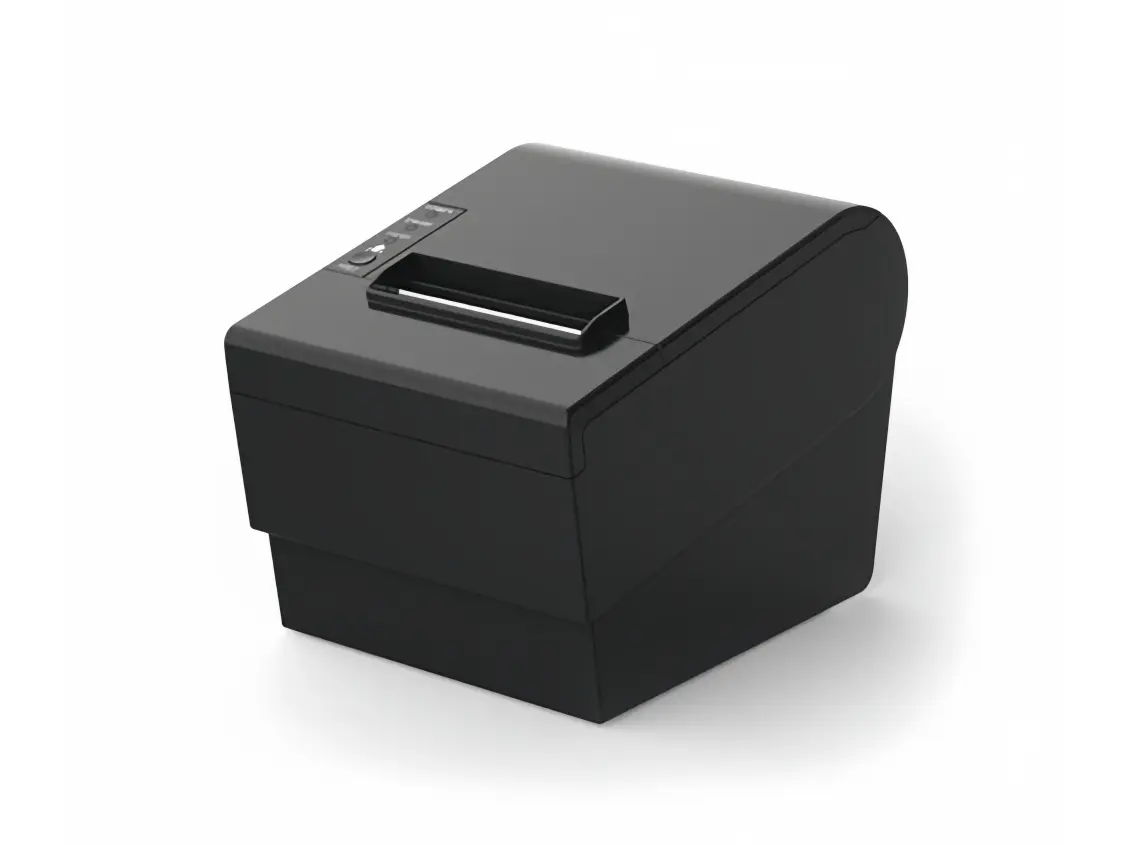 Receipt Printer
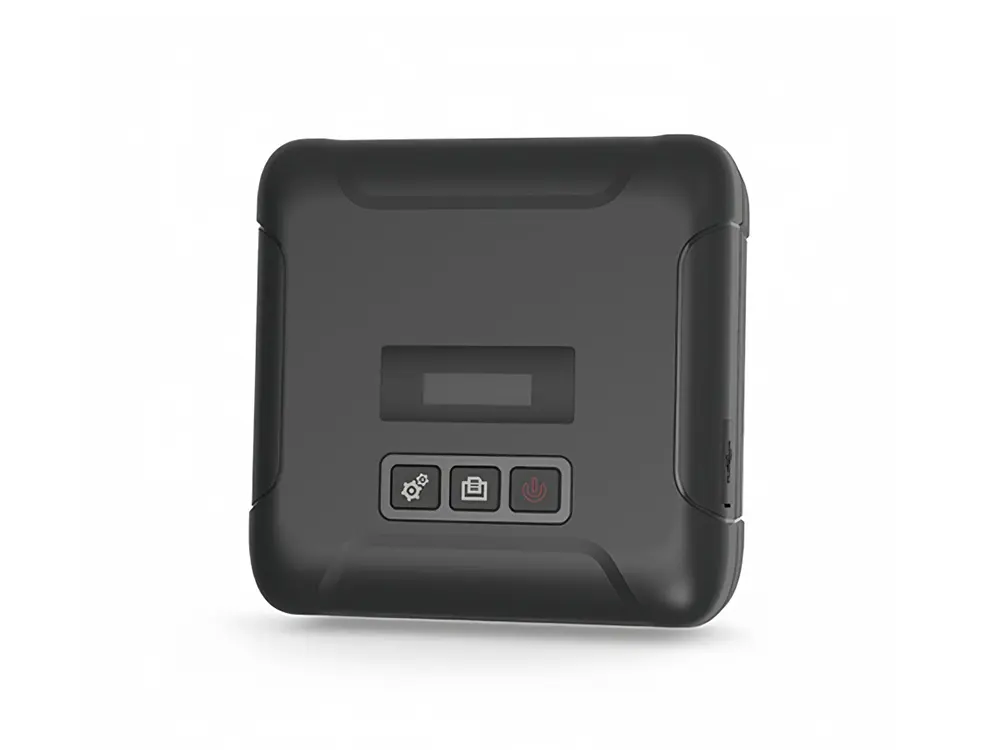 Mobile Printer