What is a Portable Thermal Printer and How Does It Work?
In modern business environments, the demand for efficiency drives innovation. One standout innovation is the Portable Thermal Printer. Experts like Dr. Emily Carter, a leading voice in printing technology, state, “These printers combine convenience with cutting-edge performance.”
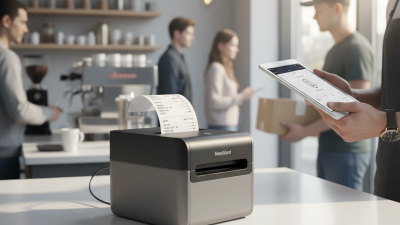
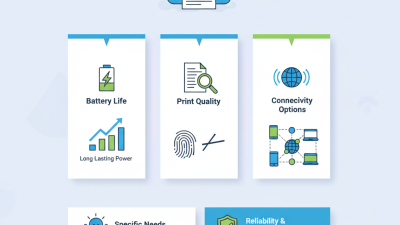
Portable Thermal Printers are compact devices that use heat to produce images on paper. Their application spans various industries, from retail to healthcare. For example, a mobile sales team can print invoices on the spot, enhancing customer experience. However, some users may face challenges with battery life and print quality. Addressing these issues is crucial for maximizing their benefits.
The growth of e-commerce emphasizes the need for reliable printing solutions. Portable Thermal Printers cater to this trend, streamlining operations. Yet, businesses must weigh their options. Balancing convenience with functionality is essential in this rapidly evolving landscape. Understanding this can lead to better decisions and improve operational efficiency.
What is a Portable Thermal Printer?
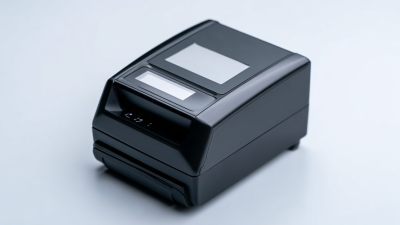
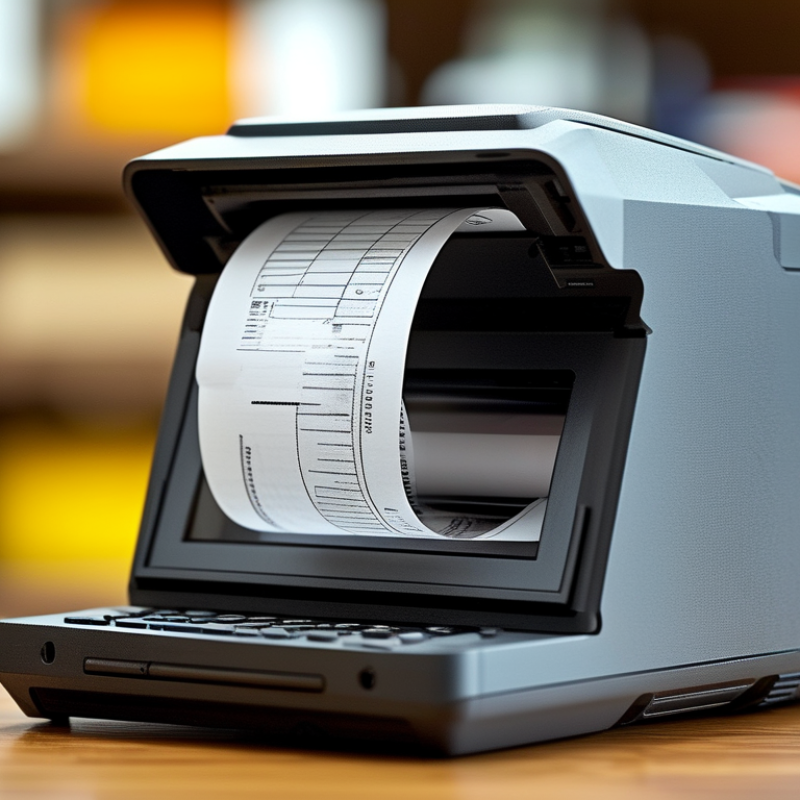
Portable thermal printers are compact devices designed to print high-quality images and text. They use heat-sensitive paper, which reacts to heat from print heads. As the heat is applied, it creates an image on the paper without using ink. This method not only makes printing faster but also eliminates the need for cartridges.
These printers are ideal for various settings. They can be used in retail stores for receipts or by professionals in field services for quick documentation. However, the reliance on special thermal paper can sometimes lead to higher operational costs. Users may find that the paper fades over time, affecting the durability of printed documents.
It's essential to weigh these factors before depending entirely on portable thermal printers for important tasks.
Components and Design of Portable Thermal Printers
Portable thermal printers are becoming increasingly popular. Their compact size and wireless capabilities make them ideal for on-the-go printing. These printers utilize thermal technology, which means they print by applying heat to special heat-sensitive paper. This results in clear, smudge-proof images and text without the need for ink cartridges.
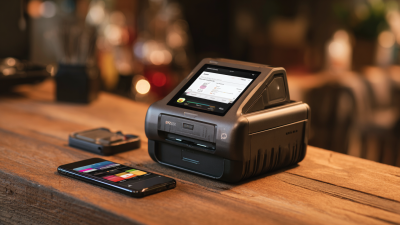
In terms of design, portable thermal printers typically consist of a few key components. The thermal print head is essential; it heats up to create images. The paper feed mechanism rolls the paper smoothly through the printer. Battery packs are also crucial, enabling prolonged use away from power sources. Some models even feature Bluetooth or Wi-Fi connectivity for easy pairing with mobile devices.
However, challenges exist with portable thermal printers. Battery life may not meet users' demands during long events. Limited print sizes can restrict usage in professional settings. The quality of thermal paper is vital; low-quality paper can lead to faded prints. Evaluating these factors is important for choosing the right portable thermal printer for specific needs.
Performance of Portable Thermal Printers
How Portable Thermal Printers Function Mechanically
Portable thermal printers are compact devices used for on-the-go printing needs. They primarily utilize thermal printing technology. This process involves using heat to transfer an image onto special thermal paper. Each printer contains a heated print head that selectively heats areas of the paper to create text or images.
The mechanics behind these printers are relatively simple. Inside, the printer has a thermal head that activates when data is sent from a connected device. As the paper moves through the printer, the heated print head contacts the thermal material. This creates a chemical reaction that manifests as darkened areas forming letters or images. The printer must maintain a precise temperature for accurate printing, which requires careful calibration.
Here are some tips for using portable thermal printers effectively. Always check the battery level before use. A low battery can lead to incomplete prints. Additionally, ensure the thermal paper is loaded correctly to avoid jams. Regular maintenance is also crucial; clean the print head frequently to preserve print quality. Lastly, be cautious with direct sunlight exposure, as it can degrade print longevity.
Types of Thermal Printing Technologies Used
Portable thermal printers have gained popularity due to their convenience and efficiency. They utilize different thermal printing technologies to produce high-quality prints. Two common methods include direct thermal printing and thermal transfer printing.
Direct thermal printing relies on heat-sensitive paper. When exposed to the print head’s heat, the paper turns dark to create text or images. This method is excellent for short-term use, such as shipping labels. It eliminates the need for ink, reducing maintenance. However, direct thermal prints can fade over time, especially when exposed to light.
Thermal transfer printing employs a ribbon coated with wax or resin. The printer heats the ribbon, transferring ink onto the media. This process provides more durable prints, making it suitable for long-term applications. However, this method requires a thermal ribbon, adding to operational costs.
Tip: Always store thermal paper in a cool, dark place to prevent fading.
Understanding the technology helps users select the right printer for their needs. Analyze your printing frequency and durability requirements before making a choice. A deeper knowledge of these technologies can enhance productivity in various applications.
Tip: Test both printing methods before making a decision. Ensure the prints meet your quality standards.
Applications and Benefits of Portable Thermal Printers
Portable thermal printers have carved a niche in various industries due to their practicality. These compact devices enable users to print labels, receipts, and tickets on the go. According to a report by ResearchAndMarkets, the portable printer market is expected to grow at a CAGR of 7.2% between 2023 and 2030. This rise indicates a strong demand fueled by various applications.
One key application is in the retail sector. Store owners utilize portable printers for on-the-spot receipt generation. This convenience enhances customer service and speeds up transactions. In healthcare, these printers assist in printing patient wristbands and lab results, improving workflow efficiency. However, as the demand increases, issues like battery life and print quality come into question. Reports suggest that 28% of users face challenges related to battery performance, which can hinder productivity.
Field service industries also leverage these devices for work orders and invoices. The ability to print directly at the job site simplifies administrative processes. However, there are usability concerns. Some users report difficulties with connectivity and user interface, leading to a steeper learning curve. Addressing these tech-related challenges is critical in maximizing the benefits of portable thermal printing.

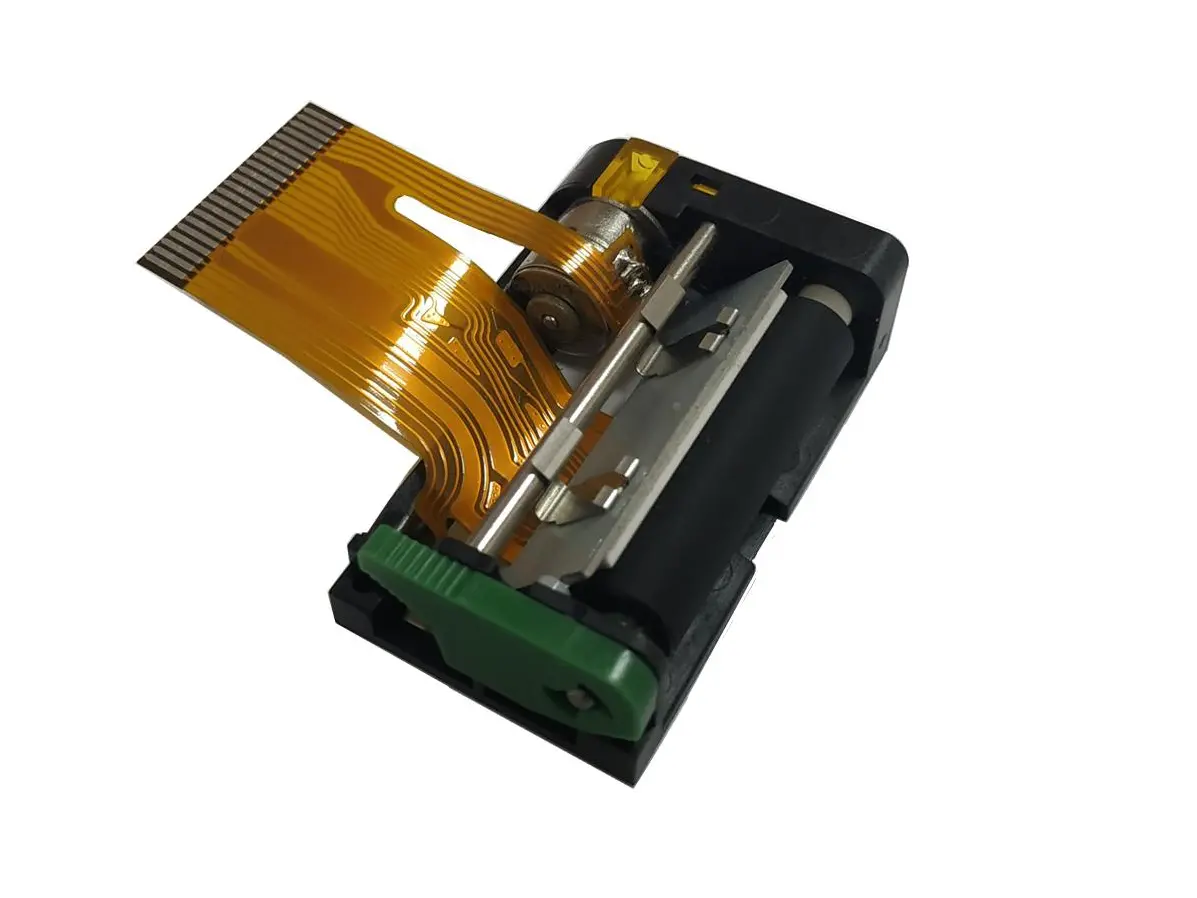 1 inch thermal printer mechanism
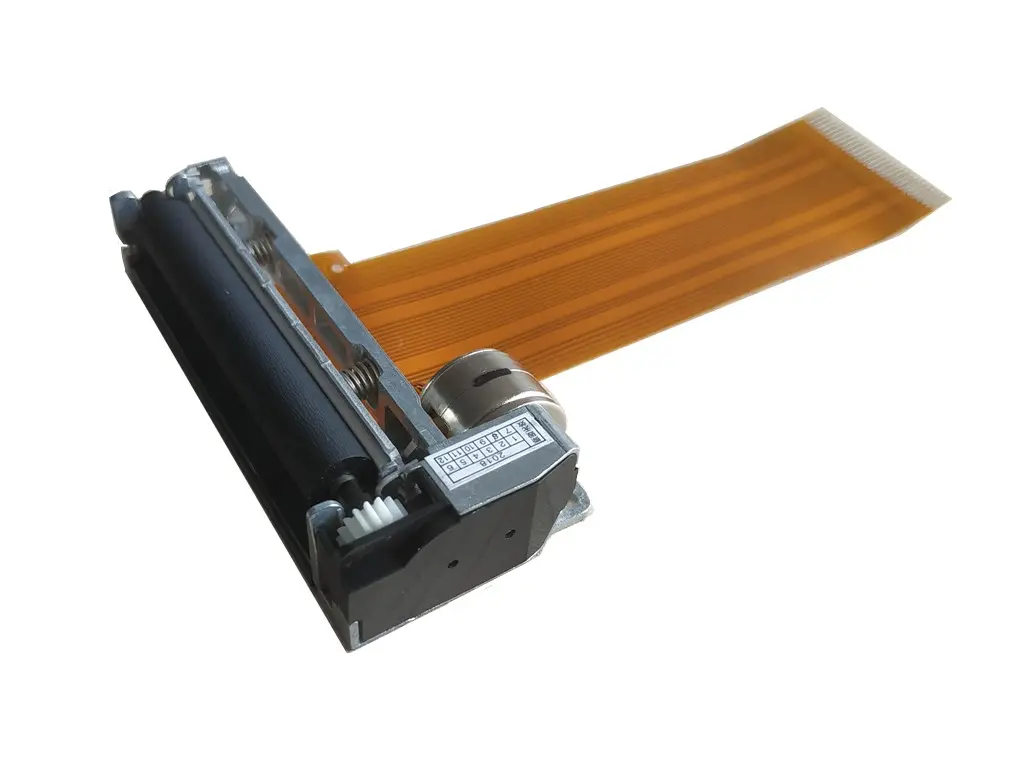 2 inch thermal printer mechanism
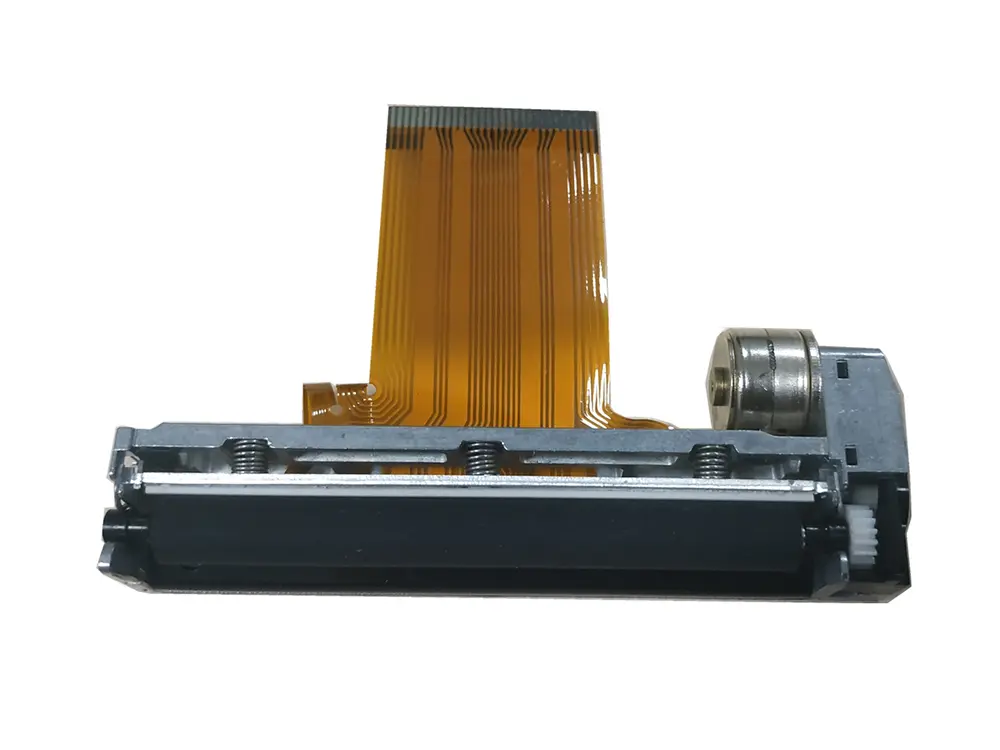 3 inch thermal printer mechanism
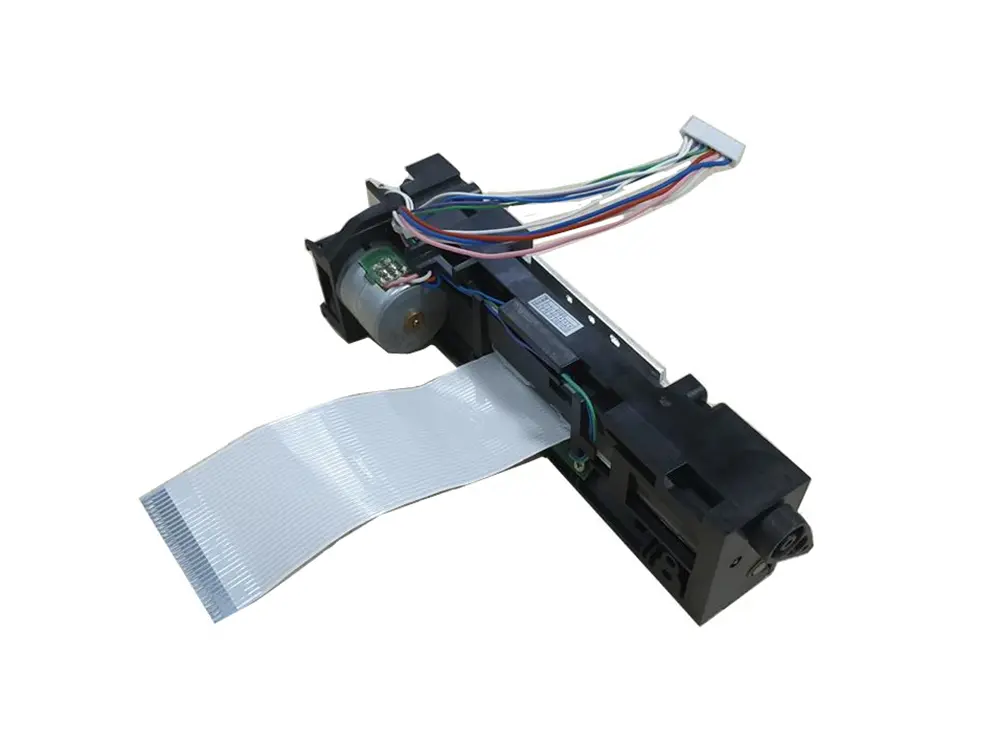 4 inch thermal printer mechanism
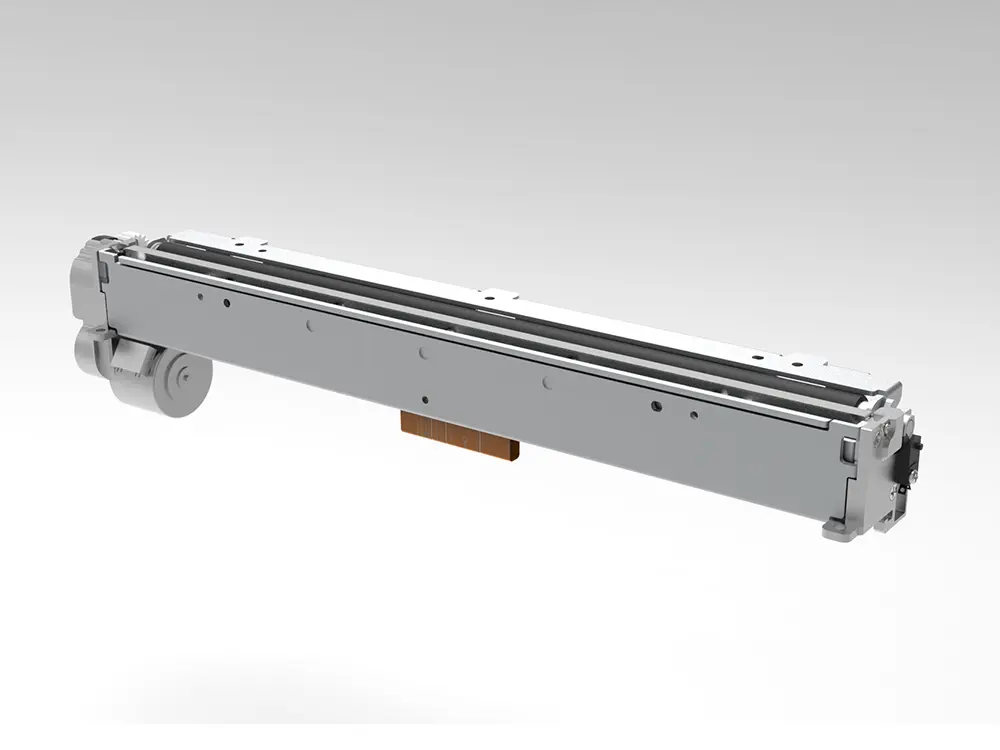 8 inch thermal printer mechanism
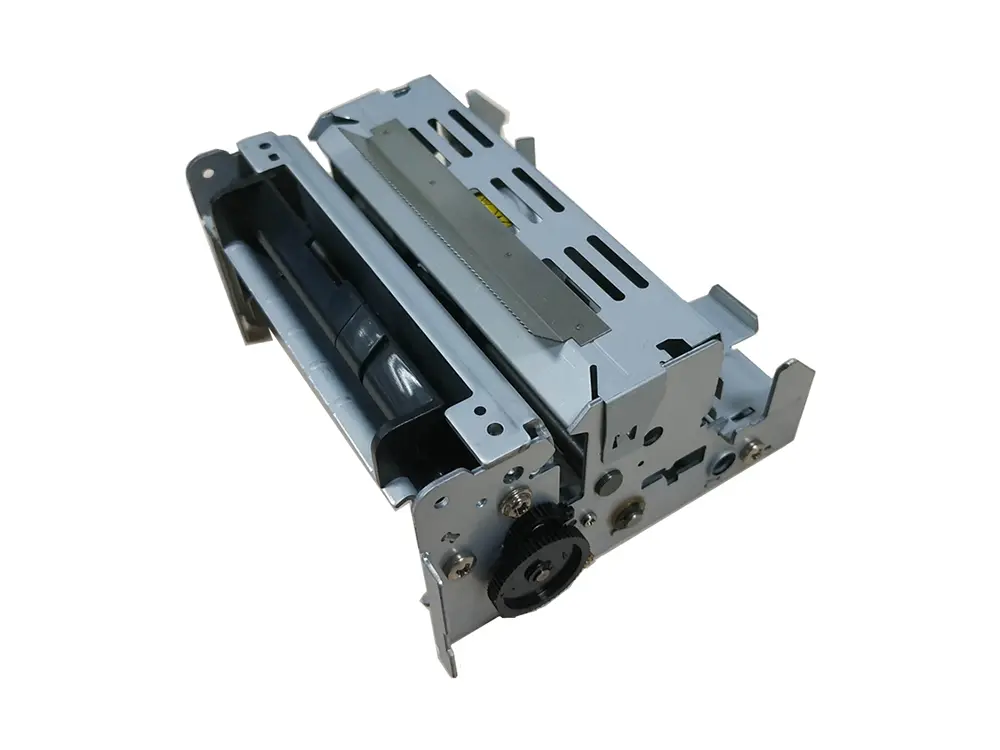 dot matrix printer mechanism
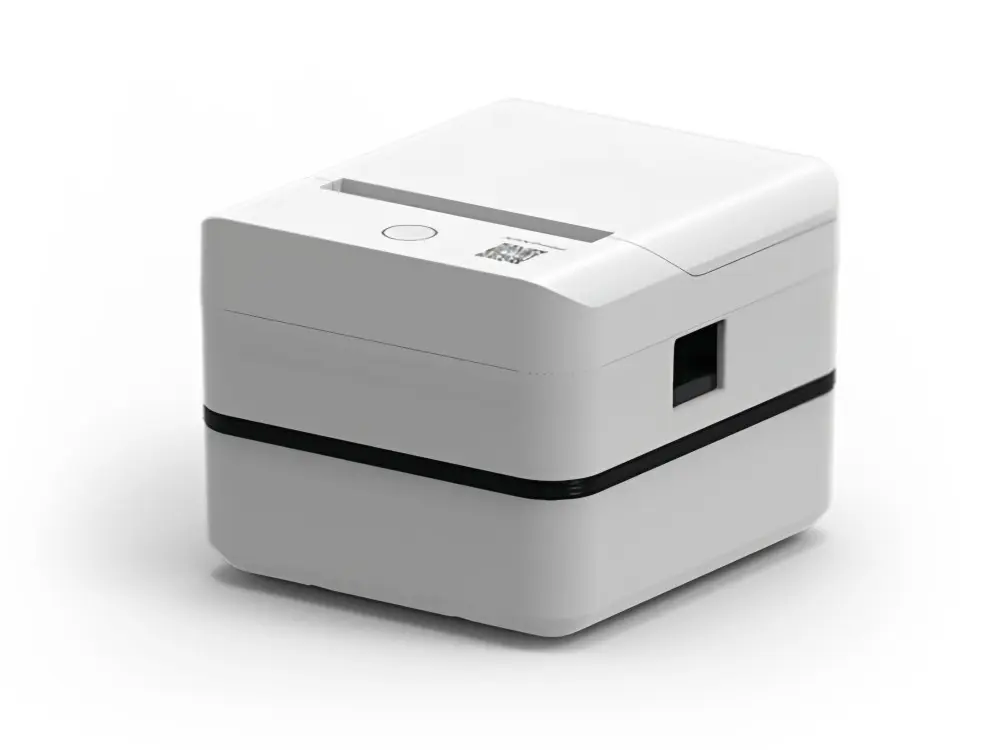 Label Printer
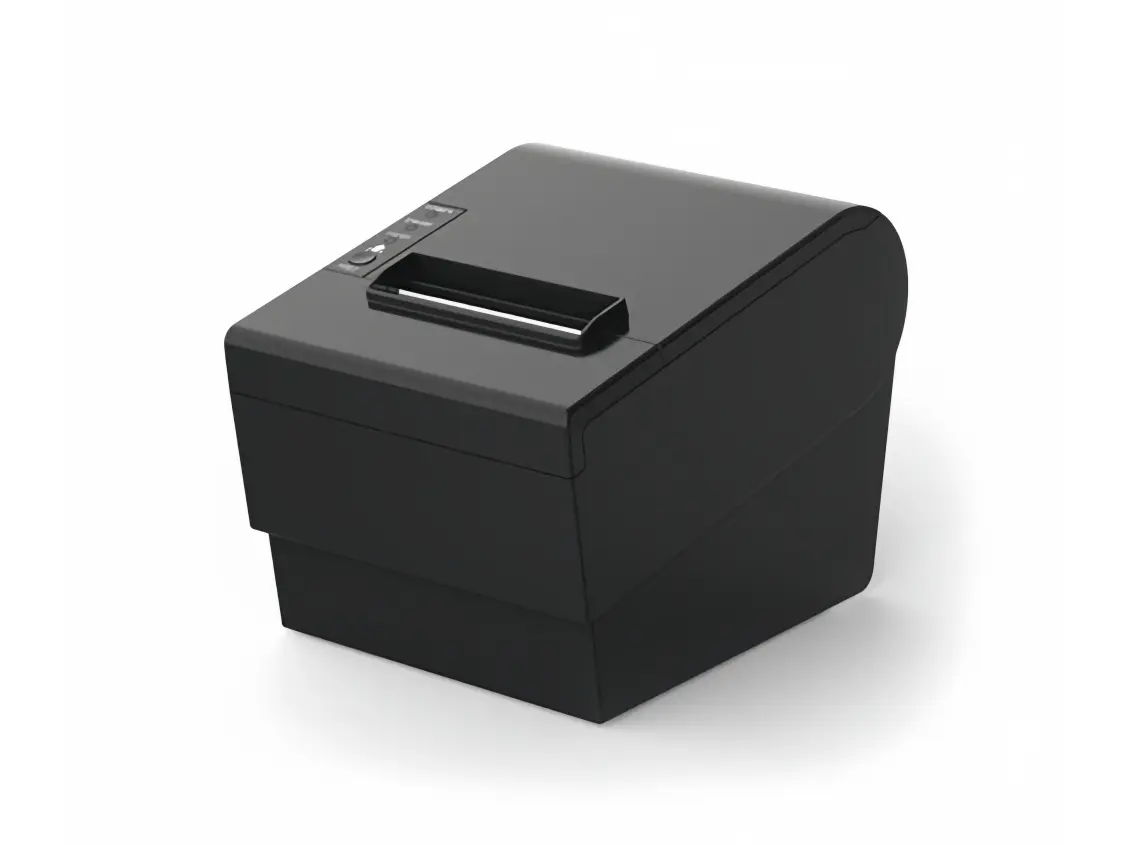 Receipt Printer
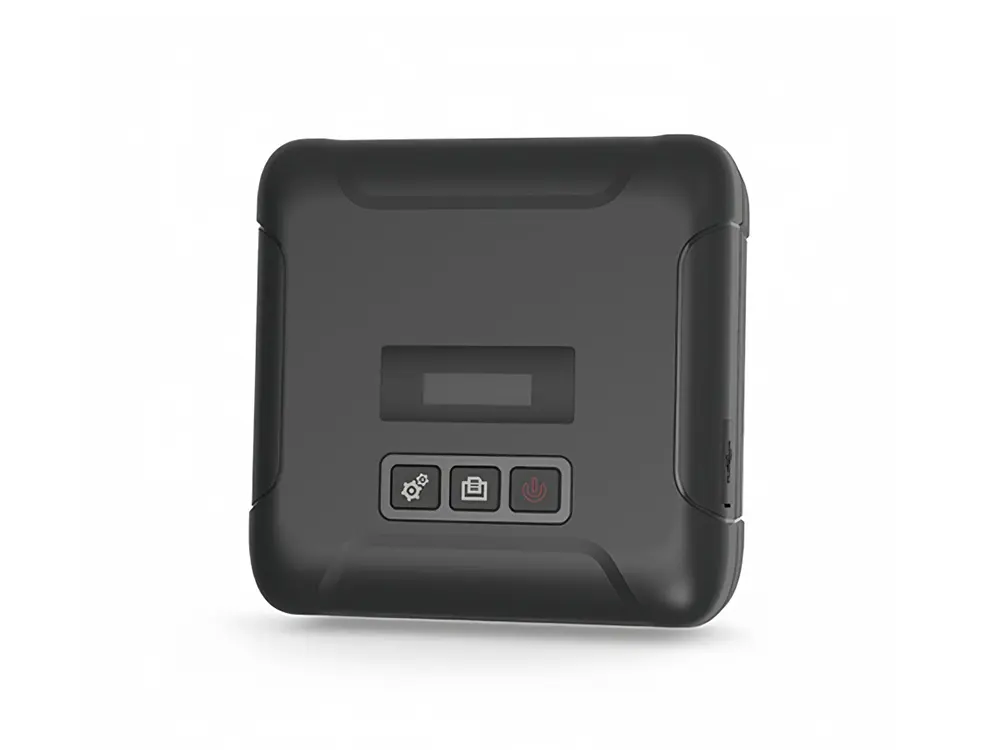 Mobile Printer