Top Portable Thermal Printers to Buy in 2026?
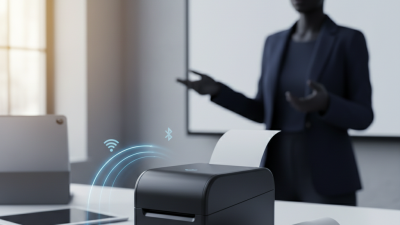
In the fast-evolving world of technology, Portable Thermal Printers are gaining significant attention. Experts like Dr. Emily Tran, a leading authority in printing technology, assert, “The future of portability lies in compact thermal printing solutions.” As businesses seek efficiency, these devices are becoming essential tools for labels, receipts, and tickets.
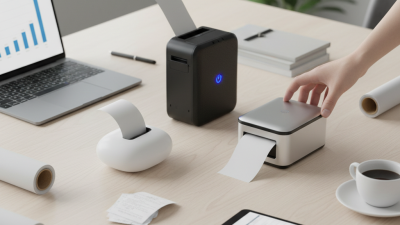
In 2026, the market for Portable Thermal Printers is expected to expand dramatically. These printers offer convenience and flexibility, ideal for various settings. Their lightweight design enhances mobility, catering to the needs of on-the-go professionals. However, choosing the right model can be challenging, given the multitude of options available.
Many users still struggle with issues like print quality and connectivity. Print clarity can vary, affecting reliability. Not every printer suits every business context, highlighting the importance of thorough research. Experts often recommend evaluating specific needs before making a purchase. Being aware of these factors ensures a more effective investment in Portable Thermal Printers.
Best Features to Look for in Portable Thermal Printers in 2026
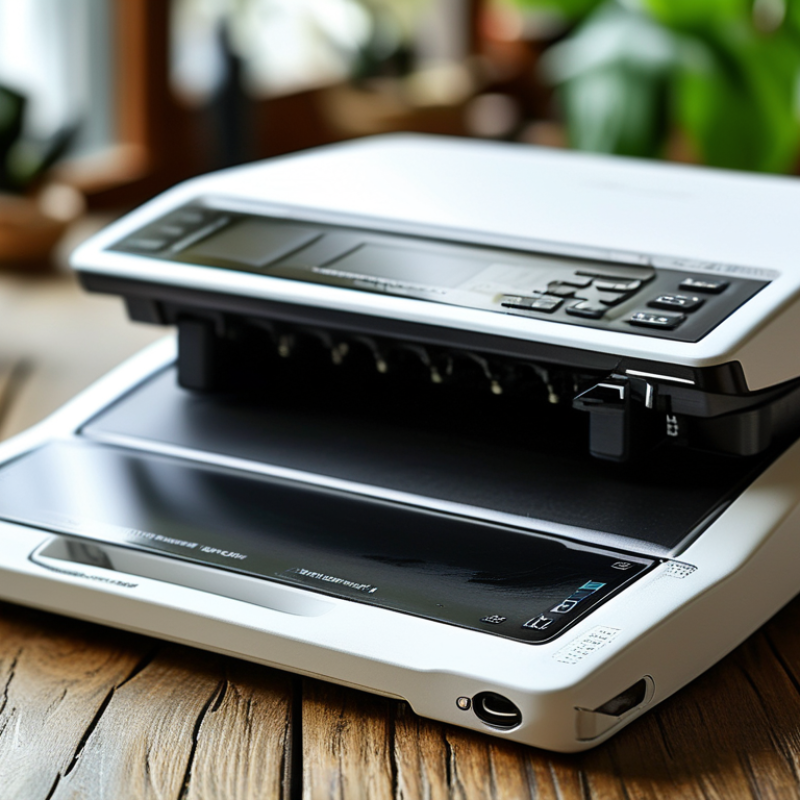
When selecting a portable thermal printer in 2026, several key features are critical. One major aspect is battery life. The average portable printer should last at least 8 hours on a single charge. Many users report frustration when batteries deplete quickly during use. Consider printers that support quick charging options.
Another important factor is connectivity. Look for models that offer Bluetooth and Wi-Fi capabilities. Studies indicate that 72% of users prefer wireless options for ease of use, especially in remote locations. A reliable connection can significantly enhance productivity. Additionally, a user-friendly interface is essential. Complex setups often lead to unnecessary delays in busy environments.
Print speed and resolution also matter. Most top thermal printers can print at a speed of 50mm per second. This speed balances quality and efficiency. Clarity of print is crucial for legibility. Print resolution should ideally be around 300 dpi to ensure that details remain sharp. However, not all models achieve this balance, leading to potential user dissatisfaction. It's important to evaluate all features based on your specific needs and workflow characteristics.
Top Brands of Portable Thermal Printers: Market Leaders and Innovators
When considering portable thermal printers, expertise is key. Several brands have carved out a space in this competitive market. Each company offers unique features that cater to different needs. Many have invested heavily in research and development. This focus has fostered innovation, resulting in printers that are lightweight, efficient, and user-friendly.
Tips: Always check the battery life. A short battery duration can be limiting. Look for models that allow easy paper loading for quick changes.
Companies specializing in this technology prioritize quality, ensuring prints are clear and long-lasting. User experience is often at the forefront of their designs. However, some brands face challenges in maintaining consistent print quality across different environments.
Tips: Analyze customer reviews to gain insights into real-world usage. Take note of common praises and criticisms for better-informed decisions.
Comparison of Portability and Performance Among Leading Models
In the rapidly evolving world of portable thermal printers, understanding the balance between portability and performance is crucial. A recent industry report indicates that 70% of users prioritize lightweight designs. This need is especially prominent among mobile professionals who often print on the go. Models weighing under 1.5 pounds tend to be favored, allowing for easy transport without compromising functionality.
Performance metrics also play a vital role. Print speeds can greatly vary among models, with an average range from 50 to 100 mm/s. Devices achieving higher speeds often face trade-offs in battery life. Interestingly, 45% of users report that battery longevity is a deciding factor for them. A printer that lasts for long work hours can dramatically enhance productivity. However, some models fall short, requiring frequent recharges that disrupt workflow.
Another key aspect is connectivity. Many users express frustration with complicated pairing protocols. Bluetooth and Wi-Fi functionalities are essential, but not all models excel in this area. A significant percentage of users, around 60%, mention connectivity issues when using devices in diverse environments. The challenge remains to find a printer that combines exceptional portability with high-end performance, all while maintaining user-friendly features.
Top Portable Thermal Printers to Buy in 2026
| Model |
Weight (lbs) |
Dimensions (inches) |
Battery Life (hours) |
Print Speed (mm/sec) |
Connectivity Options |
| Model A |
1.5 |
5.0 x 3.0 x 1.5 |
10 |
90 |
Bluetooth, USB |
| Model B |
2.0 |
6.5 x 4.0 x 2.0 |
12 |
75 |
Wi-Fi, Bluetooth |
| Model C |
1.2 |
4.5 x 2.5 x 1.0 |
8 |
80 |
Bluetooth |
| Model D |
2.5 |
7.5 x 4.5 x 2.5 |
15 |
100 |
Wi-Fi, USB |
User Reviews and Experiences: What Customers Say About Their Choices
When exploring portable thermal printers, user experiences hold significant weight. Many customers appreciate the compact design and lightweight nature of these devices. Someone shared how it fit effortlessly into their backpack during business trips. Easy setup is another plus highlighted by users. They find it convenient to connect via Bluetooth. However, some faced challenges linking their devices on the first try.
Feedback reveals mixed feelings regarding print quality. While many admire the clear output on receipts, others mention occasional smudging. A user noted frustration with a specific model that frequently jammed. Customers have varying perspectives on battery life. Some praise long-lasting performance, while others suggest improvements in efficiency. Personal experiences shed light on these inconsistencies. Each review contributes to a larger picture of reliability.
In essence, real users navigate the ups and downs of portable thermal printers. Their insights provide a practical lens on what to expect. Many appreciated features meet their needs, but pitfalls remain. Real-world usage reveals the nuances that spec sheets often overlook. These raw experiences guide potential buyers toward making informed decisions.
Future Trends in Portable Thermal Printer Technology and Design
The landscape of portable thermal printer technology is evolving rapidly. According to a report by ResearchAndMarkets, the global thermal printer market is projected to grow at a CAGR of 6.7% through 2027. This growth is driven by increased demand in sectors like retail and logistics. Portable thermal printers are becoming smaller and more efficient, meeting the needs of mobile professionals.
One trend gaining traction is the integration of Bluetooth and Wi-Fi connectivity. This allows users to print directly from smartphones and tablets. Additionally, battery life improvements mean users can operate printers longer without recharging. The latest designs are also incorporating eco-friendly materials. Sustainability is becoming a priority as industries aim to reduce their environmental impact.
However, there are challenges. Many portable printers still struggle with print speed compared to stationary models. Users often report difficulty in paper handling, particularly with loading and feeding paper. As manufacturers innovate, they will need to address these pain points while enhancing their efficiency and sustainability features. The next few years could see significant advancements in printing technology, pushing the boundaries of what portable thermal printers can achieve.

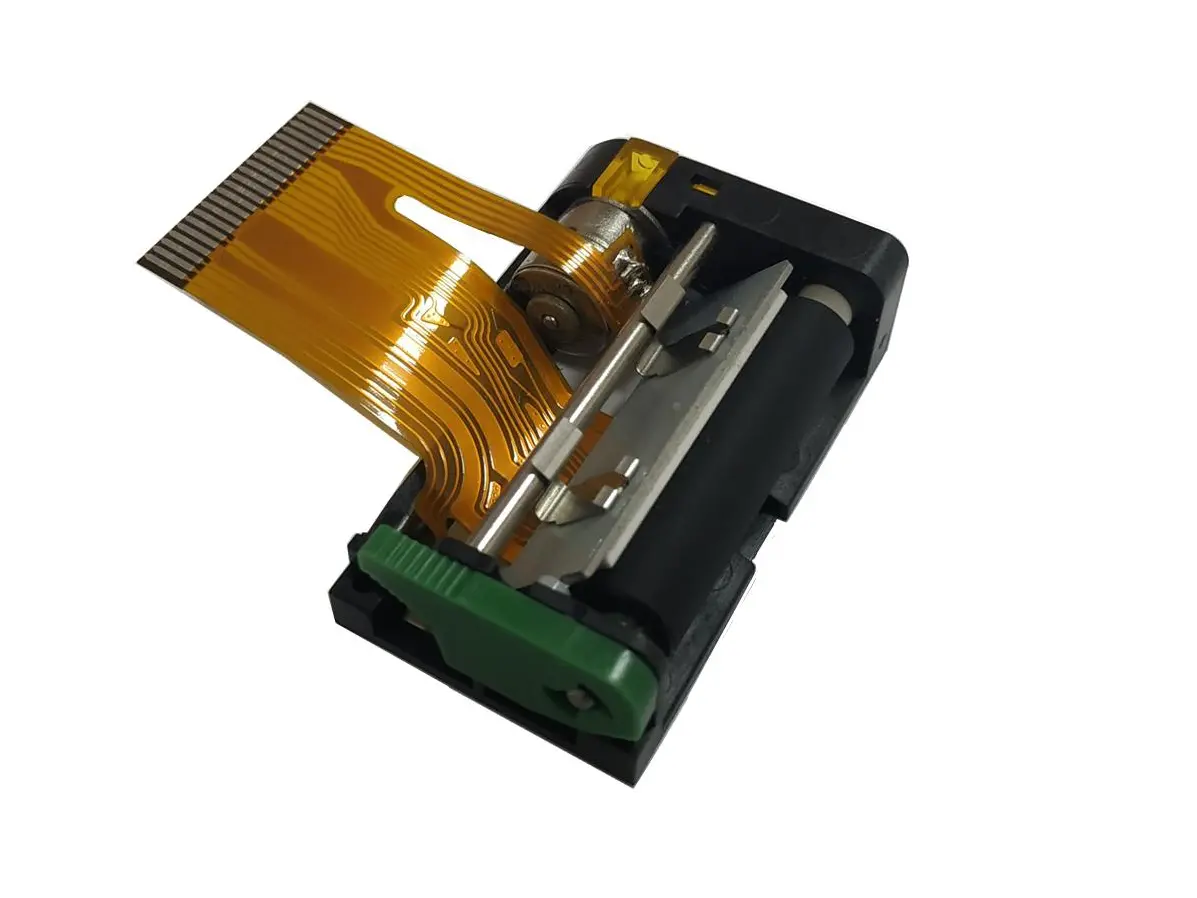 1 inch thermal printer mechanism
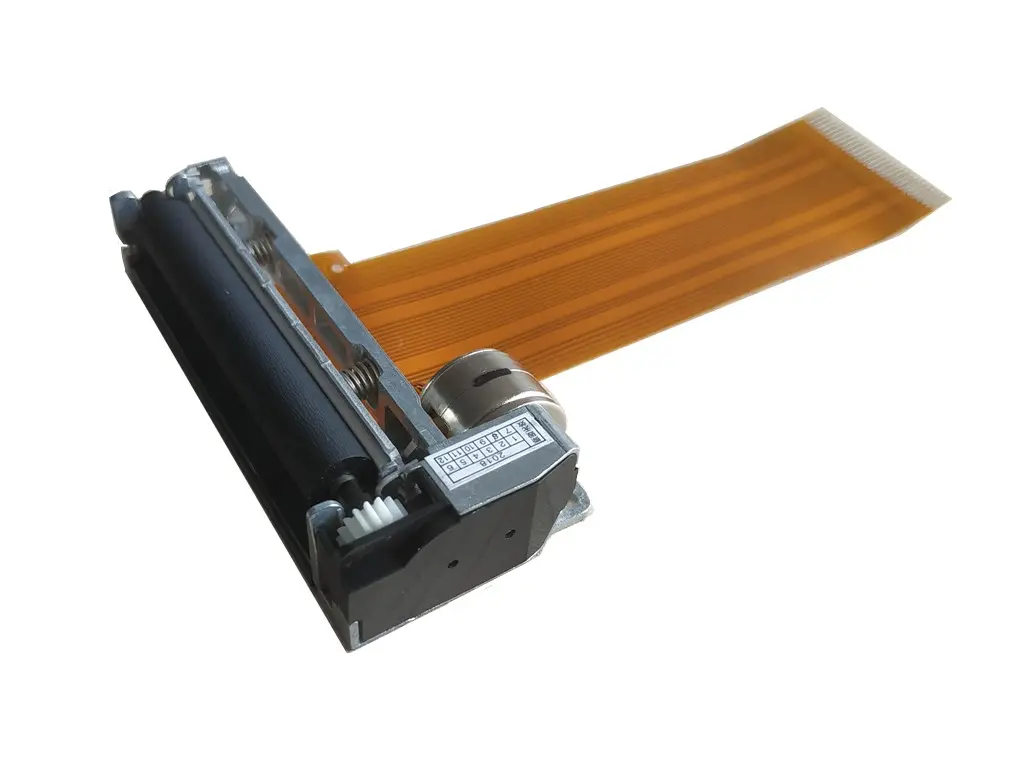 2 inch thermal printer mechanism
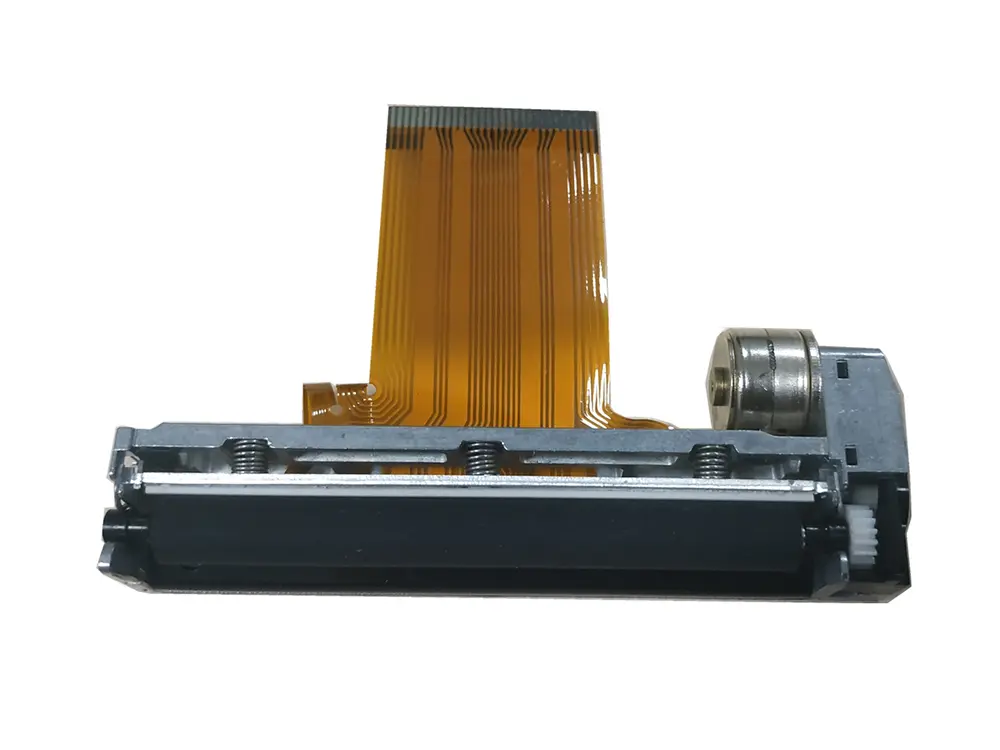 3 inch thermal printer mechanism
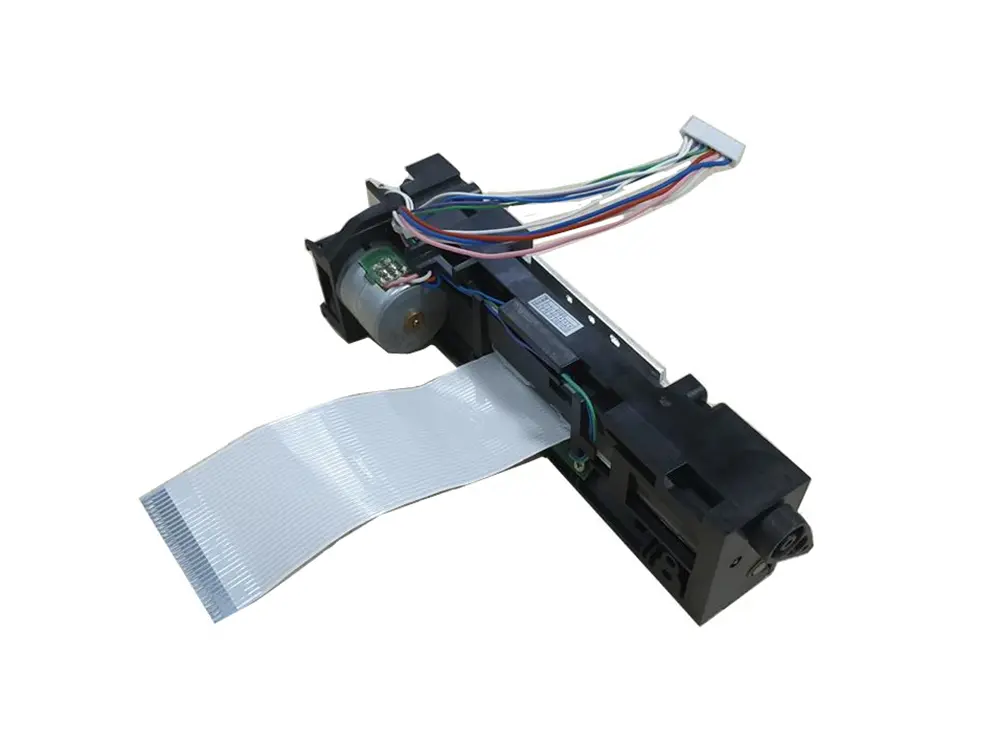 4 inch thermal printer mechanism
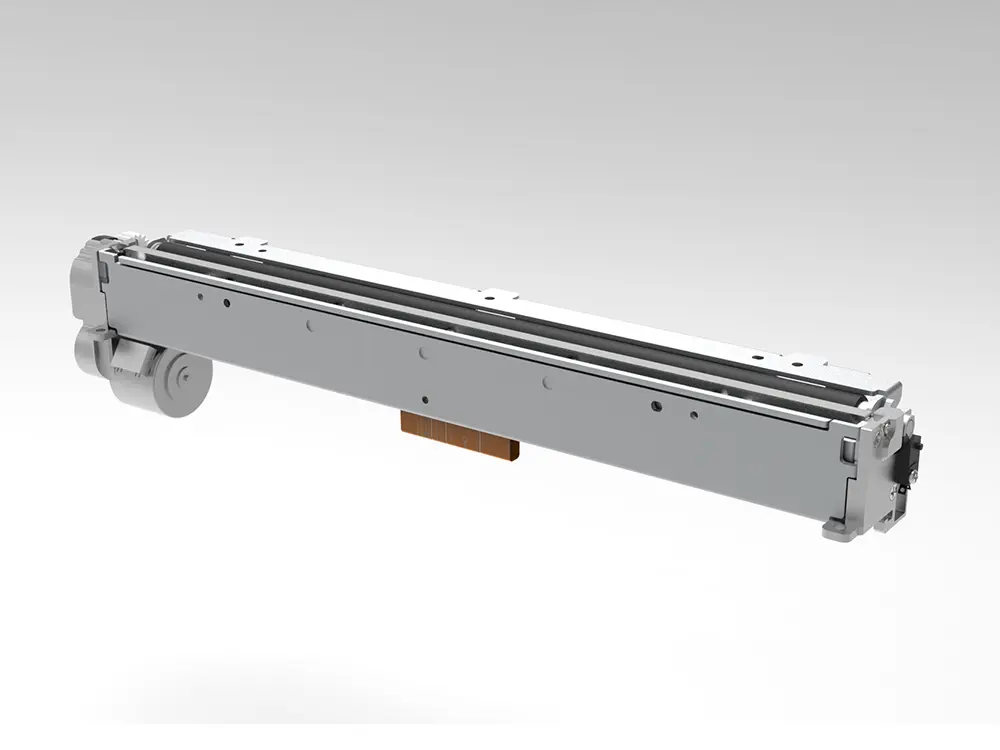 8 inch thermal printer mechanism
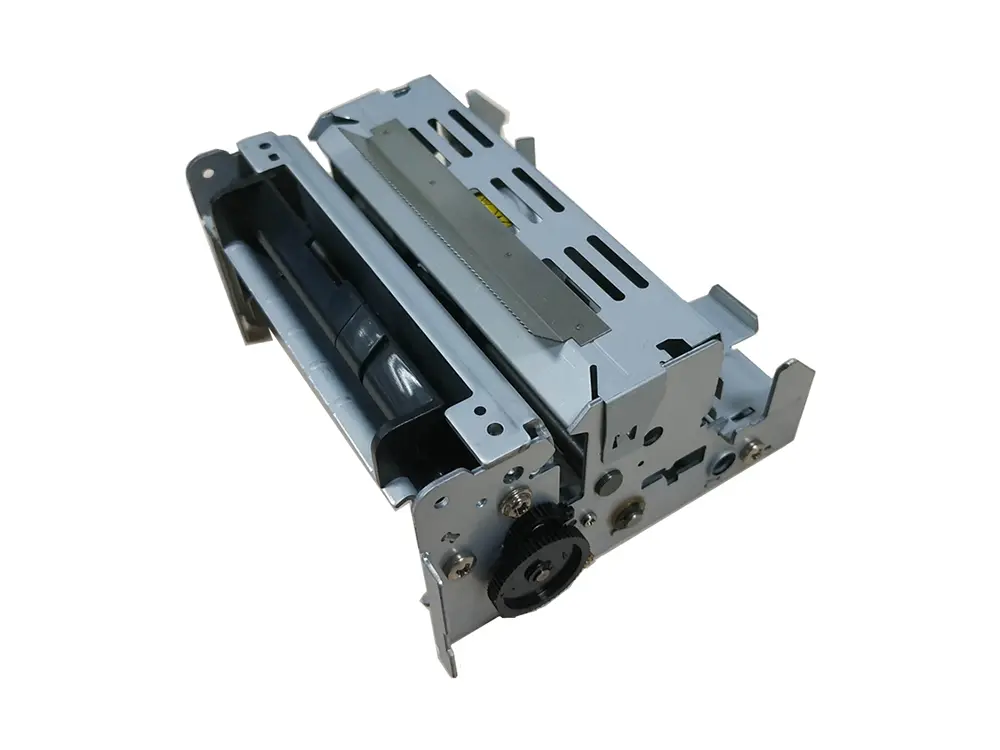 dot matrix printer mechanism
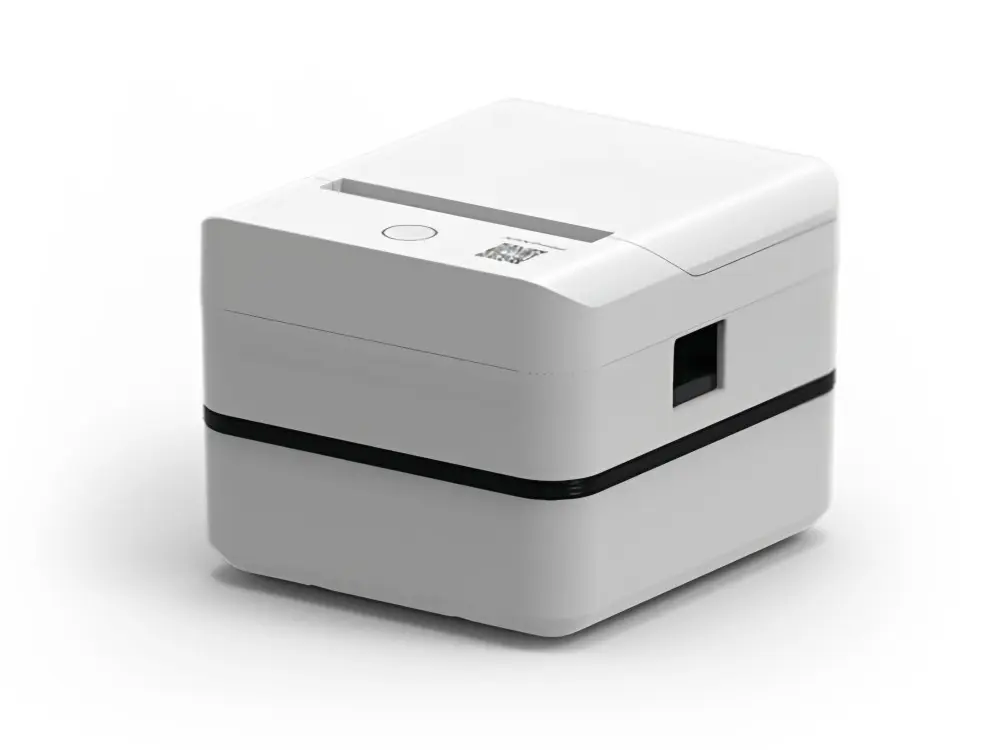 Label Printer
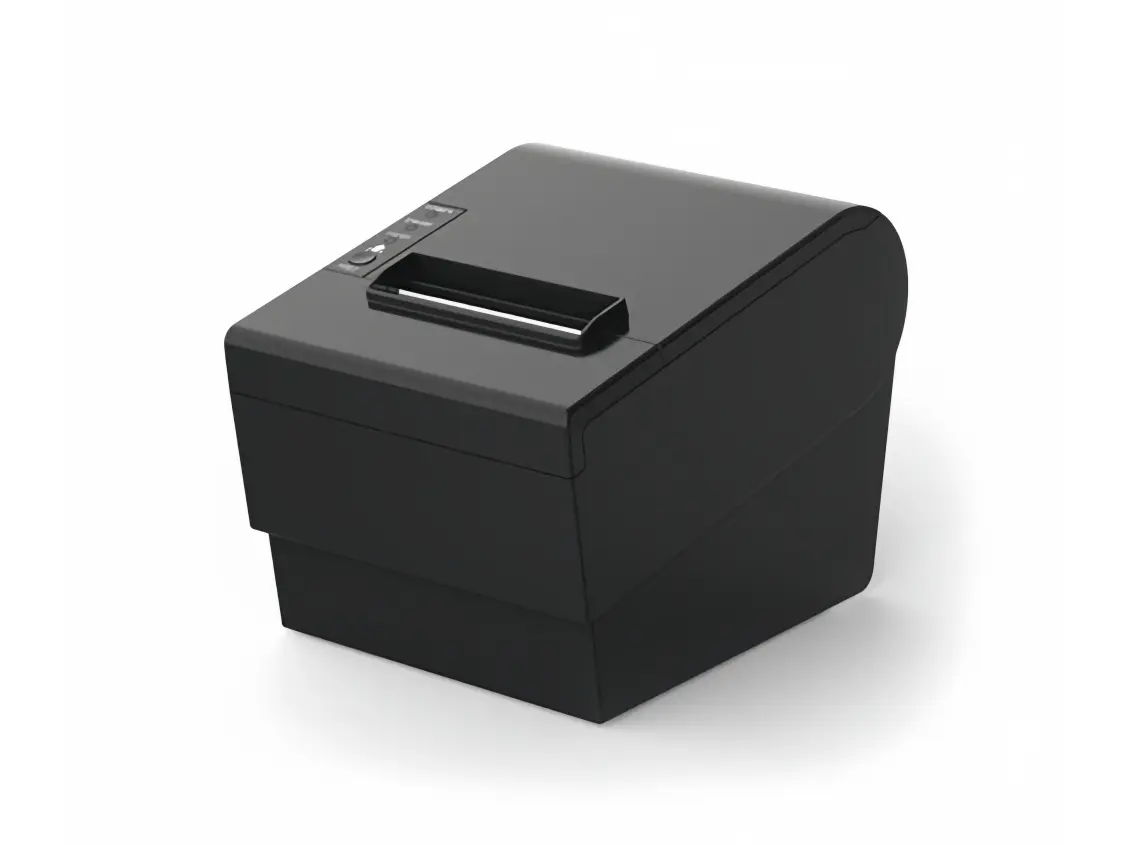 Receipt Printer
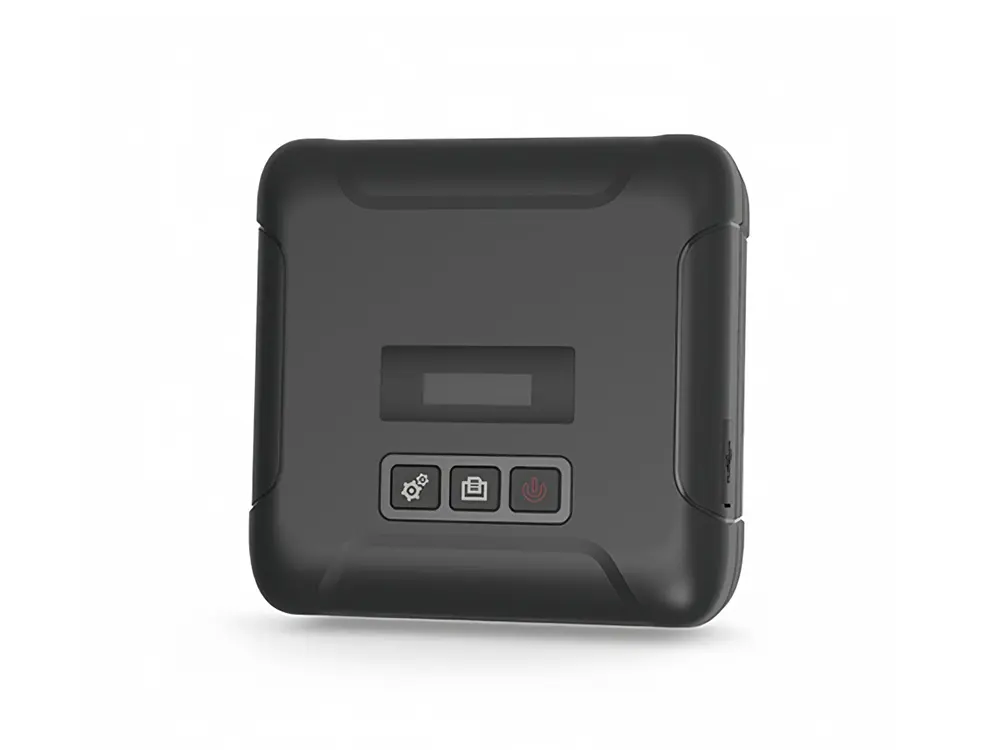 Mobile Printer