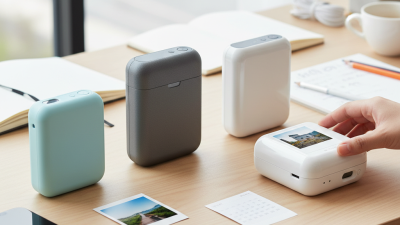
Top 10 Mobile Printers for Easy On the Go Printing Solutions?
In today's fast-paced world, the need for convenience is paramount. Mobile printers have emerged as a reliable solution for individuals on the go. These compact devices allow users to print documents, photos, and labels from their smartphones or tablets effortlessly. With advancements in technology, mobile printers have become more efficient and versatile.
Selecting the right mobile printer can be daunting. Many options are available, each with unique features. Some are designed for documents, while others excel at photo printing. Portability is crucial, but quality should not be sacrificed. Users often encounter challenges in battery life and print speed that can impact productivity.
Having a mobile printer means you can work anytime, anywhere. However, it requires thoughtful consideration of various models. The market has many printers, and not all will meet your specific needs. Finding the perfect device may take time and research, but the benefits are worth it. A reliable mobile printer can change how you manage tasks on the move.
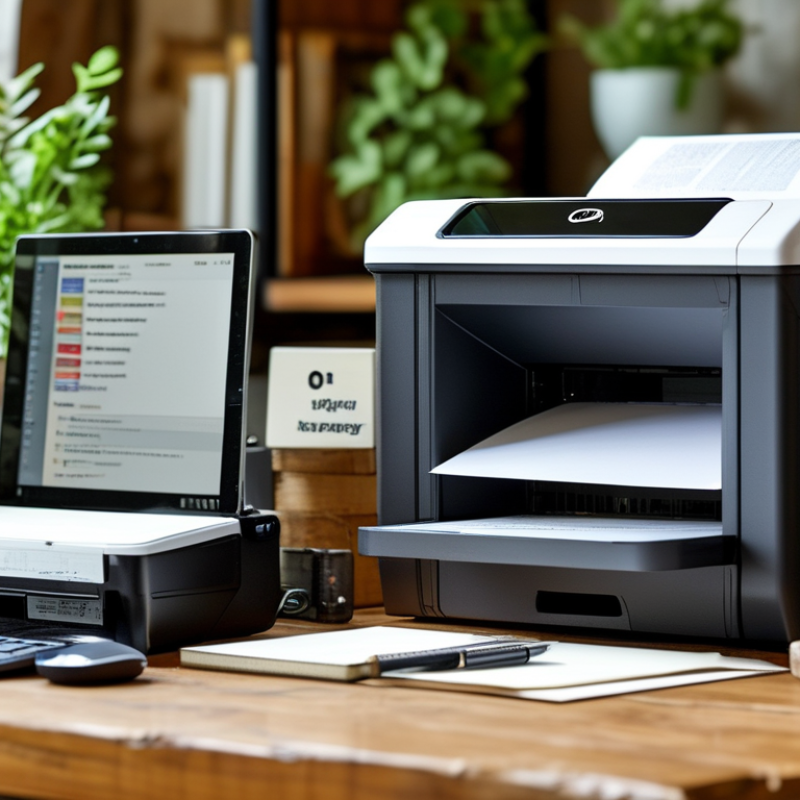
Top Features to Consider When Choosing a Mobile Printer
Choosing a mobile printer involves key features that ensure efficient and effective printing on the go. Portability is paramount, as many users need lightweight devices. A recent industry report shows that 55% of professionals prioritize size when selecting a mobile printer. Compact designs facilitate easier carrying and storage. Lightweight models often weigh less than two pounds, making them ideal for busy lifestyles.
Print quality also plays a crucial role. Reports indicate that 70% of users expect at least 300 dpi for clear text and detailed images. Battery life is another vital aspect; many users seek printers with long-lasting batteries capable of producing 100 pages on a single charge. Some devices even offer fast charging, providing high convenience for users in transit.
Connectivity options cannot be overlooked either. Wireless capabilities, such as Wi-Fi and Bluetooth, offer seamless integration with smartphones and tablets. Approximately 65% of users value effortless device pairing. Additionally, print speed affects user satisfaction; models that deliver a page per minute are more favorable, according to recent surveys. Choosing a mobile printer involves balancing these factors to enhance the printing experience while recognizing that not all devices meet every need perfectly.
Types of Mobile Printers: Inkjet, Thermal, and More
Mobile printers are increasingly popular for professionals on the go. Understanding the different types helps in making an informed choice. The main categories of mobile printers include inkjet, thermal, and compact printers. Each type serves a specific need.
Inkjet printers dominate the market. They are versatile and produce high-quality color prints. Approximately 55% of mobile printer users prefer inkjet models due to their print quality and affordability. However, the cost of ink cartridges can add up, making long-term use potentially expensive. Some users report frustration with frequent ink replacement, which can interrupt workflows.
Thermal printers, on the other hand, are known for their durability. They use heat to transfer images onto paper, which means fewer moving parts and less wear and tear. According to industry reports, thermal printers account for about 30% of mobile printer sales. They are often seen in logistics and transportation sectors. However, thermal prints can fade over time and may not be suitable for all types of documentation. Some users express concerns about print longevity.
In addition to these, compact printers have gained traction. These smaller devices are designed for portability, meeting the needs of users who travel frequently. While they are convenient, the trade-off is often in print size and quality. There are plenty of choices to make, which can be overwhelming. Each type has its drawbacks and benefits, requiring careful consideration of specific printing needs.
Portability: Weight and Size Factors for Easy Travel
When traveling, the size and weight of mobile printers can greatly affect your experience. A compact printer fits neatly into a backpack. The best models weigh less than two pounds, making them easy to carry. This allows you to print documents or photos no matter where you are. Portability should be a priority for frequent travelers.
Some printers boast impressive battery life, but their size may be misleading. A small printer with a short battery can be inconvenient. It’s essential to balance size and performance. Not all lightweight printers deliver high-quality prints. Researching user reviews can help identify reliable options. Think about how often you will use the printer during travel.
Ultimately, choose a printer that meets your specific needs. It should be lightweight and produce quality prints. Evaluate its dimensions to ensure it fits your lifestyle. Keep in mind that each user has different priorities. A travel printer might not suit everyone. Balancing performance with portability can be challenging. Experiment with different models to find the right fit.
Connectivity Options: Bluetooth, Wi-Fi, and USB Explained
When considering mobile printers, connectivity options are essential. Bluetooth is a popular choice. It allows devices to connect without cables. This makes it convenient for quick printing. However, Bluetooth can sometimes be slow or inconsistent. Users may encounter issues if they are too far from the printer.
Wi-Fi connectivity offers a different experience. It can handle multiple devices at once. This is useful in busy settings like offices or events. Yet, relying on Wi-Fi means that a stable network is necessary. Users should be prepared for potential disruptions. USB connectivity, while less common in mobile printers, provides a reliable alternative. It ensures a stable connection without interference. However, it requires physical cables, which can be cumbersome on the go.
Ultimately, each connectivity option has its strengths and weaknesses. Users must assess their needs carefully. Consider how often you'll be moving between locations. Evaluate the environment where you plan to print. These factors will guide you to the best option for your mobile printing needs.
Top 10 Mobile Printers for Easy On the Go Printing Solutions
This chart displays the number of mobile printers available in various connectivity options including Bluetooth, Wi-Fi, and USB. Wi-Fi connectivity is the most common among mobile printers, followed by Bluetooth, while USB options are less prevalent.
Best Mobile Printers for Various Needs: Business, Photo, and Personal Use
In today’s fast-paced world, mobile printers cater to diverse needs. Businesses require efficiency and reliability. These printers should easily fit into bags without adding bulk. Many offer quick printing from smartphones or laptops, ensuring you can capture moments and ideas on the fly.
For photography enthusiasts, compact mobile printers can turn digital images into tangible memories. They often use advanced color technology to ensure vivid prints. However, some models may struggle with detail in larger images. Personal use can vary widely, from kids needing homework prints to travelers wanting to document experiences. It’s vital to choose a printer that balances quality with convenience.
While mobile printers bring flexibility, they also come with limitations. Battery life can be an issue, especially during long trips. Moreover, the cost per print may surprise some users. It’s essential to weigh these factors against convenience. Each decision should reflect specific needs and preferences.

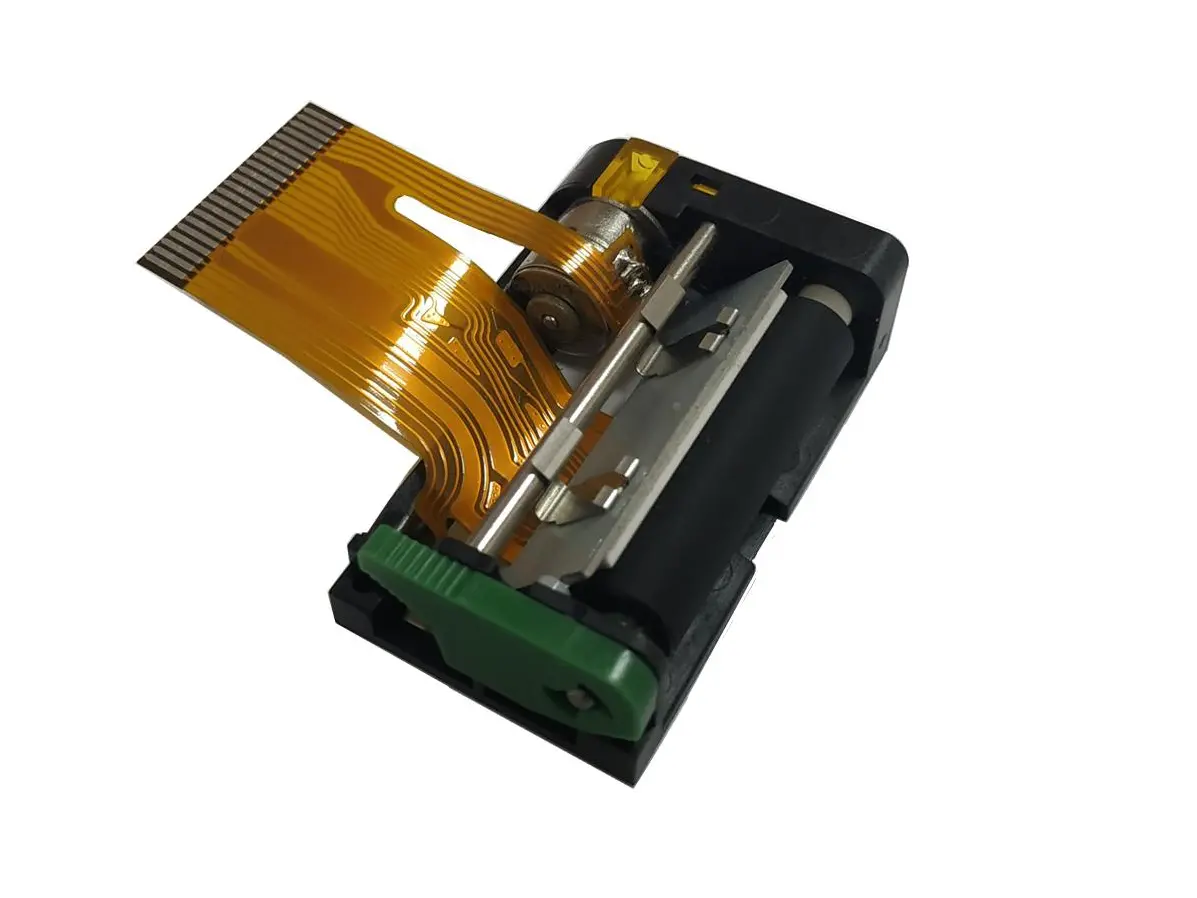 1 inch thermal printer mechanism
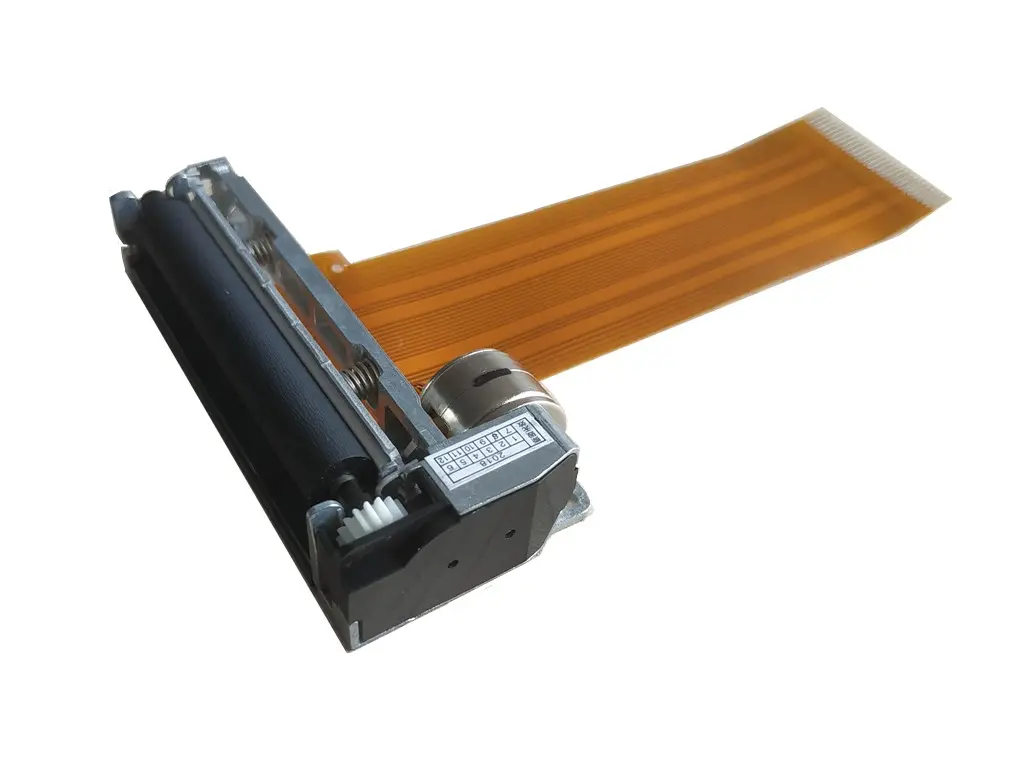 2 inch thermal printer mechanism
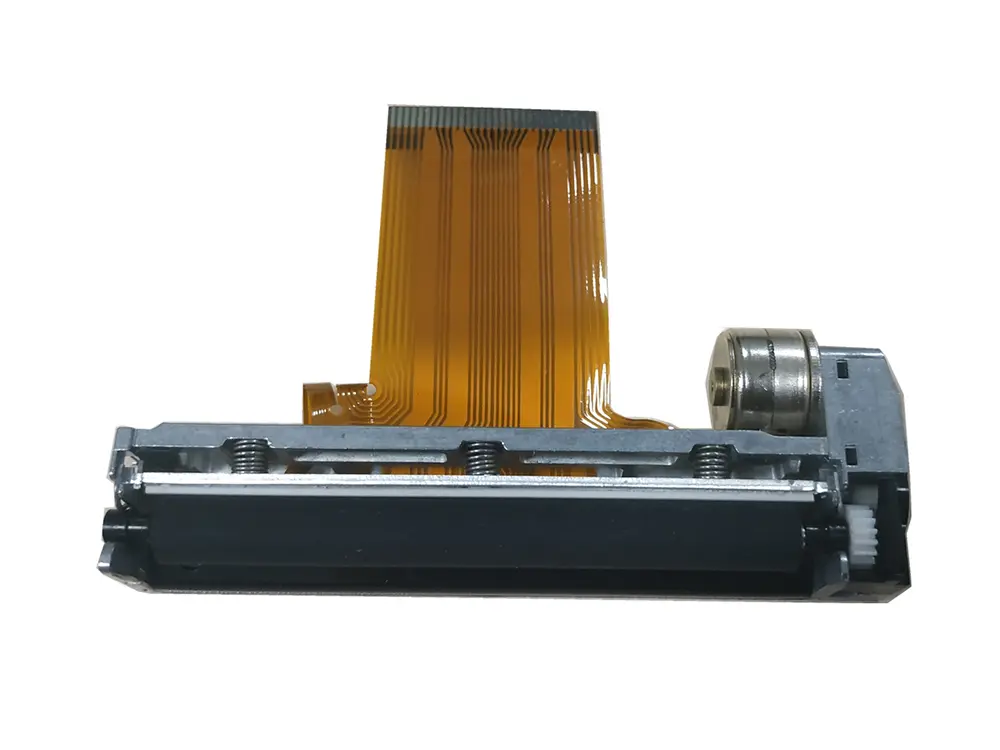 3 inch thermal printer mechanism
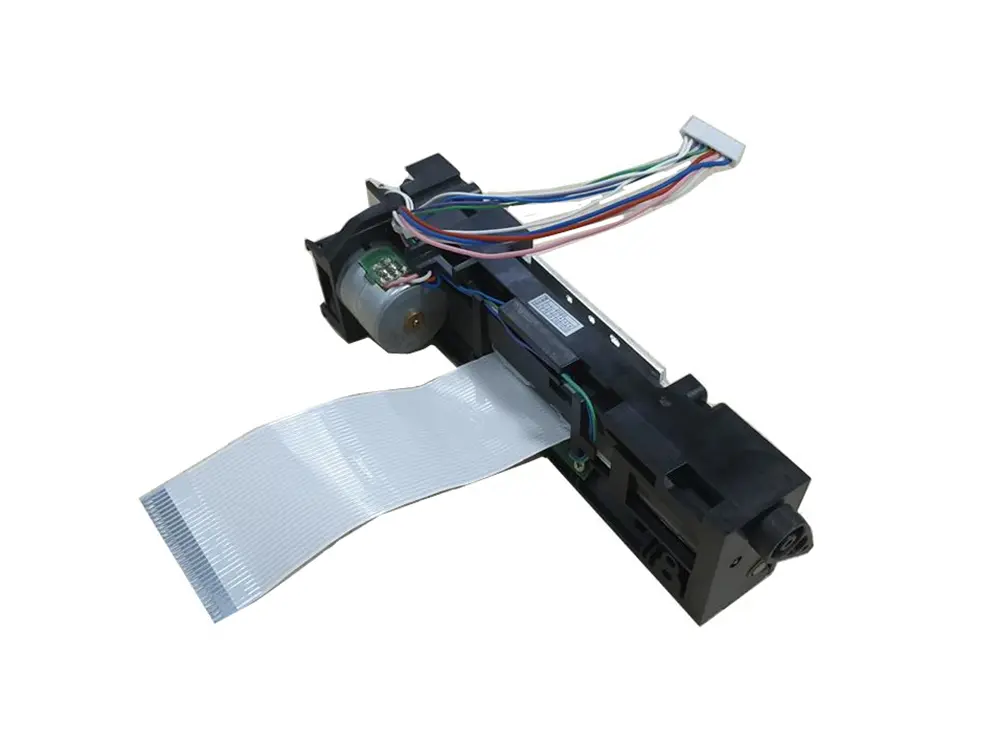 4 inch thermal printer mechanism
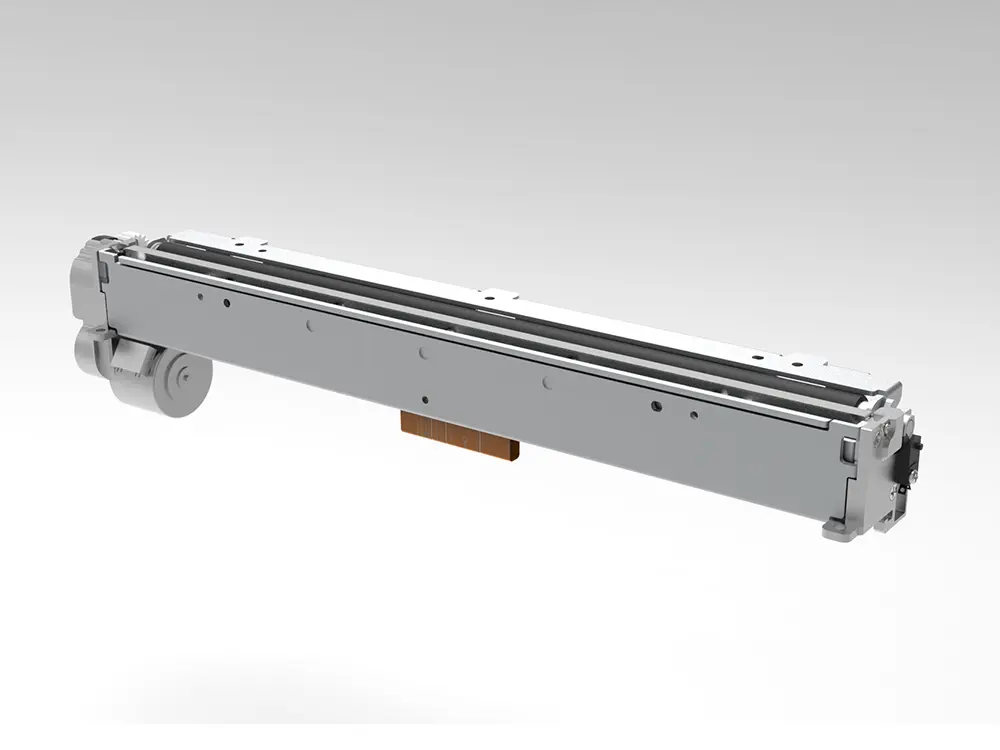 8 inch thermal printer mechanism
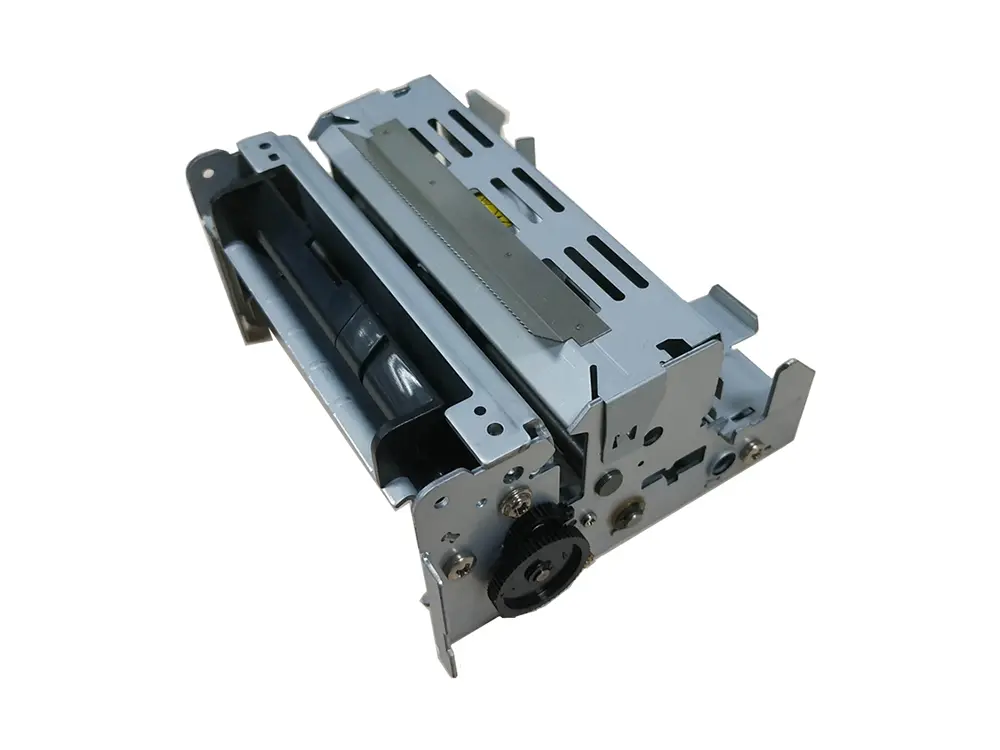 dot matrix printer mechanism
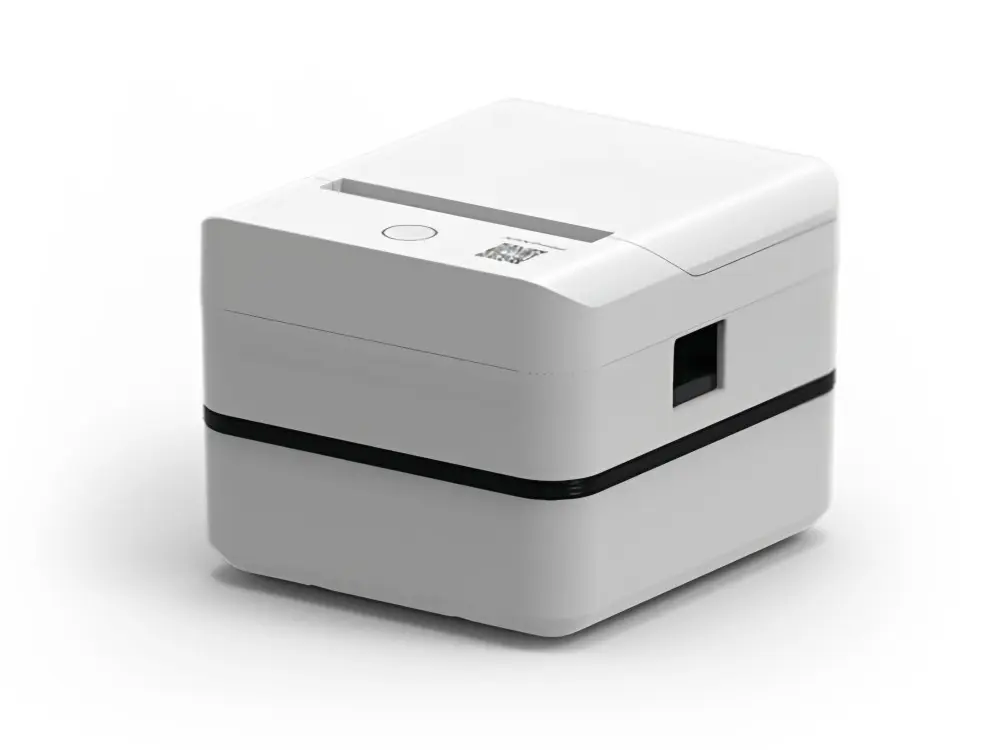 Label Printer
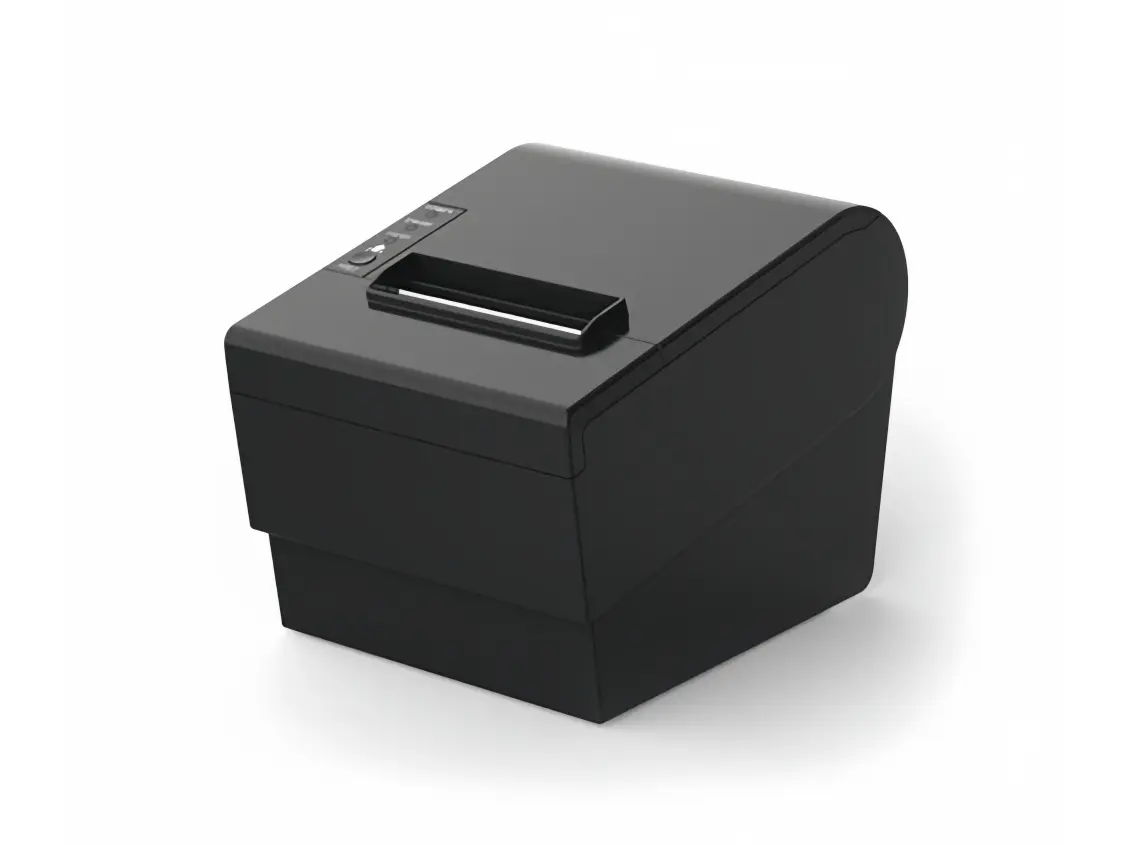 Receipt Printer
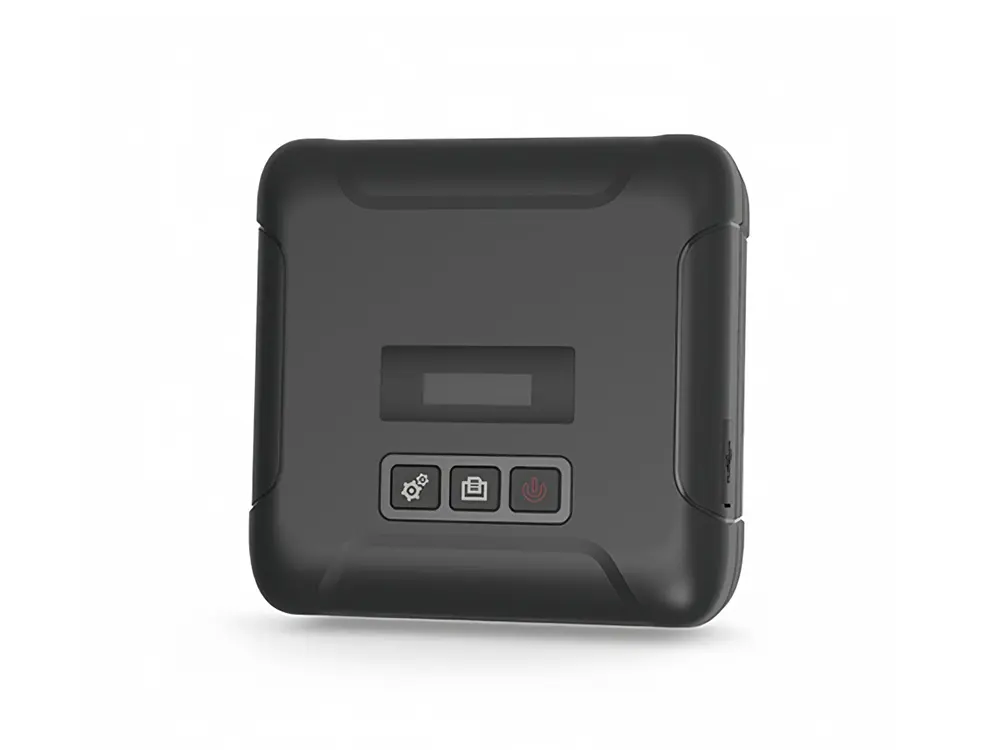 Mobile Printer