How to Choose the Best Pocket Printer for Your Needs?
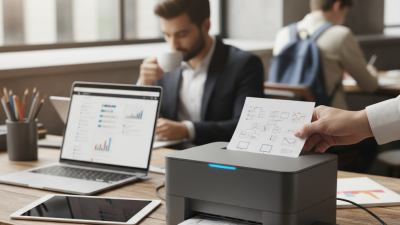
Choosing the right Pocket Printer can seem overwhelming due to many options available. Industry expert Dr. Emily Carter, a leading figure in portable printing technology, once said, "The best Pocket Printer meets your personal and professional needs." This powerful idea guides us as we explore this portable device's features.
Determining your requirements is crucial. Pocket Printers vary in size, weight, and print quality. Some models excel in producing vibrant colors, while others focus on efficiency. The portability factor significantly impacts usability. You might consider how often you’ll need to print on the go. Are you an artist who requires high-quality prints? Or perhaps you are someone who values convenience and speed?
While many Pocket Printers boast remarkable features, not all may live up to expectations. Users often discover that battery life and connectivity options can be limiting. Taking the time to research different models can help you avoid frustration. Personal testimonials and expert reviews can provide valuable insights into the performance of various Pocket Printers.
Understanding Pocket Printers: Features and Benefits
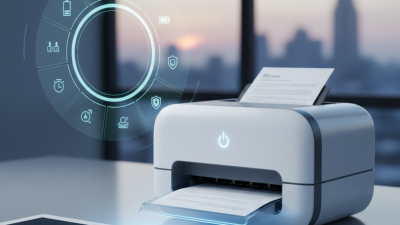
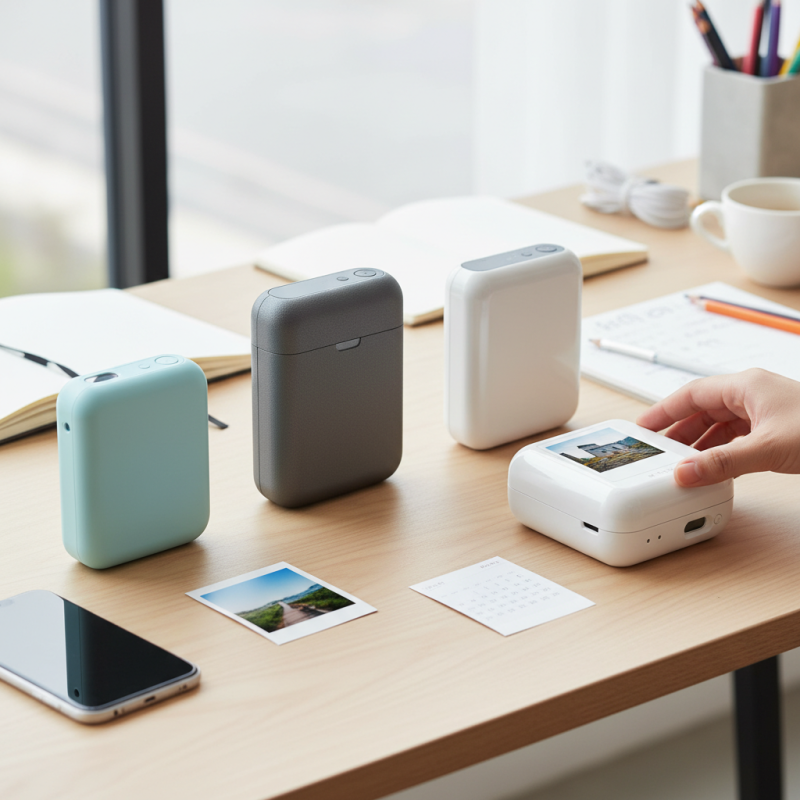
Pocket printers have gained popularity for their convenience and portability. These compact devices allow users to print photos, documents, and labels on the go. Recognizing their features can help you select the right one for your needs.
When evaluating pocket printers, consider their connectivity options. Many models offer wireless connectivity through Bluetooth or Wi-Fi. This allows seamless printing from smartphones and tablets. Print speed is another critical factor. Some printers may take longer to print, which can be frustrating when you're in a hurry. Battery life also varies greatly; a short battery can limit your printing sessions.
Look for additional features, such as app compatibility. Some printers come with dedicated apps that enhance usability and provide editing tools. Print quality is essential, especially for photos. Different models may produce varied results. It’s important to check reviews before making a decision. And remember, no printer is perfect. Users might face issues, like paper jams or ink clogs. Reflecting on these aspects can guide you in choosing an optimal pocket printer that meets your expectations.
Assessing Print Quality: Resolution and Speed Considerations
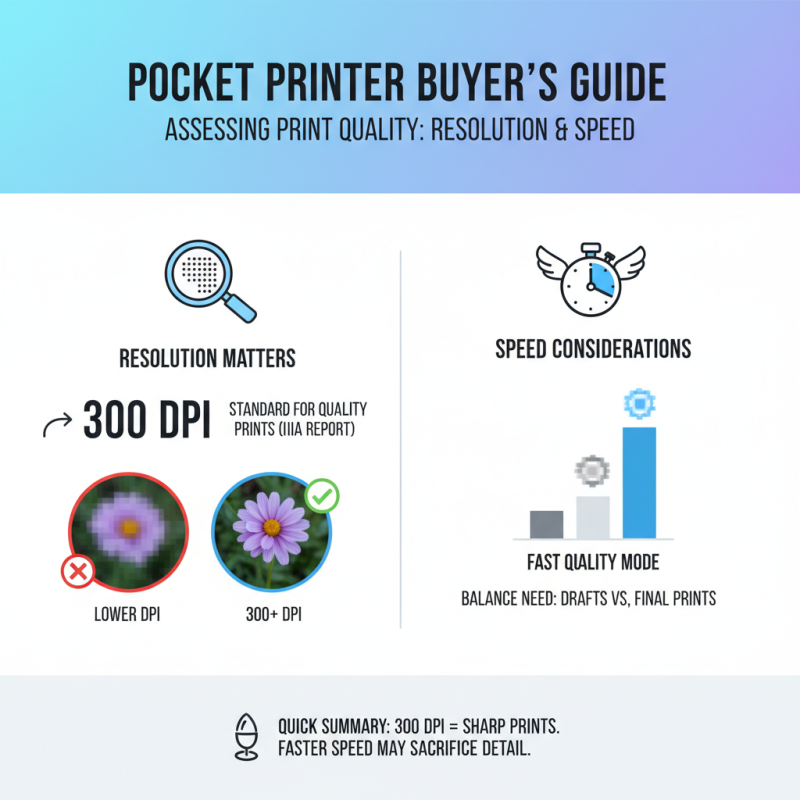
When selecting a pocket printer, print quality significantly impacts user satisfaction. Resolution plays a crucial role in determining how sharp and clear your printed images are. According to a recent report by the International Imaging Industry Association, a resolution of 300 DPI (dots per inch) is considered standard for high-quality prints. Users often find that anything lower can result in pixelation and blurred images, compromising the overall appearance.
Speed is another vital factor. A pocket printer that can produce prints in under a minute is typically more desirable. Ideal devices provide a balance between quick output times and excellent quality. However, some may sacrifice speed for higher resolution, which can be frustrating during busy events.
**Tip:** Consider your primary printing needs. If you prioritize image quality, invest in a printer with higher resolution. Conversely, if speed is essential, you may opt for a model that delivers quick prints, even if the resolution is less impressive.
Troubles may arise with color accuracy. Users often report that portable printers can struggle with reproducing true colors. Reviewing user reviews and expert assessments is essential in understanding potential limitations. Despite advancements, some devices may not meet expectations in color fidelity.
Evaluating Connectivity Options: Bluetooth, Wi-Fi, and USB
When choosing a pocket printer, connectivity options are crucial. Many users prefer Bluetooth for its convenience. It enables wireless printing from smartphones and tablets without additional setup. According to industry reports, around 70% of users select Bluetooth due to its ease of use. However, Bluetooth has limitations regarding range and speed.
Wi-Fi is a strong contender, offering faster printing speeds. It connects directly to local networks, allowing multiple devices to print without being near the printer. Industry research indicates that Wi-Fi-enabled printers can complete tasks 25% faster than their Bluetooth counterparts. This speed can be vital for users needing to print documents quickly in busy environments.
USB connections remain relevant, especially in situations where internet access is limited. Despite being less common, they provide a stable and reliable connection. This is useful for users who may face connectivity issues with wireless options. Many professionals still recognize the USB's role in ensuring consistent performance. Each connectivity method has strengths and weaknesses. Understanding them leads to better choices tailored to individual needs.
Connectivity Options for Pocket Printers
Battery Life and Portability: Key Factors in Your Choice
Choosing a pocket printer requires careful consideration of battery life and portability.
Battery life is critical. A printer that lasts longer ensures you can complete your work while on the go. Some may offer only a few hours of printing.
This limits their usability. Look for models that provide at least a full day of printing on a single charge.
Portability also matters. The size and weight can affect how easily you carry it. Many pocket printers are compact, but not all are lightweight.
A heavy printer can be a hassle to transport. Consider where you will use it most. For travel, a slim design is preferable.
You might think you need the latest features. However, prioritize what you truly need.
An advanced model may be tempting but could offer more than necessary. Reflect on your printing habits. If you rarely print, a more basic model might suffice.
The right balance of features and function will meet your needs effectively.
Budgeting for Your Pocket Printer: Cost vs. Features
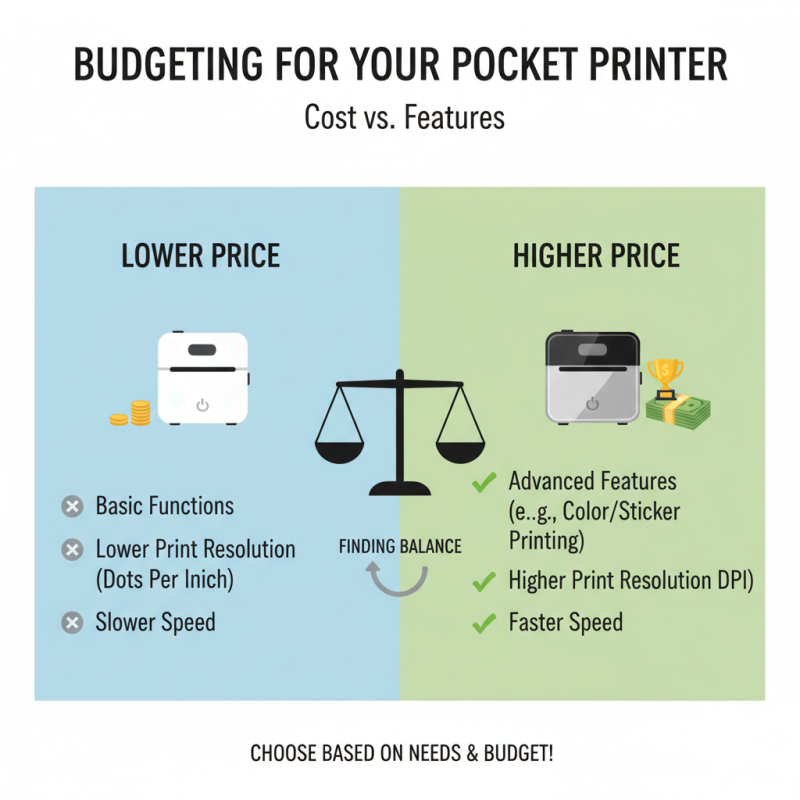
Choosing a pocket printer depends heavily on your budget and desired features. Many options exist in today’s market. However, striking the right balance can be tricky. A lower-priced model may lack key printing qualities. Think about print resolution and speed. Sometimes, you get what you pay for.
Consider essential features that fit your usage. Do you need wireless connectivity? Or maybe portability is crucial for you? Some printers offer high-quality prints but at a higher price. It's essential to analyze if those additional features justify the cost. A simple, more affordable model might suit casual users.
Budgeting is not just about purchase price. Maintenance costs matter too. Ink and paper expenses can add up quickly. Reflect on your printing habits. If you rarely print, spending less might make sense. Yet, if you print often, investing in a more robust model could save money long-term. Assess your needs carefully and make an informed decision.

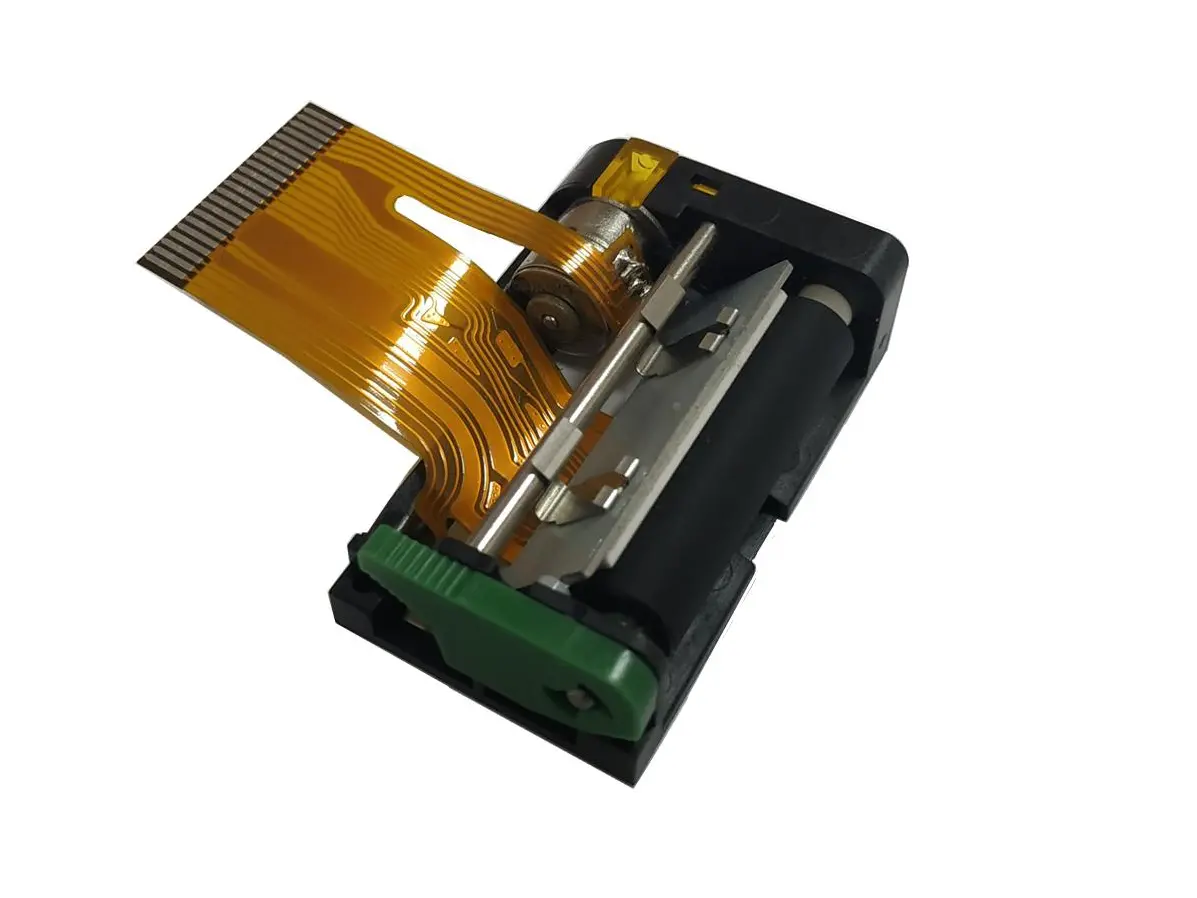 1 inch thermal printer mechanism
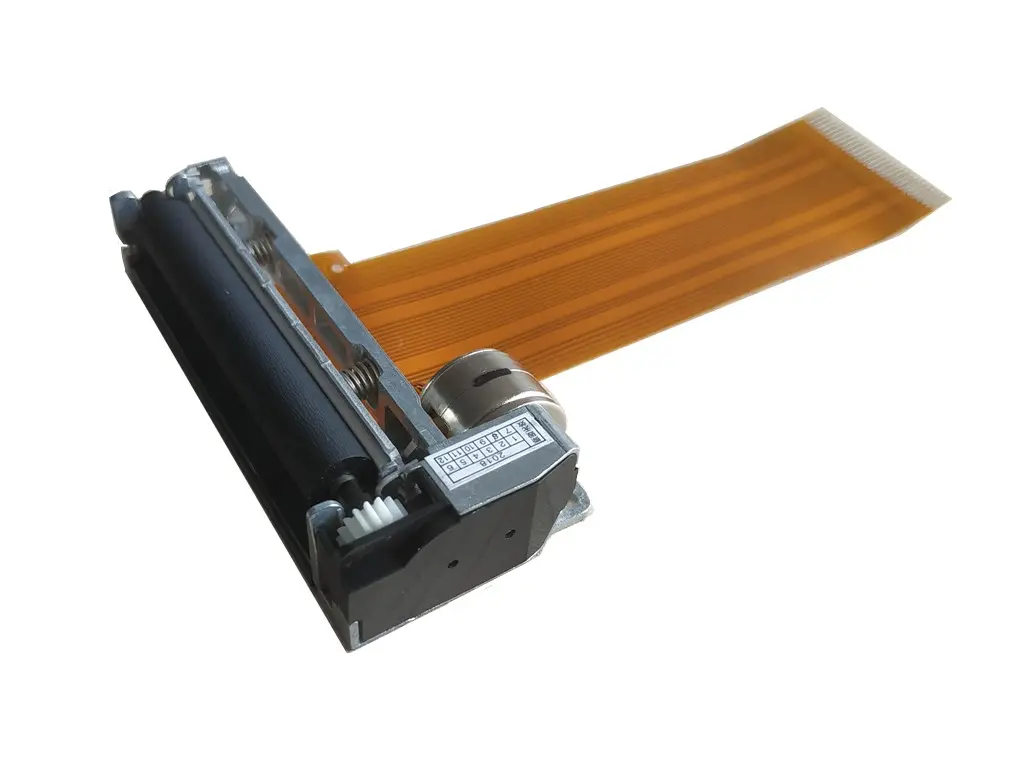 2 inch thermal printer mechanism
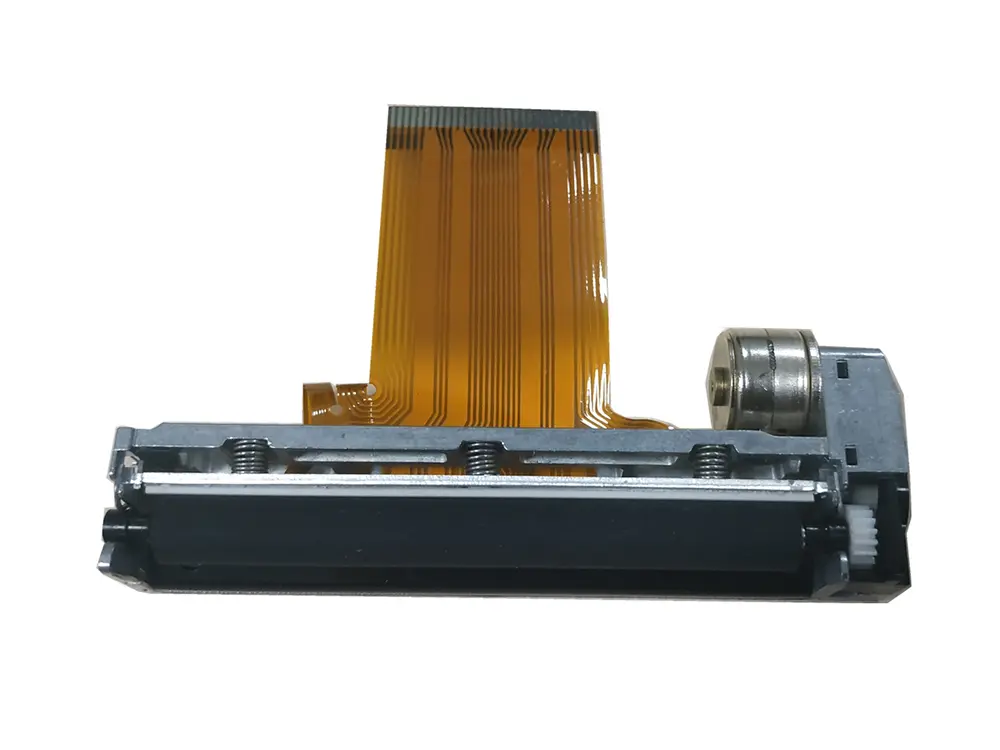 3 inch thermal printer mechanism
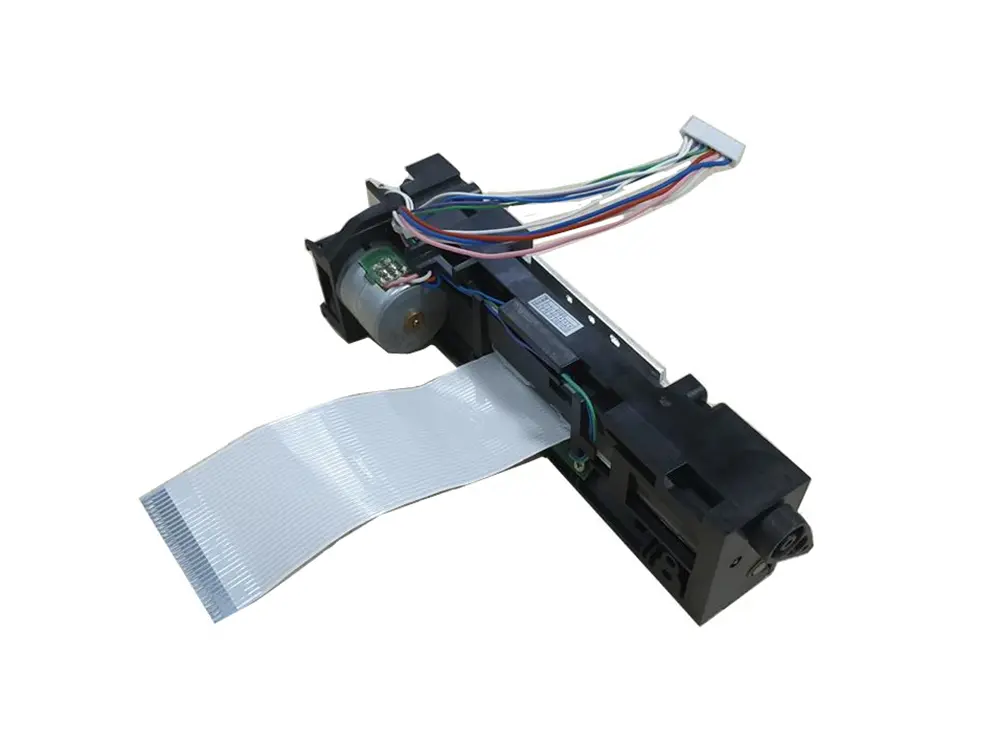 4 inch thermal printer mechanism
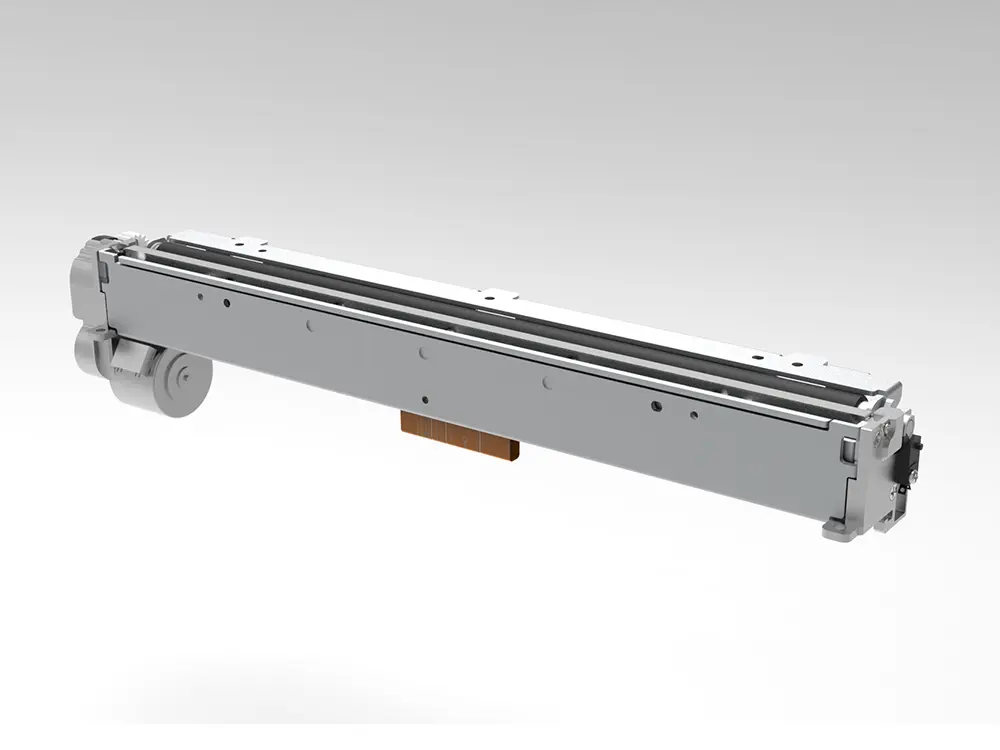 8 inch thermal printer mechanism
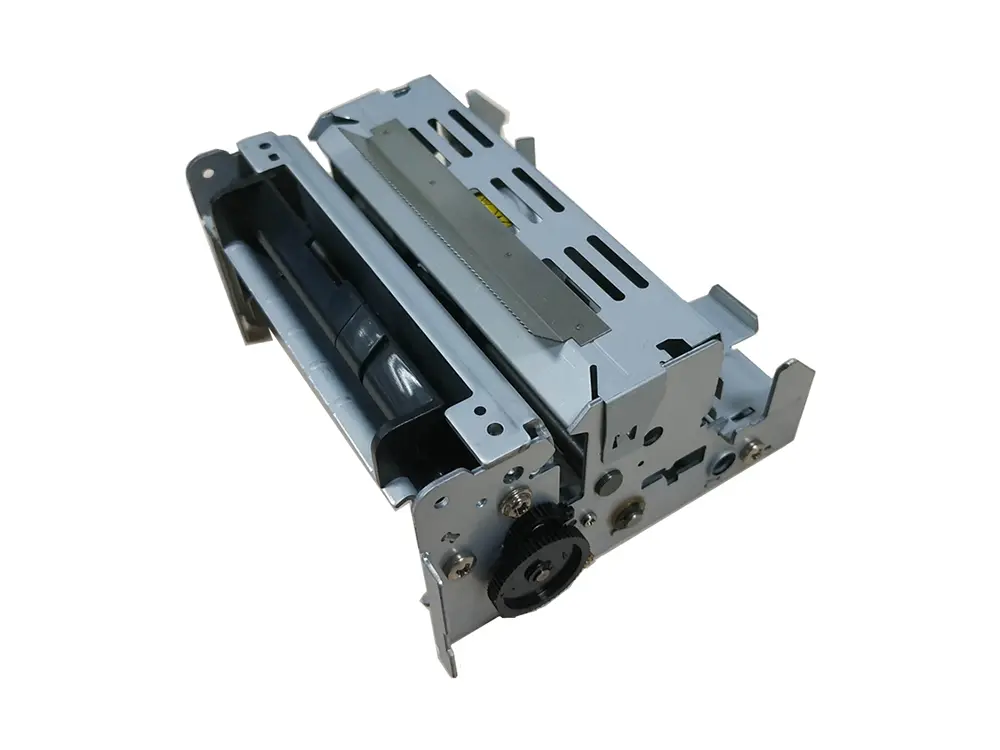 dot matrix printer mechanism
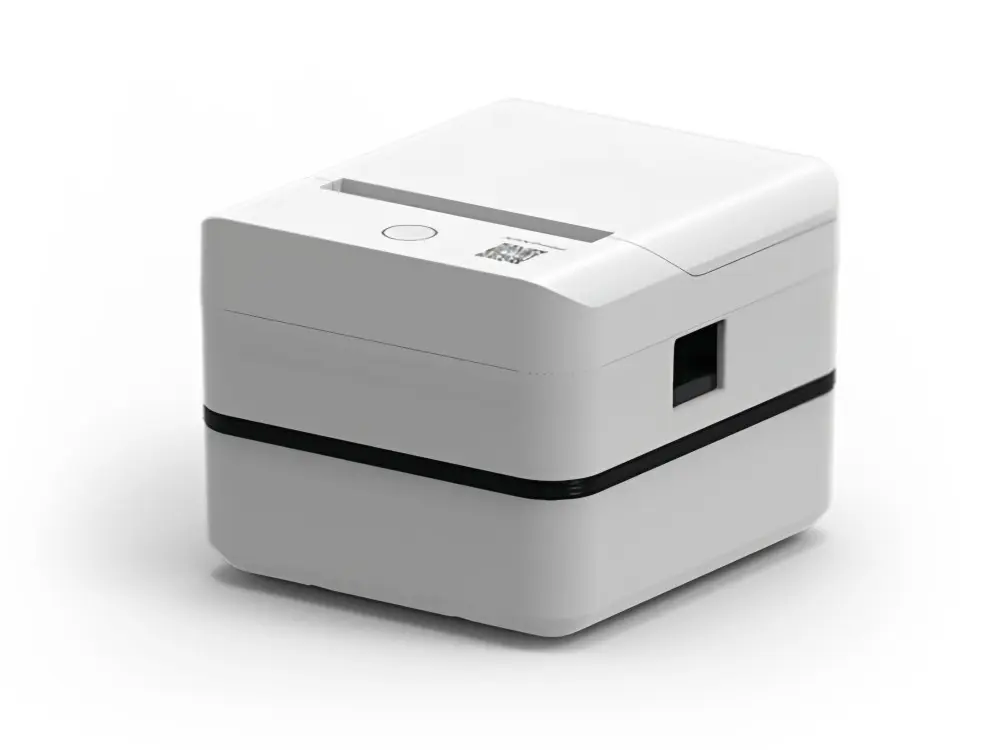 Label Printer
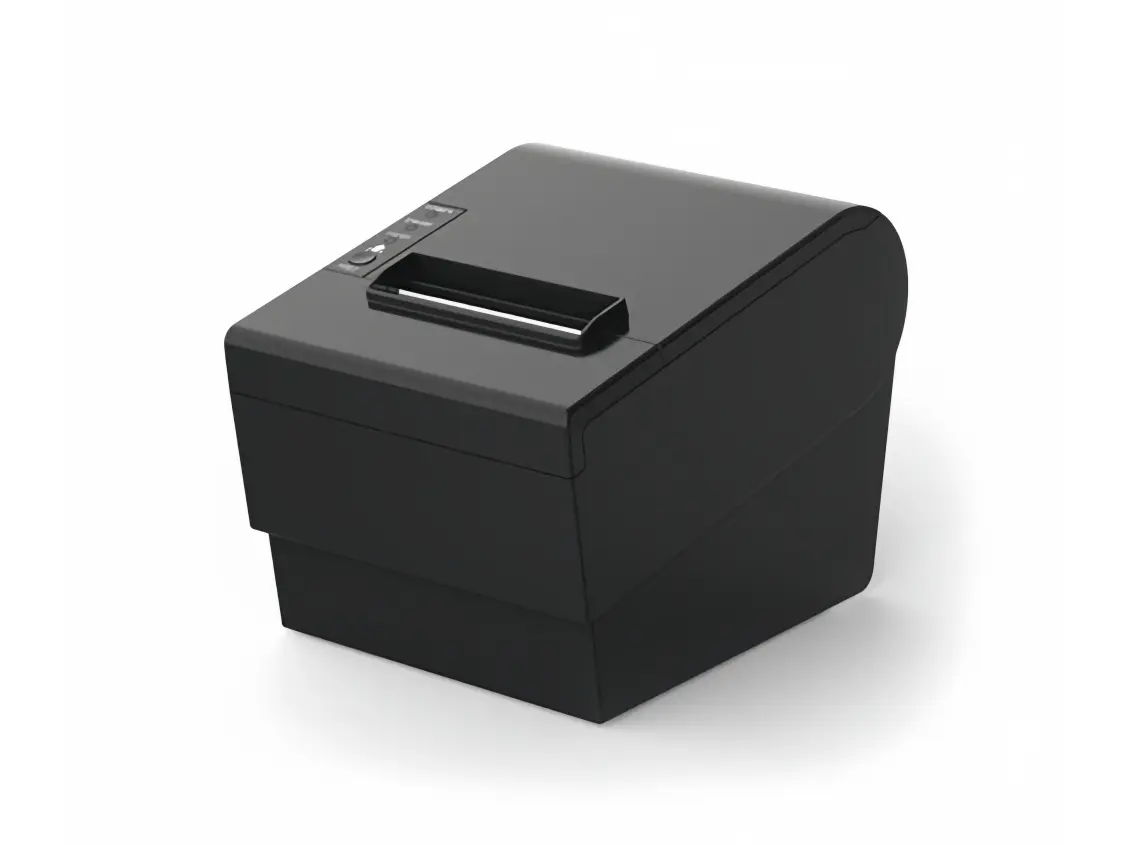 Receipt Printer
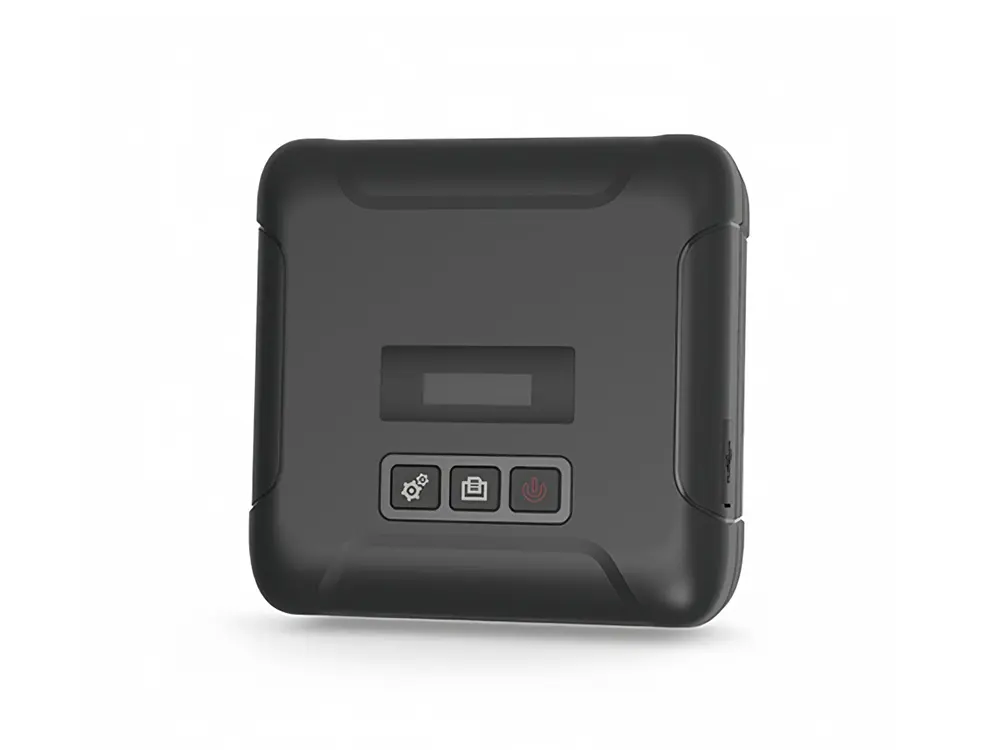 Mobile Printer