10 Essential Tips for Choosing the Right Cable Labeller for Your Needs
Choosing the right cable labeller can be a daunting task. Many options flood the market, each promising unique features and benefits. Yet, selecting the most suitable one requires careful consideration and research. An effective cable labeller will enhance your organization and efficiency, especially in complex environments.
When evaluating options, think about your specific needs and the environment where you will use the cable labeller. Factors like durability, ease of use, and print quality play crucial roles. It might seem overwhelming, but narrowing down the choices by focusing on essential criteria will help.
It's easy to overlook what matters when shopping. Take the time to test different models. Some labellers may not perform as expected or lack critical functionalities. Evaluating your long-term needs is vital. A wise choice could save you time and money down the line.
Understanding the Different Types of Cable Labellers Available
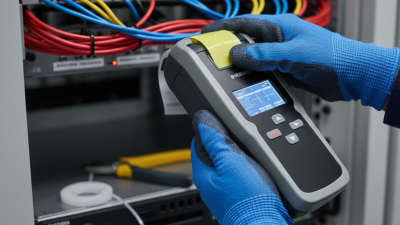
When selecting a cable labeller, understanding the different types available is crucial. There are handheld models, suitable for quick labeling tasks. They are portable and easy to use. Many users appreciate their convenience for small jobs. However, handheld options may lack durability for heavy-duty environments.
Then, consider desktop labellers. These are designed for larger projects. They often come with advanced features. Some have the capability to print multiple labels at once, which saves time in busy settings. But desktop models can be bulky and require a dedicated workspace.
Finally, industrial labellers are meant for rigorous applications. They are robust and can withstand harsh conditions. These labellers often have specialized functions like barcode printing. While they offer high-quality output, users may find them complex. Assessing your specific needs will guide you in your choice. Each type has its pros and cons. It's essential to reflect on what will work best for your projects.
Evaluating Your Labelling Requirements and Environment
When selecting a cable labeller, assessing your labelling requirements and environment is crucial. Different industries have unique needs. For instance, electrical contractors often require durable labels that withstand harsh conditions. According to a report by the International Association of Electrical Inspectors, nearly 75% of professionals reported issues with label durability in outdoor settings. Labels that fade or peel can lead to compliance failures and safety hazards.
Consider the specific environmental factors. If you’re working in high humidity, choose a labeller that offers waterproof labels. The same report highlights that improper labelling led to nearly 30% of electrical faults being misidentified. In contrast, clear, resilient labelling improves efficiency and minimizes errors. Factors such as temperature extremes may affect adhesive performance, leading to potential re-labelling costs.
Accessibility and ease of use are just as critical. A labeller that is difficult to operate may slow down your workflow. Research shows that operators who use user-friendly devices report 50% less stress during the labelling process. Seek models that come with intuitive interfaces and quick printing capabilities. Ultimately, understanding your specific requirements and environment can prevent costly mistakes and ensure long-lasting and functional labels.
Key Features to Look for in a Cable Labeller
Choosing the right cable labeller requires careful consideration of key features. The first essential aspect is the printing technology. Thermal transfer vs. direct thermal printing can significantly affect label durability. Reports indicate that labels produced by thermal transfer methods are more resistant to fading and abrasion, making them ideal for industrial environments. This matters, especially in settings where clarity and longevity are vital.
Another crucial feature is the ease of use. Intuitive interfaces and large displays can improve efficiency during labelling tasks. According to a study published by the International Organization for Standardization, users find that devices with user-friendly software lead to a 25% increase in productivity. A well-designed keypad can go a long way in reducing errors. Additionally, consider the connectivity options. Some labellers offer Bluetooth or Wi-Fi, enabling seamless integrations with mobile devices.
Label size and material options also deserve attention. Not all cables require the same label dimensions. Flexibility in size allows for a customized approach, which can be more effective than one-size-fits-all solutions. User feedback on different materials can highlight performance issues or advantages in specific environments. This nuanced understanding can inform better choices. Exploring these features in-depth helps ensure you select a labeller that truly fits your unique needs.
Budget Considerations: Finding the Right Labeller for Your Needs
When selecting a cable labeller, budget plays a critical role. According to industry reports, around 40% of organizations have budgets under $200 for labelling equipment. This constraint can limit options but does not eliminate quality. It’s essential to weigh the features against the price. A lower-cost device may lack durability or advanced features, which could cost more in the long run.
Consider what you need most. If you require high-volume labelling, invest in a reliable machine. Look for early-stage reviews or data showing a device's lifespan and performance in real-world settings. Don't overlook warranty details. A solid warranty indicates manufacturer confidence in their product. Remember, a labeller is more than a tool; it’s an investment.
Each user may have specific requirements. If you label diverse cables, look for models with adjustable settings. Flexibility can lead to more efficient use. Additionally, read user feedback and expert opinions. They often shed light on long-term performance which statistics alone may not reveal. This exploration can provide clarity where confusion exists. Finding the right labeller can enhance productivity, but careful consideration is crucial.
User-Friendly Design: Importance of Ease of Use and Setup
User-friendly design is crucial when selecting a cable labeller. A device that is easy to use saves time and reduces frustration. If a labeller is complex, it can lead to errors. Simplicity in layout enhances efficiency, particularly during busy tasks. The buttons should be intuitive, allowing quick access to frequently used functions.
Ease of setup is equally important. A straightforward installation process can prevent unnecessary delays during labeling projects. Clear instructions, along with a logical interface, make a difference.
You shouldn't spend hours figuring out how to use the equipment. Instead, focus on your work and let the labeller assist you.
Consider how often you'll need to create labels and the environment in which you'll use the device. Will it be used in a cluttered workshop or a clean office? This context can help you make a more informed choice.
Don't overlook the features that might seem trivial but significantly impact your workflow.

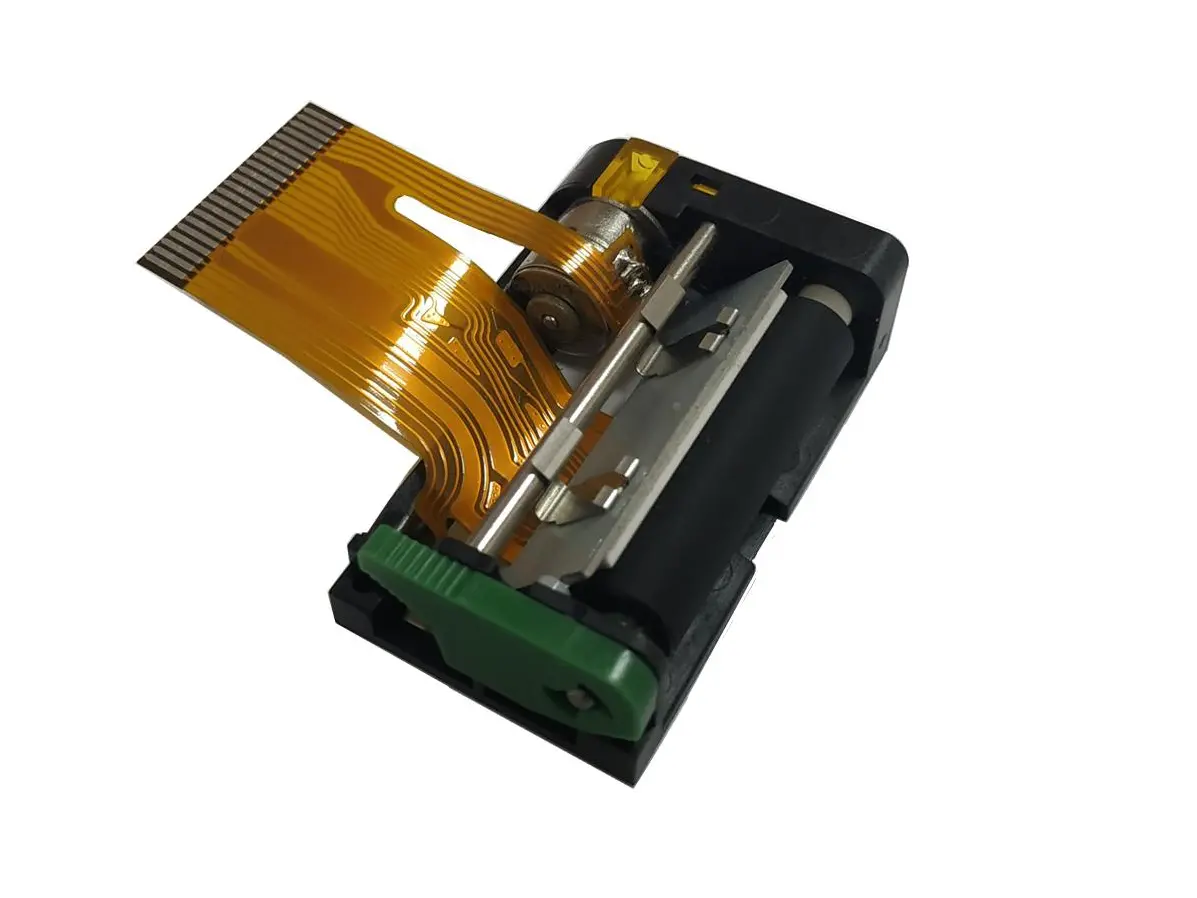 1 inch thermal printer mechanism
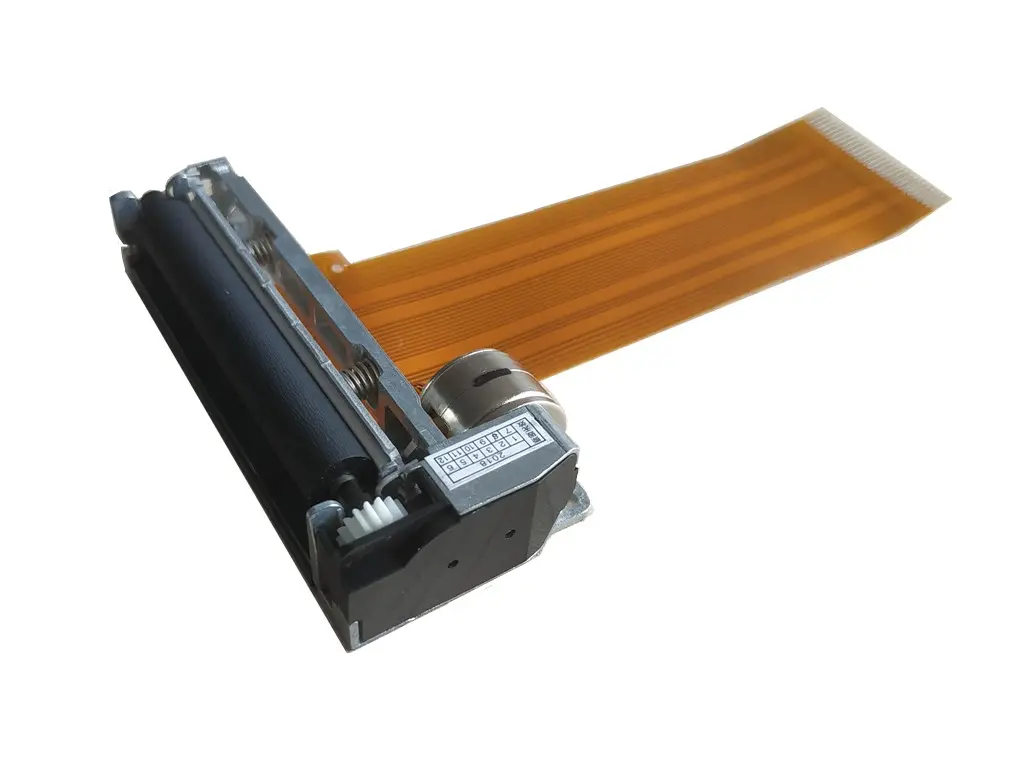 2 inch thermal printer mechanism
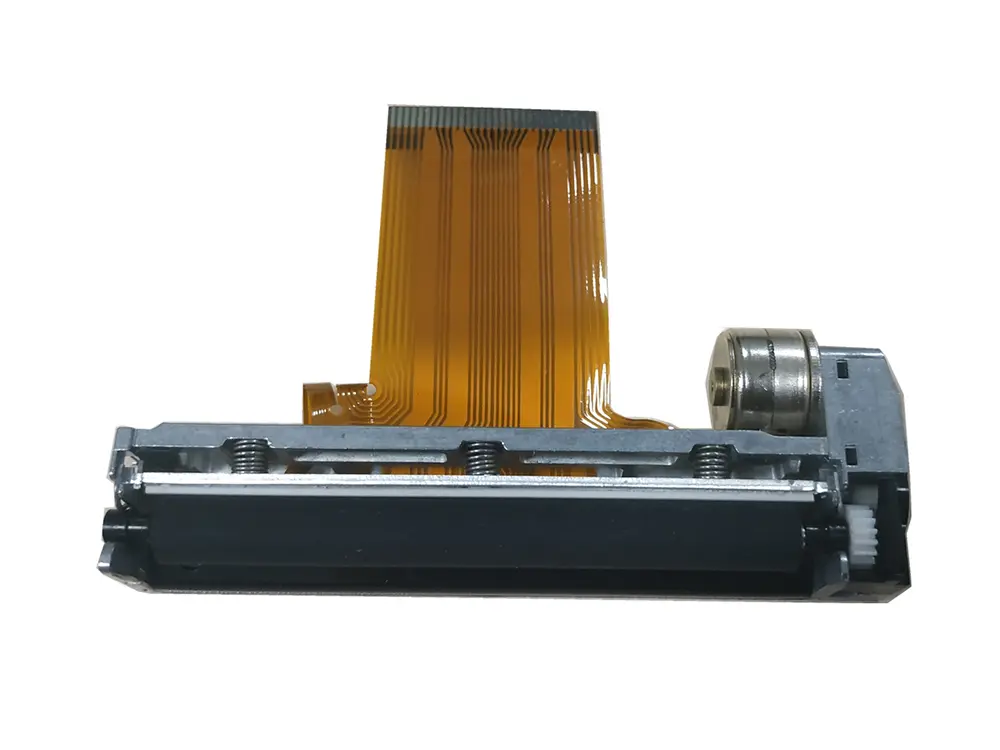 3 inch thermal printer mechanism
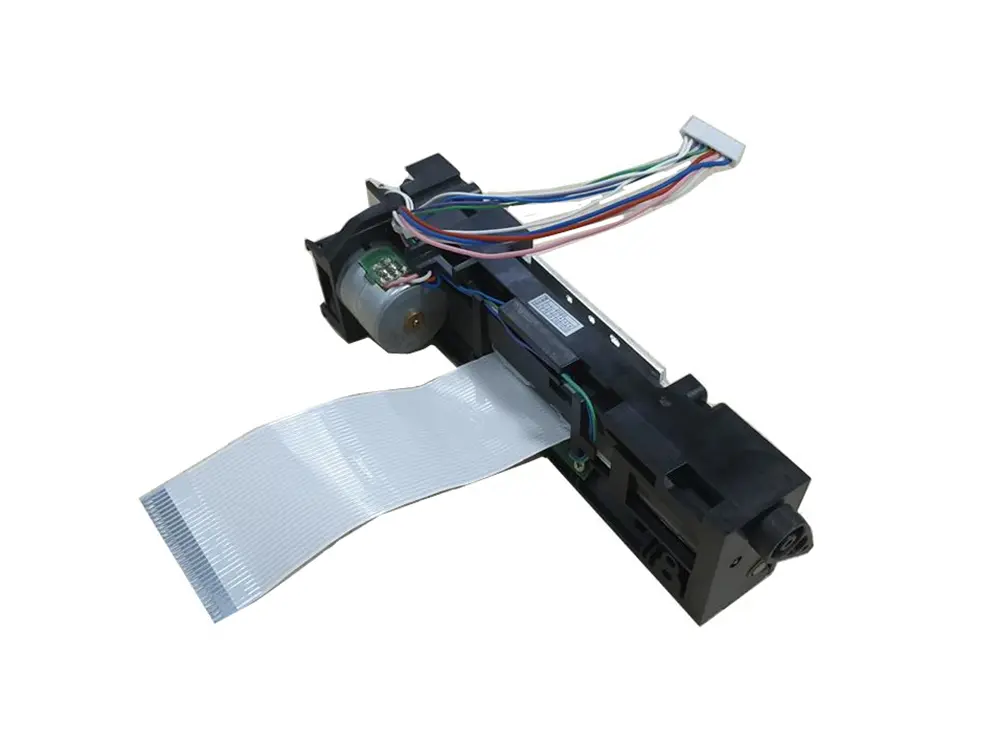 4 inch thermal printer mechanism
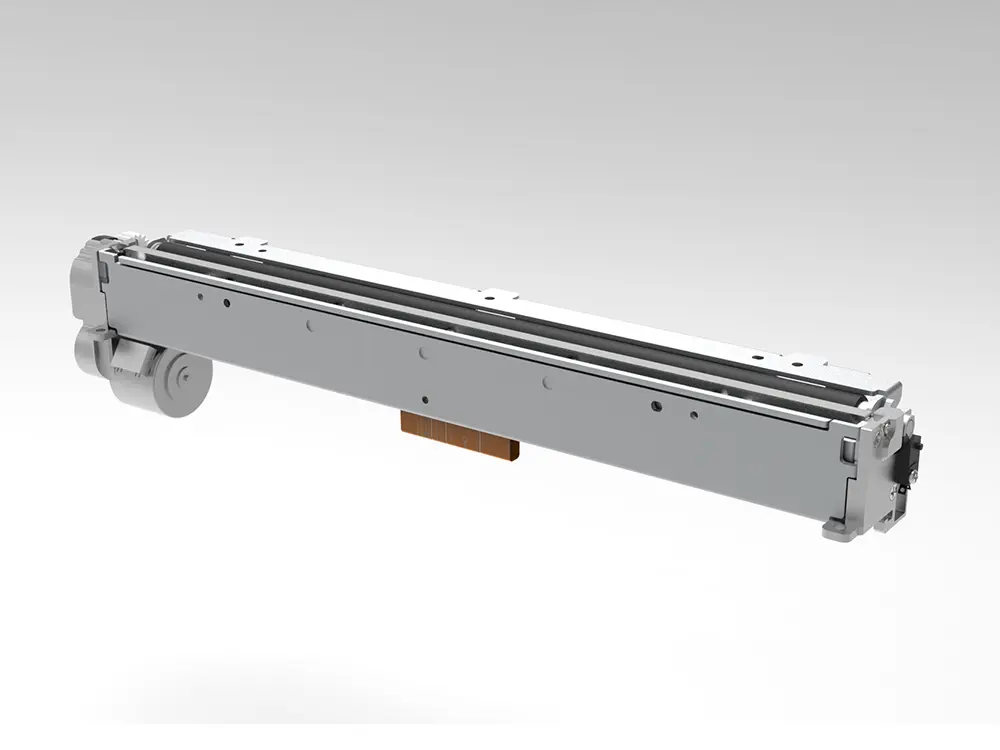 8 inch thermal printer mechanism
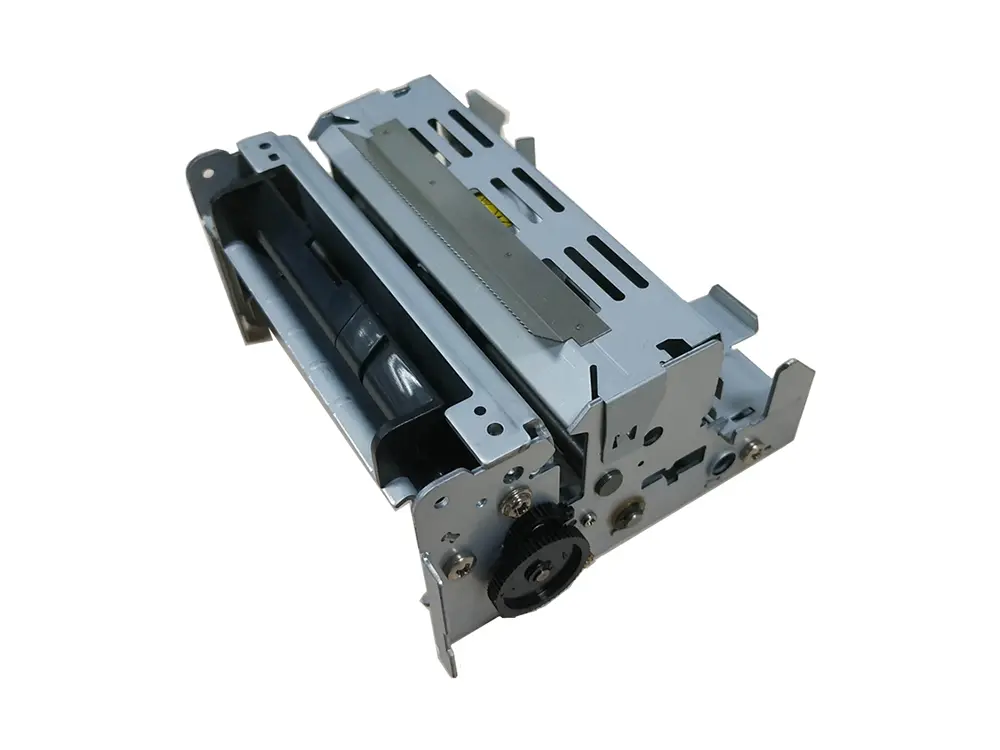 dot matrix printer mechanism
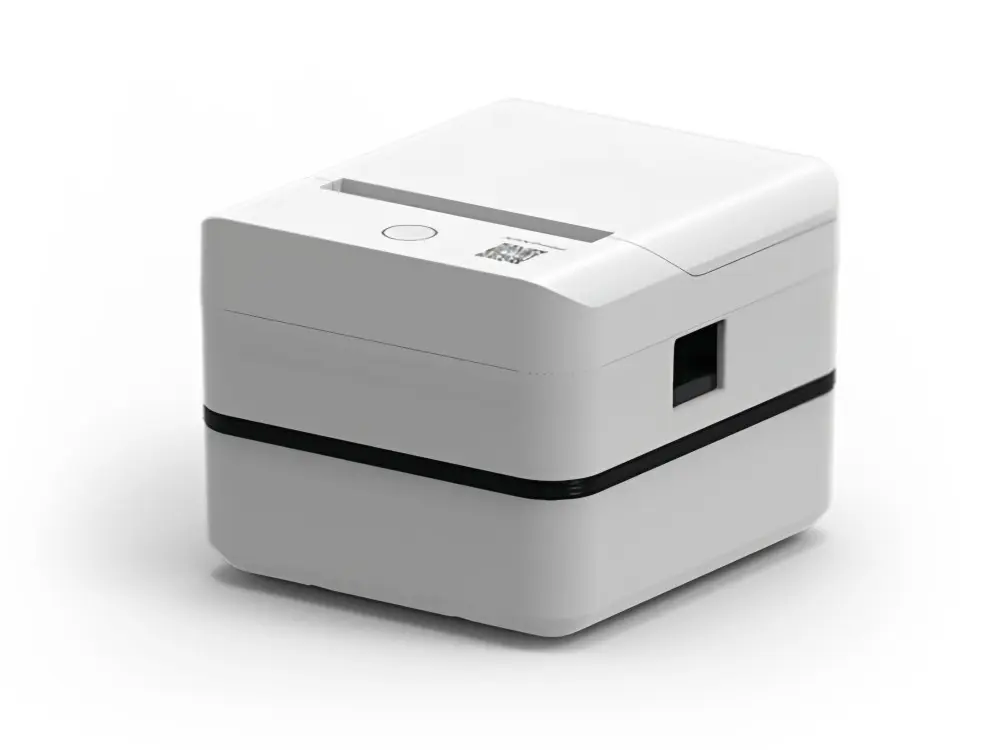 Label Printer
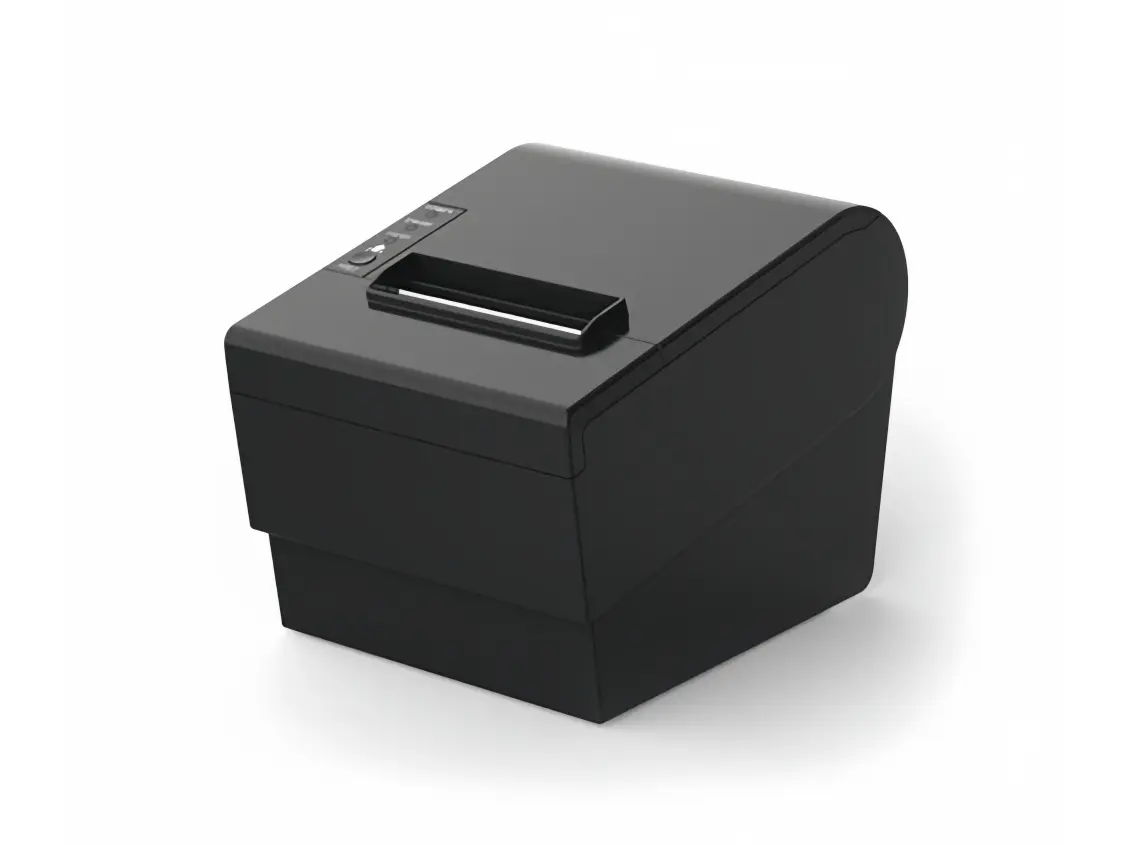 Receipt Printer
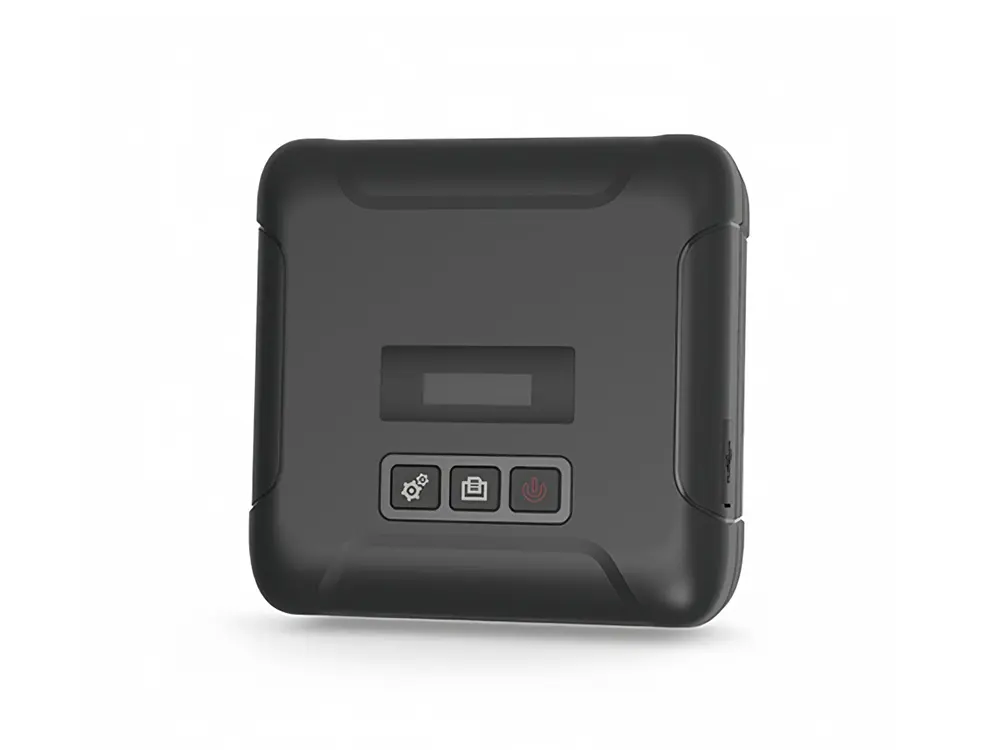 Mobile Printer