Top Mobile Thermal Printer Trends for 2026 What to Consider?
As we look towards 2026, the landscape of the Mobile Thermal Printer industry is rapidly evolving. Experts like John Smith, a leading analyst at TechPrint Solutions, emphasize the importance of adaptability. He once stated, “Understanding customer needs is crucial for success in mobile printing.” This insight reflects the ongoing push for innovation in mobile thermal printers, which are becoming vital tools in various sectors.
Today’s businesses demand efficiency and speed. Mobile thermal printers are meeting these needs by offering compact designs and high-quality output. Users can print receipts, labels, and tickets on the go. With advancements in battery life and connectivity, these devices are more reliable than ever. However, manufacturers must also address potential challenges, such as durability and software compatibility.
The trends shaping the Mobile Thermal Printer market are influenced by user feedback and technological advancements. Suppliers need to pay close attention to emerging technologies, like cloud printing and AI integration. These developments may redefine the user experience. Companies that fail to stay ahead may risk falling behind in an increasingly competitive landscape. Therefore, understanding these trends is essential for any player in the industry.
Emerging Technologies Influencing Mobile Thermal Printers in 2026
The evolution of mobile thermal printers is driven by several emerging technologies. Key advancements include the use of artificial intelligence, which enhances printing efficiency and quality. AI algorithms can analyze printing patterns. They will adapt settings in real-time, reducing waste and improving user experience. This personalized approach is vital in a competitive landscape.
Additionally, the integration of wireless communication technologies has transformed how these printers operate. Users can print directly from smartphones or tablets. Bluetooth and Wi-Fi connectivity simplify workflows. However, connectivity can be unreliable in some environments, leading to frustrations. This challenge needs addressing as businesses increasingly rely on mobile solutions.
Battery technology is another area ripe for innovation. Longer-lasting batteries will allow for extended use in the field. Lightweight, portable designs will make it easier to carry. Users often face power shortages during critical tasks. This limitation calls for smarter battery management systems. As reliability in power sources improves, performance will follow suit, making mobile thermal printers more indispensable.
Key Features to Look for in 2026 Mobile Thermal Print Models
When considering mobile thermal printers in 2026, several key features deserve attention.
First, battery life is crucial. Users expect long-lasting power for extended printing tasks.
Models with smart power management can help conserve energy. Additionally, weight and portability matter.
Compact designs enhance usability in various environments. Balancing size and functionality is vital, as bulky printers can be cumbersome.
Connectivity options play an essential role as well. Bluetooth and Wi-Fi capabilities allow seamless connection to smartphones and tablets.
Users appreciate instant printing, especially in fast-paced settings. Security features are also important. With increasing concerns over data safety,
robust encryption methods are necessary. Models should ensure secure communication to protect sensitive information during printing.
Finally, print quality cannot be overlooked. High-resolution prints enhance clarity, making them suitable for labels and receipts.
However, some users find it challenging to adjust to print settings. Intuitive interfaces can mitigate these frustrations. Overall,
the market will see advancements that prioritize ease of use and adaptability, yet companies must consider user feedback for constant improvement.
Market Demands Driving Innovations in Mobile Thermal Printing
The mobile thermal printing market is evolving rapidly, driven by consumer demands and technological advancements. According to a report by Grand View Research, the global mobile thermal printer market is projected to reach $5.5 billion by 2026. This growth is influenced by the increasing need for on-the-go printing solutions across various industries such as retail and logistics.
Trends like integration with mobile devices and cloud connectivity are becoming crucial. Users now prefer printers that offer seamless connectivity options. Data from Statista suggests that 70% of professionals prioritize compatibility with smartphones and tablets. Easy access to documents and flexibility are essential for efficient workflows. However, some challenges remain. Not all printers can maintain a robust connection in high-demand environments.
**Tip:** When choosing a mobile thermal printer, consider one that supports multiple connectivity options. This flexibility can help overcome connectivity issues in complex environments.
Another trend is sustainability. The demand for eco-friendly printing solutions is rising as businesses adopt green practices. A survey by Nielsen indicates that over 60% of consumers seek sustainable products. This requires manufacturers to rethink materials and processes, but implementation can be complex.
**Tip:** Research options that utilize recyclable materials. This may align with your environmental goals while meeting customer expectations.
Mobile Thermal Printer Market Trends for 2026
Sustainability Trends Impacting Mobile Thermal Printer Design
Sustainability is a vital topic impacting the design of mobile thermal printers. Recent industry reports highlight that 62% of consumers prioritize eco-friendly products. This demand is driving manufacturers to innovate with sustainable materials and energy-efficient technologies. Designs incorporating recycled plastics could significantly reduce carbon footprints. Simple changes can lead to meaningful impacts on the overall ecosystem.
Considering battery life is crucial as well. Many modern users seek printers that last longer between charges. Extended battery life not only improves usability but also conforms to sustainable practices. Reports suggest that devices designed with durable batteries could lower e-waste significantly. Responsible design now means focusing on longevity alongside performance.
**Tips:** Prioritize models that use biodegradable materials. Research brands that focus on energy efficiency. Keep an eye on emerging technologies that promote circular economy practices.
Top Mobile Thermal Printer Trends for 2026
| Trend |
Description |
Impact on Design |
Sustainability Considerations |
| Eco-Friendly Materials |
Use of biodegradable and recyclable materials in printer construction. |
Design changes to incorporate sustainable materials. |
Reduction of carbon footprint and waste. |
| Energy Efficiency |
Focus on low power consumption and energy-efficient components. |
Integration of solar charging options. |
Lower energy costs and reduced environmental impact. |
| Wireless Connectivity |
Enhanced wireless capabilities for easier integration with mobile devices. |
Compact design to accommodate wireless technology. |
Reduced need for physical connections lowers material use. |
| Compact and Lightweight Design |
Focus on portability without compromising functionality. |
Streamlined design for easy transport. |
Less material used leads to a lighter environmental footprint. |
| Smart Technology Integration |
Incorporation of IoT for smarter printing solutions. |
User-friendly interfaces and smart features. |
Optimizes resource usage and reduces waste. |
Potential Challenges Facing the Mobile Thermal Printer Industry in 2026
As the mobile thermal printer industry evolves, several challenges loom on the horizon for 2026. One key issue is the increasing demand for connectivity and integration with other devices. Many businesses expect seamless operations with smartphones and tablets. A report from MarketsandMarkets indicates that the global mobile printer market is projected to reach $2 billion by 2026. However, without robust connectivity, users may face frustrations that could hinder adoption.
Additionally, sustainability remains a pressing concern. As businesses strive for eco-friendly solutions, the production of thermal printers must evolve. Many thermal printing technologies rely on specific consumables that are not recyclable. According to an industry report from Smithers, around 50% of thermal printer users express concern about their environmental footprint. Without addressing sustainability, manufacturers risk alienating environmentally-conscious consumers.
Further complicating matters is the ongoing challenge of keeping up with technological advancements. Rapid changes in software and hardware could outpace many companies. This creates gaps in customer support and user education. Organizations need a strategy to tackle these challenges and ensure they remain competitive. Focusing on user experience and sustainability may provide a path forward.

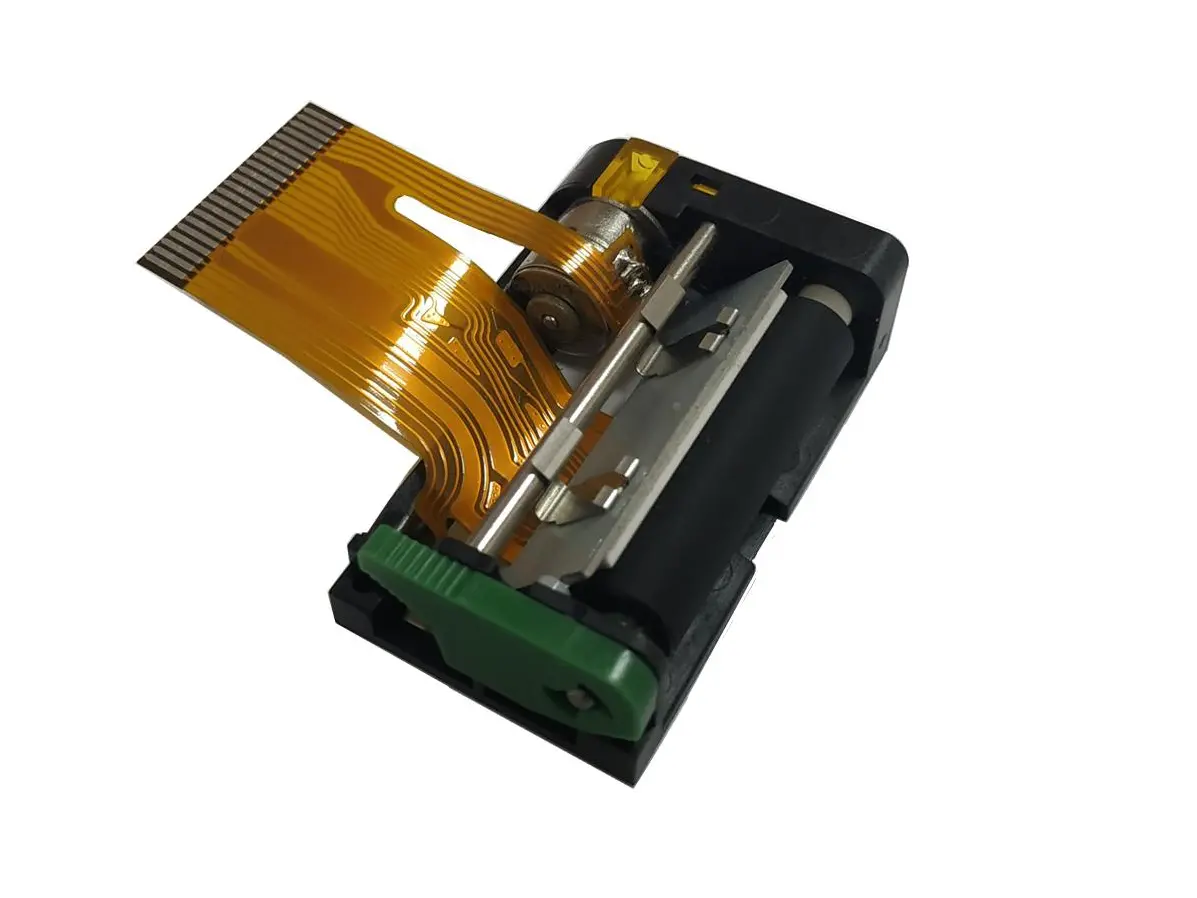 1 inch thermal printer mechanism
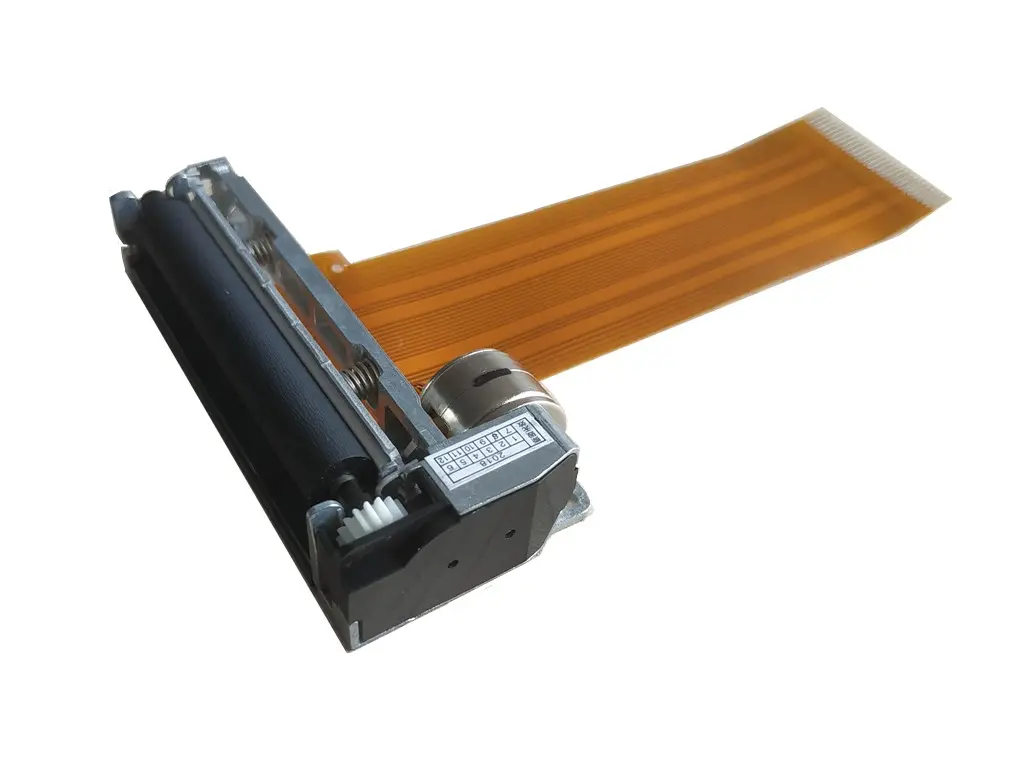 2 inch thermal printer mechanism
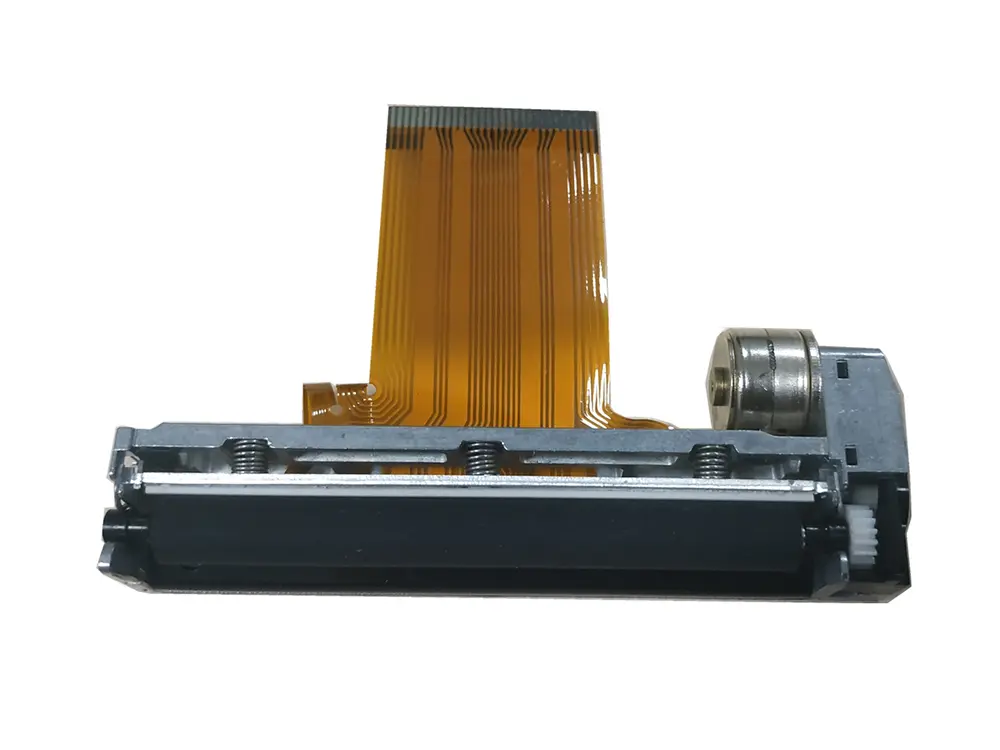 3 inch thermal printer mechanism
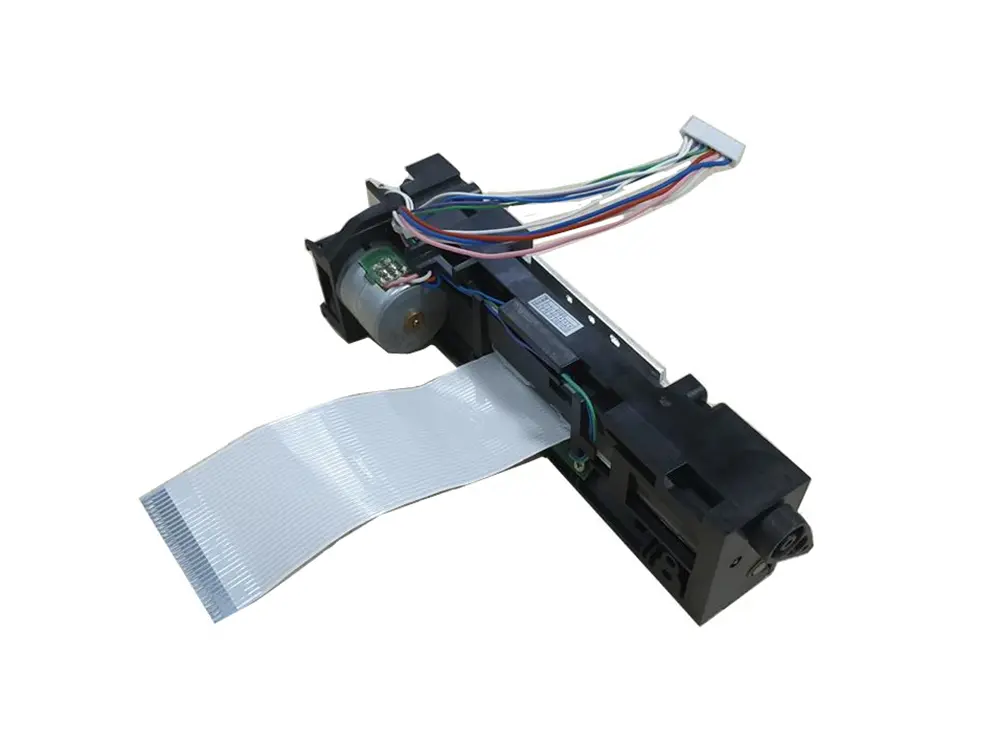 4 inch thermal printer mechanism
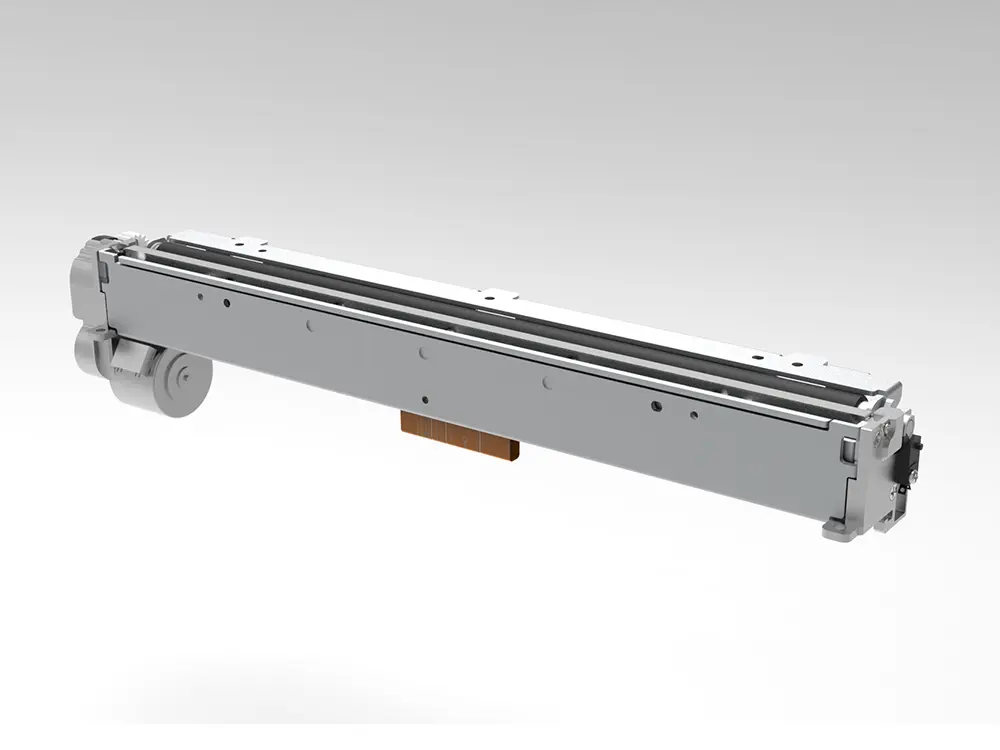 8 inch thermal printer mechanism
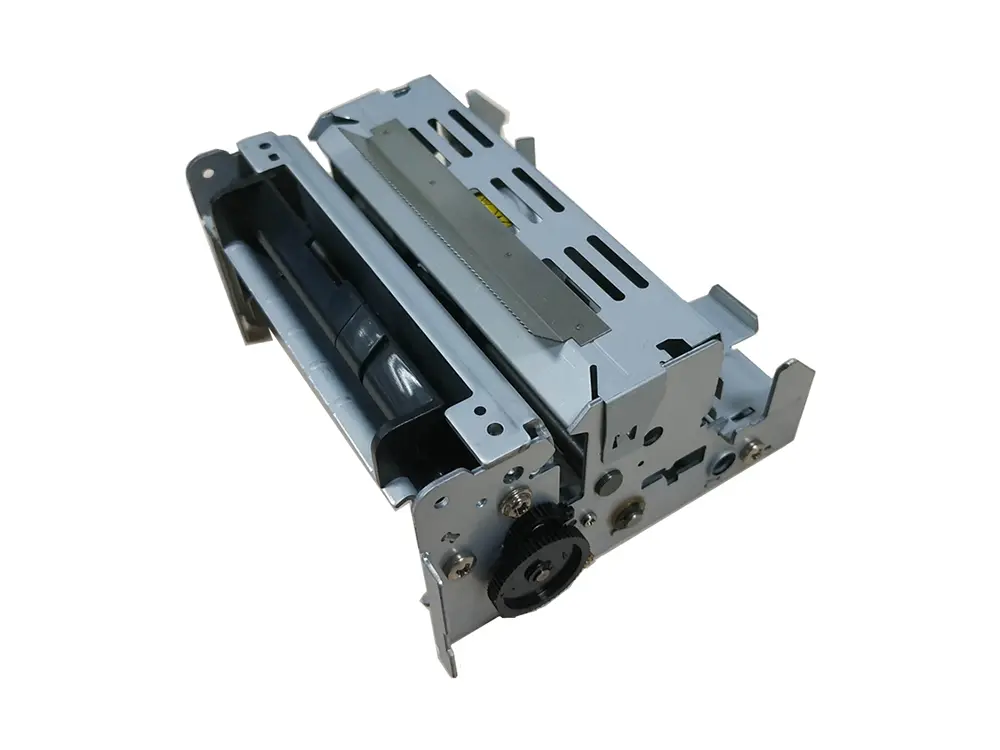 dot matrix printer mechanism
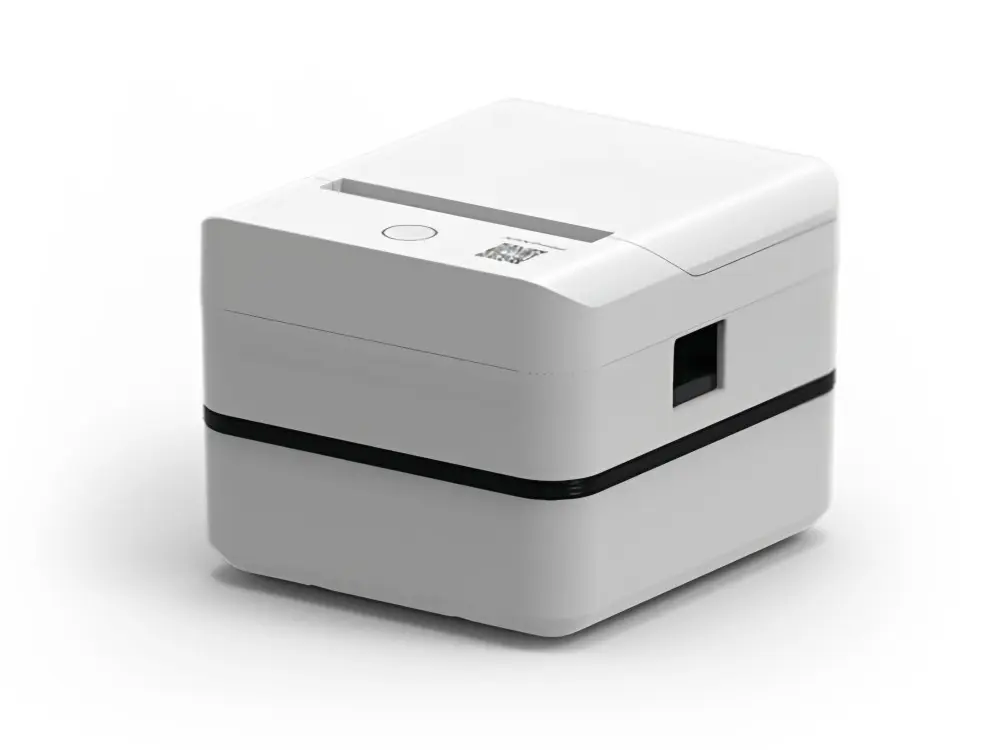 Label Printer
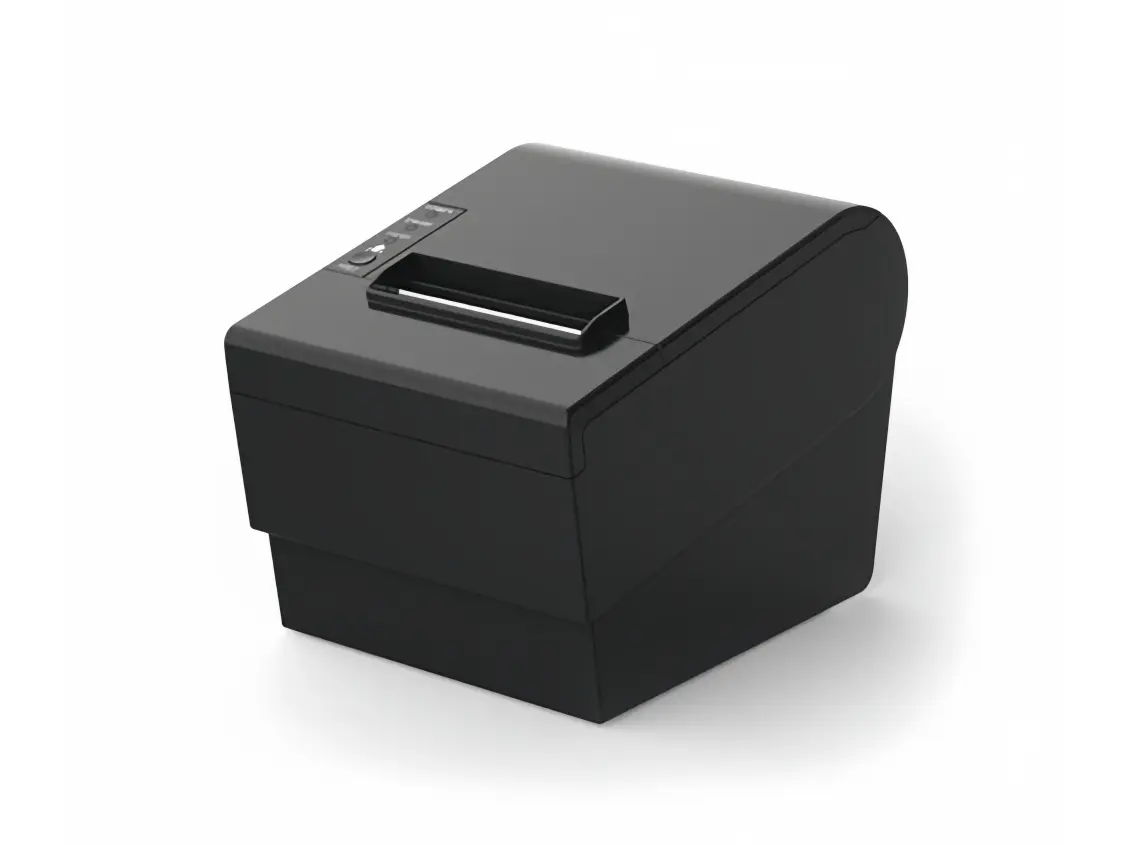 Receipt Printer
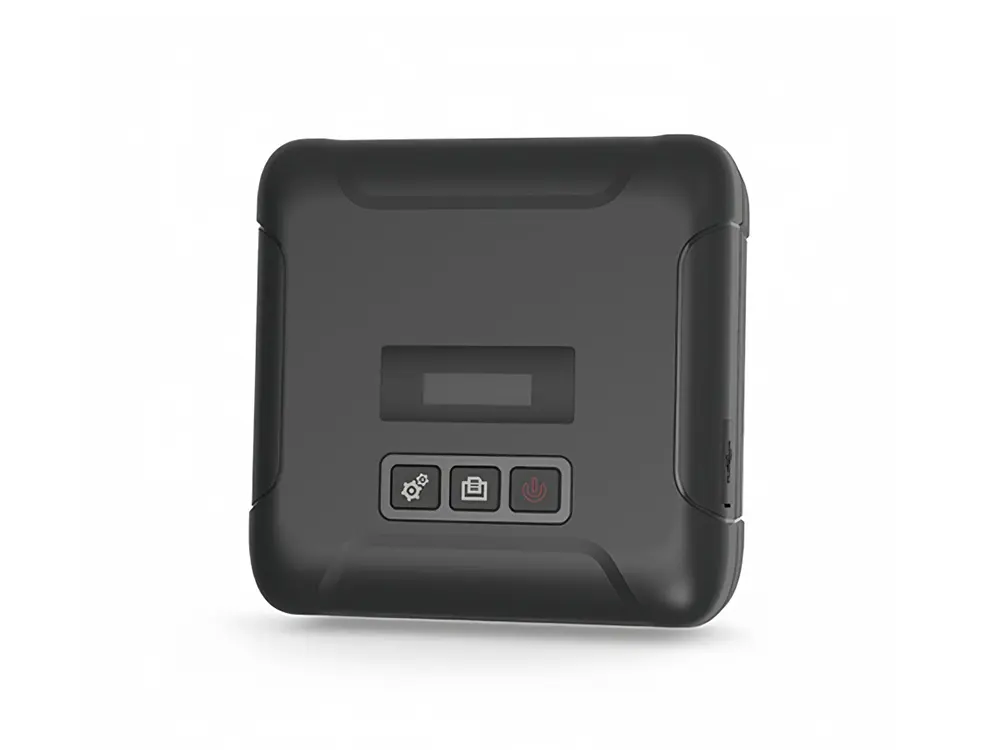 Mobile Printer