Leave Your Message

7 Best Sticker Printers for Business Buyers in 2026

Choosing a Sticker Printer is a production decision, not just a search for the lowest price. Businesses must weigh print quality, output speed, media compatibility, finishing options, and the true cost per label. A glossy sample may look sharp under showroom lights. The same design can expose weak color consistency or peeling edges after weeks on a bottle.

The opportunity is real. Grand View Research valued the global digital printing market at approximately $35 billion in 2023 and projected continued growth through 2030. That figure covers more than stickers, so it should not be mistaken for sticker-market size. Still, it reflects broader demand for short runs, customization, and faster production. Smithers’ report, The Future of Label Printing to 2028, also examines digital printing’s growing role in label production. The details matter.

Print-industry analyst Sean Smyth of Smithers has written about how digital technology supports shorter runs and greater flexibility. A practical takeaway from his analysis is simple: match the printing process to the job. Not the brochure.

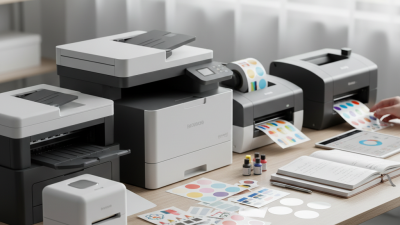
This guide compares seven printers for business buyers in 2026. It considers realistic workloads, from a few hundred product labels to frequent custom batches. It also looks beyond headline resolution. Can the machine handle your chosen stock? Are ink, maintenance, and finishing costs predictable? Before buying, test your own artwork on your intended material. One sample can reveal more than a polished specification sheet.
7 Best Sticker Printers for Business Buyers in 2026

Understanding Sticker Printing Needs in a Business

Understanding Sticker Printing Needs in a Business

Choosing a sticker printer starts with the job, not the machine’s headline speed. Will stickers sit on indoor product boxes, chilled jars, or shipping cartons exposed to rain? Each surface calls for different adhesive, material, and resistance to moisture or scuffing. Grand View Research valued the global printed-labels market at USD 48.5 billion in 2023 and projected 4.6% annual growth through 2030. This broad market is not identical to custom stickers, but it signals sustained demand for clear, consistent labeling.

Small runs matter. A shop producing 200 seasonal designs has different needs from a warehouse printing thousands of repeat labels. Compare expected monthly volume, roll or sheet formats, cut shapes, color accuracy, and the time required to change jobs. Check whether the printer supports the design software and materials your workflow already uses. A fast machine can still slow production if setup wastes label stock. That detail is easy to overlook. Revisit the estimate after a few real orders; early forecasts are often imperfect.

Tips: Test samples on the actual packaging before buying. Leave them in a fridge or near a sunny window, then check for peeling, fading, or smudging. Record the results. Keep a small allowance for misprints and material waste.
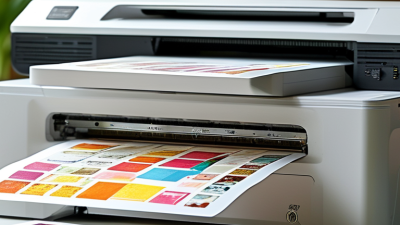
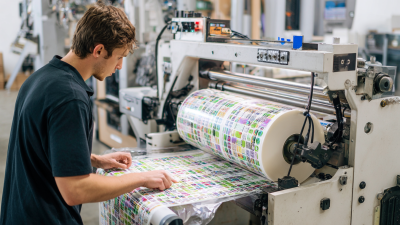
Business Sticker Printing Needs: Common Label Sizes

Choose a printer that supports the label dimensions your products, packaging, and shipping workflows require.

These nominal sizes are commonly used for product labels, retail stickers, and shipping labels. Check the printer’s supported media width and feed path before purchasing.

How Sticker Printer Types and Features Differ

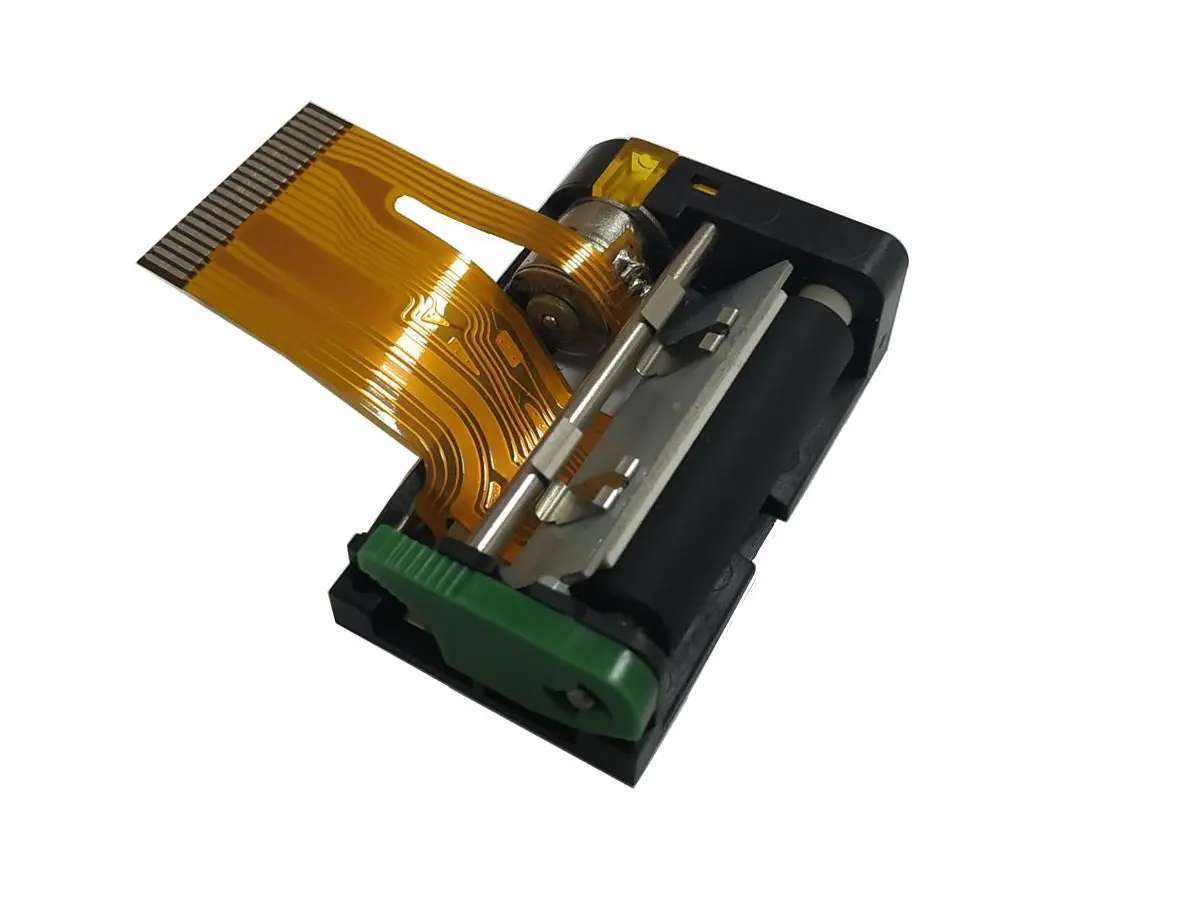
Sticker printers differ most in how they handle color, durability, and daily volume. Direct-thermal models need no ink or ribbon, but their heat-sensitive labels can darken or fade. They suit short-lived shipping or shelf labels, not products exposed to sunlight. Thermal-transfer printers use a ribbon and generally produce more durable marks. They are practical for barcodes and batch labels, though full-color artwork is not their strength.

Inkjet models make colorful product stickers, but ink and label material must match. A glossy label may smear with the wrong ink. Laser printers offer crisp text and quick sheet-based output, but heat-sensitive media can curl or jam. MarketsandMarkets estimated the global digital printing market at $28.9 billion in 2023, forecasting $46.1 billion by 2028. That broad market figure is not a sticker-printer sales forecast; it does signal growing interest in digital print options. For a real buying test, print the smallest text, a saturated color block, and a barcode on the exact stock you plan to use. Check drying time, edge quality, and roll or sheet handling. The trade-off is real. A fast machine can still waste material if setup is fussy.

Seven Best Sticker Printers for Business Buyers in 2026

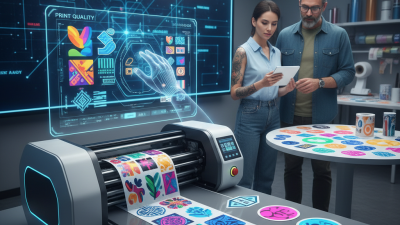
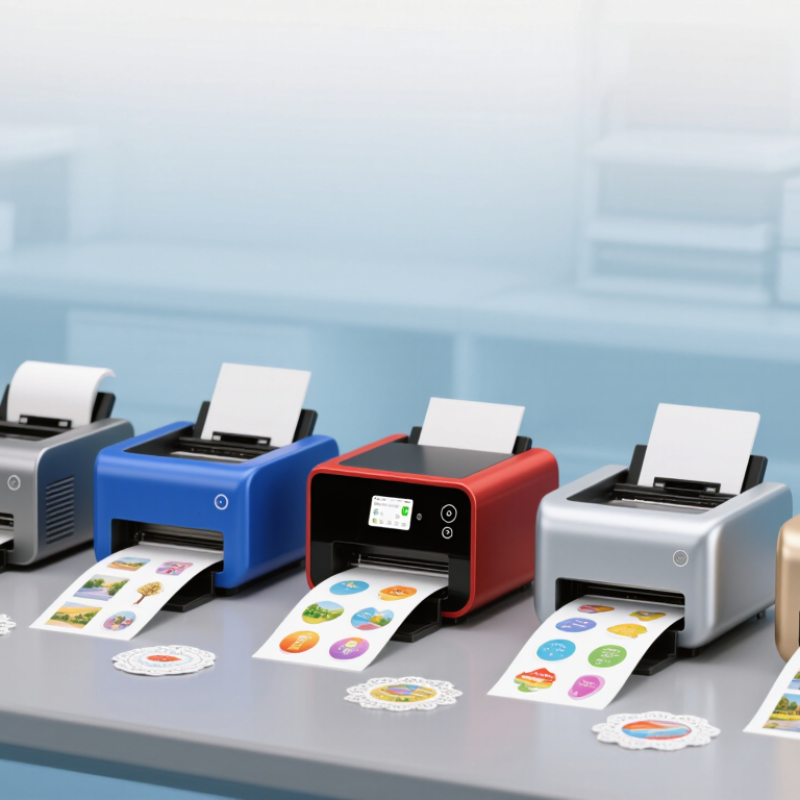
Seven Best Sticker Printers for Business Buyers in 2026 is best treated as a shortlist of printer types, not a universal ranking.

The right choice depends on order size, sticker material, finish, and available workspace. Desktop inkjet printers suit small batches and frequent design changes. Wide-format aqueous printers handle larger graphics and sheets. Digital toner printers can produce crisp text for quick runs.

Eco-solvent and latex printers are options for durable, larger-format decals. UV printers can print on some rigid materials, but require careful setup. Monochrome thermal printers work well for simple labels, not colorful artwork. Small batches matter.

Before buying, check the printer’s supported media, maximum print width, ink or toner costs, and finishing needs. Water resistance depends on the ink, sticker stock, and any protective laminate—not just the printer. Ask for a sample made with the materials you plan to use.

A glossy sample may look impressive but tell you little about how the sticker performs on a damp container or under bright light. It is easy to overvalue speed and underestimate trimming, curing, or maintenance time.

Tips:

Test your own artwork and sticker stock before committing. Compare the finished print after handling, not only straight out of the machine.

Record the cost per usable sticker, including wasted sheets and finishing supplies.

Comparing Print Quality, Speed, Materials, and Operating Costs

For business buyers comparing seven sticker printers, headline resolution and maximum speed are only starting points. Grand View Research’s 2024 labels-market report estimated the global market at $47.5 billion in 2023 and forecast 5.4% annual growth through 2030. That demand spans shelf labels, shipping stickers, and short-run product designs, each with different print and material needs. A crisp sample matters. Examine small text, fine lines, and solid color on the actual label stock you plan to use.

Speed claims need context. Compare output on the same artwork, label width, and material, and record both first-label time and sustained production. A fast run can still create costly waste if alignment drifts. Test paper, film, and removable adhesive stocks before buying; some printers need specific coatings or ribbons. The wrong combination can smudge, fade, or peel. Not every demo matches real work.

Operating cost is more than the printer price. Include media, ink or ribbon, cleaning, rejected labels, and staff time in cost-per-usable-label calculations. ISO/IEC 24711 provides a standardized method for measuring ink-cartridge yield, making test-based yield more useful than an unverified estimate. Keep the comparison imperfect but honest: humidity, artwork coverage, and maintenance can change results. Track them during a small pilot.

Choosing a Sticker Printer for Your Business Workflow

Choosing a sticker printer starts with the work it must handle each day. A shop printing short, varied runs needs quick setup and reliable color changes. A fulfillment team producing hundreds of labels may care more about speed, roll capacity, and cutting consistency. Count typical orders before comparing specifications. Peak weeks matter, too.

Check the full workflow, not just print quality. Measure your widest sticker, then confirm the printer supports that media and adhesive type. Some materials curl or leave residue, so test a small batch before buying. Look at file preparation, network access, and how easily staff can replace ink, media, or blades. Downtime is expensive. So is waste. A fast printer can still slow a team if trimming requires constant manual attention.

Calculate cost per usable sticker, including rejected prints and routine supplies. Ask how long common maintenance tasks take, and whether replacement parts are readily available. Request sample output on your intended stock; glossy samples can hide problems that appear on matte surfaces. I would not choose from speed claims alone. They are useful, but real workloads are messy, and the best fit may not be the most impressive machine on paper.