How to Choose the Best Sticker Printer for Your Needs?
Choosing the right Sticker Printer can be daunting. With so many options, it is essential to find one that fits your specific needs. Industry expert Emily Carter, a well-known graphic designer, once stated, "A great sticker printer can turn creativity into a tangible product." This sentiment resonates with many who seek to craft custom stickers.
A quality Sticker Printer must produce vibrant colors and sharp details. Many beginners overlook this aspect, resulting in subpar prints. There are various sizes and types available on the market. Some cater to home use, while others are designed for professional businesses. Understanding these distinctions can make or break your sticker-making journey.
Investing time in research pays off. While you might be drawn to the cheapest option, consider durability and print quality. It’s easy to fall into the trap of prioritizing price over performance. A reliable Sticker Printer is an investment in your creativity and business. Aim for one that matches your creativity and goals. That way, you’re not just printing stickers; you’re bringing your ideas to life.
Understanding Your Sticker Printing Requirements
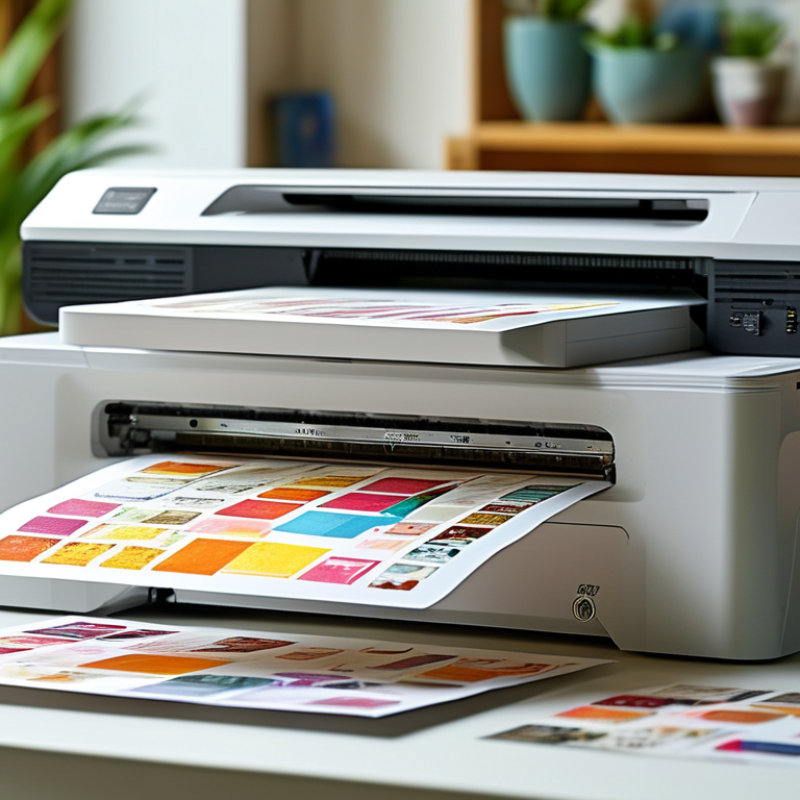
When choosing the best sticker printer, understanding your requirements is essential. Start by identifying the types of stickers you want to print. Will you create labels, decals, or decorative stickers? This decision influences the printer specs you'll need. For instance, label printers often require precise cutting capabilities. Meanwhile, vinyl printers might need higher ink quality for vibrant colors.
Consider the volume of stickers you'll produce. Are you printing small batches or large runs? A printer that handles high-output can save time and effort in large projects. Also, think about the media types. Do you need waterproof stickers or those that adhere to specific surfaces? Not all printers can accommodate various materials, limiting your options.
Evaluate your budget as well. An expensive printer doesn't always guarantee the best results for your needs. You might find a more affordable option that meets your printing goals. Research user reviews carefully, but keep an open mind. Sometimes, what works for one person may not suit another's vision. Reflect on your priorities and remember that the journey of finding the right printer can reveal unexpected challenges.
How to Choose the Best Sticker Printer for Your Needs?
| Feature |
Description |
Considerations |
| Print Quality |
Resolution measured in DPI (Dots Per Inch); higher DPI means better quality. |
Choose based on the type of stickers you want to produce. |
| Print Speed |
Time taken to print one sticker; essential for high-volume needs. |
Evaluate how many stickers you plan to produce regularly. |
| Media Compatibility |
Types of media the printer can handle, like label paper, vinyl, etc. |
Check if the printer supports the materials you would use. |
| Connectivity Options |
Interface types such as USB, Wi-Fi, or Ethernet. |
Determine how you want to connect the printer to your devices. |
| Size and Portability |
Dimensions and weight of the printer. |
Consider your workspace and whether you need a portable printer. |
| Cost of Ink and Materials |
Ongoing cost of ink cartridges or adhesive materials. |
Calculate total costs in relation to your budget. |
| User-Friendly Interface |
Ease of use and access to settings and features. |
Look for features that fit your technical skill level. |
Exploring Different Types of Sticker Printers
When exploring different types of sticker printers, it's crucial to consider your specific needs. Inkjet printers are popular for their affordability and versatility. They can produce vibrant colors, making them great for intricate designs. A study by MarketsandMarkets shows that the inkjet printer market is expected to grow at a CAGR of 4.08% by 2026. This growth suggests a reliable choice for hobbyists and small businesses.
Laser printers offer a different advantage. They produce sharp text and graphics, ideal for professional use. This printer type is known for faster print speeds and lower cost per page. According to a report from ResearchAndMarkets, the laser printer segment is anticipated to expand due to increasing demand in commercial settings. However, they might struggle with certain materials, limiting their versatility.
Overall, each type has its pros and cons. Evaluating factors such as print quality, speed, and compatibility with various materials is vital. Prioritize your unique requirements. Addressing these nuances can lead to better decision-making. Often, users overlook durability and the long-term costs of supplies, which can affect overall satisfaction.
Comparing Print Quality and Speed Across Models
When choosing a sticker printer, print quality and speed are key factors. Print quality refers to how crisp and vibrant the stickers look. High-resolution printers produce sharp graphics with vivid colors. This is vital if you plan to create designs with intricate details. A printer with lower resolution may lead to a disappointing final product. Be sure to look for printers that meet your design expectations, and note that some models may underperform in this area.
Speed is equally important, especially for larger projects. Some printers can produce stickers in just a few seconds, while others take longer. For small batches, slower printers may suffice. However, if you're printing in bulk, you may want something faster. Balancing speed with quality can be challenging. A printer that promises high speed might sacrifice detail. Consider your needs carefully. If speed is a priority, ensure you verify whether it meets your quality standards too.
Selecting the best sticker printer involves more than just brand names. It's about understanding your own requirements. You might find that what appears perfect on paper does not translate to real-world usage. Conducting thorough research on user reviews can reveal common pitfalls and advantages. These insights can help avoid costly mistakes in the long run.
Comparing Print Quality and Speed of Different Sticker Printers
Evaluating Costs: Initial Investment and Ongoing Expenses
When selecting a sticker printer, costs are a major factor. It's crucial to evaluate both the initial investment and ongoing expenses. Initial costs can vary greatly based on features and capabilities. Some printers are more affordable upfront but may lack essential functions. Others may have higher costs but offer superior quality and versatility. Understanding these trade-offs is essential for making an informed decision.
Ongoing costs also matter significantly. Ink and label rolls can add up over time. Budgeting for these expenses is vital to avoid surprises later. Some printers consume more ink than others, impacting the overall cost per sticker. Look for reviews that weigh these aspects, as they can provide insights into long-term affordability. Consider maintenance as well; some printers require regular upkeep, which can increase expenses.
It's wise to assess your printing volume. A low-volume user may find a more affordable, basic model sufficient. However, a high-volume user could benefit from investing in a more robust machine. Reflecting on your needs and usage patterns can lead to smarter spending choices. It's about balancing quality and cost-effectiveness for your unique situation.
Assessing Additional Features and Software Compatibility
When selecting a sticker printer, software compatibility is crucial. Ensure the printer can seamlessly connect with your preferred design software. Many printers support standard formats, but some may have limitations. Check the supported file types for image uploads. Compatibility can directly impact your workflow efficiency.
Consider additional features that enhance usability. Some printers offer wireless connectivity, allowing you to print from any device. This feature can be valuable in a busy environment. Look for models that include mobile app support. It adds flexibility to your printing tasks. However, think about ease of updates for these applications.
Reflect on the importance of customization options. Some printers enable design modifications, while others offer preset templates. Having a variety of templates can streamline the process. Still, customization can sometimes be overwhelming. Balance between pre-made designs and your creative input is essential. Always take time to assess the capabilities before making a decision.

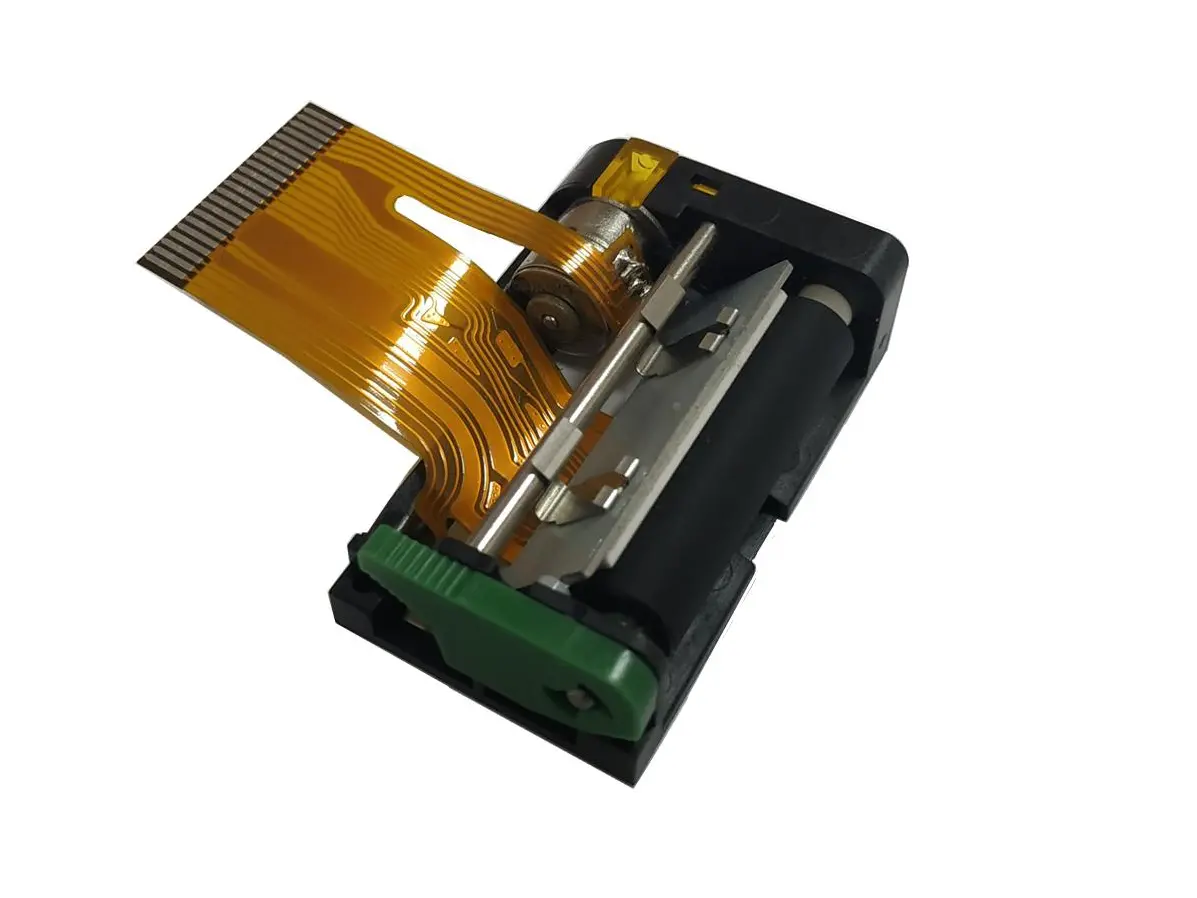 1 inch thermal printer mechanism
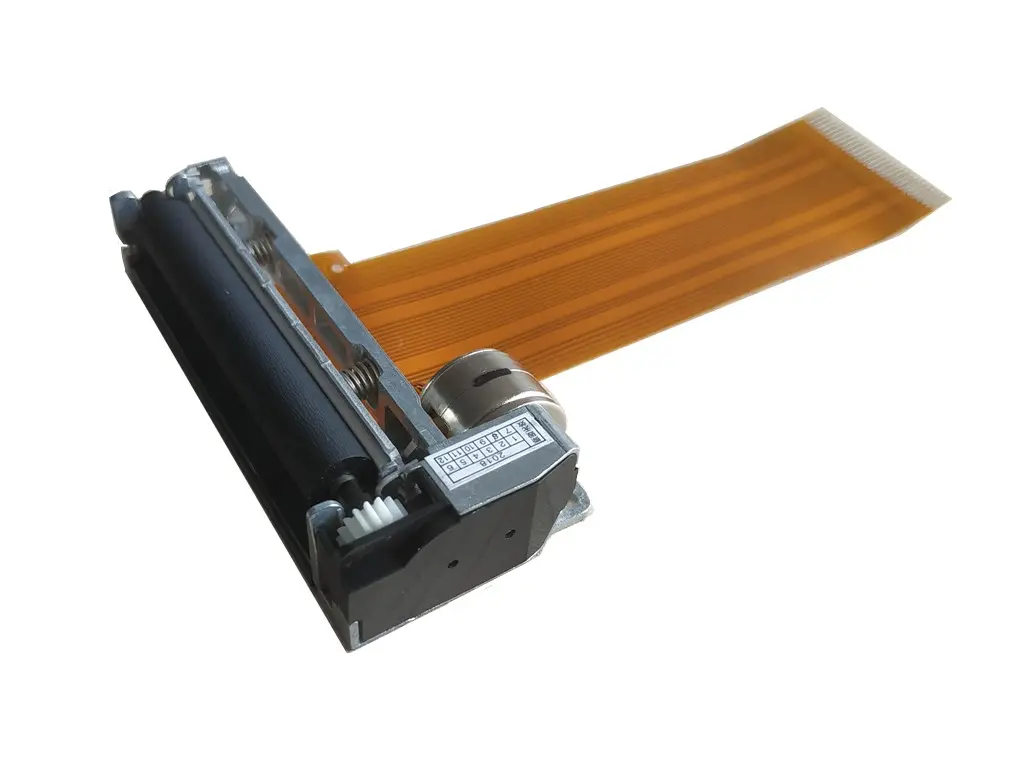 2 inch thermal printer mechanism
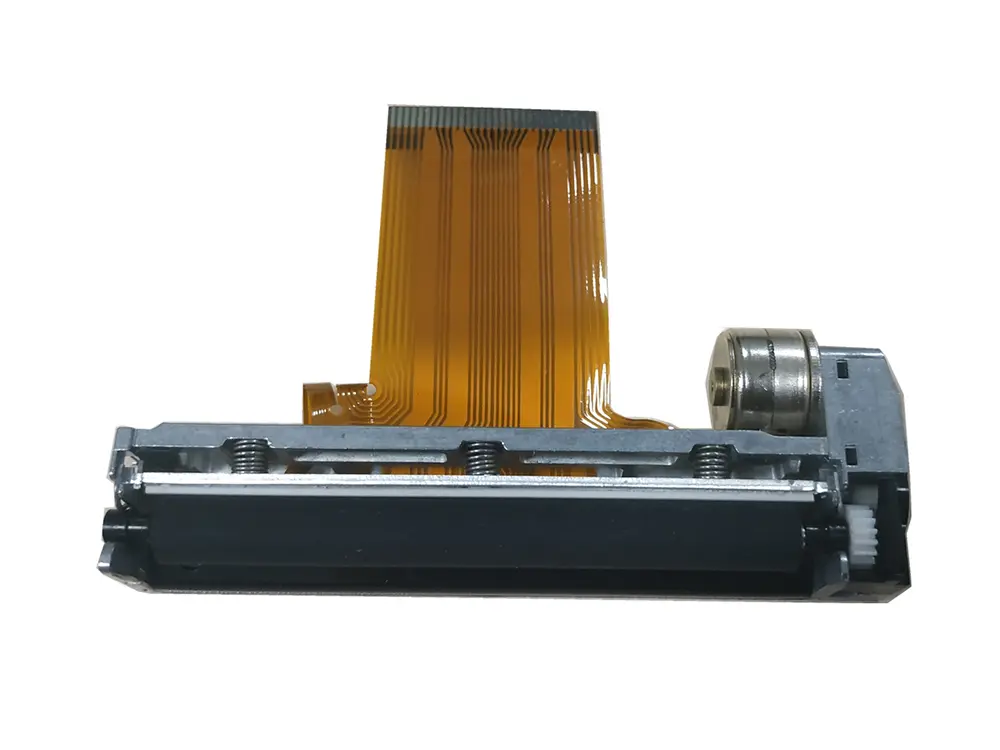 3 inch thermal printer mechanism
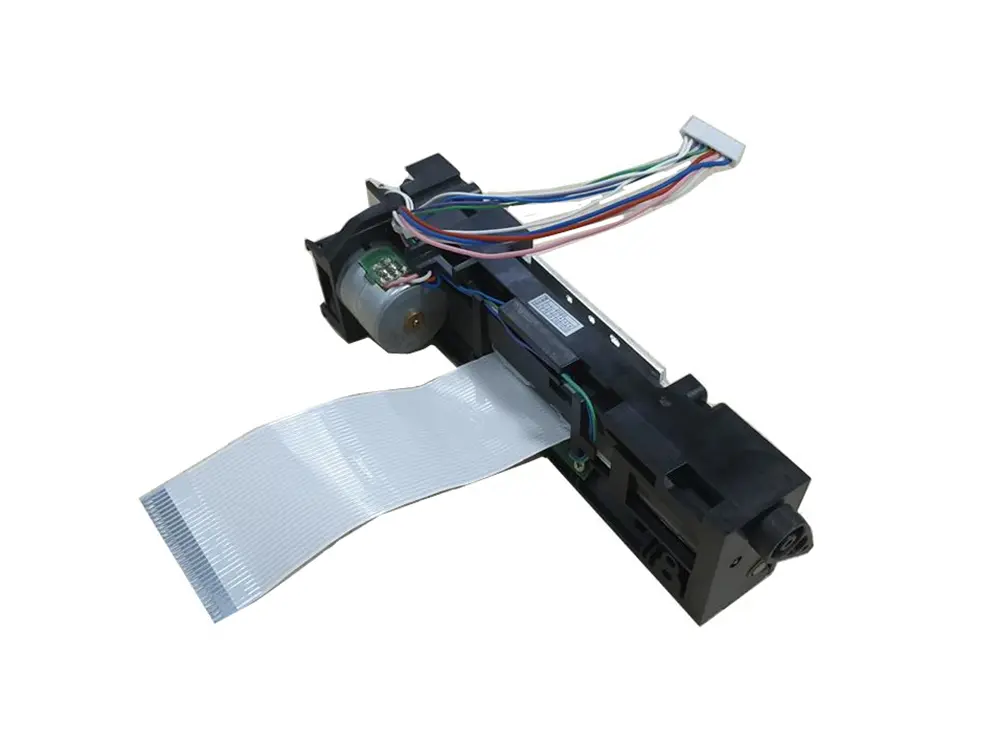 4 inch thermal printer mechanism
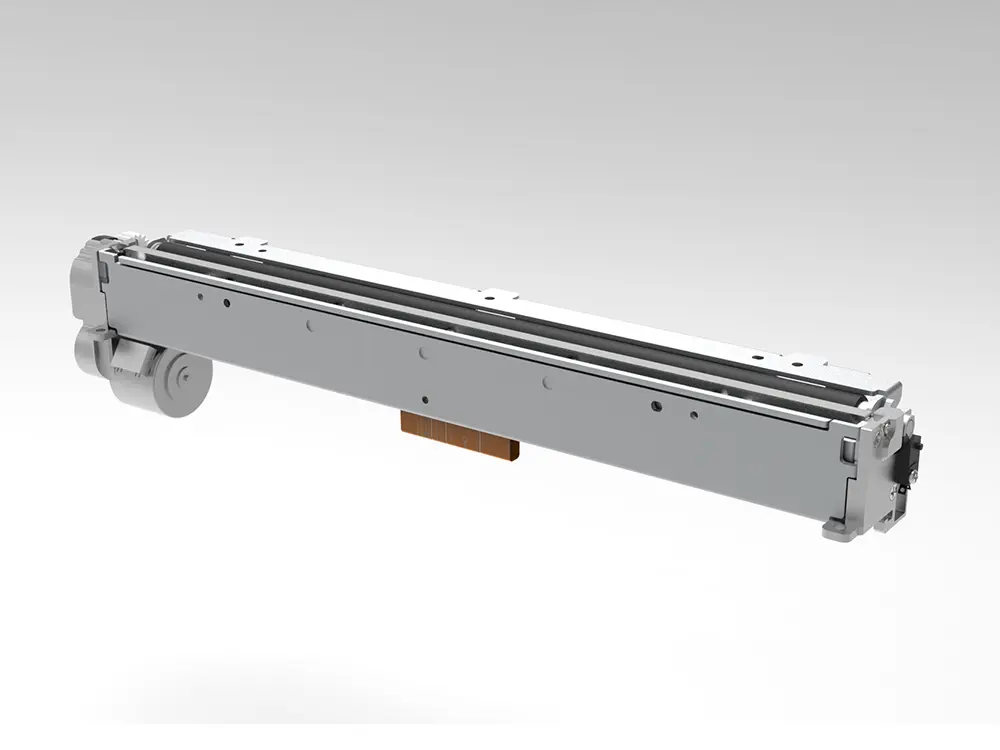 8 inch thermal printer mechanism
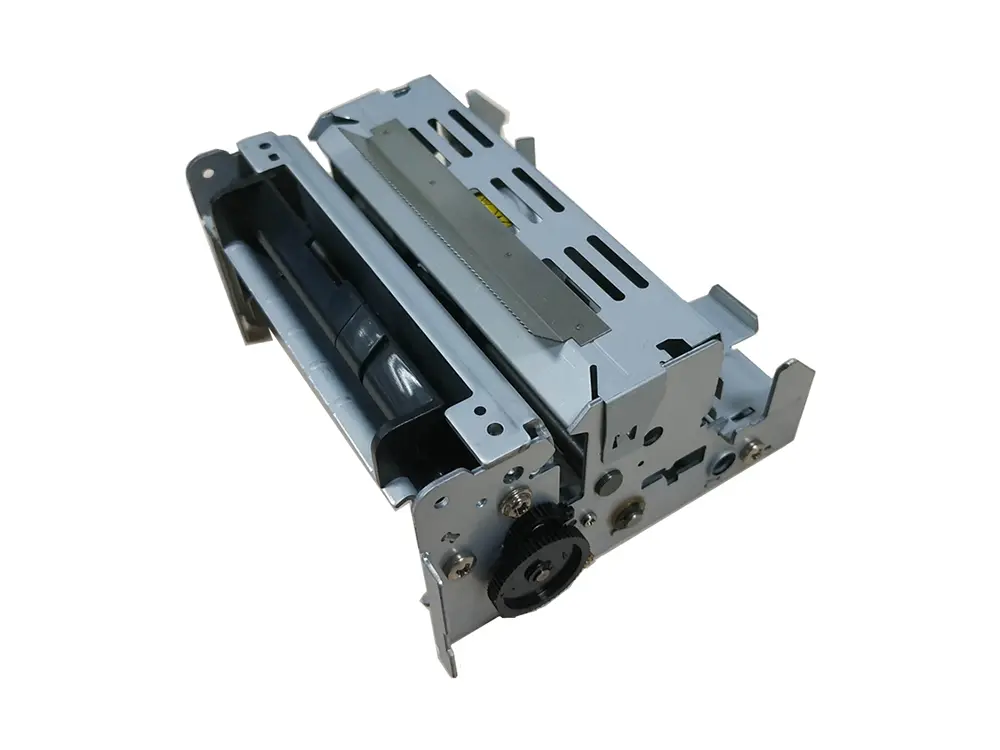 dot matrix printer mechanism
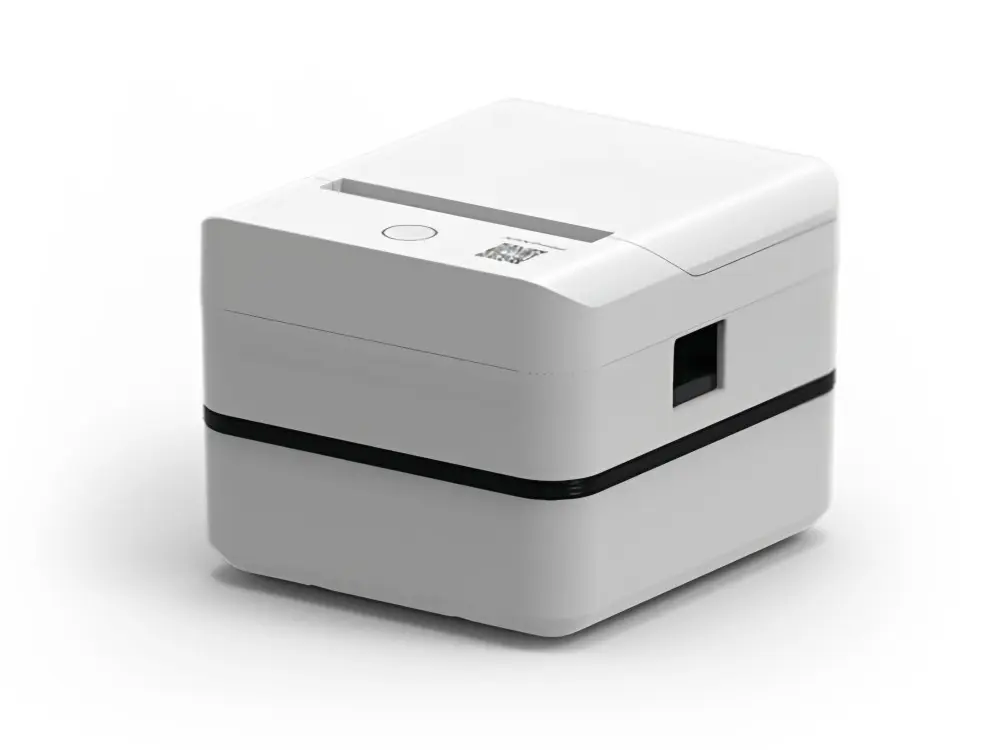 Label Printer
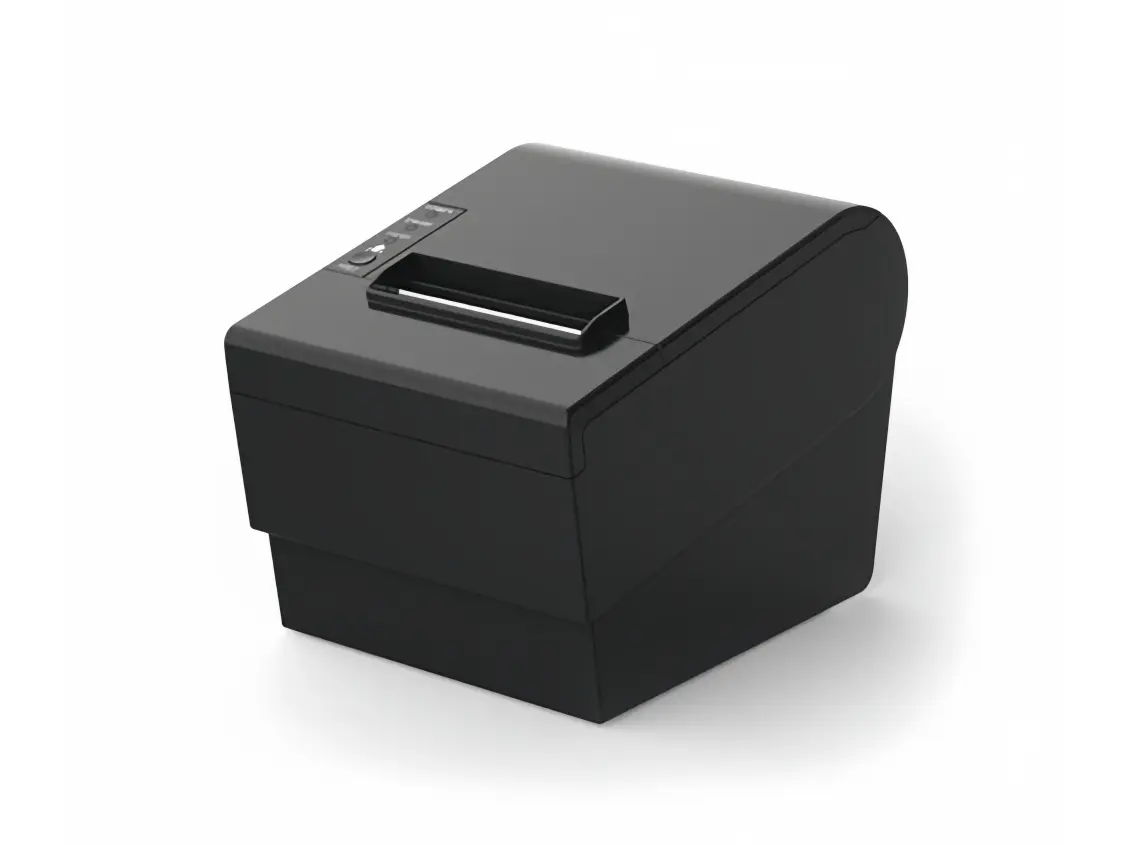 Receipt Printer
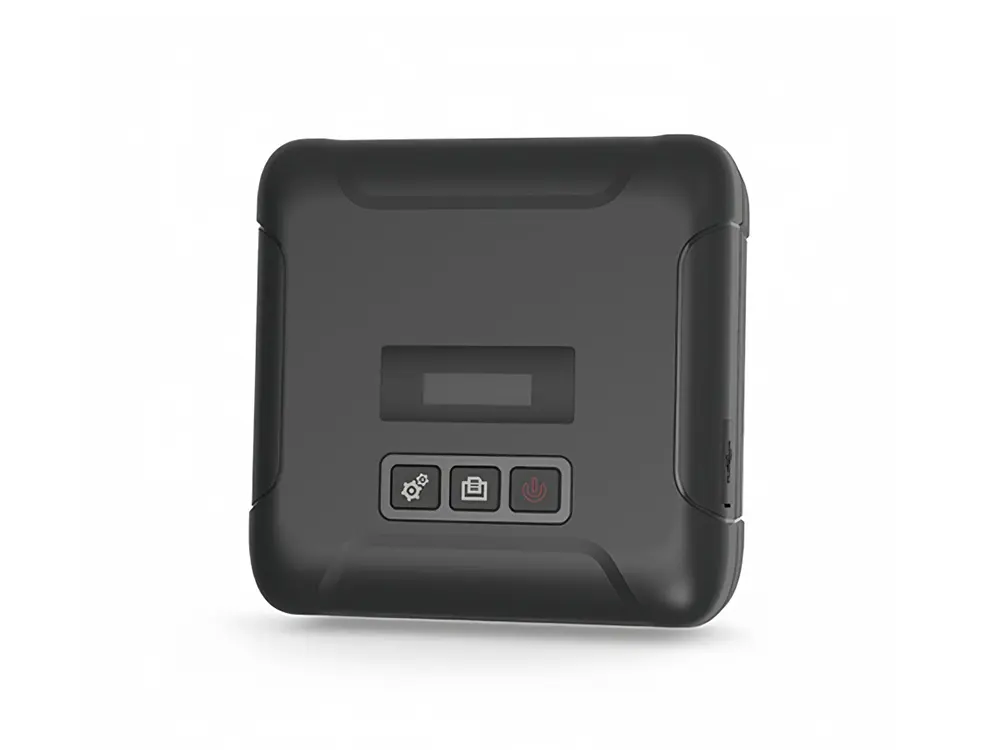 Mobile Printer