Best Shipping Thermal Printer Options for 2026?
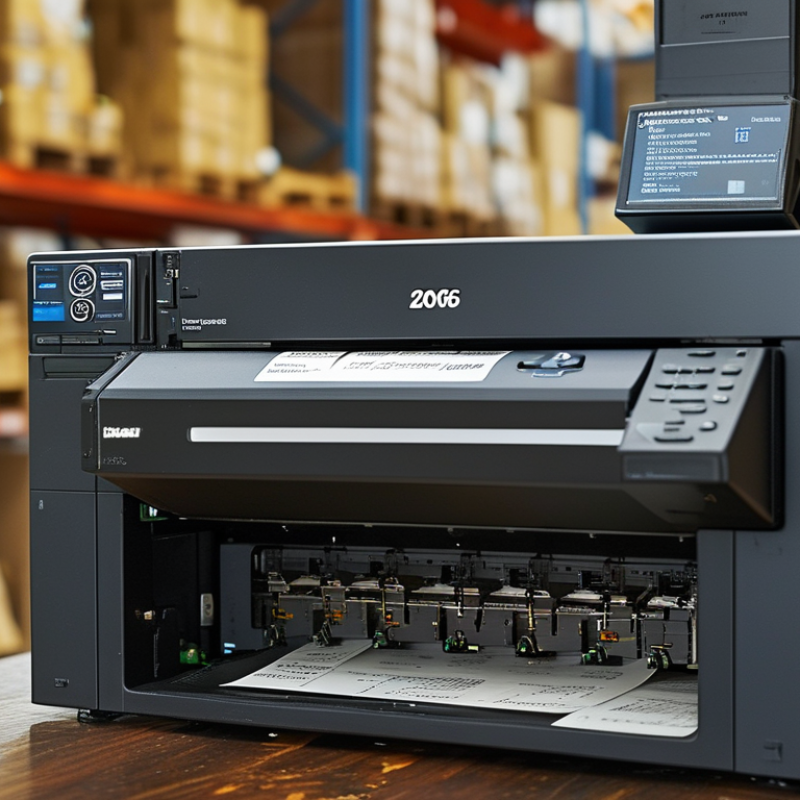
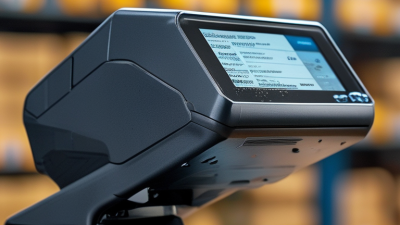
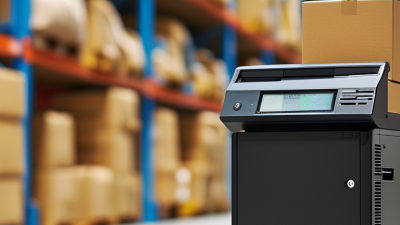
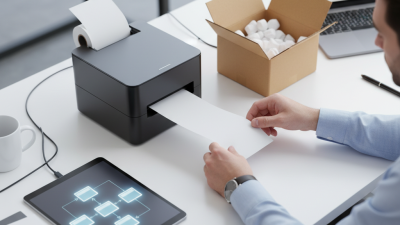
As e-commerce continues to expand rapidly, businesses need reliable tools to streamline operations. A Shipping Thermal Printer is essential for efficient labeling and tracking. In 2026, choosing the right printer can enhance productivity and accuracy.
Selecting the best Shipping Thermal Printer requires understanding your specific needs. Consider factors like print speed, durability, and compatibility with various shipping platforms. Brands are constantly innovating, promising improved features and user-friendly designs. Balancing budget and quality is also crucial.
Every choice may not fit every situation. It's vital to conduct research, read reviews, and even seek professional advice. Some printers might excel in performance but fall short in customer service. Reflecting on these aspects can lead to more informed decisions, ultimately boosting your shipping efficiency.
Overview of Thermal Printing Technology in Shipping
Thermal printing technology is rapidly evolving in the shipping industry. This method utilizes heat to produce images on specialized labels. It is efficient and cost-effective. Data from industry reports indicate that thermal printers have improved label production speeds by over 50% in recent years. This enhancement allows shipping companies to streamline operations.
In 2026, the focus will shift toward sustainability. Thermal printing minimizes waste, as it often requires fewer consumables. Recent studies show that 80% of businesses are prioritizing eco-friendly technologies. The use of direct thermal printing eliminates the need for ink and toners, highlighting a trend towards greener alternatives.
Despite these advancements, some challenges persist. Issues like print durability and label adhesion in adverse conditions need attention. Not all thermal printers are created equal; users must research options best suited to their unique shipping needs. This approach helps ensure reliability and efficiency in shipping processes. By 2026, thermal printing will likely be indispensable for many shipping operations, combining innovation with practicality.
Key Features to Consider When Choosing a Shipping Thermal Printer
When selecting a shipping thermal printer, several key features stand out. Speed is crucial. A printer that can produce labels quickly will streamline your shipping process. Look for options that reach speeds of at least 4 inches per second. This ensures your workflow remains uninterrupted during busy times.
Print quality is another vital consideration. Labels must be clear and legible after printing. Blurry or smudged labels can lead to shipping errors. A resolution of 300 DPI or higher is recommended for crisp results.
Connectivity options are also significant. Printers that offer USB, Bluetooth, or Wi-Fi provide flexibility for different work environments. You may find that wireless capabilities enhance efficiency, especially in a larger workspace.
Yet, the choice can feel overwhelming. Not every feature will suit your specific needs. Assessing your unique shipping volume and label requirements will help filter out the noise. It's essential to reflect on what truly matters for your operations. Ultimately, taking the time to evaluate these features will lead to a more effective shipping process.
Top Thermal Printer Brands for Shipping in 2026
When considering the top thermal printer brands for shipping in 2026, a few key factors stand out. Reliability is crucial. You want a printer that can handle high-volume tasks without frequent breakdowns. Durability is also important. Look for models designed for rigorous use.
Many brands are focusing on user-friendly features. Simple interfaces and quick setup processes can save valuable time. Some offer mobile printing options, allowing you to print from smartphones or tablets. This convenience is essential for modern shipping needs.
However, not all printers excel in every area. Some may be noisy, affecting the workplace environment. Printing speed is another concern. While some brands boast high speeds, they may compromise on print quality. Potential users should carefully evaluate their specific needs and consider both the benefits and drawbacks before finalizing their choice.
Best Shipping Thermal Printer Options for 2026
| Model |
Max Print Width |
Print Speed (mm/sec) |
Connectivity Options |
Price Range |
| Model A |
108 mm |
200 |
USB, Bluetooth, Wi-Fi |
$150 - $200 |
| Model B |
120 mm |
250 |
USB, Ethernet |
$180 - $220 |
| Model C |
80 mm |
150 |
USB, Bluetooth |
$100 - $150 |
| Model D |
160 mm |
300 |
USB, Wi-Fi, Ethernet |
$250 - $300 |
| Model E |
80 mm |
180 |
USB, Serial |
$90 - $130 |
Comparative Analysis of Cost-Effective Shipping Thermal Printers
When choosing thermal printers for shipping in 2026, cost-effectiveness becomes crucial. Many options boast low initial costs. However, ongoing expenses often reveal hidden complexities. Maintenance and ink costs can add up over time. Users should consider the total cost of ownership, not just the purchase price.
Several features impact efficiency and reliability. Print speed, quality, and connectivity options matter greatly. Fast printers reduce waiting time during peak periods. Good print resolution ensures clear labels, which is essential for smooth deliveries. Users often find printer durability varies. Some models struggle more than others under high-volume conditions.
Compatibility with software and shipping platforms is vital. This helps streamline operations and increase productivity. Users report frustrations with integration issues, which can undermine workflow. Understanding the pros and cons of various printers can lead to better choices. Taking time to research and compare specs can save headaches later on.
Future Trends in Shipping Thermal Printing Technology
The future of shipping thermal printing technology is set to transform logistics. As e-commerce grows, so does the demand for efficient printing solutions. Innovations are focusing on speed and precision. New models will likely feature faster printing speeds, which can reduce wait times. This can impact the overall shipping process positively.
Sustainability is also a key trend. Many companies are exploring eco-friendly materials for thermal printers. This includes recyclable paper and energy-efficient components. Businesses are under pressure to reduce their carbon footprint. Adopting greener technologies may not only be beneficial but also necessary.
Another aspect is connectivity. Wireless printing options are emerging, allowing for easier integration with existing systems. Mobile devices may play a significant role in this development. However, this raises questions about security. Ensuring data safety is crucial as shipping technology evolves. As this field grows, users will need to stay informed and adaptive.

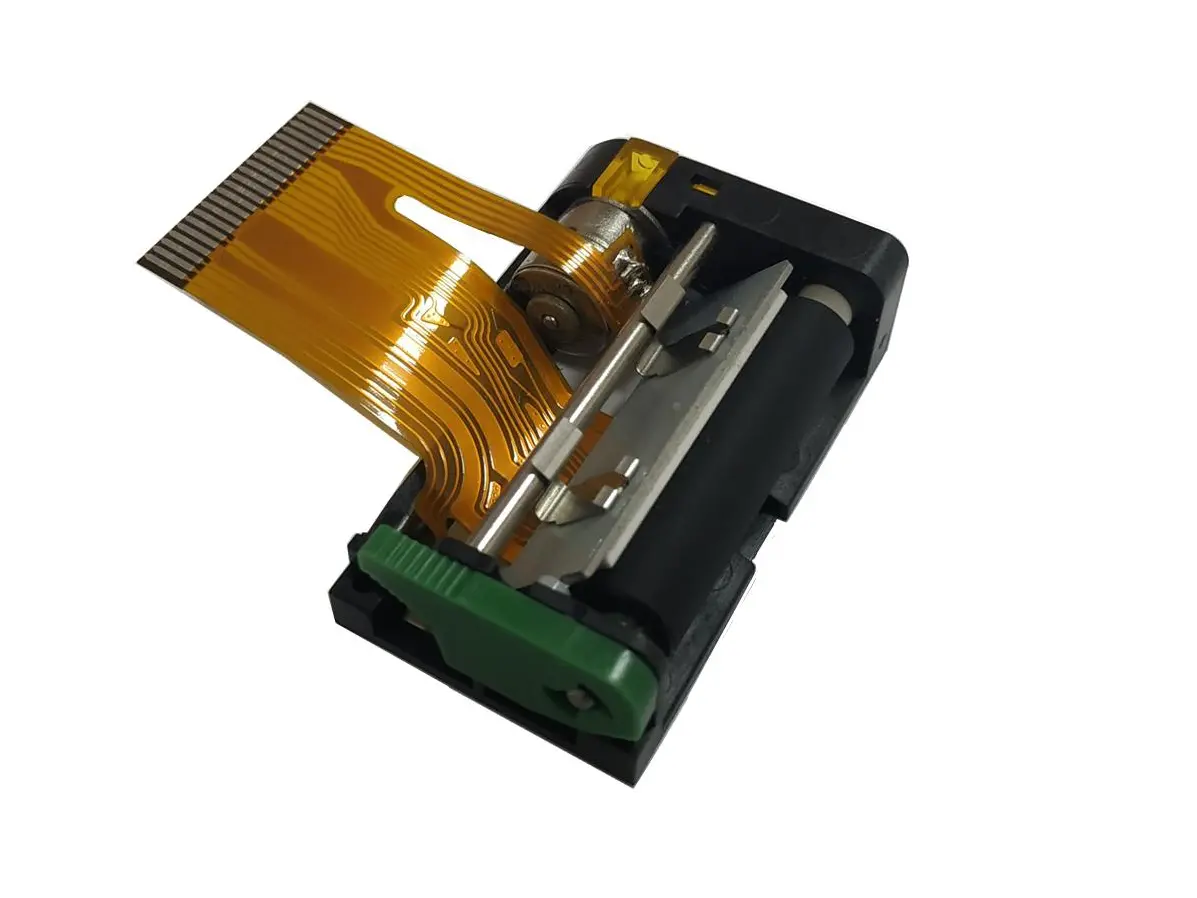 1 inch thermal printer mechanism
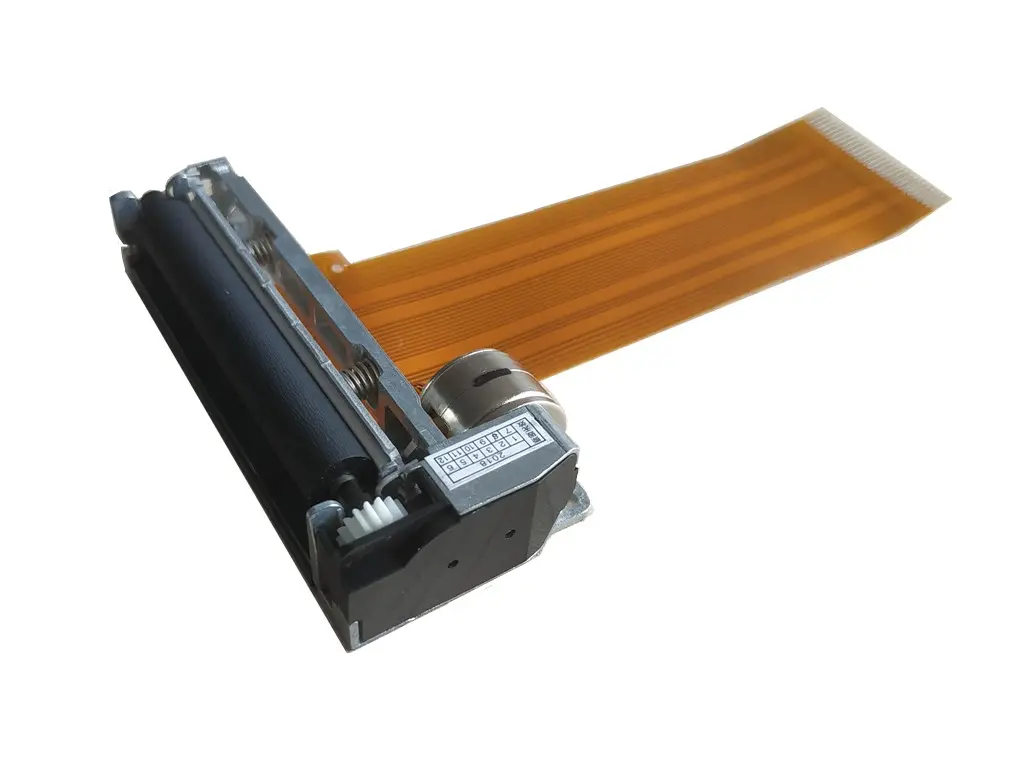 2 inch thermal printer mechanism
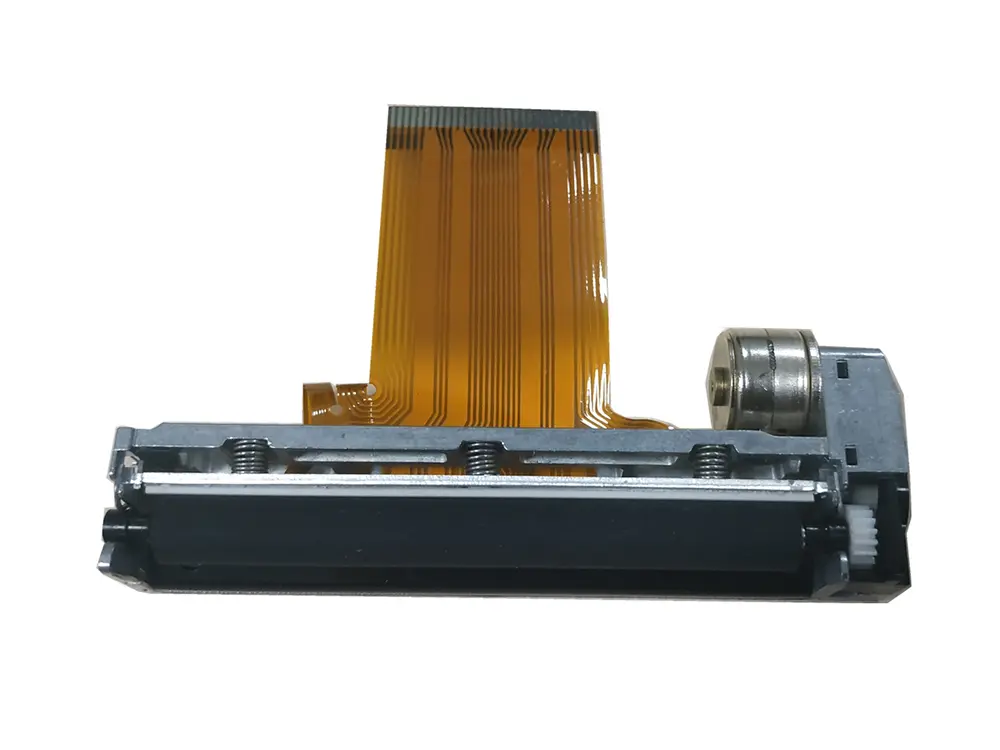 3 inch thermal printer mechanism
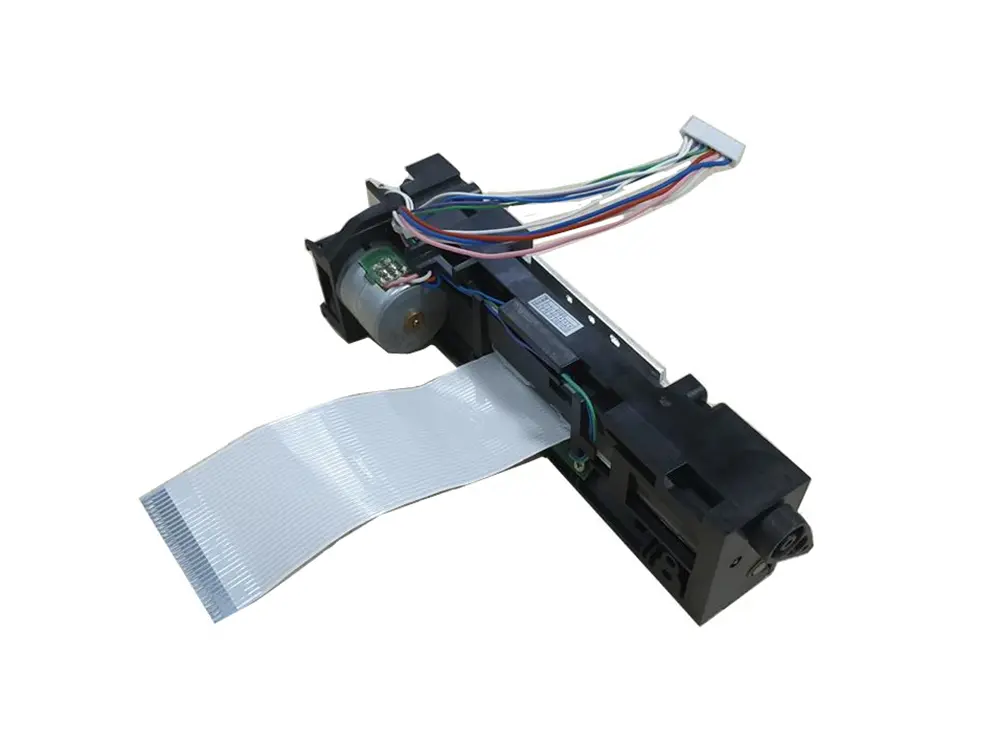 4 inch thermal printer mechanism
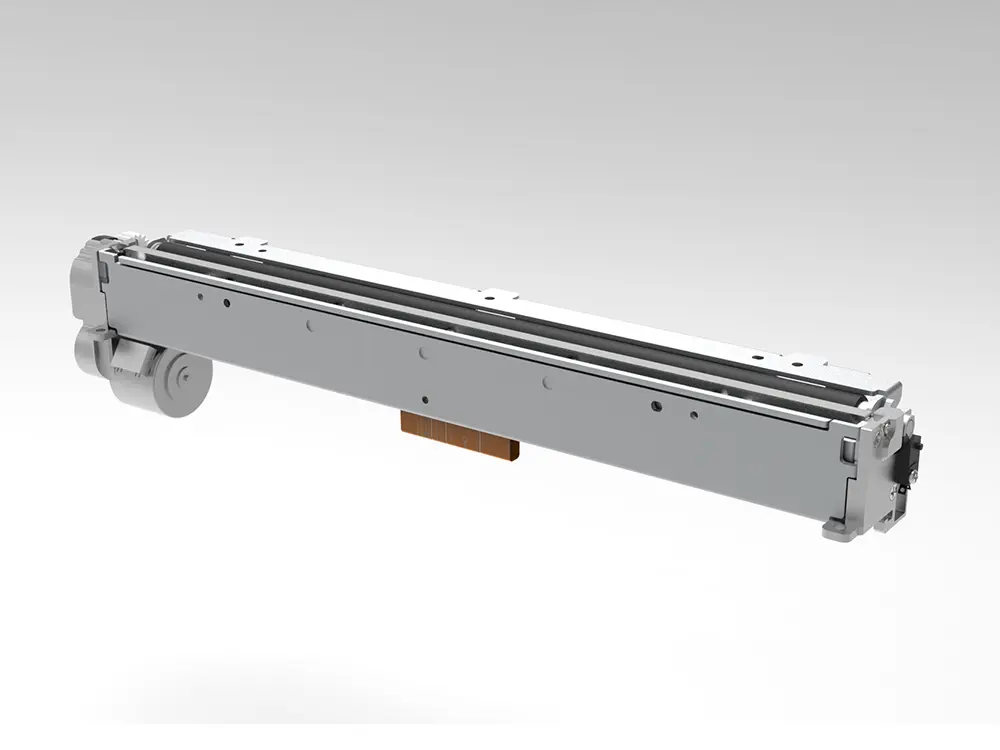 8 inch thermal printer mechanism
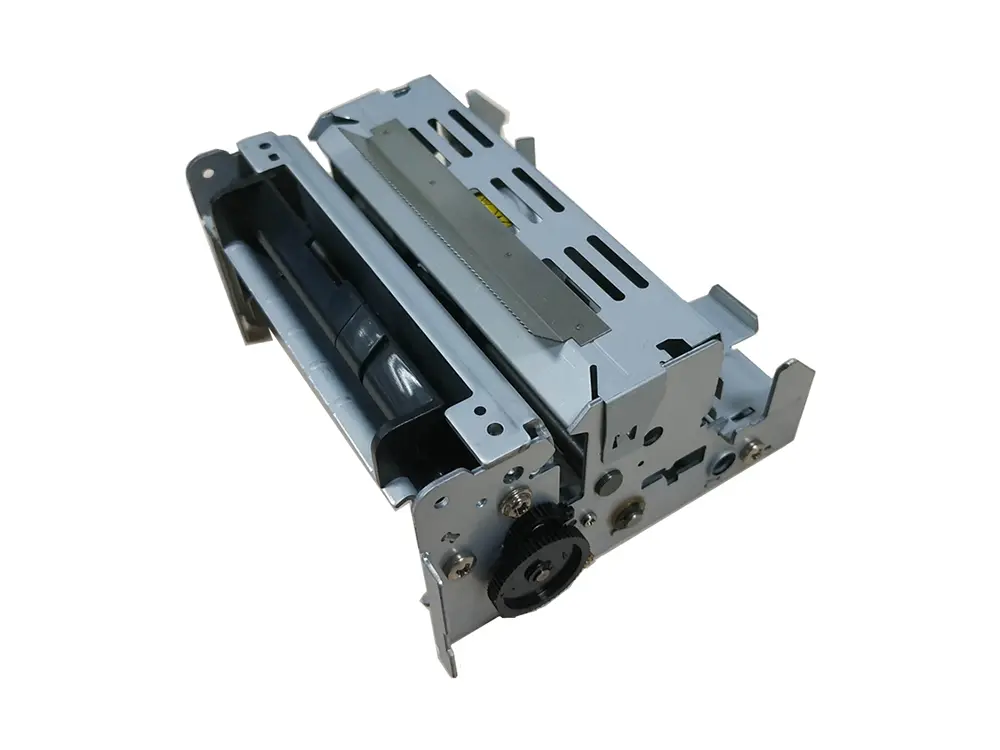 dot matrix printer mechanism
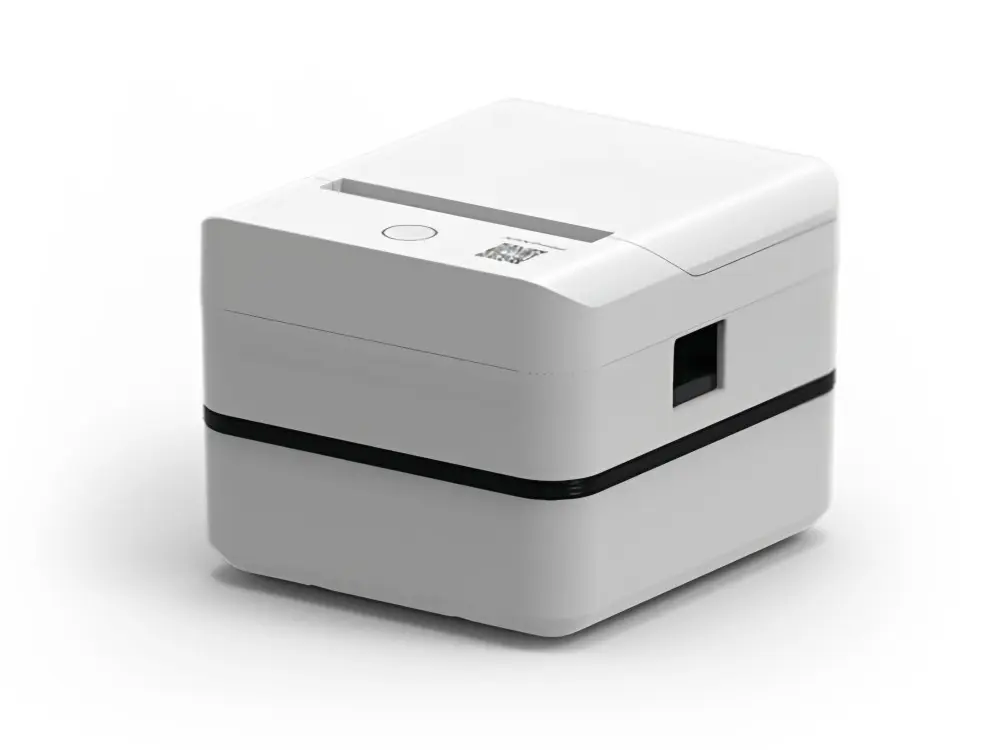 Label Printer
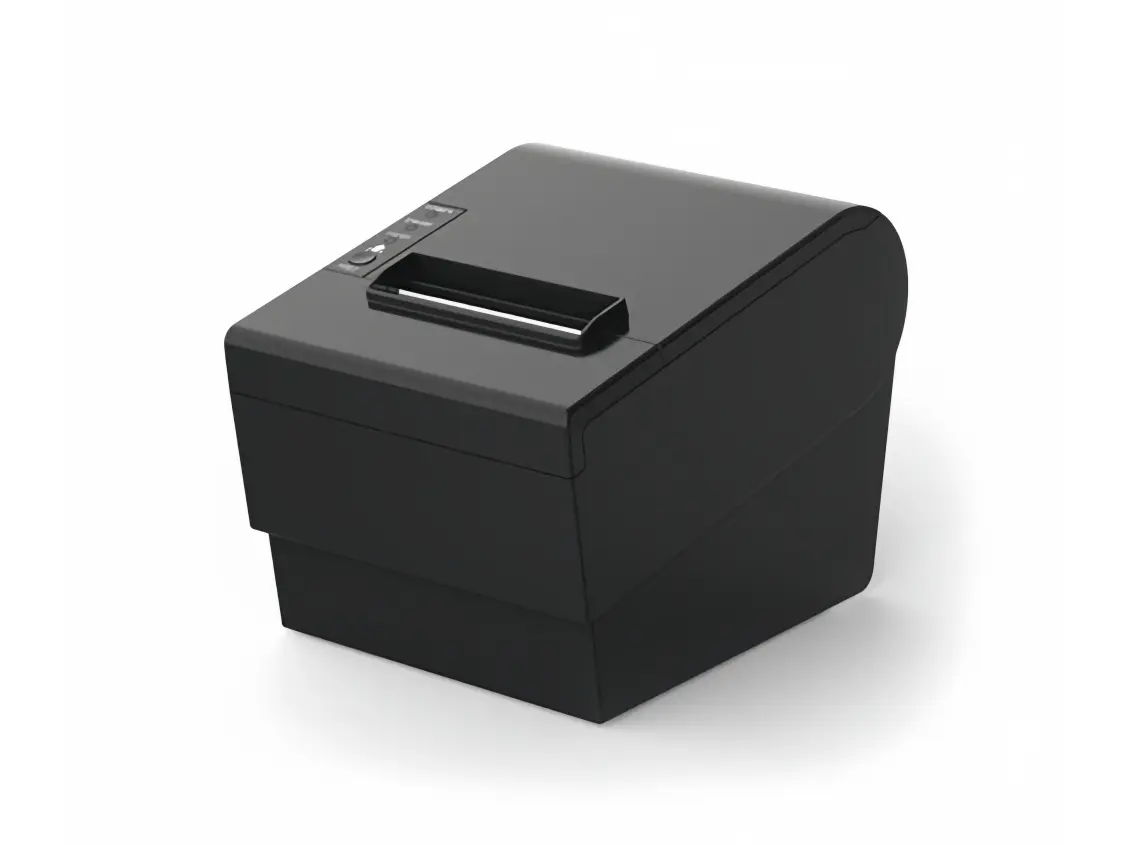 Receipt Printer
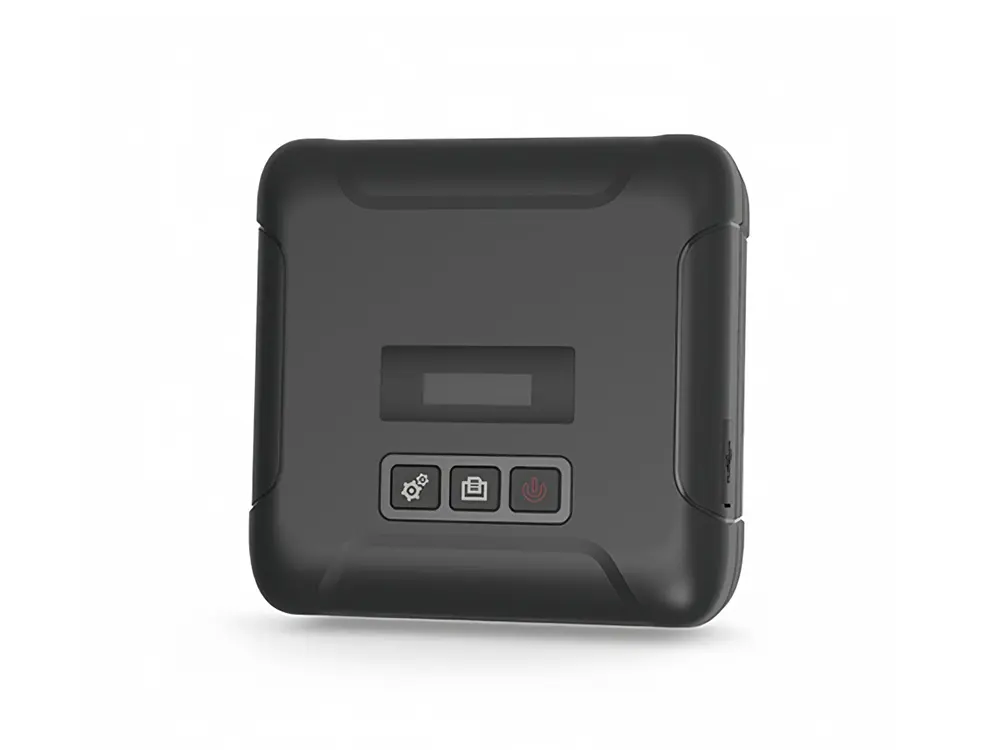 Mobile Printer