How to Choose the Best Shipping Thermal Printer for Your Business?
Choosing the right Shipping Thermal Printer can significantly impact your business operations. Mark Stevens, an expert in logistics technology, says, "A reliable shipping printer can save you time and money." In the bustling world of e-commerce, the right tools are essential.
Shipping Thermal Printers are not just devices; they are an investment in efficiency. Businesses face many options and choosing one can be daunting. Features, print quality, and speed must all align with your unique needs. A poorly chosen printer can lead to inefficiencies. The frustration of slow printing or unclear labels can disrupt workflows.
Understanding your business's unique requirements is crucial. Many overlook maintenance and support when selecting a printer. These factors often play a vital role in long-term satisfaction. A good Shipping Thermal Printer should minimize issues, allowing you to focus on growth. Balancing cost with reliability can be tricky, but it’s vital for success.
Understanding the Importance of Shipping Thermal Printers in E-Commerce
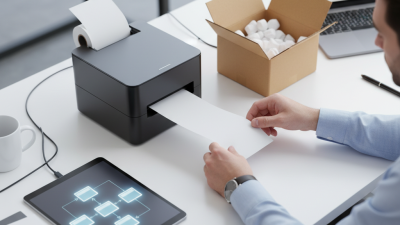
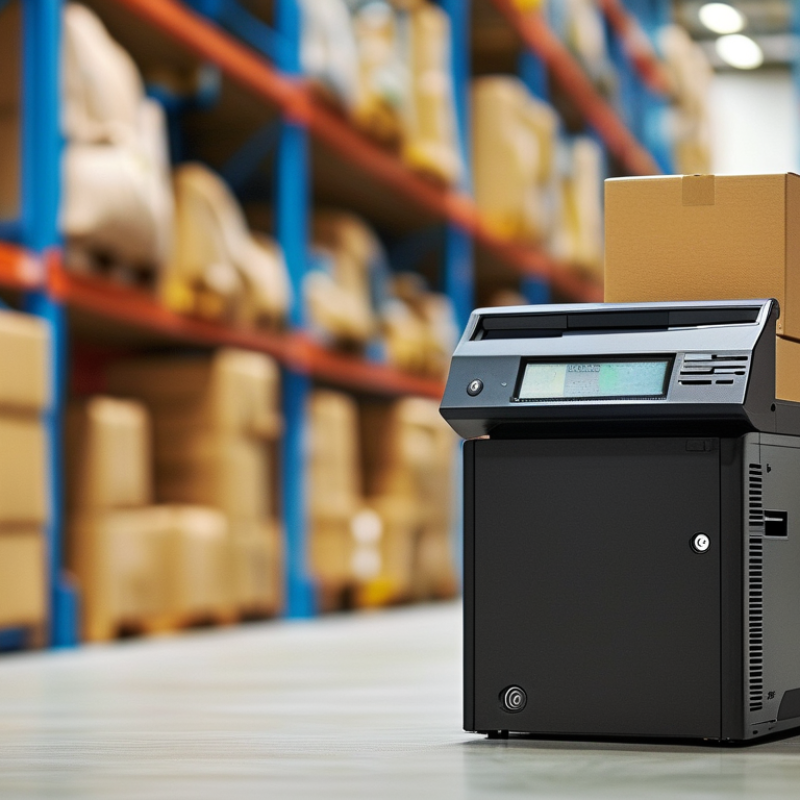
In the fast-paced world of e-commerce, shipping thermal printers play a crucial role in streamlining operations. These devices help businesses efficiently print shipping labels and invoices, reducing human errors. Accurate labeling is essential for timely delivery. Without it, packages can get lost or delayed. This can harm a business's reputation.
Choosing the right shipping thermal printer is vital. Look for a model that supports various label sizes and materials. This flexibility can cater to different product needs. Also, check for connectivity options. Wireless capabilities can enhance efficiency, making it easier to manage multiple orders. Ensure the printer offers a User-Friendly Interface for quick adjustments.
Tips: Always consider the print speed. A fast printer can handle high volumes during peak seasons. Moreover, consider the durability of the printer. Investing in a robust model can save costs in the long run. Regular maintenance is crucial, as neglect can lead to unexpected breakdowns. Reflect on your current volume of shipping; the right printer should match your business needs.
Key Features to Consider When Selecting a Thermal Printer for Shipping
When selecting a thermal printer for shipping, consider several important features. Print speed is crucial; faster printers can reduce waiting times and enhance efficiency. Industry data shows that businesses can lose significant productivity due to slow printing speeds. A printer that produces labels at a speed of 4 inches per second can drastically improve workflow in high-demand environments.
Print quality is another essential factor. High-resolution printing ensures barcodes and text are clear, reducing errors in shipping processes. A printer offering at least 300 dpi resolution is advisable. Studies indicate that labels with sharp quality result in fewer scanning failures, thus avoiding potential delays in deliveries.
Durability is vital, especially for businesses with heavy shipping demands. A reliable thermal printer can withstand daily operations and environmental factors, such as temperature and humidity. It's essential to review customer feedback on printer performance over time, as models with a sturdy build often reduce long-term costs. Finally, compatibility with shipping software is necessary for seamless integration, streamlining the overall shipping process and improving operational efficiency.
Evaluating Print Speed and Volume Requirements for Business Efficiency
When considering shipping thermal printers, evaluating print speed and volume is crucial for business efficiency. Research shows that 52% of shipping delays occur due to printing issues. A printer that operates slowly can bottleneck logistics, especially during peak shipping seasons. Many businesses find themselves overwhelmed when they cannot meet the demand for quick label production.
Print speed is a key factor. A quality thermal printer should produce labels in less than a second. If your operation involves hundreds of packages daily, this speed is essential. Reports suggest that businesses with high-volume shipping averaging 2,000 labels a day saw a 25% increase in productivity by upgrading to faster printers. However, not every printer meets the demands of high-volume use.
Volume requirements also play a significant role. Understanding your shipping needs helps avoid unnecessary costs. Companies that miscalculate their daily label needs may invest in machines that are either too powerful or insufficient. Evaluating the number of labels printed weekly can guide your decision. Regularly reassessing this data is vital as business needs can change over time, which may necessitate additional reflection on your equipment's efficiency.
Analyzing Cost-Effectiveness: Initial Investment vs. Long-Term Savings
When considering a shipping thermal printer for your business, it's essential to analyze the cost-effectiveness. Initial investment can be significant. A decent thermal printer might cost between $150 and $500. However, this upfront cost often pales in comparison to long-term savings. Businesses can save as much as 30% on shipping costs when using efficient printing technology.
Organizations report that switching to thermal printing can reduce ink and ink cartridge expenses by up to 50%. Lesser consumable needs lead to fewer waste cycles, saving both time and money. In an industry where shipping costs can rise rapidly, smart investments in technology yield results. Yet, some businesses may overlook ongoing maintenance costs. Budgeting for regular upkeep can be challenging but necessary for optimal printer performance.
User efficiency is another crucial factor. A fast, reliable printer improves overall operations. Some businesses spend three hours weekly on shipping tasks due to outdated technology. Upgrading to an efficient thermal printer can significantly decrease these hours, enhancing productivity. Despite these advantages, businesses must weigh efficiency against initial costs. It's a balance between spending now for greater returns later. The decision is never as simple as it seems.
Exploring Compatible Technologies and Integration with Shipping Software
When selecting a shipping thermal printer, compatibility is key. You need to ensure the printer works seamlessly with your existing shipping software. Many platforms offer specific guidelines on which printers integrate best. Often, user reviews highlight issues with setup or connectivity. Researching these experiences can save time and frustration.
Different technologies come into play when printing shipping labels. Direct thermal and thermal transfer methods each have unique pros and cons. Direct thermal printers may struggle with label durability, especially in humid environments. On the flip side, thermal transfer printers offer longevity yet require more supplies. Carefully evaluate your business needs and shipping conditions before making a choice.
Integration with shipping software is crucial for operational efficiency. A good printer should support various label sizes and formats. Some printers can sync with logistics and inventory systems. However, compatibility may vary across software platforms. Testing with sample orders can reveal any hidden challenges. Understanding these intricacies helps in making a more informed choice.
How to Choose the Best Shipping Thermal Printer for Your Business?
| Printer Model |
Print Speed (mm/sec) |
Resolution (DPI) |
Connectivity Options |
Compatible Software |
Price Range ($) |
| Model A |
150 |
300 |
USB, Ethernet, Bluetooth |
Shipping Software X, Y |
200 - 300 |
| Model B |
120 |
203 |
USB, Wi-Fi |
Shipping Software Z |
150 - 250 |
| Model C |
180 |
300 |
USB, Serial |
Shipping Software X |
250 - 350 |
| Model D |
160 |
300 |
Bluetooth, Wi-Fi |
Shipping Software Y, Z |
300 - 400 |

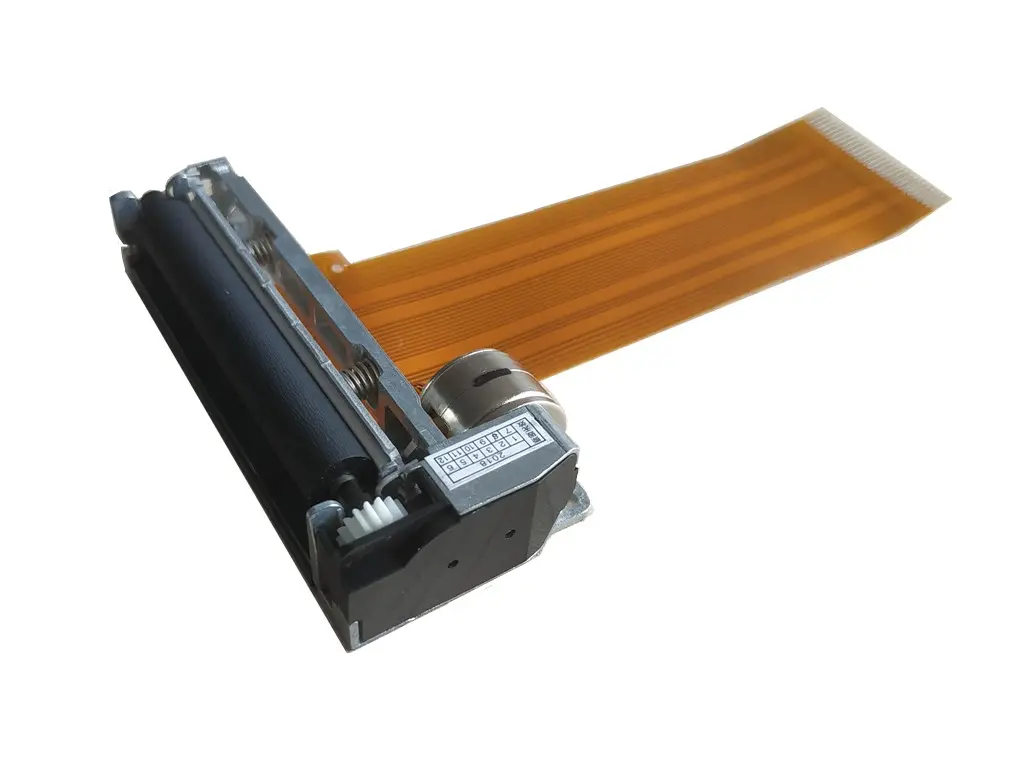
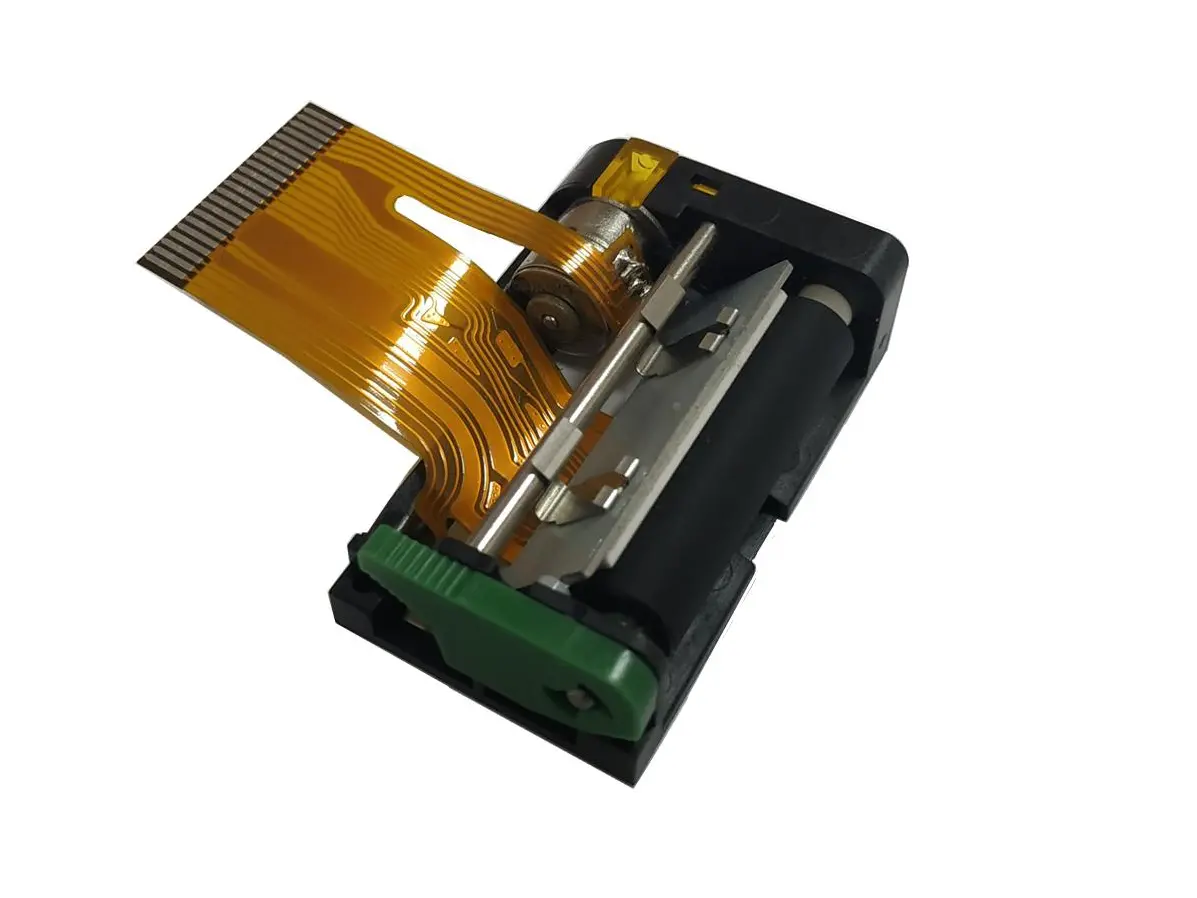 1 inch thermal printer mechanism
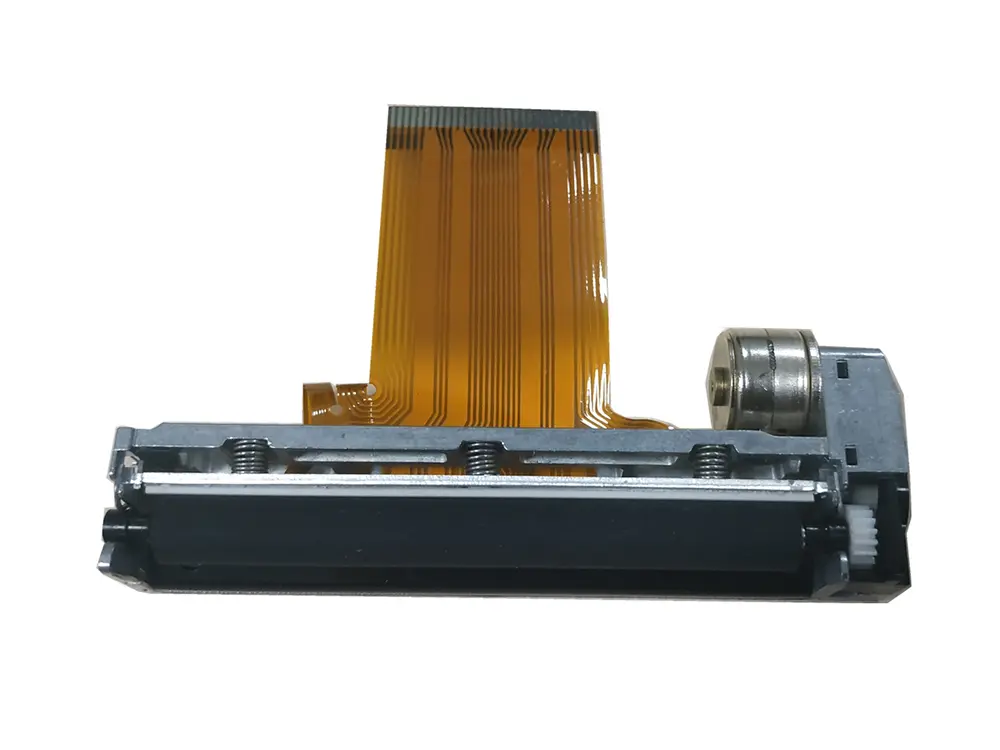
 2 inch thermal printer mechanism
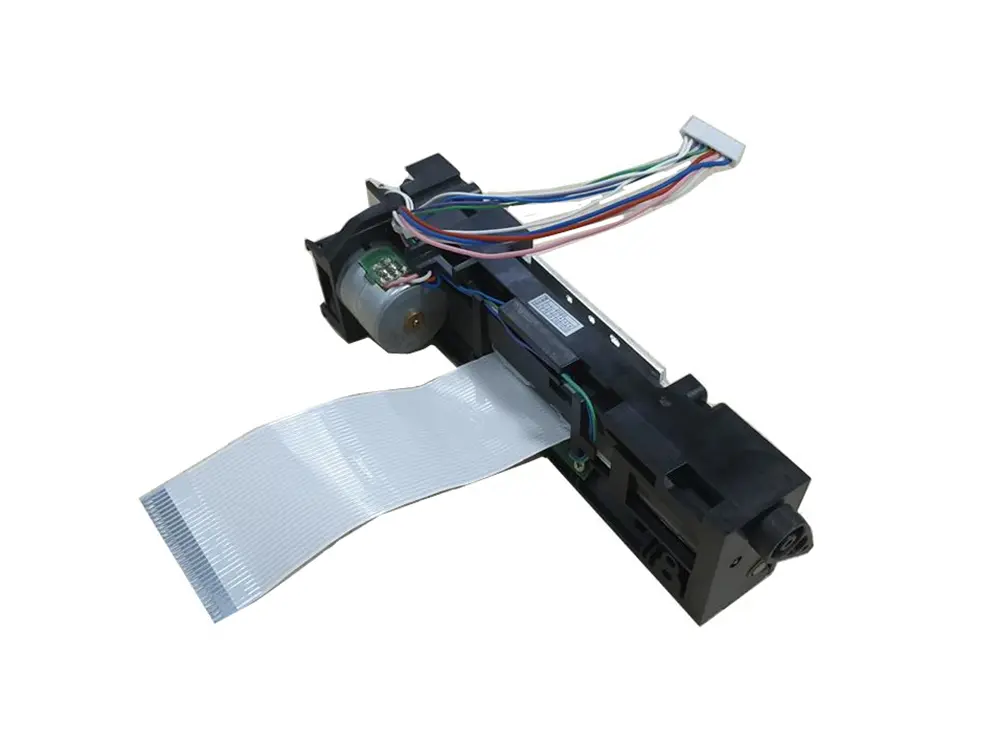
 3 inch thermal printer mechanism
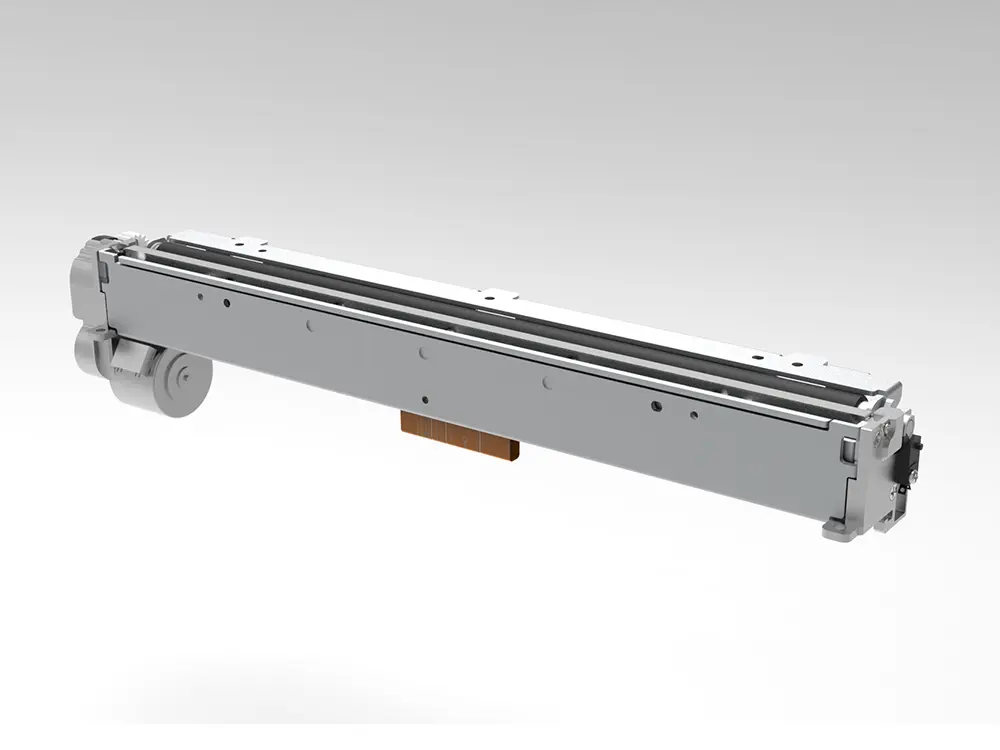
 4 inch thermal printer mechanism
 8 inch thermal printer mechanism
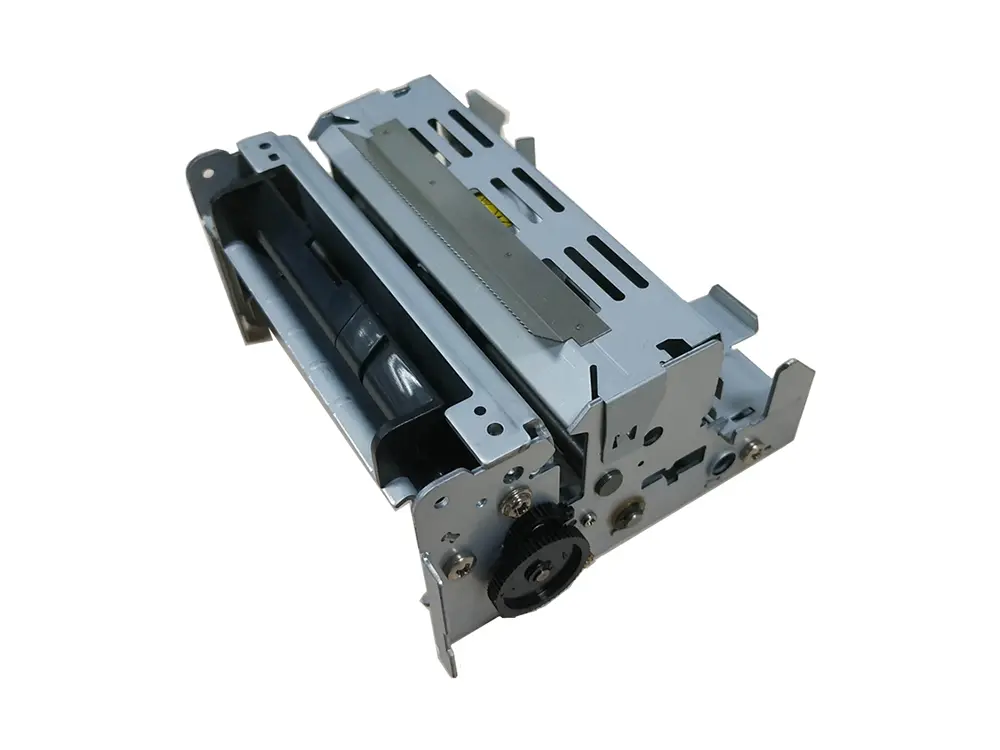 dot matrix printer mechanism
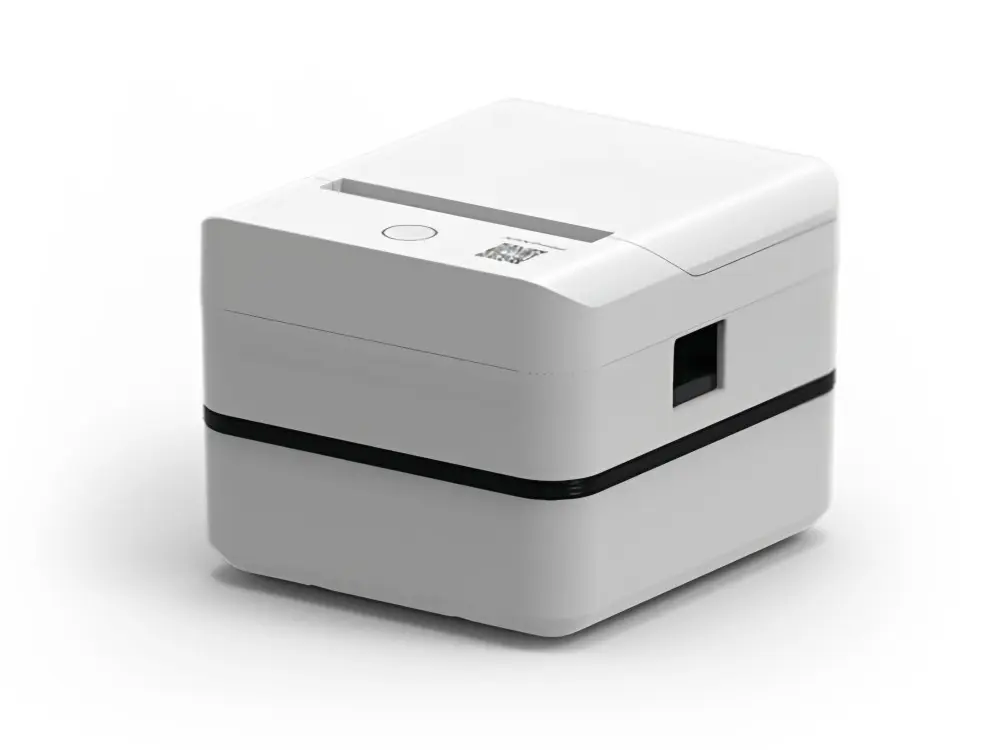 Label Printer
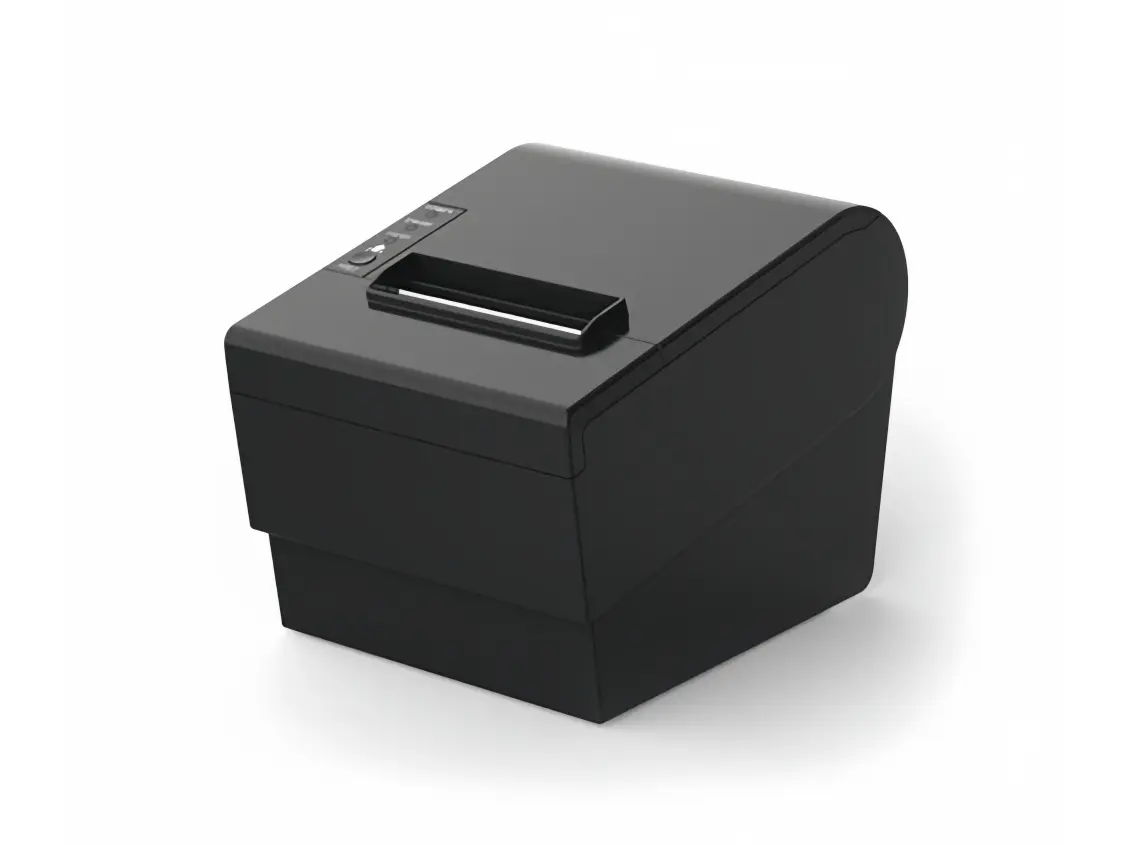 Receipt Printer
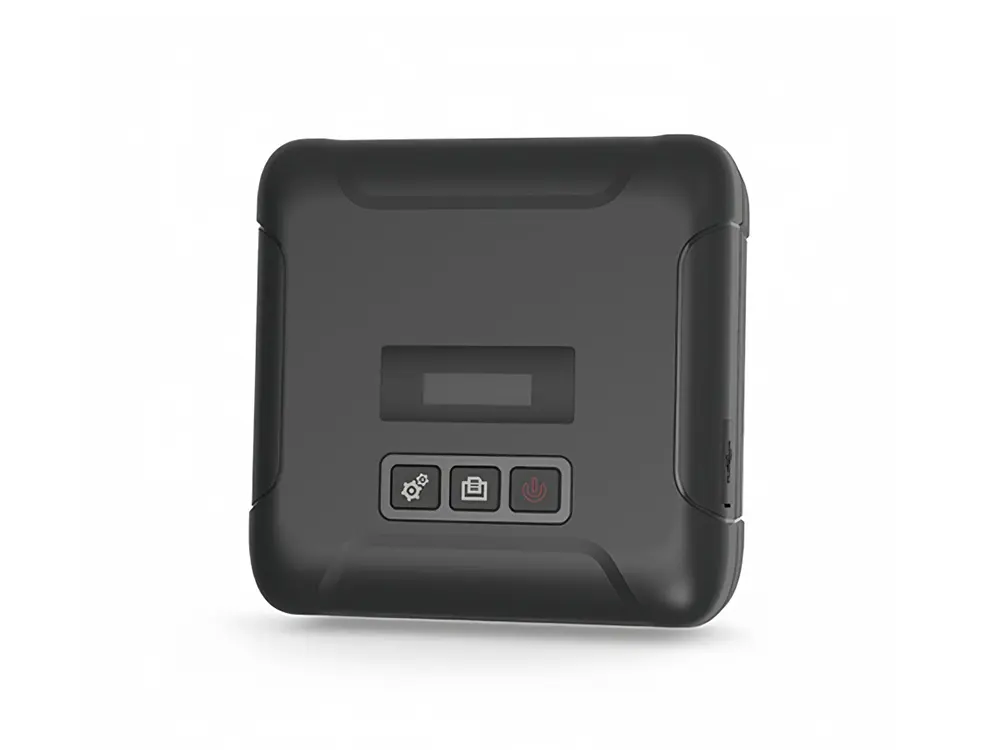 Mobile Printer