2026 Top Shipping Thermal Printer Trends You Should Know?
As we navigate the rapidly evolving landscape of logistics, understanding the latest trends in Shipping Thermal Printers becomes essential. These devices are pivotal in ensuring efficient label printing and seamless shipping operations. In 2026, advancements in technology will shape the way businesses handle their shipping processes.
The integration of artificial intelligence and cloud-based solutions is on the rise. This will enhance the capabilities of Shipping Thermal Printers, making them more adaptable and user-friendly. Improved energy efficiency is also expected, allowing for extended use without frequent replacements.
However, challenges remain. Many businesses may struggle to keep up with these fast-paced changes. Investing in new technology requires careful consideration. Despite these obstacles, staying informed will empower companies to make smarter decisions regarding Shipping Thermal Printers.
Emerging Technologies in Shipping Thermal Printers for 2026
As we approach 2026, shipping thermal printers are set to undergo significant transformations. Emerging technologies are reshaping the way these devices operate, offering enhanced capabilities and efficiencies. For instance, a recent industry report indicates that 72% of logistics companies are adopting advanced print technologies to streamline operations. This shift is largely driven by the need for faster processing and improved accuracy.
One notable trend is the integration of artificial intelligence in thermal printing. AI can optimize print runs by predicting demand and minimizing waste. This technology allows for real-time adjustments, ensuring accurate label printing. According to a survey, 65% of companies reported improved productivity with AI-assisted systems. However, reliance on AI does raise questions about job displacement and the need for skilled labor in the future.
Another emerging trend is the increasing focus on sustainability in manufacturing thermal printers. Reports show that eco-friendly materials in printer production are gaining traction. Manufacturers are exploring biodegradable alternatives to traditional plastics. While these advancements are promising, they come with challenges. The durability and performance of these materials must be evaluated under regular shipping conditions. Balancing innovation and practicality is critical as the industry evolves.
2026 Top Shipping Thermal Printer Trends You Should Know
| Trend |
Description |
Expected Impact |
Adoption Rate (%) |
| Cloud Integration |
Increased use of cloud-based services for thermal printer management. |
Enhanced accessibility and remote management capabilities. |
75% |
| Mobile Printing Solutions |
Rise in mobile applications that allow on-the-go printing. |
Increased efficiency in shipping processes. |
65% |
| Eco-Friendly Printing |
Use of sustainable materials and less energy consumption in printers. |
Reduction in environmental impact. |
55% |
| Advanced Security Features |
Incorporation of security measures to protect sensitive data. |
Improved data protection in shipping operations. |
70% |
| Increased Automation |
Integration of automation in printing processes to minimize human error. |
Streamlined operations and reduced labor costs. |
80% |
Key Features of the Latest Thermal Printers for Shipping Applications
In the dynamic world of shipping, thermal printers have become essential tools. The latest models boast advanced features that enhance efficiency and reliability. High print speeds are crucial for quick label generation, ensuring timely dispatch. Some printers now reach speeds of 300 mm per second. This helps businesses maintain fast-paced operations without lag.
Durability is another key attribute. Many shipping printers are designed to withstand rough environments. They resist dust and moisture, extending their lifespan. This reliability is vital, especially in busy warehouses where long-term performance is expected. Yet, even the sturdiest machines can fail unexpectedly. Regular maintenance is necessary to avoid disruptions.
Connectivity options are expanding too. Wi-Fi and Bluetooth capabilities allow for seamless integration with various devices. This flexibility improves workflow and boosts productivity. However, users must manage potential security risks when connecting to networks. Understanding these challenges is important to maximize the benefits of modern thermal printing technology.
2026 Top Shipping Thermal Printer Trends
This bar chart illustrates the predicted metrics of shipping thermal printers in 2026. The data shows anticipated advancements in speed, print resolution, connectivity options, durability, and pricing, highlighting the key features that will shape the future of shipping applications.
Sustainability Trends Impacting Shipping Thermal Printer Design
Sustainability is reshaping the design of shipping thermal printers. A recent report indicates that nearly 70% of companies prioritize eco-friendly technologies. Manufacturers are now focusing on reducing waste in thermal printing processes. Innovative designs emphasize recyclable materials and energy-efficient operations.
Adopting sustainable practices can drive down the environmental impact. Reports show that thermal printers can consume up to 50% less energy than traditional printers. This shift not only meets regulatory standards but enhances brand reputation. The future trends highlight the importance of life cycle assessments in product development.
Challenges remain as companies navigate compliance and performance. Some manufacturers struggle with balancing sustainability and product reliability. Not every eco-friendly choice yields better performance outcomes. The industry must continue to innovate while addressing these complexities to meet evolving consumer expectations.
Integration of IoT and Smart Features in Thermal Printers
The integration of IoT and smart features in thermal printers is reshaping the shipping industry. According to a report by MarketsandMarkets, the global thermal printer market is projected to reach $4.21 billion by 2026, fueled by advancements in technology. Smart features, such as cloud connectivity and real-time monitoring, are key drivers of this growth. These capabilities enhance operational efficiency and reduce downtime.
Given the rapid evolution of IoT technology, many businesses still struggle to adapt. A significant percentage, about 40%, of small to medium-sized enterprises lack the infrastructure to leverage these smart features fully. This gap creates missed opportunities for automation and efficiency improvements. For instance, printers equipped with IoT can send alerts when they need maintenance, reducing the risk of unexpected failures in busy shipping environments.
Adopting these technologies requires careful consideration. While integration can lead to significant cost savings, not all solutions are one-size-fits-all. Providers must address unique business challenges. For instance, some companies may find it challenging to integrate new systems with existing workflows. The tech landscape is evolving quickly, creating both opportunities and obstacles for businesses in the shipping sector.
Market Analysis: Leading Brands and Innovations in 2026 Shipping Printers
The shipping printer market is evolving rapidly in 2026. Innovations are focused on efficiency and sustainability. Many brands are incorporating advanced technologies to enhance user experience. For instance, wireless connectivity is becoming standard. This allows for seamless operations without tangled cords.
Additionally, the trend toward eco-friendly materials is noticeable. Many manufacturers are exploring biodegradable options for printing supplies. This shift represents a response to the growing demand for sustainable practices. However, there are challenges; not all brands have fully adopted these eco-friendly initiatives. Some still rely heavily on traditional materials, leading to inconsistencies in sustainability efforts.
Moreover, advancements in software integration are transforming how businesses use shipping printers. Integration with inventory management systems helps streamline the shipping process. However, not every company is equipped to leverage these technologies effectively, creating a gap between leaders and laggards in the industry. This technological divide raises questions about future competitiveness among brands.

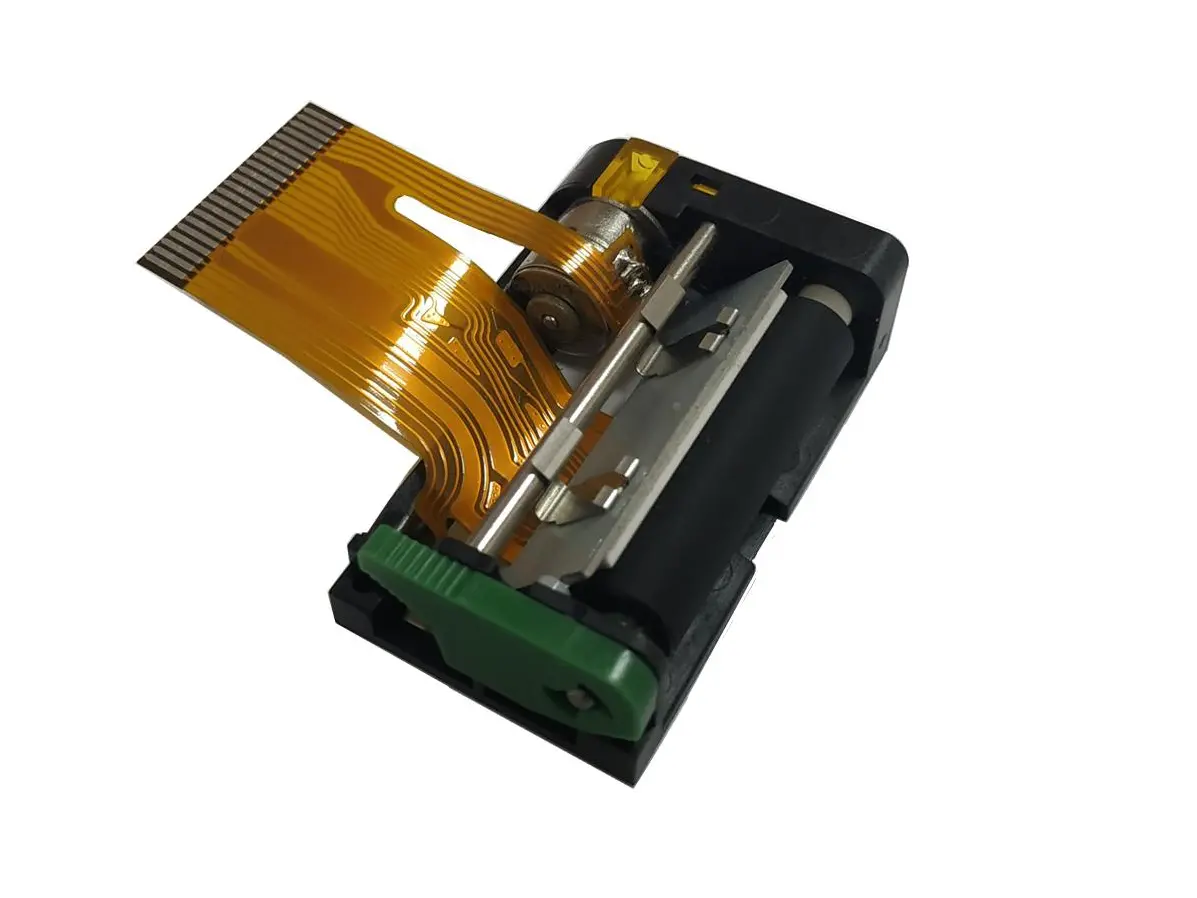 1 inch thermal printer mechanism
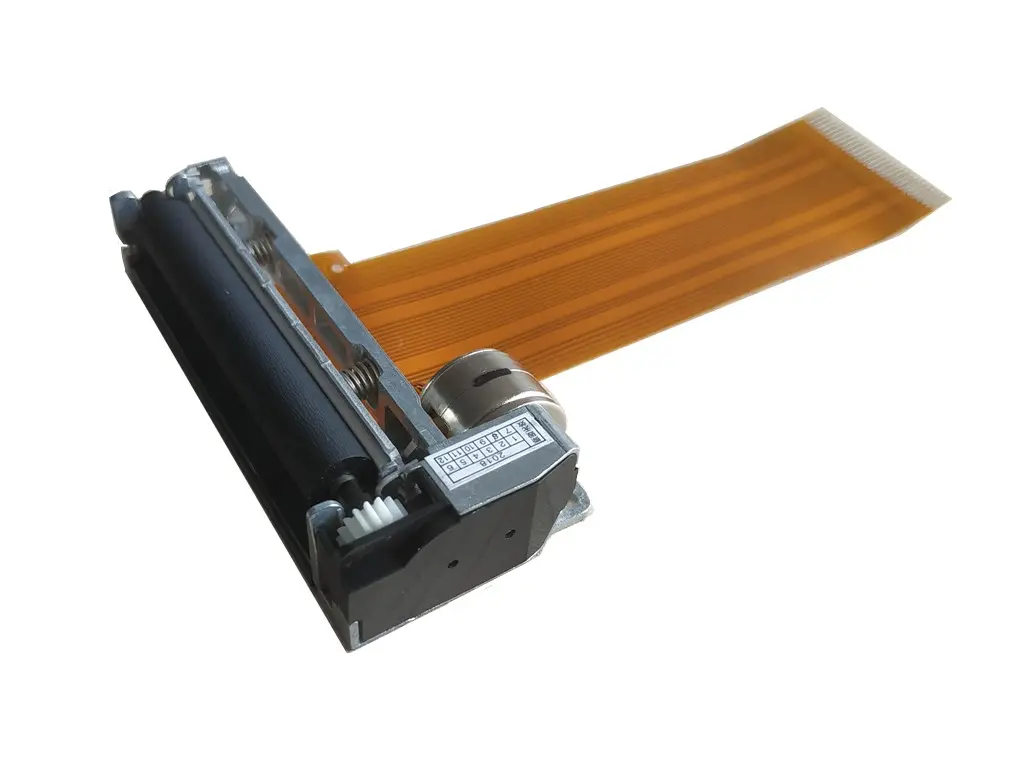 2 inch thermal printer mechanism
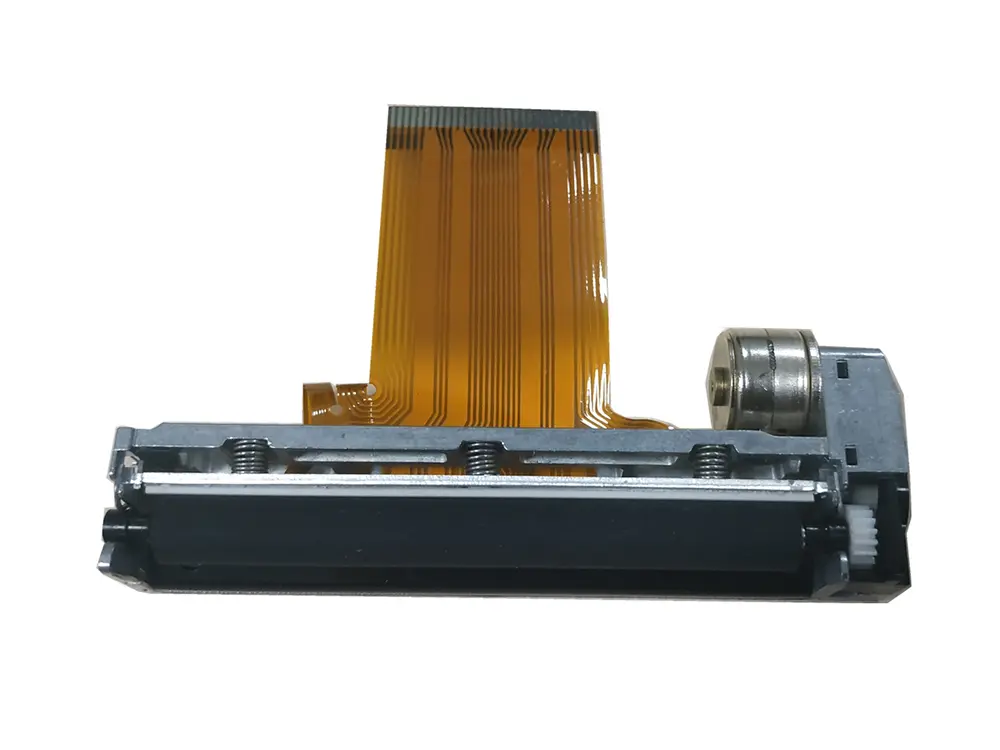 3 inch thermal printer mechanism
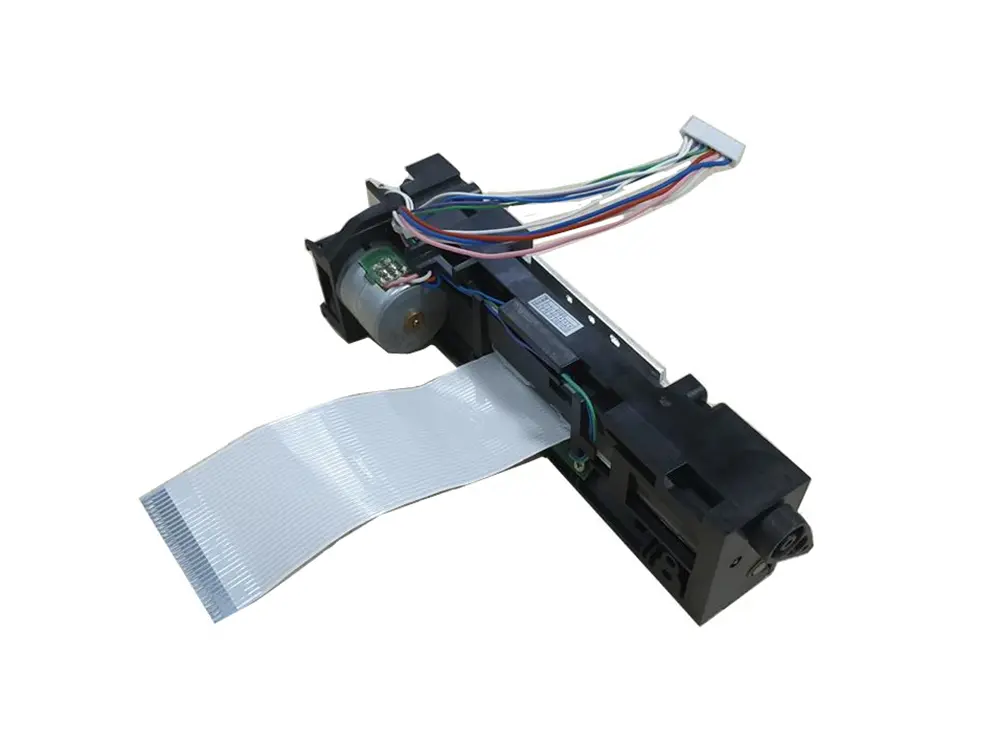 4 inch thermal printer mechanism
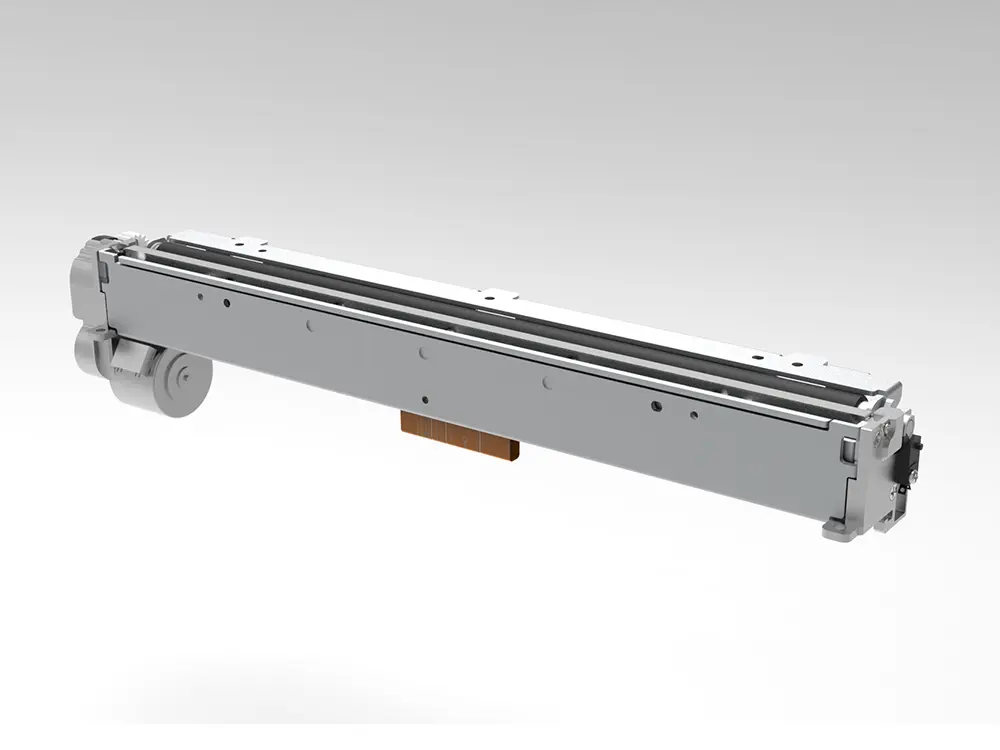 8 inch thermal printer mechanism
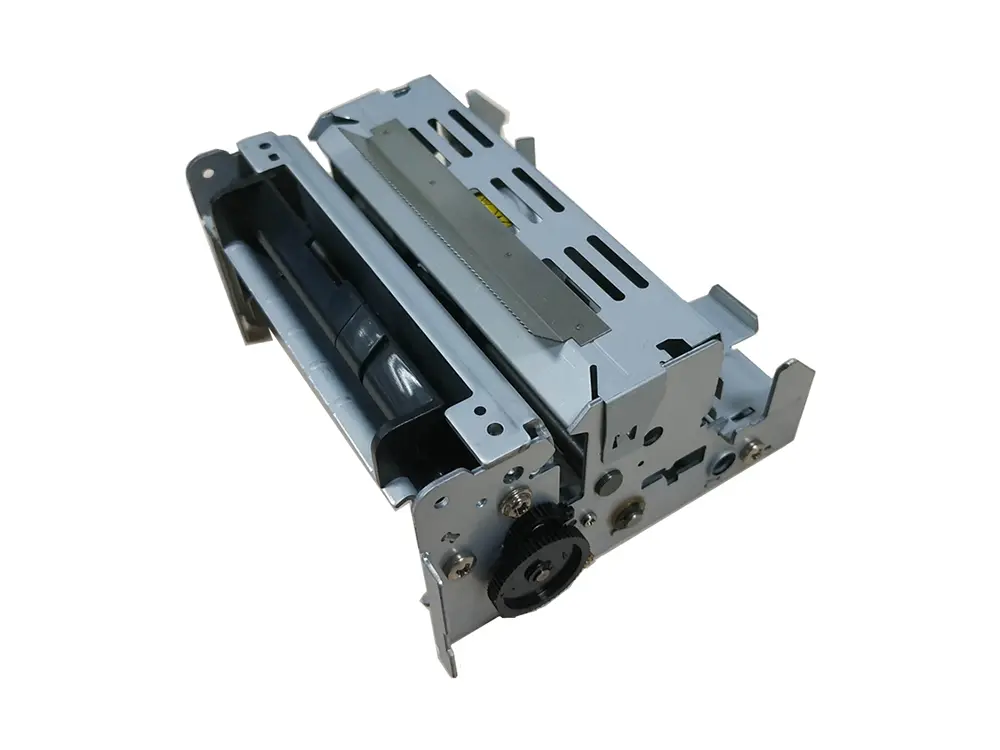 dot matrix printer mechanism
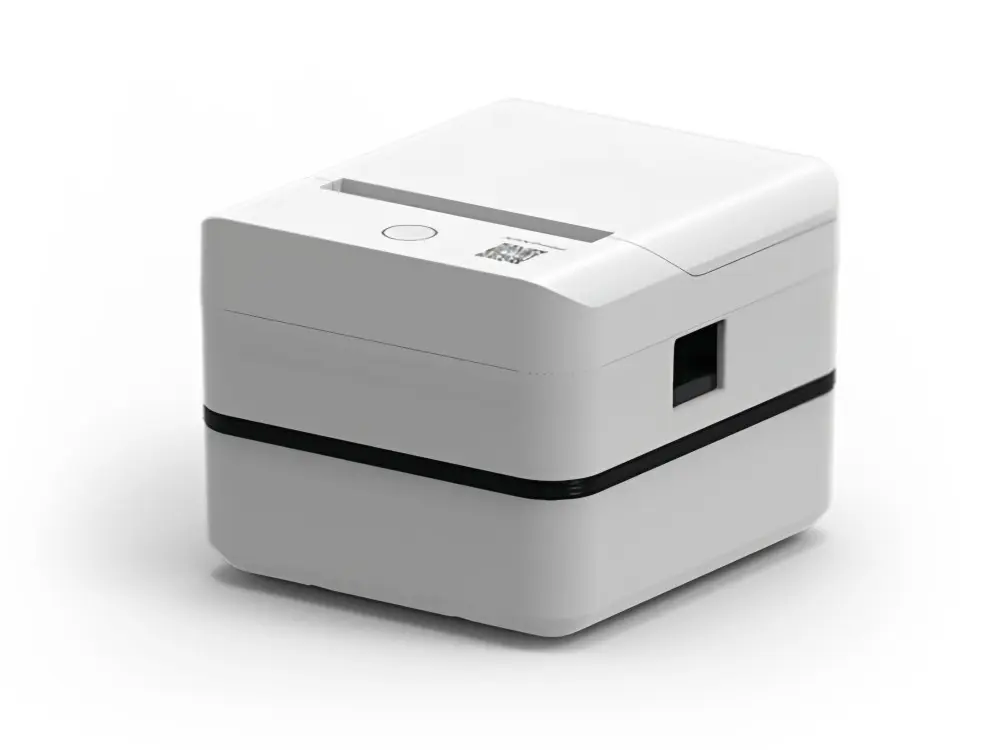 Label Printer
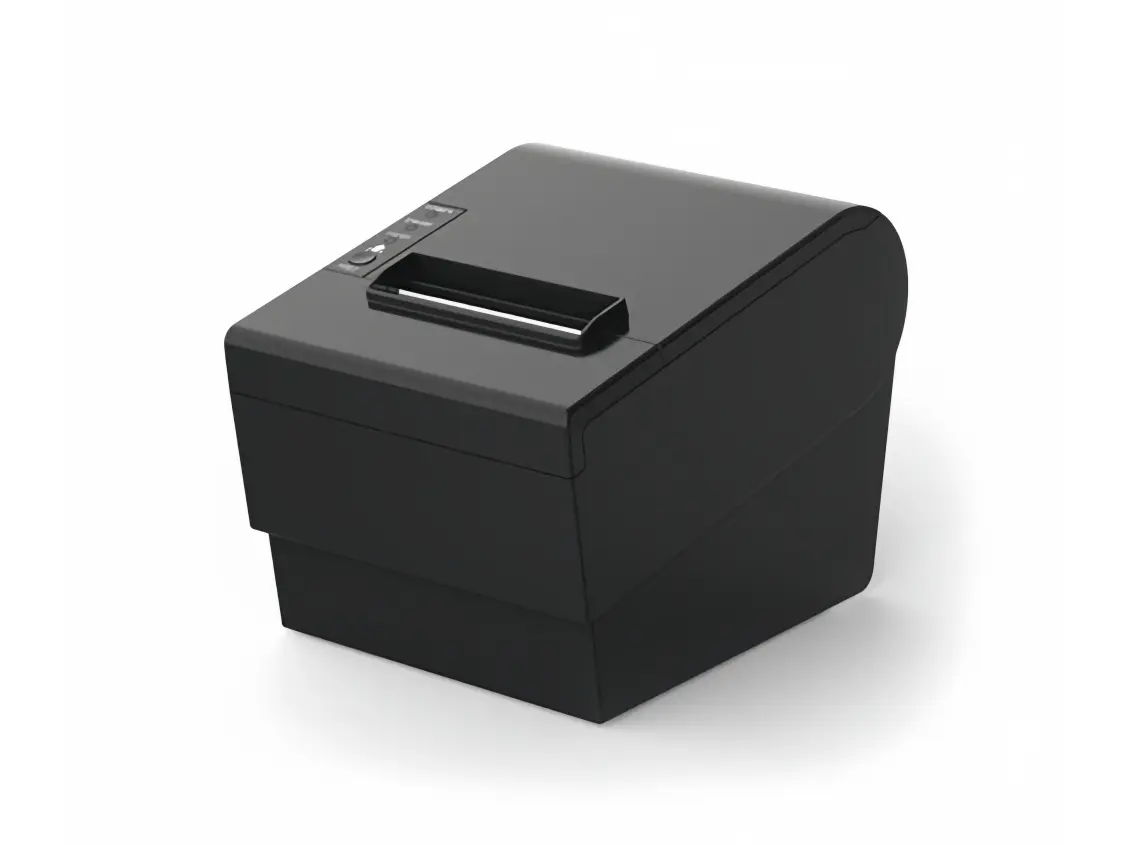 Receipt Printer
 Mobile Printer