Best Shipping Thermal Printer for Your Business Needs?
In the ever-evolving world of e-commerce, businesses rely heavily on efficient logistics. One critical tool for achieving this is the Shipping Thermal Printer. Experts in the field, such as Tom Anderson, a leading logistics consultant, emphasize its importance: "A quality Shipping Thermal Printer can streamline your entire shipping process."
The right Shipping Thermal Printer can save time and reduce errors. These printers create high-quality labels that withstand the rigors of shipping. When choosing a printer, consider speed, durability, and ease of use. Many businesses struggle with finding the right model that fits their specific needs. Often, they may choose a printer based on price alone, overlooking its capabilities.
For those navigating the Shipping Thermal Printer market, understanding your requirements is essential. Not all printers are created equal. Some may not handle different label sizes well. It is vital to evaluate your shipping volume and label types. With the right information, businesses can make informed decisions that significantly enhance their operational efficiency.
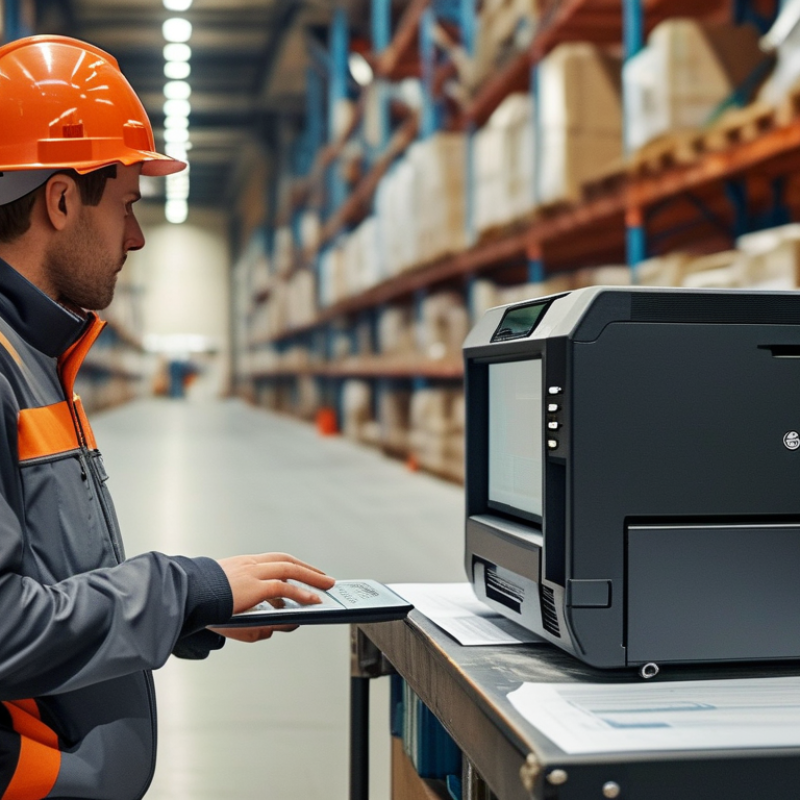
Best Shipping Thermal Printer: Key Considerations for 2023
When selecting the best shipping thermal printer for your business, several key factors must be considered. Print quality is crucial, especially for shipping labels. A printer that produces sharp, smudge-proof labels ensures that barcodes scan effectively. This can significantly improve shipping efficiency. Speed is another essential aspect. A fast printer saves time during peak shipping hours. Look for printers that can handle high-volume tasks without sacrificing quality.
Durability is critical for business needs. A printer that can withstand frequent use is necessary for busy shipping environments. Consider the ease of use as well. A user-friendly interface reduces training time for new employees. Connectivity options also matter. Whether through USB, Wi-Fi, or Bluetooth, ensure the printer integrates well with existing systems.
Reflecting on the unique needs of your business is vital. What might work for a small eCommerce shop could differ from a large fulfillment center. Think about the long-term costs too. Investing in a cheaper model may lead to higher operational costs over time. Balancing upfront costs with reliability and quality could save money in the long run. Consider all these elements as you choose a thermal printer that truly fits your needs.
Understanding Printing Technology: Direct Thermal vs. Thermal Transfer
When selecting a shipping thermal printer, understanding the technology is crucial. Direct thermal and thermal transfer are the two main types. Direct thermal printers use heat-sensitive paper, producing images through heat application. This method is simple and requires less maintenance, making it ideal for short-term labels. However, the prints fade over time, especially in heat or sunlight. According to industry reports, 70% of businesses prefer direct thermal for the convenience it offers in shipping logistics.
On the other hand, thermal transfer printers use a ribbon to transfer ink onto the label, making prints more durable and resistant to fading. This technology is favored for long-term applications, such as asset tracking and inventory management. A recent survey indicated that 65% of warehousing operations chose thermal transfer to ensure print longevity and image clarity. However, these printers require ribbon changes and more care, which can be a drawback for some businesses.
Consider the types of jobs you will handle. If your shipping labels are only temporary, direct thermal might be best. But for longevity, invest in thermal transfer. Understanding your needs will help make an informed decision. Evaluate your printing environment and durability requirements before investing. Careful consideration of these factors will lead to a more satisfying choice.
Evaluating Print Speed: Why 4 inches per second is Industry Standard
When choosing a shipping thermal printer, print speed is crucial. Four inches per second is the industry standard for many businesses. This speed offers a balance between efficiency and quality. It allows for quick label production without sacrificing clarity. However, some may find this speed insufficient for high-volume operations. Assessing your needs is key to selecting the right printer.
In busy work environments, delay can lead to frustration. Therefore, ensure that the printer you choose maintains consistent output. Look for models known for reliability rather than just speed. Reliability can prevent unexpected downtimes during peak shipping seasons. This choice may impact how smoothly your operations run.
When evaluating options, consider your typical printing volume. If your business experiences fluctuations, flexibility is vital. Some printers allow speed adjustments based on your workload. Experiment with different settings to determine the most effective speed for your scenarios. This adaptability can enhance your workflow and overall efficiency. Make sure to test the printer before committing to a purchase, ensuring it meets your expectations in real-world conditions.
Cost Analysis: Total Cost of Ownership for Thermal Printers
When evaluating thermal printers for your business, cost analysis is essential. The total cost of ownership (TCO) involves more than just the initial purchase price. You need to consider ongoing expenses like ink, labels, and maintenance. These costs can accumulate quickly.
For many businesses, profitability hinges on finding the right thermal printer. Some models may seem cheaper upfront but require costly supplies. Regular maintenance also adds up. A printer that breaks down frequently can lead to downtime, impacting your overall efficiency.
It's also important to factor in energy consumption. A more efficient printer may cost more initially but save money in the long run. Shipping volumes might fluctuate. This means flexibility in printer capability is key to maintaining production without unnecessary expenditure. In summary, careful consideration of all costs helps ensure that your thermal printing solution is both effective and sustainable for your business.
Top Brands in Thermal Printing: Market Share and Performance Metrics
When selecting a shipping thermal printer, understanding market share and performance metrics is vital. Recent reports indicate that thermal printers dominate the shipping industry with a market penetration rate of over 30%. This growth is driven by the demand for efficiency, as businesses look for ways to streamline operations. Efficiency in printing labels can save hours of manual work, highlighting the necessity of choosing the right equipment.
The leading brands in thermal printing command significant market shares, often exceeding 20%. These brands are known for their reliability and performance metrics, which are critical indicators for businesses. Over 80% of companies report improved productivity after upgrading to a high-quality thermal printer. Reliability is a common concern; many businesses face issues with print quality and speed, impacting shipping times.
Data suggests that maintenance costs can influence long-term satisfaction. Resolution problems and print head failures can arise, costing businesses more than expected. Businesses often need to weigh initial costs against potential downtime. Performance metrics are essential in making informed decisions. Analyzing user experiences in real time can guide companies toward better choices. Balancing quality with cost remains a crucial challenge.

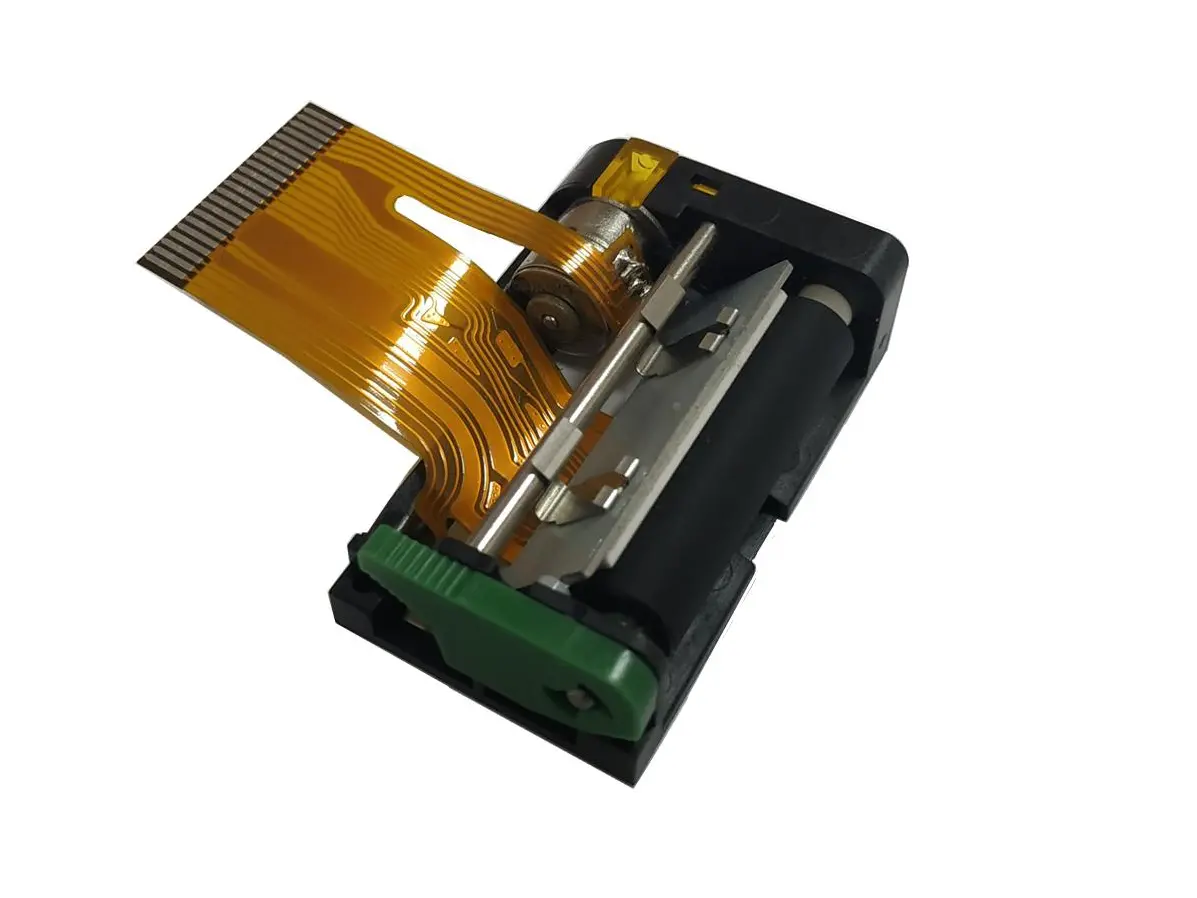 1 inch thermal printer mechanism
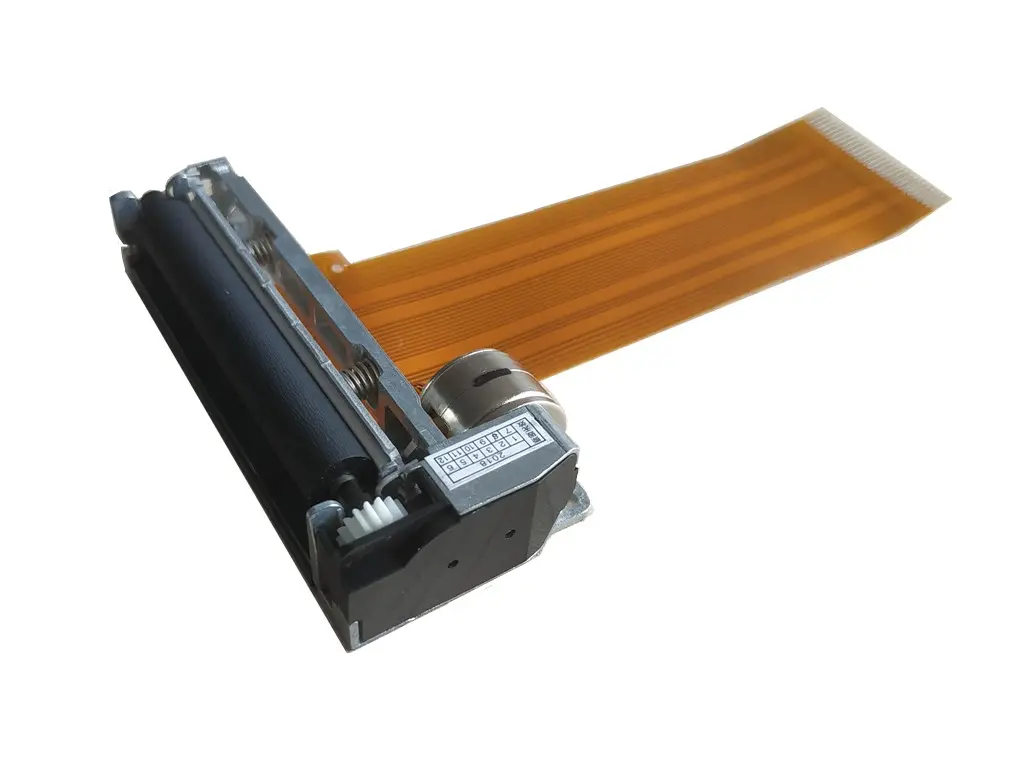 2 inch thermal printer mechanism
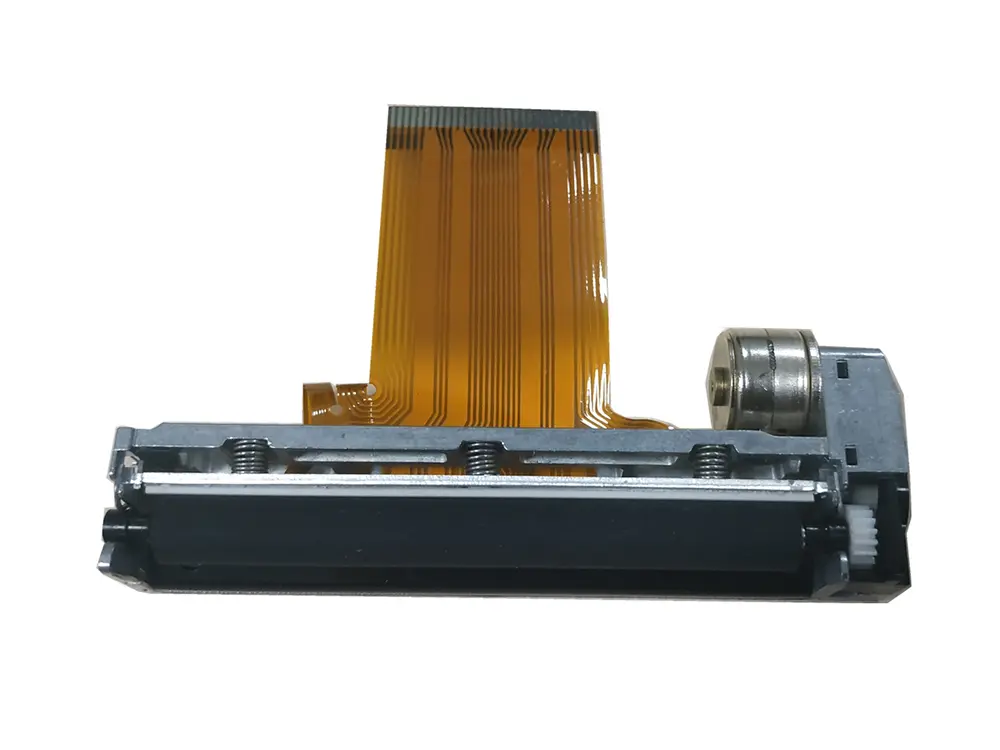 3 inch thermal printer mechanism
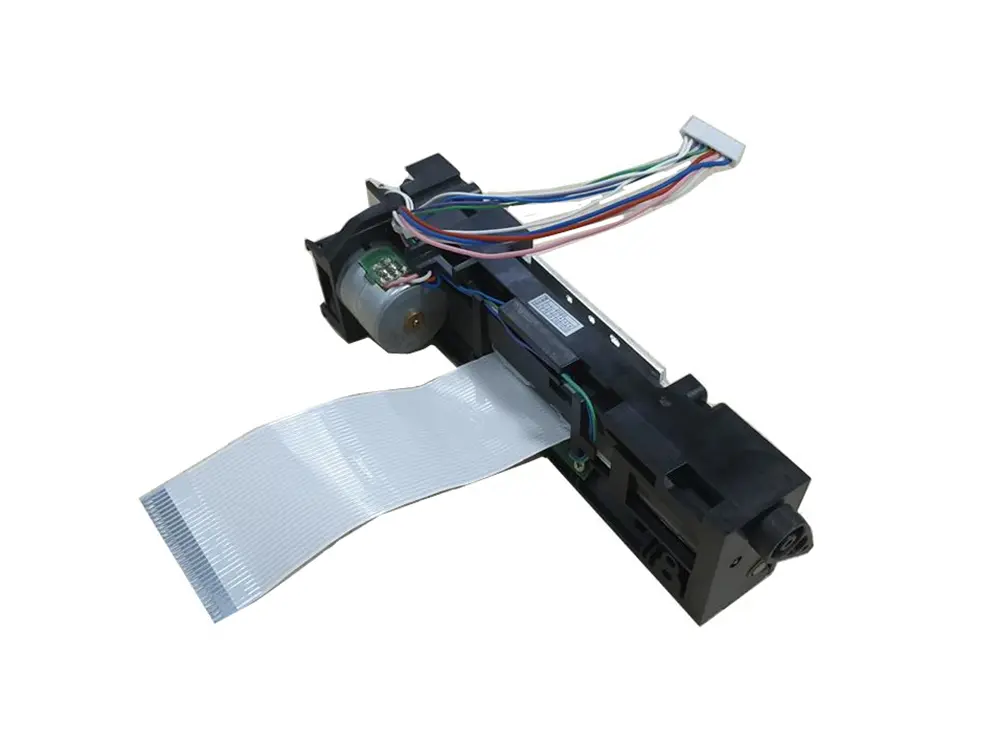 4 inch thermal printer mechanism
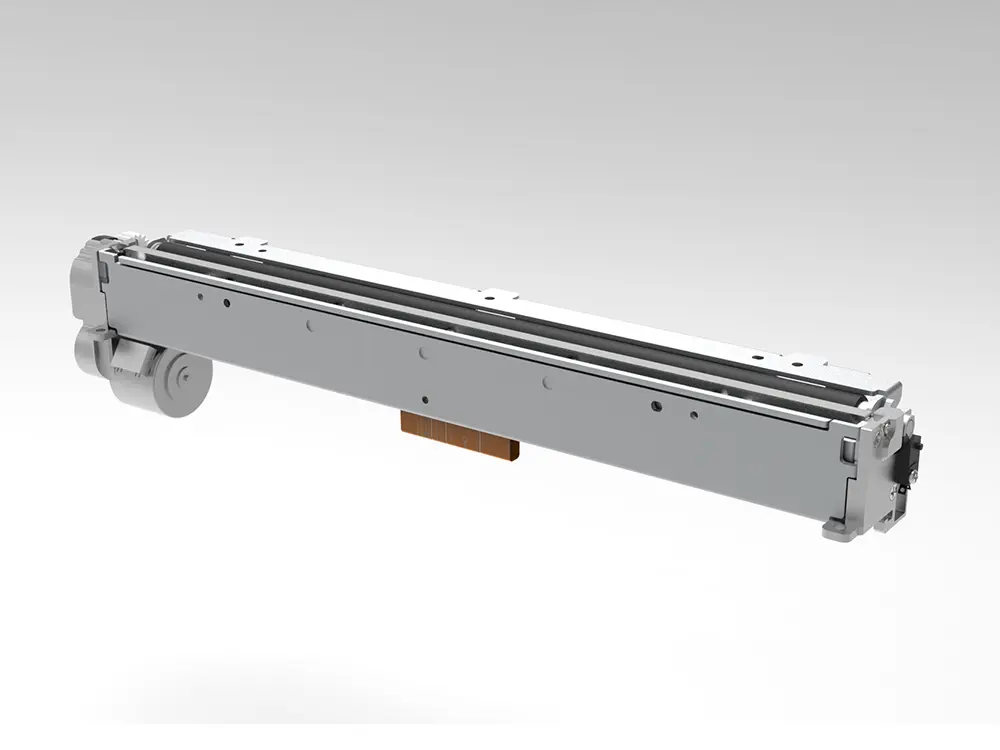 8 inch thermal printer mechanism
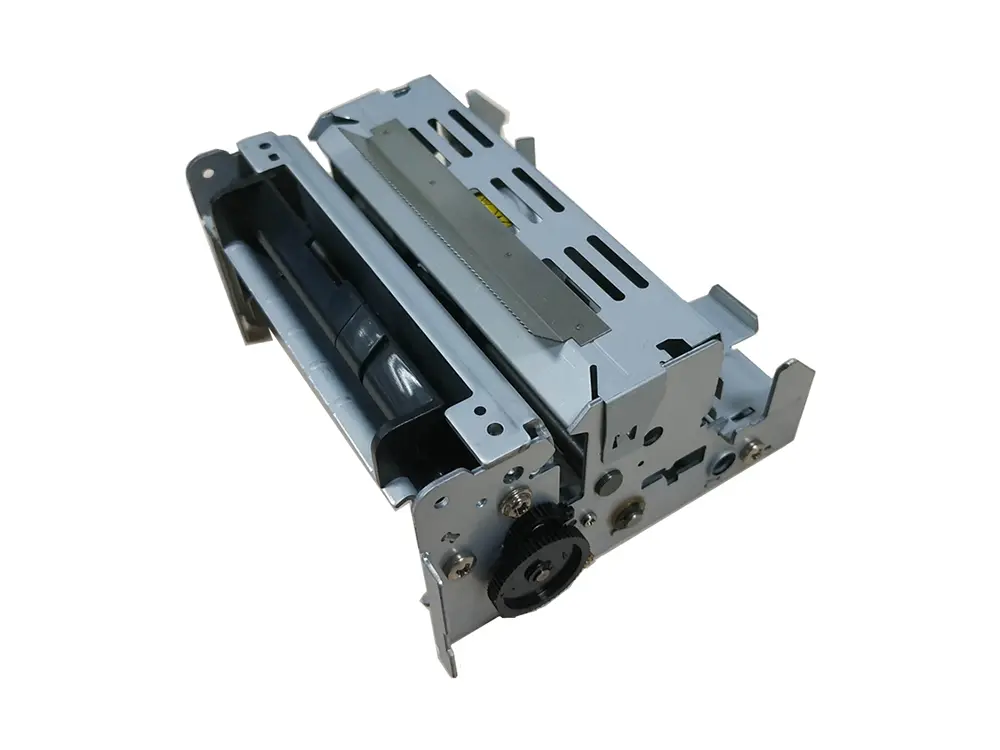 dot matrix printer mechanism
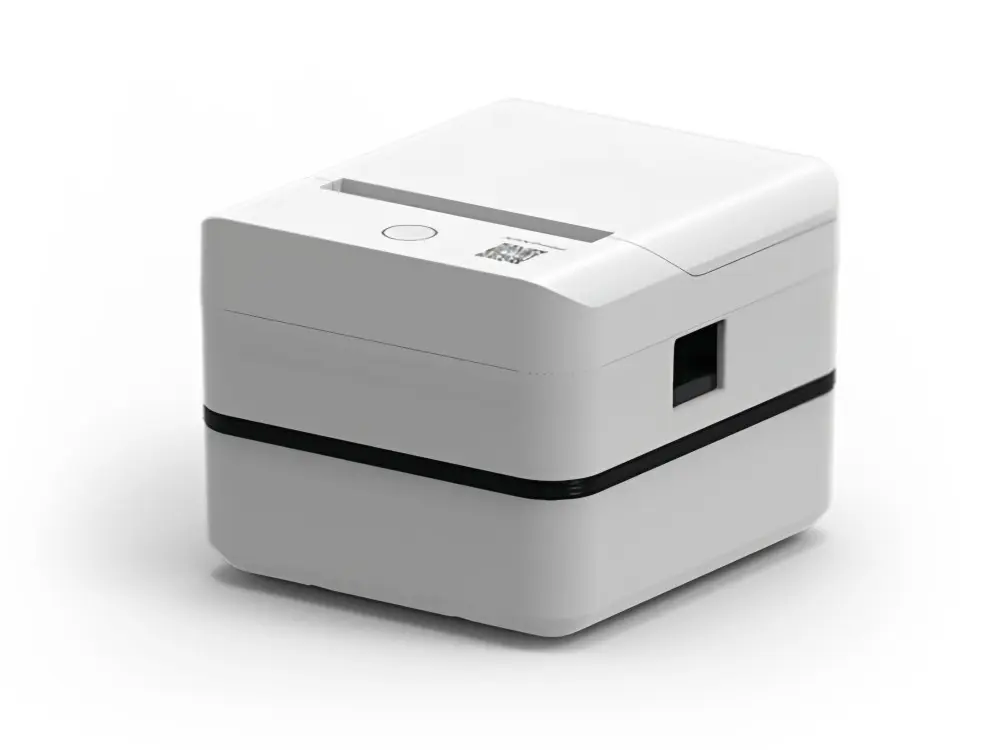 Label Printer
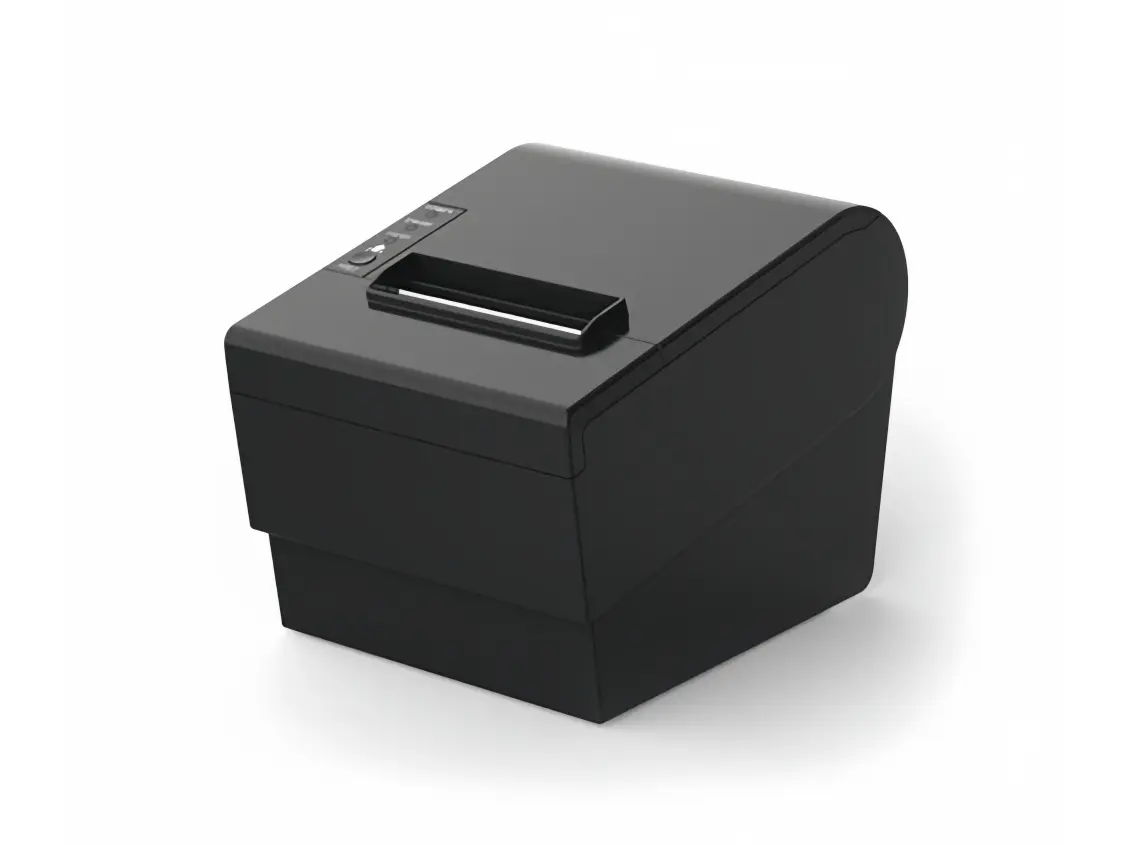 Receipt Printer
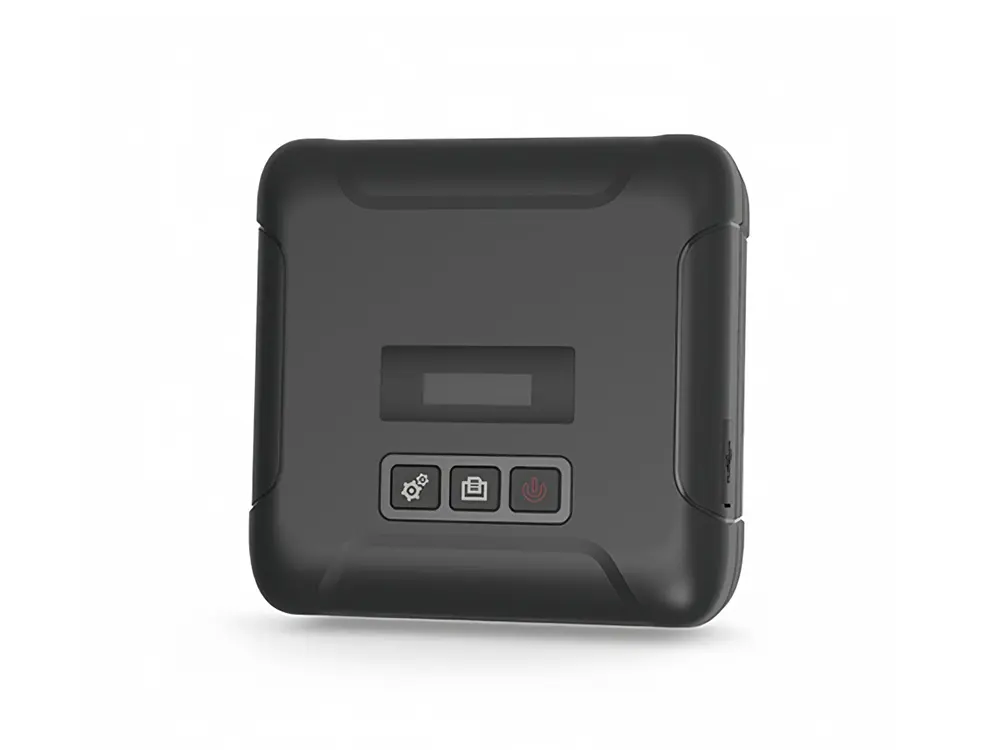 Mobile Printer