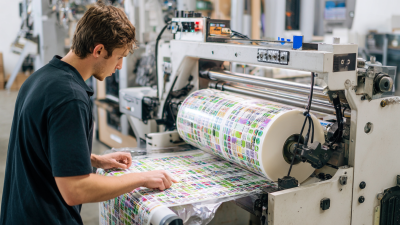
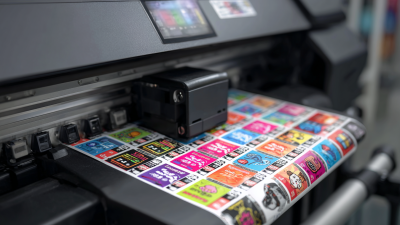
Top 10 Sticker Printers for Global Buyers in 2026?
The demand for high-quality sticker printers continues to rise. In 2026, buyers will have many options to consider. The right sticker printer can enhance creativity and business solutions. With various models available, it’s essential to know what to look for.
Choosing the perfect sticker printer involves understanding the features and technology. Factors such as print resolution, speed, and media compatibility play a crucial role. Buyers should also consider their specific needs. Whether for personal use or business applications, each printer serves a unique purpose.
As we explore the top 10 sticker printers, the details matter. Each model offers distinct advantages and potential drawbacks. It's essential to reflect on personal requirements and budget constraints. Finding the best sticker printer can lead to greater satisfaction and improved projects.
Overview of the Sticker Printer Market in 2026
The sticker printer market is evolving rapidly. In 2026, the market is expected to surpass $3 billion in value. This growth is driven by the rising demand for custom stickers in various industries. E-commerce is a significant contributor, as businesses seek unique branding solutions. A recent report by a leading market analyst indicates that the global sticker printer industry will grow at a CAGR of 7.5% from 2022 to 2026.
Technological advancements play a pivotal role in this growth. New printers are more efficient and cost-effective. They offer high-resolution printing, catering to both small and large-scale productions. It's essential to note that sustainability is becoming a critical factor for buyers. Many manufacturers are focusing on eco-friendly materials and processes. However, challenges remain, such as the high cost of raw materials affecting pricing strategies.
In terms of user preferences, customization options are crucial. Buyers want printers that can produce a variety of sizes and finishes. An increase in educational resources around sticker printing is also evident. Users often struggle with the complexity of designs and software. As more people venture into sticker printing, accessibility remains an ongoing concern. The industry must continue to address these challenges to thrive in 2026.
Key Features to Consider When Choosing a Sticker Printer
When selecting a sticker printer, key features can greatly impact your experience and end results. One crucial aspect is the print resolution. Higher DPI (dots per inch) ensures finer detail in stickers. Look for models offering at least 1200 DPI for crisp images. Additionally, while many printers advertise vibrant colors, consider the color calibration options available. Consistent color output is vital for brand identity.
Another important feature is media handling. Some printers can handle various materials, from vinyl to paper. Assess if a model meets your specific needs, such as waterproofing or adhesive properties. It's also worth noting the software compatibility. User-friendly design software can enable easier custom designs, especially for those new to printing.
Maintenance and durability are often overlooked but essential. Regular cleaning and ink quality impact long-term performance. Some printers may be prone to clogging, which can be frustrating. Researching user reviews can help identify models that require less upkeep. Reflect upon these aspects to ensure the printer aligns with your project requirements and expectations.
Top 10 Sticker Printers: Product Highlights and Specifications
When selecting a sticker printer, buyers should consider several key specifications. Print resolution is crucial for achieving vibrant and clear images. Many models offer resolutions of 1200 dpi or higher, ideal for detailed graphics. Speed is another important factor, as busy users need efficient machines. Some printers can produce several hundred stickers per hour, enhancing productivity.
Another vital aspect is the media compatibility. Many sticker printers support a range of materials such as vinyl, clear film, and glossy paper. This flexibility allows creators to explore various design possibilities. Additionally, connectivity options like USB and Wi-Fi enable smooth integration with other devices.
Despite the impressive features, potential buyers should reflect on their specific needs. Some high-end models may include functions that go unused, resulting in unnecessary costs. On the other hand, budget-friendly options may lack durability or print quality, posing challenges in professional settings. Balancing price and performance is essential for achieving satisfactory results.
Comparative Analysis of Price and Performance
In the rapidly evolving sticker printing market, buyers face a plethora of options. A recent study estimates the global market for sticker printers to reach $5 billion by 2026. This explosive growth is driven by increasing demand across industries, from marketing to education. Buyers prioritize performance and price, especially as budget concerns grow.
When assessing printers, speed and print quality are paramount. Top-tier models offer print speeds exceeding 10 inches per second. However, these high-performing units often come at a premium. A mid-range printer could start around $500, while high-end models may exceed $2,000. Many buyers seek balance, with performance indicators like DPI (dots per inch) revealing the quality potential. A DPI of 1200 is ideal for vibrant, detailed stickers.
It's crucial to consider operational costs, too. Ink and media expenses can drastically affect long-term financial viability. Some printers are more ink-efficient, providing better value over time. Overall, understanding the nuances of price and performance can empower buyers to make informed choices. However, the diversity of choices complicates the landscape. Many users report regret after underestimating their needs or potential future requirements. This highlights the importance of thorough research and reflection before making a purchase.
Buying Guide for Global Customers in 2026
When choosing a sticker printer, consider the material options. Some printers handle vinyl better, while others excel with paper. The choice will affect durability and finish. Explore the features of each printer. Look for customizable settings that allow you to adjust size, color, and border. This attention to detail can elevate your sticker quality.
Think about the printing speed and resolution. A faster printer saves time but may compromise quality. High resolution is vital for clear images, especially for intricate designs. Review and compare dimensions before making a decision. Some printers may fit your workspace better than others. Make sure to analyze their footprint and compatibility with your other equipment.
Don’t overlook customer support and warranty. A reliable brand provides resources for troubleshooting. Research reviews to understand common issues users face. Getting insights from other customers can guide you toward a better choice. Be mindful of your budget, considering both initial costs and ongoing expenses for materials.
Top 10 Sticker Printers for Global Buyers in 2026

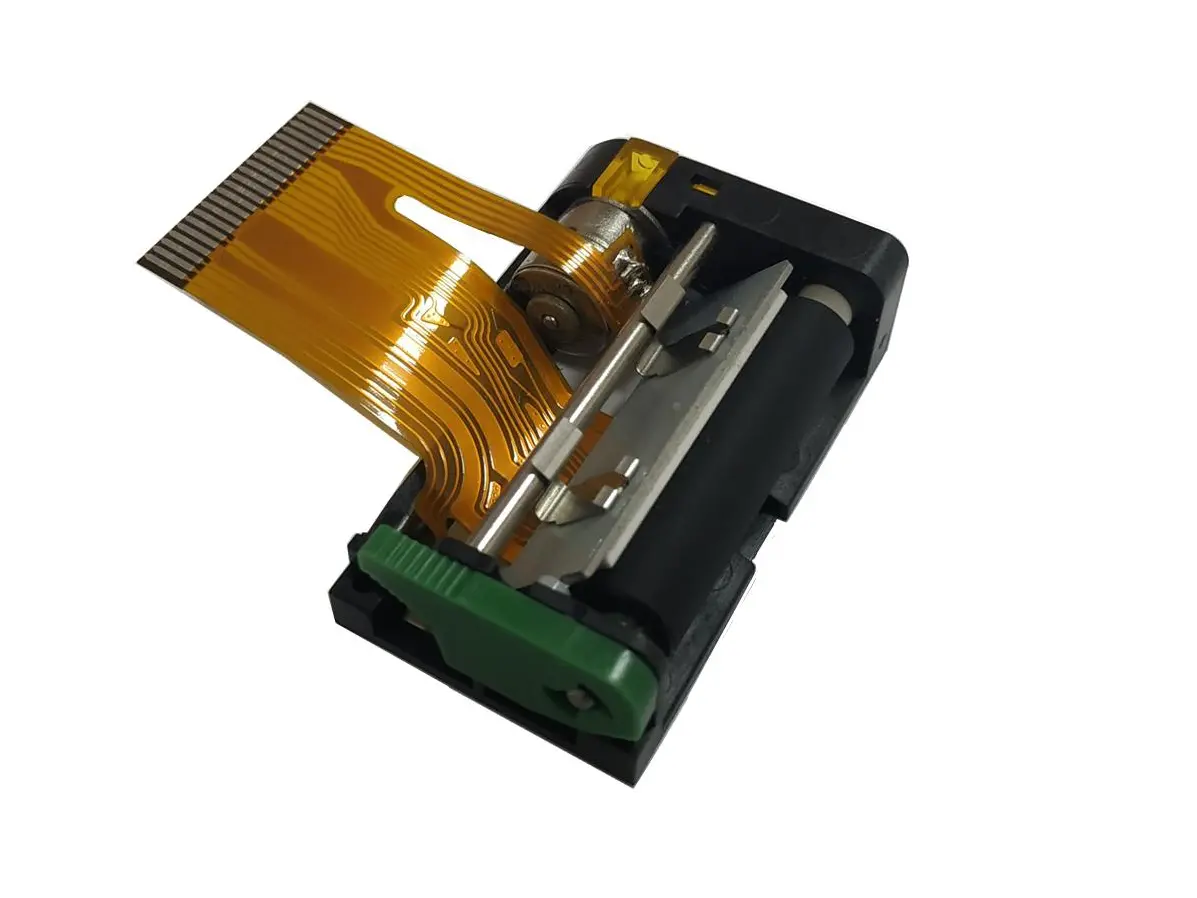 1 inch thermal printer mechanism
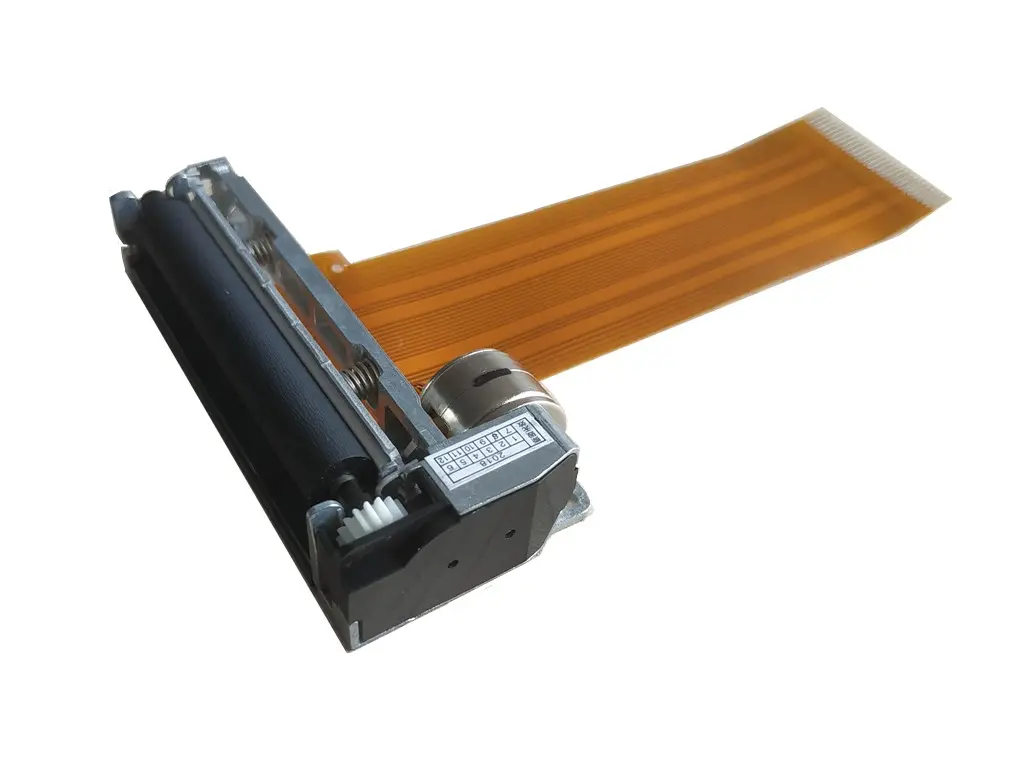 2 inch thermal printer mechanism
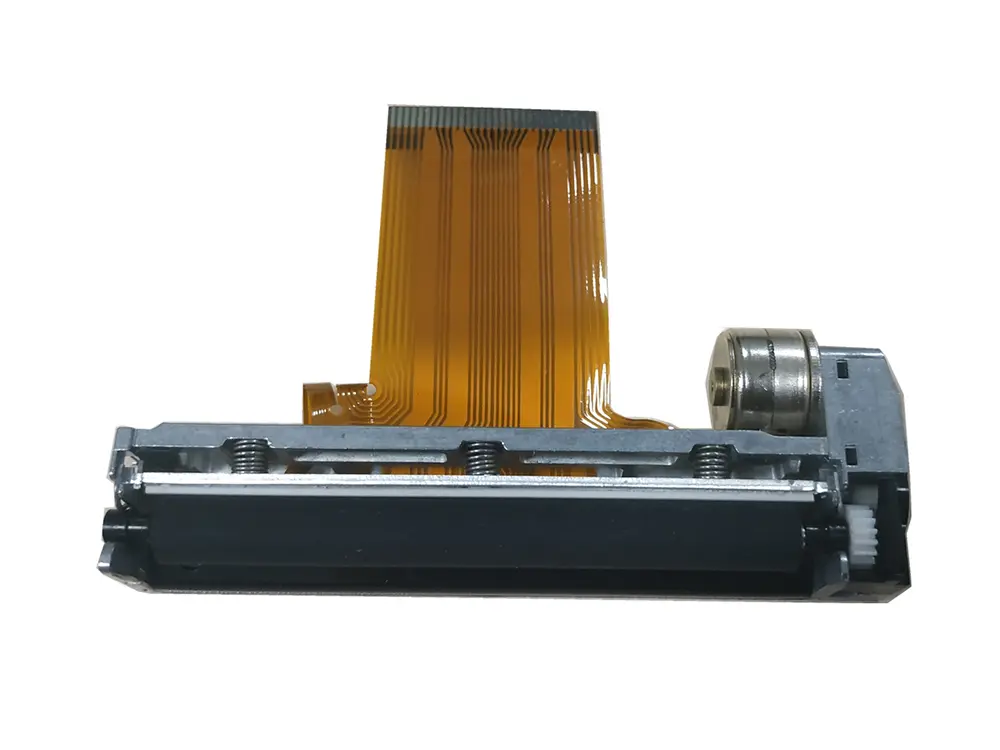 3 inch thermal printer mechanism
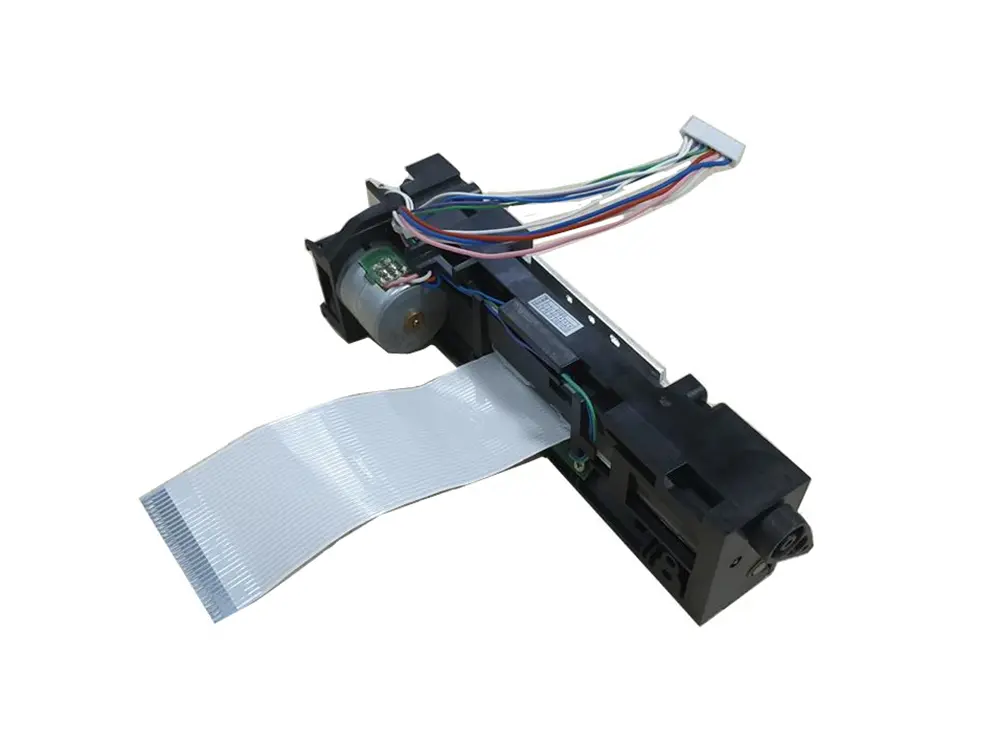 4 inch thermal printer mechanism
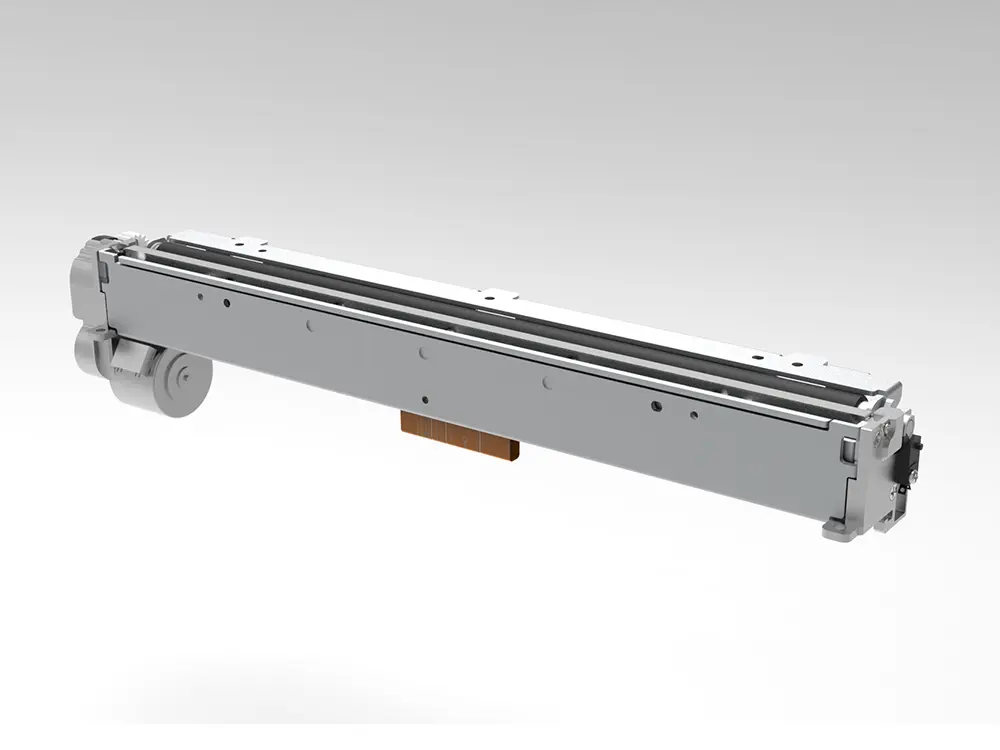 8 inch thermal printer mechanism
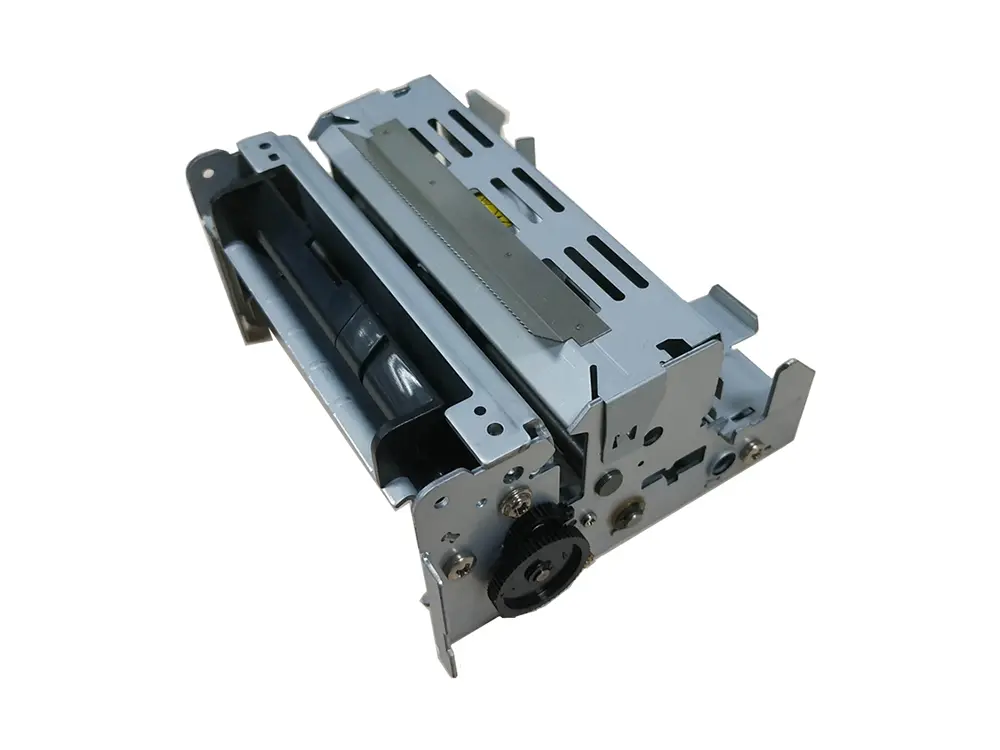 dot matrix printer mechanism
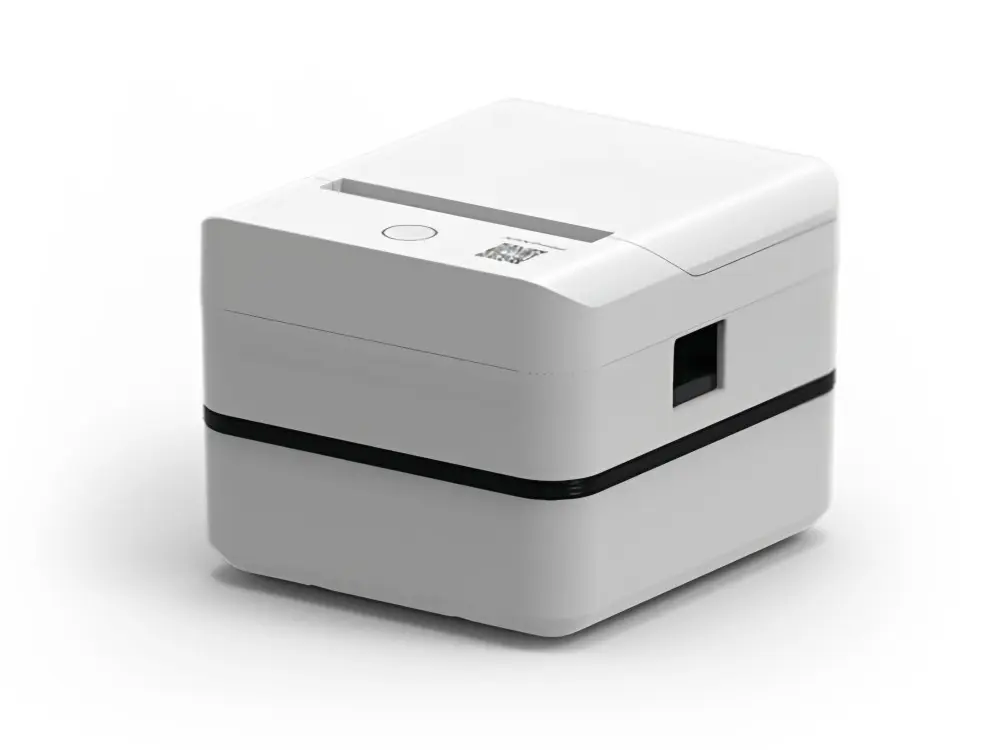 Label Printer
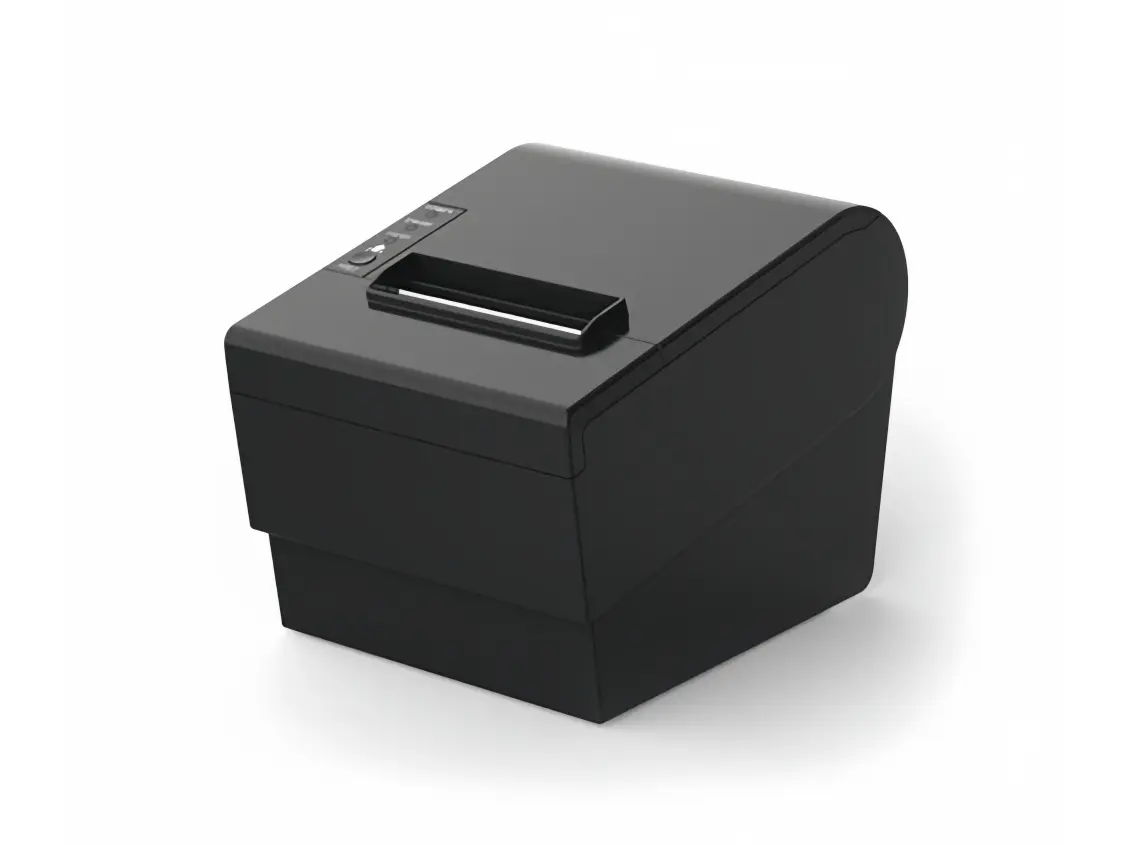 Receipt Printer
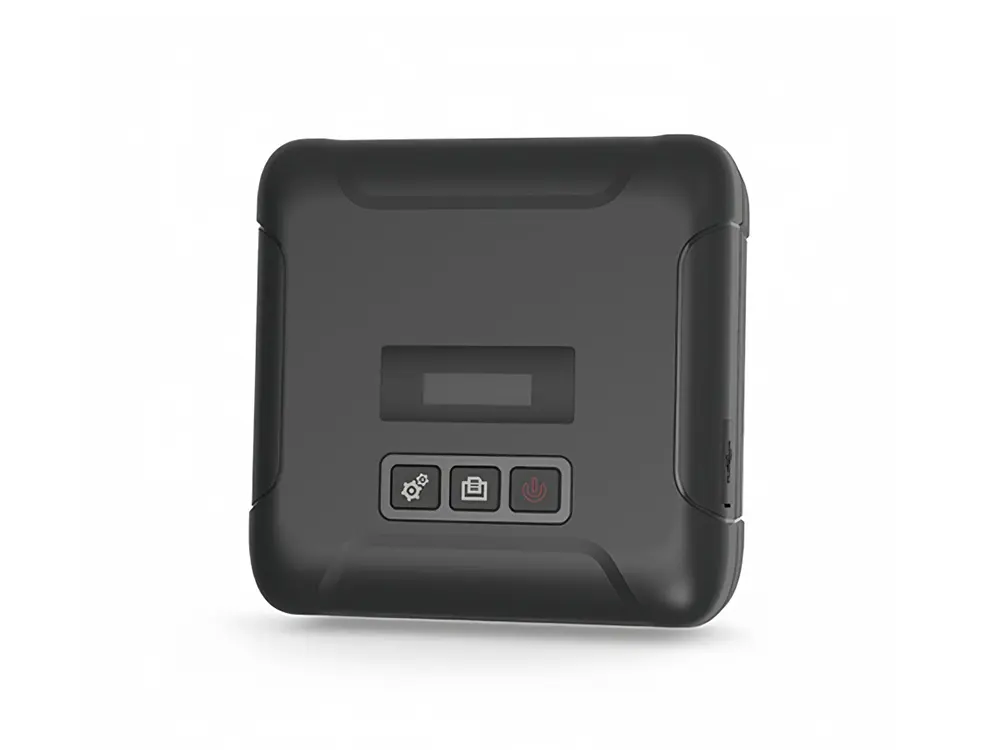 Mobile Printer