How to Choose the Best Thermal Printer for Your Business?
In today’s competitive business landscape, choosing the right Thermal Printer is crucial for efficiency. According to a report by Grand View Research, the thermal printer market size was valued at over $2 billion in 2022, with projections indicating steady growth fueled by rising demand in retail and logistics sectors. This growth illustrates the printer's significant role in streamlining operations.
Thermal printers are known for their speed and reliability. They provide high-quality prints without the need for ink, which can cut costs significantly. However, businesses must be mindful of their specific printing needs. A one-size-fits-all approach may lead to inefficient usage or increased waste.
Navigating the options is not always straightforward. Choices vary widely, from mobile printers suitable for on-the-go needs to large-scale systems for high-volume environments. Assessing factors such as speed, print quality, and connectivity is critical. Furthermore, consider potential long-term costs such as maintenance. Making the right choice can greatly enhance workflow while minimizing unnecessary expenses.
Understanding Thermal Printer Types and Their Applications
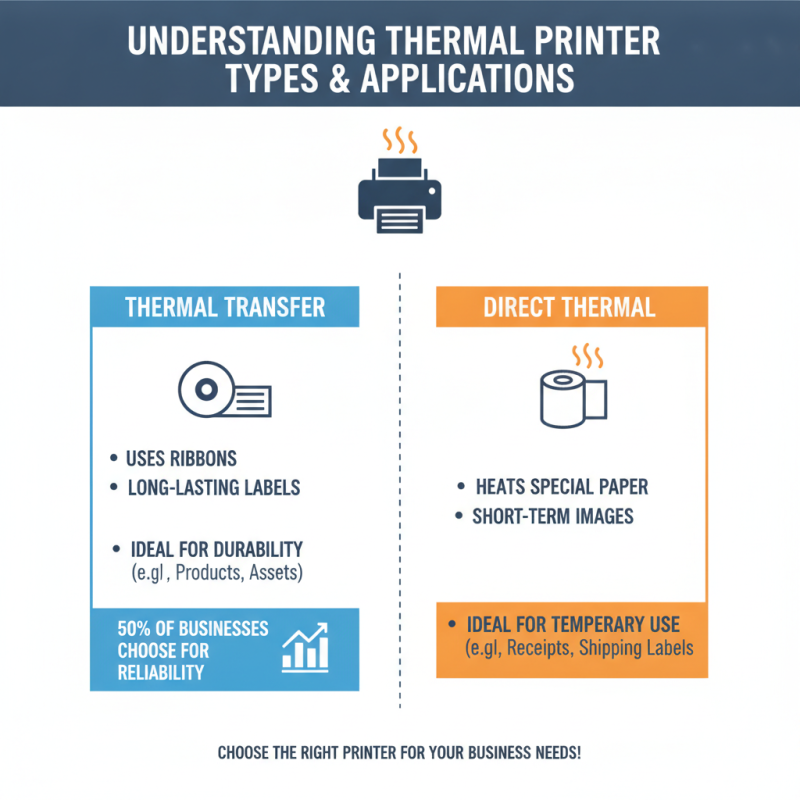
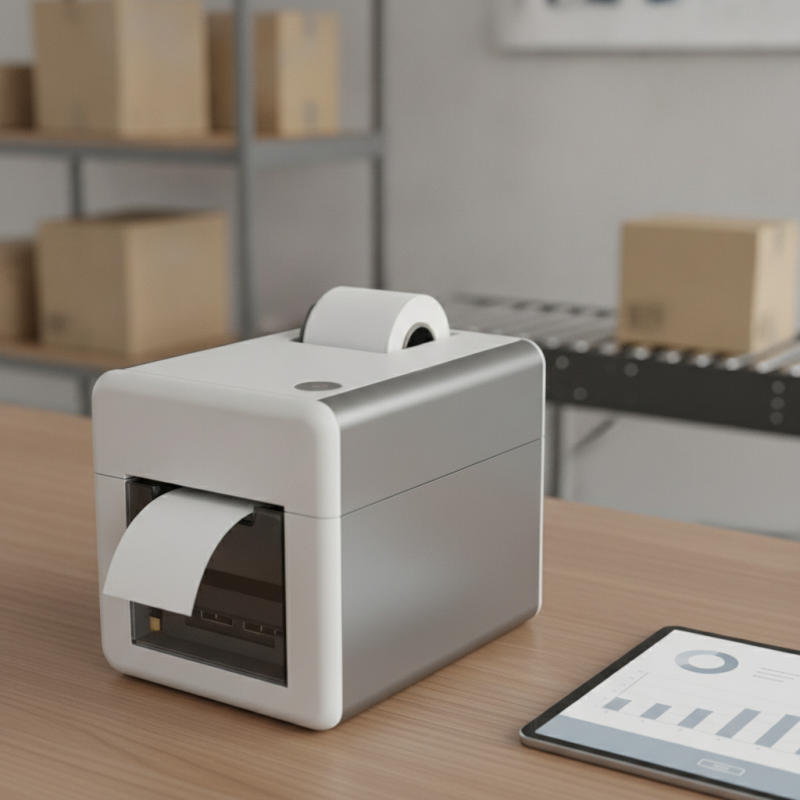
When choosing a thermal printer for your business, understanding the types available is crucial. There are two main types: thermal transfer and direct thermal. Thermal transfer printers use ribbons to produce long-lasting labels, great for products needing durability. Reports indicate that 50% of businesses prefer thermal transfer for its reliability in challenging environments. On the other hand, direct thermal printers generate images by heating special paper, making them ideal for short-term applications like receipts.
Tips: Consider the environment where the printer will be used. If it’s constant exposure to heat or moisture, thermal transfer is the better choice. Direct thermal might fade in sunlight, affecting the legibility of the label.
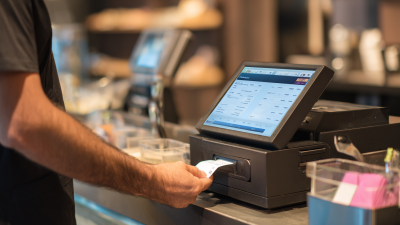
Applications vary widely. Retailers often use direct thermal printers for printing receipts due to their speed and ease of use. Logistics companies may favor thermal transfer for shipping labels that need to withstand wear and tear. Have you evaluated your specific needs? Each application has unique requirements which can guide your choice. Don't overlook ongoing costs; ink ribbons for thermal transfer can add up over time, impacting affordability compared to direct thermal designs.
Key Features to Consider When Selecting a Thermal Printer
When selecting a thermal printer for your business, several key features demand attention. Print quality is paramount. Clarity influences readability. Crisp text and graphics enhance customer communication. Consider the resolution of printed labels. Higher DPI settings yield better results. Low-quality prints can lead to confusion and errors.
Speed is another essential factor. Fast print speeds boost productivity. Businesses often need to produce multiple labels quickly. Delays in printing can hamper operations. Look for printers that offer a significant pages-per-minute rate. However, reliable prints should not be sacrificed for speed.
Connectivity options are also crucial. Many modern printers come with Bluetooth and Wi-Fi capabilities. This flexibility allows for easy integration into existing workflows. On the other hand, businesses should also consider compatibility. Ensure that your chosen printer can connect smoothly with your operating systems. Each feature should align with your business needs. It's better to invest time in finding the right printer than to rush into a decision and face future challenges.
How to Choose the Best Thermal Printer for Your Business? - Key Features to Consider When Selecting a Thermal Printer
| Feature |
Description |
Importance |
Price Range |
| Print Speed |
Measured in mm/second, determines how quickly receipts can be printed. |
High |
$100 - $500 |
| Connectivity Options |
USB, Bluetooth, and Wi-Fi options enhance flexibility and integration. |
Medium |
$50 - $300 |
| Print Resolution |
Quality of printed text and graphics, usually measured in dpi. |
High |
$80 - $400 |
| Durability |
Ability to withstand heavy use and environmental factors. |
Medium |
$100 - $450 |
| Size and Portability |
Compactness for easy storage and movement, especially for mobile businesses. |
Low |
$75 - $350 |
Evaluating Print Speed and Quality for Business Needs
When evaluating thermal printers for your business, print speed and quality are critical factors. A printer that produces high-quality images can enhance your branding. Clear labels and receipts prevent confusion. Therefore, consider how often you need to print and the volume of output required.
Tips: Look for printers that offer resolutions of at least 203 dpi for clear text and barcodes. This specification ensures that your printed materials are sharp and easily readable. Additionally, print speed matters. A printer that can produce labels quickly will keep your operations running smoothly.
However, while speed is important, it should not come at the expense of quality. A balance is essential. If a printer is too fast, it might compromise on detail. Regularly review your printing needs. This reflection can guide you in choosing a printer that aligns with your operational demands and budget. Finding that perfect combination takes time and experimentation.
Assessing Compatibility with Existing Hardware and Software
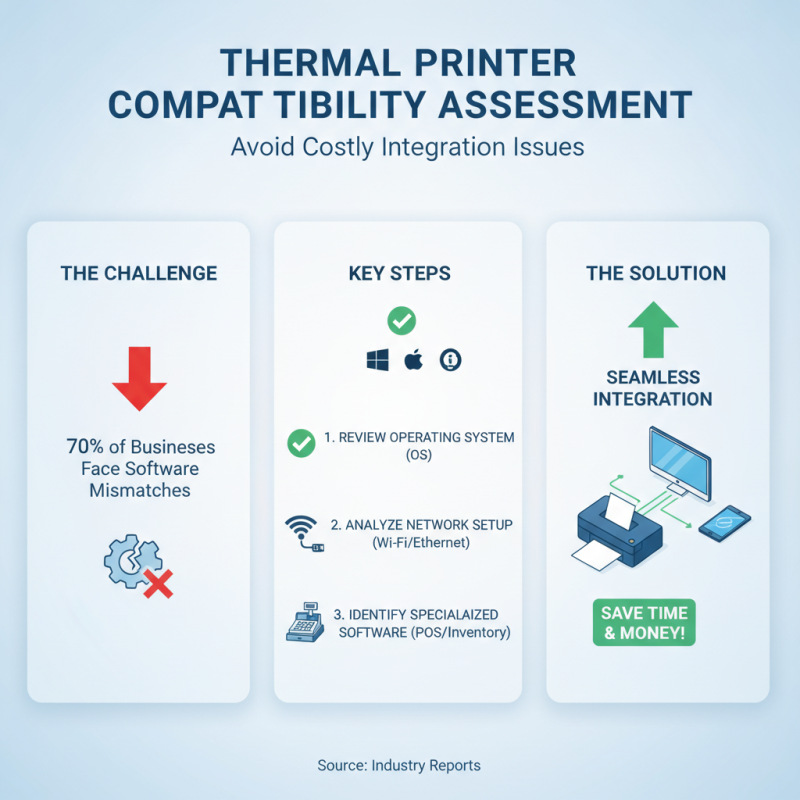
When selecting a thermal printer for business, compatibility with existing hardware and software remains crucial. According to industry reports, nearly 70% of businesses faced integration issues with new devices due to software mismatches. Understanding your current system is key. Review your operating system, network setup, and any specialized software already in use. This will save time and prevent costly adjustments after new hardware arrives.
In addition to software, assess how the printer connects to other devices. Many companies use USB connections, while others favor Wi-Fi or Bluetooth. A report from TechTarget highlighted that 80% of businesses prefer wireless solutions for flexibility. Yet, it’s important to ensure that your network can support this without compromising speed or security. Not every wireless printer consistently offers strong connectivity, which can lead to frustration in high-demand environments.
Finally, consider the scalability of your selected thermal printer. A device that works well now may not suit future needs. If your business grows, will new terminals or software require updates? Data from a recent study indicated that 60% of firms underestimated ongoing compatibility needs during initial purchases. Reflect on how future-proof your choice is. This foresight can help avoid unnecessary complications down the road.
Looking into Cost and Maintenance of Thermal Printers
When considering thermal printers for your business, cost and maintenance play crucial roles. The initial investment is often lower for thermal printers compared to other types. However, hidden costs can arise over time. For example, you need to buy thermal paper regularly. This can add up, especially if your printing volume is high.
Maintenance is another factor that should not be overlooked. Thermal printers require less frequent servicing than traditional printers. Yet, you may find that the
print head needs periodic replacement. This can be costly, and you should factor it into your budget. Additionally, keeping the printer clean is vital. Dust and debris can affect print quality and lead to more significant issues later.
Understanding these aspects of
cost and maintenance helps you make an informed choice. A low initial price might tempt you, but neglecting ongoing costs can lead to surprises. Balancing these factors is key to ensuring
long-term satisfaction with your thermal printer.

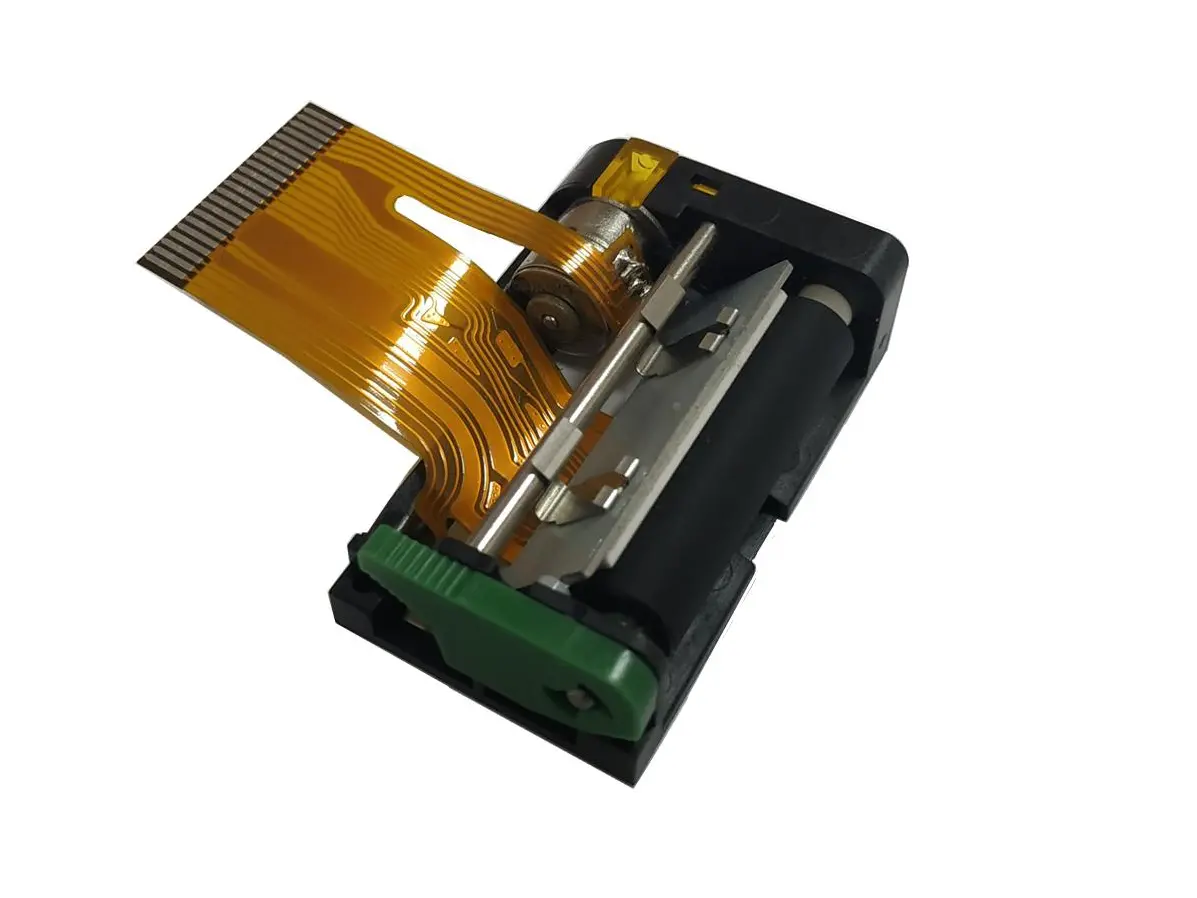 1 inch thermal printer mechanism
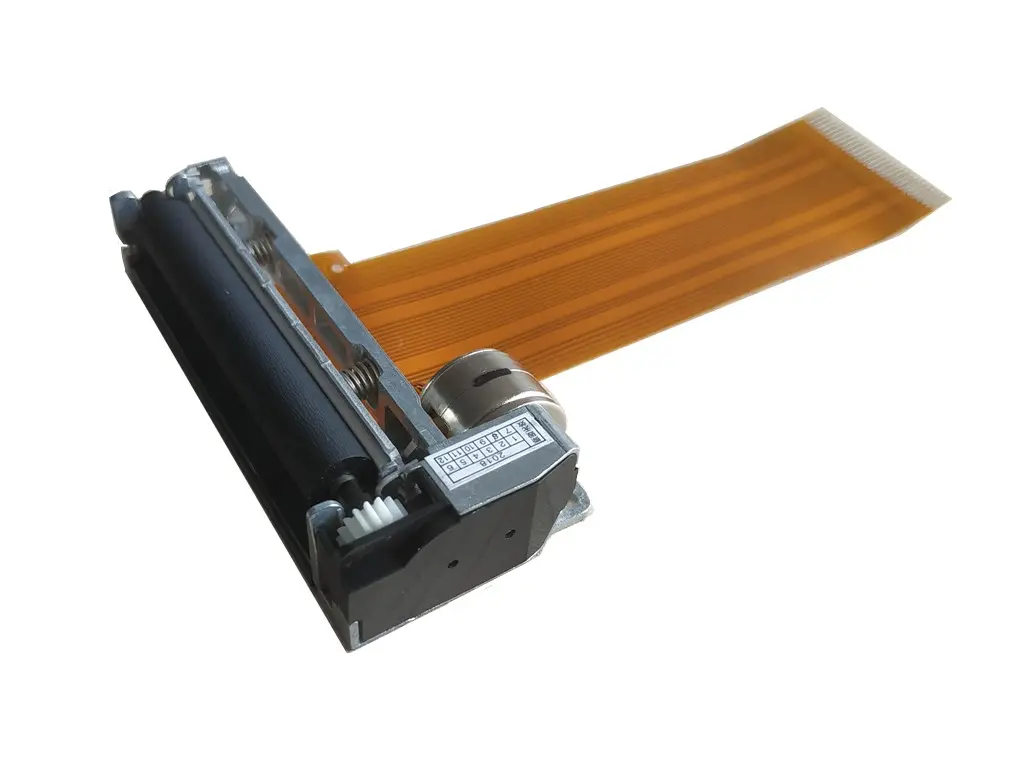 2 inch thermal printer mechanism
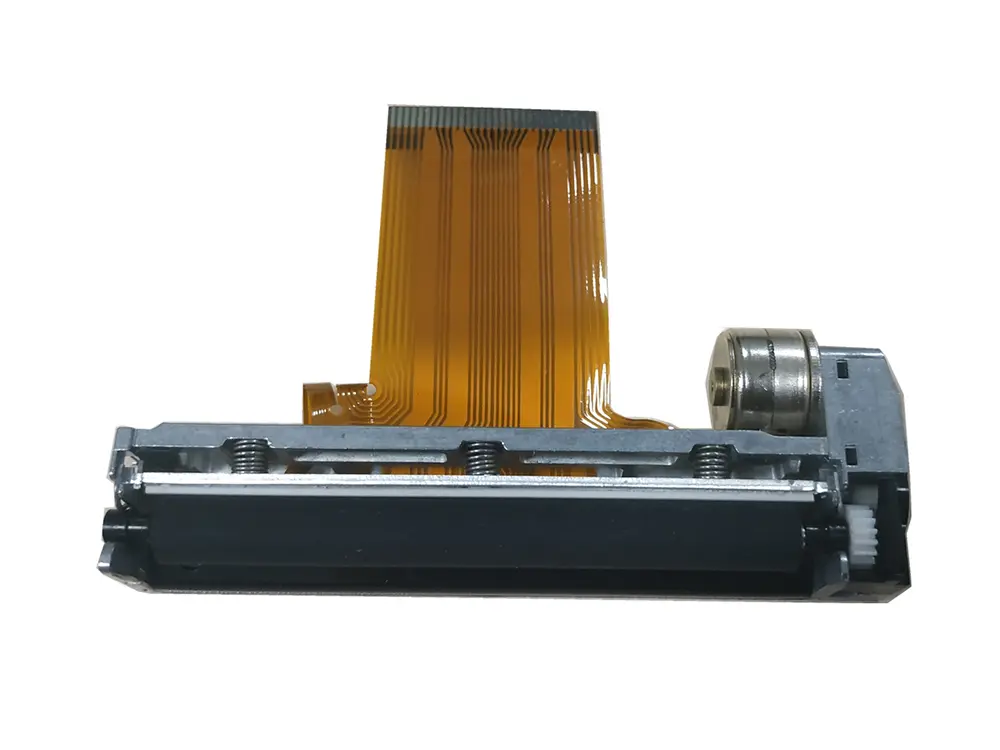 3 inch thermal printer mechanism
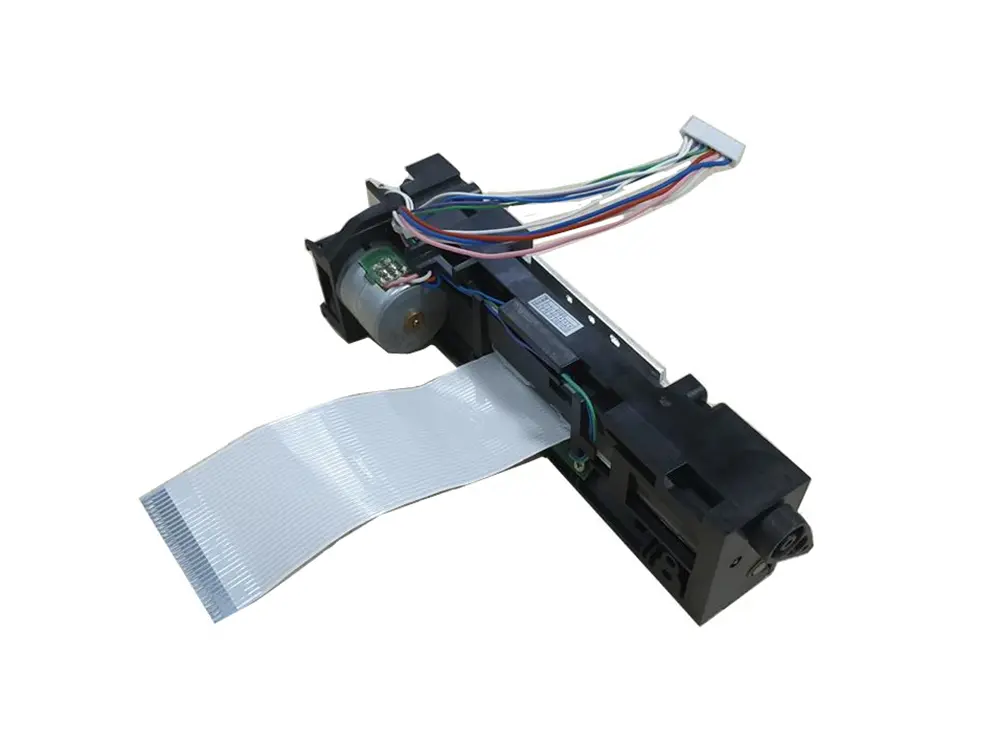 4 inch thermal printer mechanism
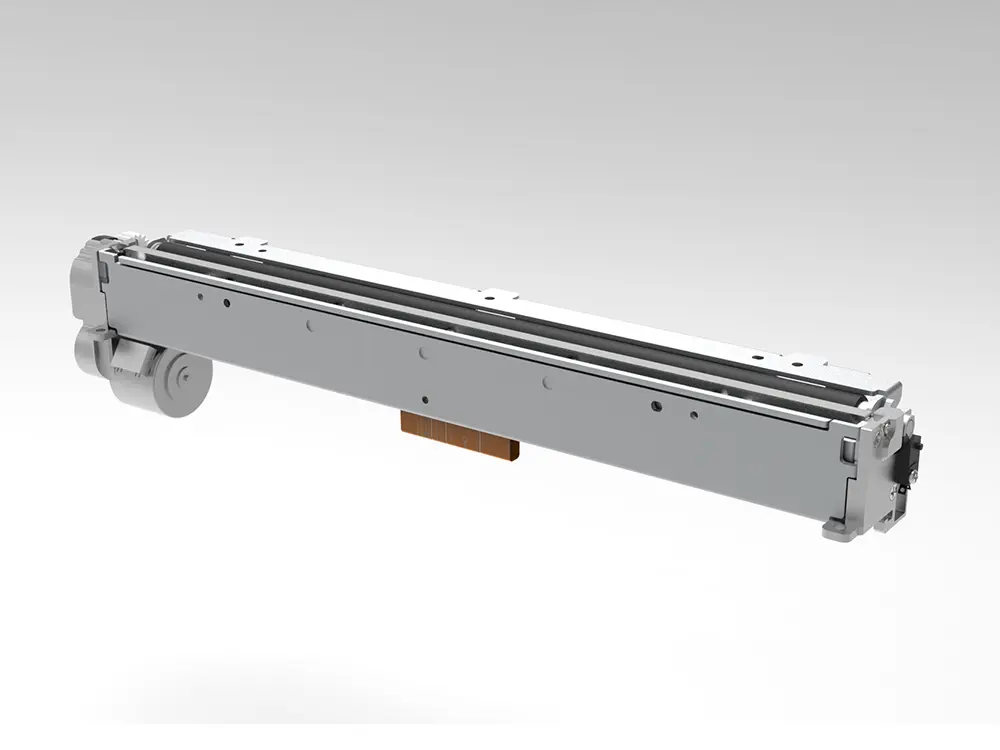 8 inch thermal printer mechanism
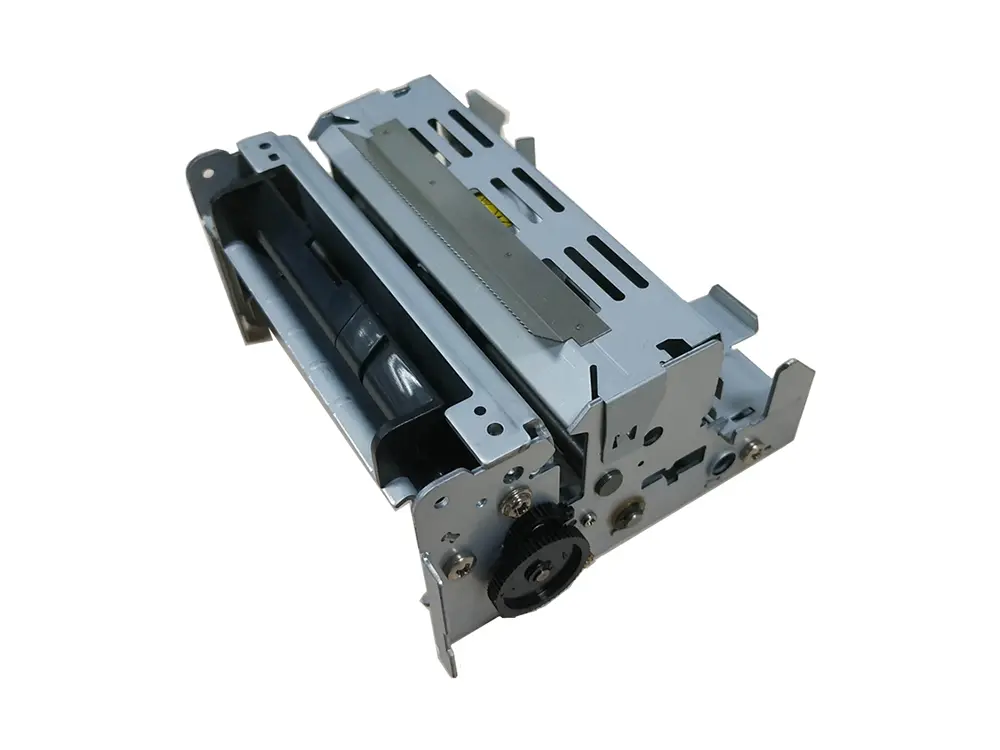 dot matrix printer mechanism
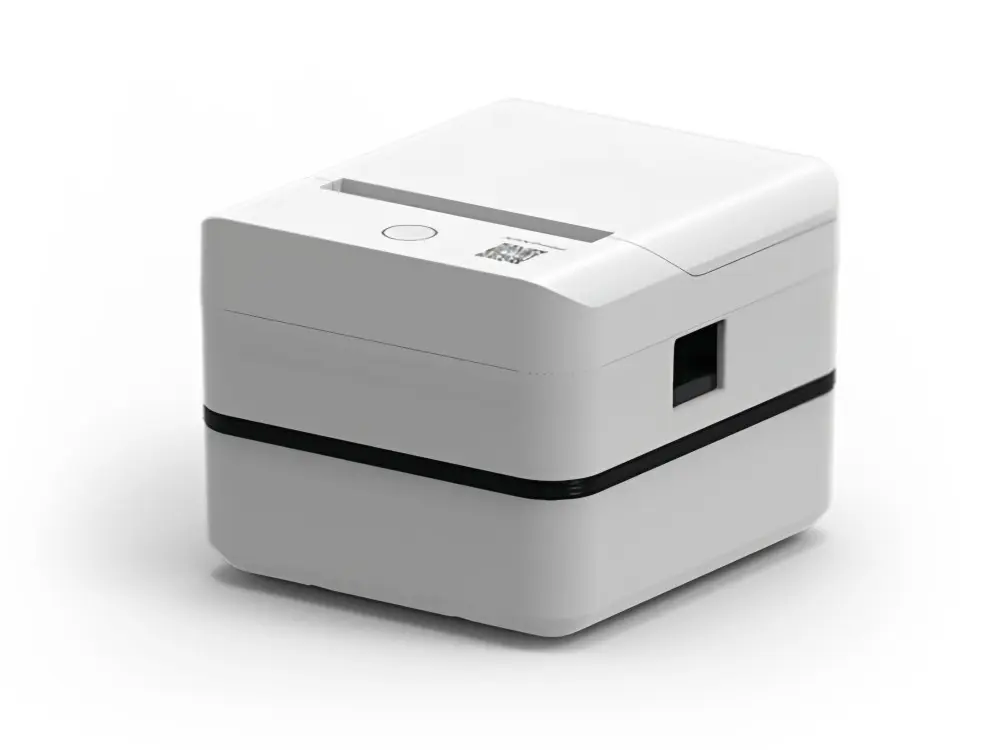 Label Printer
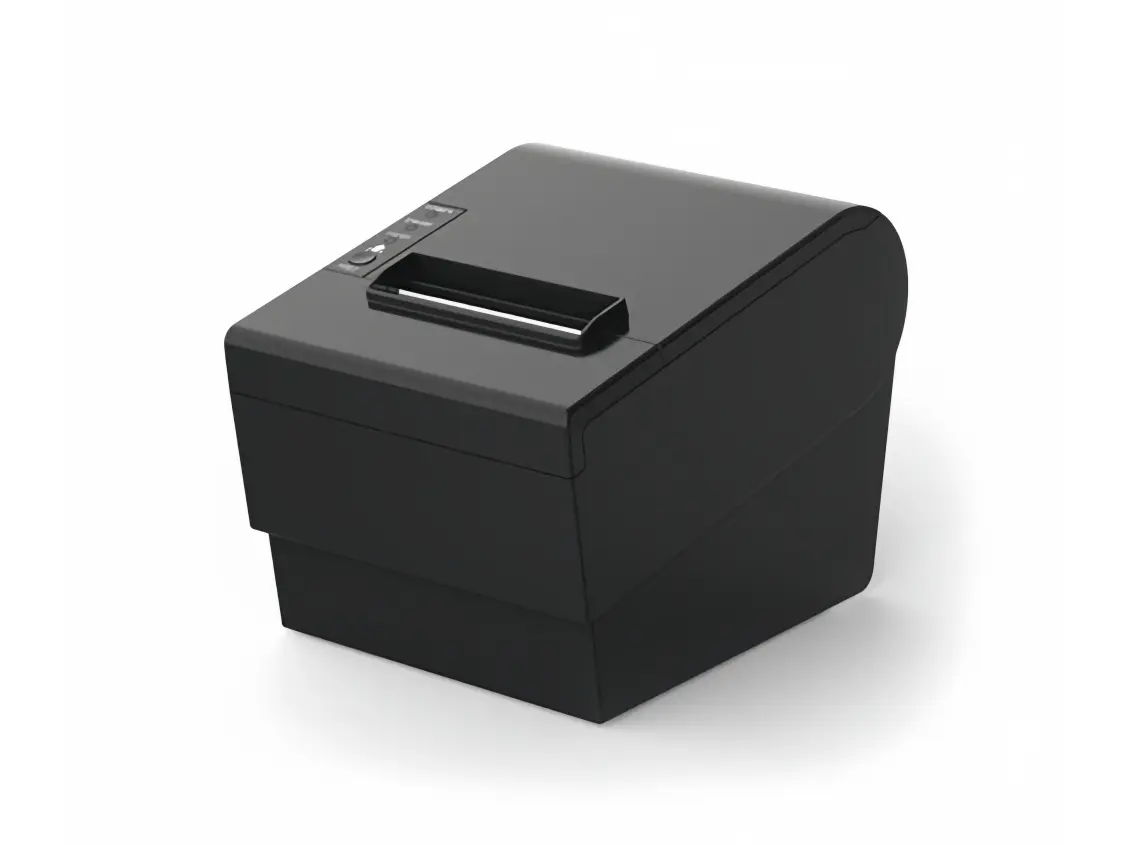 Receipt Printer
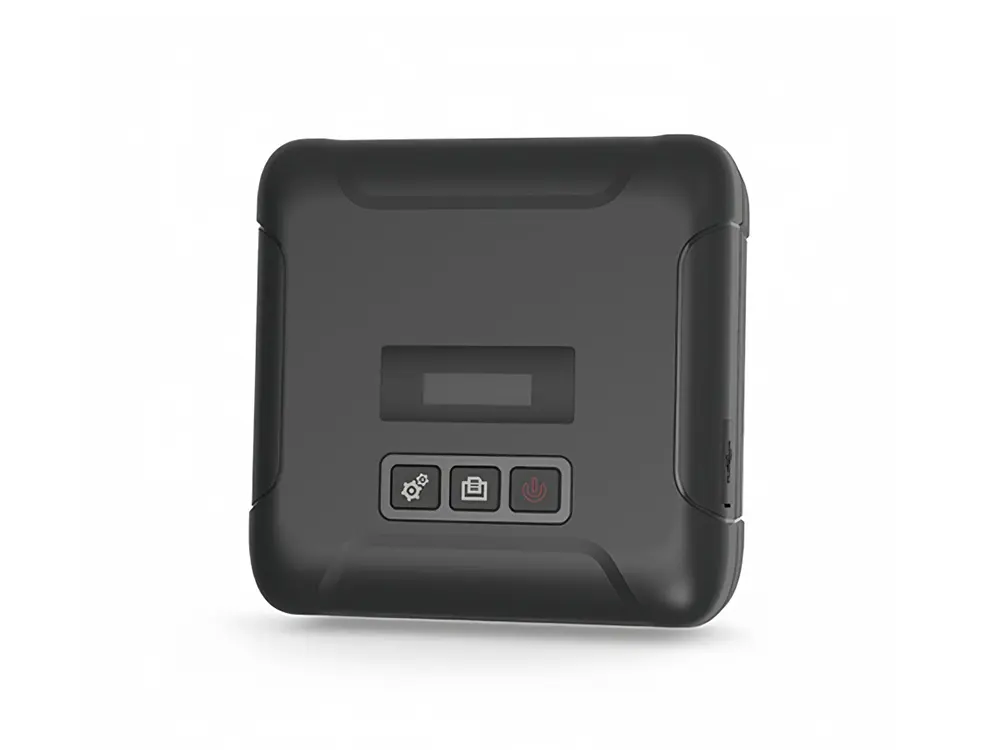 Mobile Printer