China Top Barcode Thermal Printer Reviews and Buying Guide?
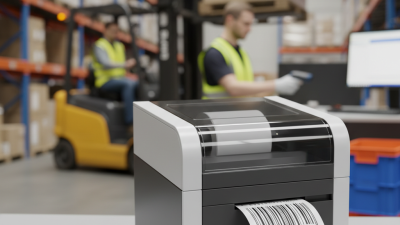
When it comes to efficiency in printing, a Barcode Thermal Printer stands out as a practical choice. Many businesses rely on these printers for labeling, shipping, and inventory management. They provide speed and precision, essential for today’s fast-paced market. However, choosing the right printer can be challenging.
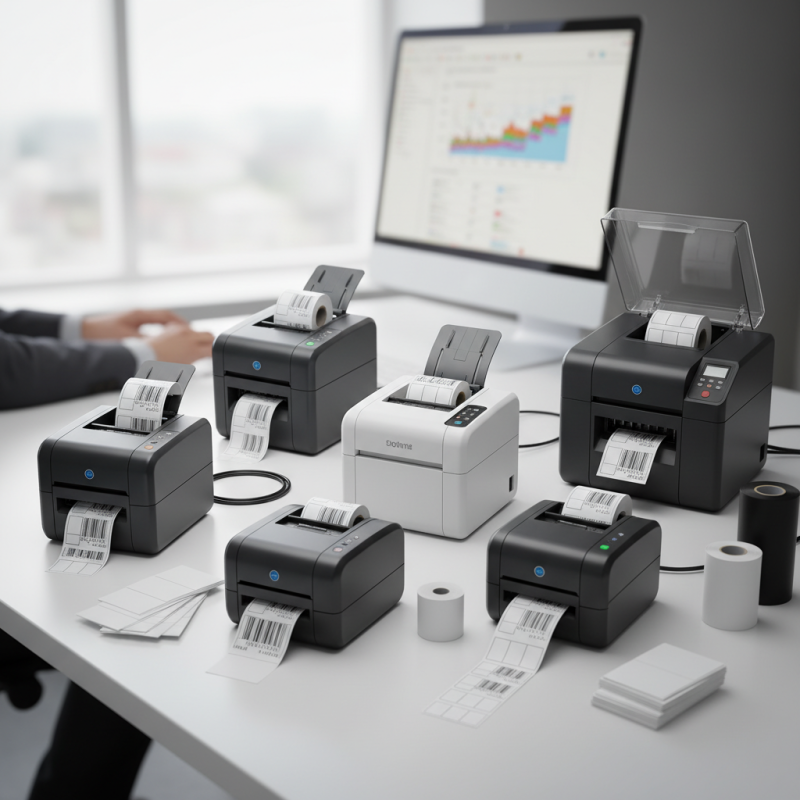
In this guide, we delve into reviews of the top barcode thermal printers available in China. Each model has distinct features that can cater to different needs. For instance, some printers excel in speed, while others prioritize print quality. Understanding these differences is vital for making an informed decision.
Additionally, we address common concerns users may face, such as compatibility with various software. While many printers offer great versatility, not all excel in every environment. It’s essential to reflect on your specific requirements before making a purchase. This article aims to equip you with the knowledge to choose wisely.
Types of Barcode Thermal Printers Available in China
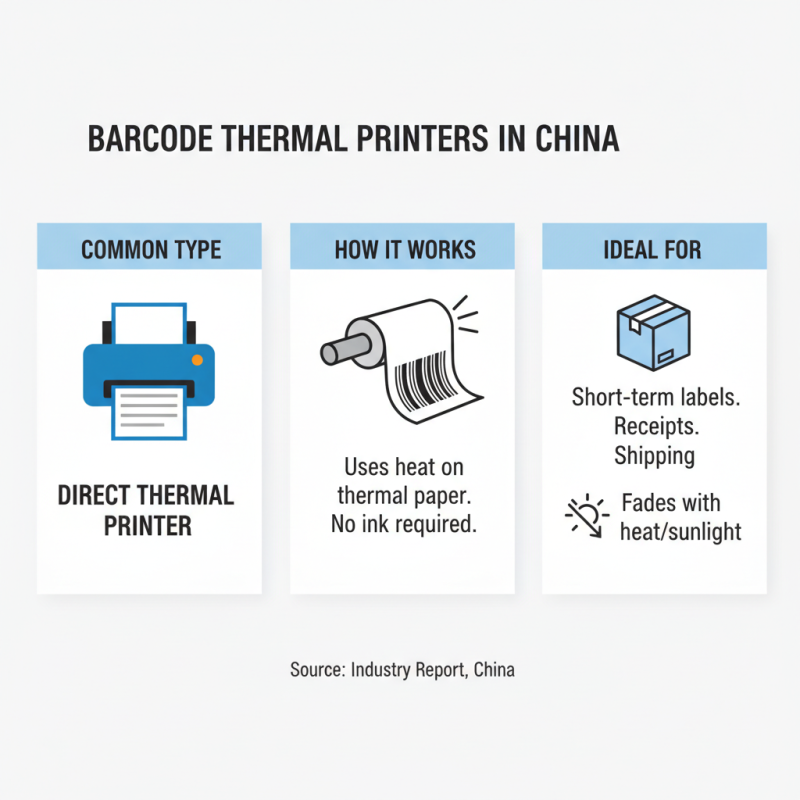
In China, various types of barcode thermal printers cater to different business needs. The most common type is the direct thermal printer, ideal for printing labels without ink. This method uses heat to create images on thermal paper. It’s reliable for short-term labeling, as the prints can fade over time when exposed to heat or sunlight.
Another option is the thermal transfer printer. This type uses a ribbon to transfer ink onto the label material. It creates more durable prints, making it suitable for long-lasting applications. These printers are often chosen for more demanding environments, like warehouses or manufacturing plants.
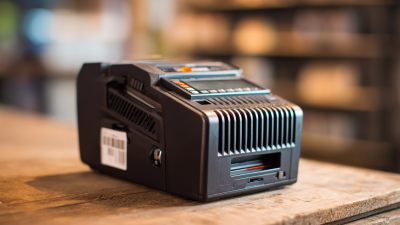
Mobile thermal printers have gained popularity, especially for businesses on the go. These compact devices are lightweight and can easily connect to mobile devices. They are perfect for inventory management or ticketing in outdoor settings. However, their smaller size may limit print width and speed. Choosing the right printer involves evaluating these unique features and the specific requirements of your business. Each type has its strengths and weaknesses. Proper research can make the difference in selecting a printer that truly fits your needs.
Key Features to Consider When Buying a Barcode Thermal Printer
When selecting a barcode thermal printer, key features play an essential role. Resolution is one factor to consider. Higher DPI (dots per inch) ensures clearer and sharper prints, which can affect scanning accuracy. Aim for a printer that offers a minimum of 203 DPI for standard barcodes. For detailed graphics or small labels, a higher resolution, such as 300 DPI, might be necessary.
Connectivity options are crucial as well. Look for printers that support USB, Bluetooth, and even Wi-Fi. This flexibility allows for seamless integration into your existing system. It’s also worth noting that some printers come with mobile app compatibility, making printing on-the-go a breeze.
Tips: Always check the printer’s compatibility with your software. A mismatch can lead to frustration and wasted time. Additionally, consider the software features that come with the printer. Some include design tools, while others may require third-party applications. Lastly, remember that longevity matters. Evaluate the durability and warranty offered by the manufacturer to ensure you're making a reliable investment.
China Top Barcode Thermal Printer Reviews and Buying Guide
| Model |
Printing Speed (mm/sec) |
Print Resolution (DPI) |
Connectivity Options |
Compatible Media Width (mm) |
Price (USD) |
| Thermal Printer A |
150 |
203 |
USB, Ethernet |
20 - 80 |
150 |
| Thermal Printer B |
200 |
300 |
USB, Bluetooth |
25 - 70 |
200 |
| Thermal Printer C |
120 |
203 |
USB, Serial |
30 - 100 |
130 |
| Thermal Printer D |
180 |
300 |
USB, Wi-Fi |
25 - 80 |
220 |
Top Brands of Barcode Thermal Printers in the Chinese Market
The barcode thermal printer market in China is rapidly expanding, driven by rising e-commerce and retail needs. According to a report by Statista, the market size for barcode printers was valued at approximately $900 million in 2021 and is projected to reach $1.5 billion by 2025. This growth reflects the increasing reliance on efficient labeling and inventory management.
Several brands lead the barcode thermal printer industry in China. Notably, these manufacturers emphasize high-speed printing and durability. They cater to diverse sectors, like logistics, retail, and healthcare. Reliability is essential, especially in environments where efficiency impacts the bottom line. Regular maintenance can pose challenges, affecting usability and operational flow.
Market research highlights that user-friendly interfaces and cost-effectiveness are critical buying factors for consumers. Users seek printers that are easy to set up and integrate with existing systems. However, varied quality among available models raises concerns about performance consistency. Some machines, while affordable, may sacrifice quality. Professionals urge buyers to critically assess printer specifications and reviews to ensure they meet specific operational needs.
China Top Barcode Thermal Printer Performance Comparison
Performance Comparison: Speed, Resolution, and Durability
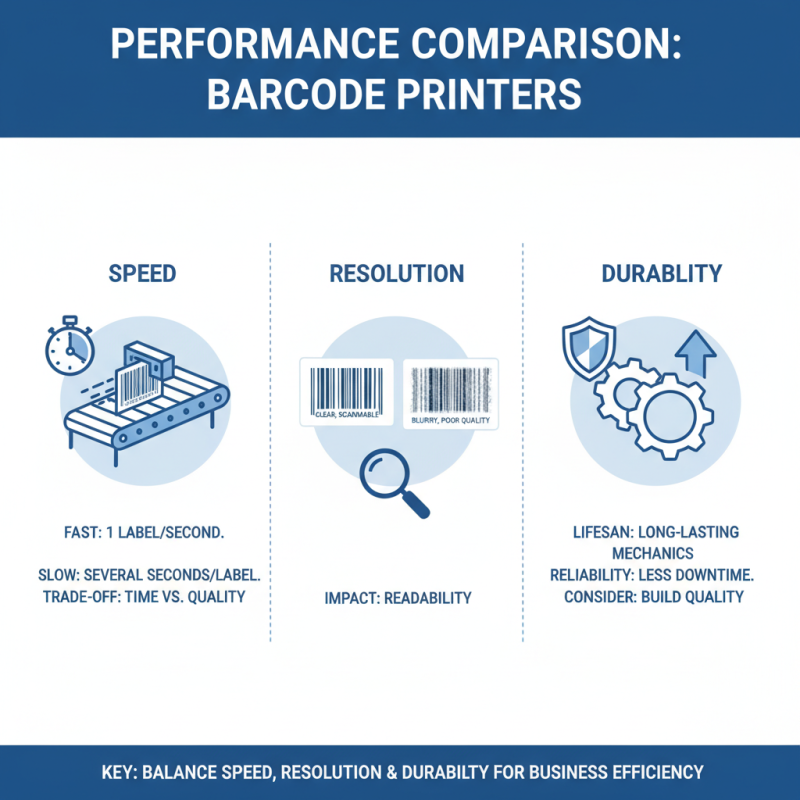
When considering barcode thermal printers, performance is key. Speed is often a sticking point. Some printers can produce a label in just a second, while others may take longer. Fast printing saves time, yet it can impact print quality. Balancing speed and clarity is crucial for any business.
Resolution is another important factor. Printers varying in resolution can affect the readability of barcodes. A higher DPI (dots per inch) means sharper images. However, it often comes with slower printing speeds. Businesses should evaluate their needs. Is clarity more important than speed in your printing tasks?
Durability is often overlooked. A sturdy printer can withstand long hours of use. However, not all thermal printers handle wear and tear the same way. Some models may seem robust but fail after extended use. Regular maintenance can prolong printer life, yet many users forget this. Evaluating these aspects can help in making an informed choice.
User Reviews and Buying Experiences for Popular Models in China
When exploring barcode thermal printers, user reviews reveal essential insights. Many users note that speed and quality vary significantly across models. The printing speed can range from 80 to 300 mm per second. Some users appreciate the crisp output, while others mention smudging issues. These experiences frequently highlight the need for thorough research before making a purchase.
User experiences indicate that connectivity is crucial. Bluetooth and USB options are popular among buyers. Many appreciate the ease of connecting to mobile devices. However, some models present challenges with compatibility. Feedback often emphasizes the importance of checking system requirements beforehand. This ensures a seamless operation with existing hardware.
In terms of durability, several users express mixed feelings. Many thermal printers may show signs of wear after a few months. Others report robust performances over extended periods. It's essential to delve deeper into reviews addressing long-term use. This can shed light on potential issues that could arise post-purchase. Gathering diverse perspectives helps paint a clearer picture of reliability and overall satisfaction.

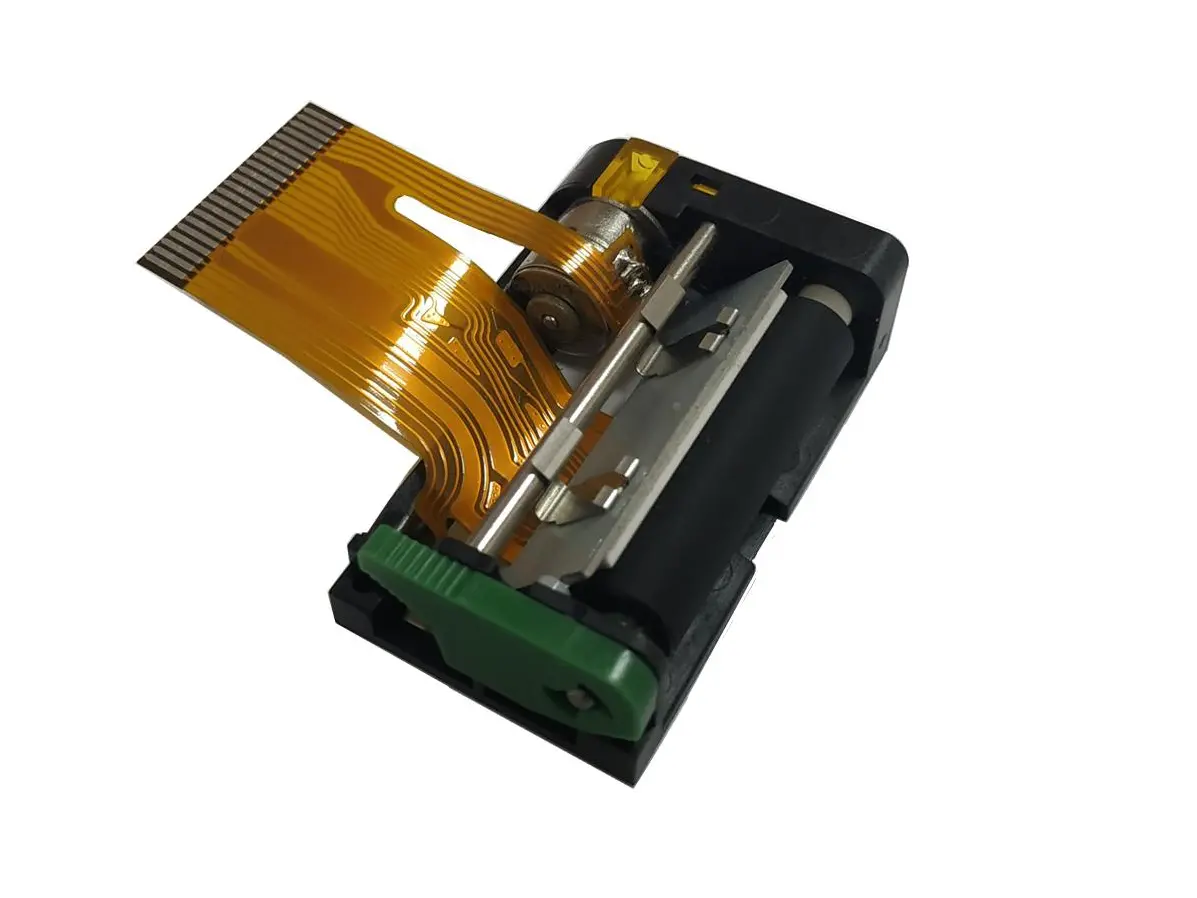 1 inch thermal printer mechanism
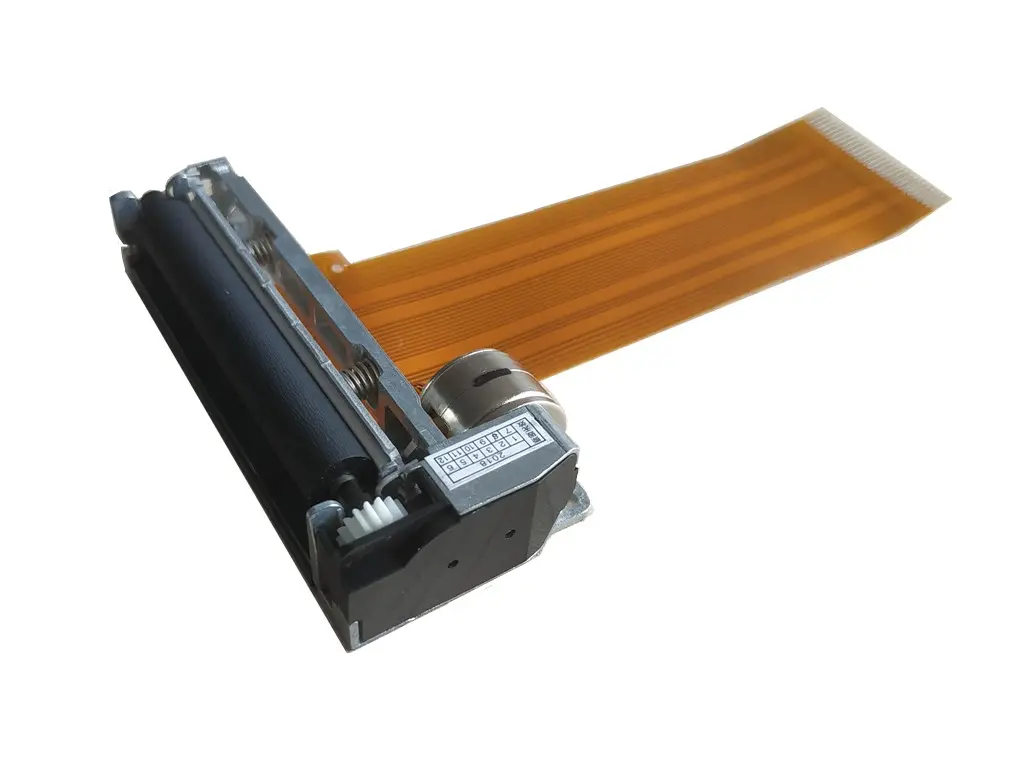 2 inch thermal printer mechanism
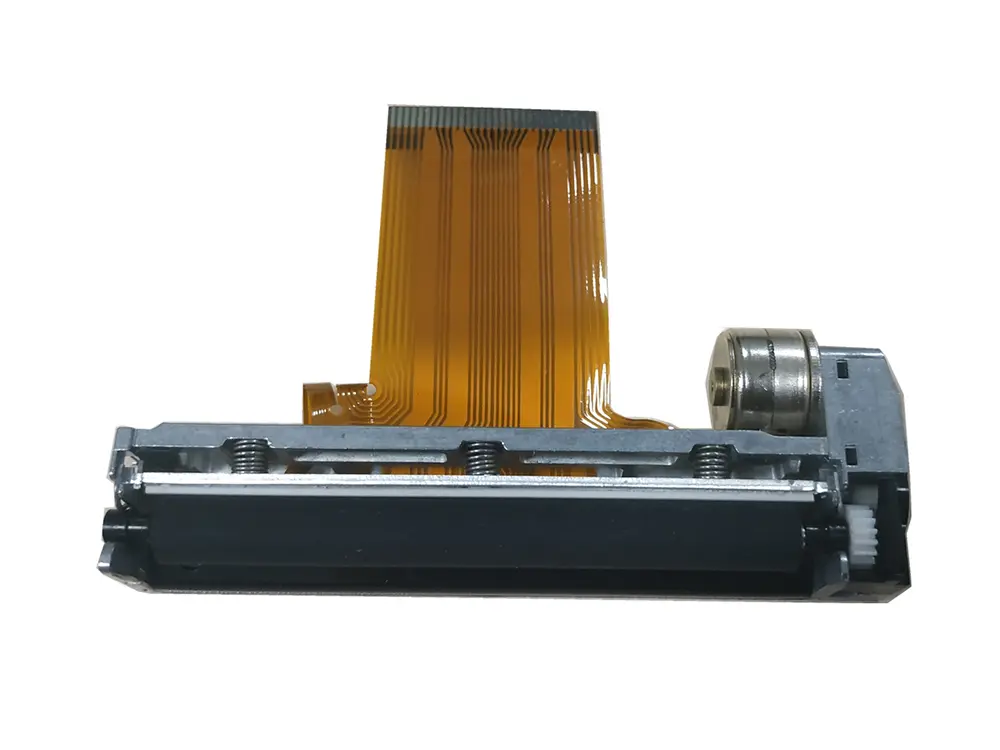 3 inch thermal printer mechanism
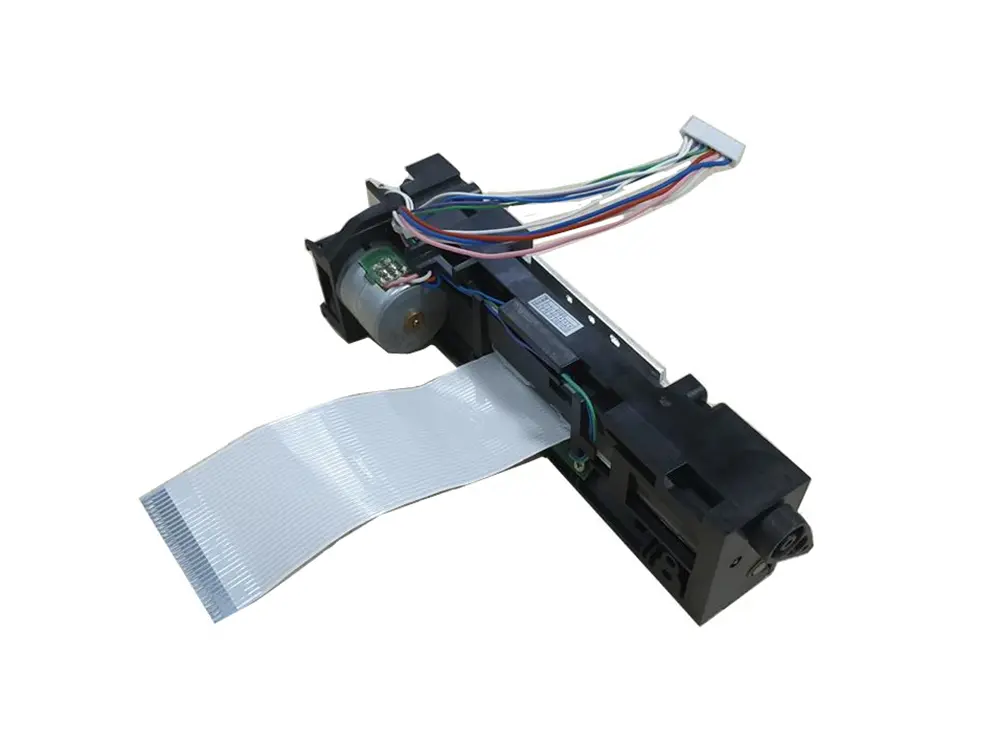 4 inch thermal printer mechanism
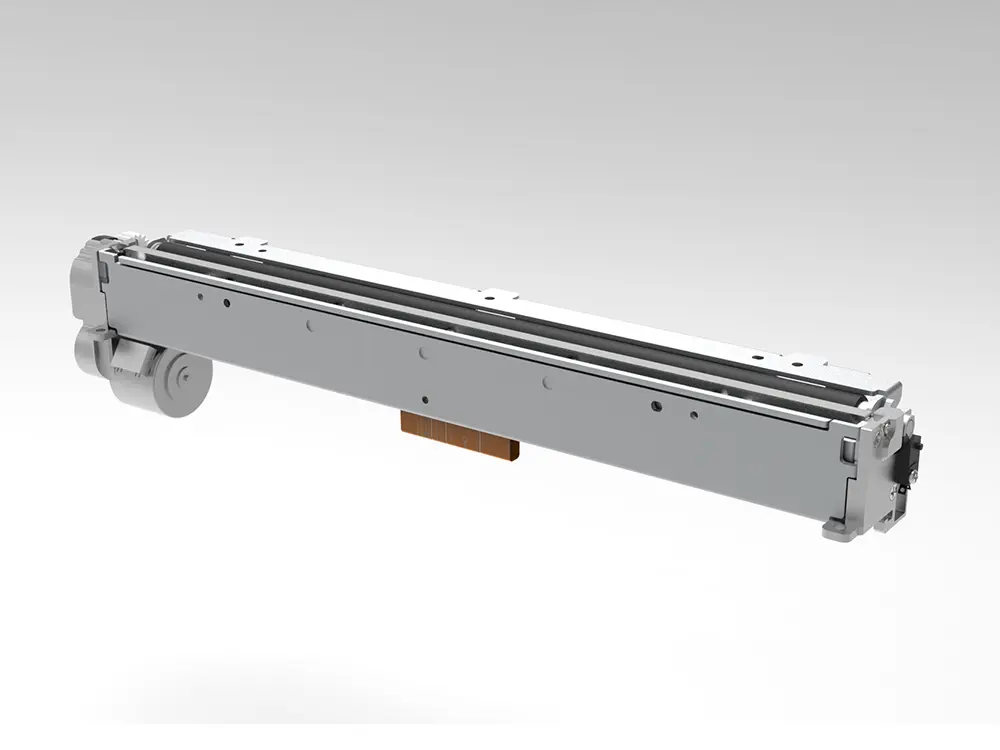 8 inch thermal printer mechanism
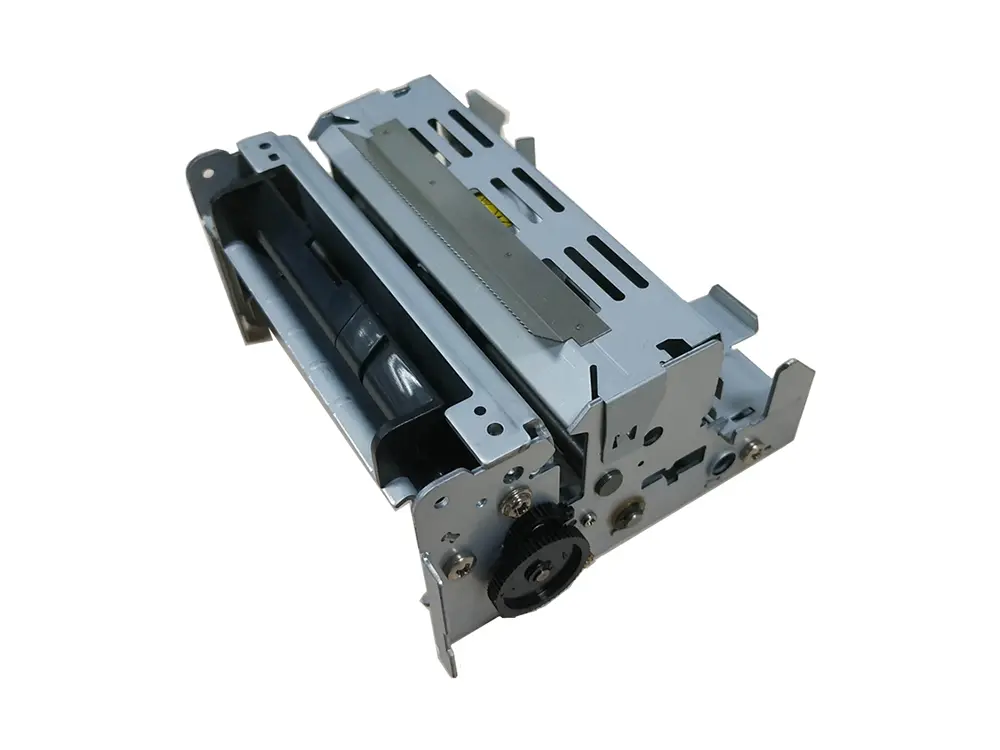 dot matrix printer mechanism
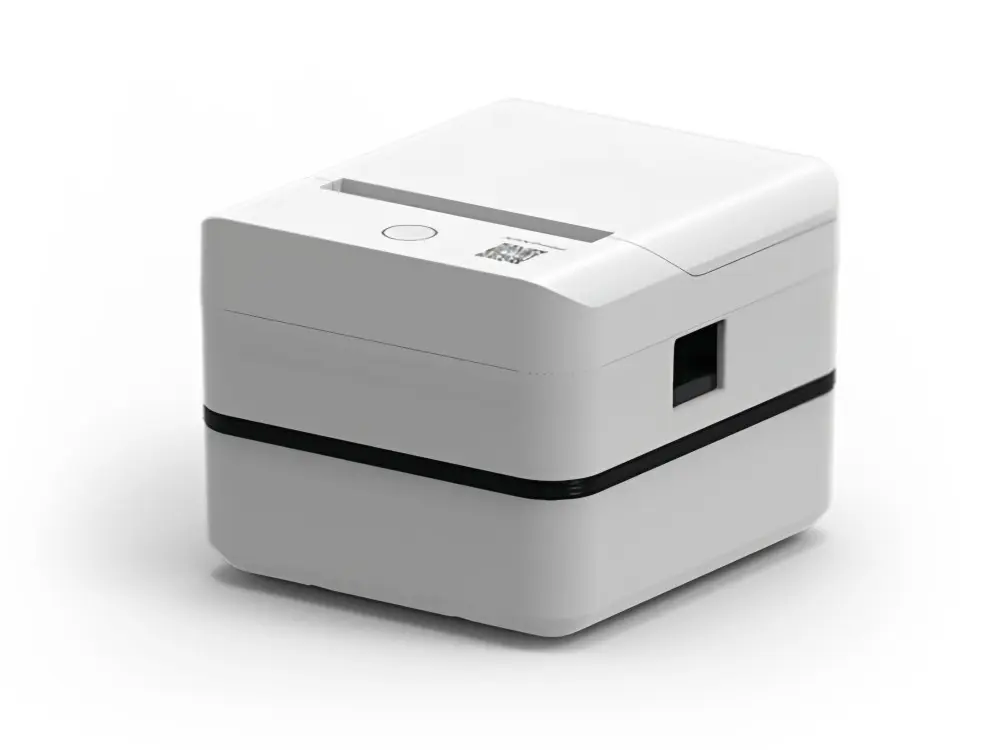 Label Printer
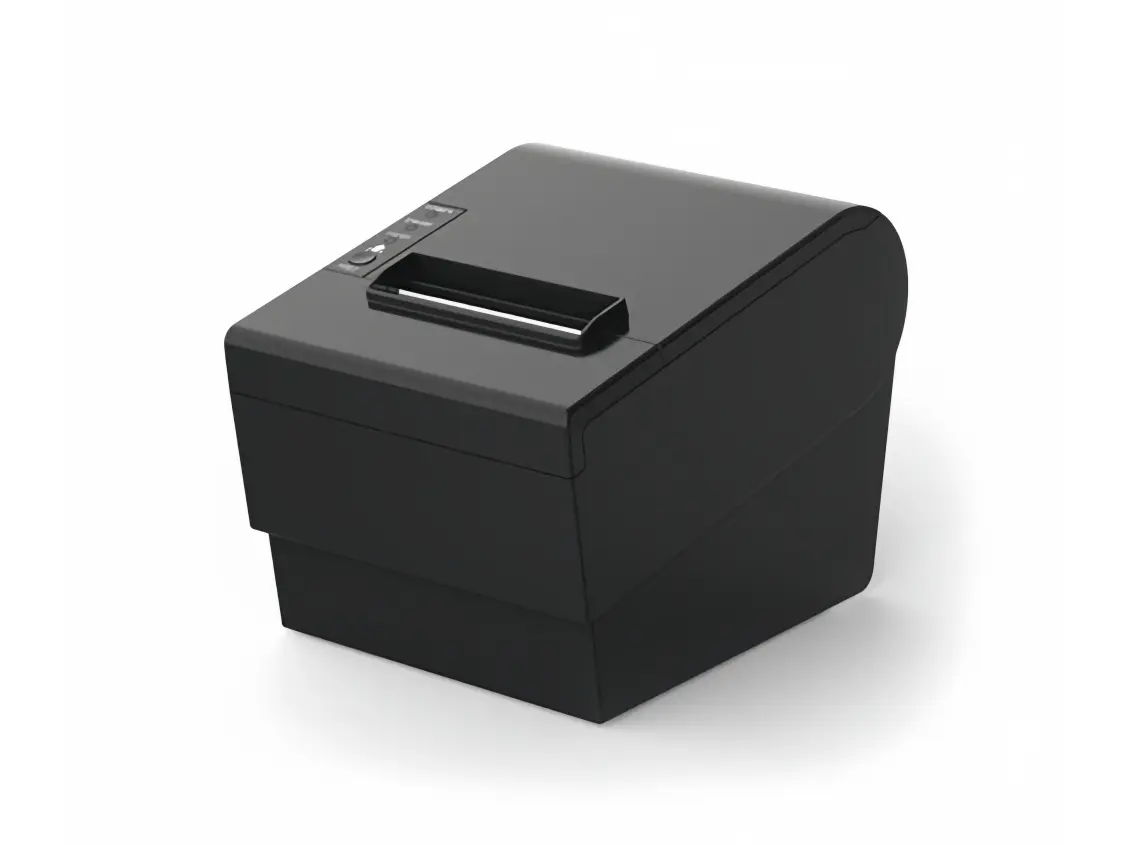 Receipt Printer
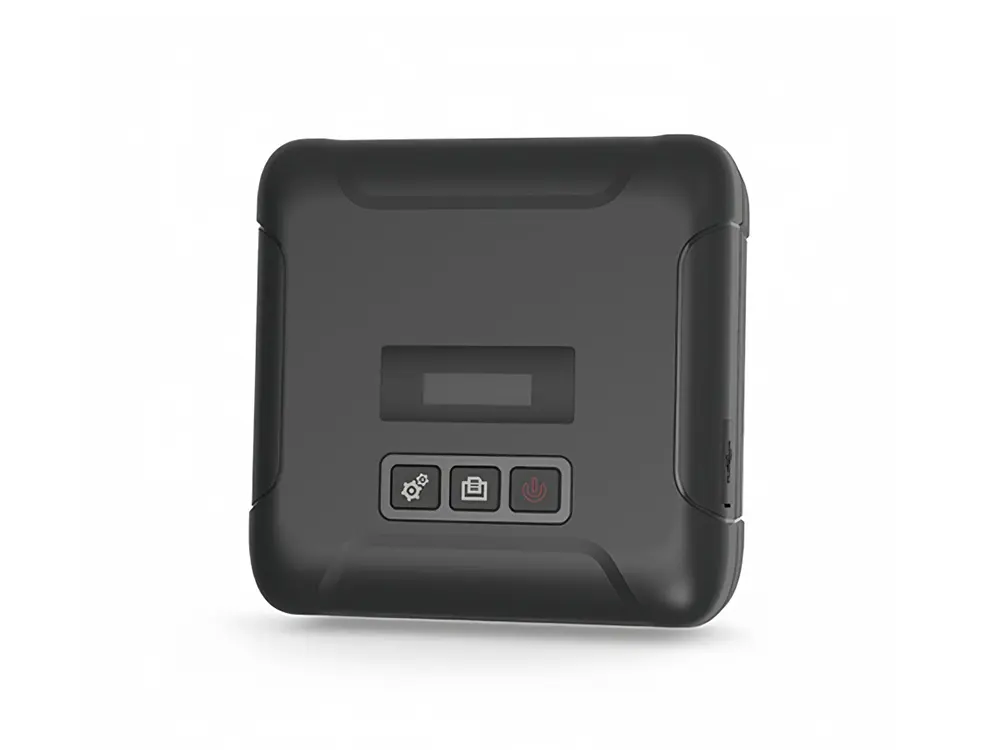 Mobile Printer