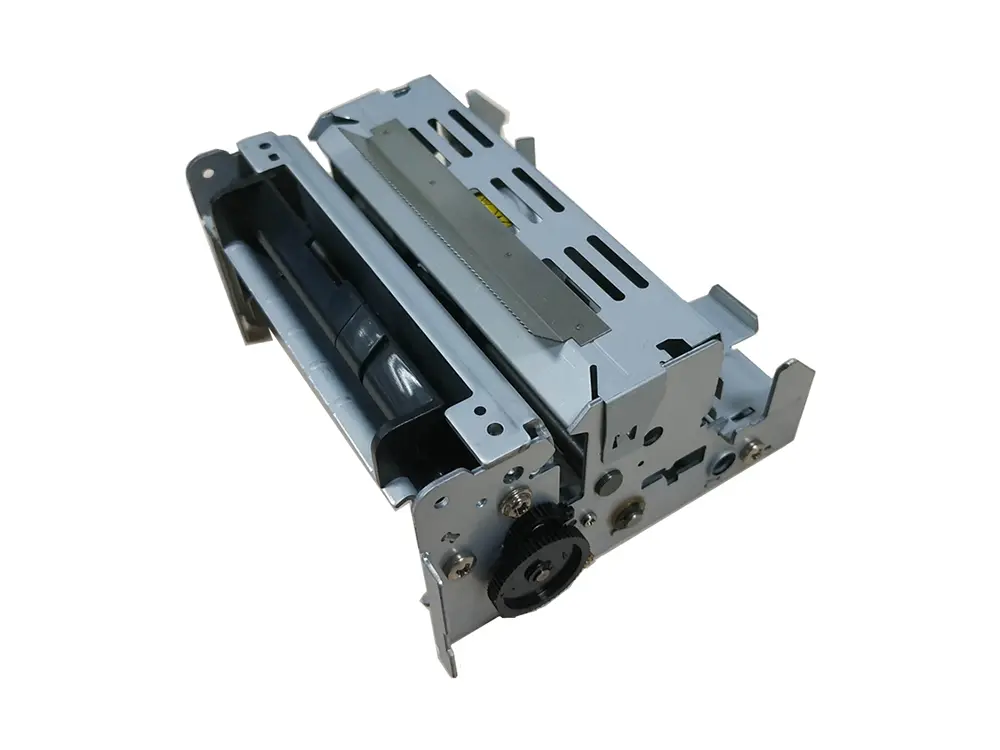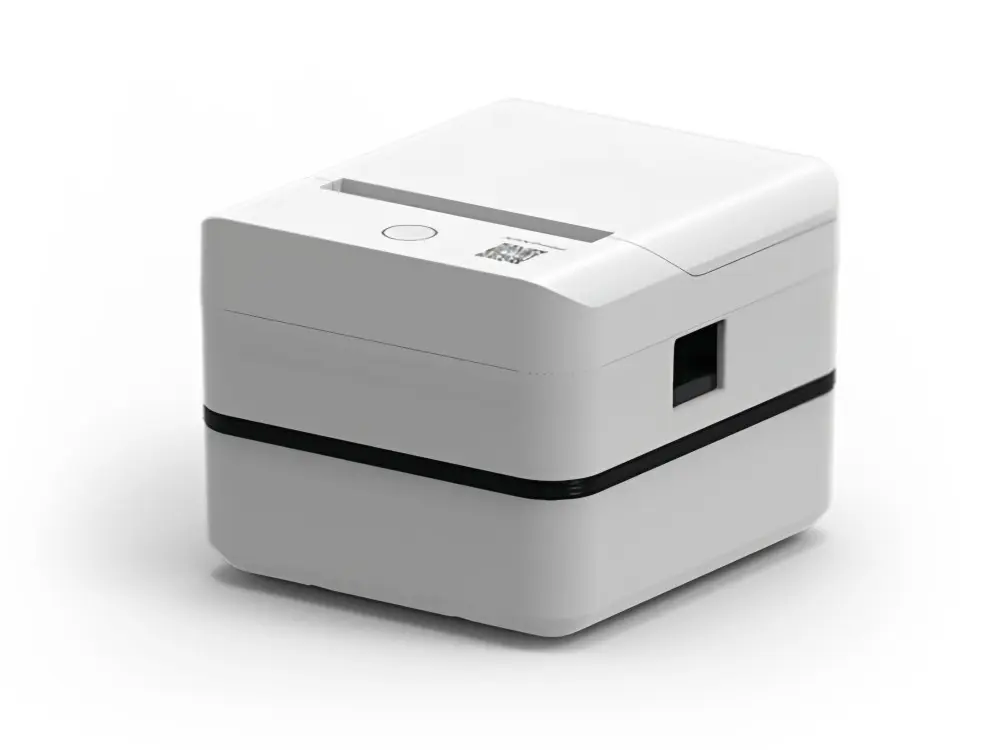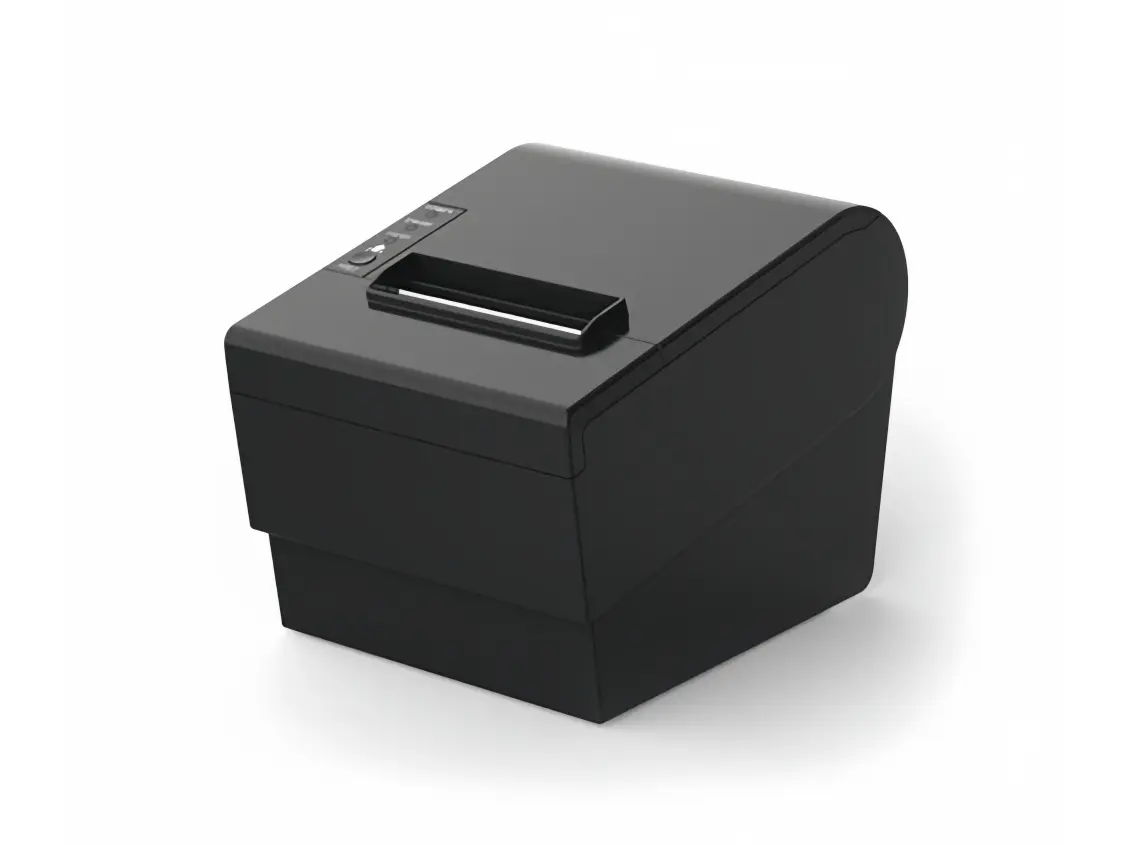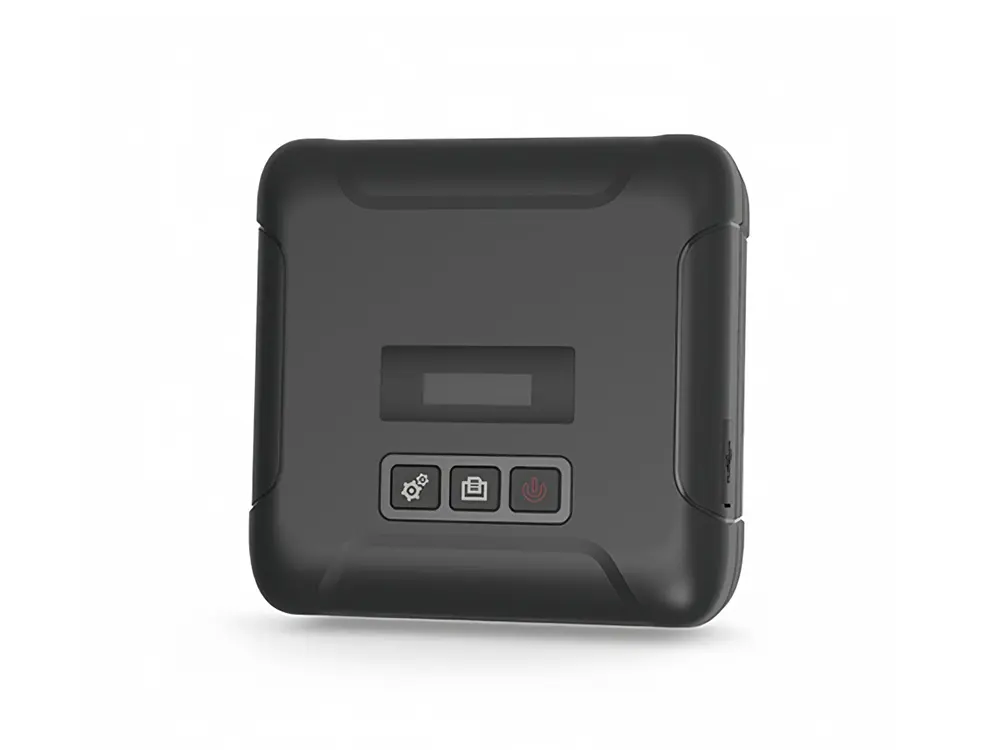
Choosing the 2026 best Cable Labeller requires more than comparing prices or counting included cartridges. Global buyers must evaluate identification accuracy, material durability, workflow speed, and regional supply support. A label that survives a dry control cabinet may fail beside a humid production line. Small details matter.
Industry data supports this wider view. Smithers’ The Future of Labels and Labeling to 2028 highlights continued demand for durable, digitally produced labels across industrial applications. MarketsandMarkets’ Industrial Labels Market analysis also points to traceability, automation, and compliance as major purchasing drivers. These trends affect cable identification directly. Installers increasingly need labels that remain readable after bending, abrasion, heat exposure, and routine maintenance.
A practical comparison should examine print resolution, adhesive performance, cutter reliability, battery life, software compatibility, and consumable availability. For global buyers, keyboard languages, voltage options, warranty coverage, and shipping stability deserve equal attention. A compact handheld unit may suit field repairs, while a thermal-transfer system may perform better in factories with high labeling volumes. Neither choice is universally superior. That assumption is too simple.
Real-world experience also exposes overlooked issues. A label can look excellent during testing, yet peel from oily insulation or become unreadable after repeated handling. Buyers should request material samples and test them on actual cable jackets before purchasing. Independent reviews, manufacturer specifications, and recognized quality certifications can strengthen the decision. Still, no report replaces a controlled site trial. The best Cable Labeller is the one that matches the environment, operator habits, and long-term maintenance plan. Sometimes, the cheapest device becomes the most expensive after consumables and rework are counted.
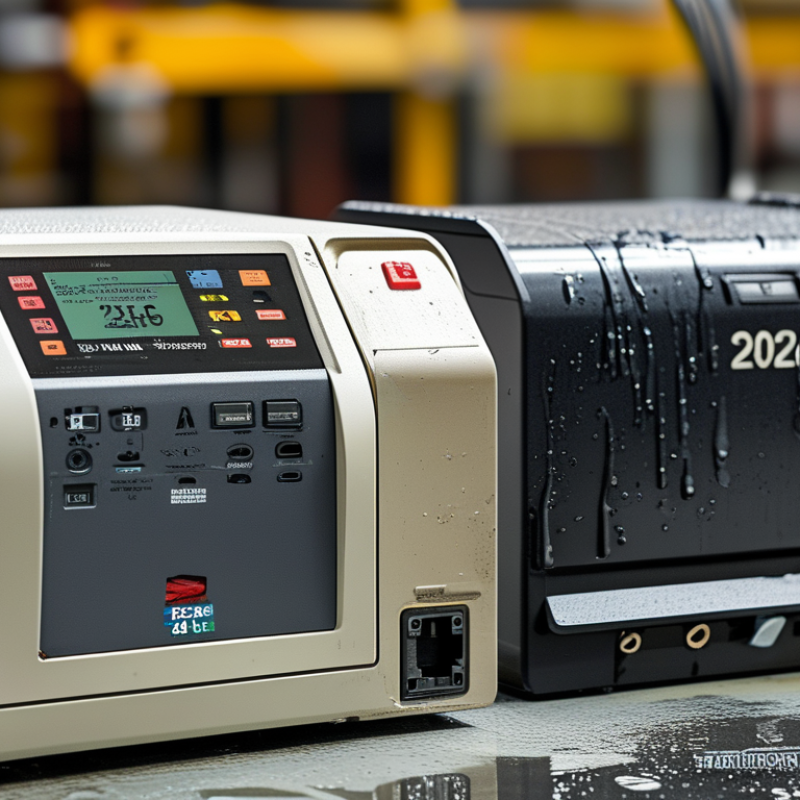
A cable labeller should support TIA-606-C administration, not merely produce sharp text. The standard organizes telecommunications infrastructure through identifiers, records, and administration classes. Class 1 suits a single equipment room. Classes 2 through 4 support wider facilities, campuses, and multi-site environments. A global buyer should check whether the labeller handles consistent identifiers across these levels.
Print format matters in crowded racks. Use readable cable IDs, paired-end labels, and location references. Wrap-around labels improve identification on small patch cords. Flag labels create a larger reading area near dense bundles. Heat-shrink formats can improve permanence, but they may slow installation. That trade-off is easy to underestimate.
A QR code or barcode can supplement the human-readable ID, but it should not replace it. TIA-606-C depends on reliable identification and corresponding records.
The Uptime Institute’s 2024 Global Data Center Survey reported that 53% of respondents experienced an outage during the previous three years. Poor labeling is not always the cause, yet it can extend diagnosis time. The report also found that serious outages remain costly and operationally disruptive.
Therefore, select equipment supporting durable printing, strong contrast, repeatable spacing, and exportable records. Material testing matters too. Heat, moisture, abrasion, and cleaning chemicals can damage weak labels. One overlooked detail is adhesive performance on dusty or textured jackets. Even experienced installers sometimes discover this after deployment. Test labels on actual cable surfaces before purchasing at scale.
Choosing a cable labeller in 2026 means checking more than print sharpness. UL 969 is a useful reference for marking and labeling system performance. It considers legibility, adhesion, and resistance to environmental exposure. However, a UL 969 evaluation does not make every label suitable for every cable. Buyers should match the label construction with the cable jacket, installation method, and expected service conditions.
Adhesion often decides whether identification survives real work. A label may stick well to a clean, smooth jacket but fail on dusty, oily, or textured surfaces. Ask for test data after application, aging, and temperature cycling. Short dwell times can hide weak adhesive performance. They should not. Confirm whether the rating covers permanent adhesion or only temporary handling. A small sample trial is usually more honest than a brochure.
Temperature ratings need careful reading. Check continuous and intermittent limits separately. Heat exposure near engines, control cabinets, or outdoor equipment can change the result. Polyester suits many general cable applications, while polyimide may perform better near higher heat. Vinyl can provide flexibility, but its behavior depends on adhesive and surface conditions. Humidity and cleaning chemicals also matter. Global buyers should request technical data in clear units and verify regional compliance needs. I would not choose the highest temperature figure alone. Real installations are rarely perfect.
2026 Best Cable Labeller for Global Buyers?
For cable identification, print resolution affects legibility, speed, and material cost. A 203 dpi printhead produces about 8 dots per millimetre. It suits large characters, serial numbers, and simple barcodes. A 300 dpi head produces nearly 12 dots per millimetre. It offers a practical balance for dense cable tags and small safety text. A 600 dpi head reaches about 24 dots per millimetre. It supports tiny symbols, narrow barcodes, and high-detail graphics. Small text matters.
The 2024 GS1 General Specifications stress symbol size, contrast, and verification quality, not resolution alone. ISO/IEC 15416 also evaluates printed barcode quality through measurable grades. In field testing, 300 dpi often handles mixed cable sizes with fewer compromises. However, glossy jackets, curved surfaces, and weak ribbon adhesion can still damage readability. Higher resolution cannot repair poor substrate preparation. That point is easy to underestimate. I would not select 600 dpi automatically; its slower output and higher consumable demands may reduce efficiency.
Tips: Request test samples using your smallest text, longest cable number, and actual jacket material. Verify barcodes after bending, wiping, and heat exposure. Compare 203, 300, and 600 dpi at the same print speed. Keep failed samples. They reveal more than a specification sheet. Check the GS1 verification grade before approving bulk production.
For global buyers in 2026, a cable labeller should survive more than a clean showroom. In hands-on evaluations, labels face condensation, grit, hand oils, and repeated bending. IEC 60529 IP ratings help define dust and water resistance, but they do not certify every label. An IP67 enclosure may still contain a label that lifts at the edges. That distinction matters. Look closely.
Request test records for the actual label construction, not only the printer housing. IP6X indicates dust protection under specified conditions, while IPX7 covers temporary immersion. IPX8 requires an agreed, more severe immersion condition. The report should identify test duration, water depth, mounting position, and post-test legibility. Small details matter. Moisture can enter a weak adhesive bond.
ISO 9227 salt spray data adds useful evidence for coastal, marine, and de-icing environments. Ask whether testing used NSS, AASS, or CASS, with exposure hours and acceptance criteria recorded. Salt spray is comparative, not a direct prediction of service life. I have seen attractive results fail when labels were applied to oily or cold cables. Surface preparation deserves equal attention. Compare color contrast, print retention, peel strength, and edge lift after conditioning. No test replaces installation discipline. That is the uncomfortable part. Use the data, but question it.
IEC 60529 water-protection levels compared with commonly specified ISO 9227 salt-spray exposure plans.
IP65 to IP68 represent increasing water-ingress protection levels under IEC 60529; all four examples are dust-tight because their first IP digit is 6. The salt-spray values are practical comparison benchmarks of 240, 480, 720 and 1,000 hours. ISO 9227 defines neutral salt spray, acetic acid salt spray and copper-accelerated acetic acid salt spray methods, but it does not establish one universal exposure duration or pass/fail requirement. Final acceptance criteria should be agreed with the buyer and tested product specification.
Reference framework: IEC 60529 ingress protection classifications and ISO 9227 corrosion-test methods.
Global buyers should treat cable labelling as a compliance file, not only a printing purchase. In my sourcing reviews, reliable suppliers provide a model number, material declaration, test reports, and traceable production records. RoHS controls ten restricted substances in electrical and electronic equipment, subject to defined exemptions. ECHA’s Candidate List reached 247 entries in June 2024, so REACH screening must cover inks, plastics, adhesives, and packaging. Do not accept a generic “REACH compliant” statement. Ask for substance-level evidence.
CE marking depends on the applicable European legislation and the product’s functions. It is not simply a quality certificate. The European Commission’s 2023 Safety Gate report recorded 3,412 product alerts, showing why market-surveillance risks deserve attention. Check electrical safety, electromagnetic compatibility, and battery requirements where relevant. Keep the EU Declaration of Conformity and technical documentation accessible.
HS-code accuracy also matters. A handheld labelling device, adhesive label stock, and replacement ribbon may require different classifications under the WCO Harmonized System. Confirm the product’s principal function, materials, power source, and packaging before assigning a code. Request a customs broker’s review or a binding tariff decision when the classification is unclear.
The weak point is often paperwork. A polished certificate can still hide an incomplete test scope, an outdated standard, or the wrong product model. Recheck every document against the shipment itself.