
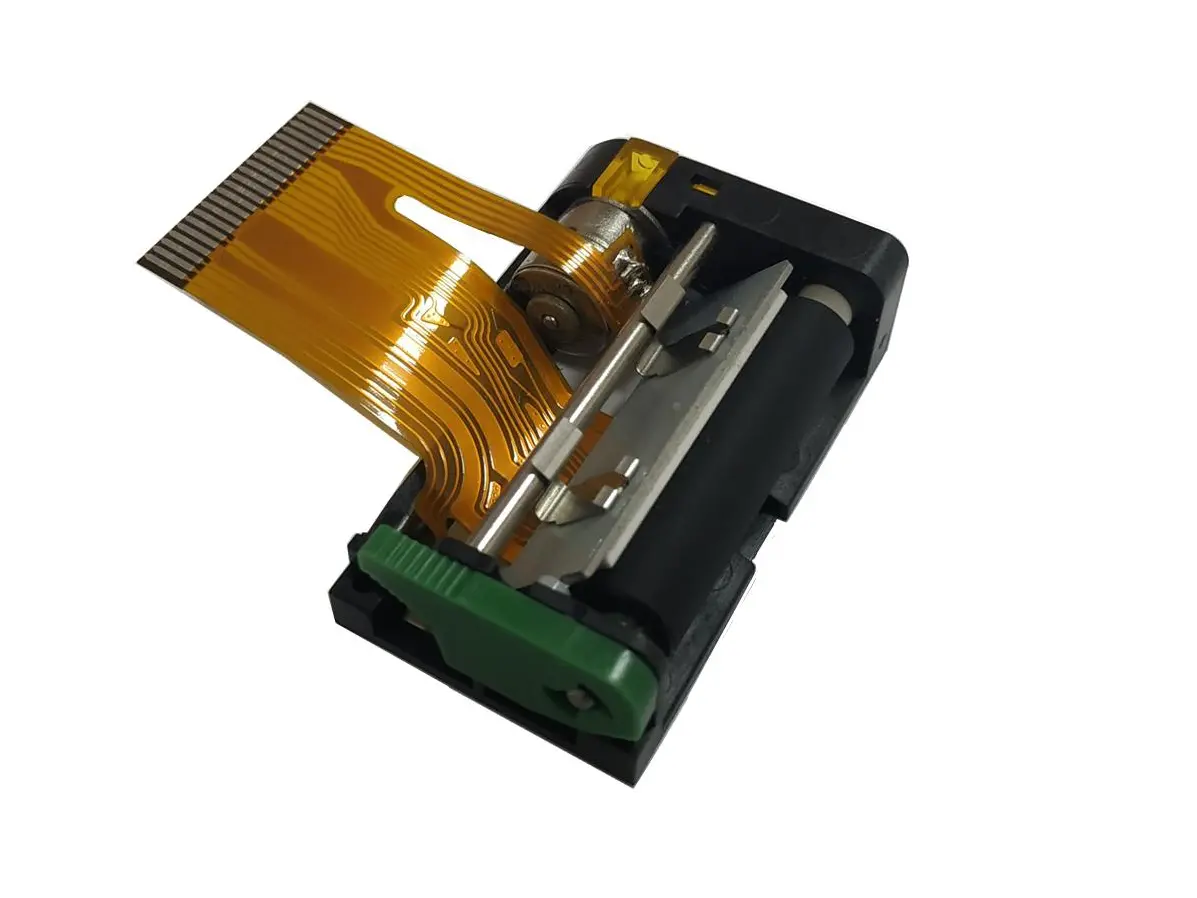
 1 inch thermal printer mechanism
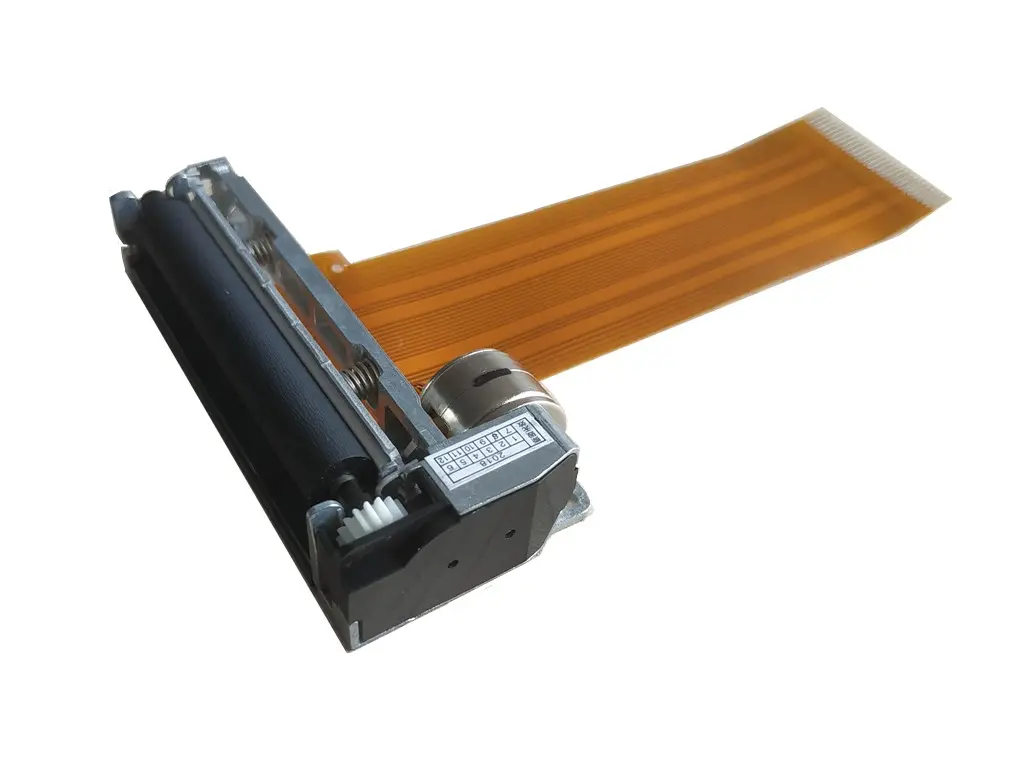 2 inch thermal printer mechanism
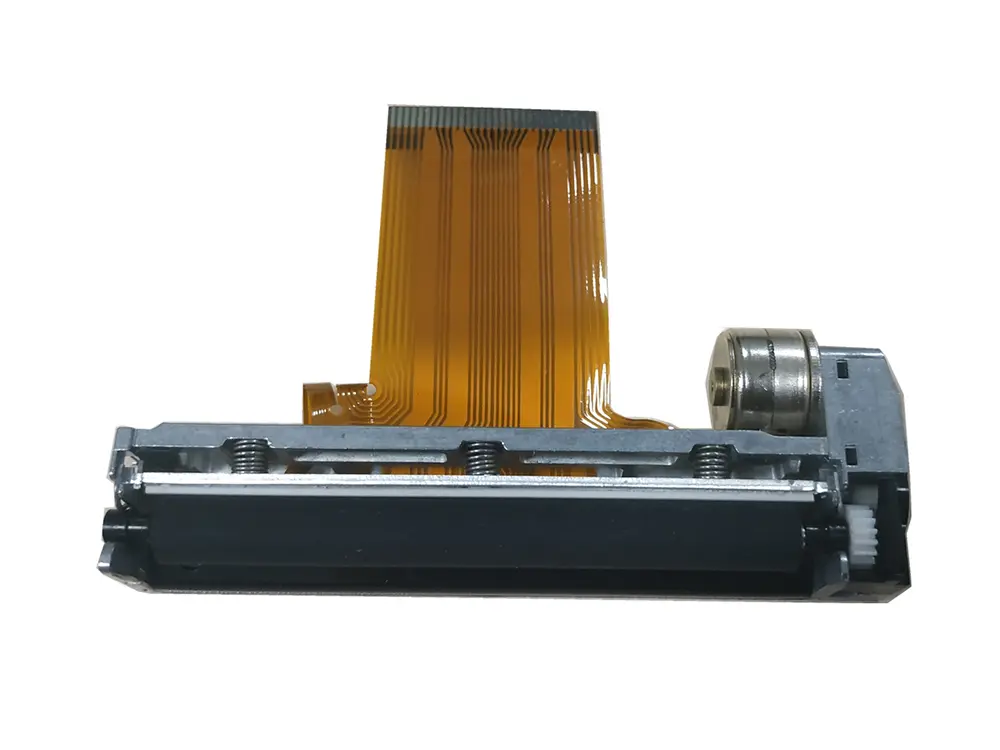 3 inch thermal printer mechanism
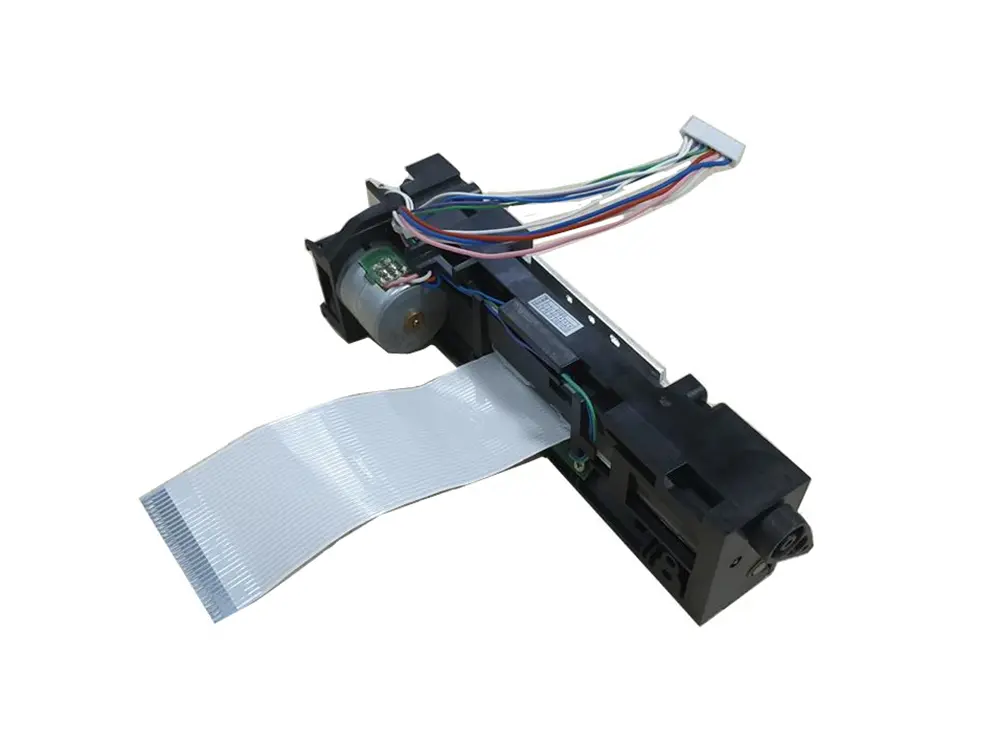 4 inch thermal printer mechanism
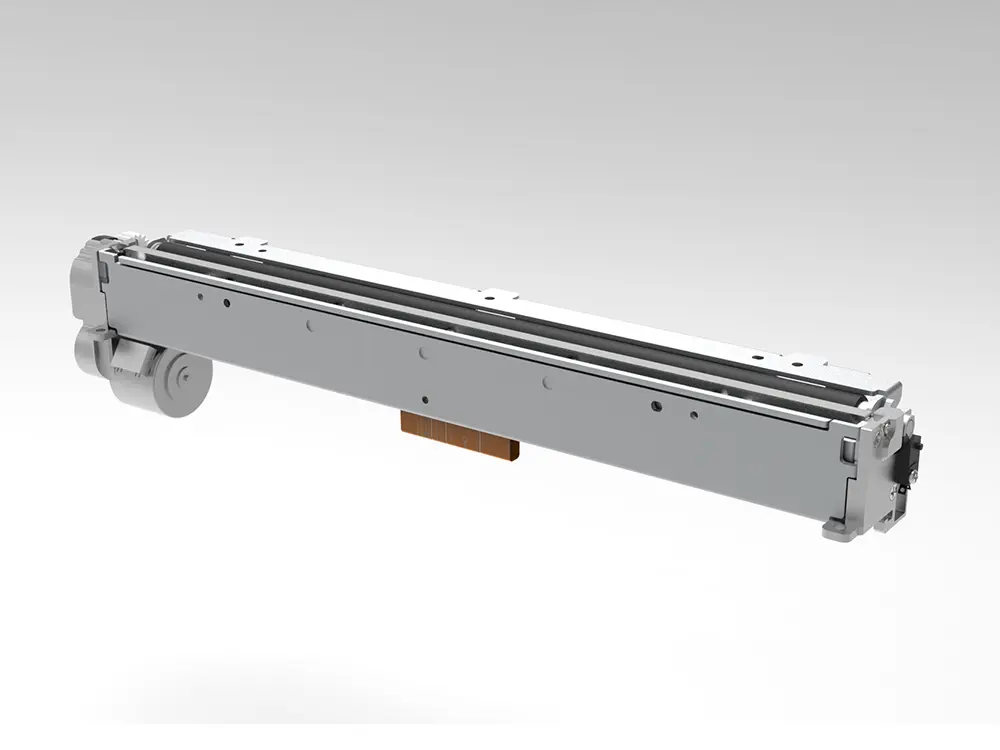 8 inch thermal printer mechanism
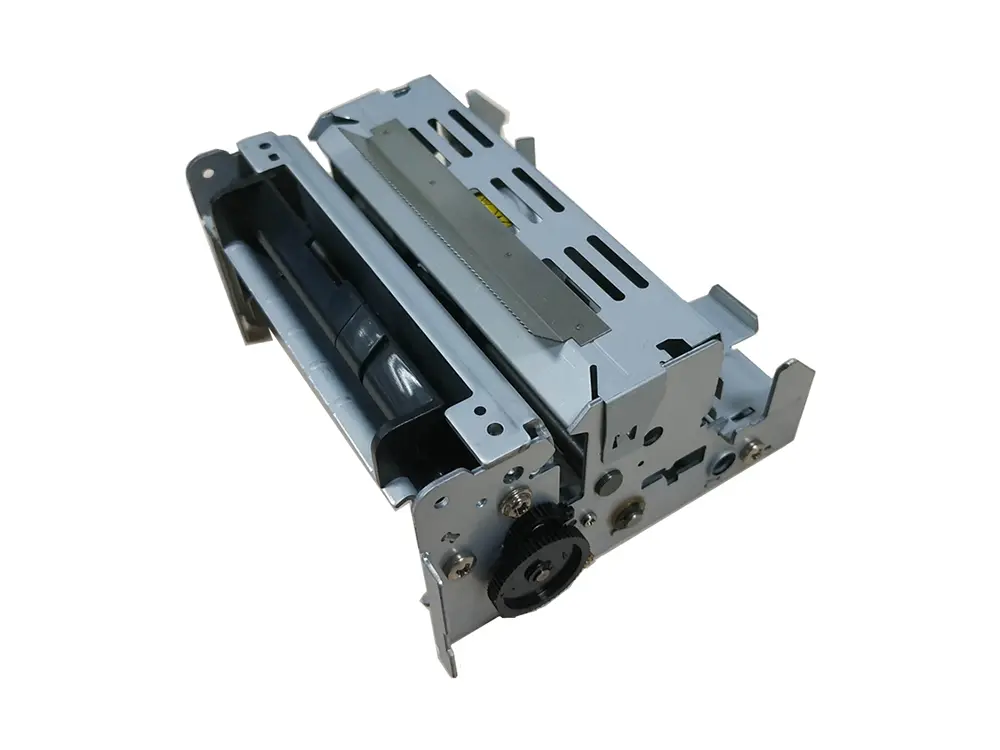 dot matrix printer mechanism
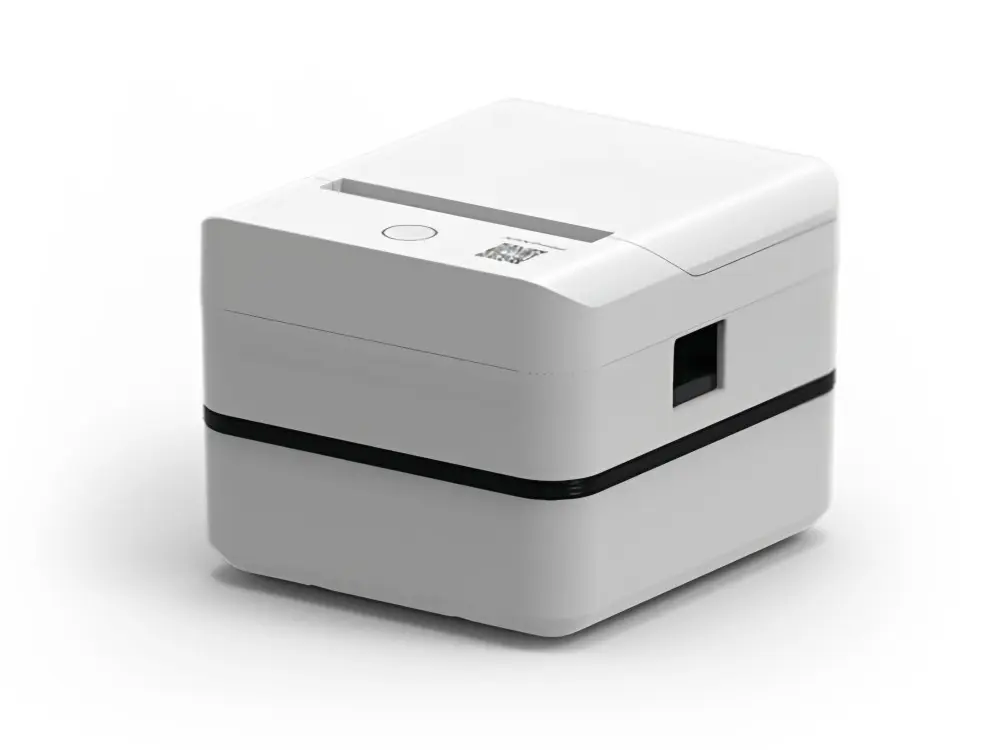 Label Printer
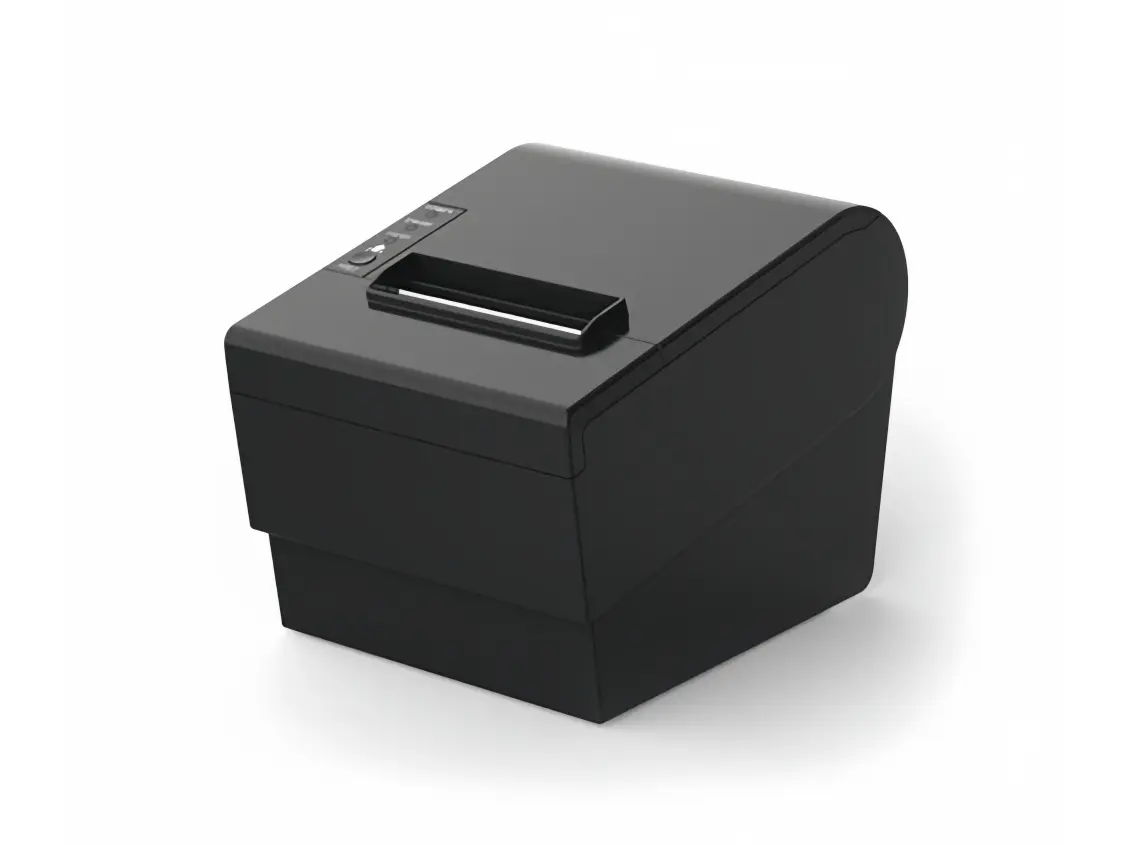 Receipt Printer
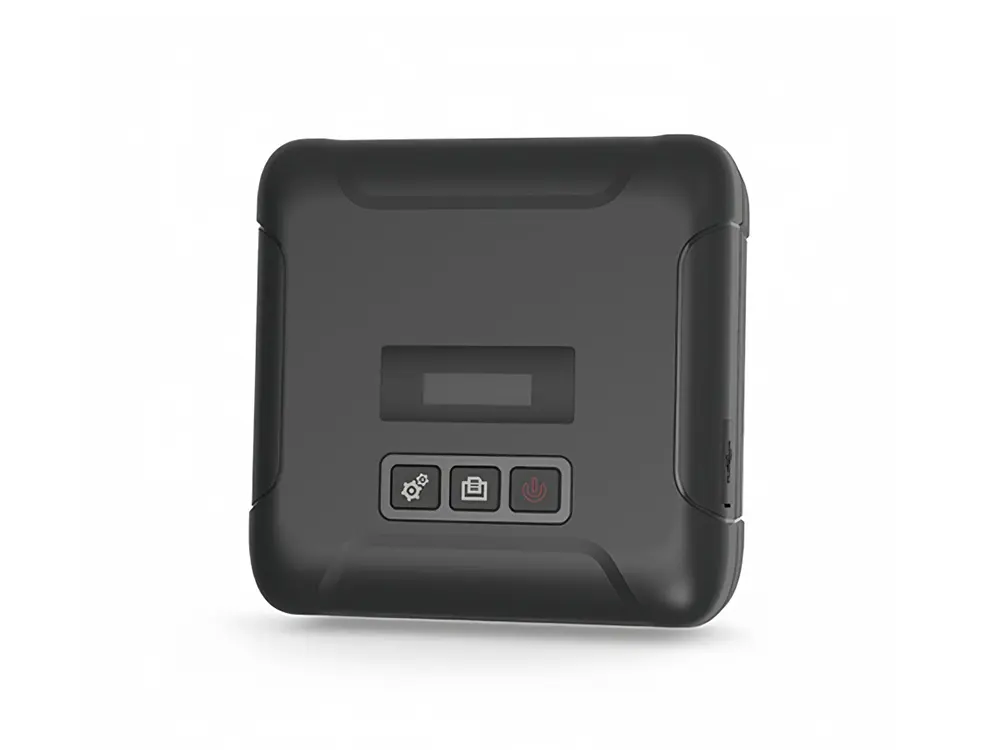 Mobile Printer


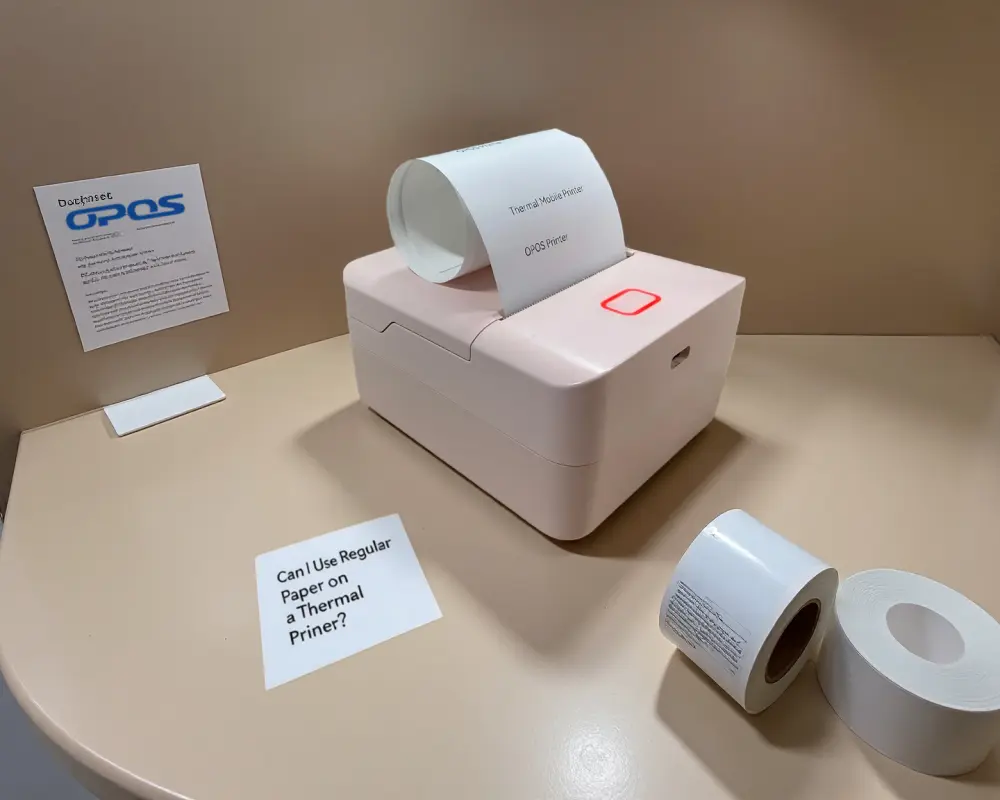





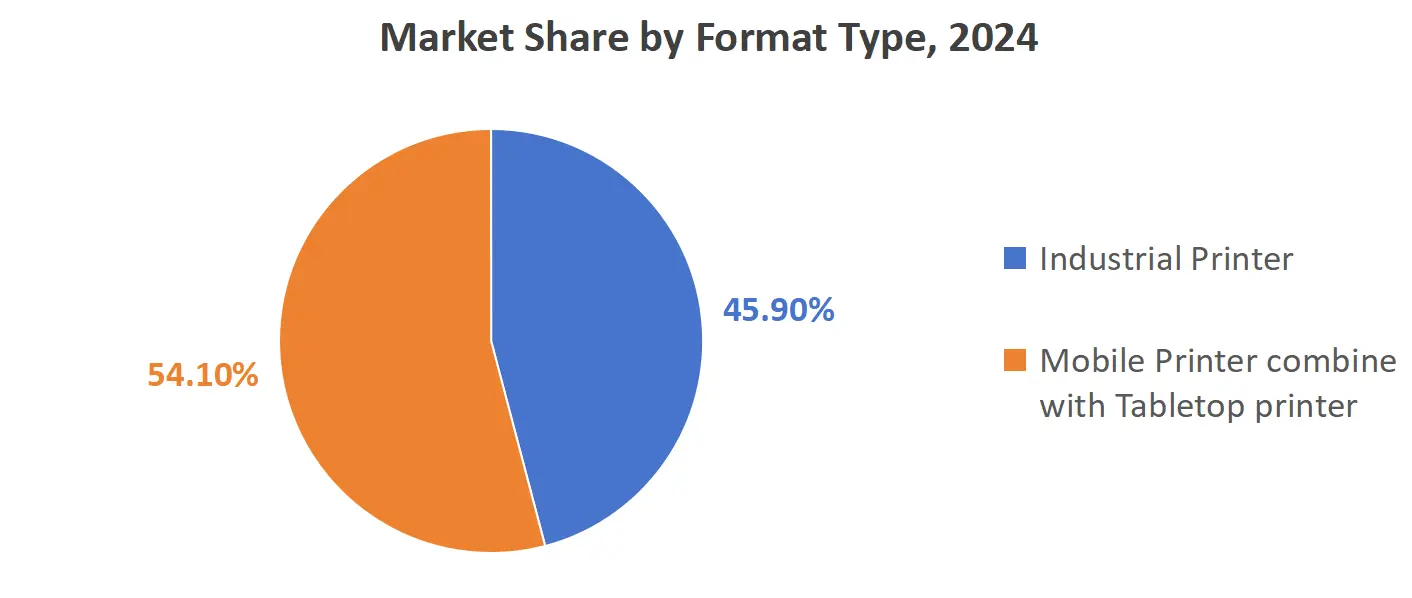
What Is a Thermal Printer Mechanism? Are you looking for the manufacturer of Thermal Printer Mechanism?
A thermal printhead, also known as a thermal printer mechanism, is the core component of a Thermal Printer. It is responsible for converting print data into images or text and printing it on thermal paper—without the need for traditional ink, toner, or ribbons.
The working principle is based on heat, the mechanism works by using the heating elements on the thermal print head to heat the thermal paper, causing a chemical reaction on the thermal coating of the paper, producing visible text, barcodes, or images.
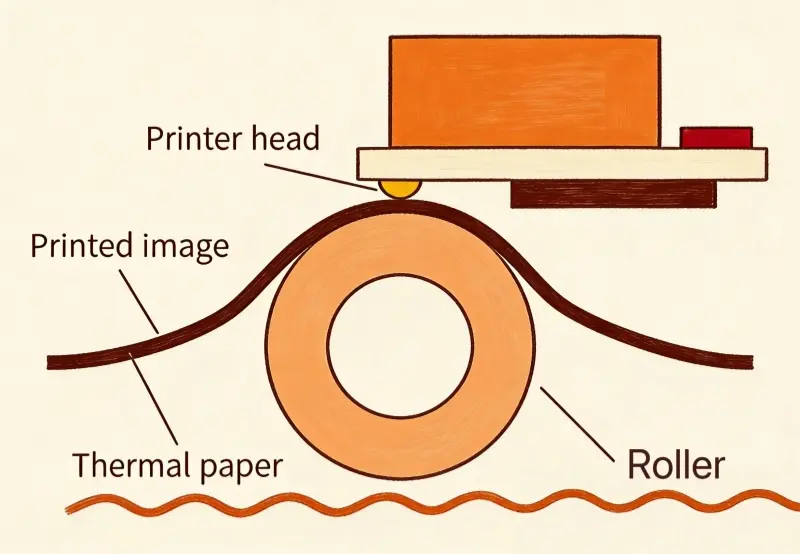
- What Are the Main Components of a Thermal Printer Mechanism?
A thermal printer mechanism typically consists of several key components:
- Thermal Printhead
The most critical component, made up of numerous microscopic heating elements.
Each element corresponds to a pixel on the thermal paper. When energized (usually above 100°C), it heats specific areas of the thermal paper to create text or graphics.
- Driver Circuit
Controls the current supplied to the heating elements. It processes incoming print data and converts it into precise heating signals.
- Thermal Substrate
Transfers heat efficiently from the printhead to the thermal paper, ensuring consistent print quality.
- Printer Body Structure
Includes the upper cover, lower housing, and viewing window. It provides structural support and protects internal components.
- Paper Feeding System (Transmission Mechanism)
Composed of stepper motors, rollers, and paper width adjustment components. This system ensures smooth and accurate paper movement during printing.
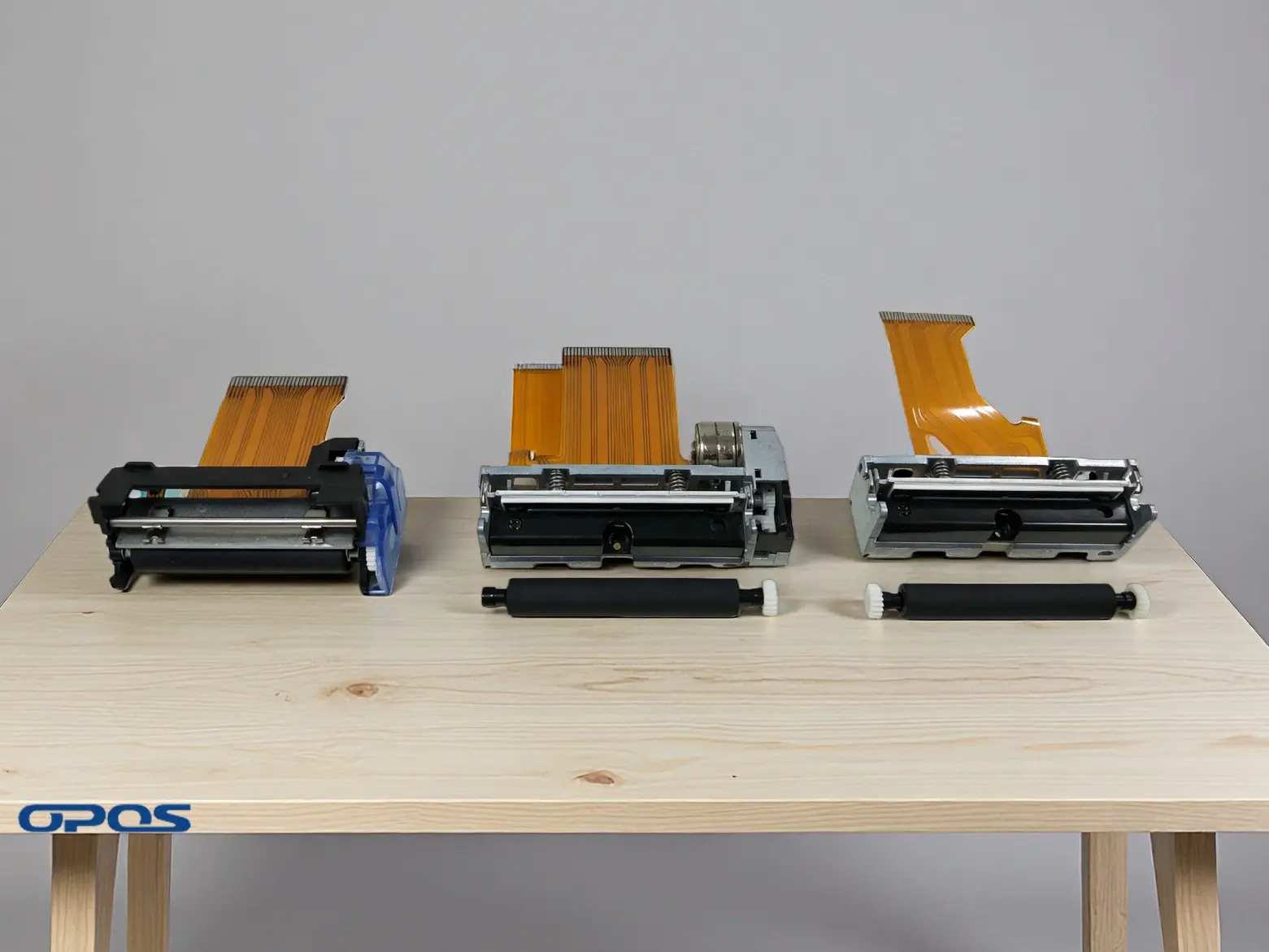
- Key Advantages of Thermal Printer Mechanisms
Thermal printing technology offers several important benefits:
- High-Speed Printing
Thermal printers eliminate ink drying time, achieving speeds of 50–200 mm/s, with industrial models exceeding 300 mm/s—ideal for high-volume applications like POS receipts and shipping labels.
- Low Noise Operation
Operating noise is typically below 45 dB, making thermal printers suitable for quiet environments such as hospitals, libraries, and offices.
- Easy Maintenance
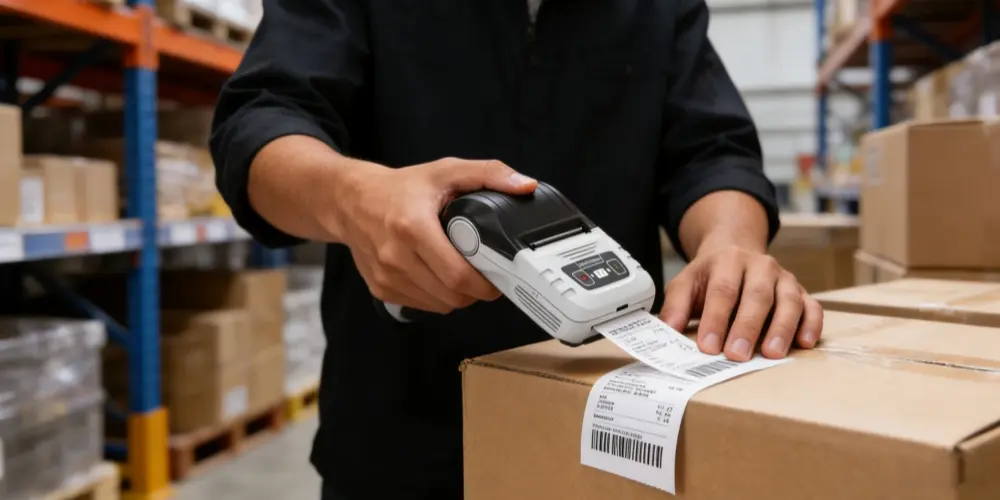
With weights ranging from 0.5 kg to 2 kg, many models are portable and ideal for mobile applications such as delivery services and field operations.
- Compact and Portable Design
No ink or ribbon replacement is required—only thermal paper. This reduces maintenance costs and simplifies operation. Thermal printheads are durable and easy to replace.
- Flexible Connectivity
Supports multiple interfaces including Bluetooth, USB, and mobile app integration, ensuring seamless connectivity across devices.
- Key Performance Specifications of Thermal Printheads
When selecting a thermal printer mechanism, consider the following performance indicators:
- Print Resolution (DPI)
Measured in dots per inch (dpi), it reflects the density of heating elements.
Common resolutions include 203 dpi and 300 dpi. Higher resolution delivers sharper and more detailed prints.
- Print Speed
Measured in mm/s or characters per second (cps), indicating how fast the printer can produce output.
- Print Width
The maximum printable width of the paper, measured in millimeters (mm).
- Print Life
Indicates the total printing distance a printhead can achieve under normal conditions, typically measured in kilometers (km).
For example, high-performance models can reach up to 150 km of print life, ensuring long-term reliability.
- Applications of Thermal Printheads
Thanks to their low operating cost, high speed, and simple structure, thermal printer mechanisms are widely used across industries:
- Retail
Printing price labels, barcodes, and receipts to improve store efficiency.
- Logistics & Warehousing
Generating shipping labels, barcodes, and QR codes for full tracking and error reduction.
- Healthcare
Labeling medications, patient records, and medical devices for improved safety and compliance.
- Manufacturing
Recording production data and enabling product traceability.
- Food Packaging
Printing expiration dates, ingredients, and batch information to meet regulatory standards.
- POS & Receipt Printing
Widely used in cash registers, ticketing systems, and courier services for fast and reliable output.
- Government & Public Services
Printing queue tickets, invoices, and official documents.
- Future Trends in Thermal Printing Technology
With continuous technological advancements, thermal printheads are becoming:
• Higher resolution (300 dpi and above)
• Faster printing speeds
• More energy-efficient and durable
These improvements allow thermal printers to meet the growing demands of modern industries.
6. About OPOS Electronic
OPOS Electronic offers a comprehensive range of high-quality thermal printheads and printer mechanisms designed for diverse applications.
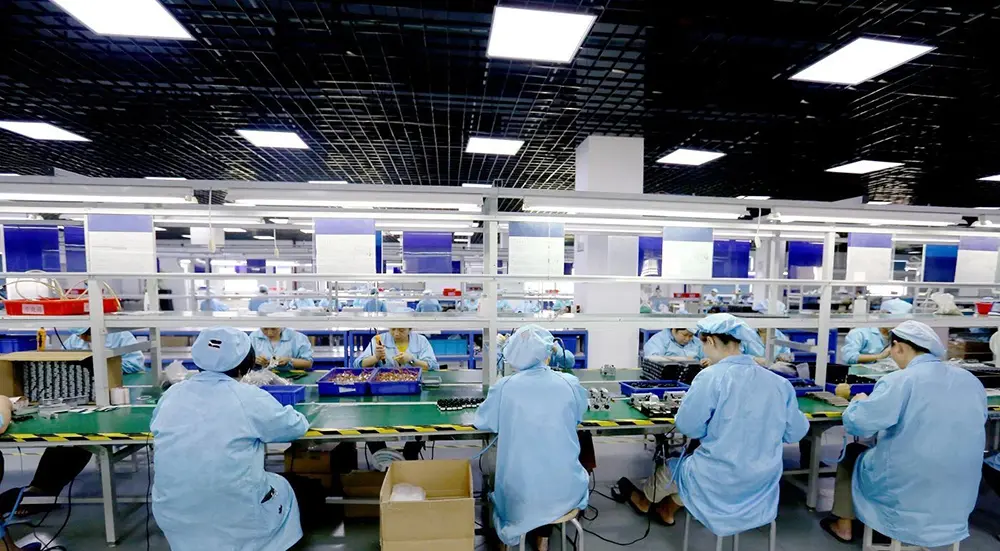
We support:
• Bulk purchasing
• OEM/ODM customization
• Industry-specific solutions
Contact us to find the right thermal printing solution for your business needs.