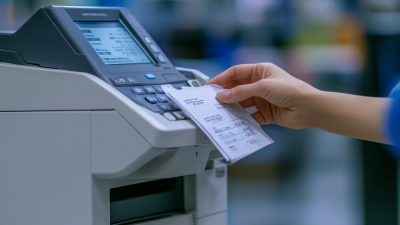
Top 10 Receipt Printers for Restaurants in China 2026?
In the fast-evolving restaurant industry in China, efficient operations are crucial. A reliable "Receipt Printer For Restaurant" can enhance service speed and accuracy. According to a recent report by the National Restaurant Association, about 70% of restaurants are investing in advanced technology, including printing solutions, to streamline their processes.
Expert Julie Chen, a prominent figure in the hospitality technology space, stated, "Investing in the right receipt printer can drastically reduce wait times and improve customer satisfaction." As businesses seek innovative solutions, the demand for high-quality receipt printers continues to grow.
However, not all printers meet restaurant needs. Some models lack durability or compatible features. Choosing the wrong printer can lead to frustration and inefficiencies. Thus, selecting the best receipt printer is essential for enhancing restaurant operations and customer experiences.
Overview of Receipt Printing in Chinese Restaurants
Receipt printing plays a crucial role in the efficiency of Chinese restaurants. Traditionally, many establishments relied on handwriting orders and printing bills using older machines. This approach has become outdated as technology progresses. Modern receipt printers offer speed and precision, enhancing customer experience and streamlining operations.
In recent years, digital systems have become prevalent. Many restaurants now utilize integrated point-of-sale systems. These systems seamlessly connect kitchen displays with receipt printers. However, some establishments still struggle with compatibility issues or frequent paper jams. Choosing the right equipment is vital for maintaining consistent service quality. Practicing regular maintenance can help mitigate these problems.
Integration with mobile payment solutions is increasingly important. Chinese consumers favor mobile payment options, making it necessary for restaurants to adapt. Ensuring that receipt printers can handle various payment methods is essential for customer satisfaction. However, restaurants must also consider user training. Without proper training, staff may still encounter challenges when using new technologies. Embracing innovation requires ongoing learning and adaptation in this fast-paced environment.
Key Features to Consider in Receipt Printers
When selecting a receipt printer for your restaurant, key features can greatly impact efficiency.
Speed is crucial; a printer that produces receipts quickly minimizes customer wait times.
A model that prints at least 200mm per second usually meets busy restaurant demands.
Consider also the connectivity options. USB, Ethernet, and Bluetooth connections allow various integration methods with POS systems.
Print quality should not be overlooked.
Clear, legible receipts enhance communication with customers.
Resolution between 203 and 300 DPI is ideal for readability.
Durability is another factor; a well-built printer withstands daily use, reducing long-term costs.
Check for an easy paper loading mechanism as it saves time during busy hours.
Moreover, thermal printers are commonly preferred due to their reliability and minimal maintenance needs.
Battery life matters for those who need portability.
Assess ease of setup too, as complicated installations can lead to frustration.
Sometimes, additional features like barcode scanning capabilities can be a double-edged sword.
They may seem beneficial but might complicate operations for simpler setups.
Balancing these aspects is vital for making the right choice.
Top 10 Receipt Printers for Restaurants in China (2026)
In the fast-paced restaurant environment in China, efficient receipt printing plays a crucial role. Adopting the right receipt printer can enhance overall operational efficiency. High-quality printing ensures accurate and clear receipts, minimizing customer confusion. The latest models are faster, compact, and often come with advanced connectivity options.
Selecting a receipt printer involves considering various factors. Longevity and reliability are essential. Many printers face issues that lead to frequent malfunctions or paper jams. Regular maintenance may be required to avoid operational lags. It’s also important to assess the printer's compatibility with existing POS systems.
Restaurant owners often overlook the impact of user-friendly interfaces. Complex devices can frustrate staff, leading to delays. Testing different models can reveal which printers meet real-world demands. Not all popular choices are suitable for every establishment. Reflection on user experience is key in making an informed decision.
Comparison of Pricing and Performance of Leading Models
When selecting a receipt printer for restaurants in China, comparing pricing and performance is critical. Many models offer competitive features, but prices can vary significantly. Budget options may provide basic functionalities. However, they often lack durability and print speed. Higher-end models might be pricier, yet they typically offer superior reliability and faster output.
One key aspect is print speed. Fast printers increase efficiency during peak hours. Some models print receipts in under 60 milliseconds, while others may take longer. In the bustling restaurant environment, these seconds can impact customer satisfaction. Additionally, connectivity options greatly affect usability. Models that support Bluetooth and Wi-Fi allow for flexible placement within the restaurant, but they may incur higher costs.
Choosing a printer also requires considering the types of materials used. Some printers handle various receipt papers, ensuring versatile operations. Others may be limited to standard formats. This limitation could impact efficiency, especially for businesses needing custom receipts. Overall, understanding pricing against performance is essential for making the right choice in the competitive restaurant industry.
Top 10 Receipt Printers for Restaurants in China 2026
Future Trends in Receipt Printing Technology for Restaurants
As we look towards 2026, the landscape of receipt printing for restaurants in China is evolving rapidly. Innovations in technology are reshaping how establishments streamline their operations. One significant trend is the shift towards wireless printing solutions. Restaurants are now able to print receipts from any location, reducing clutter on counters and improving customer service.
Another essential development is the integration of cloud-based systems. This allows restaurants to centralize their order data, enhancing accuracy and enabling real-time updates. Restaurant owners should consider investing in systems that provide robust analytics. These insights can guide inventory management and customer preferences.
Tip: When selecting a printer, prioritize models with energy efficiency. This can lead to cost savings in the long run.
While advancements are exciting, they often require training staff to adapt. Some employees may resist new technologies. It’s crucial to involve everyone in the transition process, addressing any concerns they have.
Tip: Provide hands-on training sessions. This will build confidence among staff and ensure smoother adoption of new systems.
As new technologies emerge, restaurants must stay informed. Keeping up with industry trends will facilitate better decision-making and improve overall efficiency.

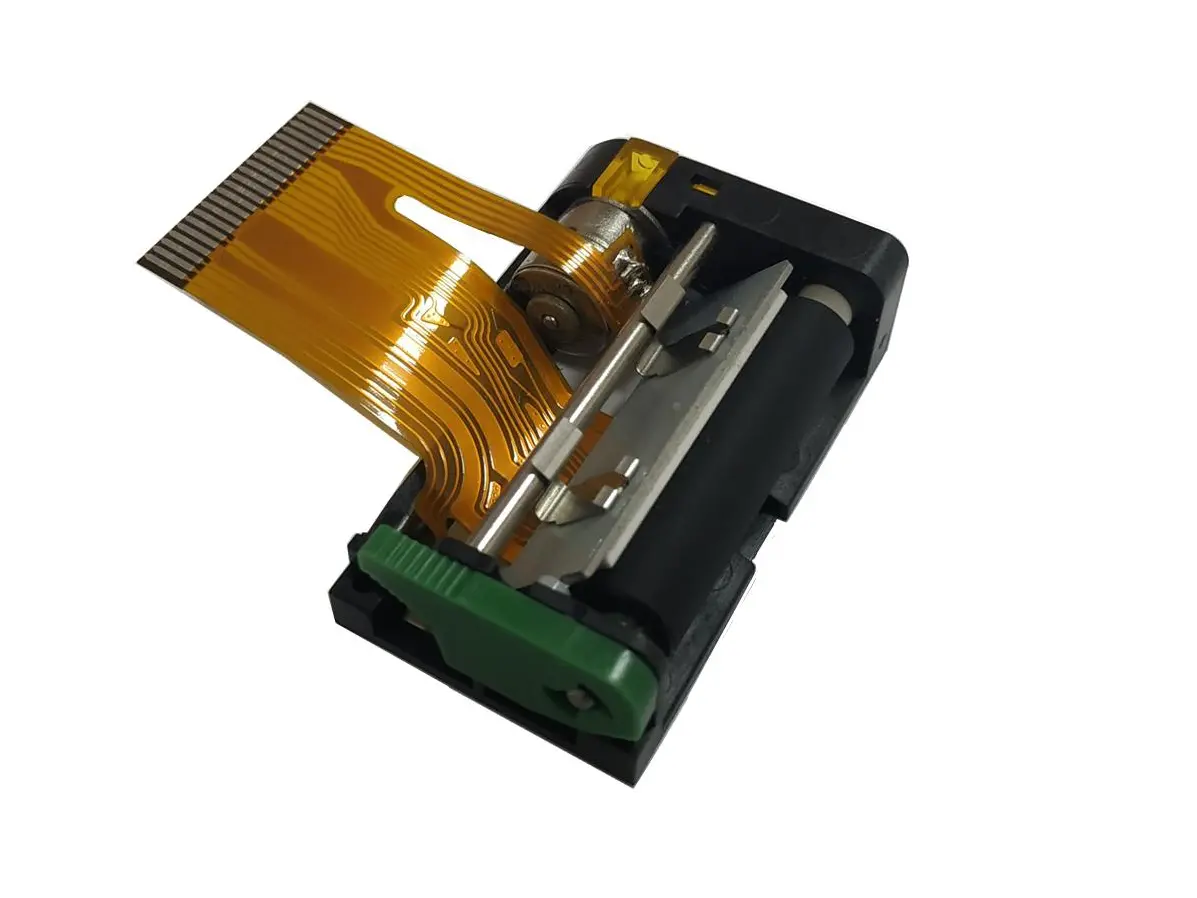 1 inch thermal printer mechanism
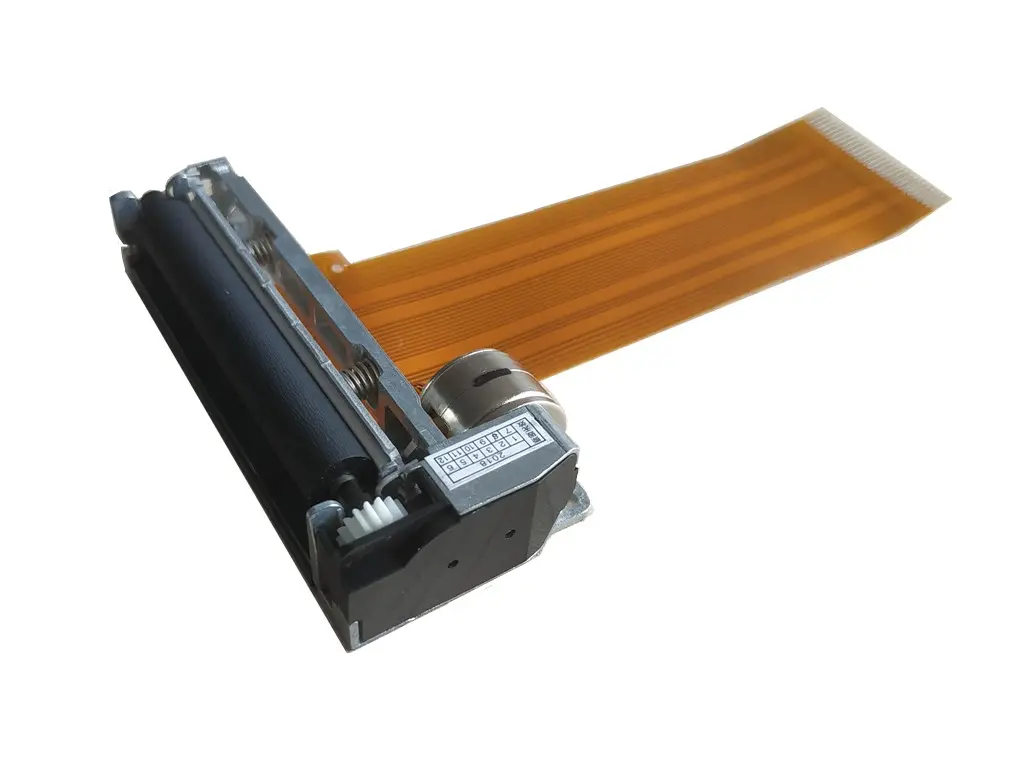 2 inch thermal printer mechanism
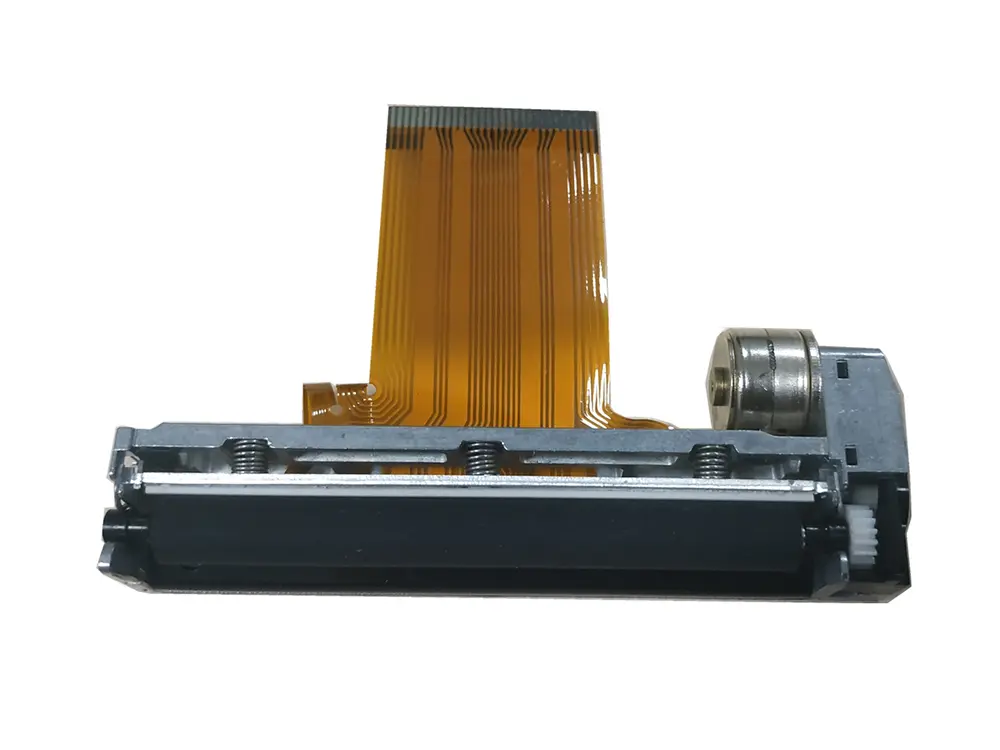 3 inch thermal printer mechanism
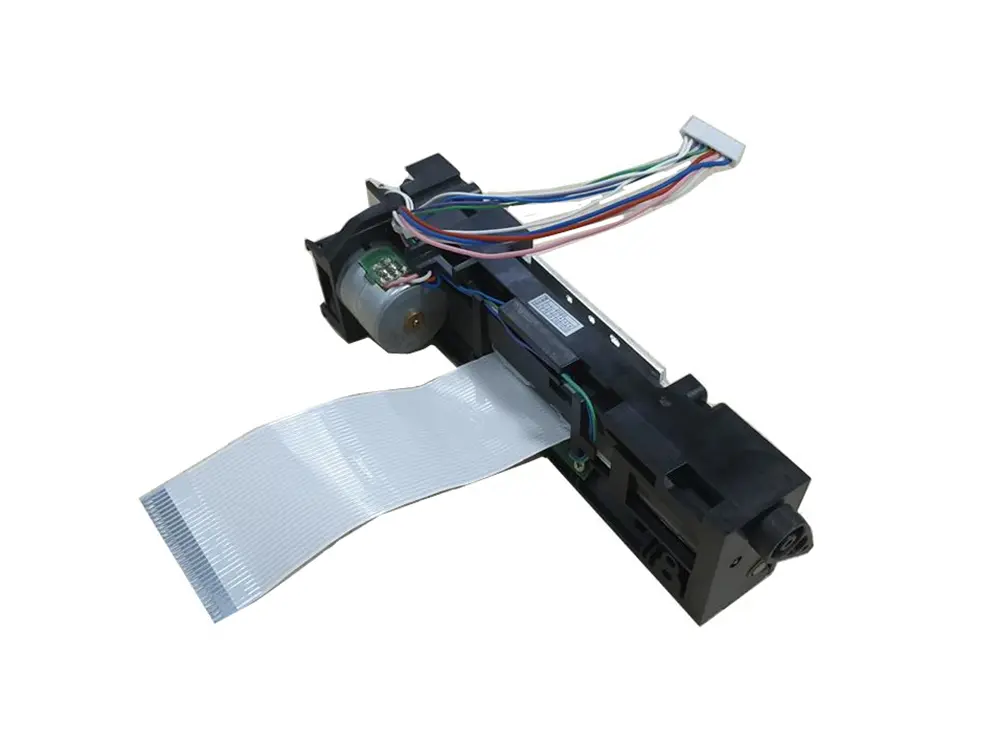 4 inch thermal printer mechanism
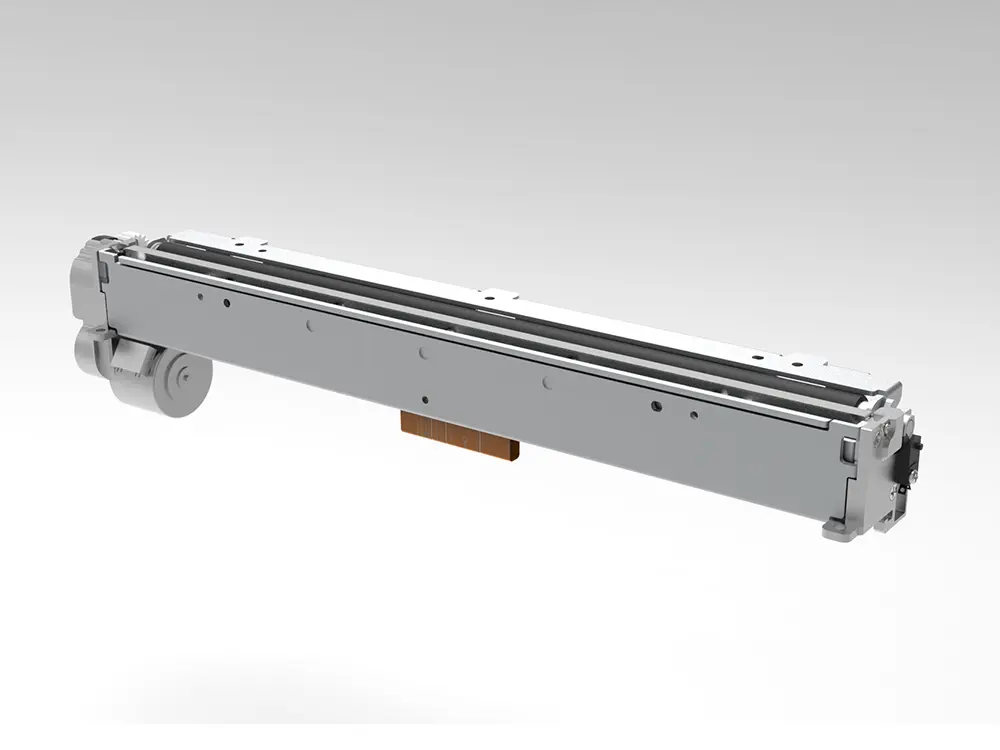 8 inch thermal printer mechanism
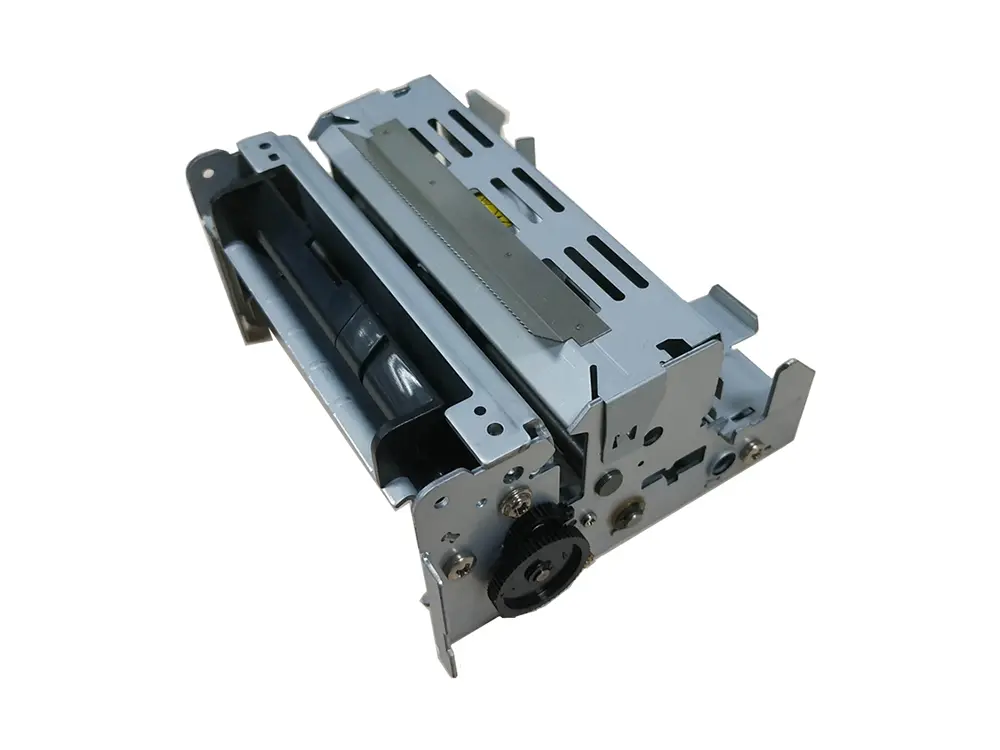 dot matrix printer mechanism
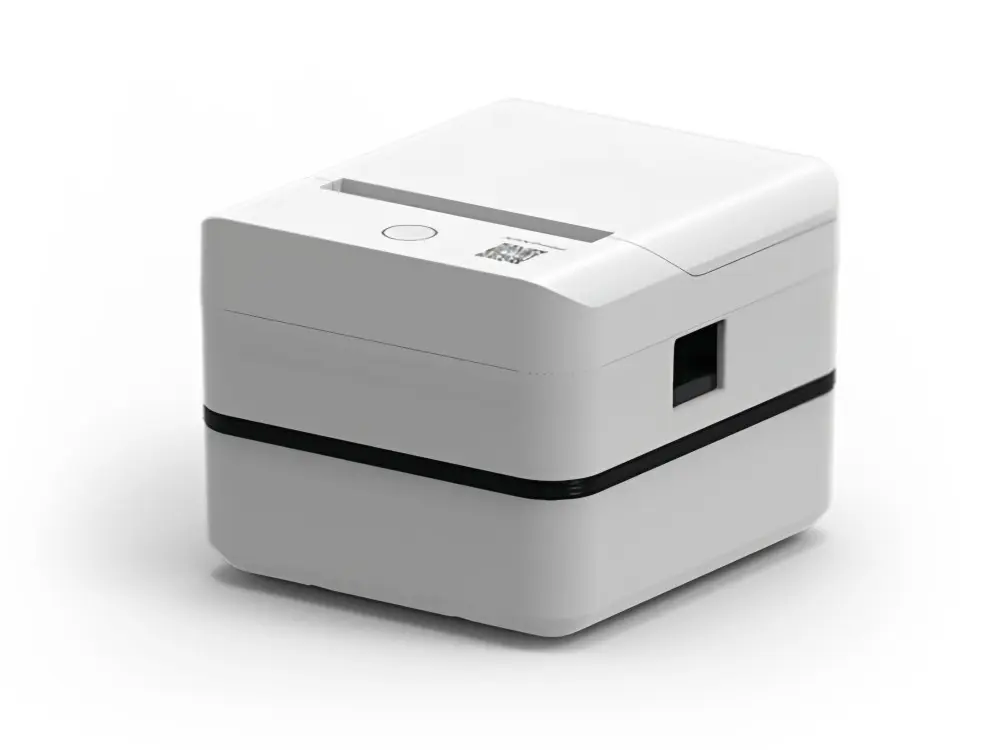 Label Printer
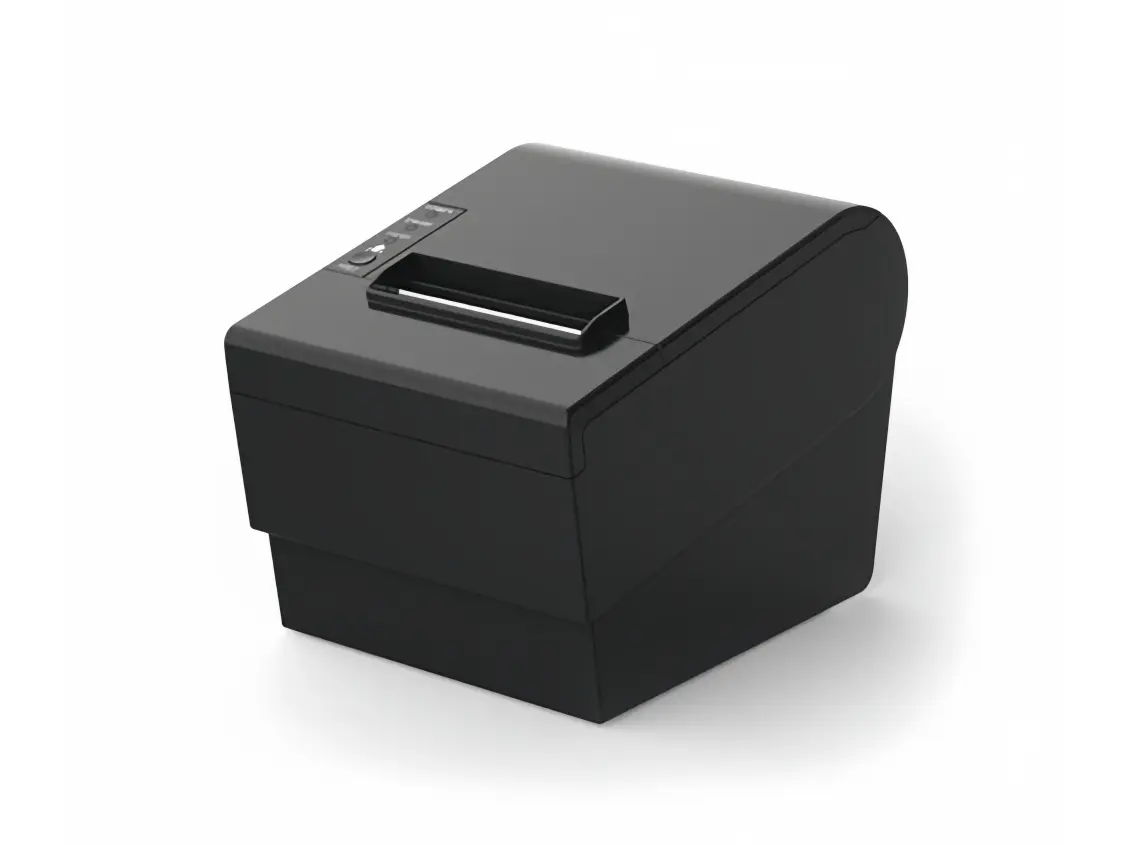 Receipt Printer
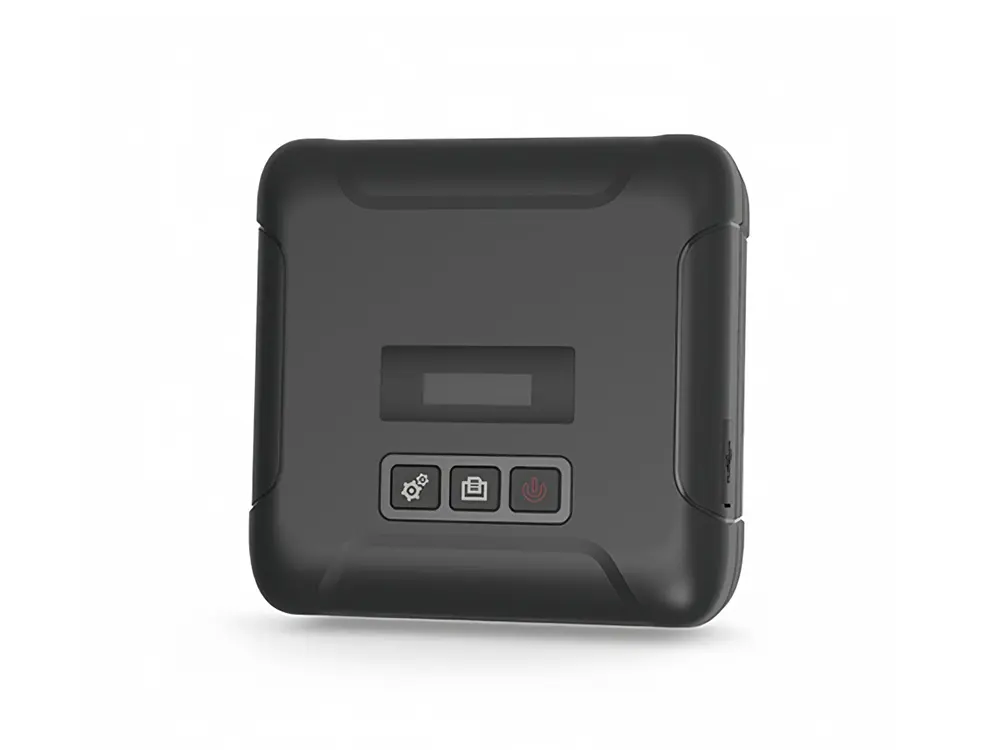 Mobile Printer