Top 5 Mobile Thermal Printers You Should Consider?
In today's fast-paced world, a Mobile Thermal Printer can be a game changer. These compact devices make it easy to print receipts, labels, and tickets on the go. Imagine a busy retail store where quick service is vital. A Mobile Thermal Printer ensures that checkout lines move swiftly, satisfying customers.
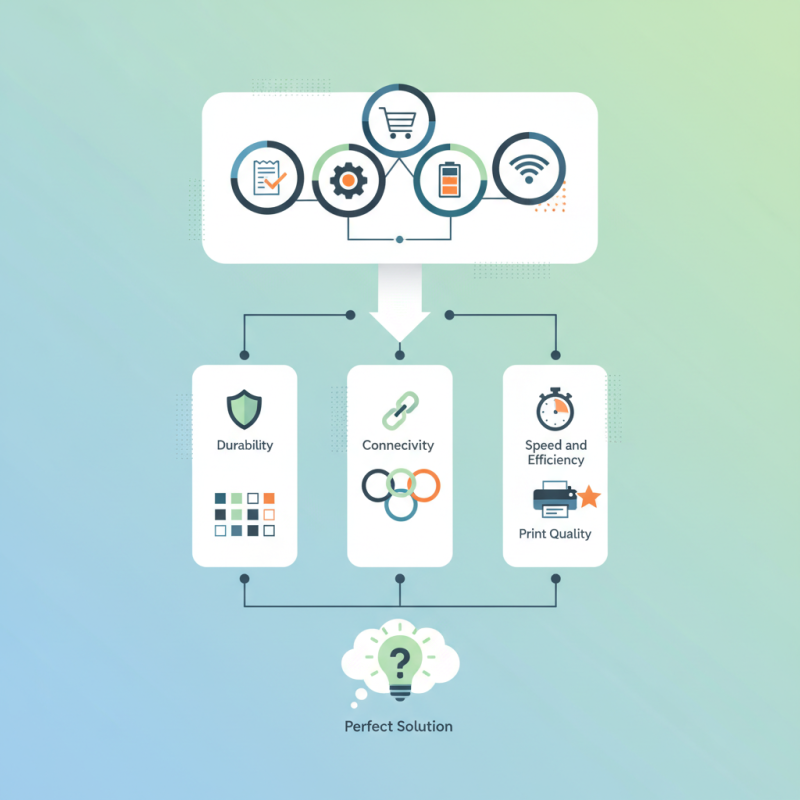
However, not all mobile printers are created equal. Some lack durability, while others may have limited connectivity options. Factors such as battery life and print quality also play significant roles in choosing the right one. Users often face the challenge of finding a model that fits their specific needs.
As you explore various options, reflect on what features matter most. Consider your daily tasks and how a Mobile Thermal Printer can enhance efficiency. This inquiry will lead you to the perfect solution for your printing demands.
Overview of Mobile Thermal Printers and Their Uses
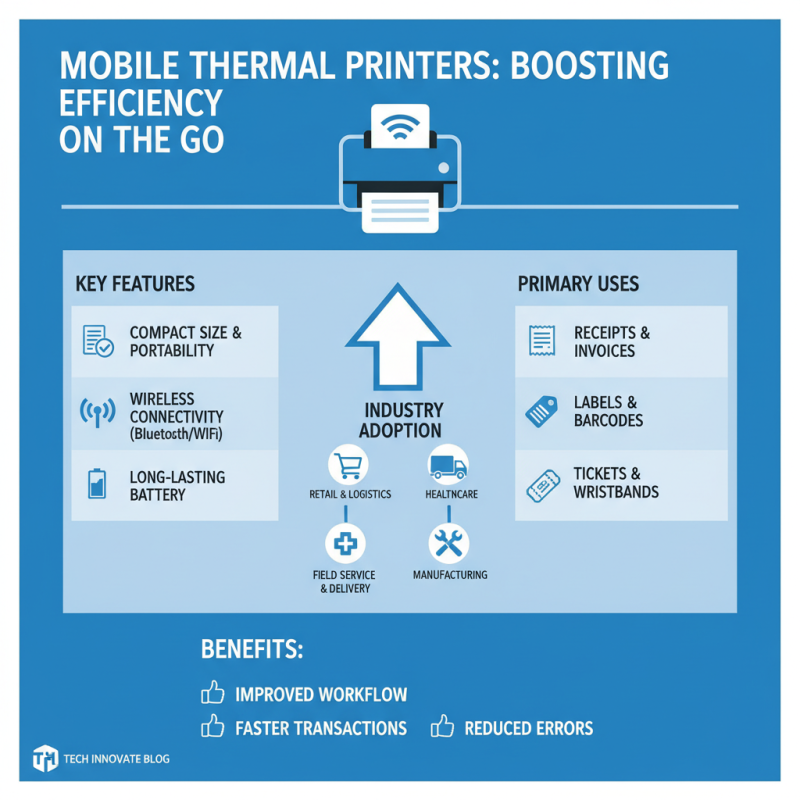
Mobile thermal printers are gaining popularity in various industries. Their compact size makes them suitable for on-the-go printing. These devices are commonly used for printing receipts, labels, and tickets. Many businesses find them essential for improving workflow efficiency. The convenience of wireless connectivity allows users to print from smartphones or tablets.
In the retail sector, mobile thermal printers enhance the customer experience. They enable quick transactions and reduce wait times. In the logistics industry, these printers are vital for labeling packages accurately. However, they can sometimes face connectivity issues, which can be frustrating. Battery life is another concern; it may not last as long as expected during busy periods.
Healthcare facilities also benefit from mobile thermal printing. They can print patient wristbands or medication labels right at the bedside. This helps prevent errors in patient care. Yet, not every model is user-friendly. Some users may struggle with complicated interfaces or setup processes. This points to an area needing improvement in design and functionality.
Key Features to Look for in a Mobile Thermal Printer
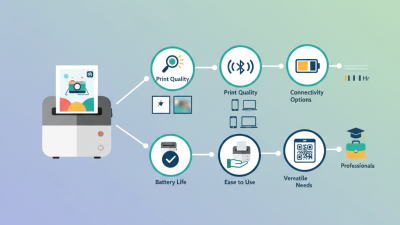
When considering mobile thermal printers, certain features stand out. Battery life is crucial. Look for printers that can last at least a full workday. A robust battery prevents interruptions during busy tasks. Weight is another factor. Lightweight models are easier to carry. Comfort counts when you’re on the go.
Print speed matters too. A good printer should produce clear, sharp prints quickly. Less waiting means higher efficiency. Connectivity options are also vital. Bluetooth or Wi-Fi capabilities enhance flexibility for different devices. Compatibility with various operating systems adds to usability.
Portability is key. Some printers come with protective cases for durability, which is an added advantage. User-friendly interfaces can simplify tasks. Touchscreens or well-placed buttons aid navigation. Yet, some models may have interfaces that aren’t intuitive. It’s worth testing them out. In the end, assessing these key features will help make a better choice. Each user’s needs vary, and taking time to reflect on them is essential.
Top 5 Mobile Thermal Printers: An In-Depth Review
Choosing the right mobile thermal printer can be challenging. Many options exist, each with unique features. The best printers are portable, user-friendly, and durable. They should also offer high print quality and speed. Battery life is crucial, too. Long-lasting power means more time for printing on the go.
Connectivity options matter. Bluetooth and Wi-Fi capabilities allow seamless pairing with smartphones and tablets. Some printers struggle in this area. Users often face connection issues. This can lead to frustration in critical situations.
Ergonomic design is another factor to consider. A comfortable grip can make a significant difference during use.
Print size and resolution should fit your needs. Some printers offer various sizes, while others do not. Users might find themselves limited by printer dimensions. An ideal machine balances size and functionality. Reviews from real users provide valuable insights. They often highlight aspects that may need improvement.
Comparative Analysis of Pricing and Performance of Each Printer
When evaluating mobile thermal printers, price and performance are key factors. A recent study indicates that the average price range for these devices is between $150 to $300. Lower-priced models may compromise on print quality and speed, which can impact workflow efficiency.
For instance, printers priced around $150 often deliver approximately 50 mm/sec, while those closer to $300 can reach 100 mm/sec.
Performance metrics such as print resolution also vary significantly. Many mid-range printers offer resolutions around 203 DPI, which suffice for basic label printing. However, higher-end models can boast 300 DPI or more. Such enhancements often come at a premium but are essential for detailed graphics and barcodes.
Interestingly, usage patterns dictate choices. Businesses needing high-volume printing may prioritize speed over price, while others might seek balance.
Battery life is another consideration often overlooked. Reports suggest that many basic models last only 6 hours, whereas advanced options can extend up to 12 hours. This discrepancy can lead to productivity issues for users who work on the go.
Balancing initial costs with long-term benefits requires careful thought. Investing in a more expensive unit might yield better returns over time due to its durability and efficiency.
User Feedback and Recommendations for Optimal Choices
When choosing a mobile thermal printer, user feedback plays a crucial role. According to a recent industry survey, 75% of users prioritize portability and ease of use. Many users report issues with battery life, which can hinder productivity. Less than 25% are satisfied with their printer’s battery performance. This concern highlights the need for manufacturers to address longevity in future designs.
The printing speed is another factor that receives mixed reviews. Some users appreciate printers that can deliver a printed page in under 5 seconds. However, nearly 30% express frustration with slower models, finding them unsuitable for high-volume tasks. User recommendations stress the importance of consistent quality in printing. A report from a market analysis firm revealed that print quality significantly influences customer satisfaction, with 65% of users willing to recommend options that meet their expectations.
In diverse work environments, versatility is key. Many users mention that being able to print different label sizes is essential. Yet, only a few models cater to this need effectively. Approximately 40% of users call for better connectivity options as well. While Bluetooth and Wi-Fi features are common, many users still experience connectivity issues, leading to delays. These insights can guide potential buyers in making informed decisions while also prompting manufacturers to reflect on areas needing improvement.

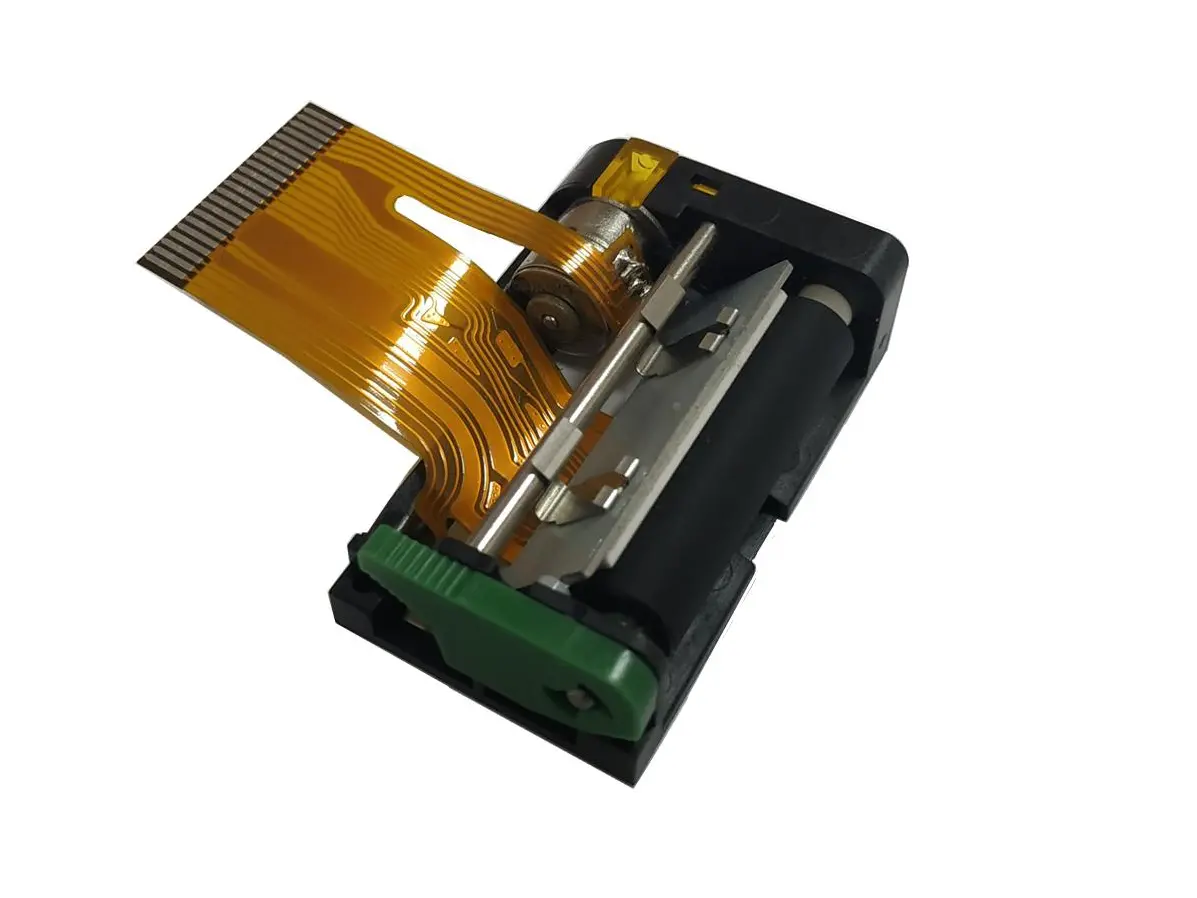 1 inch thermal printer mechanism
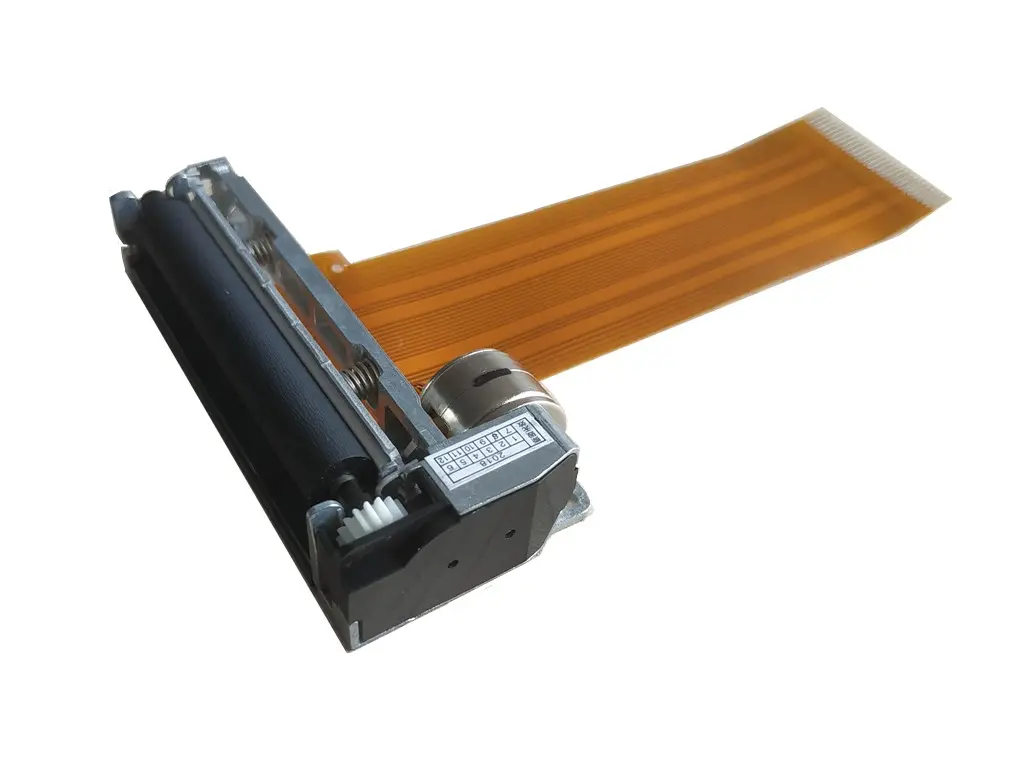 2 inch thermal printer mechanism
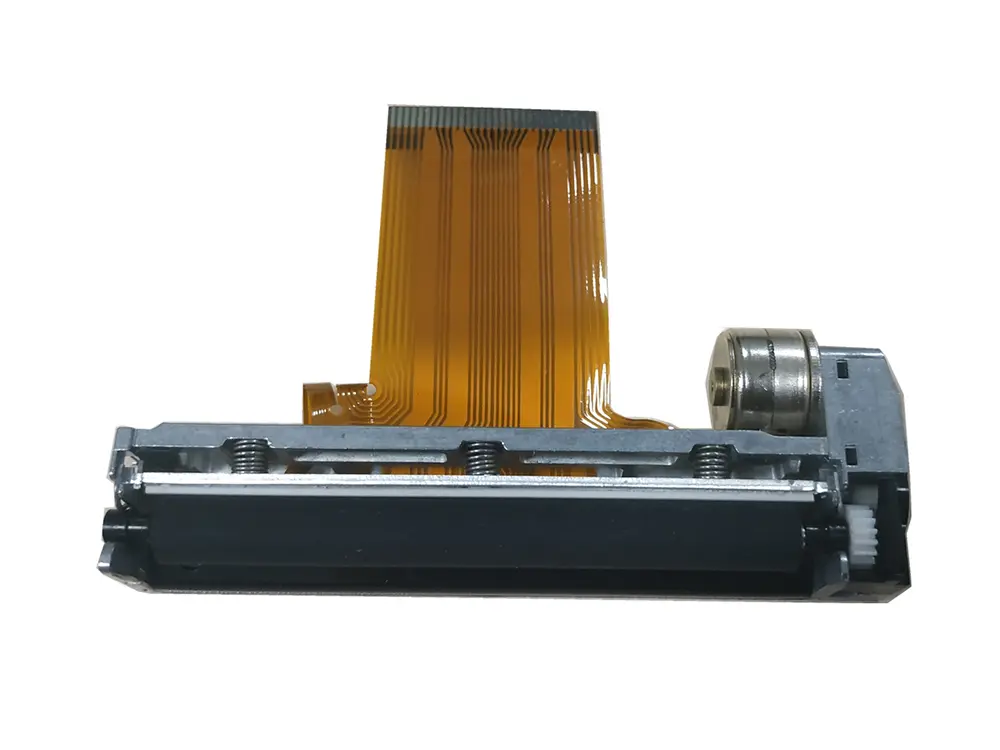 3 inch thermal printer mechanism
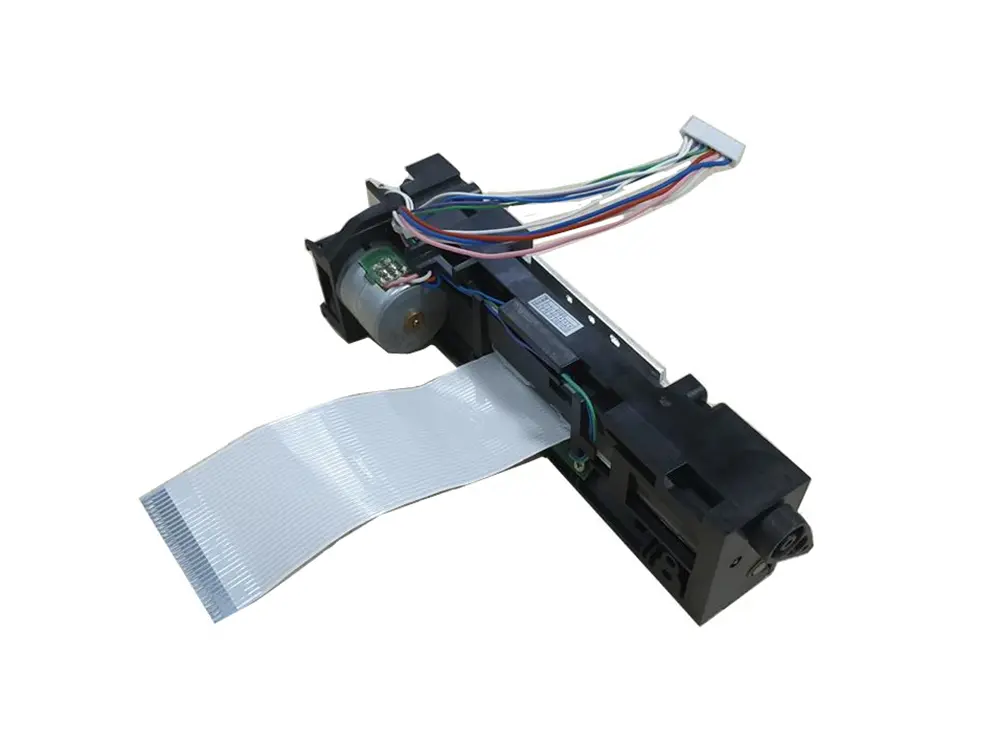 4 inch thermal printer mechanism
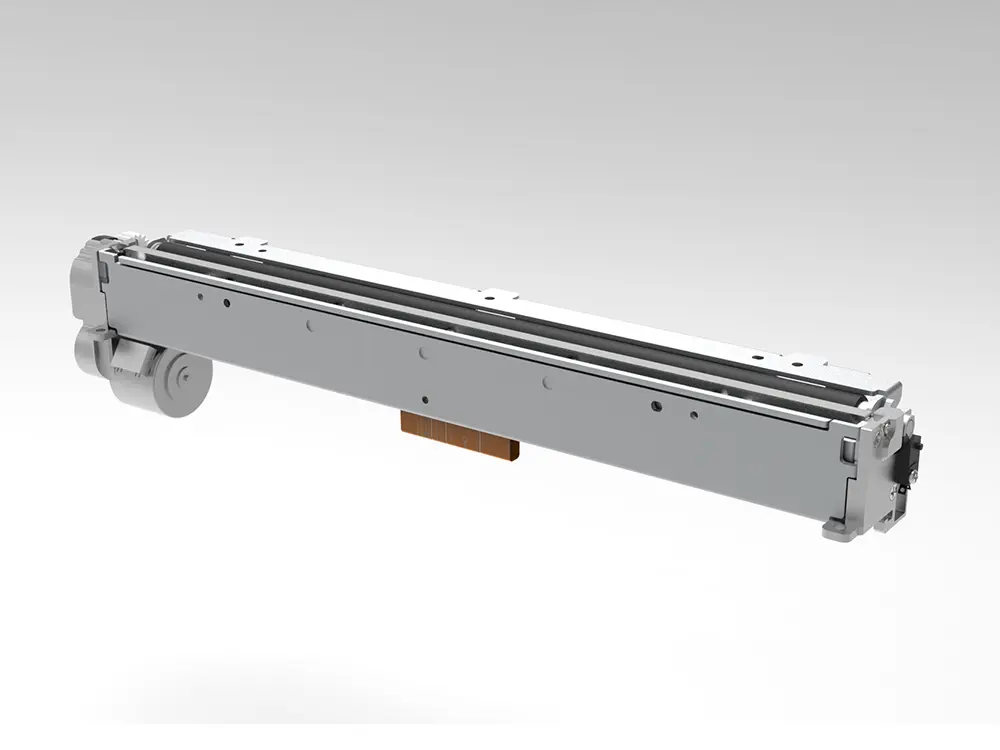 8 inch thermal printer mechanism
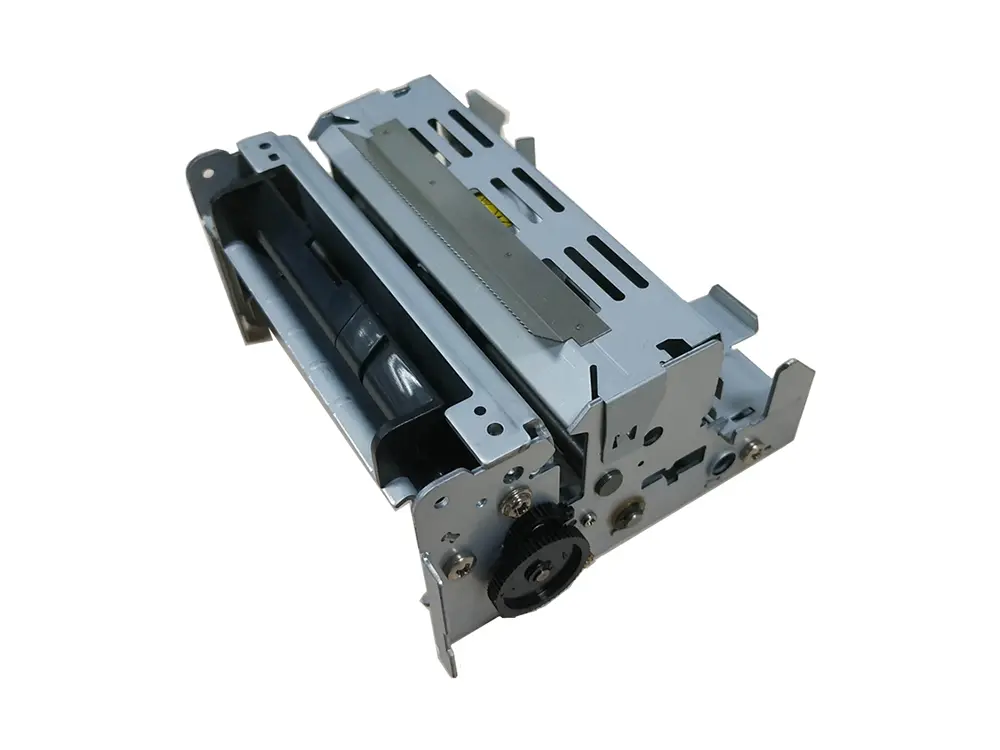 dot matrix printer mechanism
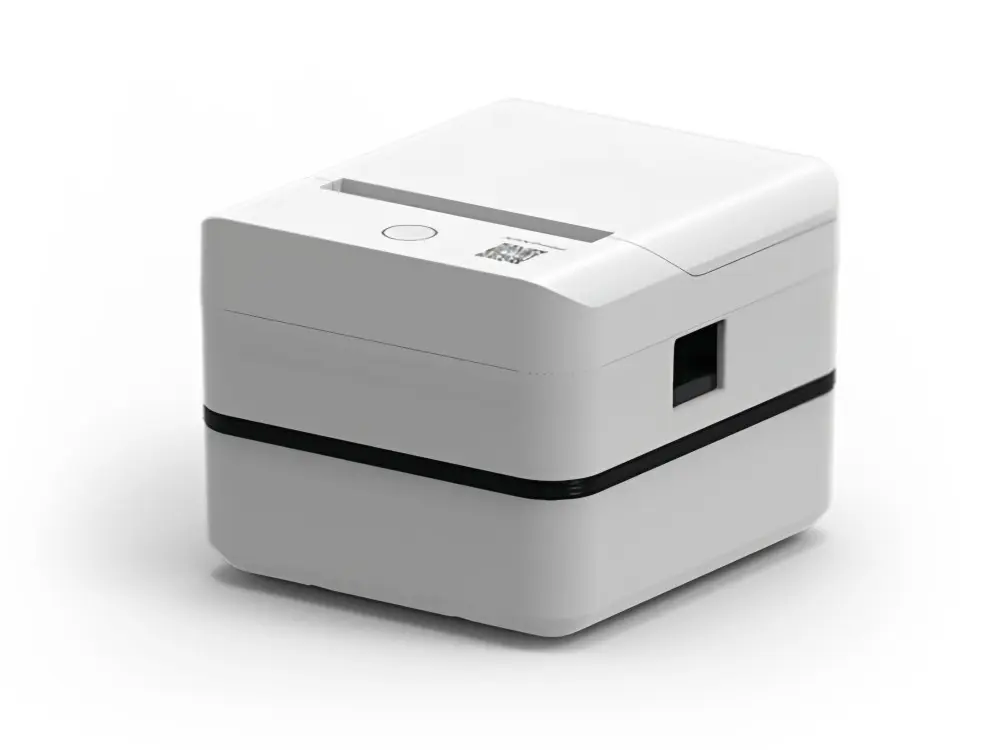 Label Printer
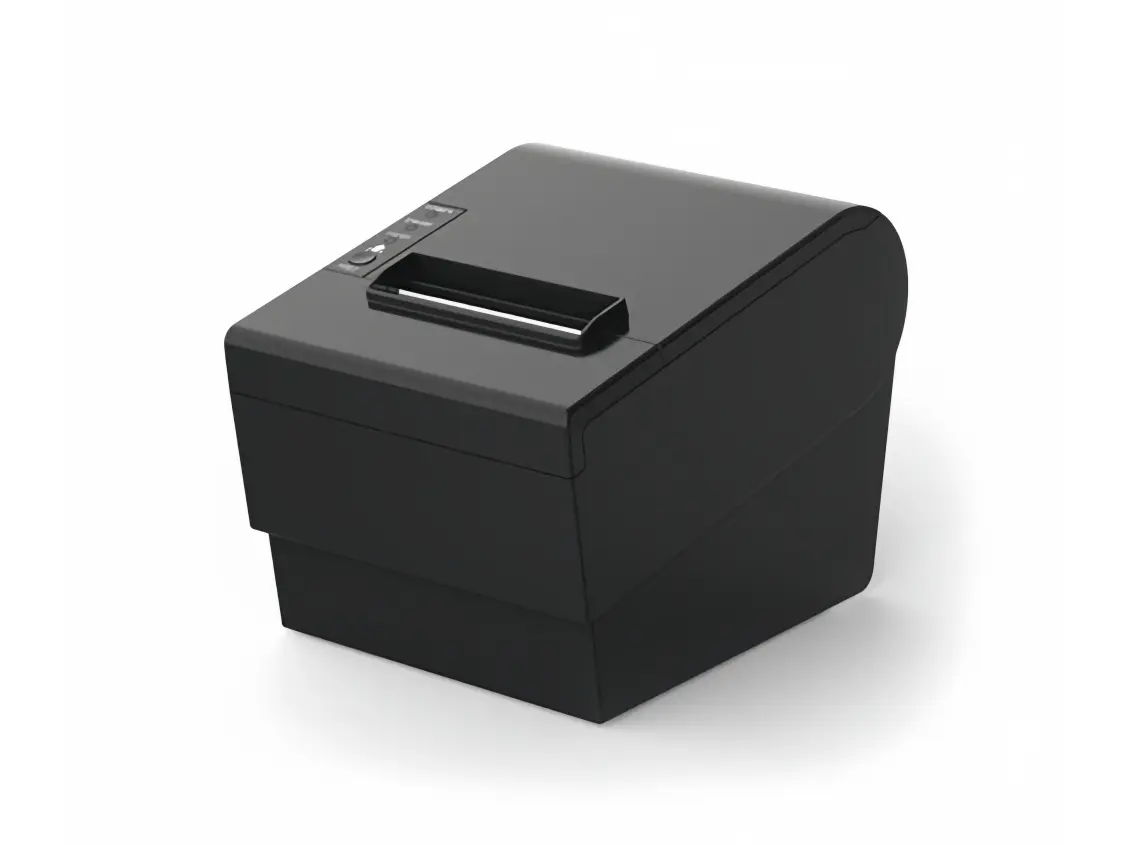 Receipt Printer
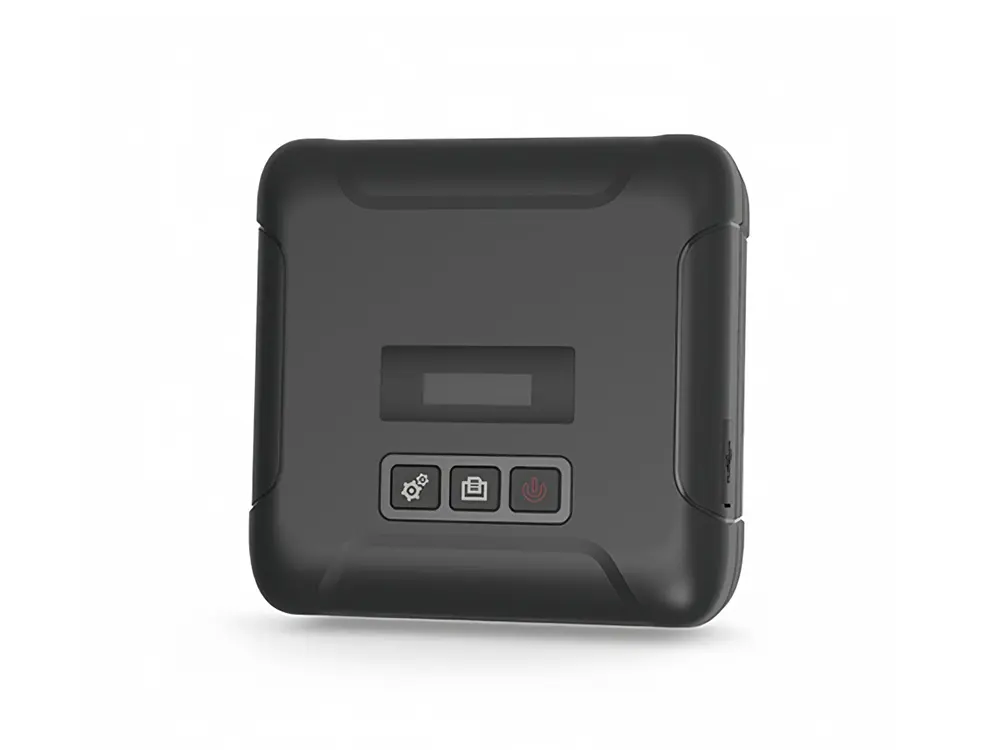 Mobile Printer