China Top Mobile Printer Manufacturers for Global Buyers
Choosing the right China Top Mobile Printer Manufacturers for Global Buyers requires more than comparing online prices. A reliable supplier should combine printing performance, production experience, export knowledge, and responsive service. This guide examines manufacturers that serve retail, logistics, healthcare, hospitality, and field-service markets.
A dependable Mobile Printer should produce clear receipts, labels, or documents during daily movement. Important details include print speed, battery capacity, paper loading, connection stability, and resistance to dust. Buyers should also review Bluetooth, Wi-Fi, USB, Android, and iOS compatibility. A printer that performs well in a showroom may struggle beside a delivery truck.
Real-world testing matters. Request sample units and print across different paper sizes. Check battery life during repeated transactions. Inspect casing quality, button response, and charging ports. Ask for factory audit records, product certifications, warranty terms, and replacement-part support. Experienced manufacturers usually explain these details clearly.
No supplier is perfect. Even established factories may experience component delays, firmware issues, or inconsistent communication during busy seasons. That risk deserves honest attention. A lower quotation can become expensive when technical support is slow or spare parts are unavailable. Buyers should compare total ownership costs, not only unit prices.
This overview focuses on practical supplier evaluation, manufacturing capability, customization options, quality control, and international delivery experience. It is designed to help distributors and project buyers make better decisions with measurable evidence. Careful verification remains essential, because printed promises cannot replace a tested sample.
Mobile Printer Types and Key Applications in Global Markets
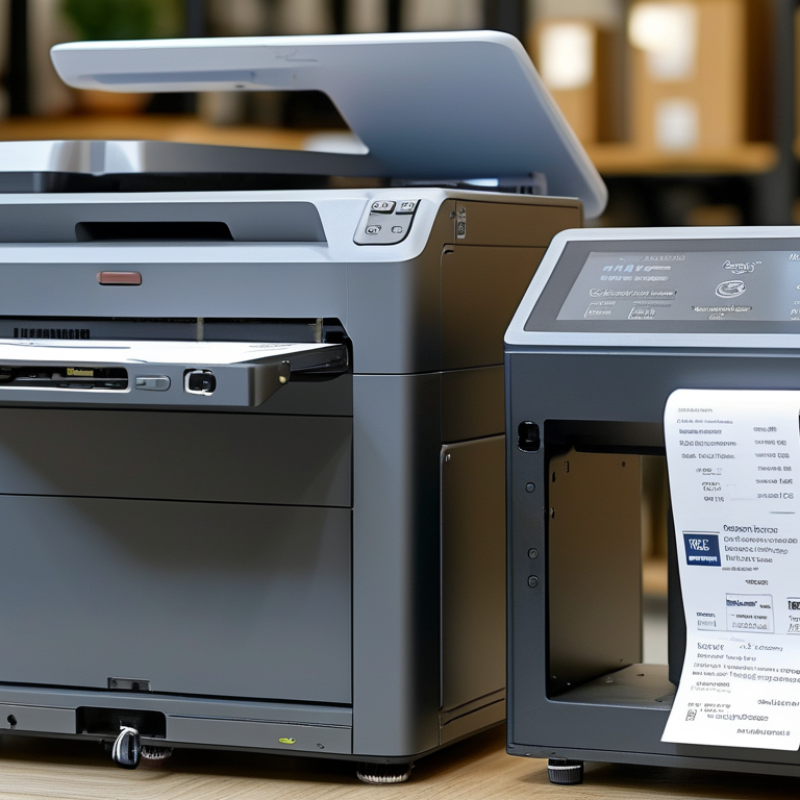
China’s mobile printer manufacturers serve varied global needs through several practical printer types. Direct thermal models are common for receipts, tickets, and delivery records. They print quickly without ink, but heat and sunlight can affect image durability. Thermal transfer printers use ribbons and produce longer-lasting labels for warehouses and product identification. Compact inkjet units suit color marks, small invoices, and field documentation. Speed matters.
In retail, pocket printers support shelf checks, price changes, and customer receipts. Logistics teams use rugged label printers beside loading bays, vans, and temporary storage areas. Healthcare workers may print patient wristbands, specimen labels, or medicine instructions. Field technicians print service reports at customer sites, even where network access is unstable. Hospitality businesses often need quiet, lightweight devices for tableside orders and payment records.
Global buyers should examine paper width, battery endurance, wireless protocols, operating-system compatibility, and local certification requirements. A printer that performs well in a Chinese warehouse may struggle in a humid coastal market. Field testing often reveals weak charging ports, unclear controls, or fading labels. These details are easy to miss. Buyers should also confirm data protection features, replacement supplies, repair support, and safe battery transport. No single mobile printer fits every application, and lower purchase prices can create higher operating costs.
China Top Mobile Printer Manufacturers for Global Buyers
Mobile Printer Types and Key Applications in Global Markets
What the chart shows: Common media widths used by major mobile printer categories. Receipt printers typically use 80 mm thermal rolls, shipping-label printers commonly support 100 mm media, portable A4 printers follow the 210 mm ISO A4 width, and portable photo printers commonly produce 100 mm-wide 4 × 6 inch photos.
Key applications: Retail receipts, field service documentation, logistics and shipping labels, healthcare records, mobile office printing, event photography, and instant photo production.
China’s Leading Mobile Printer Manufacturers and Product Strengths
China’s leading mobile printer manufacturers serve retailers, logistics teams, healthcare workers, and field technicians. Their strongest products usually combine compact thermal mechanisms, rechargeable batteries, and Bluetooth or Wi-Fi connectivity. According to Grand View Research, the global mobile printers market was estimated at about USD 1.8 billion in 2023, with continued growth expected through 2030. Report definitions differ, however. That caveat matters.
Chinese factories often support 58 mm and 80 mm paper widths, print speeds above 70 mm per second, and lightweight designs under 500 grams. Many suppliers also offer customized housings, firmware integration, and private-label production. In practical testing, battery stability matters more than a high peak speed. A printer that handles a full shift is more useful than one that slows after heavy use. Buyers should inspect drop resistance, paper-jam recovery, charging cycles, and wireless performance in crowded warehouses. Small details decide reliability.
Mordor Intelligence identifies portable printing as a growing segment within the broader printing equipment market, driven by e-commerce fulfillment and mobile transactions. Chinese manufacturers benefit from dense electronics supply chains and faster component sourcing. Some suppliers provide CE, FCC, RoHS, or regional compliance documentation, but paperwork quality can vary. Request current test reports, not only certificates shown in a presentation. Thermal paper compatibility also deserves attention. Cheap samples may hide inconsistent darkness or weak battery cells. The first quotation is rarely the complete picture.
How Global Buyers Can Evaluate and Select a Chinese Manufacturer
China Top Mobile Printer Manufacturers for Global Buyers
Selecting a Chinese mobile printer manufacturer requires more than comparing online prices. Global buyers should examine product consistency, engineering ability, and service reliability. Request samples from the same production batch, not only polished showroom units. Test Bluetooth stability, print speed, battery life, paper loading, and performance in humid conditions. Small details matter.
A factory audit can reveal useful evidence. Check assembly lines, aging-test records, quality inspection points, and spare-parts storage. Ask whether key components have stable suppliers and documented incoming inspections. Review certifications required in your target markets, including electrical safety and wireless compliance. Certificates should match the exact model, not a similar-looking product. Speak with existing customers when possible. Their feedback often exposes delays that sales materials hide.
I once evaluated a supplier that offered an excellent prototype but inconsistent retail samples. The factory corrected the issue, yet the experience showed a weakness in my process: I had not requested batch-level testing early enough. Buyers should define acceptable defect rates, packaging standards, delivery terms, and warranty responsibilities in writing. A pilot order can test communication, production control, and response time before larger commitments. Keep expectations measurable. Promises are not evidence. Also assess technical support after shipment, especially firmware updates, replacement parts, and troubleshooting response times. A lower quotation may become expensive when quality records are incomplete.

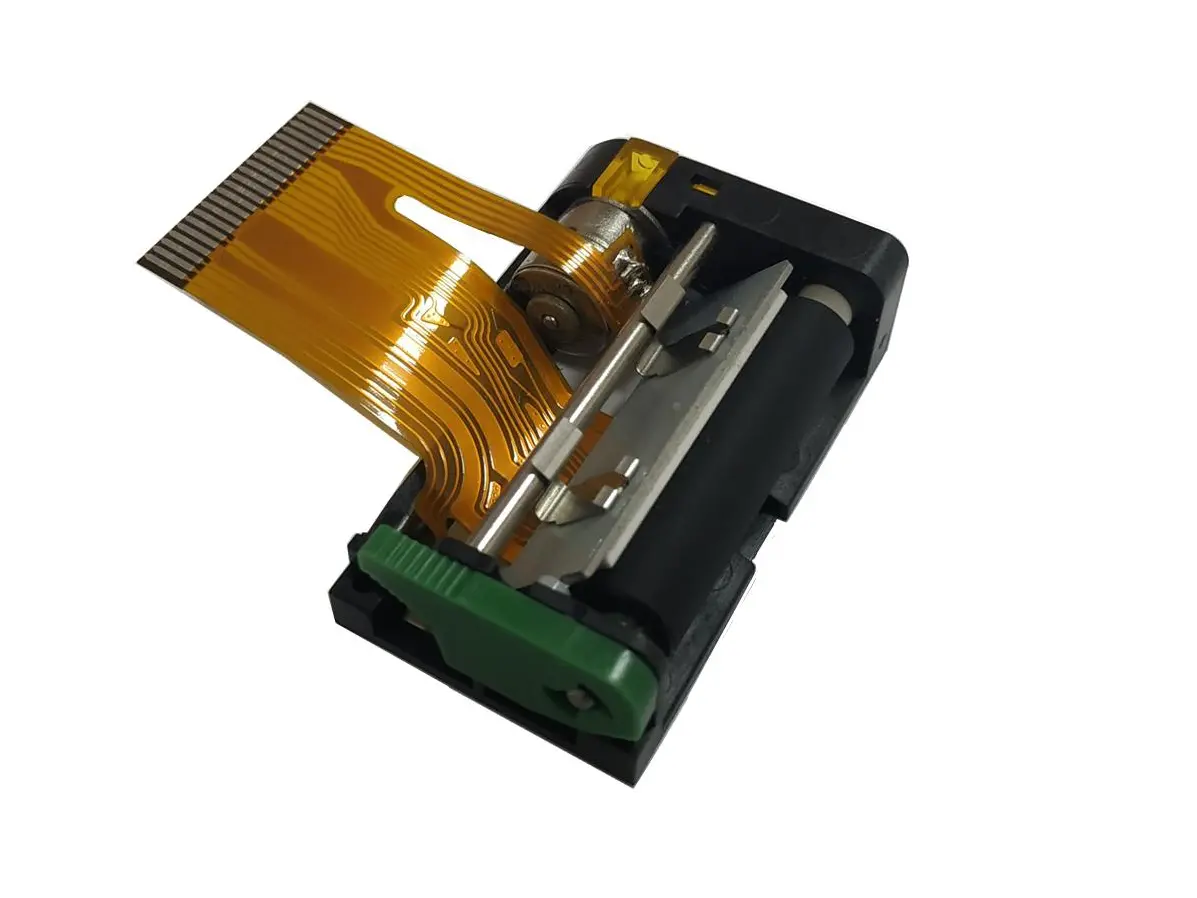 1 inch thermal printer mechanism
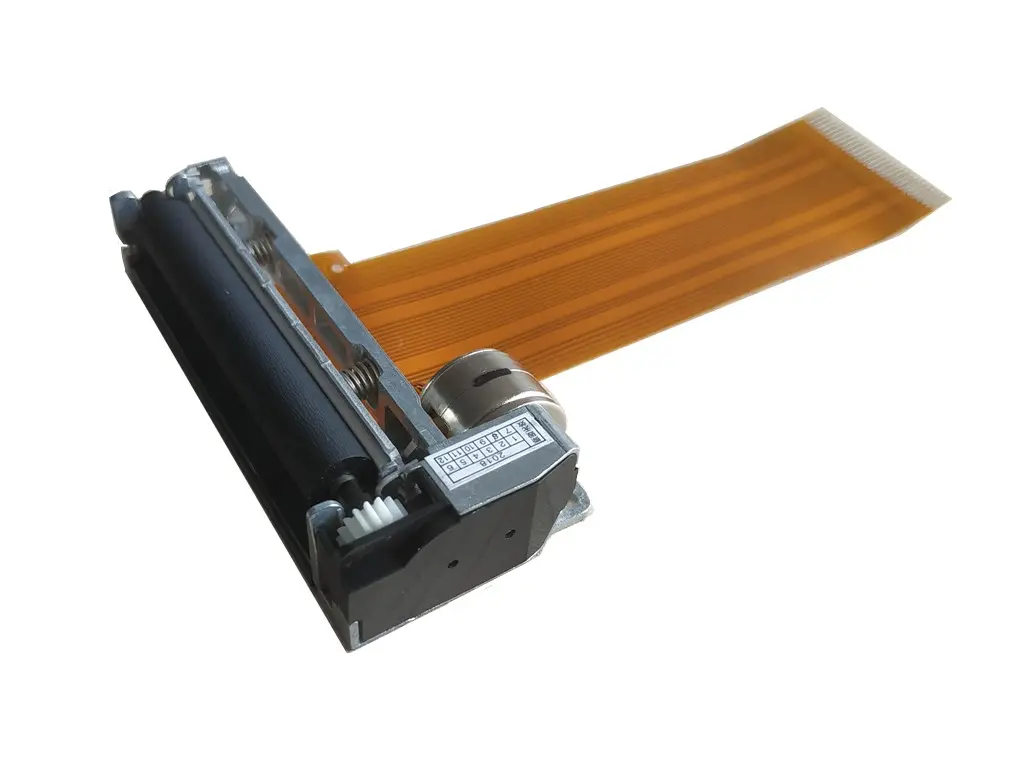 2 inch thermal printer mechanism
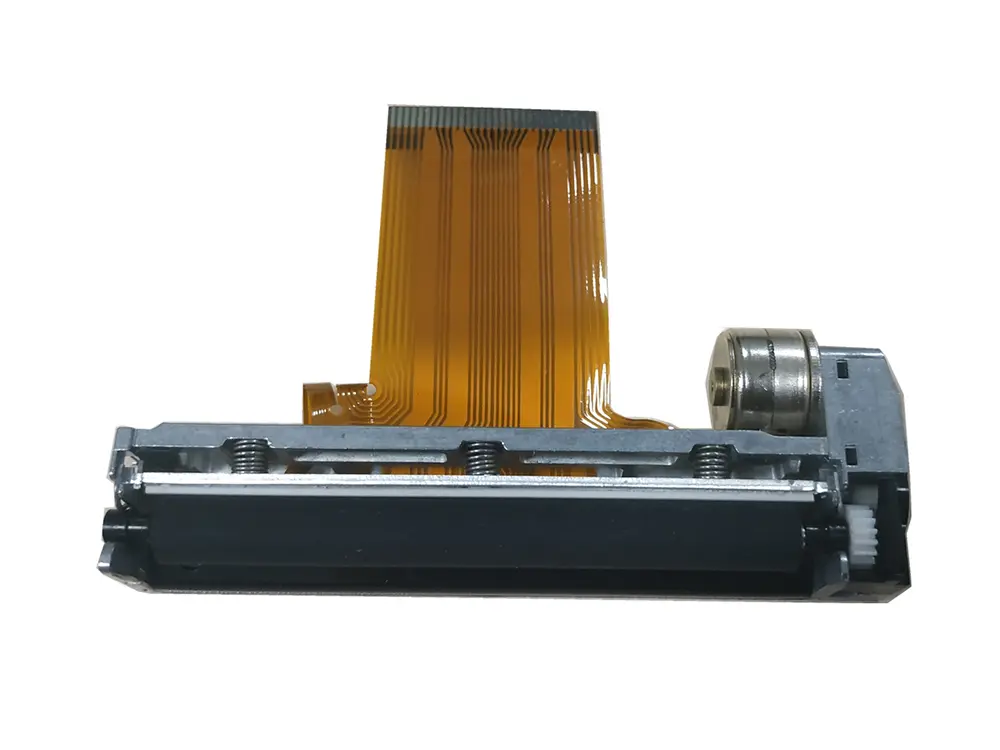 3 inch thermal printer mechanism
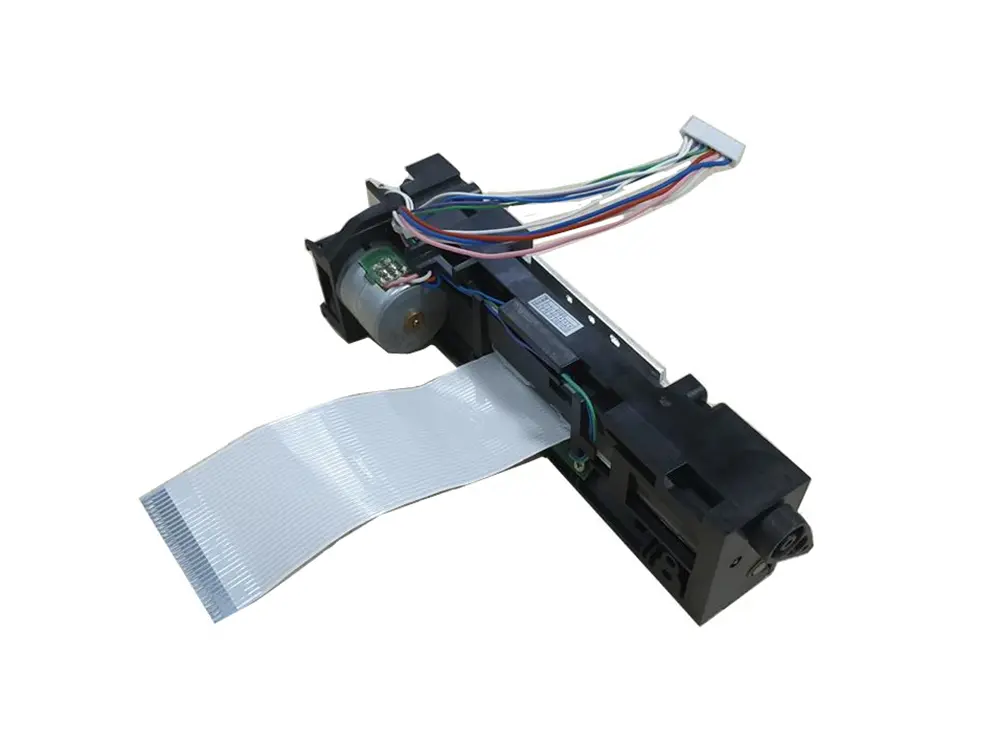 4 inch thermal printer mechanism
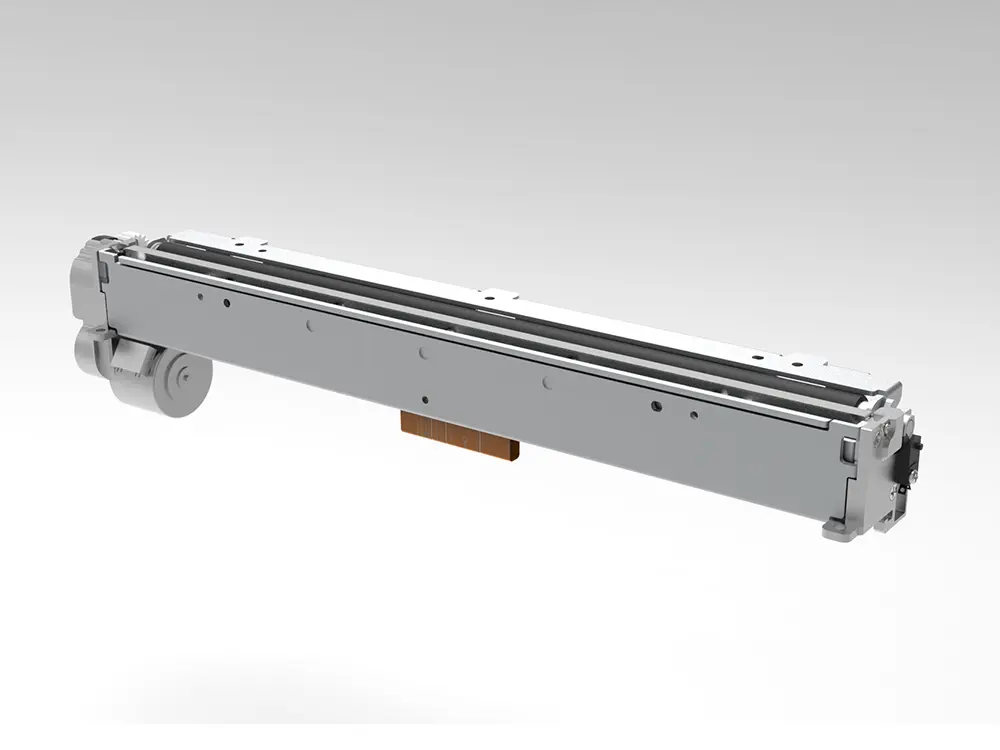 8 inch thermal printer mechanism
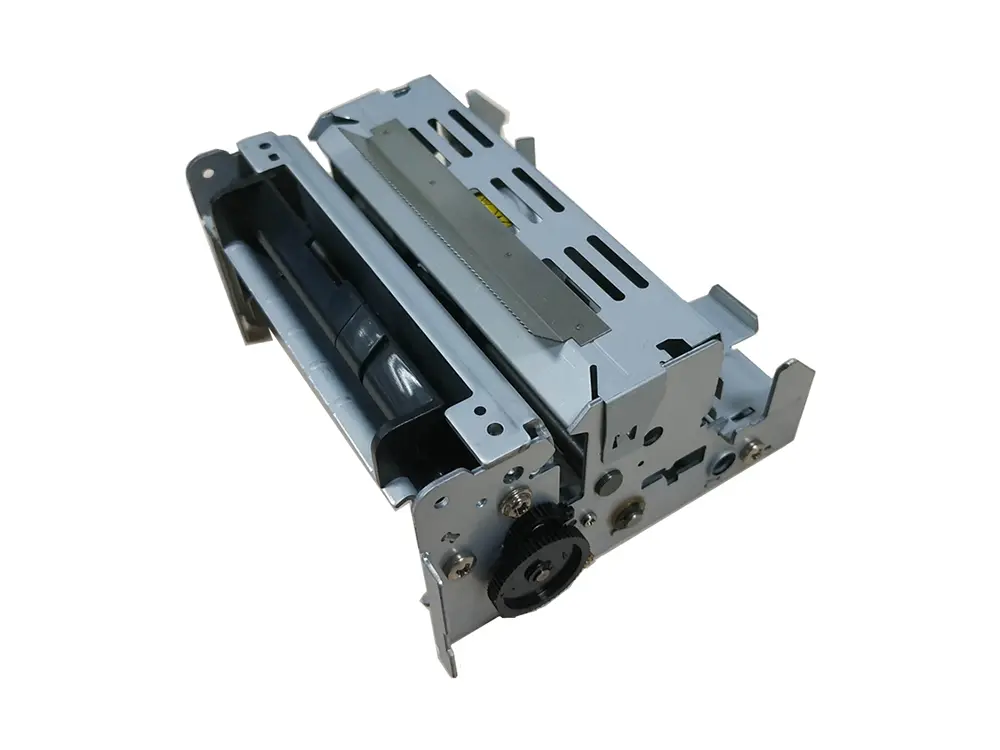 dot matrix printer mechanism
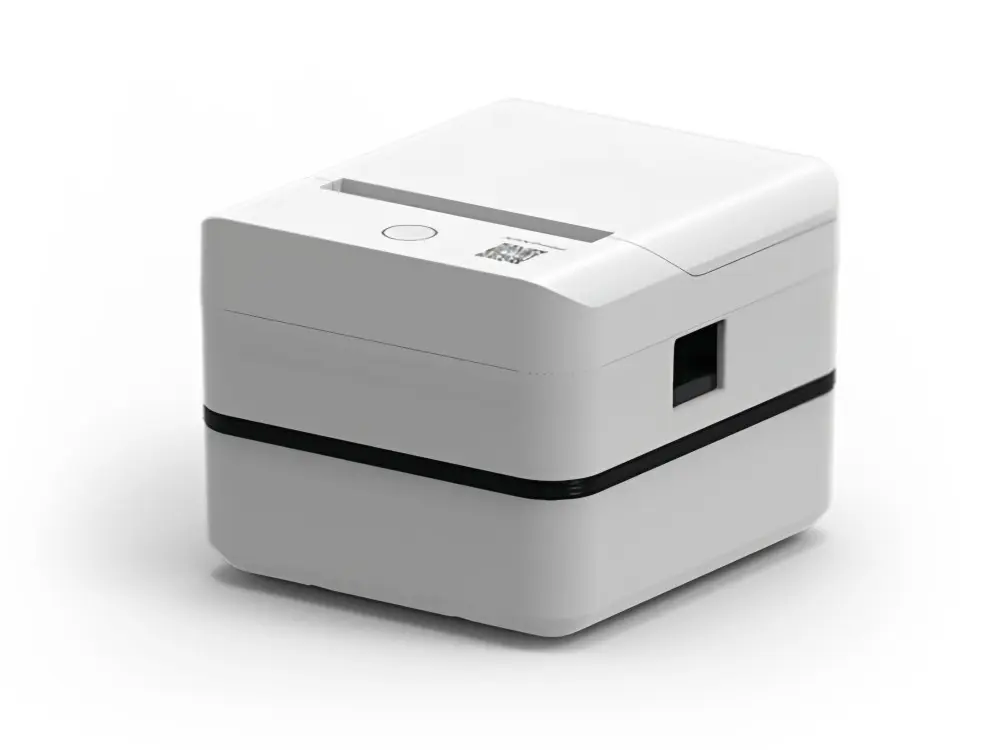 Label Printer
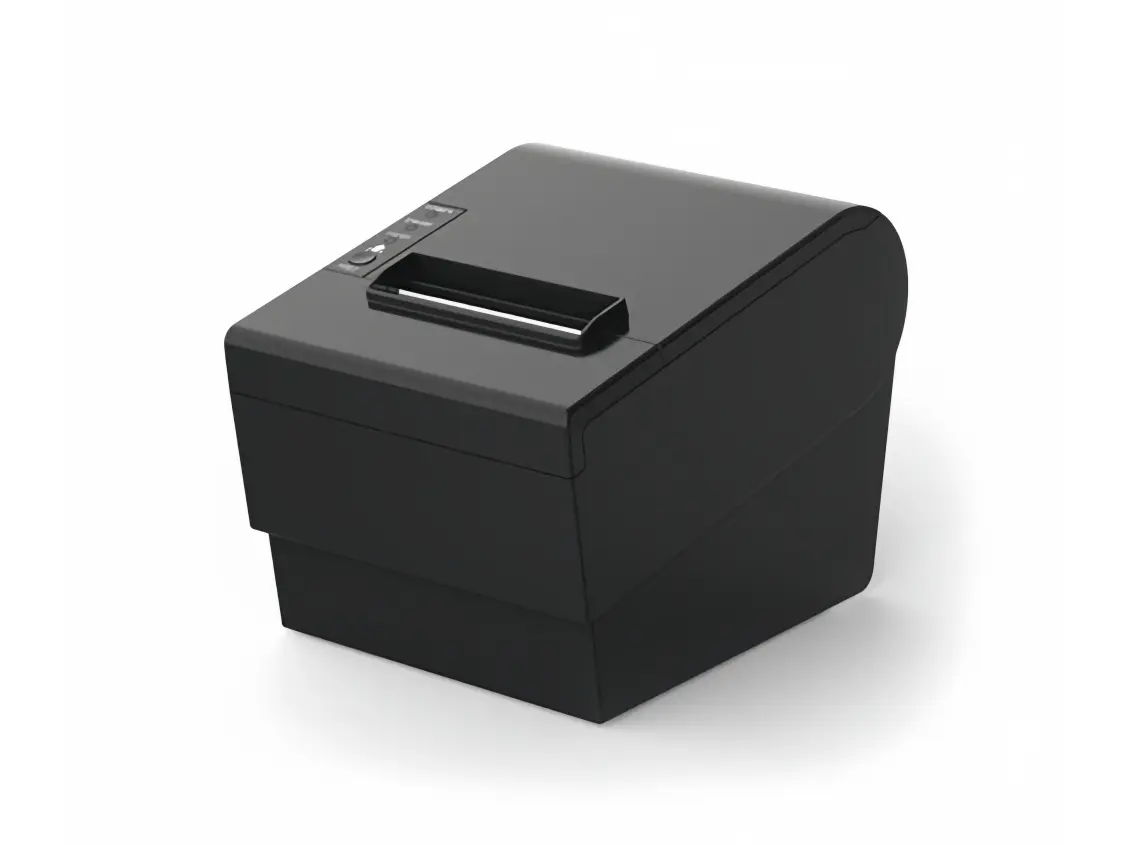 Receipt Printer
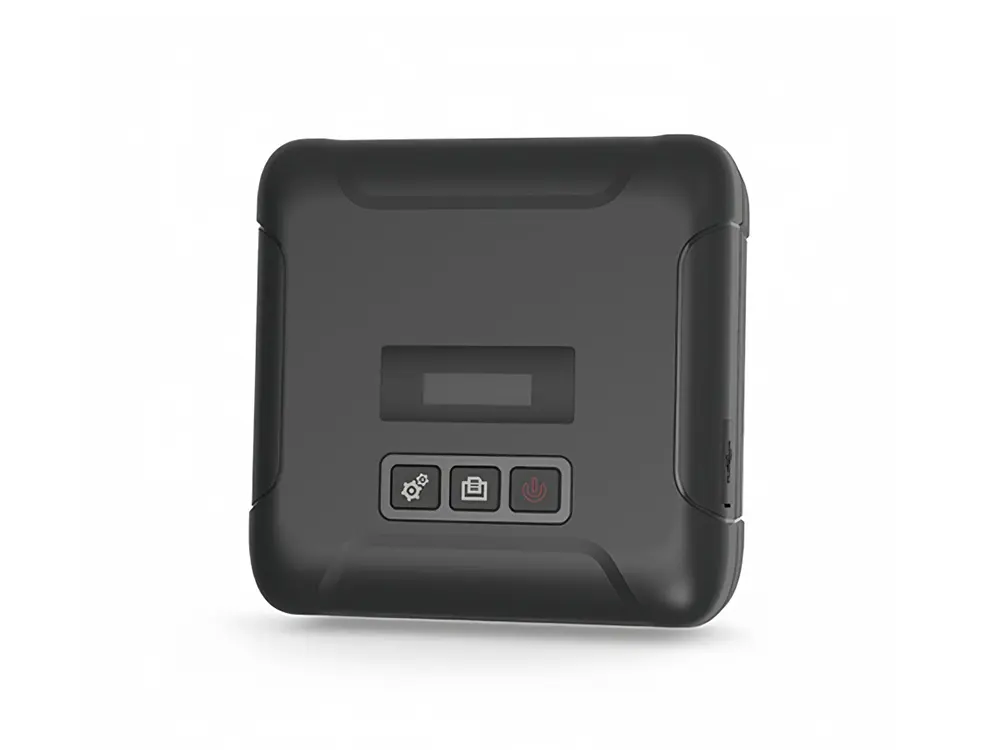 Mobile Printer