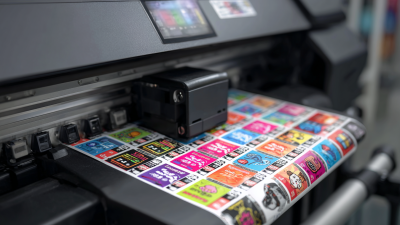
Top 10 Barcode Thermal Printers for International Buyers?
In the fast-evolving world of logistics and retail, the importance of the Barcode Thermal Printer cannot be overstated. Industry expert John Smith stated, "A reliable barcode printer is essential for efficient inventory management." This statement holds true as businesses across the globe rely on these devices to streamline their operations.
With numerous models available, selecting the perfect Barcode Thermal Printer remains a challenge. For international buyers, this selection process can be daunting. Different needs arise from varying industries, which complicates decision-making. High-quality printing and durability are vital factors to consider when evaluating options.
As technology progresses, new features emerge, but not all are necessary. Buyers must reflect on their specific requirements. Some printers may offer advanced functionalities, but the core purpose remains the same. Striking a balance between capability and simplicity is key to making a wise investment.
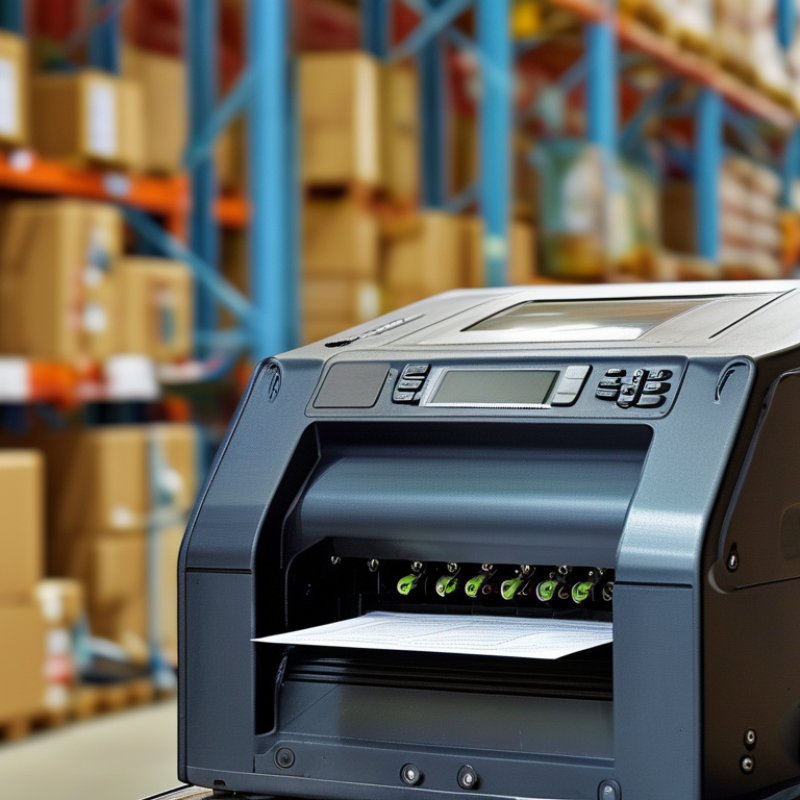
Overview of Barcode Thermal Printers
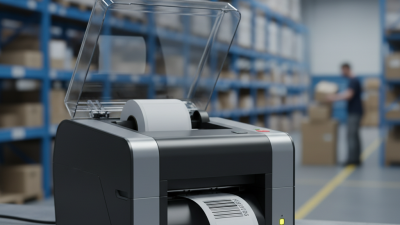
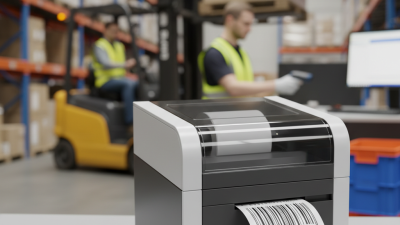
Barcode thermal printers are essential tools for businesses worldwide. They create high-quality labels and tags quickly. These printers use heat to transfer ink onto the label material. This method ensures clarity and durability. Businesses often use these printers for shipping labels, inventory tracking, and product labeling.
When selecting a thermal printer, consider print speed, resolution, and connectivity options. Many printers now offer wireless capabilities, making them more flexible. Print speed can significantly affect workflow efficiency. A faster printer saves time during busy periods. Users must also evaluate the cost of thermal paper and replacement parts.
Moreover, thermal printers can have technical issues. Some users notice inconsistent print quality. Others may face connectivity problems with devices. Regular maintenance is crucial for optimal performance. Investing in good maintenance practices can prevent many common issues. Understanding the printer’s needs helps ensures reliability in the long term.
Key Features to Consider in Thermal Barcode Printers
When considering a thermal barcode printer, several key features stand out. Print speed is crucial. Many printers operate between 2 to 8 inches per second. A slow printer can hinder workflow efficiency.
Additionally, resolution matters. A minimum of 300 dpi ensures clear, readable barcodes. Customers demand quality; unclear labels can lead to errors.
Connectivity options are also essential. Many models support USB, Ethernet, and Bluetooth. This flexibility allows for integration with existing systems. However, compatibility issues can arise. Always check if the printer meets your operational requirements.
Another factor to consider is the printer's durability. Some printers are rated for high-volume use, which can be a worthwhile investment.
Lastly, ease of use cannot be overlooked. User-friendly interfaces streamline operations. If staff struggle with setup, productivity suffers. Monitoring industry trends is vital.
A report from Smithers states that the global market for thermal printers is expected to reach $5 billion by 2024. As demands evolve, adapting to changing technologies will be necessary. Understanding unique needs is essential to choosing the right printer.
Top Brands for Barcode Thermal Printers: A Comparative Analysis
When considering barcode thermal printers, international buyers face many options. The market has seen a dramatic rise, with sales projected to reach $5.3 billion by 2025. This growth is driven by logistics, retail, and manufacturing sectors' increasing efficiency needs. Leading brands in the market emphasize print speed, durability, and cost-effectiveness. However, a deeper analysis reveals varying performance levels among these suppliers.
Many reports highlight that print quality and ease of use significantly differentiate the best models. About 70% of users prioritize print resolution and reliability in selecting a printer. Features such as mobile compatibility and cloud-based functionality are gaining popularity, yet not all devices meet these modern demands. Some printers still struggle with connectivity and software integration, which can hinder productivity.
Understanding these factors is crucial when making a purchase. Not all thermal printers can handle high-volume printing tasks seamlessly. Buyers should assess their specific needs, considering scalability and support options. Expert reviews often note the importance of warranty and technical assistance, as many users report challenges post-purchase. Balancing performance with budget constraints remains a common dilemma.
International Shipping Considerations for Barcode Printers
Considerations for international shipping of barcode thermal printers involve several important factors. Shipping costs play a significant role. Depending on the destination, fees may vary greatly. According to a recent industry survey, shipping costs can account for up to 20% of the total purchase price. This can impact buyer decisions. Understanding these costs is crucial for budget planning.
Customs regulations often present challenges. Each country has different rules regarding electronic devices. Some may require specific documentation. Buyers should research these requirements thoroughly. Misunderstanding customs can delay shipments. According to the World Bank, approximately 30% of international shipments face customs clearance issues. This can lead to frustration and lost sales opportunities.
Tips: Always check local customs guidelines before purchasing. It saves time and avoids unexpected fees. Consider using a reliable logistics provider specializing in electronics. Their expertise can make the process smoother. Finally, remember that lower upfront costs can lead to high hidden expenses. Reflect on the total cost of ownership. The initial price is only part of the equation.
Customer Reviews and Recommendations for Thermal Barcode Printers
When selecting thermal barcode printers, customer feedback plays a vital role. Many buyers emphasize ease of use and durability. They often mention how essential it is for the printer to handle various label sizes and materials. Reviews frequently highlight the speed of printing as a key factor. A few users express frustration with paper jams or connectivity issues.
Another common theme is the importance of customer service. Users value prompt support when facing technical problems. They often report that a responsive service team enhances their experience significantly. Some reviews suggest that buyers should research the compatibility with existing systems. A printer that integrates smoothly can save time and reduce potential hassles.
While many customers praise the quality of printouts, a few skeptics share their disappointment. They note that not all printers deliver the same level of clarity. Some express concerns over the longevity of the print heads. It's crucial to weigh these experiences before making a decision. Buyers should also consider their specific needs and usage frequency, ensuring they choose a model that aligns with their requirements.
Top 10 Barcode Thermal Printers - Customer Reviews

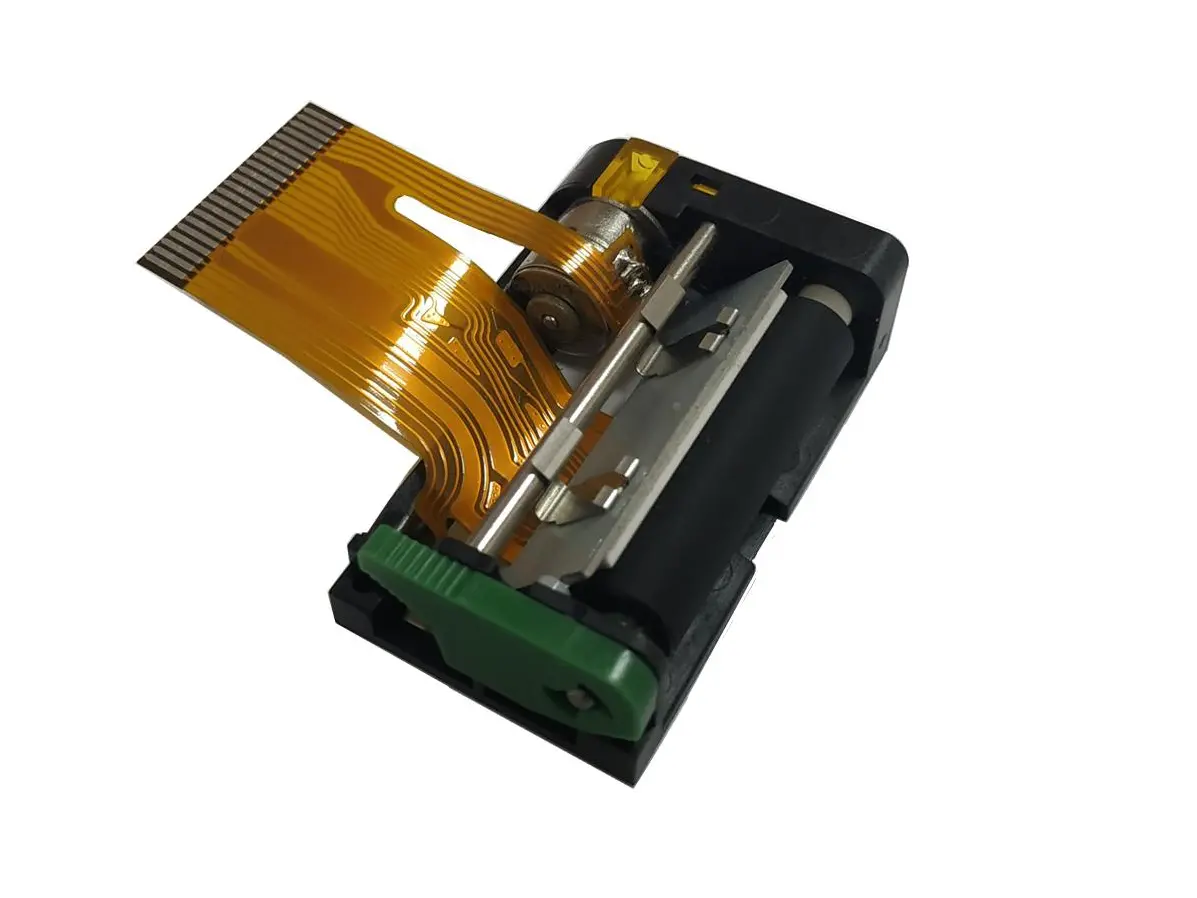 1 inch thermal printer mechanism
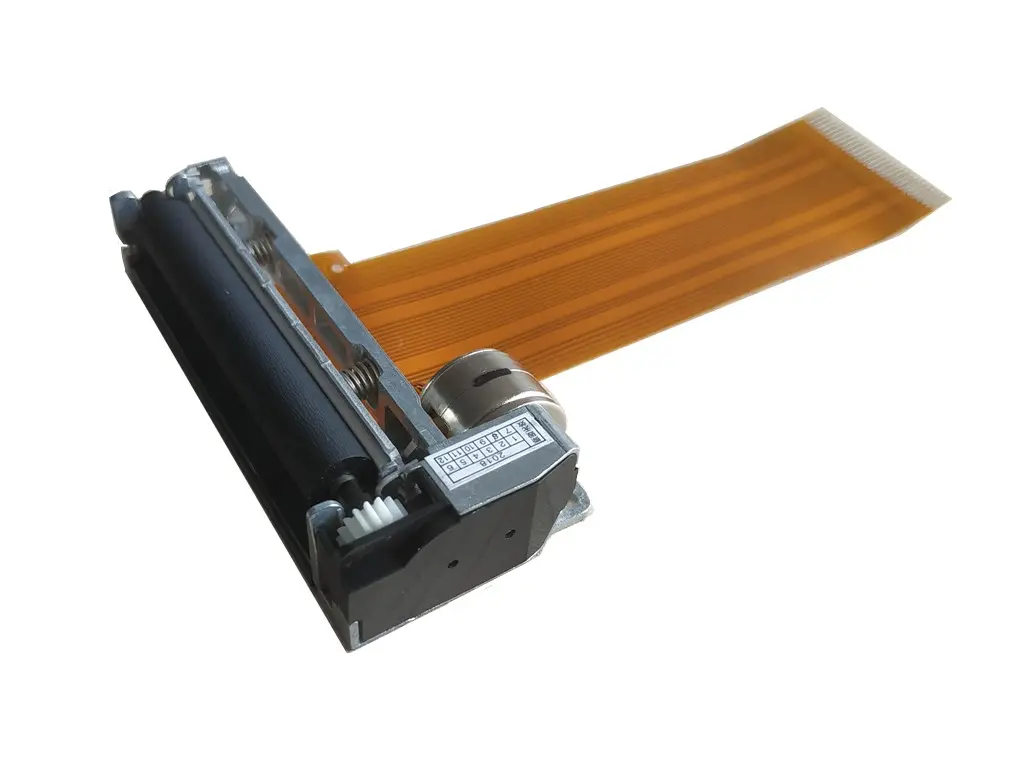 2 inch thermal printer mechanism
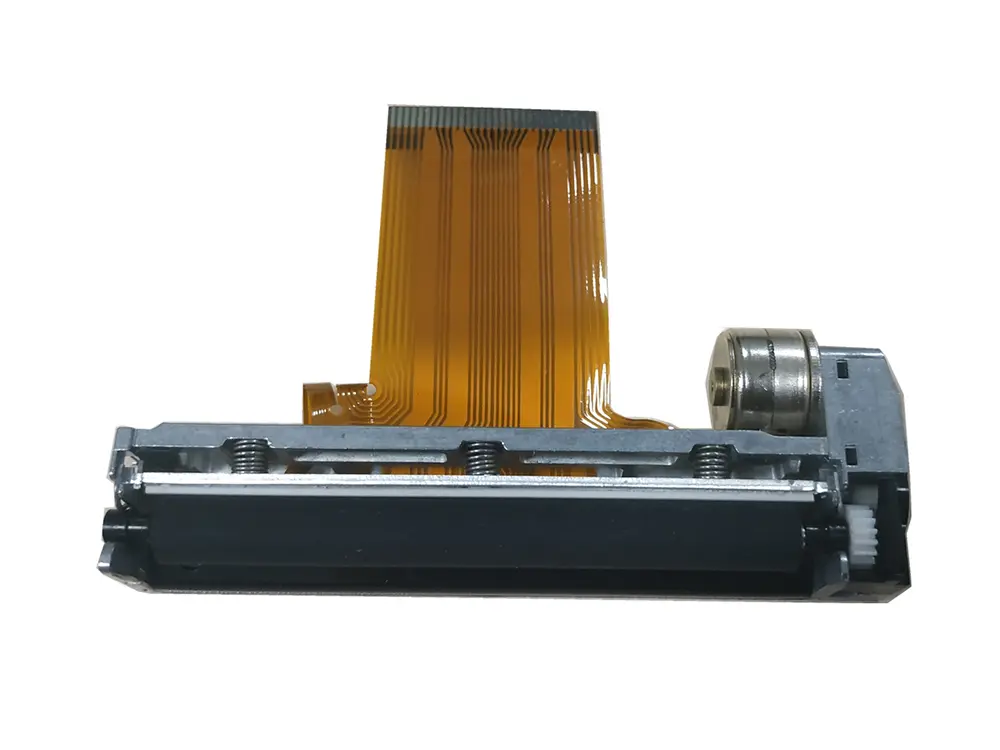 3 inch thermal printer mechanism
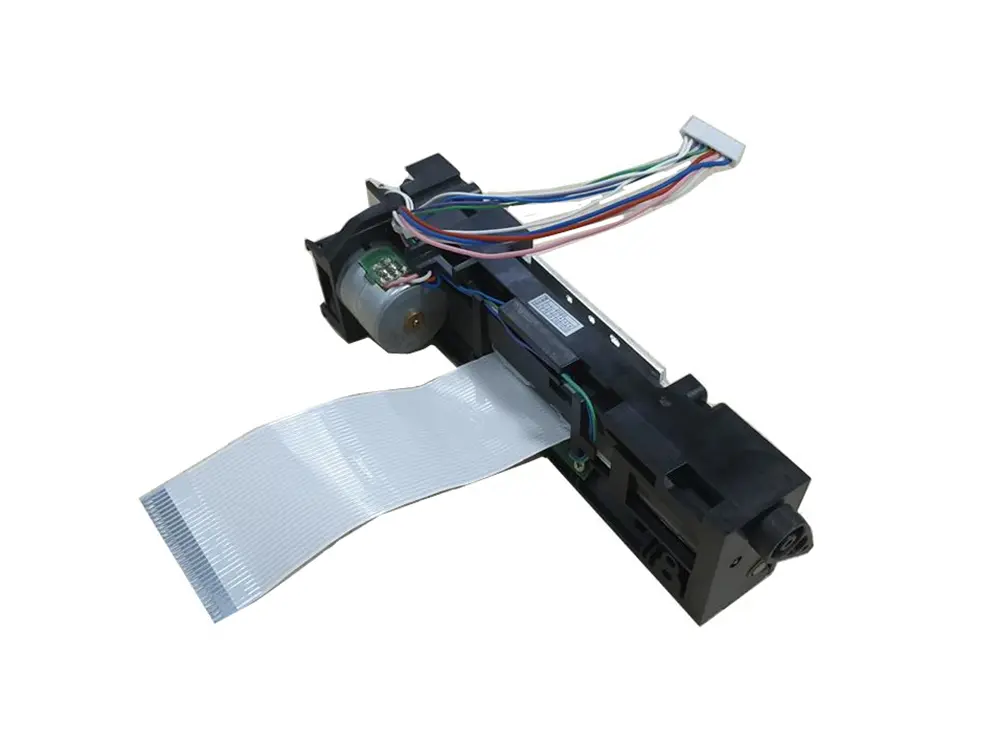 4 inch thermal printer mechanism
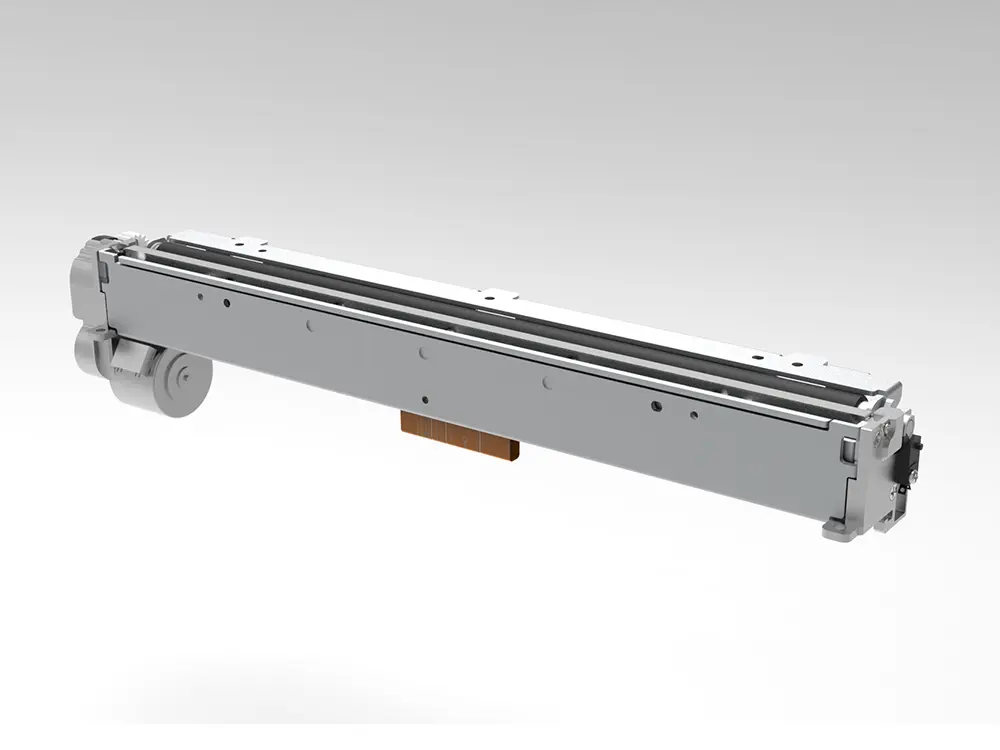 8 inch thermal printer mechanism
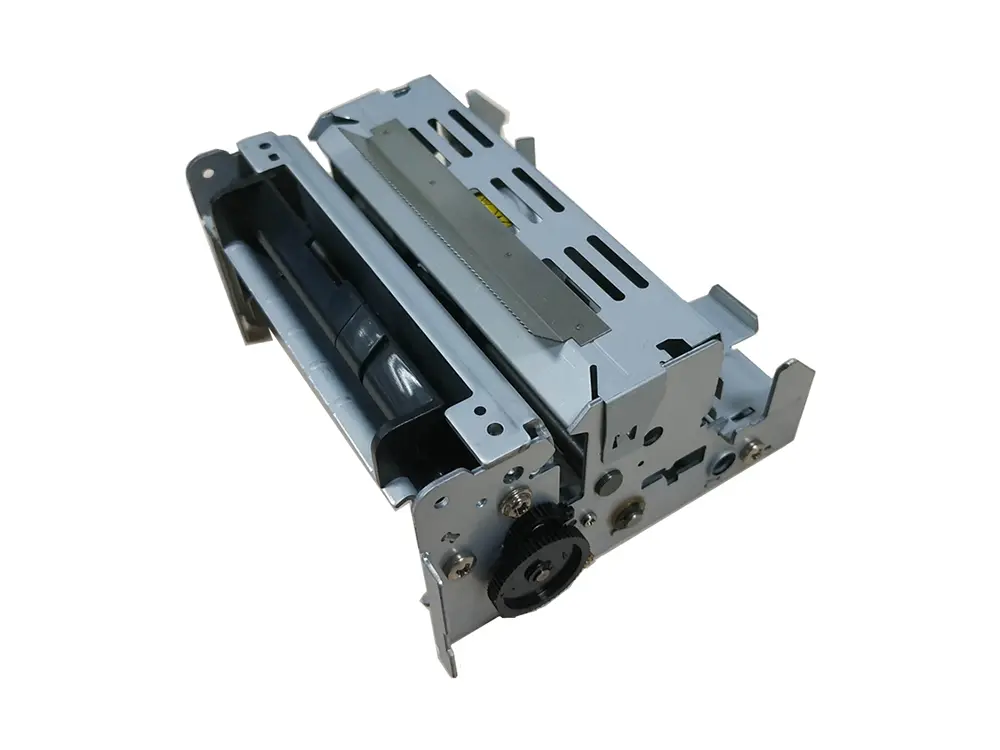 dot matrix printer mechanism
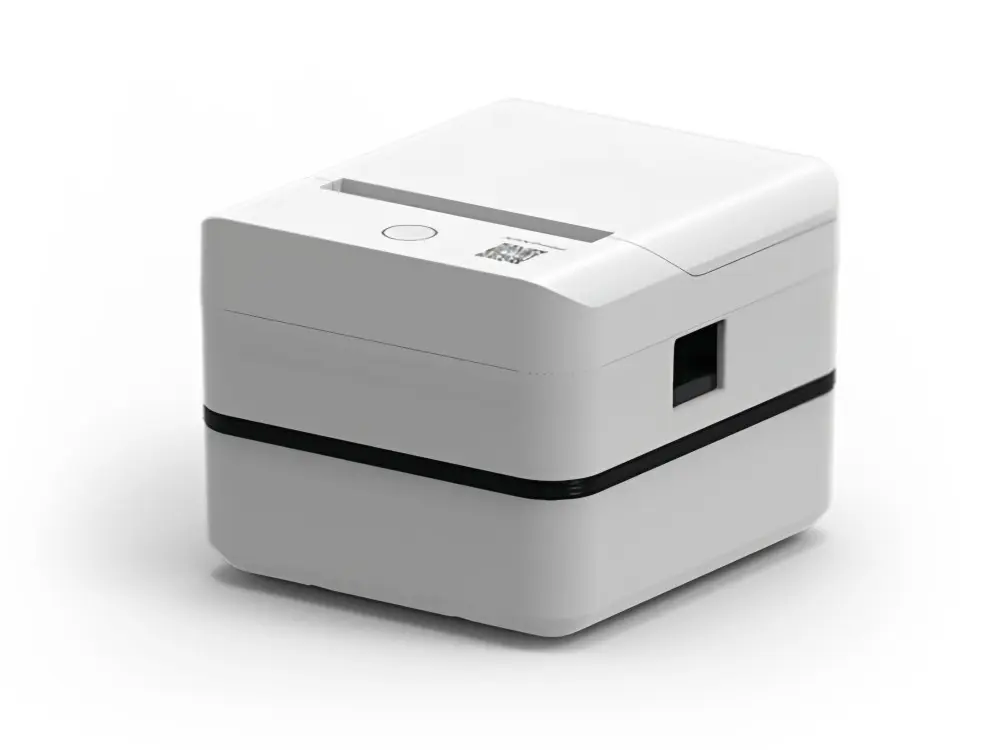 Label Printer
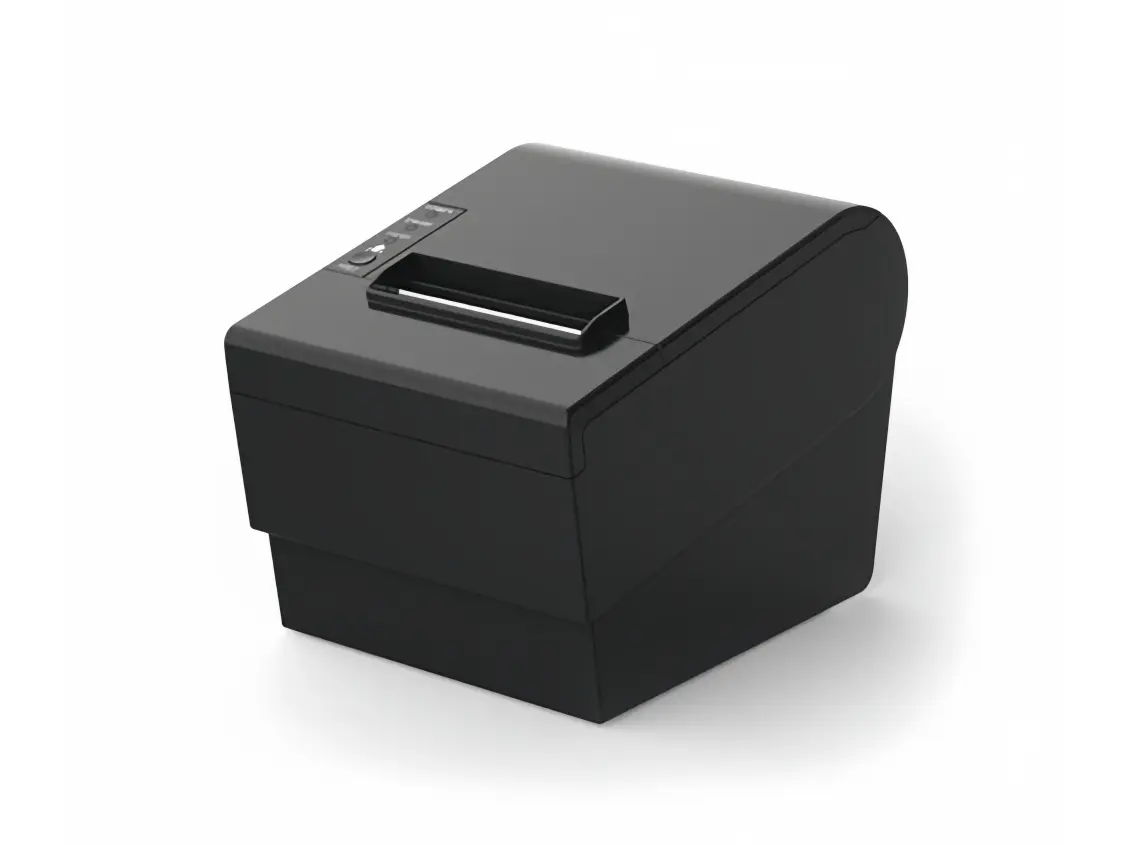 Receipt Printer
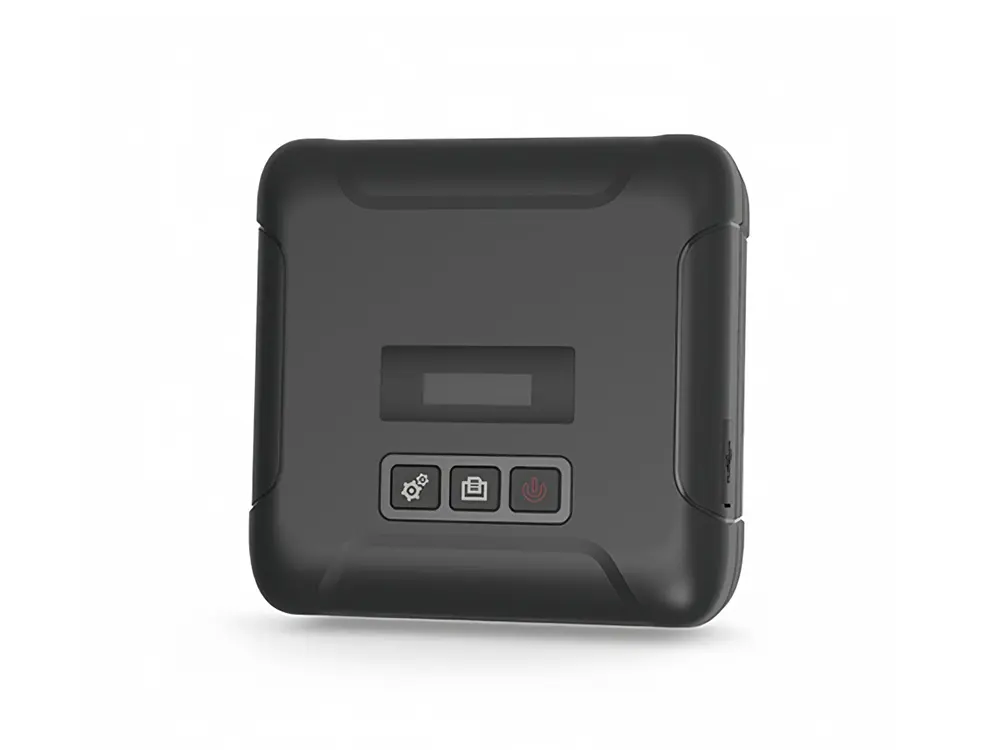 Mobile Printer