Ultimate Tips for Choosing a Portable Thermal Printer?
In the fast-paced world of business, a "Portable Thermal Printer" can be your best ally. As Linda Carter, a recognized expert in mobile printing technology, stated, “Efficiency is key; a good portable printer should never slow you down.” Her insights resonate deeply with today’s mobile workforce, where convenience meets functionality.
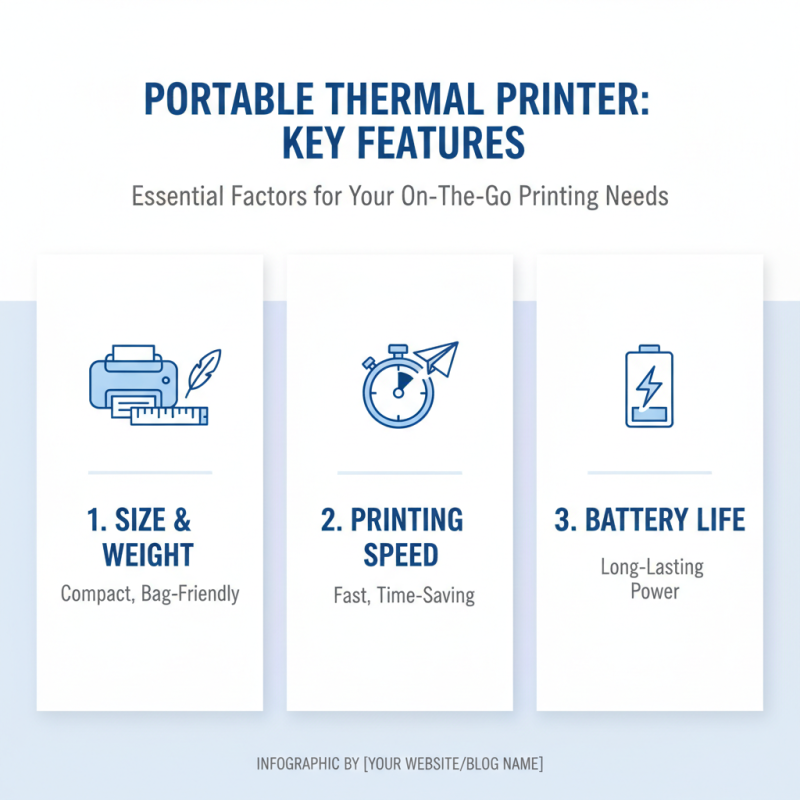
When selecting a Portable Thermal Printer, consider the size, weight, and printing speed. A compact design ensures it easily fits in bags or even pockets. However, many users overlook battery life. It can be frustrating to have a printer that runs out of power during crucial moments. Think about your printing volume and patterns before making a choice.
Additionally, connectivity options play a vital role. Bluetooth or Wi-Fi capabilities enhance usability. Conversely, not all printers offer the same level of compatibility with devices. Therefore, thorough research is essential. A poor selection might lead to disconnection issues or limited printing formats. Thus, take your time to reflect on these aspects before your purchase decision. Make sure your Portable Thermal Printer truly fits your needs.
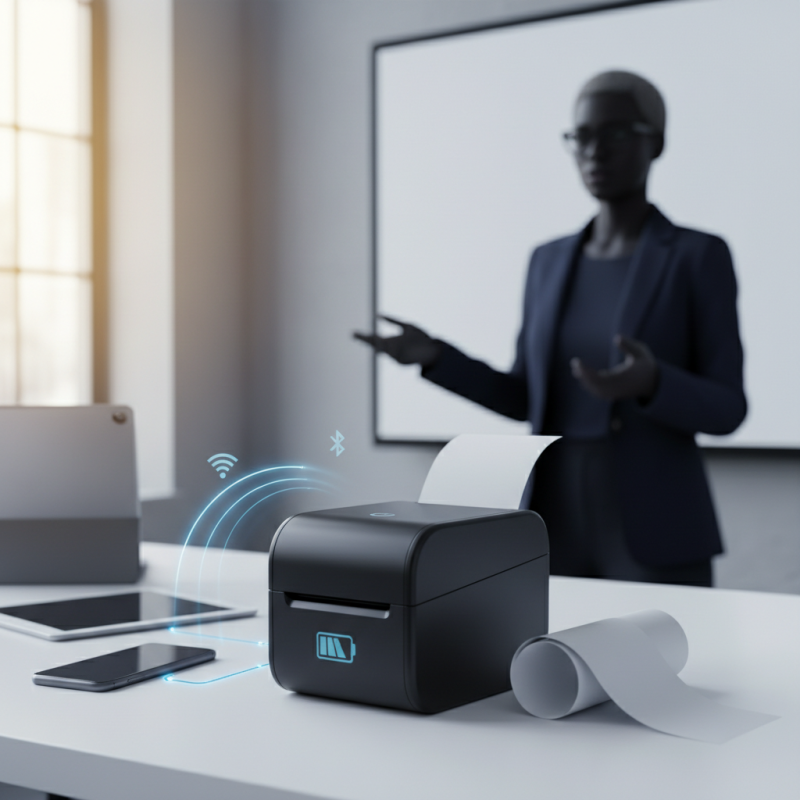
Understanding Portable Thermal Printers: Key Features to Consider
When considering a portable thermal printer, key features play a significant role. Look for the size and weight. A compact model will fit easily in a bag or purse. Check the printing speed. Faster printers save time. Another essential factor is battery life. You don’t want a printer that dies quickly during use.
Next, consider connectivity options. Some models offer Bluetooth, Wi-Fi, or USB. Make sure the printer connects easily to your devices. User-friendly controls are vital too. Complicated interfaces can lead to frustration. Readability of the printed output is crucial. Poor quality affects business presentations.
Think about paper size options. Different jobs require different formats. Some printers limit you to one size. This could be a drawback for diverse tasks. Lastly, check customer feedback. It can reveal common issues, helping you avoid problems.
Evaluating Print Quality: DPI, Speed, and Performance Factors
When choosing a portable thermal printer, understanding print quality is crucial. DPI, or dots per inch, plays a significant role in determining the clarity of the output. Higher DPI values yield sharper images. For instance, many reports suggest that a minimum of 300 DPI is ideal for clear text and detailed graphics. Speed is another essential factor. Averaging between 50 to 100 mm per second is common for reliable performance. However, high-speed printing may compromise quality. Finding the right balance is key.
Tips: Test various settings to see how quality and speed interact. Experimenting can reveal surprising results. Also, keep an eye on the material your printer uses—different papers yield different results.
Battery life is essential for portability. Many models claim to last for days, but real-world usage can vary widely. Some devices may not meet their advertised durations. Always check user reviews for practical insights. Reflecting on these factors helps in making informed decisions about which portable printer suits your needs best. Some features may sound impressive on paper, but actual performance can differ.
Portability and Design: Size, Weight, and Ergonomics
When choosing a portable thermal printer, size, weight, and design are vital. A compact printer fits easily into bags and pockets. This convenience is crucial if you need to print on the go. Look for models that offer sleek profiles and lightweight construction. Many of these printers weigh less than a pound, making them easy to carry.
Ergonomics also play a role in usability. Assess how the printer feels in your hand. A good grip ensures comfort during extended use. Check button placement; accessible controls make printing quick. The design should not compromise functionality. While aesthetics are appealing, performance matters more in real-world scenarios.
Consider battery life in your choice. A longer-lasting battery enhances portability. You don't want to be caught without power during important tasks. Most portable printers can last several hours, but it varies. Reflect on how frequently you will use it. Choose wisely for a printer that aligns with your needs.
Portable Thermal Printer Characteristics
This chart illustrates the average specifications of portable thermal printers based on key characteristics such as size, weight, battery life, and print speed, which are crucial for determining their portability and design.
Connectivity Options: Bluetooth, USB, and Mobile Compatibility
When selecting a portable thermal printer,
connectivity options are crucial. Modern printers offer various ways to connect, including
Bluetooth, USB, and mobile compatibility.
According to a recent industry report, approximately 75% of mobile users prefer
Bluetooth connectivity for its simplicity.
Bluetooth is often favored for ease of use. Most people own smartphones or tablets.
Connecting devices via Bluetooth eliminates the need for cables. However,
connection stability can vary.
Users may experience interruptions, especially outdoors. Assessing the Bluetooth range
is vital. Some models offer up to 30 feet, which
can be beneficial in many situations.
USB connections provide reliability. They deliver a
direct link between devices and printers. However, the requirement of cables can be limiting.
This option may not suit users needing maximum portability. A significant percentage of users,
about 45%, noted frustration over messy wires in outdoor settings.
Mobile compatibility adds convenience, but not all apps support every printer. Thus,
understanding compatibility
before purchase is essential. You'll want to explore app support thoroughly. Some users
report difficulty in accessing features, impacting productivity. So, ensure the model aligns
with your connectivity preferences.
Battery Life and Durability: Essential for On-the-Go Printing
When selecting a portable thermal printer, battery life and durability are crucial factors. Imagine heading to an outdoor event or a busy market. A printer that falters due to low battery can ruin your plans. Ideally, look for models that offer extended battery life. At least eight hours of continuous use is a good baseline. But how often do we truly find this?
Durability is also essential. A printer that cannot withstand the elements or minor drops might not survive daily use. Check for rugged designs or water-resistant materials. This ensures prints can be made in various conditions. However, many users overlook these features. As a result, they face constant repairs or replacements.
Reflect on your personal needs too. Are you often on the move? Consider the weight and size of the printer. Compact options are often less powerful than their larger counterparts. Thus, a balance must be found. Remember, a portable printer is only useful if it can handle the demands of your lifestyle.
Ultimate Tips for Choosing a Portable Thermal Printer
| Feature |
Description |
Rating (out of 5) |
| Battery Life |
Average battery life of 4-8 hours for on-the-go printing. |
4.5 |
| Durability |
Rugged design can withstand drops and water splashes. |
4.7 |
| Print Speed |
Prints up to 60mm/s, suitable for quick labels or receipts. |
4.2 |
| Connectivity |
Supports Bluetooth and USB connections for easy pairing. |
4.6 |
| Weight |
Lightweight design, generally around 0.5-1 kg. |
4.3 |

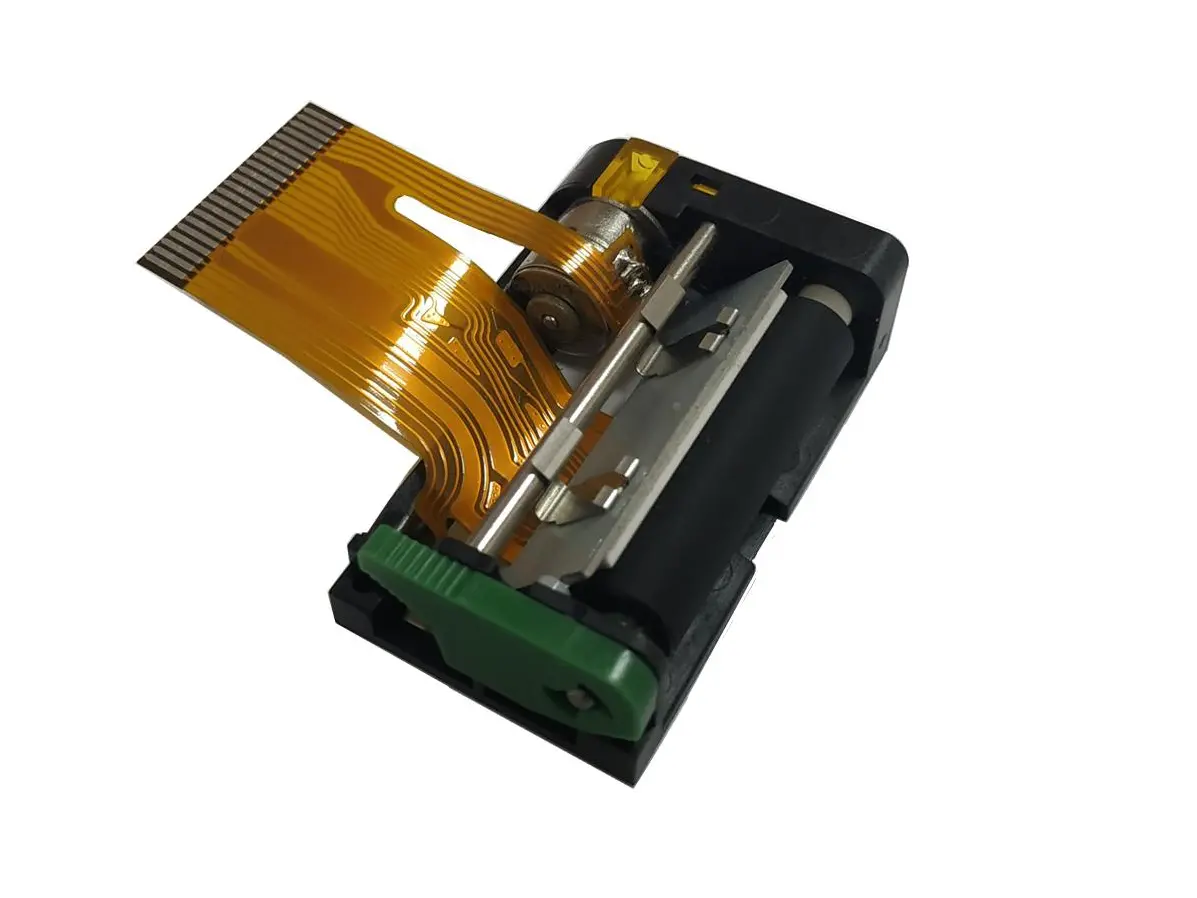 1 inch thermal printer mechanism
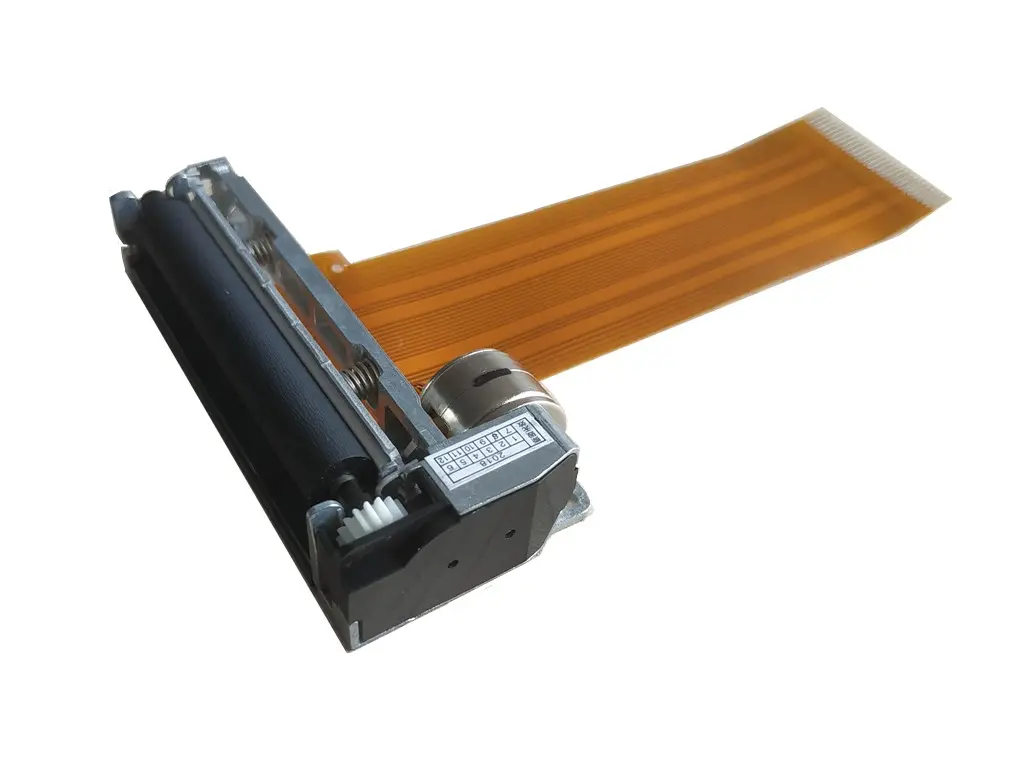 2 inch thermal printer mechanism
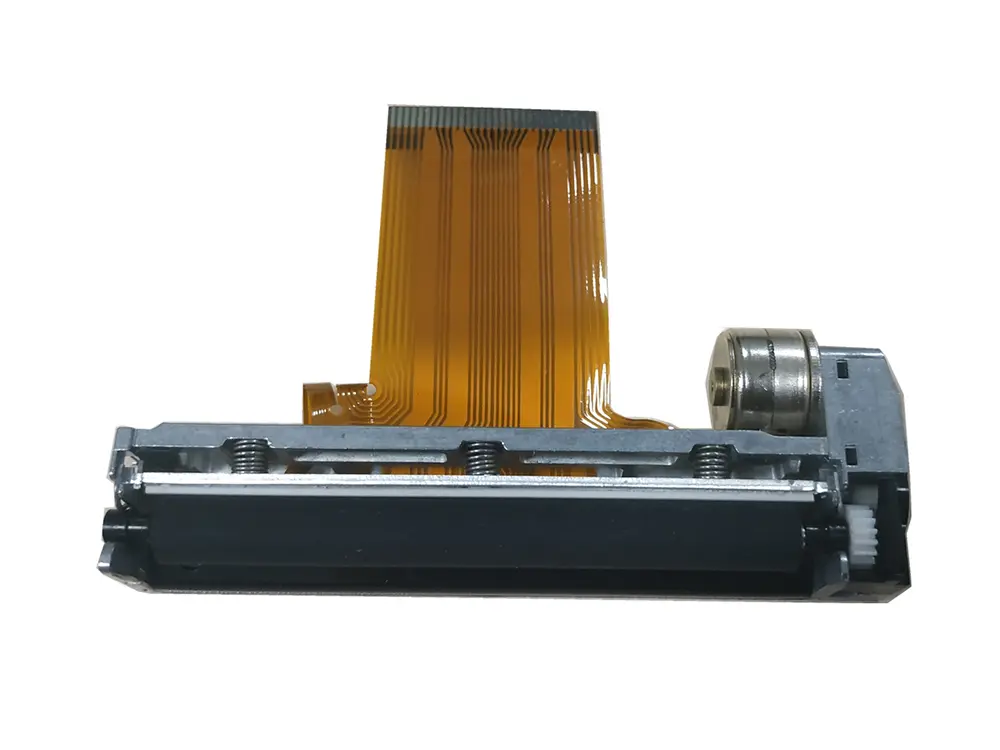 3 inch thermal printer mechanism
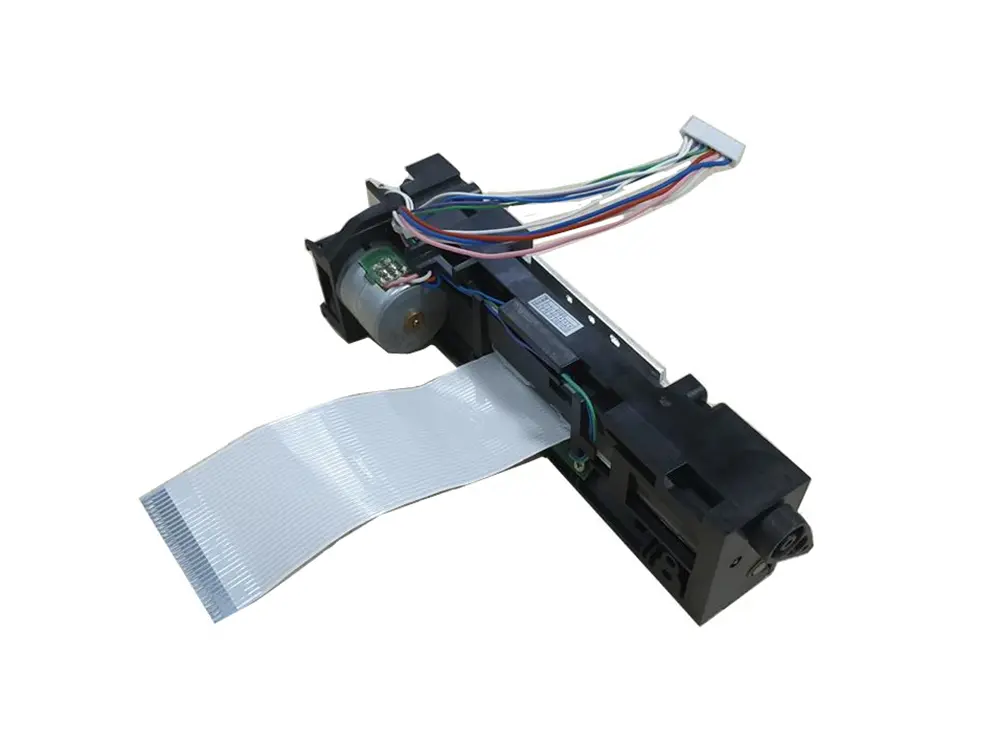 4 inch thermal printer mechanism
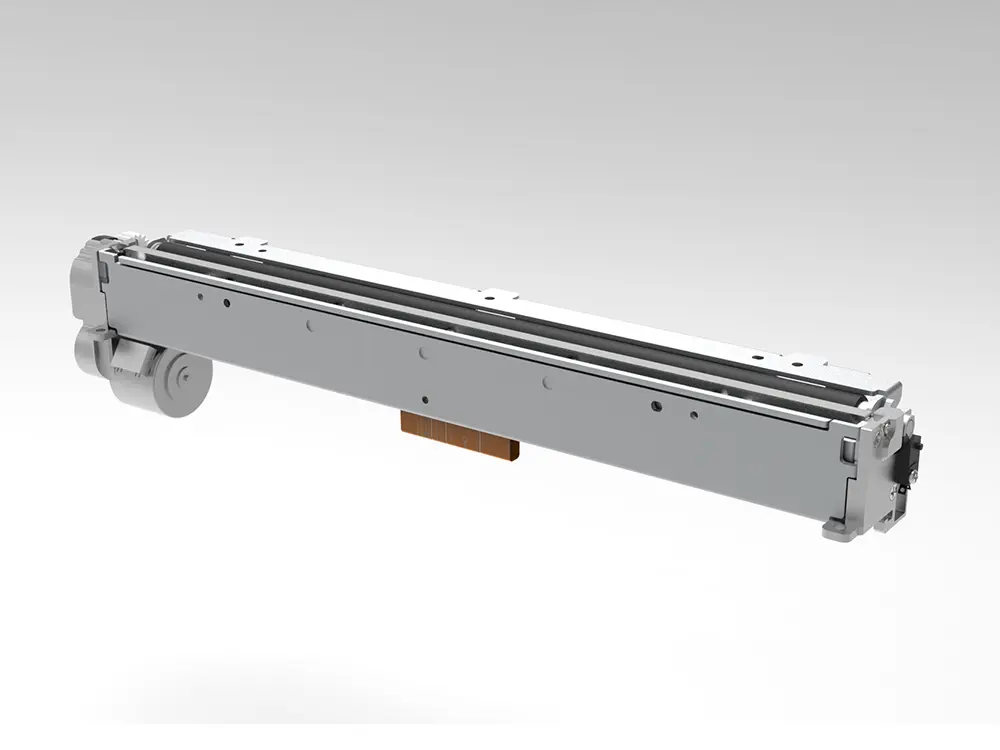 8 inch thermal printer mechanism
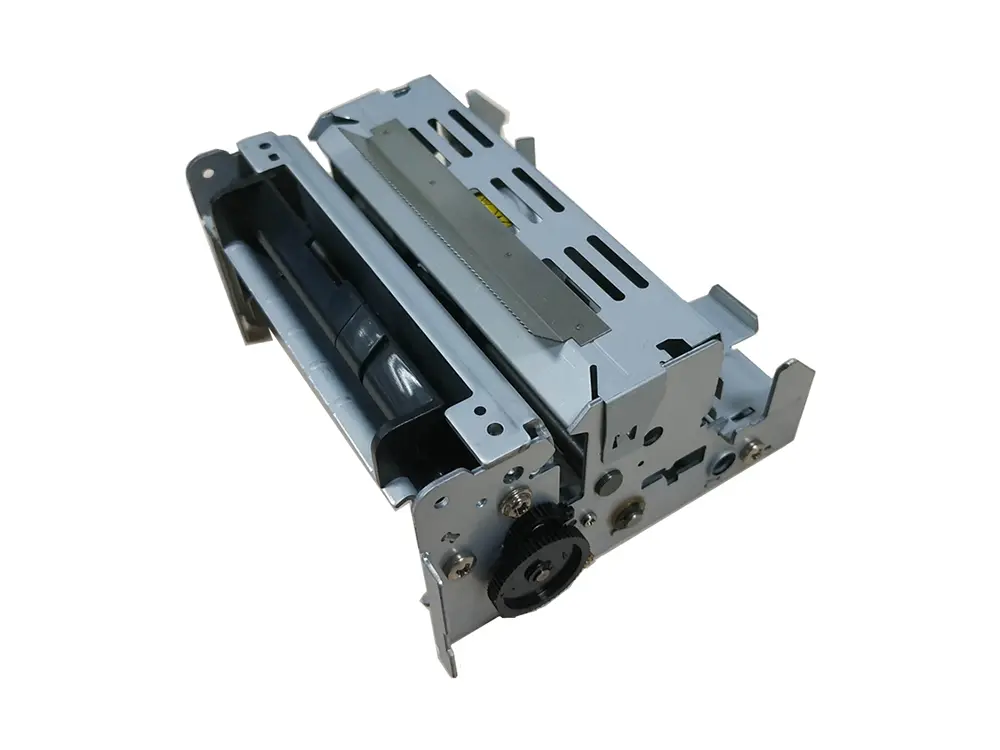 dot matrix printer mechanism
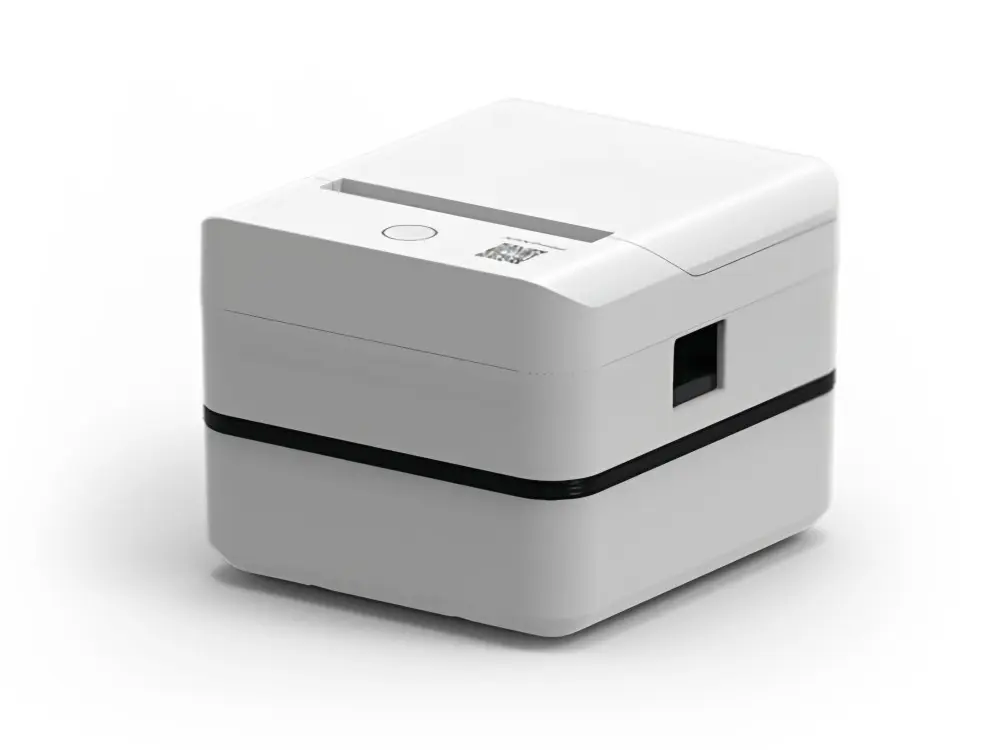 Label Printer
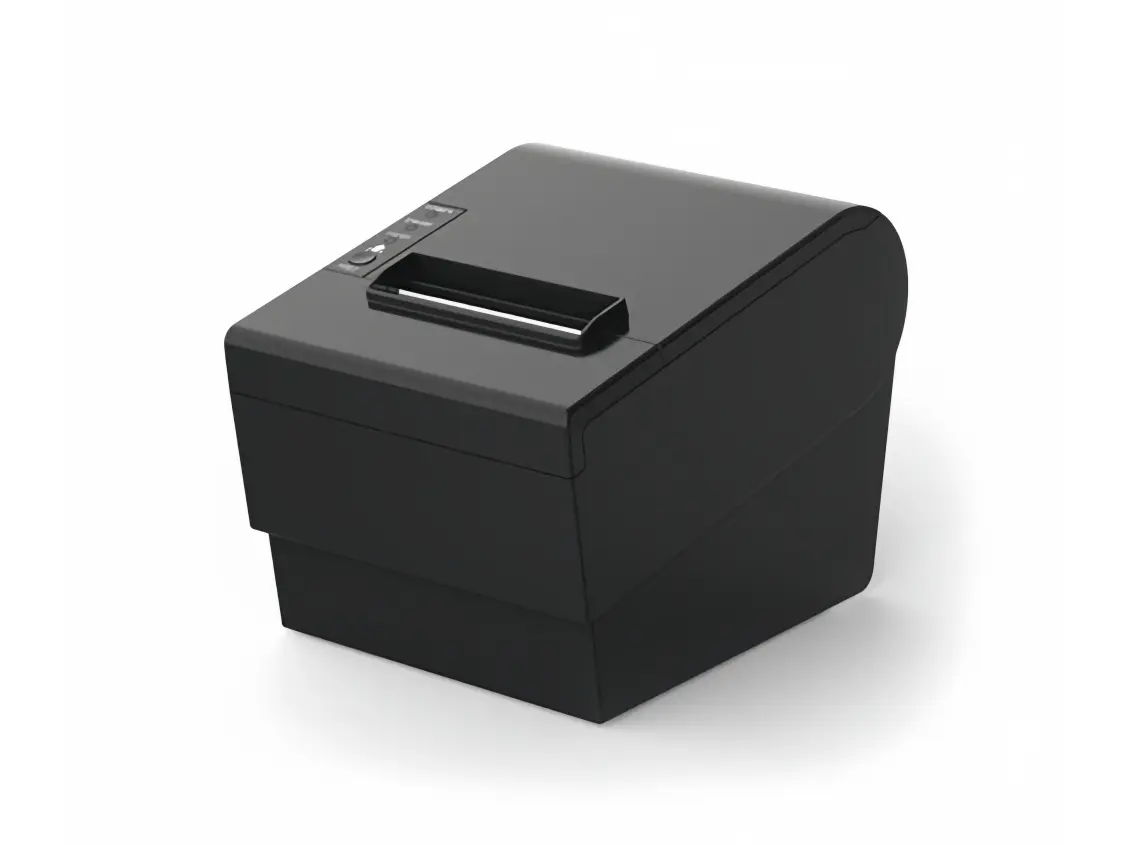 Receipt Printer
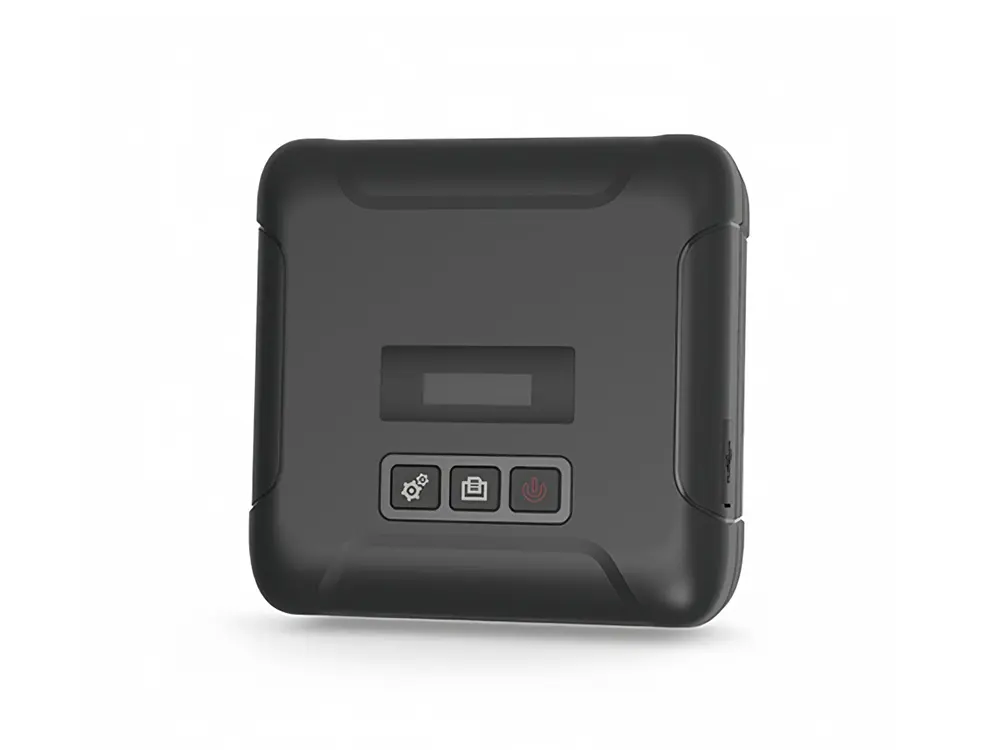 Mobile Printer