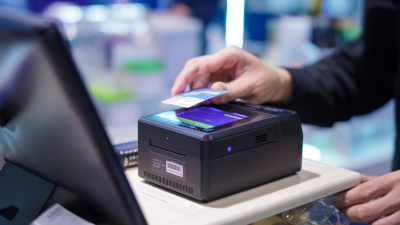
What is Printing Barcodes and How It Transforms Supply Chain Management
In the rapidly evolving landscape of supply chain management, the integration of technology and efficiency is paramount. One of the pivotal advancements transforming this sector is "Printing Barcodes." According to a recent report by Grand View Research, the global barcode printer market is expected to reach USD 4.5 billion by 2025, highlighting the growing reliance on barcode technology in various industries. This digital innovation not only streamlines inventory management but also enhances traceability and accuracy within supply chains.
Industry expert Dr. Susan Lin, a renowned specialist in logistics and automation, emphasizes the significance of this technology: "Printing Barcodes is not just a tool; it’s a foundational element that drives operational efficiency and precision in supply chains." As businesses strive to optimize their logistics processes, accurate barcode printing facilitates real-time tracking, reduces human errors, and ultimately leads to cost savings. The transition to barcode-based systems represents a crucial step towards a more digital and integrated supply chain environment, enabling companies to meet the increasing demands of a competitive marketplace.

The Evolution of Barcode Technology and Its Impact on Supply Chains
Barcode technology has evolved significantly since its inception in the early 1970s. Initially designed to streamline grocery store checkouts, barcodes have become integral across diverse industries. The introduction of the Universal Product Code (UPC) allowed for standardized labeling, enabling retailers to track inventory and sales data efficiently. The shift from simple linear barcodes to complex two-dimensional codes, like QR codes, has further enhanced their capabilities, allowing them to store vast amounts of data.
This evolution has had a profound impact on supply chain management. With the ability to scan barcodes quickly and accurately, businesses can minimize human error, reduce labor costs, and improve inventory accuracy. Automation of tracking processes not only speeds up the flow of goods but also provides real-time visibility into supply chain operations. This technological advancement fosters better decision-making, as stakeholders can analyze data more effectively, leading to optimized logistics, reduced waste, and ultimately a more responsive and agile supply chain.
Impact of Barcode Technology on Supply Chain Efficiency
Key Benefits of Implementing Barcode Systems in Inventory Management
Implementing barcode systems in inventory management brings significant advantages that can transform how businesses operate. One of the primary benefits is enhanced accuracy in tracking inventory. Barcodes reduce human error by enabling automatic data capture, which ensures that items are correctly identified and accounted for. This increased accuracy leads to better inventory control, minimizing the risk of overstocking or stockouts.
Tips: To maximize the effectiveness of barcode systems, it’s crucial to regularly train staff on how to use the equipment and software. This not only boosts efficiency but also helps in maintaining a high level of accuracy. Additionally, integrating barcode technology with existing inventory management systems can streamline processes further.
Another key benefit of using barcodes is improved speed in processing and retrieving inventory information. Barcode scanning is significantly faster than manual entry, which accelerates the picking, packing, and shipping processes. As a result, businesses can respond more promptly to customer demands and reduce lead times.
Tips: Regularly review and optimize your barcode scanning procedures. Evaluate the integration with other systems to ensure smooth operations and identify any areas for improvement. Utilizing mobile scanning devices can also enhance flexibility and efficiency in the warehouse.
Challenges and Solutions in Barcode Printing for Supply Chain Efficiency
Barcode printing is critical in enhancing supply chain efficiency; however, it comes with various challenges that need addressing. One significant hurdle is ensuring the quality and readability of the printed barcodes. According to a report by GS1, nearly 1 in 10 barcodes is unreadable, leading to costly operational inefficiencies and inventory tracking issues. Ensuring high-quality printing not only reduces errors but also minimizes delays in the supply chain, which can enhance overall productivity.
Another challenge is managing the technology and software used for barcode printing. As per a study published by Allied Market Research, the barcode printer market is projected to reach $5.7 billion by 2026, emphasizing the growing reliance on advanced barcode solutions. Organizations must ensure that they are utilizing compatible hardware and software that can seamlessly integrate with existing systems. Training staff on the best practices in barcode printing is also crucial in overcoming these challenges, as well-executed training can significantly lower error rates and improve the efficiency of the supply chain operations.
What is Printing Barcodes and How It Transforms Supply Chain Management - Challenges and Solutions in Barcode Printing for Supply Chain Efficiency
| Dimension |
Description |
Challenges |
Solutions |
| Barcode Printing Technology |
The technology used to print various types of barcodes on products. |
Inconsistent print quality. |
Regular maintenance of printers and using high-quality printing materials. |
| Barcode Scanning |
Reading barcode information using scanners to track items. |
Poor scanner compatibility with different barcode formats. |
Investing in universal barcode scanners. |
| Data Management |
Managing and updating the database that links barcodes to products. |
Inaccurate data entry leading to tracking issues. |
Implementing double-check systems to ensure data accuracy. |
| Integration with Software |
Integrating barcode technology with supply chain management software. |
Compatibility issues with legacy systems. |
Utilizing APIs for better integration. |
| Employee Training |
Training staff on how to use barcode systems effectively. |
Resistance to adopting new technologies. |
Providing comprehensive training sessions and support. |
Future Trends in Barcode Technology and Their Implications for Logistics
The future of barcode technology is poised for remarkable evolution, particularly within the logistics sector, where it plays a pivotal role in the efficiency of supply chain management. With the global market for wearable barcode scanners expected to surge from \$1.02 billion in 2024 to \$10.3 billion by 2033, this represents a projected growth rate of approximately 6.5%. This substantial growth underscores the increasing reliance on advanced tracking systems that enhance inventory management and streamline operations across various transportation modalities.
Furthermore, the integration of artificial intelligence into logistics signifies a transformative trend that complements barcode technology. By optimizing routing, enhancing warehouse efficiency, and improving overall supply chain agility, AI-driven solutions, as highlighted by recent analyses, are set to redefine operational benchmarks in the logistics industry. As companies continue to navigate the complexities of supply chains, the symbiosis between barcode technology and AI will likely yield unprecedented levels of transparency, accuracy, and customer satisfaction, shaping the future landscape of logistics through precision and innovation.
Case Studies: Successful Barcode Implementations in Various Industries
Implementing QR codes in supply chain management can significantly enhance efficiency and transparency across various industries. For instance, businesses using GS1 standards for QR code implementation can provide vital product information directly to consumers, improving traceability and reducing the risk of counterfeit products. This approach has been particularly beneficial in sectors like healthcare and manufacturing, where strict compliance and accurate tracking are paramount.
Tips for successful QR code implementation include ensuring that all team members are trained on scanning and interpreting QR code data, regularly updating the information linked to the codes to maintain accuracy, and conducting tests to confirm that the codes work seamlessly across different devices. Furthermore, integrating QR codes into existing supply chain systems can streamline operations and enhance product monitoring, ultimately leading to better inventory management.
Case studies across various industries illustrate the successful integration of QR codes, showcasing their role in improving customer engagement and operational efficiency. For instance, in the manufacturing sector, companies that adopted QR code packaging have reported improved accuracy in inventory levels and streamlined logistics processes. As businesses strive for competitive advantage, embracing intelligent technology like QR codes represents a significant step forward.

 1 inch thermal printer mechanism
 2 inch thermal printer mechanism
 3 inch thermal printer mechanism
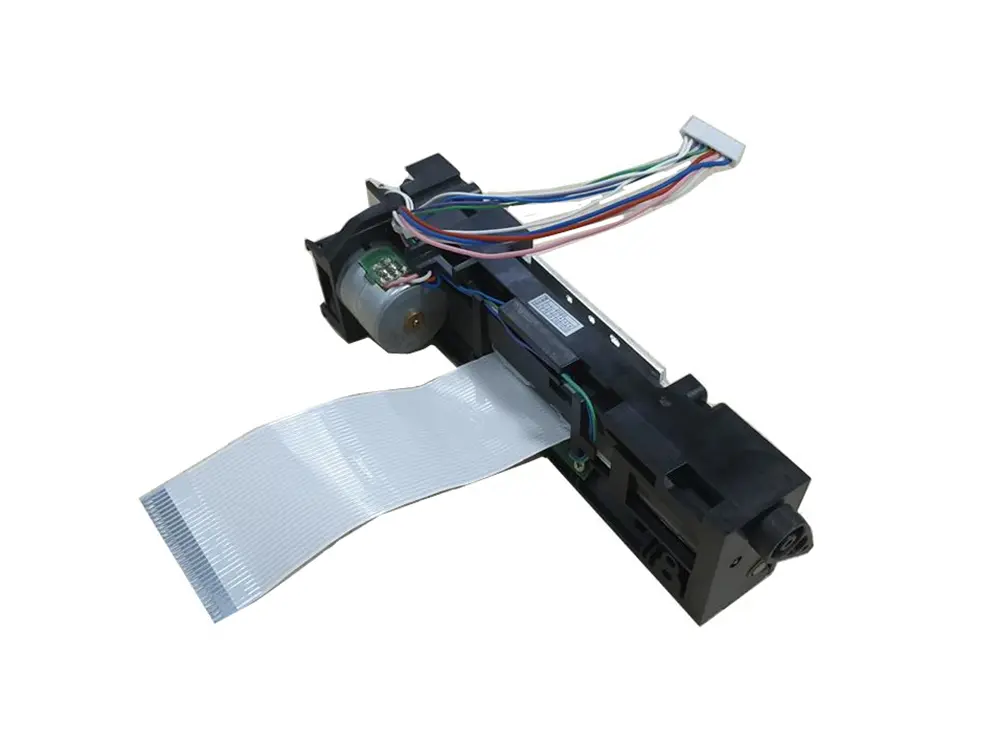 4 inch thermal printer mechanism
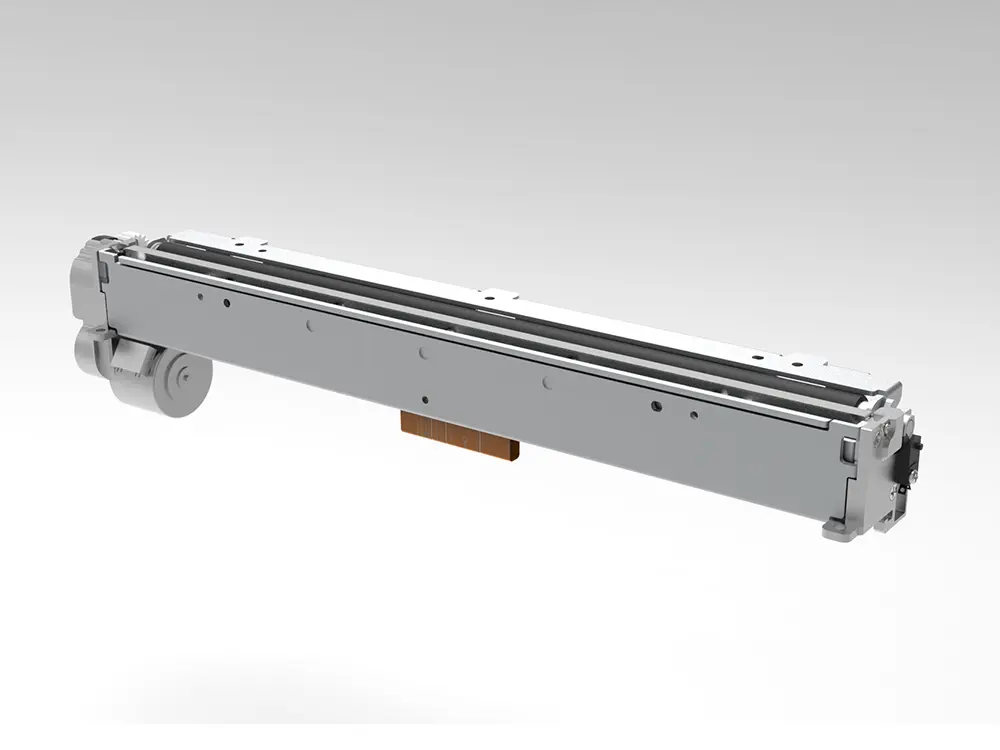 8 inch thermal printer mechanism
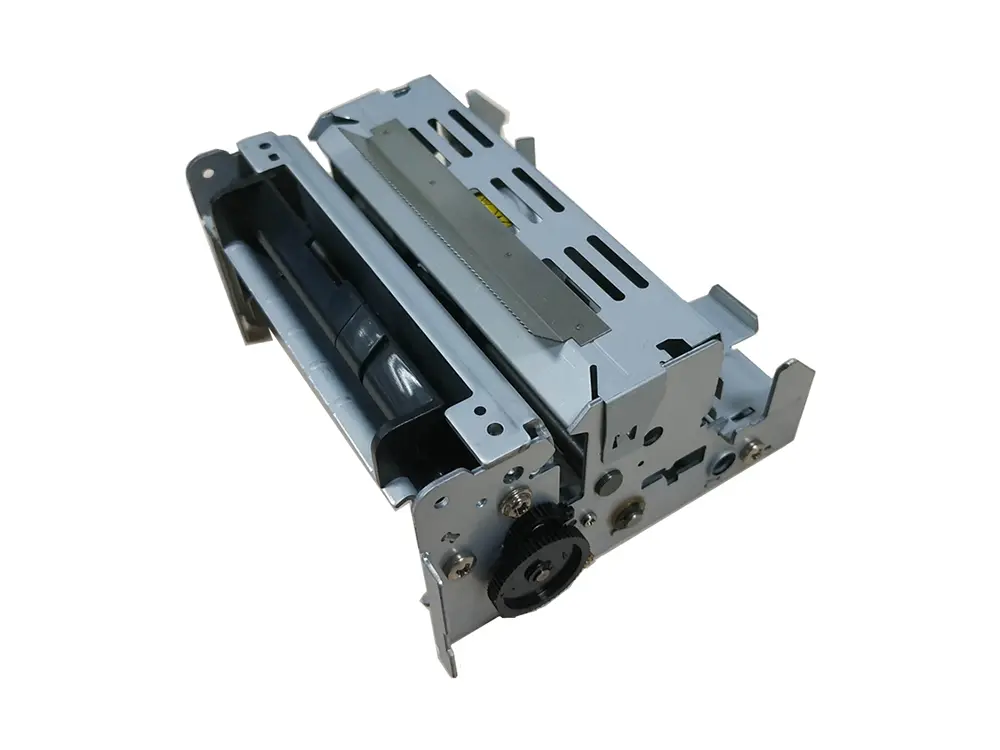 dot matrix printer mechanism
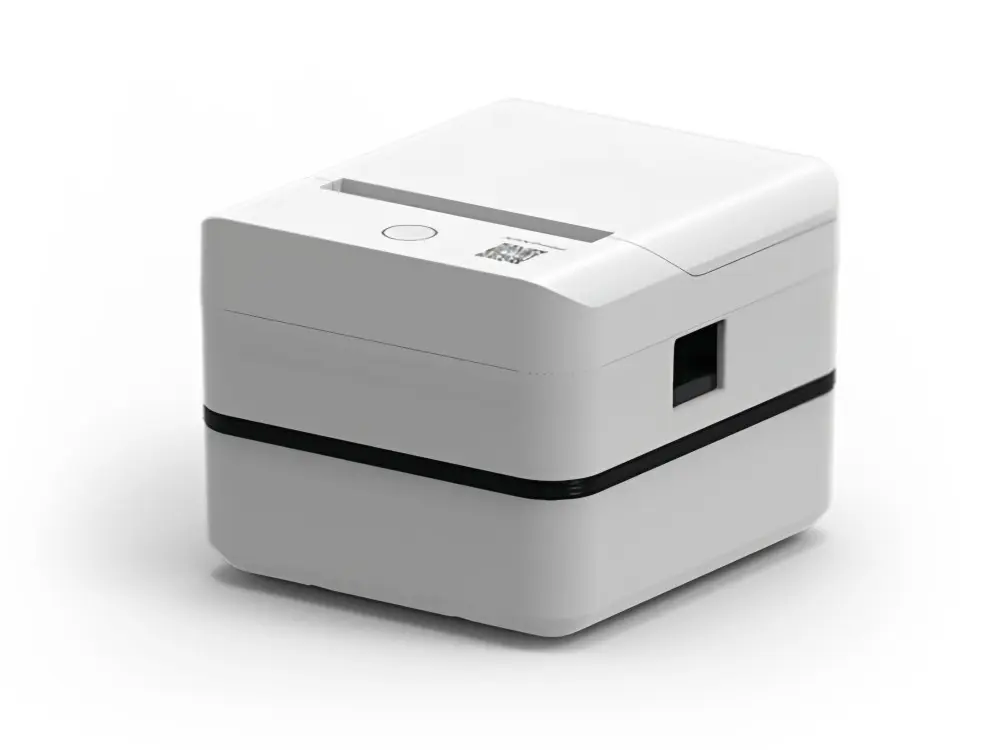 Label Printer
 Receipt Printer
 Mobile Printer