What is a Pocket Printer and How Does it Work?
In recent years, the rise of the Pocket Printer has changed how we print photos and documents on the go. A Pocket Printer is a compact device designed for convenience. It allows users to print directly from their smartphones or tablets, all without needing a standard printer. This technology appeals to those who love instant prints and desire portability.
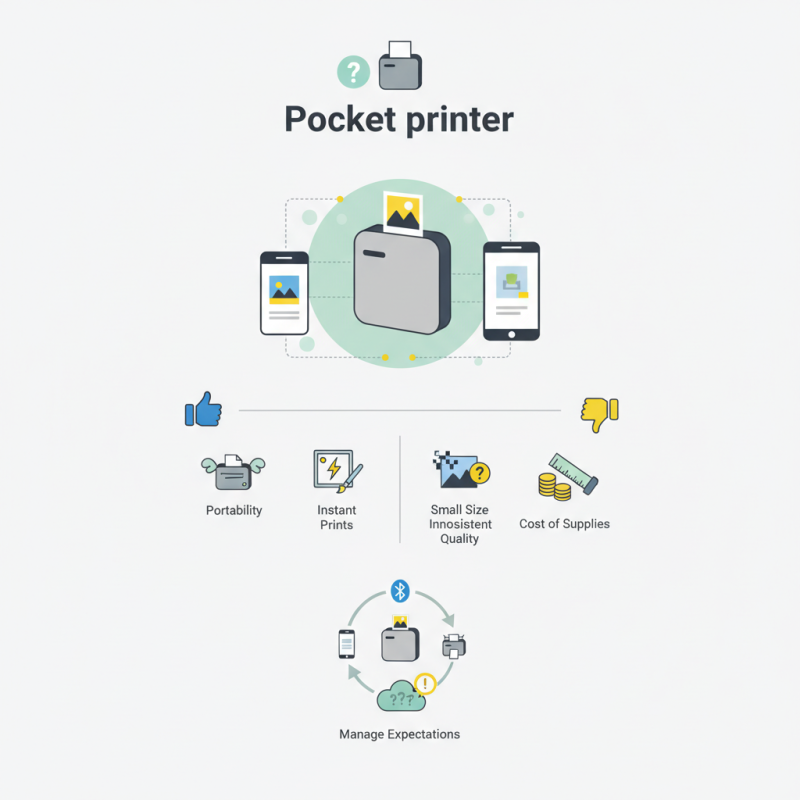
The working mechanism of a Pocket Printer is intriguing. These printers often utilize Bluetooth or Wi-Fi to connect to devices. The prints are usually small and can be shared easily. However, the quality can be inconsistent, which sometimes leads to disappointment. People might find that colors vary from their screens. It’s essential to manage expectations.
Many users appreciate the compact design but wonder about limitations. The small size can restrict print dimensions. Some might struggle with the cost of printing supplies. Alongside these concerns, the convenience of a Pocket Printer remains unmatched in casual settings. While it’s not perfect, it opens doors to creativity and instant memories that larger printers cannot.
What is a Pocket Printer?
A pocket printer is a compact device designed for wireless printing on the go. It connects to smartphones or tablets via Bluetooth or Wi-Fi. This technology allows users to print photos, documents, and labels quickly and conveniently. According to research from MarketsandMarkets, the portable printer market is projected to reach $3.2 billion by 2025, highlighting its growing popularity.
These printers typically use thermal imaging technology or inkless printing methods. The images produced can be surprisingly vivid, yet they may lack the quality of traditional printers. Many users have noted this compromise, especially when printing larger images. Functional limitations can also be a concern. Users might find they're restricted to specific paper sizes or types, affecting their printing experience.
The convenience of printing straight from a mobile device is appealing. However, the durability of prints can be another discussion point. Some prints may fade over time, requiring careful storage. Likewise, battery life can vary widely between models. A user might expect several hours of use, but some devices may fall short. While pocket printers fulfill a unique need, they aren't without their flaws.
Key Features of Pocket Printers
Pocket printers have become popular for their convenience and versatility. These compact devices easily fit into bags or pockets, allowing users to print photos and documents on the go. They connect wirelessly to smartphones or tablets, making printing seamless and straightforward. With just a few taps, users can bring digital memories to life in physical form.
One key feature of pocket printers is their portability. Weighing less than a pound, they are lightweight and easy to carry. Many models use thermal printing technology, which means no ink cartridges are needed. Instead, they rely on special paper that changes color when heated. This often results in vibrant prints, but the quality can vary. Sometimes, colors may not appear as expected.
Another important aspect is their battery life. While many can print multiple photos before needing a recharge, the power can deplete unexpectedly. Users might find themselves scrambling for a charging source. Additionally, some pocket printers lack advanced editing features. This can frustrate those who want to fine-tune their images. Despite these drawbacks, pocket printers remain a fun tool for instant memories.
How Pocket Printers Work: An Overview
Pocket printers are compact devices that allow you to print photos and documents on the go. They utilize various printing technologies, often thermal or inkless methods, to create high-quality prints. These printers typically connect to smartphones or tablets via Bluetooth. This wireless function makes it easy to print directly from your device.
One of the key components is the ink system. Many pocket printers use special cartridges or paper with embedded dye crystals. When heated, these crystals produce vibrant colors. A small battery powers the printer, enabling portability. You can carry it in your bag easily for travel or events.
Tip: Always charge your pocket printer before a trip. An unexpected low battery can halt your plans.
For best results, use good quality paper designed for your printer. This can drastically improve the color and clarity of your prints. However, even the best setups can have quirks. Sometimes, alignment issues may cause skewed prints. It's a good idea to check your settings before printing, especially if you face repeated problems.
Tip: Experiment with different lighting when taking photos to enhance print quality. Proper lighting can make a significant difference in the final product.
Benefits of Using a Pocket Printer
Pocket printers have gained popularity for good reasons. They offer convenience and flexibility. These compact devices allow users to print photos or documents directly from their smartphones or tablets. Imagine being at a family gathering and printing memories on the spot. It’s both fun and practical. The portability is unmatched. You can carry them in your bag or even pocket.
Using a pocket printer can enhance your creativity. You might be inspired by a scene and want to capture it immediately. The ability to print on-the-go fuels spontaneous ideas. However, the quality might not rival larger printers. It’s something to consider. Paper types can also limit use. If you’re planning to print important documents, they may not always look professional.
Despite these downsides, the benefits are compelling. They help document life in real time. It’s about making tangible keepsakes and sharing them instantly. That’s where joy lives. Balance your expectations, and you might find a pocket printer to be your new favorite companion.
Benefits of Using a Pocket Printer
Popular Brands and Models of Pocket Printers
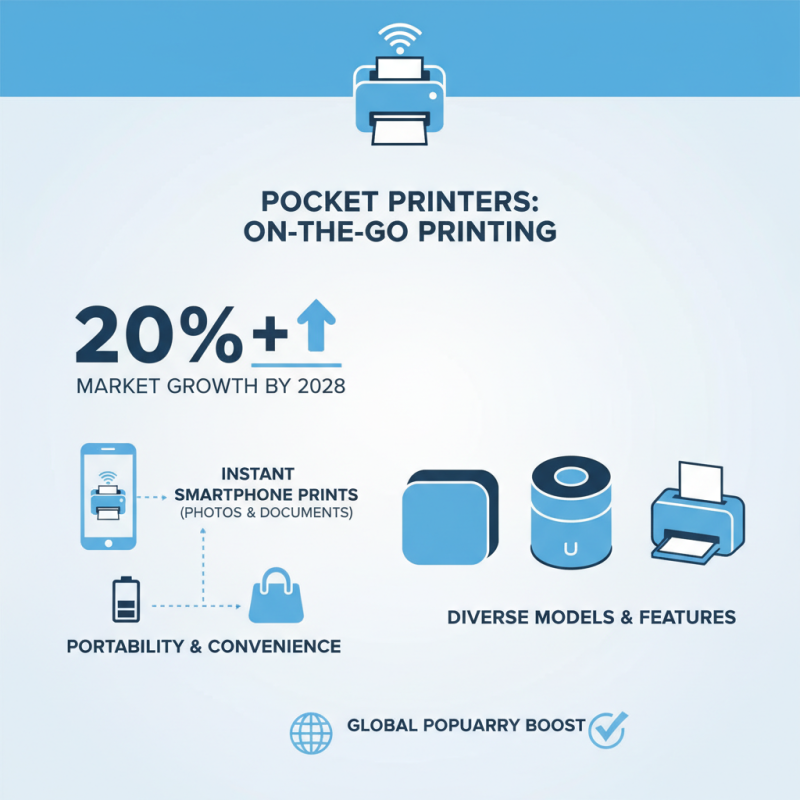
Pocket printers have gained popularity thanks to their portability and convenience. Many users appreciate the ability to print photos or documents from their smartphones. The growing demand has led to several brands launching diverse models, each with unique features. Industry reports indicate that the pocket printer market is expected to grow by over 20% in the next few years.
Common models vary significantly in size, weight, and print quality. Some devices are compact enough to fit in a bag. Others may be slightly bulkier but offer higher resolution prints. Battery life is also a crucial consideration. Many printers boast a battery life of 20 prints on a single charge, which may not meet everyone's needs. Users often desire longer-lasting options.
Print technology varies among brands. Some printers use thermal technology, while others rely on inkjet procedures. Thermal printers are less messy, but inkjet printers typically provide better color accuracy. Potential buyers should weigh these factors against their specific printing needs. Understanding these differences can be daunting. Users must navigate numerous choices to find the best fit for their requirements.

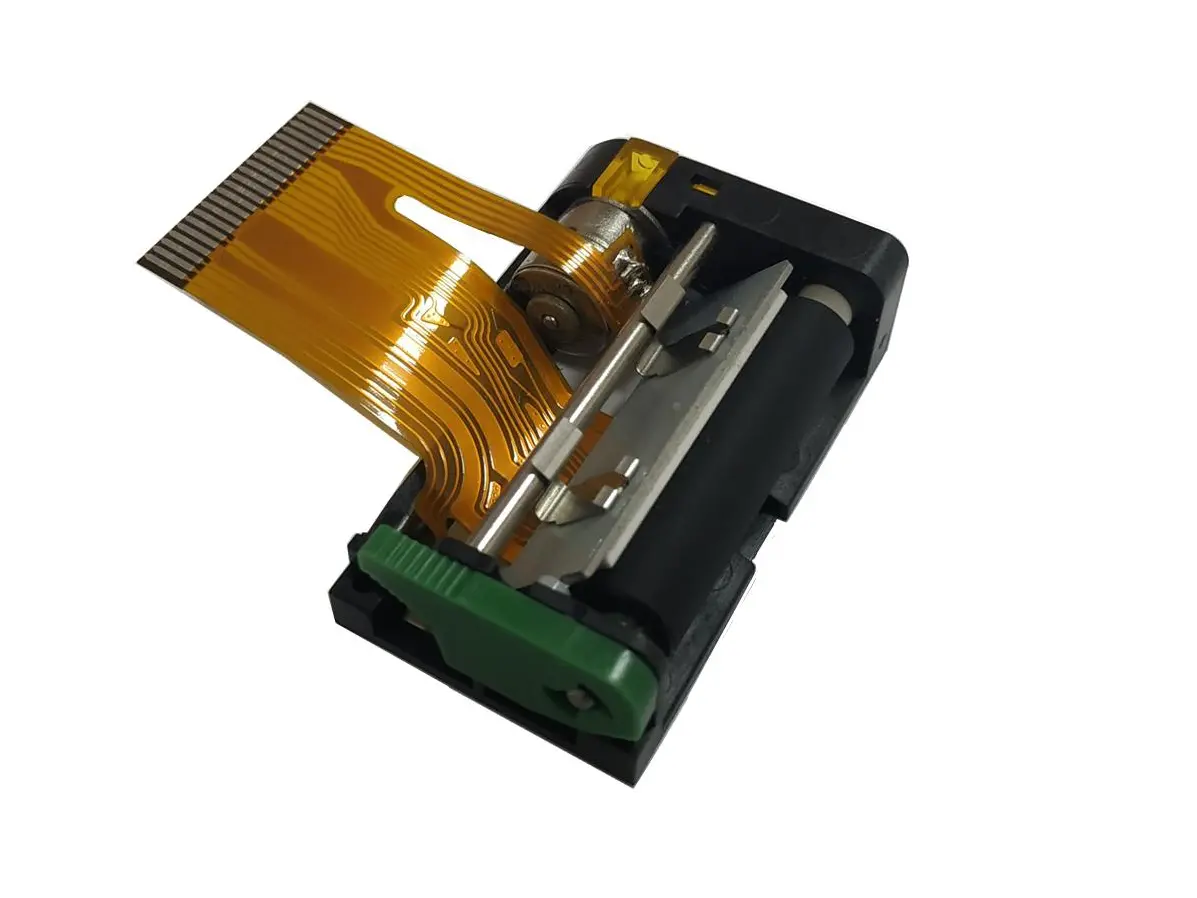 1 inch thermal printer mechanism
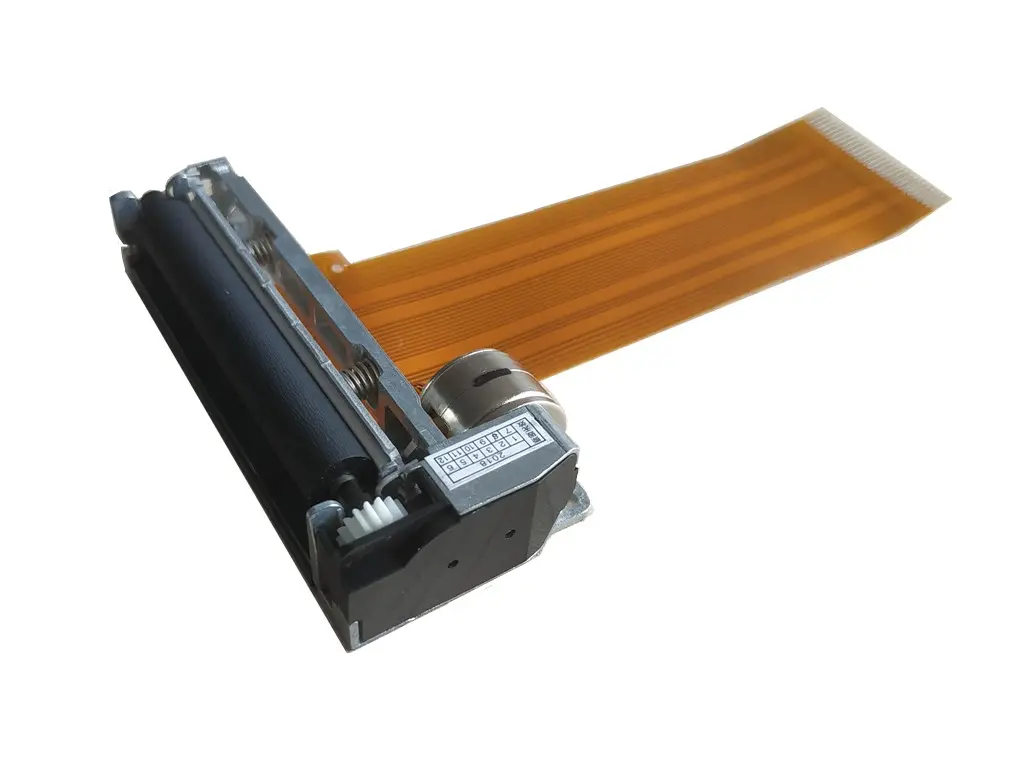 2 inch thermal printer mechanism
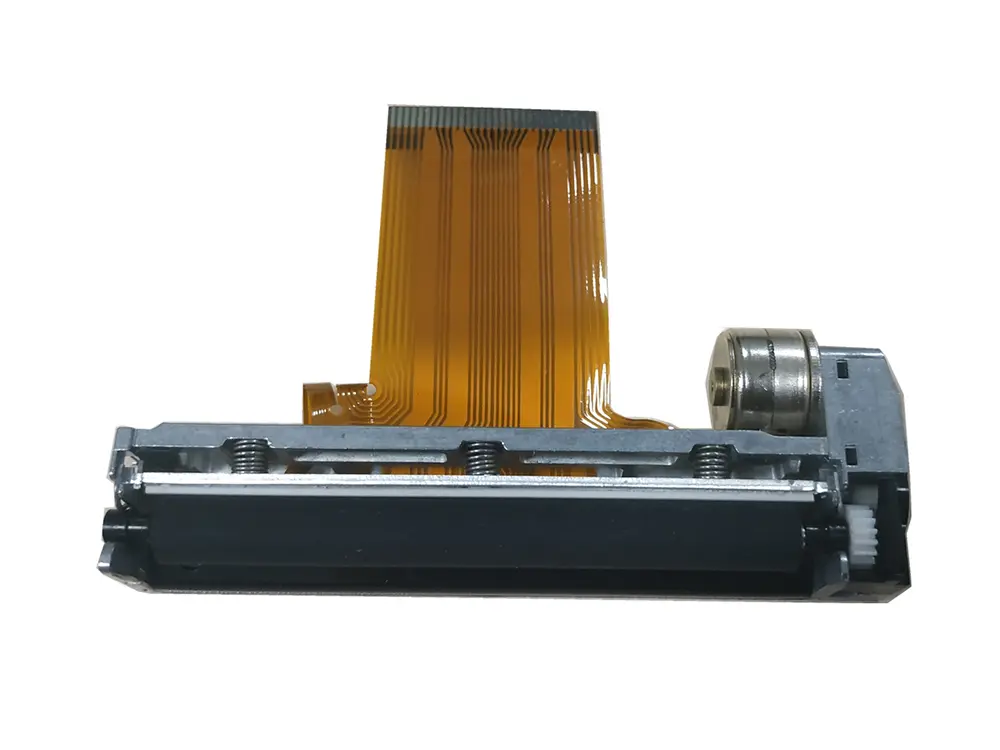 3 inch thermal printer mechanism
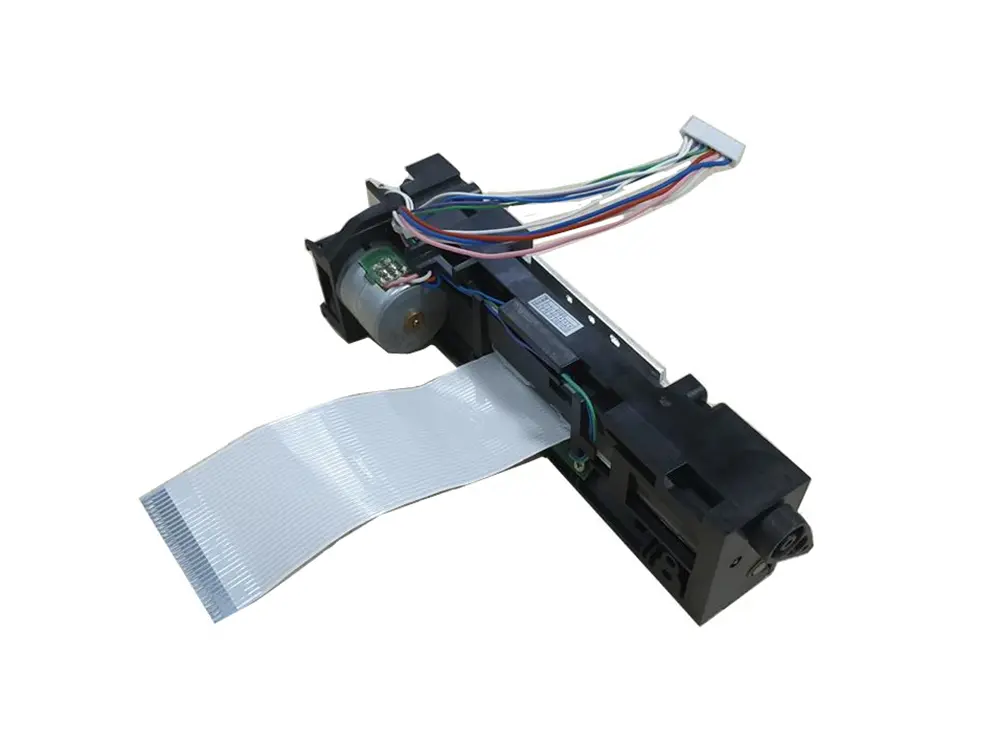 4 inch thermal printer mechanism
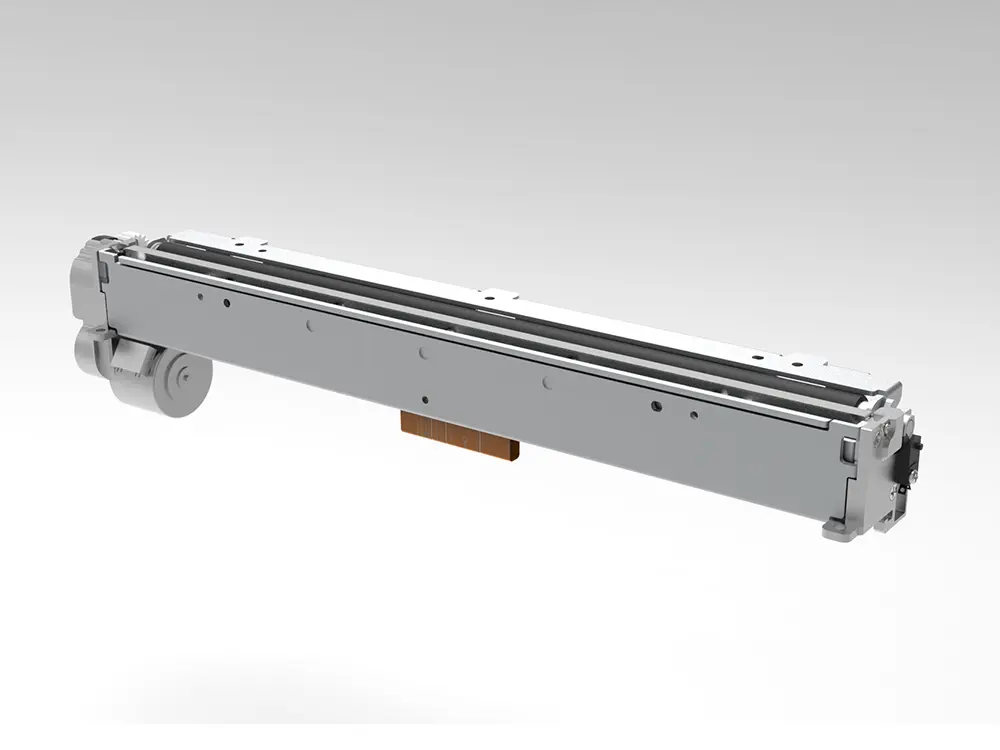 8 inch thermal printer mechanism
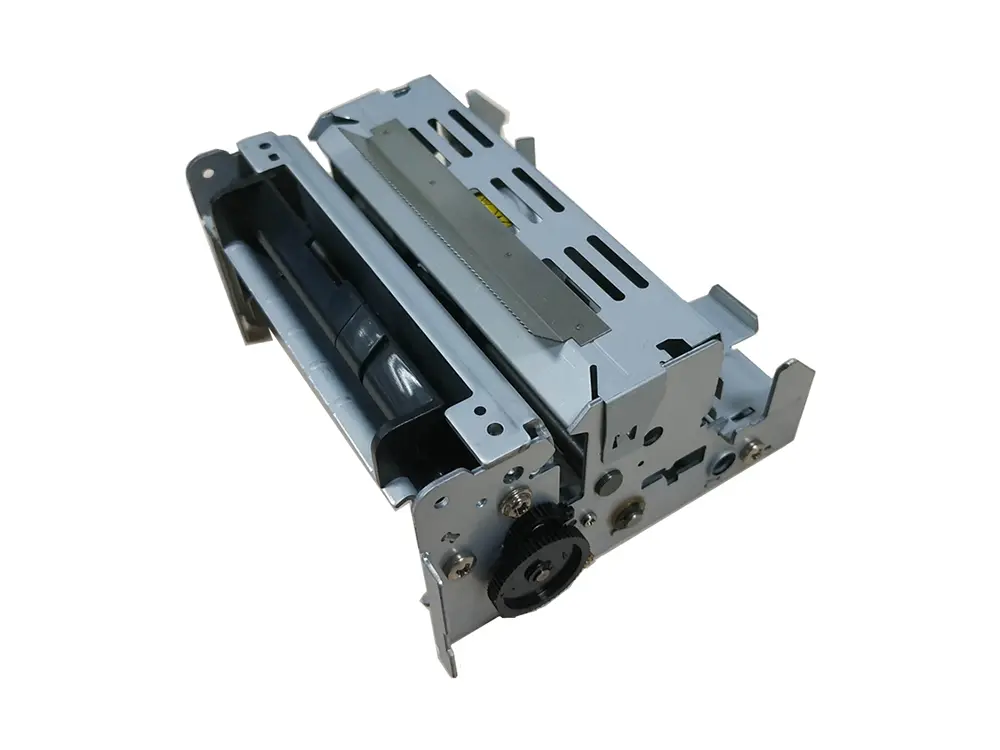 dot matrix printer mechanism
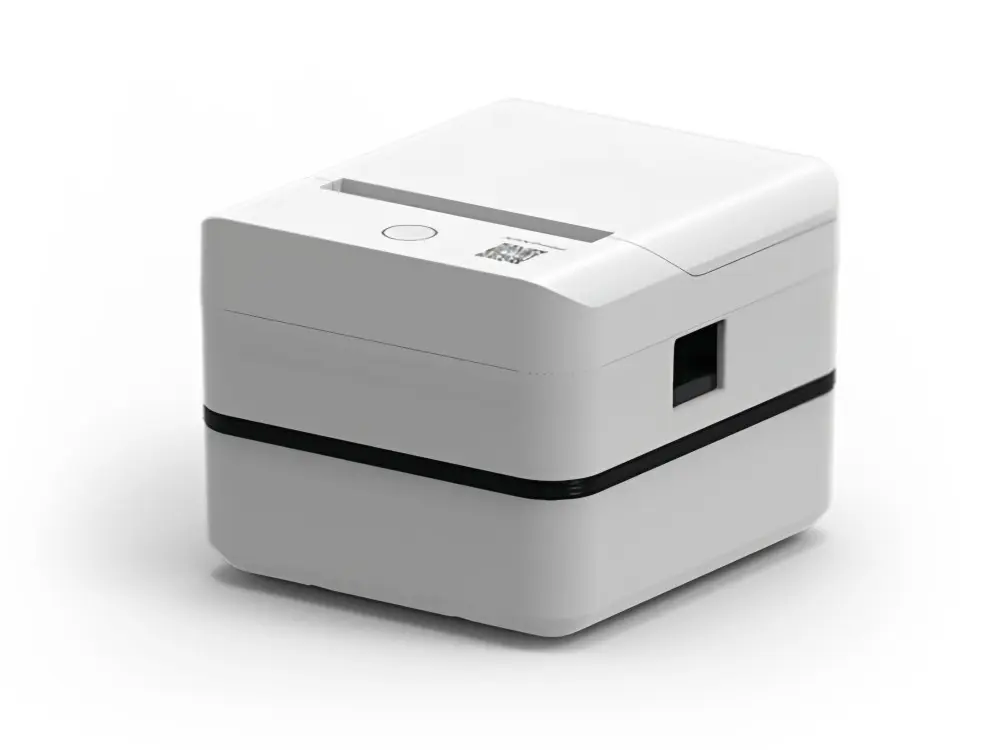 Label Printer
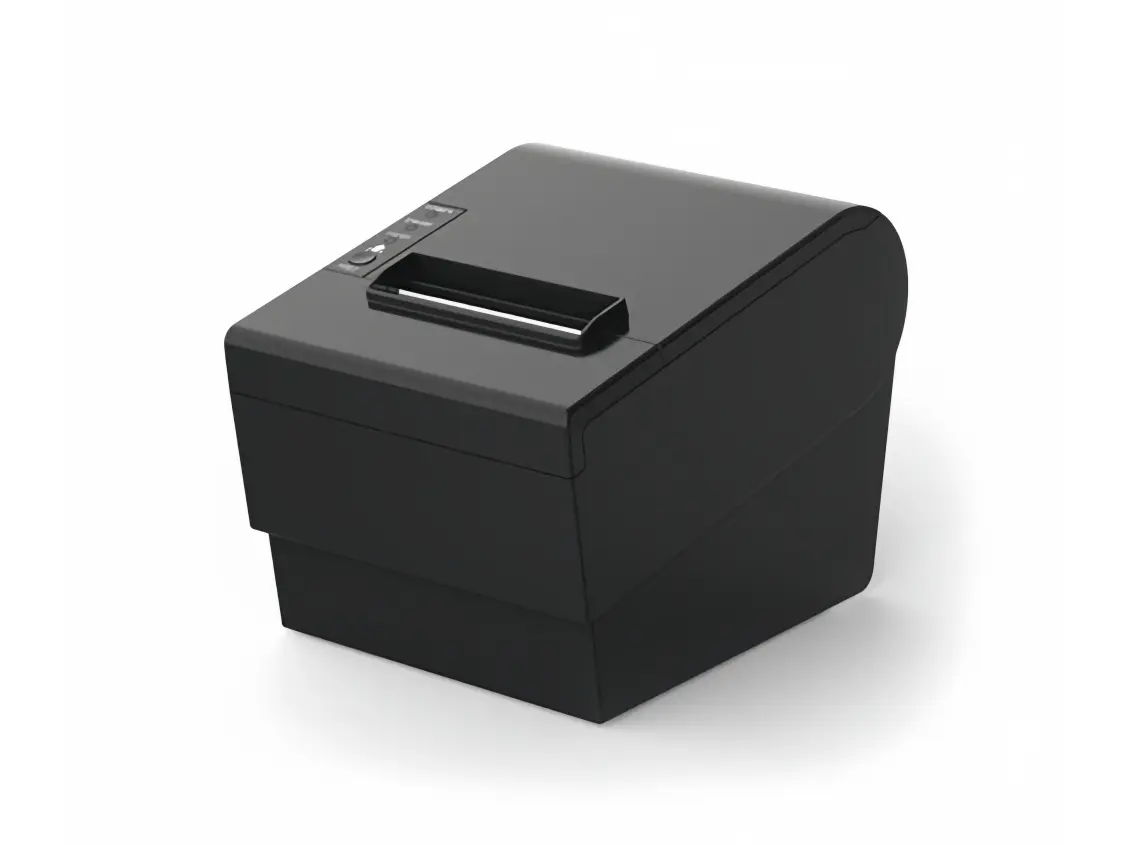 Receipt Printer
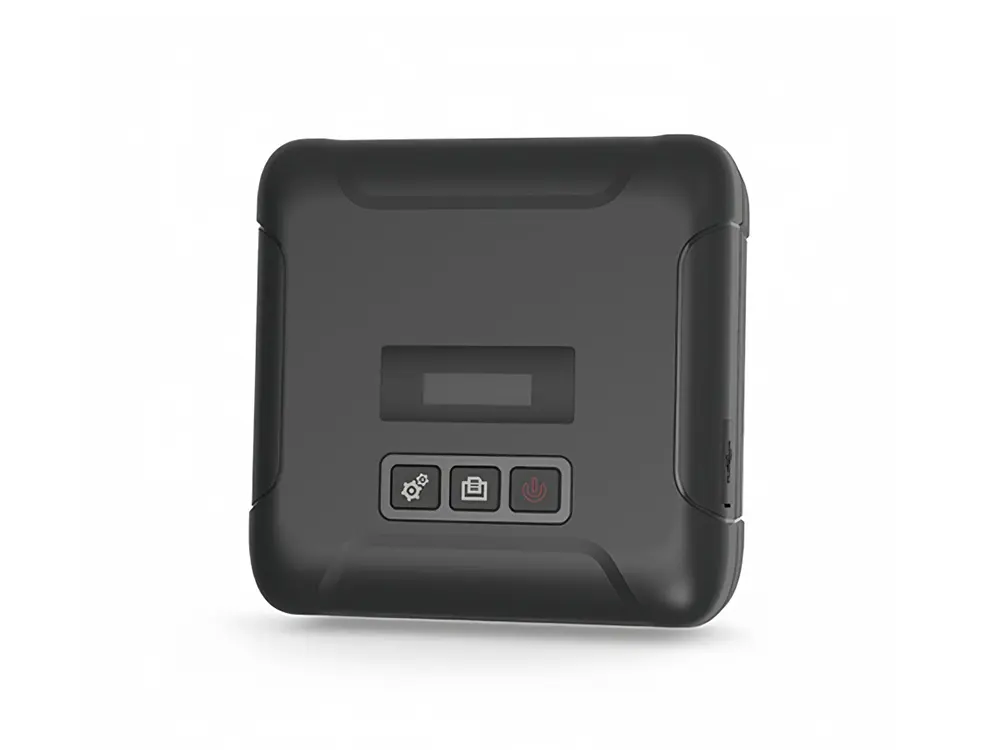 Mobile Printer