What is a Pocket Photo Printer and How Does It Work?
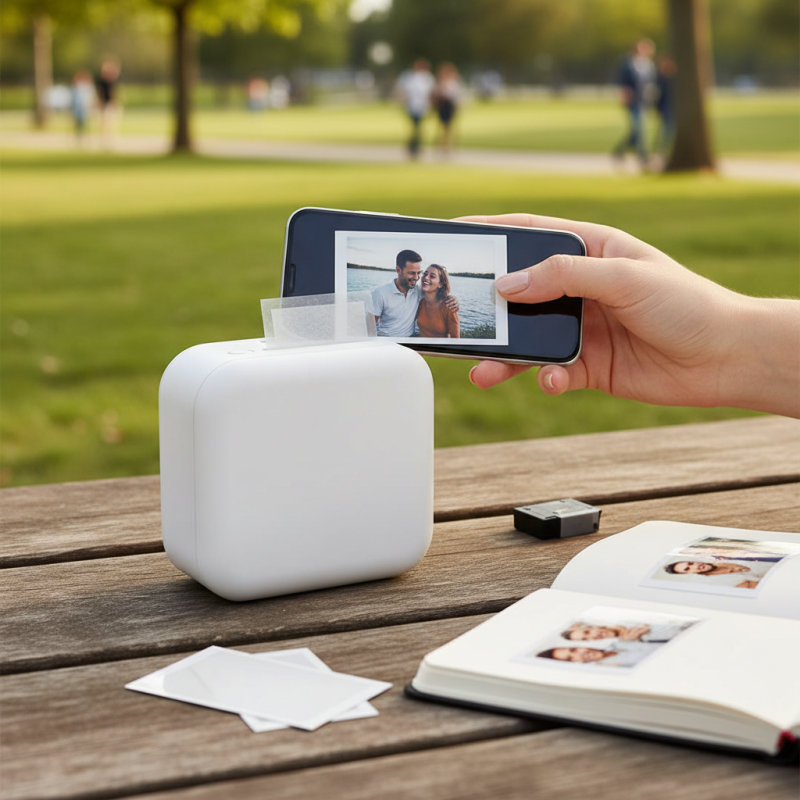
A Pocket Photo Printer is a compact device that prints photos directly from your smartphone. It has gained popularity in recent years. Many people enjoy capturing memories on the go. This printer is lightweight and portable, making it easy to carry around.
Using a Pocket Photo Printer is simple. You connect it to your phone via Bluetooth or an app. After selecting a photo, you hit print. In seconds, a small photo appears. The prints are often sticky-backed, great for scrapbooking or sharing. However, the quality can vary among brands. Some people feel disappointed with the resolution.
While these printers are fun, they come with downsides too. The cost of paper and ink adds up. Additionally, battery life can be an issue during outings. A Pocket Photo Printer is a great gadget but requires thoughtful consideration before purchasing.
What is a Pocket Photo Printer?
A pocket photo printer is a compact device designed for on-the-go printing. These printers connect to smartphones or tablets via Bluetooth or Wi-Fi. They allow users to print photos directly from their camera rolls or social media. Many people appreciate the convenience of being able to hold a physical copy of their memories right after capturing them.
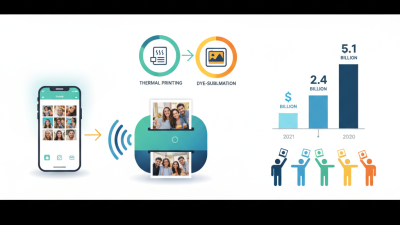
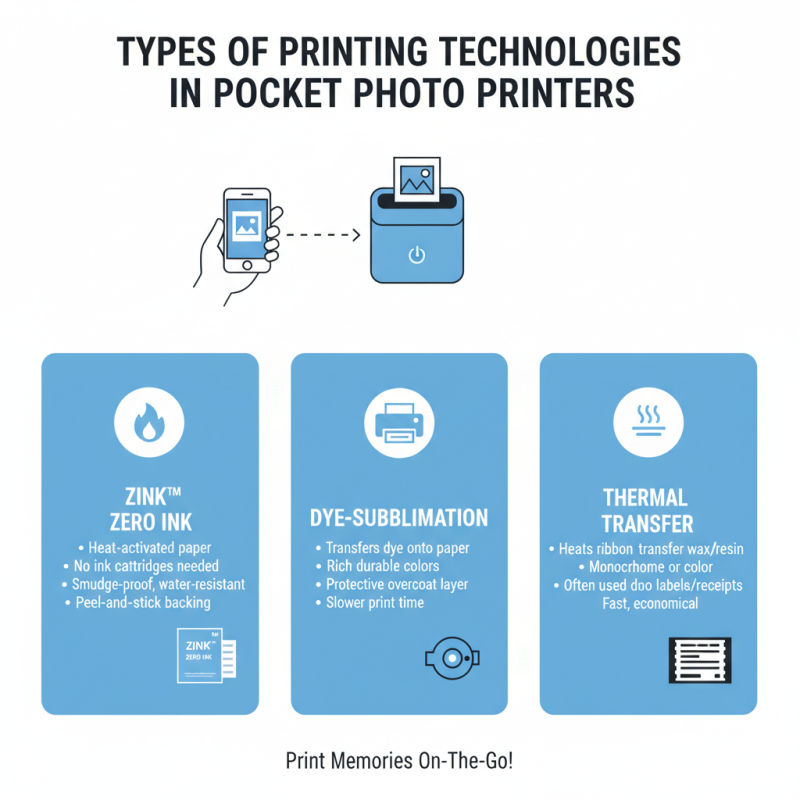
The printing process typically involves dye-sublimation technology. This means that the printer applies layers of colored dye onto special paper. The result is a vibrant photo that dries quickly and is often smudge-proof. However, these prints can sometimes struggle with color accuracy. Lighting conditions when taking the original photo also impact the final outcome. Occasionally, the prints may not match the screen's colors perfectly. Users should be aware that lighting plays a crucial role in photography.
Carrying a pocket printer can be a fun way to create instant memories. Still, it's worth considering the paper costs. As exciting as it is to print photos anytime, expenses can add up over time. Users might find that they hesitate to print every photo. A little reflection on what moments truly deserve to be printed can enhance the experience.
Key Features of Pocket Photo Printers
Pocket photo printers have become popular for their convenience and portability. These small devices allow users to print photos directly from their smartphones seamlessly. According to a recent industry report, the global market for portable printers is expected to grow at a CAGR of 7% from 2023 to 2030.
Key features of pocket photo printers include Bluetooth connectivity, which enables easy wireless printing. Many models can print in 2x3 inch or 4x6 inch formats, offering flexibility for users. Moreover, the print quality has improved significantly, with some printers delivering vibrant colors and detailed images. The inkless printing technology is another noteworthy feature, allowing for mess-free operation. However, users may encounter difficulties with battery life. A low battery can hinder spontaneous printing moments at events.
Tips: Always check your printer's battery level before heading out. Additionally, ensure that the companion app on your smartphone is updated. This can prevent compatibility issues during printing.
Some users find the size of prints limiting. While pocket printers are great for casual photos, they may not meet the expectations for professional quality images. Consider your printing needs carefully. Evaluate if a pocket printer suits your photography habits. Balancing convenience and quality is essential for making the right choice.
How Pocket Photo Printers Work: A Step-by-Step Guide
Pocket photo printers are compact devices that let you print photos directly from your smartphone. They use thermal printing technology to transfer ink onto paper. It's a fun way to create tangible memories. The entire process is quick and often takes less than a minute per print.
To get started, you connect the printer to your smartphone via Bluetooth or Wi-Fi. Choose your favorite photo from your gallery. Then, adjust settings such as brightness and contrast. Once you're satisfied, hit print. The printer heats a special paper, causing colors to develop. It's like magic, but sometimes it misses the mark. The colors can appear different than expected, and the image quality might not impress everyone.
After printing, consider how to display your photos. A plain scrapbook can work, but it might feel lacking. Some people prefer creative ways to showcase their prints. Whether it's a collage or a wall display, it’s important to reflect on how you want your memories to be seen. You might realize that not every print will be perfect, and that's okay. Embrace the imperfections, as they tell the story of your journey.
Benefits and Limitations of Using a Pocket Photo Printer
Pocket photo printers have gained popularity for their convenience and portability. These compact devices allow users to print photos directly from their smartphones. According to a report by Market Research Future, the global portable printer market is expected to grow at a compound annual growth rate of 10.2% from 2021 to 2026. This demonstrates the increasing demand for mobile photography solutions.
One major benefit of pocket photo printers is their ease of use. Users can print high-quality images in just a few seconds. Many models use thermal printing technology, which requires no ink cartridges. However, the printing process sometimes leaves room for improvement. Users may notice variations in color accuracy or resolution compared to traditional printing methods. Additionally, the cost per print can be higher than standard inkjet printers, which often leads to disappointment.
Another aspect to consider is the size of the printed images. While they offer small, wallet-sized prints, this limitation may not satisfy customers looking for larger photographs. Furthermore, connectivity options may vary, creating difficulties for those with outdated smartphones. These factors highlight the need for consumers to reflect on their specific needs before investing in a pocket photo printer.

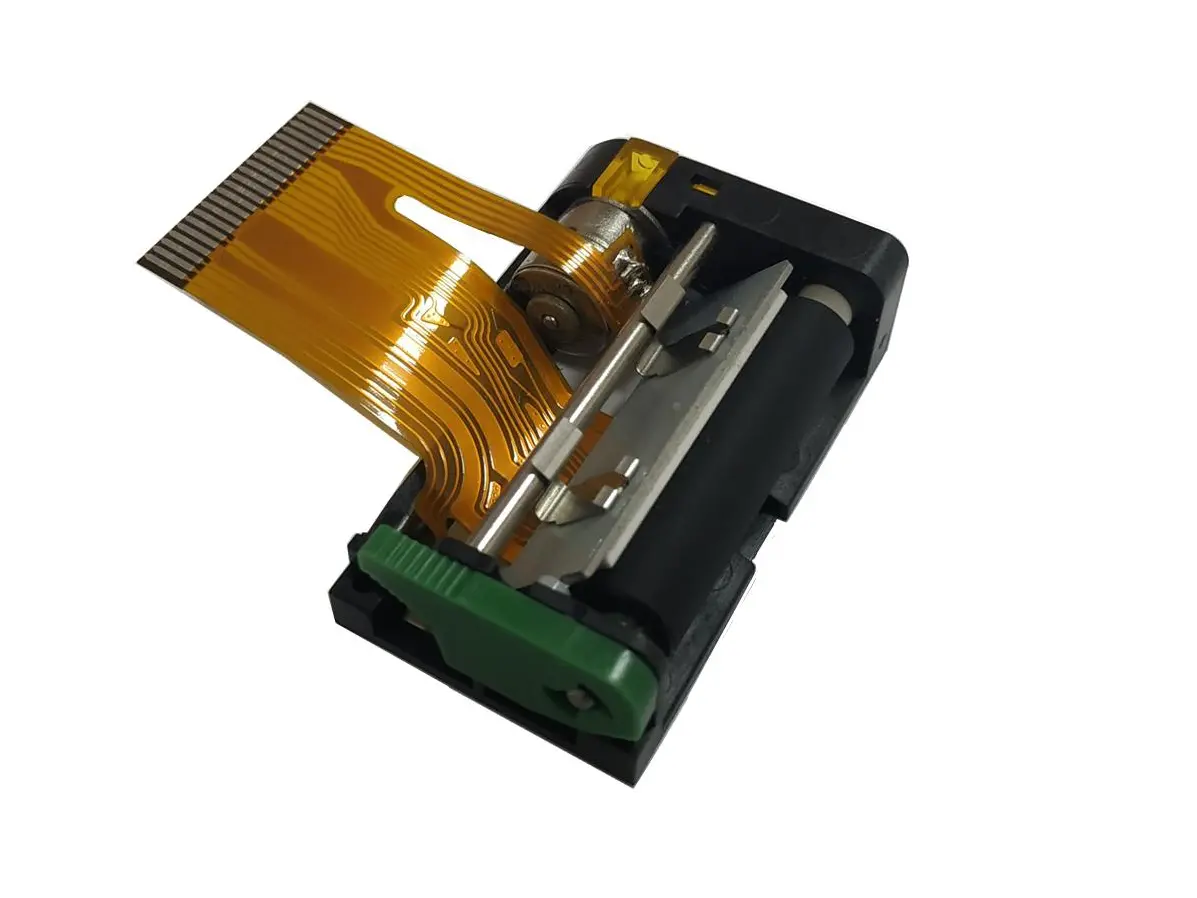 1 inch thermal printer mechanism
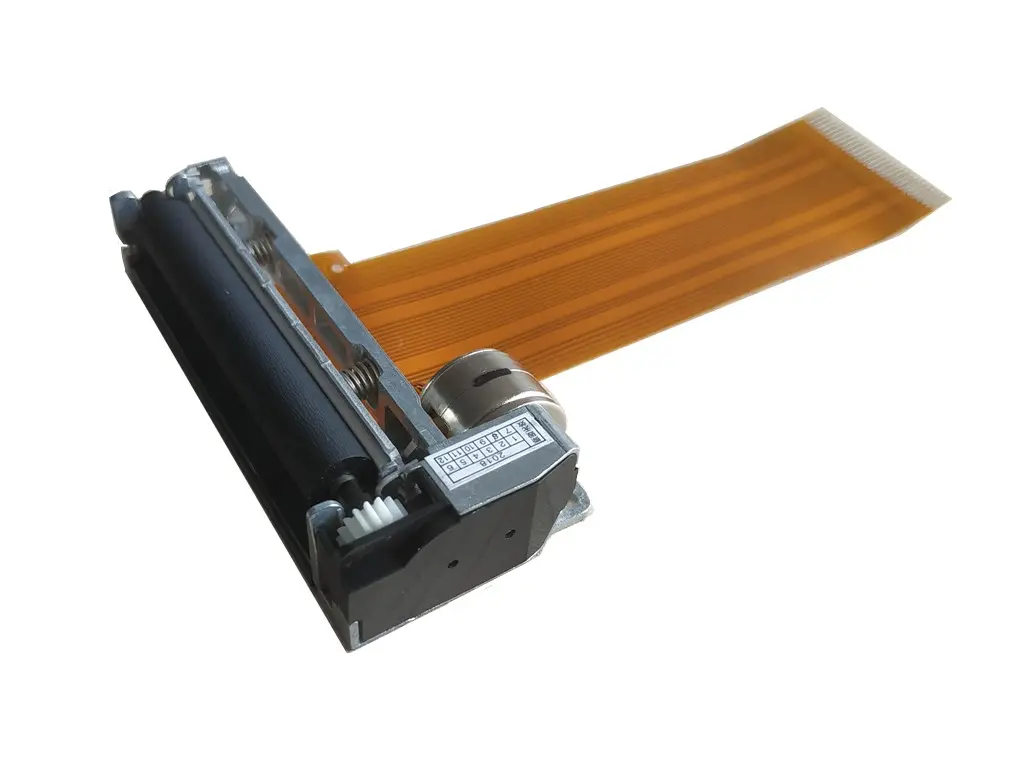 2 inch thermal printer mechanism
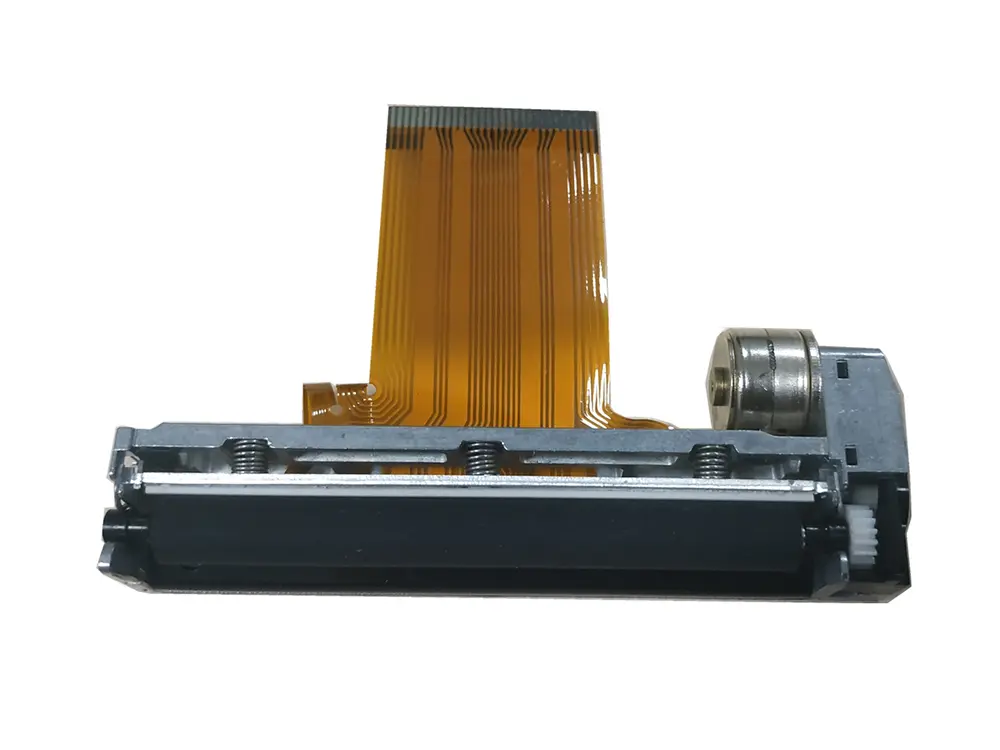 3 inch thermal printer mechanism
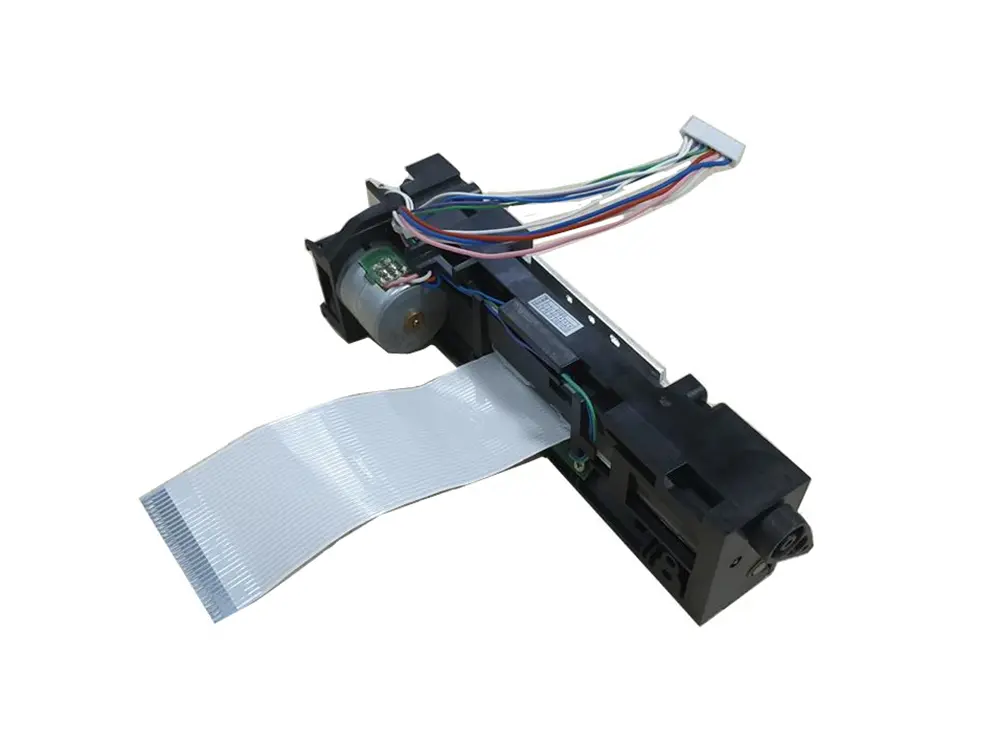 4 inch thermal printer mechanism
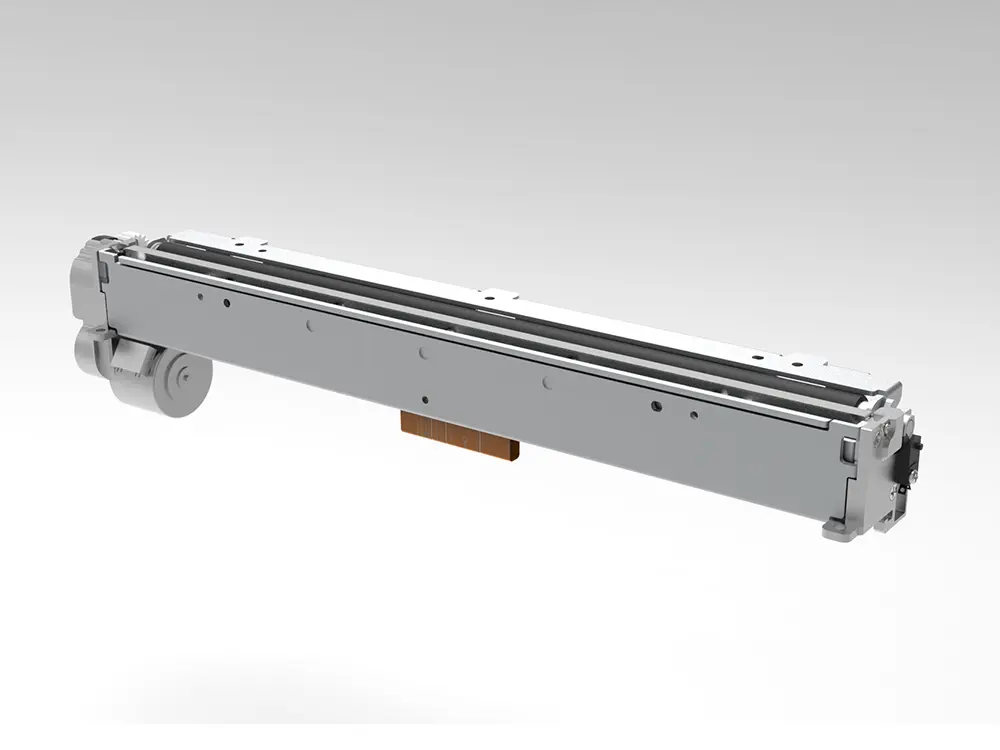 8 inch thermal printer mechanism
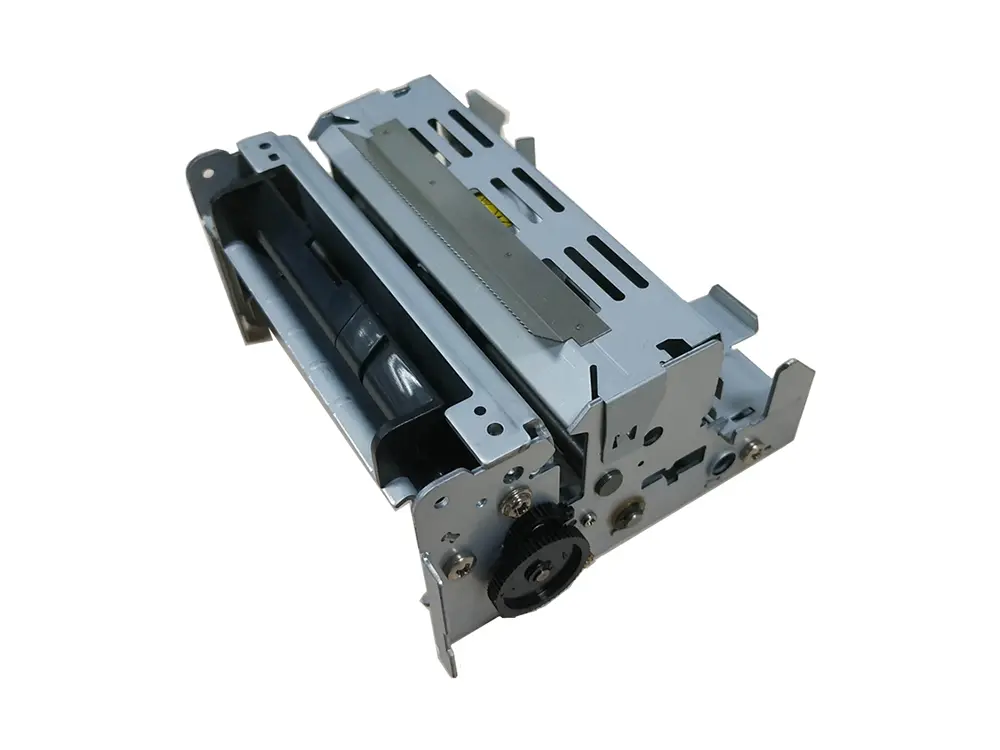 dot matrix printer mechanism
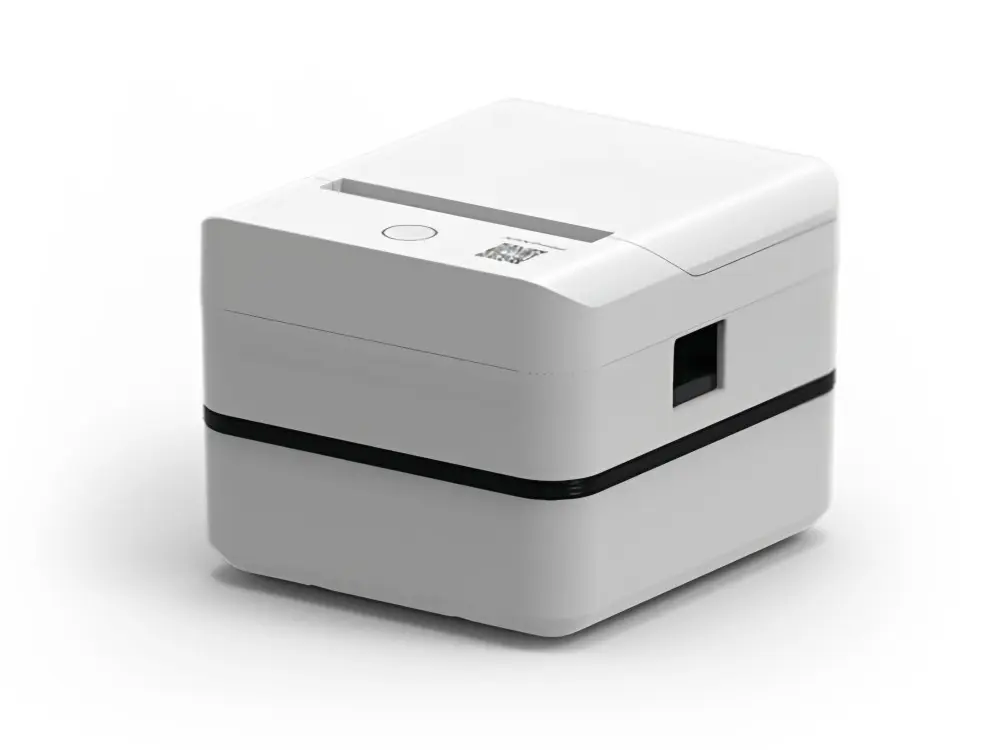 Label Printer
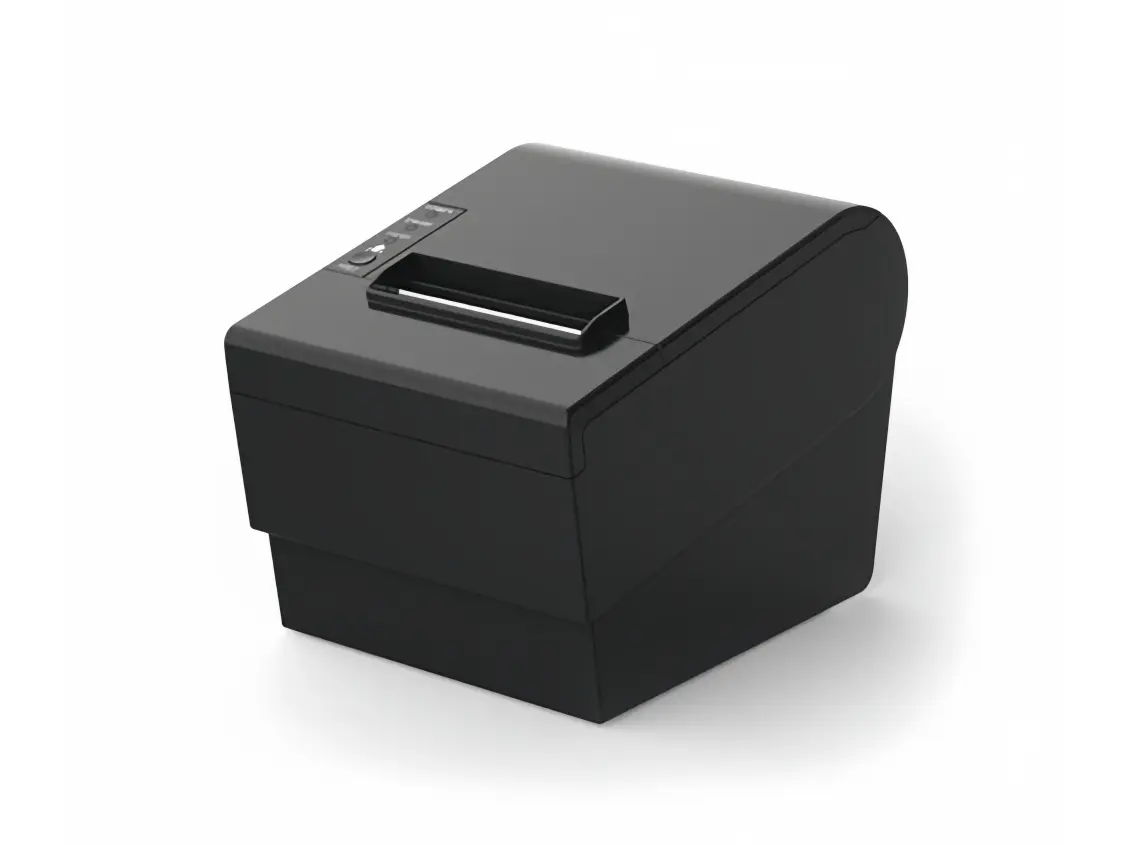 Receipt Printer
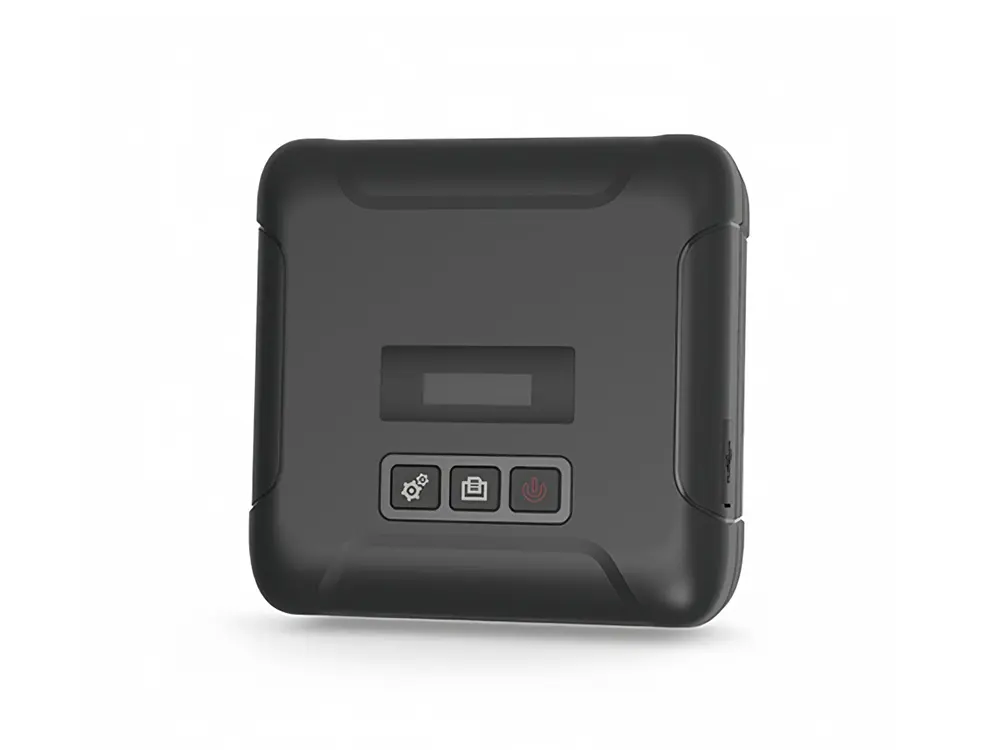 Mobile Printer