What is a Mini Heat Printer and How Does it Work?
The Mini Heat Printer has gained notable traction in recent years. This compact device revolutionizes how we create high-quality prints. According to a report from Market Research Future, the global portable printer market is expected to grow by 12% annually, highlighting the rising demand for convenience and efficiency in printing solutions.
Mini Heat Printers use heat transfer technology to produce vibrant images, making them appealing for personal and professional use. Users appreciate their ability to print directly from smartphones and tablets, which adds convenience. However, while the technology is advancing, some users report inconsistent print quality. This points to the importance of user experience in enhancing product reliability.
Brands like Canon and HP have expanded into this market, showcasing the Mini Heat Printer's versatility. The challenge remains: how to balance product design and functionality. The ongoing development raises questions about the longevity and cost-effectiveness of these devices. As we explore the world of Mini Heat Printers, it is crucial to analyze both their strengths and their limitations.

What is a Mini Heat Printer?
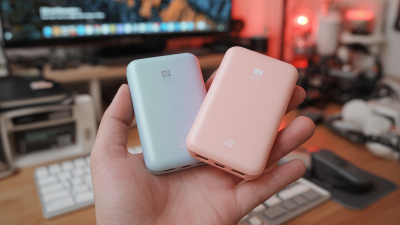
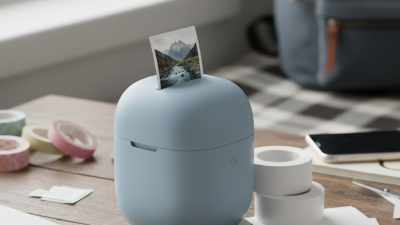
A mini heat printer is a compact device designed for producing high-quality prints on various surfaces. These printers utilize heat technology to transfer images and text onto paper or labels. The process is efficient, often yielding vibrant colors and sharp details. Ideal for crafting, scrapbooking, and even personal projects, they offer versatility.
Understanding how a mini heat printer works can enhance its usage. The device heats specific areas on thermal paper, causing the paper to change color. Users often find this straightforward, but mastering print settings requires some experimentation. Factors such as temperature and pressure impact the quality of prints. This can lead to mixed results at first.
While mini heat printers are convenient, they can also present challenges. Users occasionally struggle with ink smudging or uneven prints. Keeping the printer clean and properly maintained is crucial for optimal function. With practice, many users become proficient at managing their devices, realizing that some mistakes can lead to unexpected creativity. Embracing trial and error can result in unique prints that surprise and delight.
Key Features of Mini Heat Printers
Mini heat printers are compact devices that use thermal printing technology to produce images and text on various materials. They are known for their portability and convenience, making them ideal for crafting, journaling, and quick documentation. Key features of these mini printers include wireless connectivity, easy-to-use mobile apps, and a range of print media options.
Wireless connectivity allows users to connect their smartphones or tablets via Bluetooth. This feature enhances usability and simplifies photo printing on the go. Many heat printers offer dedicated apps with editing tools, enabling users to personalize their prints. The ability to use different types of thermal paper adds versatility, allowing for stickers, labels, and more.
Tips: When choosing a mini heat printer, consider the battery life. A longer battery life means more prints without interruptions. Experimenting with various print materials can yield interesting results. Sometimes, the printer's limitations can prompt creativity, inspiring unique designs that enhance your projects. Don't hesitate to try different settings or paper types.
What is a Mini Heat Printer and How Does it Work? - Key Features of Mini Heat Printers
| Feature |
Description |
| Portability |
Compact and lightweight design for easy carrying |
| Wireless Connectivity |
Supports Bluetooth or Wi-Fi for seamless pairing with devices |
| Print Quality |
High-resolution output suitable for photos and text documents |
| Battery Life |
Long-lasting battery for extended use without frequent recharging |
| Versatility |
Compatible with various media types, including stickers and labels |
| User-Friendly Interface |
Simple controls and mobile apps for easy operation |
How Mini Heat Printers Operate: A Technical Overview
Mini heat printers are compact devices that utilize heat transfer technology to produce printed materials. They heat a thermal printing element that reacts with specially coated thermal paper. This process creates images or text by darkening sections of the paper. The technology is widely appreciated for its portability and ease of use, especially in crafting and mobile applications.
Data from industry reports show that the mini heat printer market is expected to grow at a CAGR of 10% over the next five years. This growth is driven by increasing demand for personalized printing solutions. Mini printers are appealing for their ability to print stickers, labels, and photos on-the-go. However, the print quality can vary, and the choice of paper significantly affects results.
Tips: Always use the recommended paper type for better quality. Regular maintenance of the printer ensures longevity and consistent output. Be cautious about overheating, as excessive heat can damage both the printer and the thermal paper.
While mini heat printers offer convenience, users should be aware of limitations. Battery life can be short, affecting prolonged use. Additionally, while the initial cost is low, ongoing costs for thermal paper and supplies can add up.
Applications and Use Cases for Mini Heat Printers
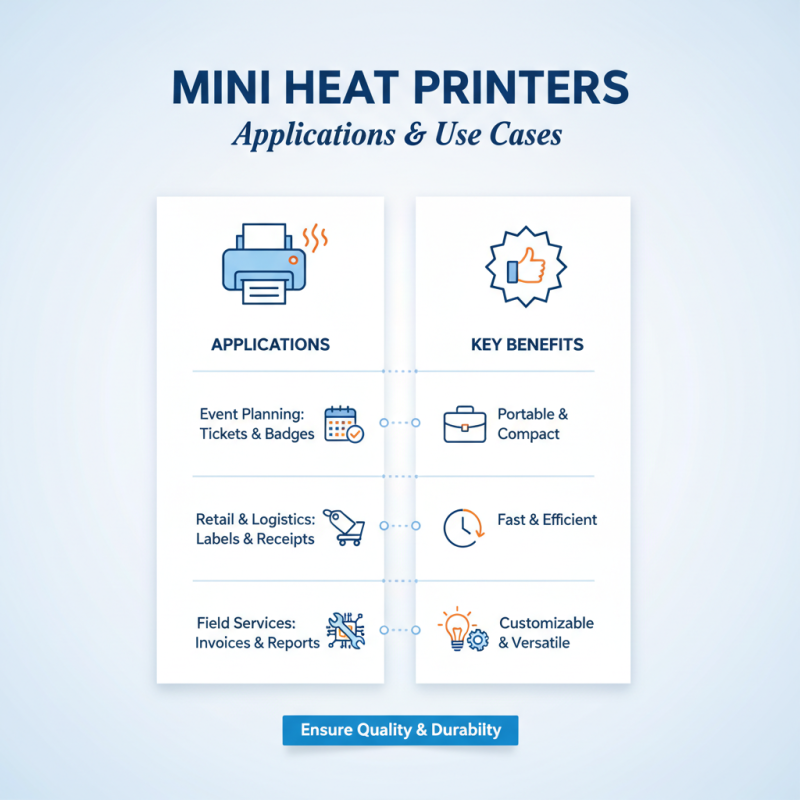
Mini heat printers are versatile tools gaining popularity across various sectors. They are compact, portable devices that use heat to transfer ink onto paper. One notable application is in the field of event planning. These printers allow planners to create custom tickets or name badges on the spot. This makes events more personal and engaging. However, users must ensure that the quality and durability of the printed items meet expectations.
Another interesting use case for mini heat printers is in crafting and scrapbooking. Creators can print photos, quotes, or decorative elements directly from their smartphones. This convenience enhances creativity and encourages spontaneous projects. However, the size of the printouts may limit some intricate designs, leading to potential issues in presentation.
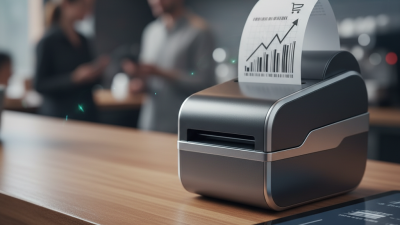
Retail and marketing professionals also benefit from these printers. They can quickly produce labels or promotional materials while interacting with customers. This immediacy can improve customer experience but may result in mistakes that require quick fixes. Balancing speed and accuracy is crucial in such environments. Despite their benefits, the challenge remains to fully integrate mini heat printers into existing workflows without causing disruptions.
Advantages and Limitations of Mini Heat Printers
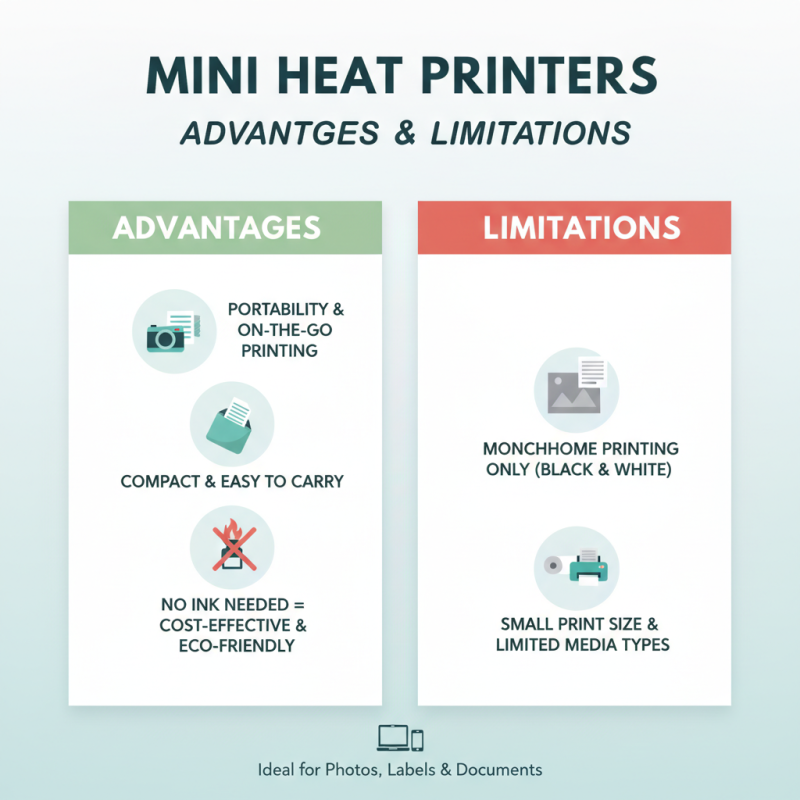
Mini heat printers offer a compact solution for printing photos and documents on the go. One of the key advantages is their portability. Many users enjoy being able to slip a mini heat printer into their bag. This convenience allows for spontaneous printing, whether at a party or on vacation. Moreover, they use thermal technology, which eliminates the need for ink cartridges. This not only reduces costs but also minimizes waste, making them an eco-friendly option.
However, mini heat printers come with limitations. The print quality can vary significantly depending on the model. Some users find colors not as vibrant as expected. Additionally, the paper size is often limited, which may not suit all printing needs. Battery life can be another issue. If the printer runs out of power, it can disrupt your printing plans. These factors are essential to consider when deciding if a mini heat printer meets your specific requirements.

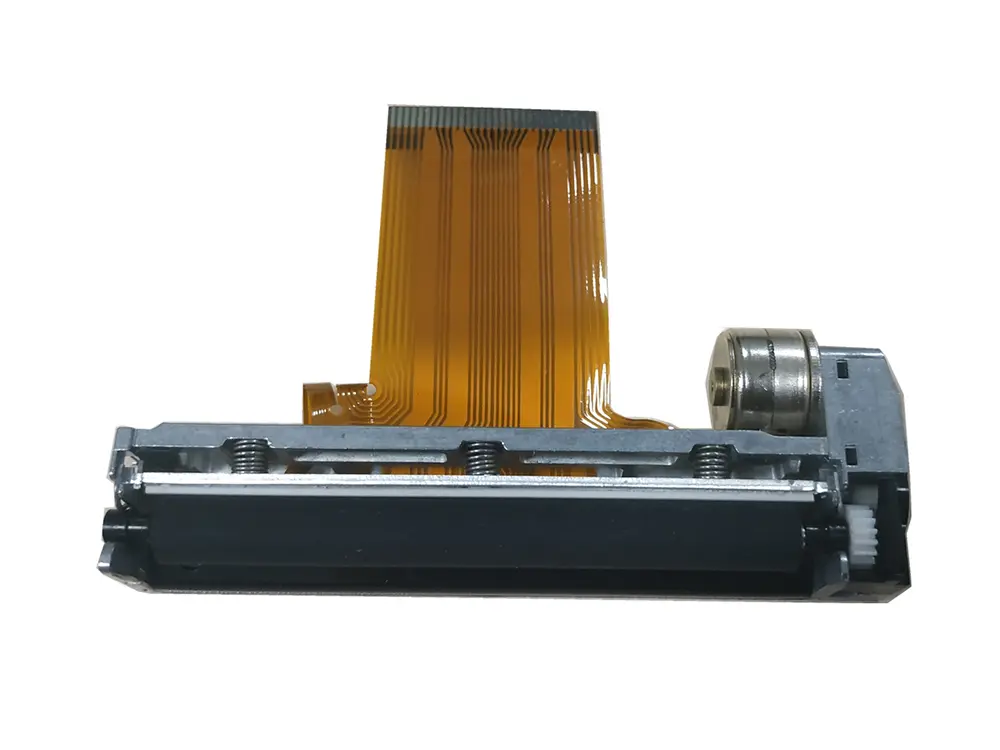
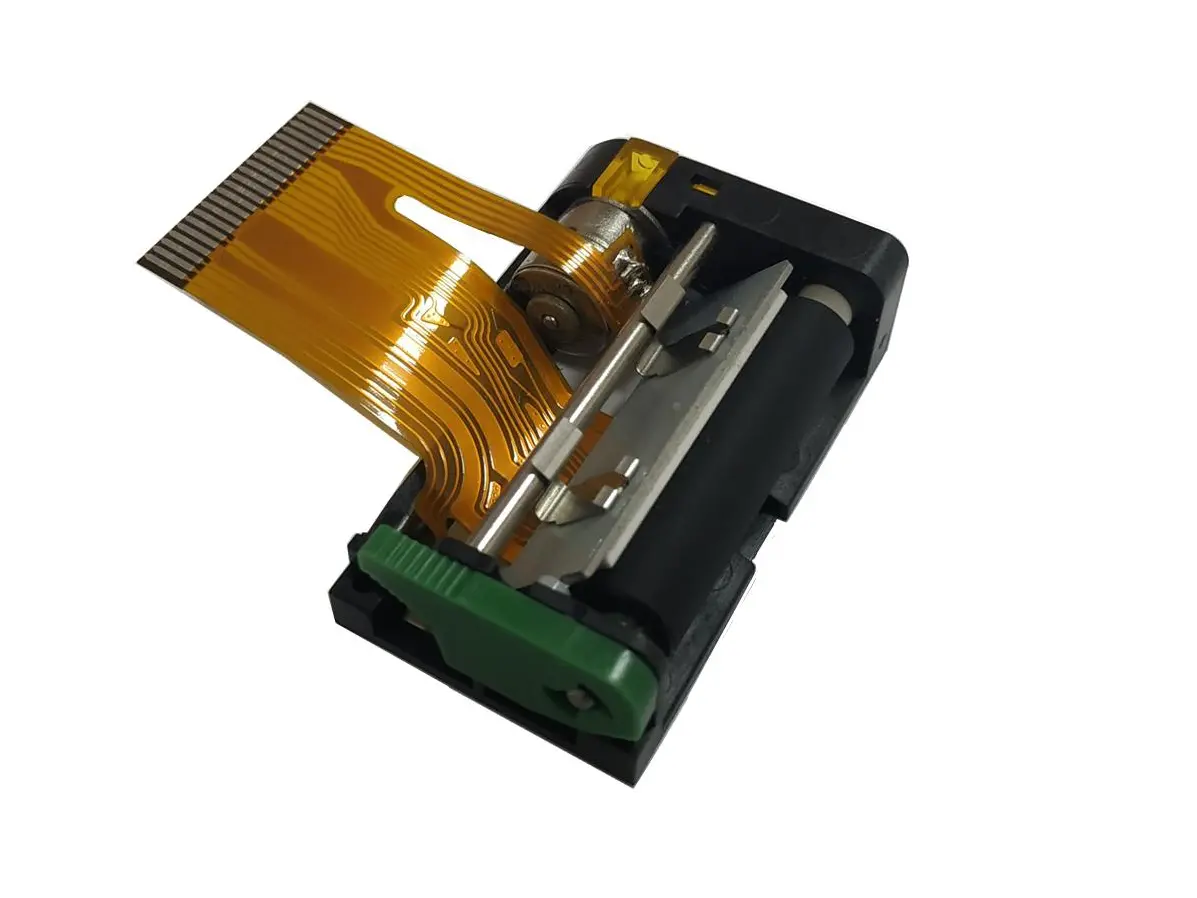 1 inch thermal printer mechanism
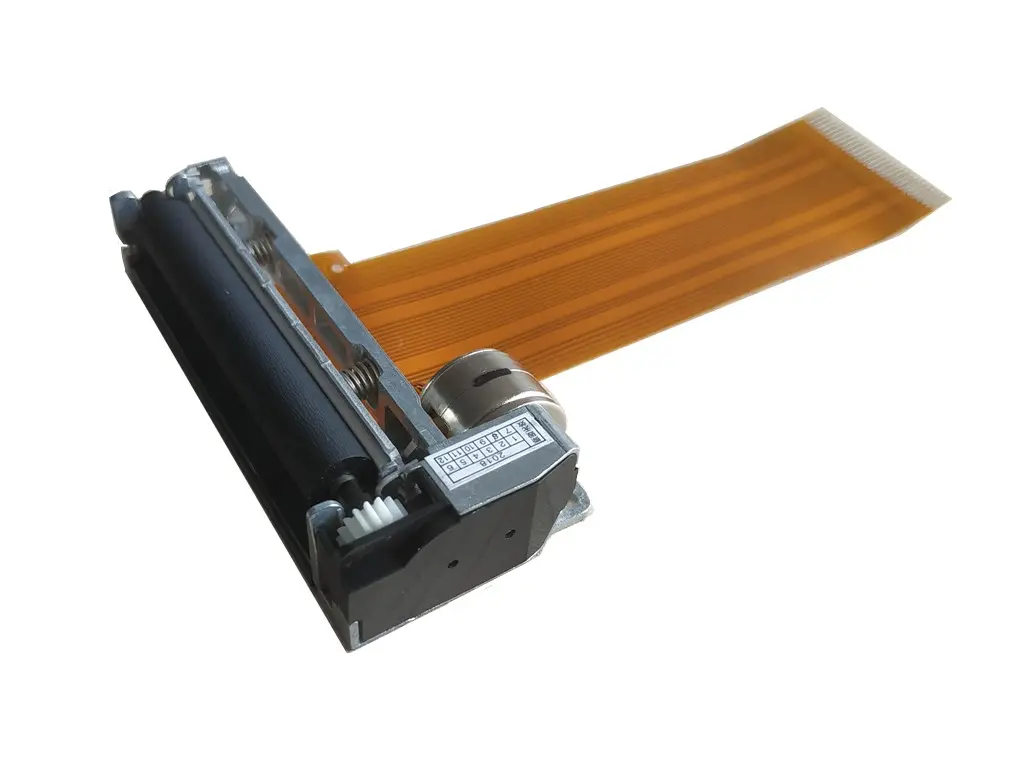 2 inch thermal printer mechanism
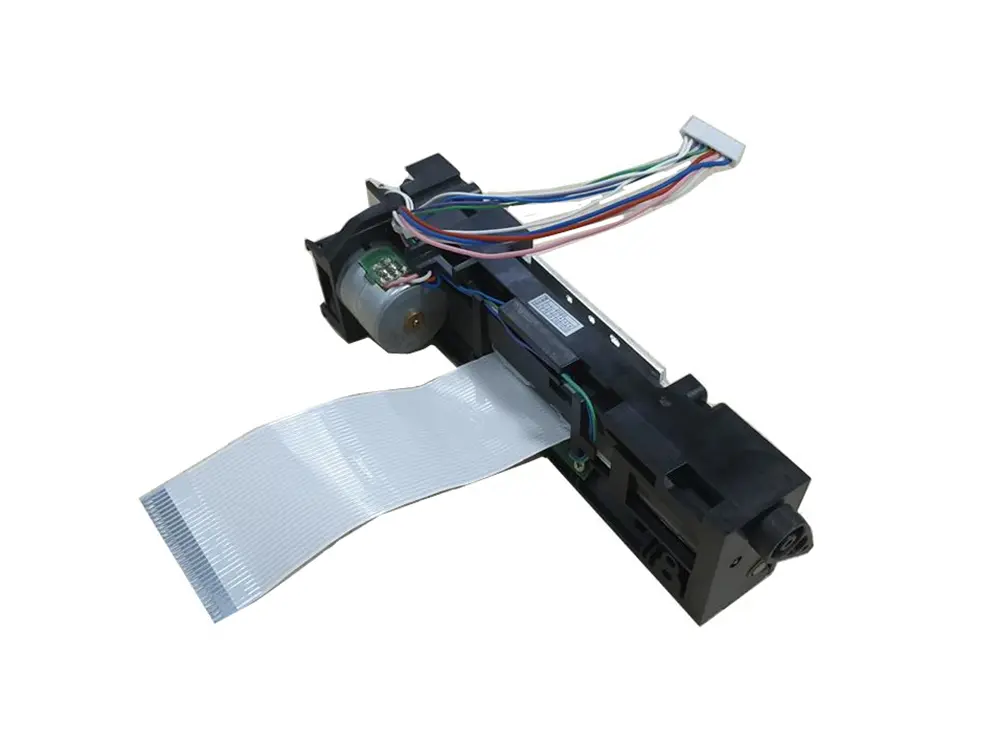
 3 inch thermal printer mechanism
 4 inch thermal printer mechanism
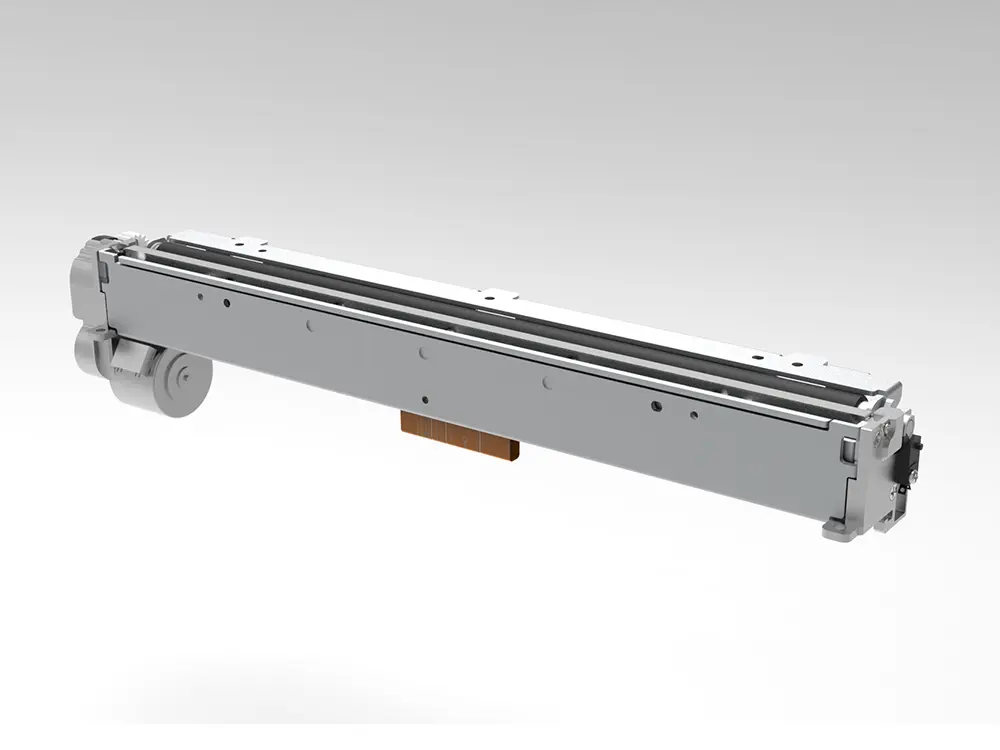 8 inch thermal printer mechanism
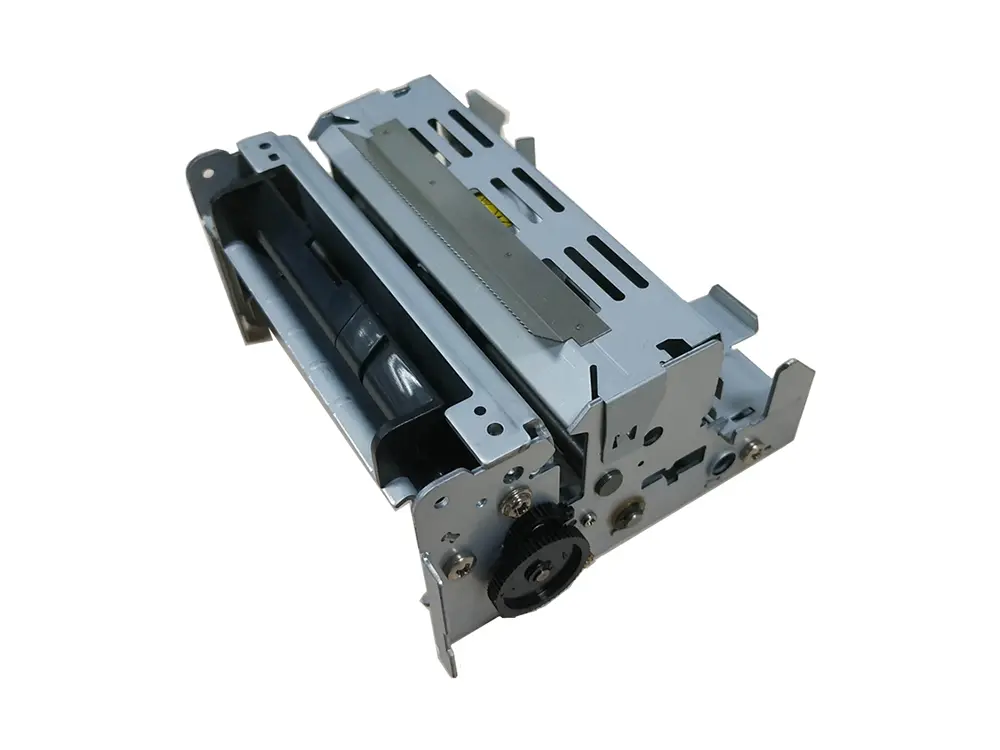 dot matrix printer mechanism
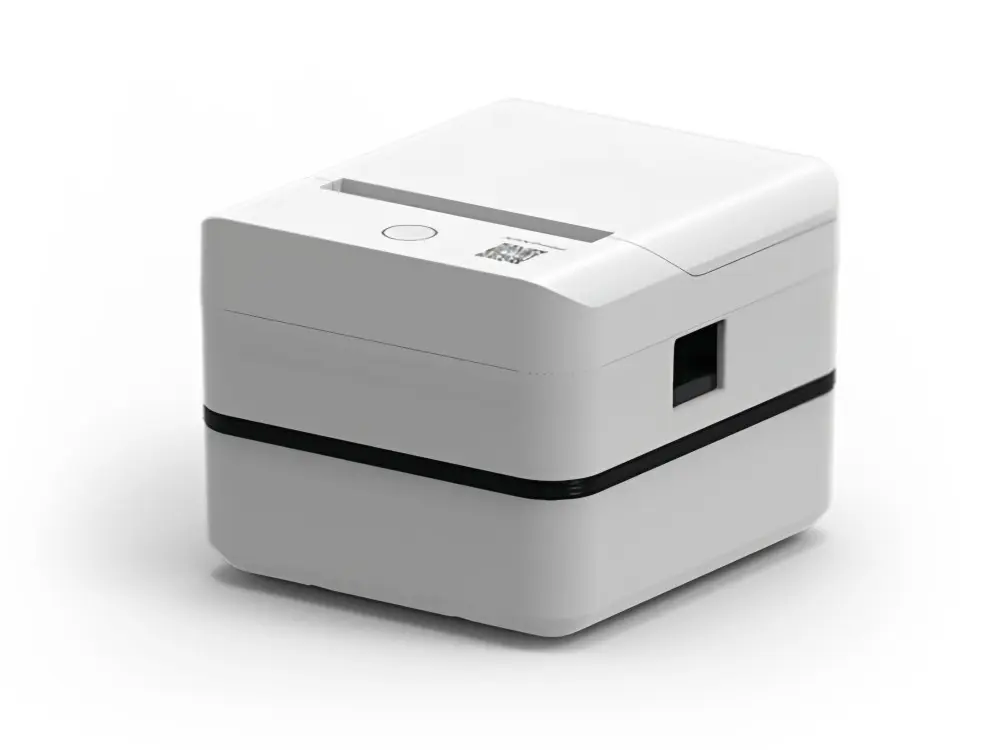 Label Printer
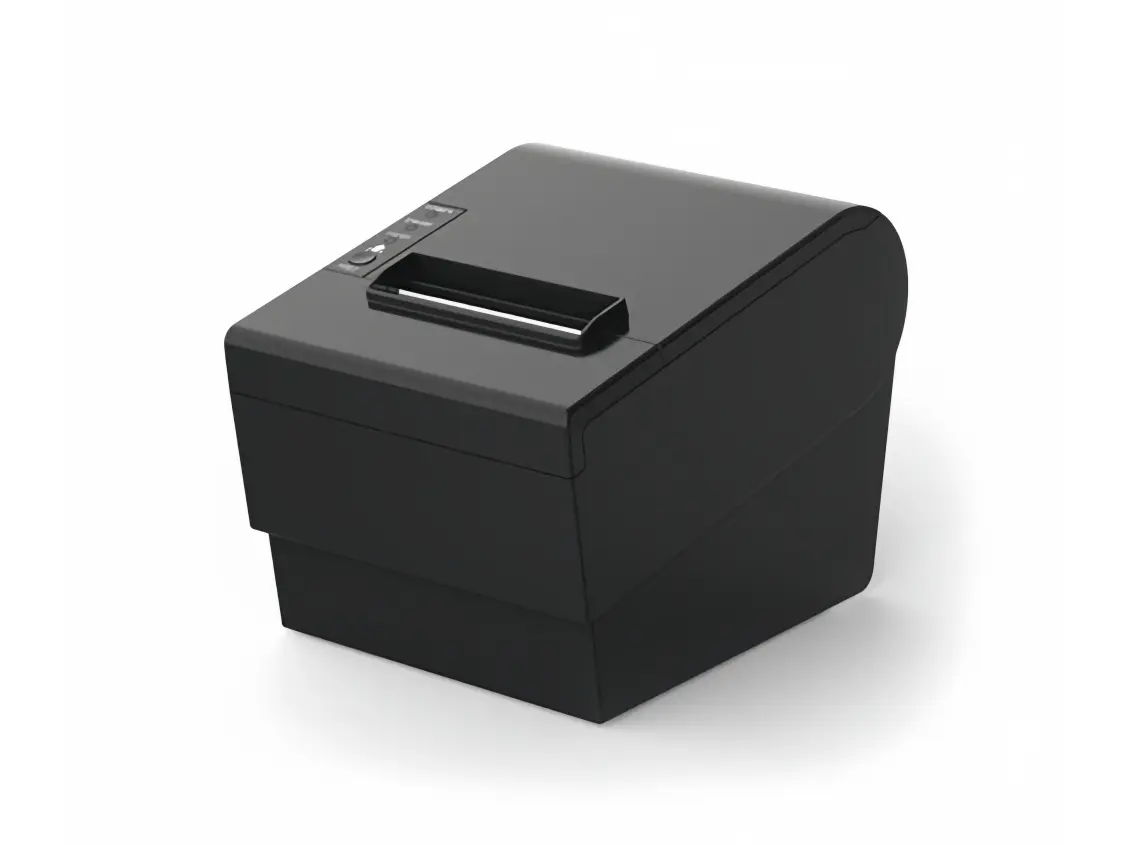 Receipt Printer
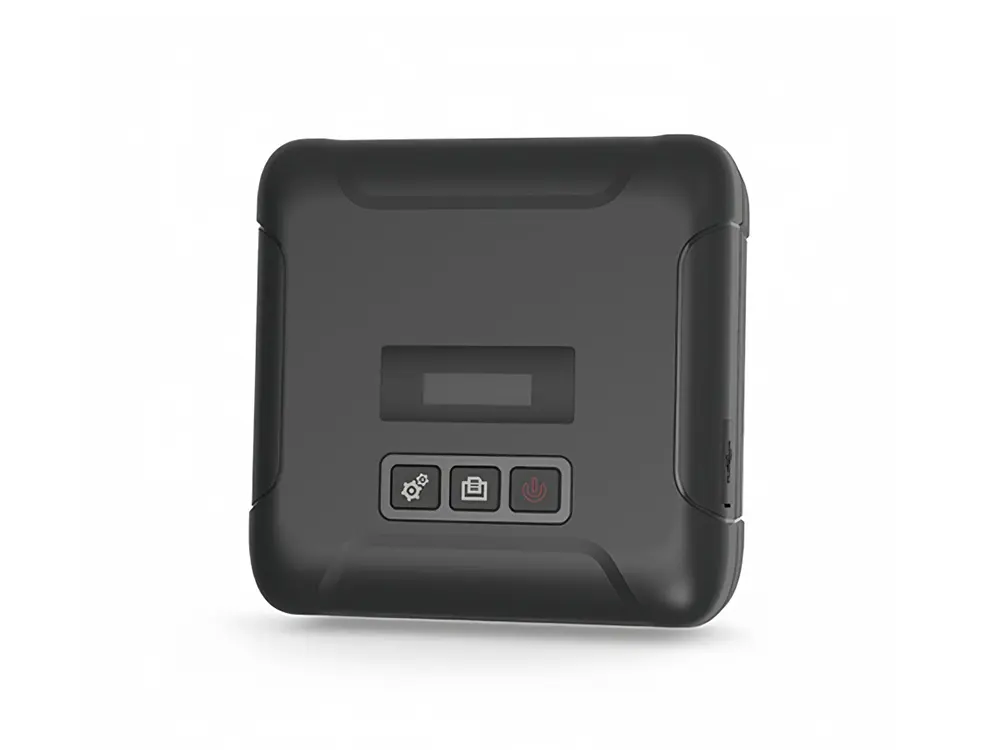 Mobile Printer