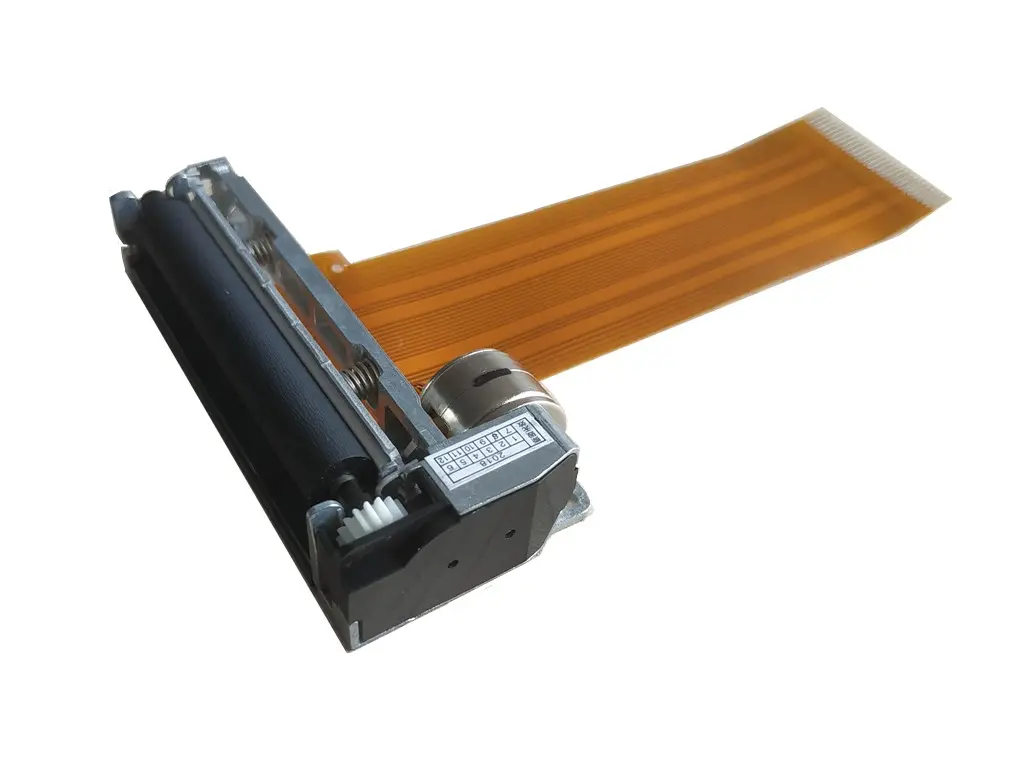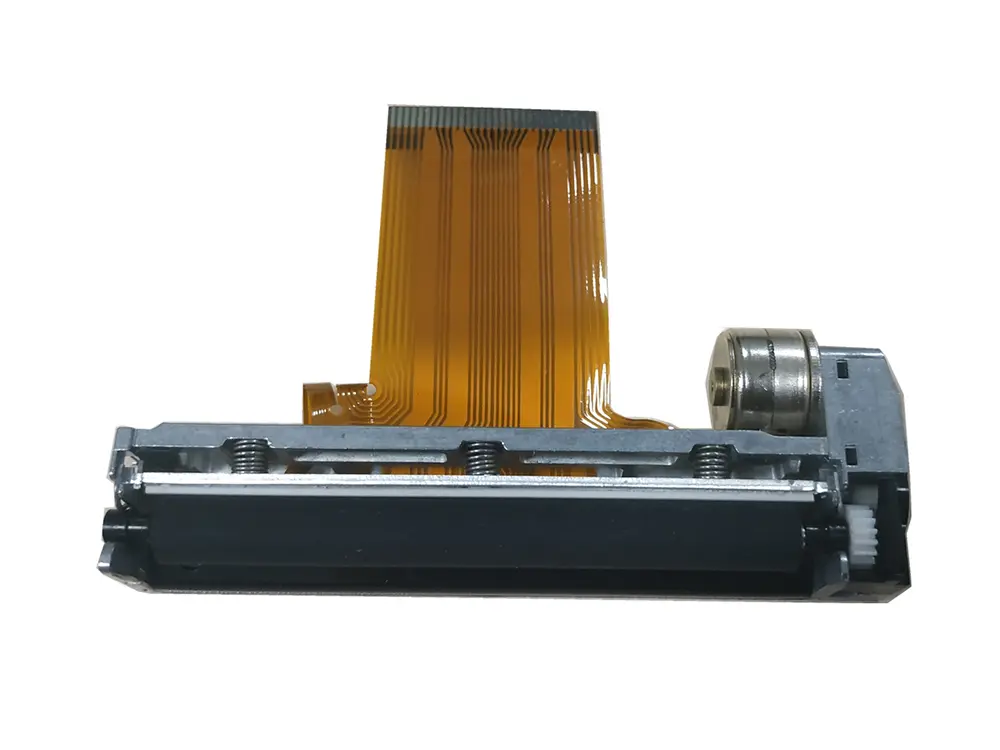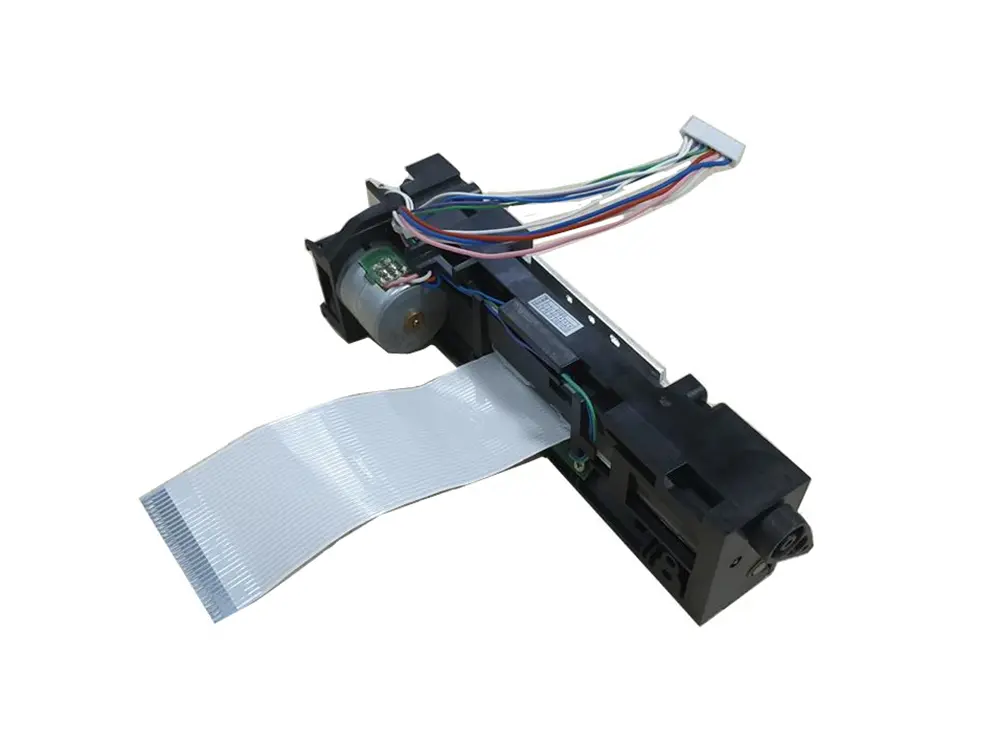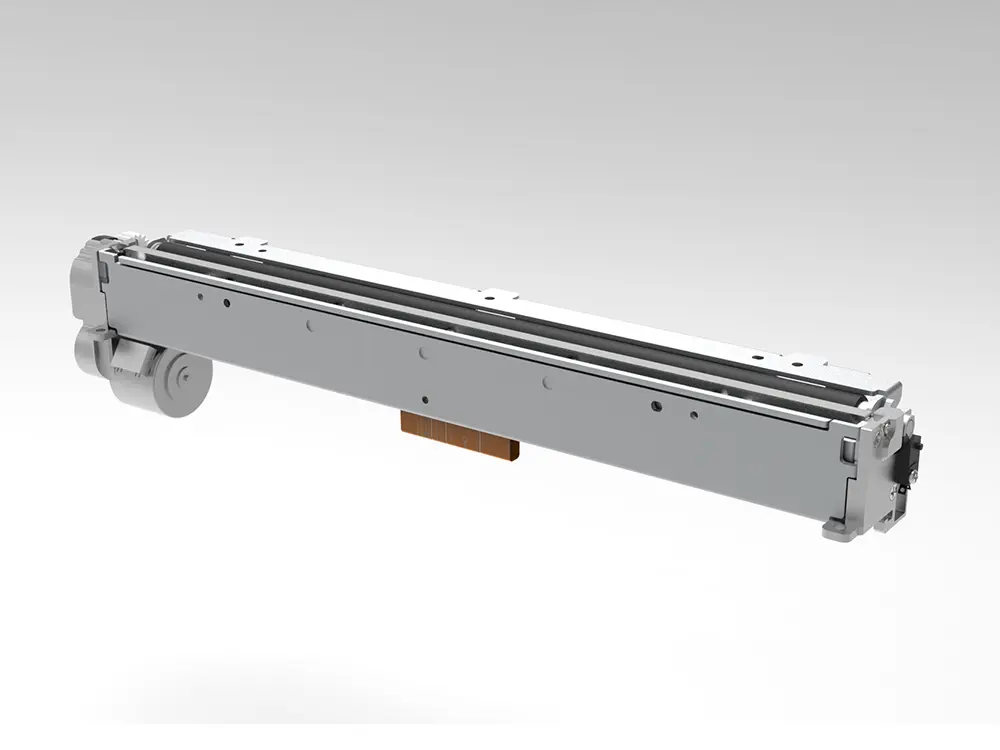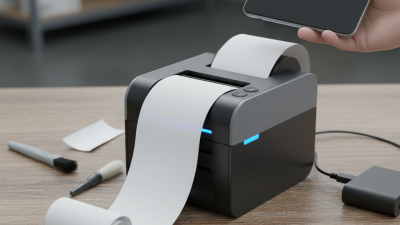
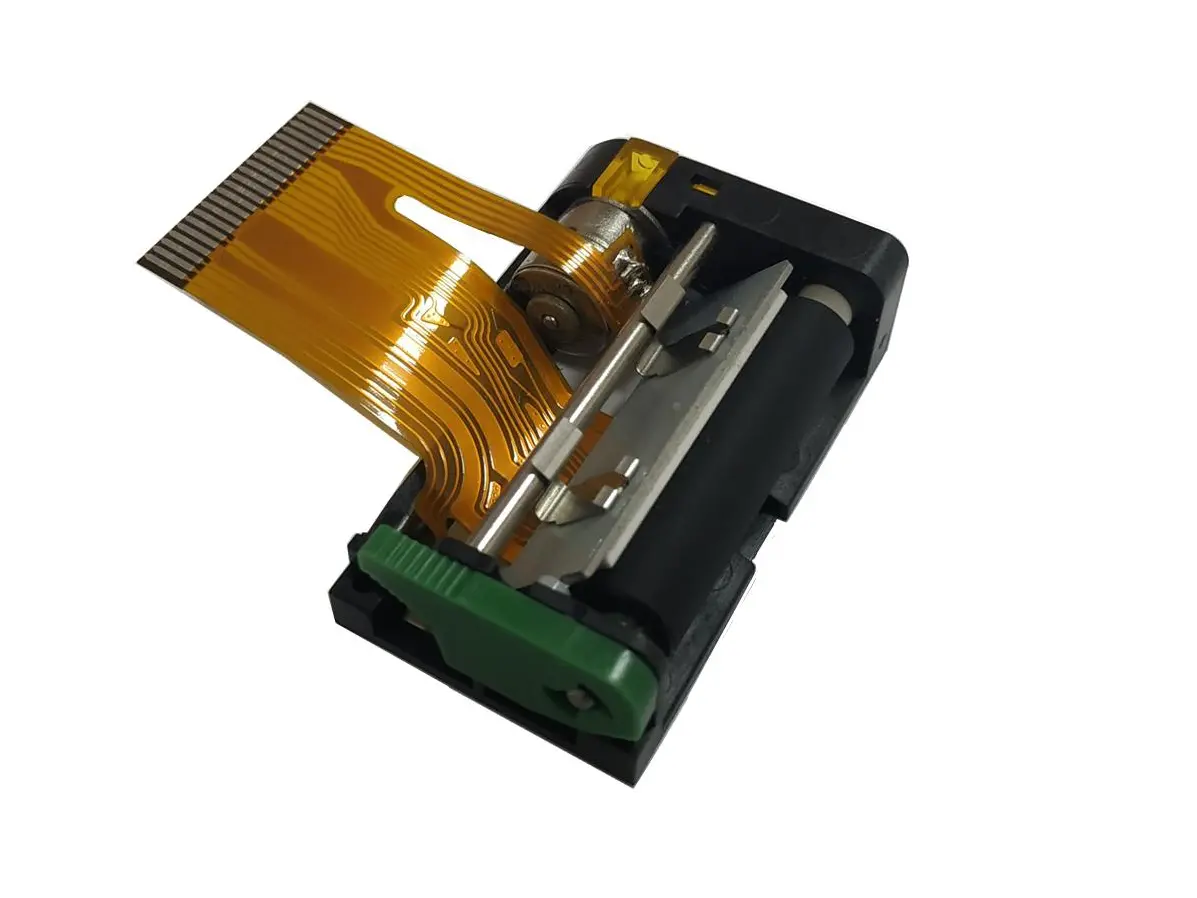
In today's digital age, the demand for portable solutions is increasing. One of the standout devices in this realm is the Mini Heat Printer. This compact gadget revolutionizes the way we document moments. It combines convenience and creativity, making it ideal for both personal and professional use.
The Mini Heat Printer not only prints photos but also generates stickers and labels. Users can connect it easily to their smartphones via Bluetooth. With just a few taps, you can bring your digital memories to life. However, the printing quality can sometimes be less than perfect. Some users have noted that the colors may not always match what they see on their screens.
Despite these minor setbacks, the Mini Heat Printer remains a fun tool. It encourages users to express their creativity in new ways. The ability to print photos on-the-go is both exciting and practical. Yet, one must consider if this device fulfills their specific needs. Overall, it opens up possibilities but may not be suitable for everyone.
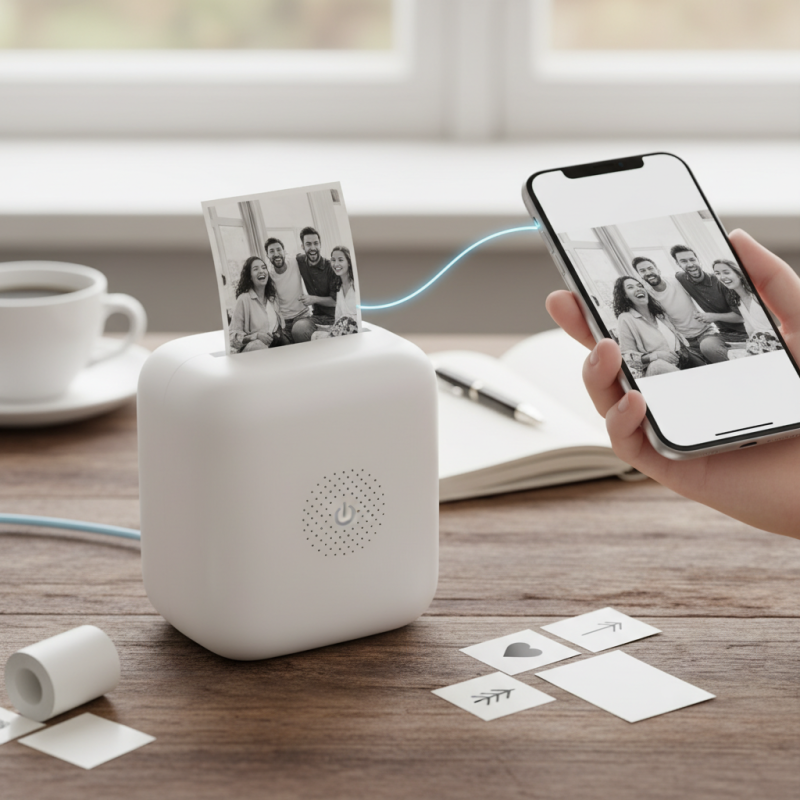
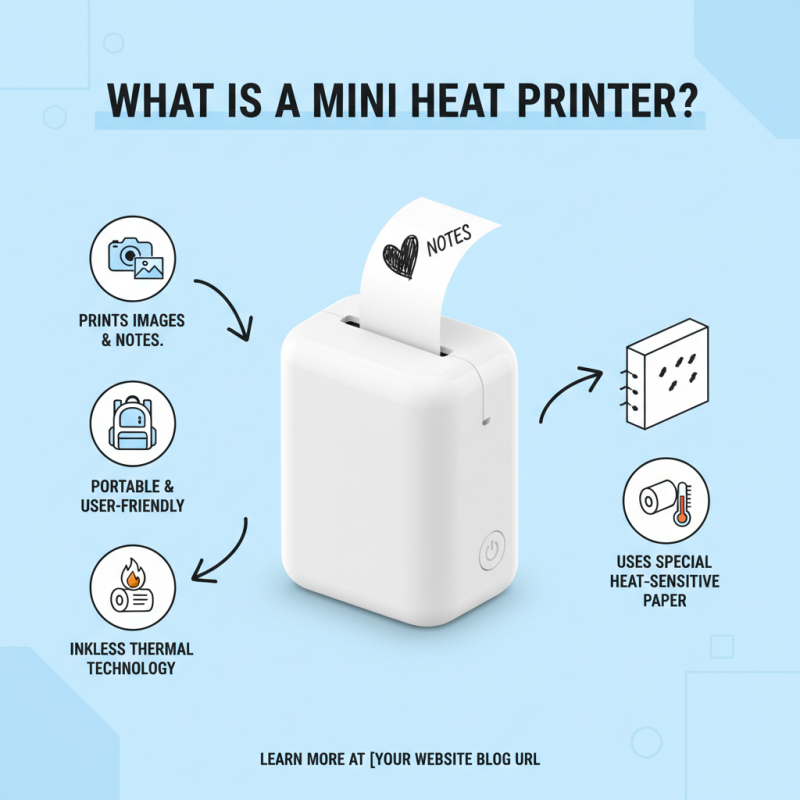
A mini heat printer is a compact device that allows users to print images and notes on various surfaces. These printers are designed to be portable and user-friendly. They typically leverage thermal printing technology, which produces prints without the need for ink. Instead, a special heat-sensitive paper reacts to heat, creating text or images.
According to recent market research, the mini printer market has grown significantly. Its popularity surged by over 30% in just the last two years. Many users appreciate the convenience of printing directly from their smartphones. Moreover, there’s a notable increase in demand among students and young professionals looking for quick printing solutions.
Despite the advantages, mini heat printers can have limitations. Print quality may vary depending on the paper used. Additionally, the battery life can be a concern during extended use. Users often find the need to recharge frequently. This drawback impacts the overall utility of these devices in certain situations. Ultimately, while mini heat printers offer great portability, prospective buyers should weigh their needs against possible shortcomings.
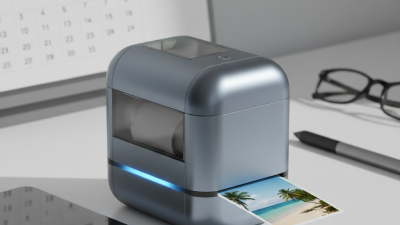
Mini heat printers are compact devices that use thermal printing technology. These printers work by applying heat to special thermal paper. When the heat reaches the paper, it reacts and creates images or text. This method is quick and does not require ink cartridges.
The technology behind mini heat printers relies on heat-sensitive paper. This paper contains special chemicals that turn dark when heated. When the printer sends electricity to the heating elements, it prints high-quality images. However, the quality can vary based on the paper used. Inconsistent results may lead to frustration for users.
Another aspect to consider is battery life. While many mini heat printers are portable, they can run out of power quickly. Users often find themselves recharging them frequently. This can be inconvenient, especially on the go. The technology is simple yet requires certain compromises, making it crucial to manage expectations regarding performance.
Mini heat printers have become popular for their convenience and portability. They utilize thermal printing technology, which is simple yet effective. The process starts with heat being applied to a specially coated thermal paper. As the printer heats specific areas, images or text appear. This method is efficient and doesn't require traditional ink cartridges.
The operation of a mini heat printer involves several steps. The user connects the device to a smartphone or tablet via Bluetooth. After selecting the desired photo or text, the printer receives the data. Heat elements inside the printer activate, transferring ink from the thermal paper. According to industry reports, these devices have seen a significant rise in popularity, with a projected growth rate of 15% annually in the consumer electronics market.
Despite their advantages, issues can arise. Sometimes, the quality may not meet expectations. Users might experience streaks or faded prints. Additionally, the battery life can be a concern. Many models last only a few hours of continuous use. Reflecting on these challenges highlights the need for improvement in mini heat printer design.
| Feature | Description | Advantages | Typical Use Cases |
|---|---|---|---|
| Compact Size | Mini heat printers are typically small and lightweight, making them easy to carry. | Portability and convenience for on-the-go printing. | Event printing, mobile office needs. |
| Thermal Printing Technology | Uses heat to transfer ink from a ribbon onto paper. | No need for ink cartridges; less maintenance required. | Label printing, receipts, photos. |
| Wireless Connectivity | Often equipped with Bluetooth or Wi-Fi for easy connection to devices. | Easy to use with smartphones and tablets. | Mobile printing applications, crafting, journaling. |
| Battery Operated | Can operate on rechargeable batteries for added flexibility. | Allows for use in areas without direct power supply. | Outdoor events, travel, field work. |
| Variety of Media | Can print on various types of thermal paper and other materials. | Versatile for different printing needs. | Sticker making, photo printing, promotional material. |
Mini heat printers are gaining traction in various sectors due to their portability and ease of use. These compact devices utilize thermal printing technology to produce high-quality images and text on stickers, labels, or receipts. Recent studies show the market for portable printers is expected to grow by over 10% annually, demonstrating their rising popularity.
Common uses of mini heat printers include crafting, event planning, and organization. Many people use them for scrapbooking or creating personalized labels. In offices, they help simplify the labeling process, saving time and enhancing efficiency. A report from a leading industry analyst pointed out that 65% of small businesses found mini printers improved organization, directly impacting productivity.
Despite these benefits, challenges remain. Some users report issues with print quality and fading over time. Additionally, the limited color palette can restrict creativity. It's essential for users to consider these factors before investing. Mini heat printers offer convenience but come with a learning curve. Balancing expectations with practical limitations is key for effective usage.
Mini heat printers are gaining popularity for their unique advantages. Unlike traditional printers, they are compact and portable. You can easily carry them in a bag or pocket. This makes them convenient for quick printing on the go. They work by using thermal transfer technology. The printer heats specific areas of the paper to produce images or text. This process is quick and efficient, often taking just seconds per print.
One major advantage of mini heat printers is reduced cost. They typically require less maintenance than traditional printers. You don’t have to replace large ink cartridges. Instead, thermal printing uses special papers, making it more economical over time. The prints are often water-resistant and durable as well. The colors and clarity can sometimes be less vibrant than traditional methods, but they are still impressive for everyday use.
**Tip:** Choose high-quality thermal paper for the best results. The right paper can greatly improve print quality and durability.
Another benefit is versatility. Mini heat printers can print labels, stickers, and photos. This multifunctionality is useful for organizing or personalizing items. However, the print size is limited. If you want bigger prints, it might not meet your needs.
**Tip:** Experiment with different sizes and settings. Finding the perfect combination can enhance your printing experience.