Why is Printing Barcodes Essential for Global Supply Chains?
In today's interconnected world, efficient logistics are crucial for global supply chains. Printing barcodes plays a vital role in this efficiency. According to industry expert John Smith, "Printing barcodes can streamline operations and enhance visibility in the supply chain." This highlights the importance of accurate and reliable barcoding systems.
Barcodes simplify tracking products from manufacturers to retailers. They ensure quick scans at various touchpoints. When done correctly, printing barcodes can reduce errors and save costs. Yet, many companies still face challenges. Misalignments during printing or inconsistent data can lead to significant issues.
The reliance on printing barcodes extends beyond tracking products. It also influences inventory management and customer satisfaction. Ensuring every barcode is printed correctly demands ongoing attention. Reflecting on these challenges can lead to better practices. As the industry evolves, continuous improvement in printing barcodes will be essential.

Importance of Barcodes in Streamlining Supply Chain Processes
Barcodes play a critical role in enhancing supply chain processes. They provide a quick and reliable way to track products through various stages. When items are shipped, barcodes enable scanning for efficient documentation. This reduces human error, speeding up both inventory management and shipping times.
In addition, barcodes enhance inventory accuracy. Companies can conduct stock checks swiftly, minimizing overstock or shortages. However, reliance on barcode systems can present challenges. If a barcode is damaged, it may lead to misidentification of products, disrupting operations. This highlights the need for regular maintenance and employee training. Investing in high-quality barcode printers can yield long-term benefits.
Moreover, the standardization of barcodes across industries fosters better collaboration among partners in the supply chain. This shared language simplifies communication and facilitates smoother transactions. Yet, businesses must stay updated with technology trends. As new barcode formats emerge, training staff becomes essential. Balancing innovation with practicality is a constant challenge for organizations.
Enhancing Accuracy in Inventory Management through Barcode Technology
Barcode technology plays a crucial role in inventory management within global supply chains. It enhances accuracy by minimizing human error. Each barcode represents specific product information. Scanning barcodes allows for quick data entry. Human attention often wavers, leading to mistakes in manual data processing. In contrast, barcodes maintain consistency.
Implementing barcode systems can improve inventory tracking significantly. With every item uniquely identified, businesses can streamline their operations. This technology helps manage stock levels effectively. However, not every implementation guarantees success. Companies must ensure staff are adequately trained. Relying solely on technology without understanding its limitations can result in oversights.
Moreover, the integration of barcode systems requires thorough planning. If not executed properly, it can lead to confusion. Regular audits are necessary to verify accuracy. Continuous training and updates in the system are vital to maintain reliability. The pursuit of efficiency must not overshadow the need for a mindful approach to using barcodes in supply chains.
The Role of Barcodes in Reducing Errors and Risks in Shipping
Barcodes play a critical role in modern shipping. They help reduce errors and risks associated with global supply chains. When items are scanned at various stages, the chances of misplacement or delays decrease significantly. This simple technology ensures that the right product reaches the right destination.
Mistakes can lead to costly delays. A misplaced package can disrupt inventory and customer satisfaction. Barcodes provide a reliable way to track shipments. They create a clear line of sight into the status of goods. When every item is labeled, the process becomes efficient. Shipping companies can easily identify issues in real-time.
Keeping your barcode system updated is essential. Regularly check for any scanning errors. Maintain a clean database to minimize confusion. Consider training staff on barcode usage. Proper understanding can lead to fewer mistakes. In this fast-paced environment, every detail counts. Embrace barcoding as a key component of your logistics strategy.
Facilitating Real-Time Tracking and Traceability in Global Supply Chains
In today's global supply chains, real-time tracking and traceability are paramount. According to a 2022 McKinsey report, enhanced visibility in supply chains can reduce lead times by 25% and increase operational efficiency. This is where printing barcodes becomes essential. Barcodes allow instant data capture, facilitating prompt updates on product locations. With accurate tracking, businesses can respond quickly to disruptions.
Moreover, the ability to trace a product's journey is crucial for compliance and consumer trust. A study from IBM reveals that 66% of consumers are willing to pay more for brands that offer full transparency. Barcodes simplify this process, enabling companies to instantly access product histories. This fosters accountability and strengthens supply chain relationships. Yet, many businesses still grapple with inconsistencies in barcode quality. Errors in scanning can lead to inventory mismatches and delays.
Implementing robust barcode systems can eliminate these pitfalls. Companies must ensure proper training and maintenance of scanning technologies. Dependable barcode printing and management contribute significantly to a seamless supply chain experience. In a world that demands speed and accuracy, the challenges of maintaining effective tracking methods should not be underestimated.
Importance of Barcode Printing in Global Supply Chains
This chart illustrates the key benefits of barcode printing for global supply chains, showcasing how real-time tracking and traceability improve efficiency and reduce errors. The data represents various advantages and their perceived impact on supply chain operations.
Cost-Effectiveness of Using Barcodes for Supply Chain Management
In the intricate world of supply chains, cost-effectiveness is paramount. Utilizing barcodes can significantly reduce operational costs. They streamline inventory management, cutting down on manpower and time needed for stocktaking. When employees scan barcodes, errors are minimized. This efficiency translates to lower wastage and better resource allocation.
Implementing barcode systems involves initial investment. However, this investment often pays off quickly. Companies can see reduced labor costs and improved accuracy in order processing. A small error in inventory can lead to significant losses. Barcodes help ensure that products are in the right place at the right time, reducing lost sales opportunities.
Still, some companies hesitate. They question whether the cost of implementation justifies the benefits. Yet, when looking at the long-term financial savings, barcodes often prove essential. The transition may require training and adjustment. Concerns about technology obsolescence can arise, but the proven advantages of barcode usage often outweigh these issues. In an ever-competitive market, finding cost-effective solutions is vital for sustainability.

 1 inch thermal printer mechanism
 2 inch thermal printer mechanism
 3 inch thermal printer mechanism
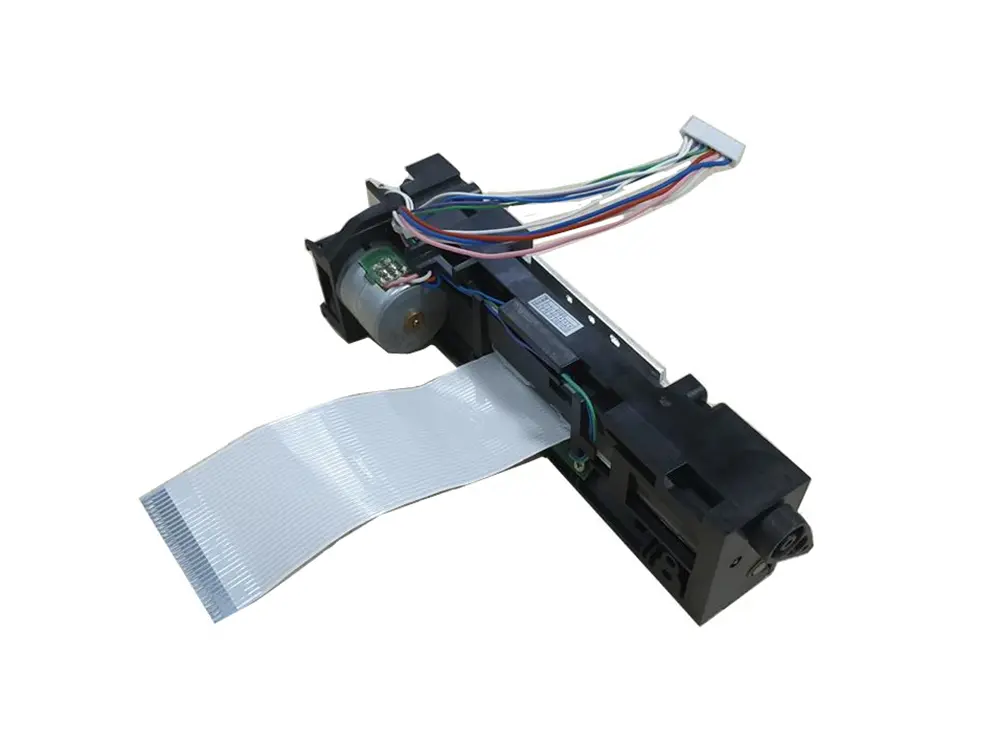 4 inch thermal printer mechanism
 8 inch thermal printer mechanism
 dot matrix printer mechanism
 Label Printer
 Receipt Printer
 Mobile Printer