Everything You Need to Know About Heavy Duty Slurry Pumps?
In the world of industrial pumping, the "heavy duty slurry pump" stands as a vital piece of equipment. Experts emphasize its importance. John Smith, a seasoned slurry pump specialist, once stated, “Reliable pumps are essential for efficient operations.” This statement captures the essence of why these pumps are crucial for various industries.
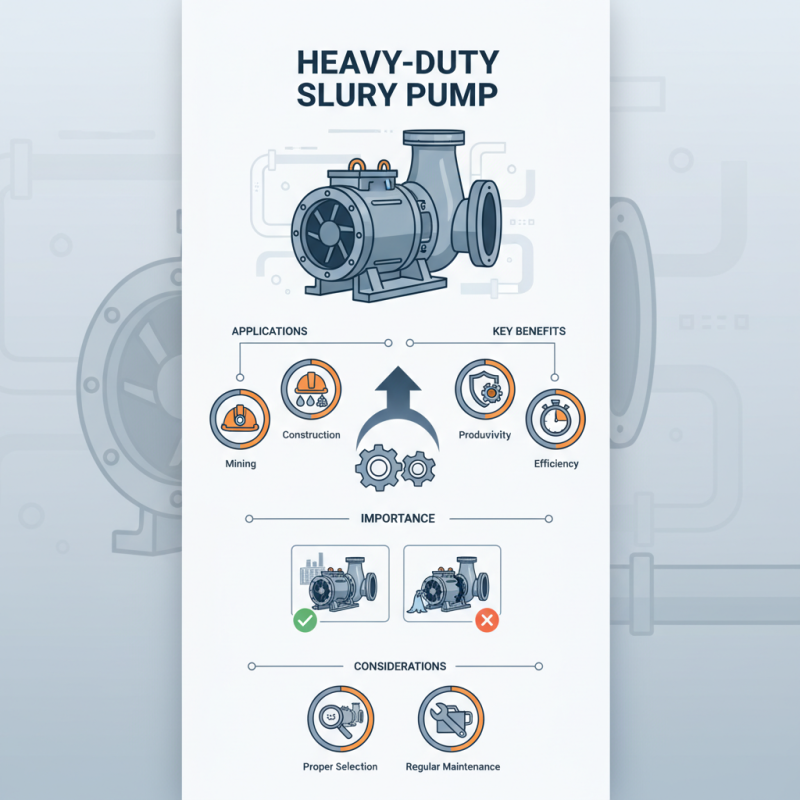
heavy duty slurry pumps are designed for tough applications. They handle thick, abrasive materials and ensure business efficiency. These pumps are commonly used in mining, construction, and wastewater management. Their robust construction allows them to perform under extreme conditions. However, they require regular maintenance to avoid breakdowns.
Investing in a heavy duty slurry pump isn’t just a matter of convenience; it’s about safety and productivity. Proper selection is key. Not all pumps are equal, and understanding specific needs can lead to better outcomes. Each decision should reflect the unique demands of the operation. When utilized correctly, these pumps greatly enhance overall efficiency. A poorly chosen pump can lead to costly failures and unexpected downtime.
What Are Heavy Duty Slurry Pumps?
Heavy duty slurry pumps play a crucial role in various industrial applications. These pumps are designed to transport mixtures of solid particles and liquids efficiently. They often handle abrasive and corrosive materials, making them essential in mining, construction, and wastewater treatment. According to industry research, the global slurry pump market is projected to grow at a CAGR of 6.2% from 2021 to 2026. This growth is driven by increased demand for energy and efficient mining processes.
When selecting a heavy duty slurry pump, it's vital to consider several factors. The type of solid material, the viscosity of the slurry, and the pump's capacity are critical. A well-chosen pump can improve efficiency and reduce maintenance costs. However, incorrect selection can lead to performance issues. Tips: Always assess the specific requirements of your application to avoid overspending on unnecessary features.
Regular maintenance is also essential for maximizing the lifespan of these pumps. Operators should check for wear and tear, especially on the impellers and liners. Neglecting maintenance can result in costly downtimes and repairs. Tips: Create a maintenance schedule to monitor pump conditions closely. This proactive approach can significantly reduce unexpected failures in operations.
Key Features and Specifications of Heavy Duty Slurry Pumps
Heavy duty slurry pumps are essential in industries like mining, construction, and wastewater management. These pumps are designed to handle abrasive slurries and maintain performance in challenging conditions. They often feature robust materials such as high chrome iron and rubber, which can withstand wear and abrasion. Reports indicate that these pumps can operate efficiently at high pressure, sometimes exceeding 300 psi.
Key specifications for heavy duty slurry pumps often include flow rates between 1,200 to 12,000 gallons per minute. This allows for the transportation of large volumes of slurries. Additionally, their power ratings vary, with some models reaching up to 1,000 horsepower. Users must consider the size and weight of these pumps since they can weigh over 5,000 pounds.
Another critical factor is maintenance. Heavy duty slurry pumps require regular inspections to ensure optimal performance. Many operators neglect this and face downtime issues. Industry data shows that poorly maintained pumps can lose up to 30% of their efficiency over time. This underscores the need for effective upkeep strategies to prolong pump life and maintain operational efficiency.
Everything You Need to Know About Heavy Duty Slurry Pumps
| Feature | Specification |
| Pump Type | Centrifugal Slurry Pump |
| Max Flow Rate | 3500 m³/h |
| Max Head | 100 m |
| Impeller Diameter | 700 mm |
| Material | High Chrome Alloy |
| Weight | 750 kg |
| Drive Type | Electric Motor |
| Applications | Mining, Dredging, Construction |
| Warranty | 12 Months |
Applications of Heavy Duty Slurry Pumps in Various Industries
Heavy duty slurry pumps are essential in various industries. These pumps handle thick, abrasive mixtures, making them ideal for mining and mineral processing. When transferring slurries, these pumps must withstand harsh conditions. Operators need to monitor wear and tear closely.
In the construction industry, heavy duty slurry pumps play a critical role. They manage concrete slurries and other viscous materials during construction projects. Engineers often face challenges in ensuring consistent flow rates. Fluctuations can lead to project delays and increased costs. Proper maintenance and prompt repairs can prevent many issues.
In wastewater treatment, these pumps are vital. They help in transporting sludge, which can be corrosive. A slight malfunction can result in system failures. Regular inspections can alleviate potential problems. However, even routine checks may miss some underlying issues. Industries should continuously improve their processes to enhance efficiency.
Maintenance Tips for Ensuring Optimal Performance of Slurry Pumps
Maintenance of heavy-duty slurry pumps is vital for their performance and longevity. Regular inspections should be part of a maintenance routine. Check the impellers for wear and tear. Replacing worn components can prevent larger issues down the line. Ensure seals are tight to avoid leakage.
Another important aspect is monitoring the pump's operation. Listen for unusual noises. They can indicate mechanical problems. Keep an eye on vibrations; excessive movement may signal misalignment. It is essential to maintain proper lubrication for all moving parts. Use the recommended lubricant to avoid complications.
Training operators is also crucial. They should understand the pump's workings. A trained operator can notice early warning signs of trouble. Moreover, having a log of maintenance activities can help identify patterns over time. These logs make it easier to schedule preventative measures. Regular maintenance is not just about fixing problems; it's about anticipating them.
Heavy Duty Slurry Pumps Maintenance Tips
Comparative Analysis: Heavy Duty Slurry Pumps vs. Standard Pumps
Heavy-duty slurry pumps are designed for tough tasks. They handle abrasive materials and high solid concentrations. Standard pumps, on the other hand, cater to lighter liquids and lower solid loads. The difference lies in their construction and application. Heavy-duty pumps have robust materials, preventing wear and tear. Standard pumps may not withstand harsh conditions, leading to frequent failures.
A key consideration is maintenance. Heavy-duty slurry pumps require regular checks. Keep an eye on wear parts like impellers and liners. This helps extend their lifespan. In contrast, standard pumps often face operational challenges in demanding environments. This can result in costly downtimes.
Tip: Always assess the material being pumped. Slurry consistency matters. Different pumps perform better with specific materials. Choose wisely to avoid unexpected issues. Consider your environment too. Heavy-duty pumps excel in rugged settings while standard pumps shine in routine tasks. Be mindful of your selection process.

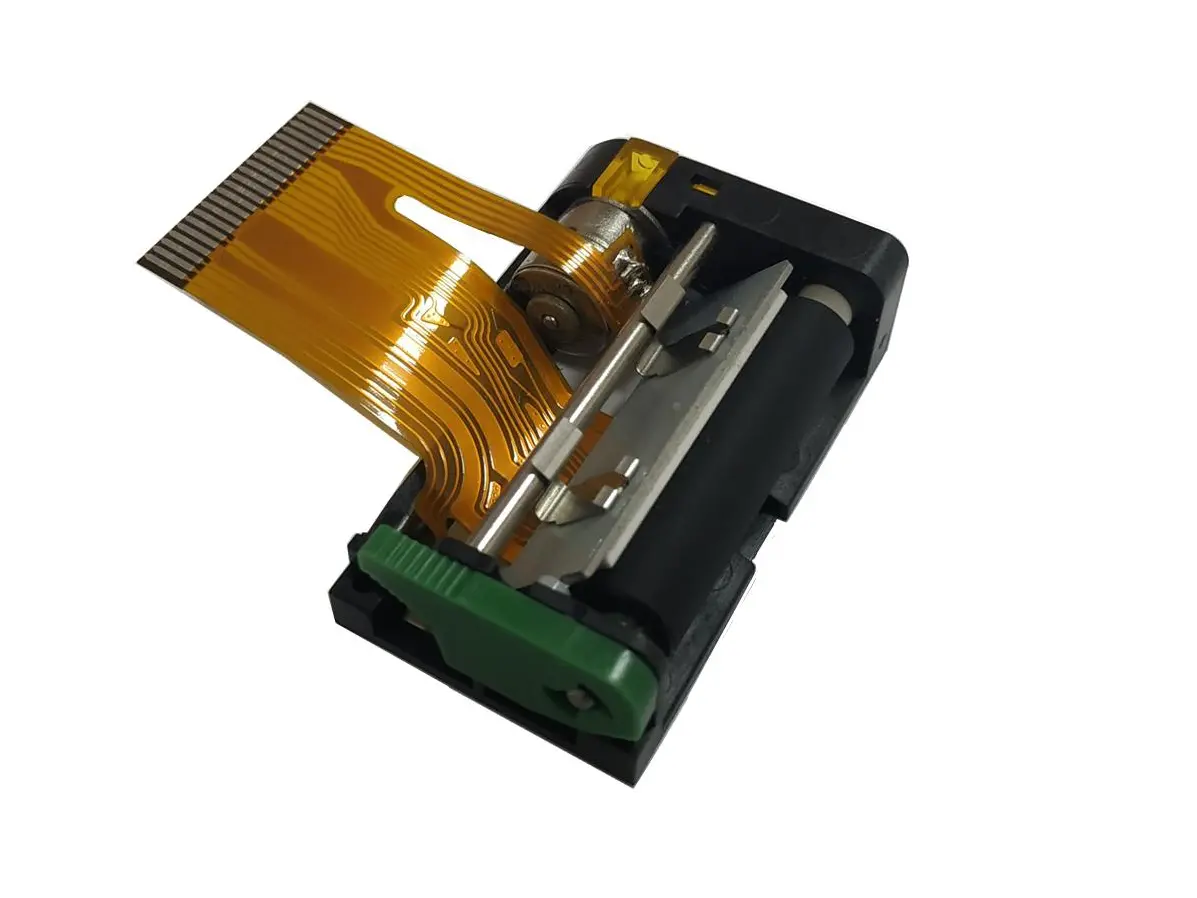 1 inch thermal printer mechanism
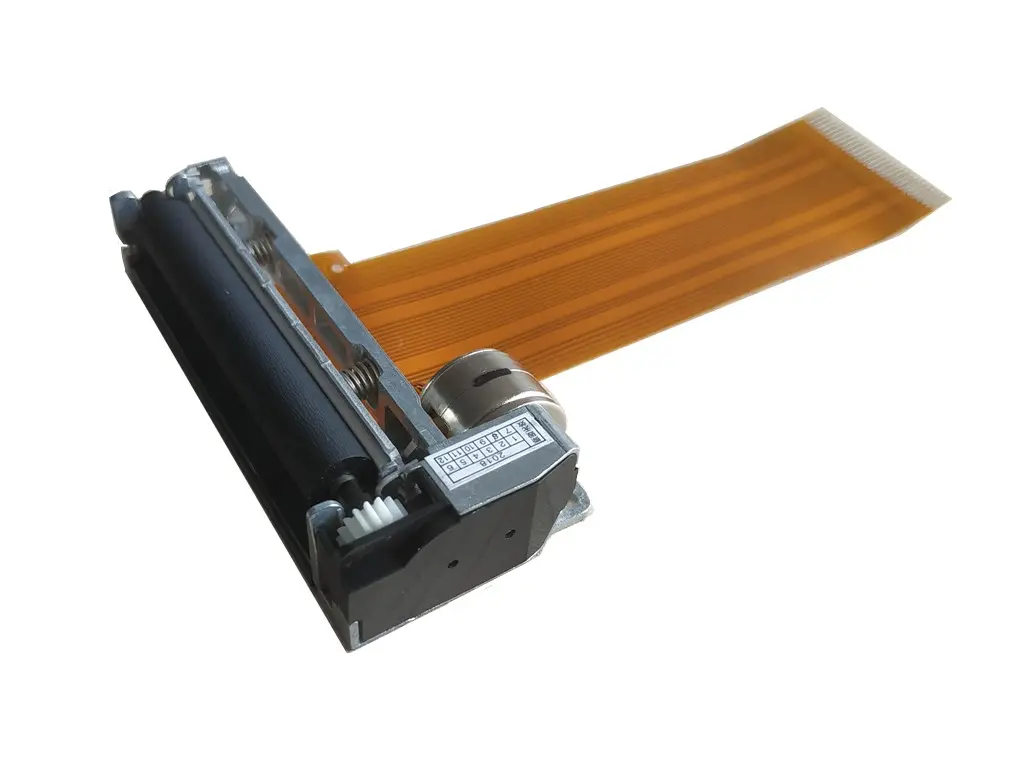 2 inch thermal printer mechanism
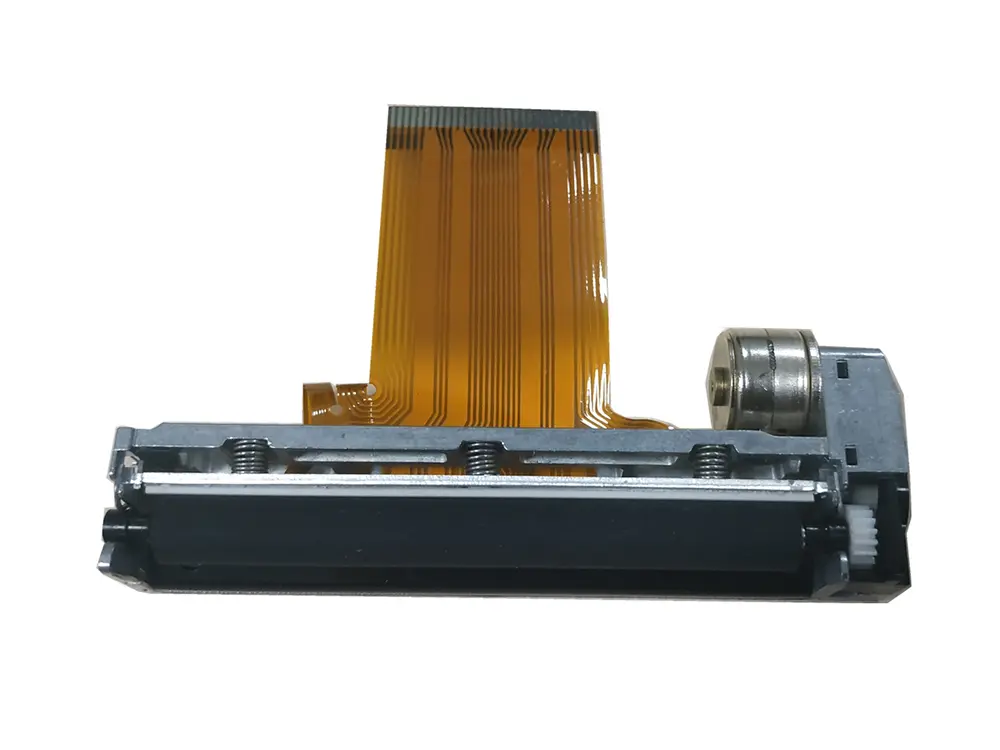 3 inch thermal printer mechanism
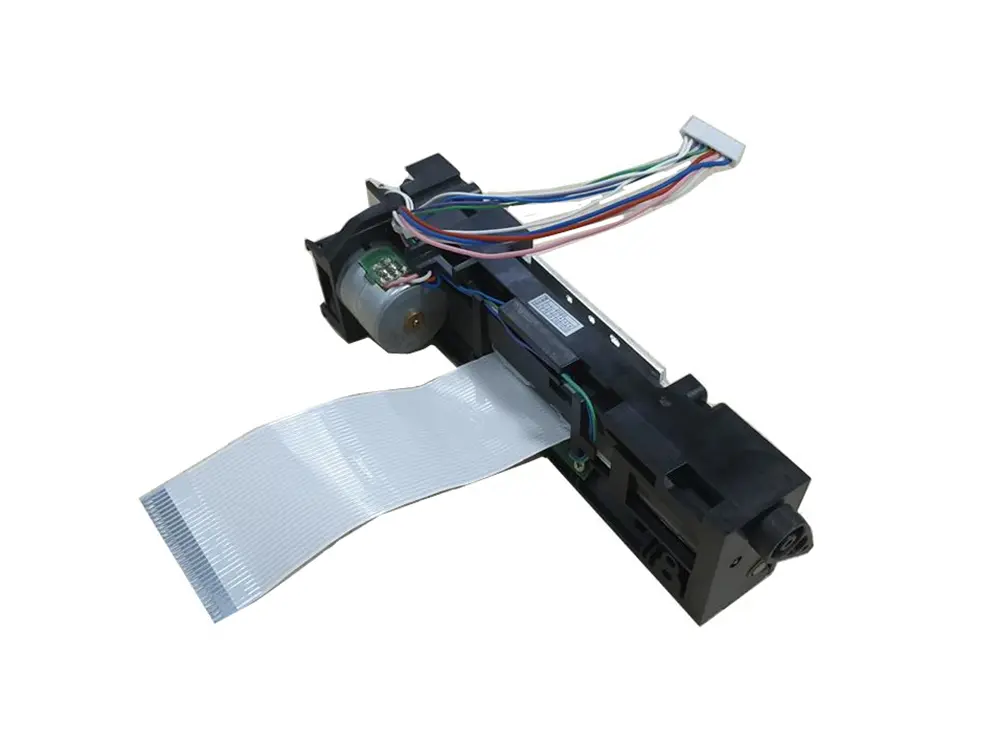 4 inch thermal printer mechanism
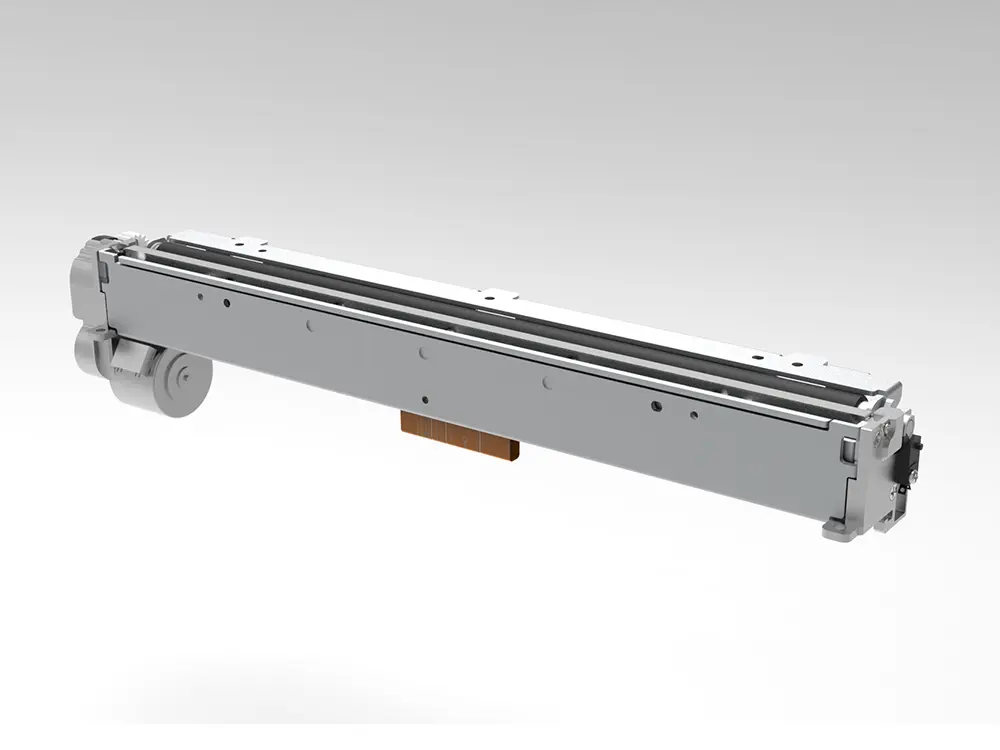 8 inch thermal printer mechanism
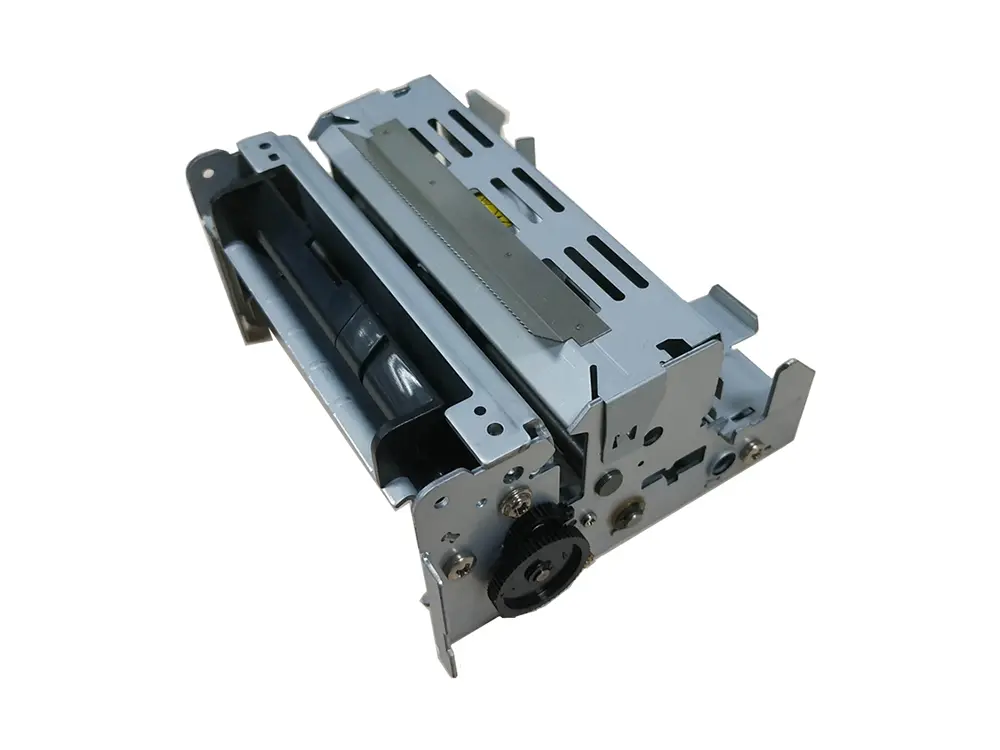 dot matrix printer mechanism
 Label Printer
 Receipt Printer
 Mobile Printer

