What is a Handheld Printer? Understanding Features, Benefits, and Uses
In today's fast-paced world, the demand for
efficient and portable printing solutions has led to the emergence of
handheld printers
as a vital tool across various industries. A handheld printer is a compact device that allows users to
print documents, labels, and images on-the-go, making it an ideal choice for professionals who require mobility
without sacrificing print quality. As noted by leading industry expert
Dr. Emily Carter, “The versatility and convenience of a handheld printer make it an
indispensable tool for businesses looking to enhance their operational efficiency.”

The features of handheld printers, including wireless connectivity,
battery longevity, and a variety of printing options,
cater to a multitude of applications—from retail environments printing labels directly at
the point of sale to healthcare providers needing to print patient wristbands on-site.
Furthermore, the benefits of using a handheld printer extend beyond mere convenience;
they also contribute to time savings and improved
accuracy in documentation processes. By understanding the distinct characteristics and
various uses of handheld printers, businesses can better integrate this technology into
their operations and unlock new levels of productivity.
Understanding Handheld Printers: A Definition and Market Overview
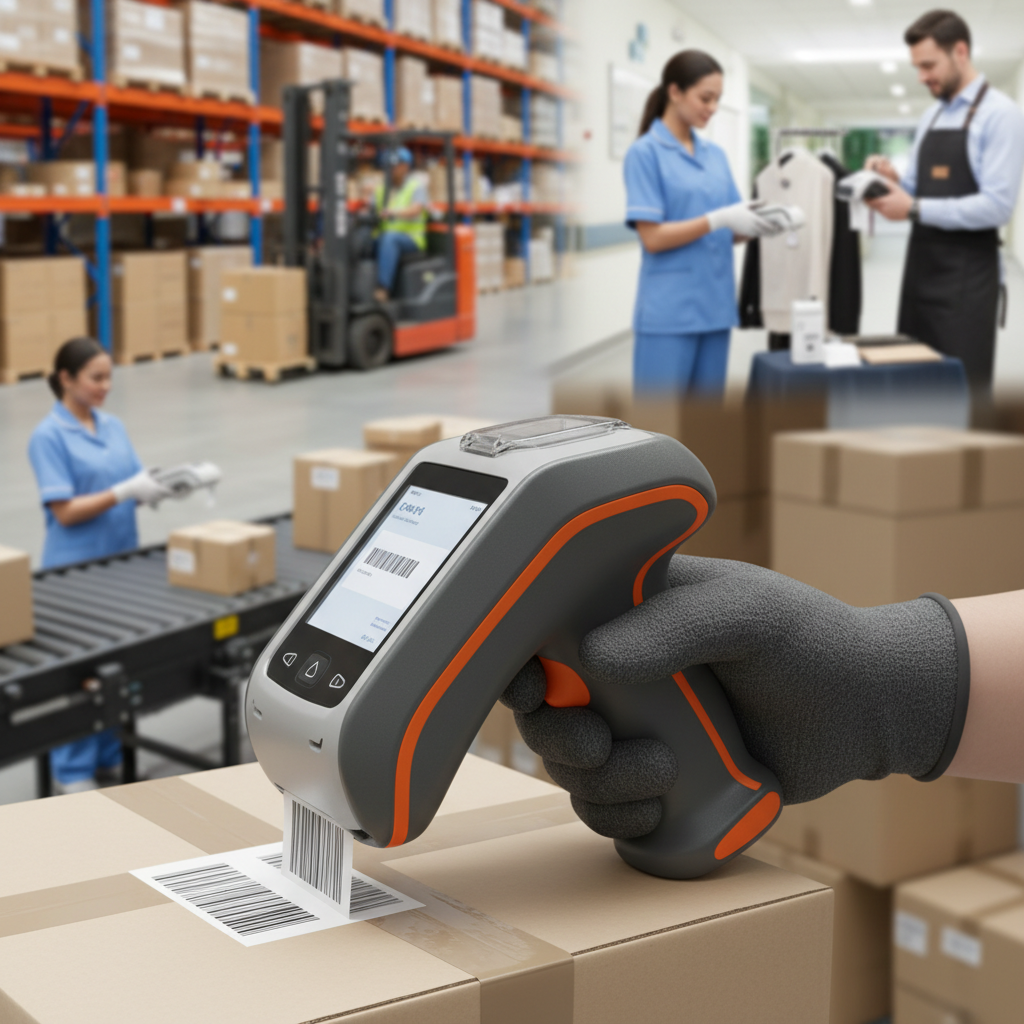
Handheld printers are compact, portable devices designed for on-the-go printing needs. They offer a valuable solution for various industries, including retail, logistics, healthcare, and more. These printers utilize advanced technology to produce high-quality prints in a variety of formats, making them incredibly versatile. Typical uses include printing labels, receipts, invoices, and barcodes, which helps streamline processes and improve efficiency in dynamic business environments.
When considering a handheld printer, it's essential to evaluate key features such as battery life, print speed, and connectivity options. Wireless connectivity, for instance, allows users to connect seamlessly with smartphones or tablets, enhancing convenience. Moreover, the choice of ink type can impact the durability and quality of printouts, with some models using thermal printing techniques for quick, reliable results.
Tip: Always check the compatibility of the handheld printer with your existing devices to ensure smooth operation. Additionally, consider the weight and ergonomic design of the printer, as a lightweight model will be easier to carry throughout your workday. Finally, look for user reviews and ratings to select a model that balances performance and affordability.
Key Features of Handheld Printers: Portability, Connectivity, and Quality
Handheld printers have become increasingly popular due to their portability, which allows users to print documents and labels on the go. These compact devices are designed for convenience, enabling professionals to work efficiently in various environments, such as warehouses, retail stores, and event venues. The lightweight nature of handheld printers means they can easily fit into a bag or be carried in hand, eliminating the need for bulky printing setups that are typically stationary.
In addition to portability, connectivity is a key feature that enhances the functionality of handheld printers. Many of these devices offer Bluetooth or Wi-Fi capabilities, allowing users to connect seamlessly to smartphones, tablets, and laptops. This wireless connectivity ensures that users can print directly from their devices without being tethered to a physical connection. Furthermore, the print quality of handheld printers has seen significant improvements, with advanced technology enabling sharp, clear prints that rival those produced by larger, traditional printers. This combination of portability, connectivity, and quality makes handheld printers an invaluable tool for modern workflows.
Handheld Printer Features Comparison
Benefits of Using Handheld Printers in Various Industries
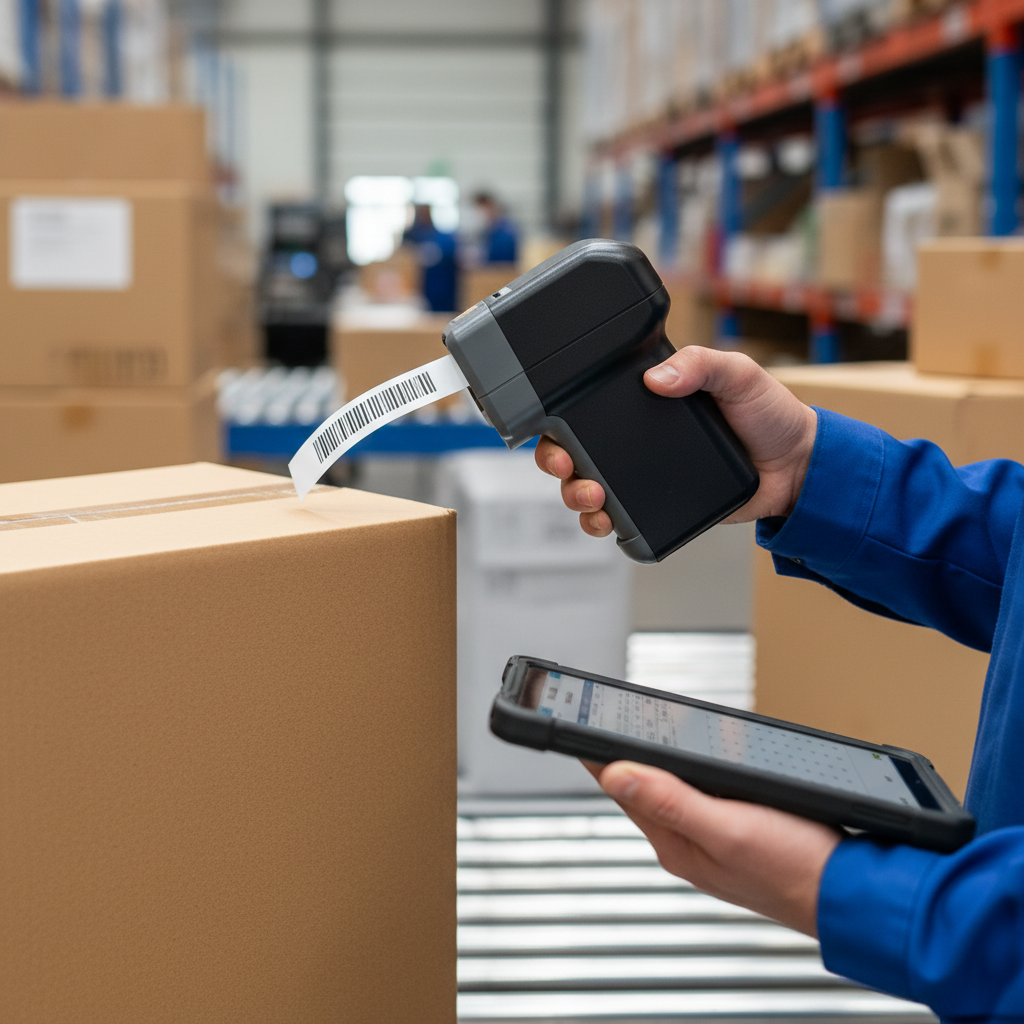
Handheld printers have become increasingly valuable in various industries, providing a portable and efficient solution for printing on-the-go. In sectors like retail and logistics, these compact devices enable employees to quickly generate receipts, shipping labels, and barcodes directly from their mobile devices. This mobility enhances productivity as workers no longer have to return to stationary printers, allowing them to fulfill customer orders more promptly and efficiently.
Moreover, the versatility of handheld printers caters to a wide range of applications beyond just retail and logistics. In healthcare, for instance, they play a critical role in printing patient wristbands and medication labels at the bedside, reducing the risk of errors and improving patient safety. Similarly, in manufacturing and warehousing, these printers assist in marking items with vital information, such as assembly instructions and tracking codes, directly at the point of production or storage. The adaptability and convenience of handheld printers thus serve to streamline operations across different industries, fostering both efficiency and accuracy.
Applications of Handheld Printers: From Retail to Healthcare
Handheld printers have become increasingly popular across various industries, including retail and healthcare. These compact devices enable on-the-spot printing, allowing businesses to enhance their operational efficiency. In retail, handheld printers are commonly used for printing labels, receipts, and tags directly at the point of sale or inventory management. This not only speeds up the transaction process but also improves accuracy in stock control, giving retailers a competitive edge.
In the healthcare sector, handheld printers play a crucial role in patient care and documentation. Medical professionals can print patient wristbands, medication labels, and chart notes directly from their mobile devices. This capability ensures that critical information is readily accessible, reducing errors and enhancing patient safety.
Tips: When using a handheld printer, ensure that you choose a model that offers adequate battery life for your needs, especially in a high-demand environment like retail or healthcare. Additionally, consider investing in durable printers that can withstand the rigors of daily use. For organizations in fast-paced settings, familiarity with the printer’s software can significantly streamline operations and improve overall efficiency.
Industry Insights: Growth Trends and Future of Handheld Printing Solutions
The handheld printing solutions market is witnessing significant growth driven by advancements in technology and rising demand for portable and efficient printing devices. As industries focus on enhancing efficiency, customization, and sustainability, handheld printers are becoming essential tools across various sectors. This increase in adoption is reflected in the expanding applications of these devices in logistics, retail, healthcare, and event management, facilitating on-the-spot printing capabilities that improve operational efficiency.
Moreover, the portable medical devices market, projected to reach USD 191.1 billion, emphasizes the importance of mobility and quick access to information, further driving the development of handheld printing technologies. In this context, various market players are investing in innovative solutions that combine printing with connectivity features, enabling seamless integration with mobile applications and cloud-based platforms. This trend not only supports the immediate needs of businesses but also aligns with sustainability goals by reducing waste and optimizing resource usage in packaging and other sectors. As these technologies evolve, the future of handheld printing solutions appears promising, with potential for continued growth and enhanced capabilities.

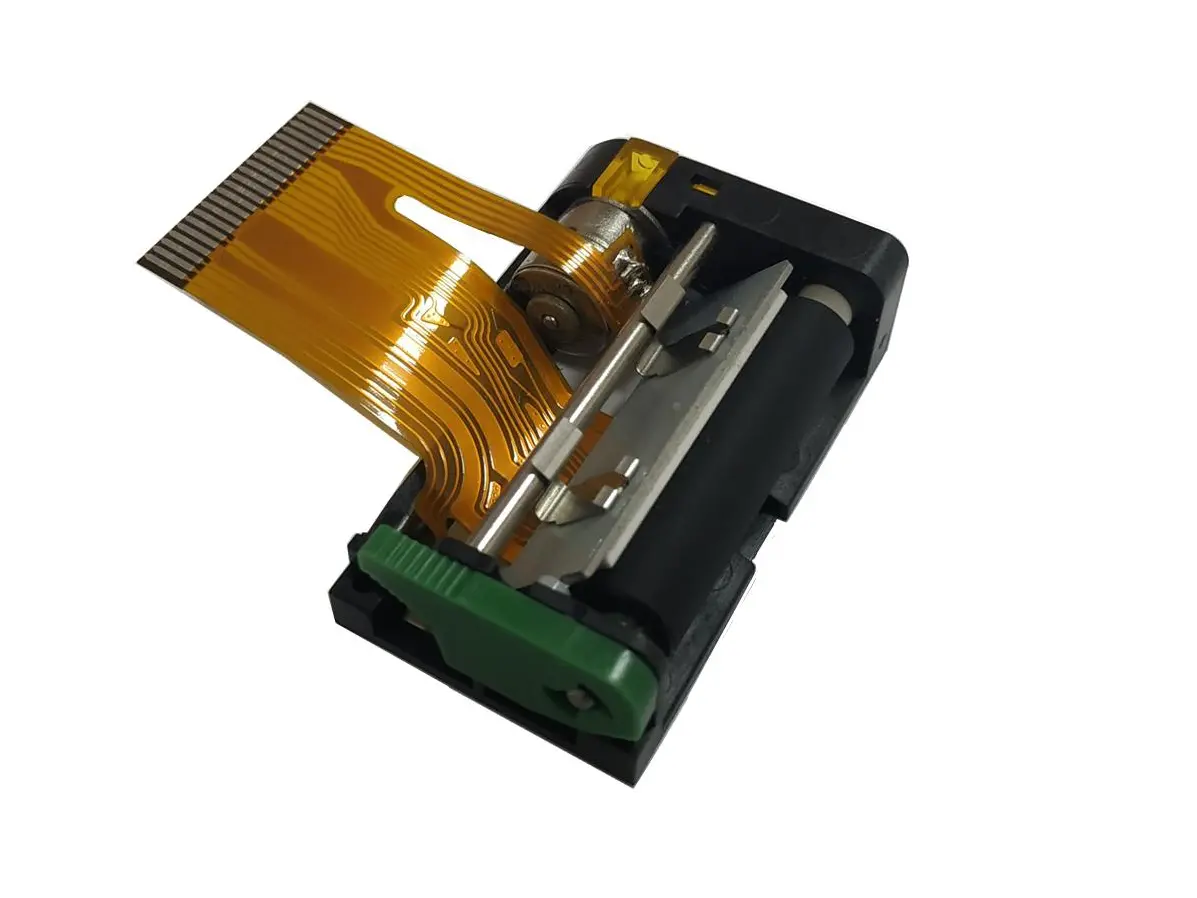 1 inch thermal printer mechanism
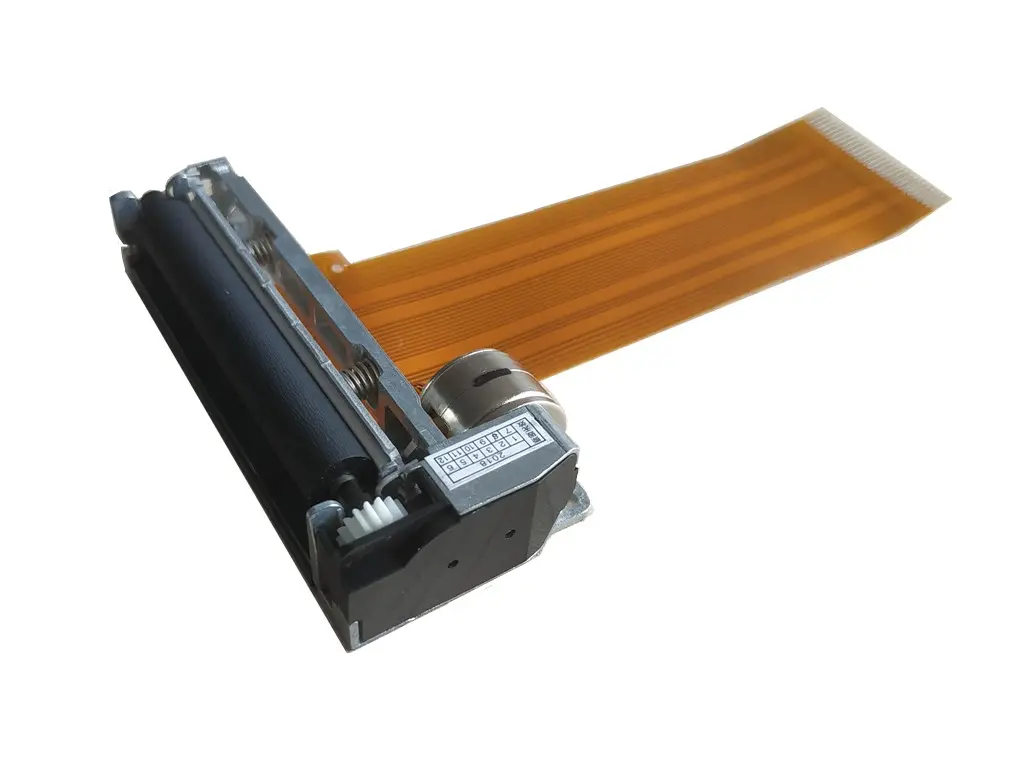 2 inch thermal printer mechanism
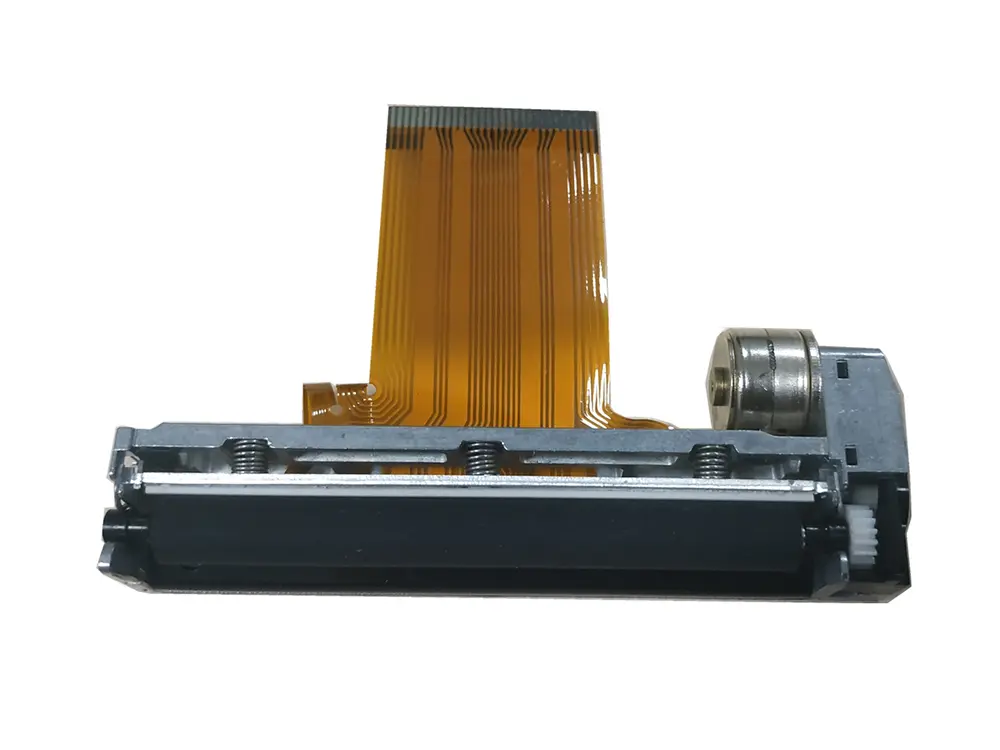 3 inch thermal printer mechanism
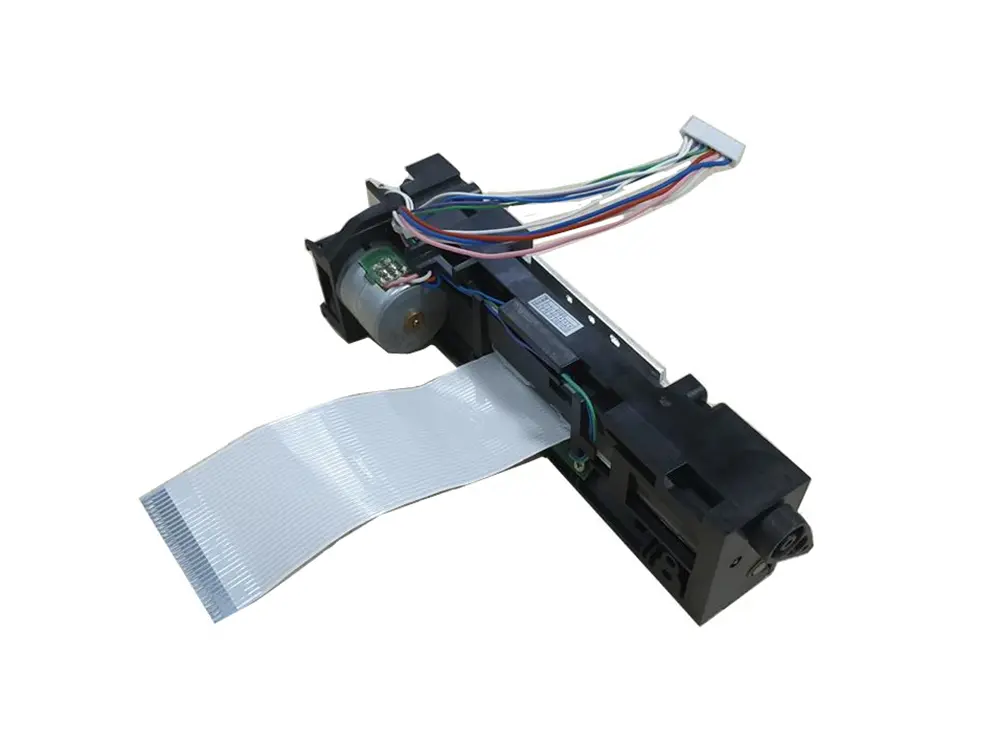 4 inch thermal printer mechanism
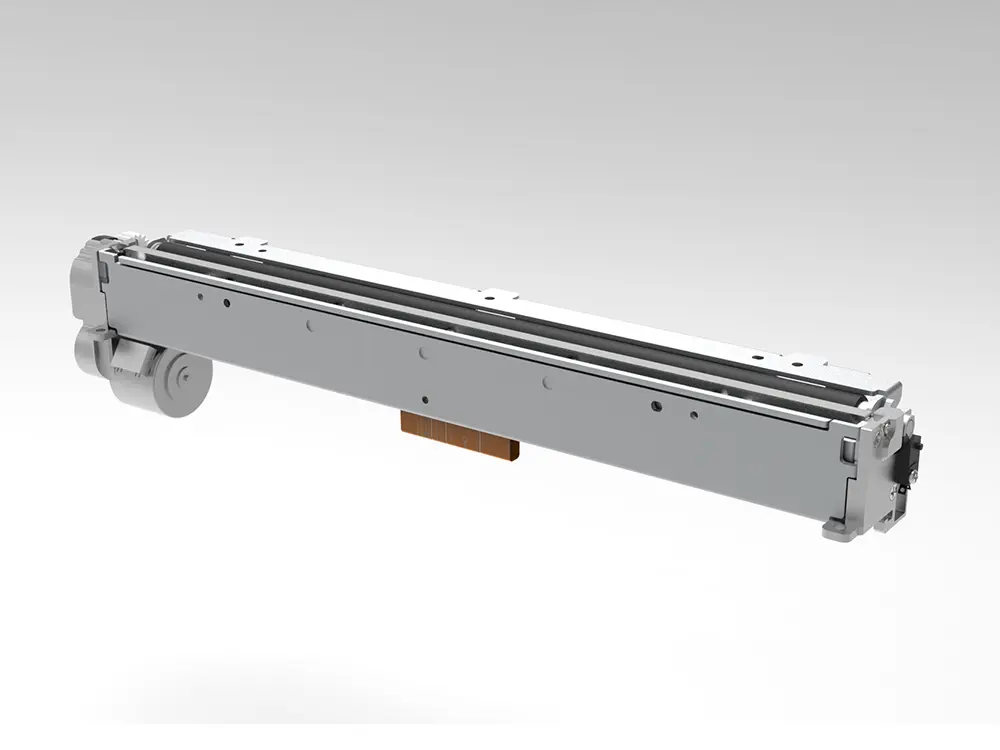 8 inch thermal printer mechanism
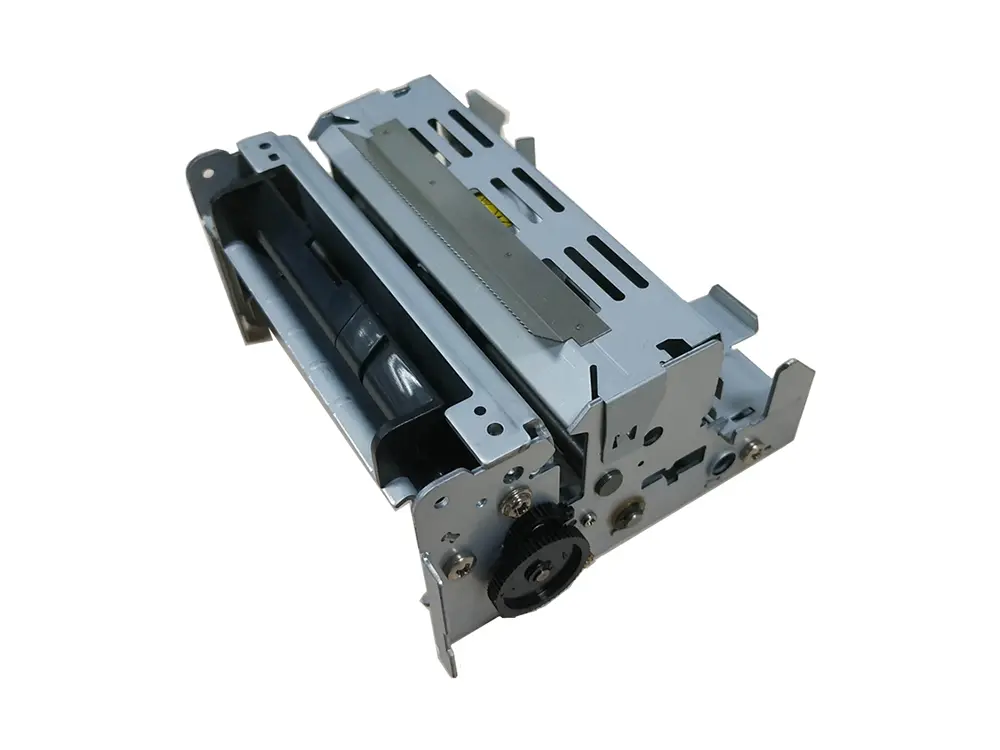 dot matrix printer mechanism
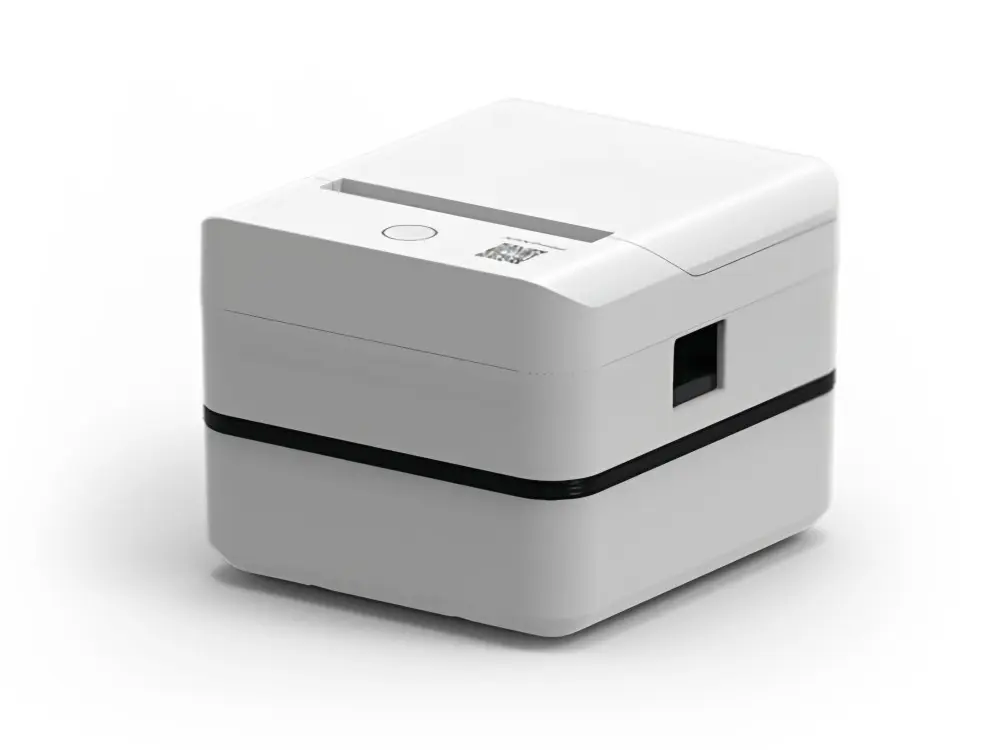 Label Printer
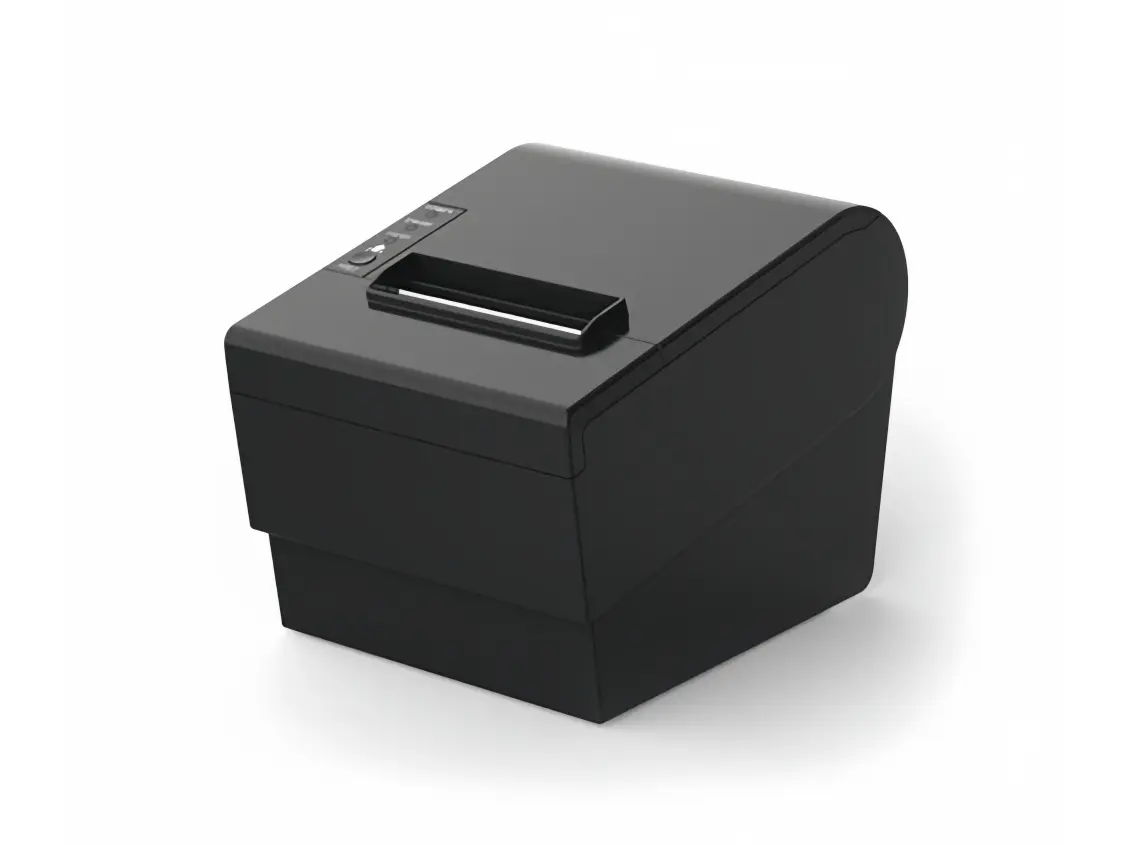 Receipt Printer
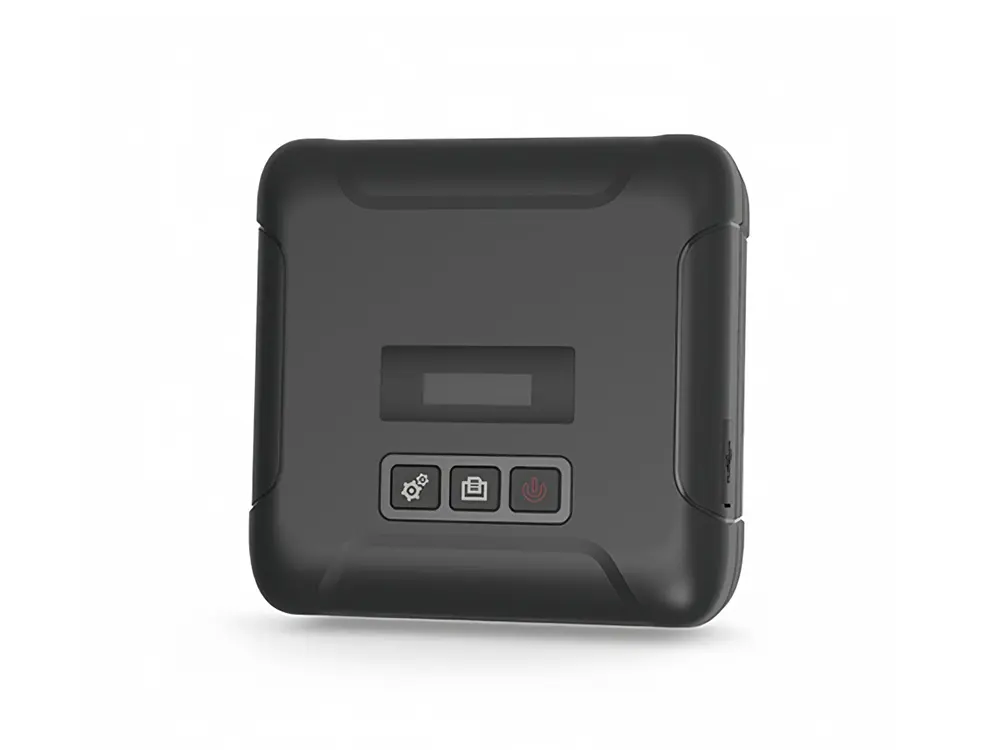 Mobile Printer