How to Connect Mobile Printer Bluetooth to Your Smartphone for Easy Printing?
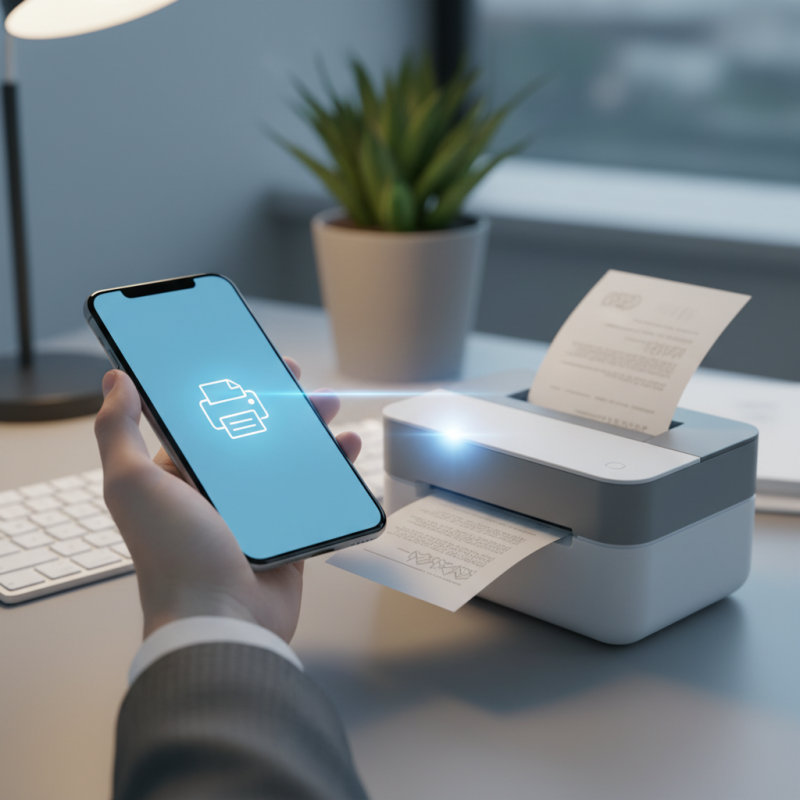
In the age of mobile technology, "Mobile Printer Bluetooth" has transformed how we print documents on the go. Renowned industry expert Sarah Johnson states, "The ease of connecting a mobile printer via Bluetooth makes life considerably more manageable." This capability allows users to print directly from their smartphones with minimal hassle.
Many people struggle with pairing devices. The process can seem complex even for tech-savvy individuals. However, understanding the steps can make the experience much smoother. You can enjoy the convenience of portable printing by mastering the connection.
Bluetooth technology has its quirks. Connection failures can occur unexpectedly, leading to frustration. It is essential to remain patient and check compatibility. For users new to "Mobile Printer Bluetooth," simple troubleshooting steps can resolve common issues. With some practice, anyone can become adept at mobile printing.
Understanding Mobile Printers and Their Bluetooth Functionality
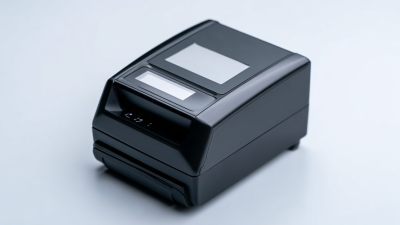
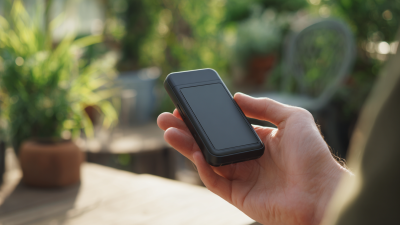
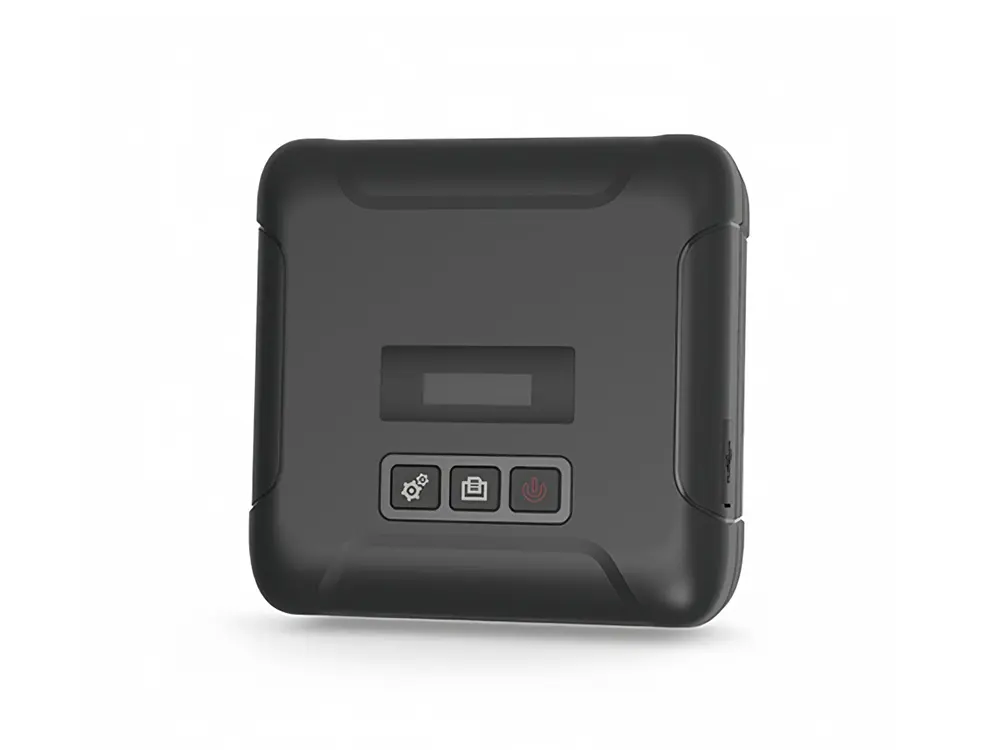
Understanding mobile printers and their Bluetooth functionality is essential for seamless printing. These compact devices allow users to print documents directly from their smartphones. They are increasingly popular for their portability. Many people use them during travel or remote work.
Mobile printers connect to smartphones via Bluetooth. This wireless technology ensures convenience, as users can print without the hassle of cords. However, occasionally, these connections can be tricky. Users might struggle with pairing their devices. Sometimes, the printer does not appear in the Bluetooth settings.
Despite these challenges, knowing how to troubleshoot is beneficial. Restarting both the printer and smartphone often helps. Checking for software updates can also resolve connection issues. Bluetooth range is crucial as well. Ensure the devices are close enough for proper communication. Keep in mind, every model has unique pairing steps. Therefore, it’s useful to refer to the user manual if problems arise.
Mobile Printer Bluetooth Connectivity
Choosing the Right Mobile Printer for Your Smartphone
Choosing the right mobile printer for your smartphone can be a daunting task. Various factors must be considered to ensure you pick the best option. Think about what you need: Do you print photos, documents, or labels? Each type requires a different printer. Look for a model that supports high-quality prints to meet your expectations.
Consider portability as well. Many mobile printers are lightweight and compact. This feature is important for on-the-go printing. You may want to check battery life too. Some models drain quickly, which can be frustrating during important trips. It's also helpful to read user reviews. This can provide insight into real-world performance, helping you make a better decision.
Lastly, connectivity options are essential. Bluetooth is common for smartphones, but not all printers connect seamlessly. Some may require different methods like Wi-Fi or even USB. Take your time researching these options. Finding a balance between performance, connectivity, and ease of use is crucial. Make your choice wisely, as it significantly impacts your printing experience.
How to Connect Mobile Printer Bluetooth to Your Smartphone for Easy Printing? - Choosing the Right Mobile Printer for Your Smartphone
| Printer Model |
Bluetooth Range |
Print Speed (ppm) |
Battery Life |
Compatibility |
| Model A |
Up to 30 feet |
10 |
5 hours |
iOS, Android |
| Model B |
Up to 50 feet |
12 |
6 hours |
iOS, Android, Windows |
| Model C |
Up to 40 feet |
8 |
4 hours |
iOS, Android |
| Model D |
Up to 20 feet |
15 |
7 hours |
Android |
Steps to Enable Bluetooth on Your Smartphone
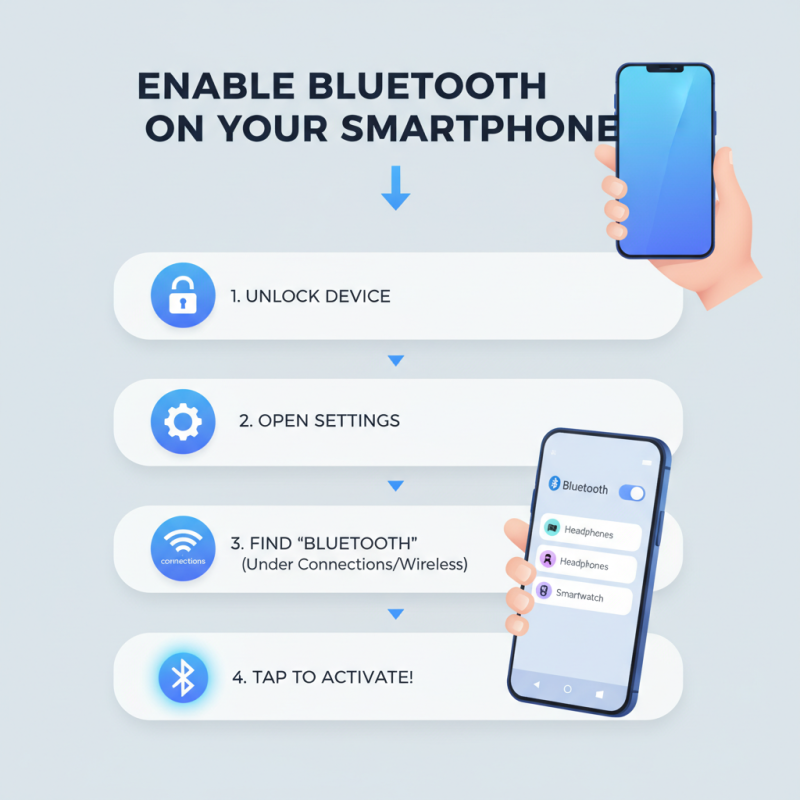
Enabling Bluetooth on your smartphone is a straightforward process. Start by unlocking your device. Navigate to the settings menu. Look for the "Bluetooth" option; it's usually listed under "Connections" or "Wireless & Networks." Tap on it to open.
Now, toggle the Bluetooth switch to turn it on. You may notice a blinking blue light. This indicates that Bluetooth is ready to pair with other devices. If you don’t see the option, your phone might be running a different operating system. Check your user manual for guidance.
Tips:
Ensure your smartphone is fully charged. A low battery can interfere with Bluetooth connectivity. Also, remember to keep your mobile printer close. A distance of about 30 feet is ideal for pairing.
Sometimes, devices don’t connect immediately. If this happens, try restarting both the smartphone and the printer. This minor act can resolve many connectivity issues. Check your phone settings periodically to ensure Bluetooth remains enabled during printing tasks.
Pairing Your Mobile Printer with Your Smartphone
Pairing your mobile printer with your smartphone can streamline your printing tasks. Studies show that 70% of users prefer mobile printing due to its convenience. Begin by enabling Bluetooth on both devices. Ensure that your smartphone is discoverable and search for available devices.
Connecting can be tricky at times. Poor signal strength or compatibility issues might arise frequently. Sometimes, the printer may fail to appear on the list. In such cases, restarting both devices often helps. Keep an eye on software updates too. According to report findings, 40% of connection problems stem from outdated firmware.
After successfully pairing, remember to adjust your printer settings. Customize paper size and print quality based on your needs. Sometimes, user manuals can be confusing. Don't hesitate to reach out to support if you face difficulties. Inaccurate settings can lead to misprints or paper jams. Studies indicate that 30% of users experience these common issues.
Troubleshooting Common Bluetooth Connection Issues
When connecting a mobile printer to your smartphone, issues can arise. Common problems include pairing failures, connectivity drops, and print errors. Sometimes, the printer might not appear on your Bluetooth list. Check if Bluetooth is enabled on both devices. If the printer is off, it won't connect. Ensure the printer is charged or plugged in.
If your smartphone fails to connect, try restarting both devices. This simple fix often resolves connection issues. You may also need to delete the printer from your Bluetooth settings and re-pair. Sometimes, interference from other devices affects the connection. Keep other electronics away during the pairing process.
Another tip is to check the printer settings. Ensure it is in pairing mode. If not, it will not respond to your smartphone. If everything seems correct and it still won’t connect, consult the user manual. Even quick fixes require patience and reflection. Remember, technology can be unpredictable.

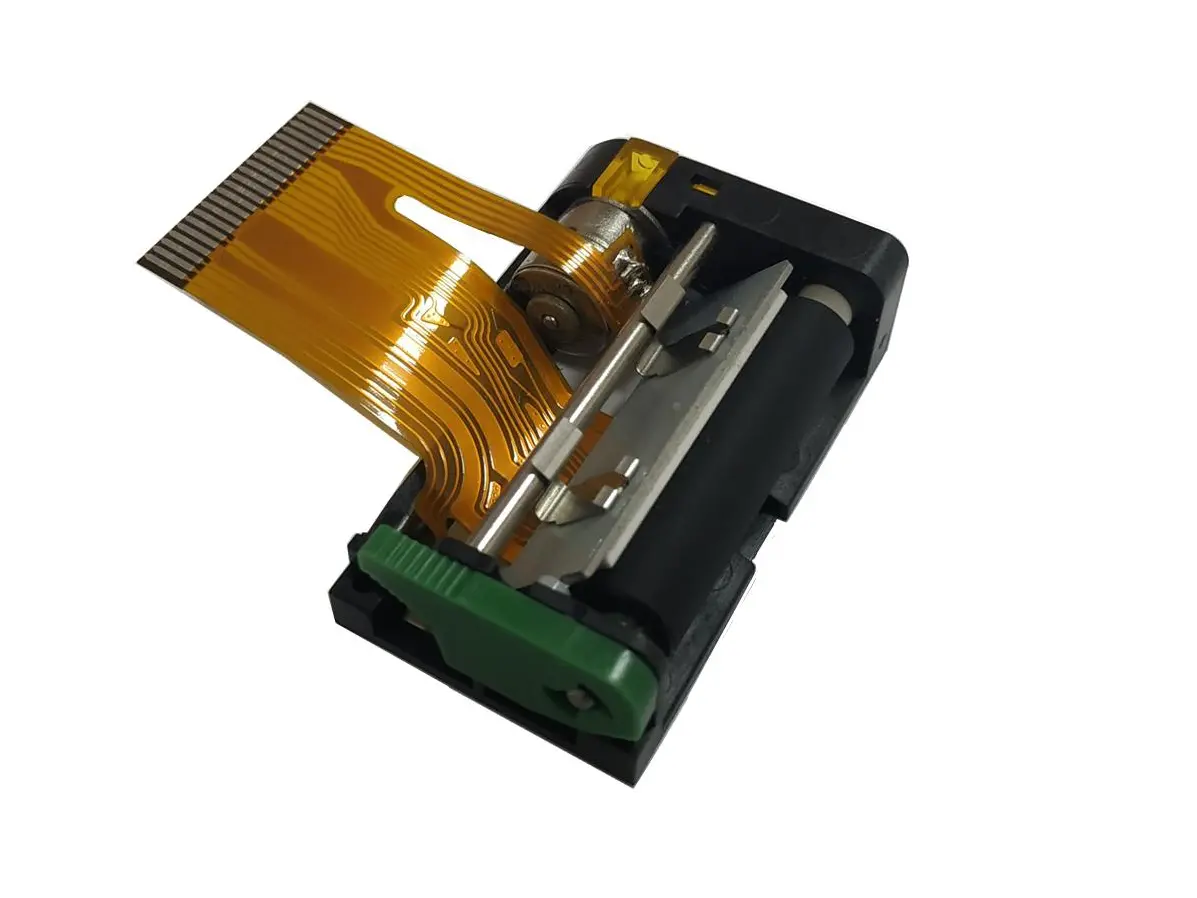 1 inch thermal printer mechanism
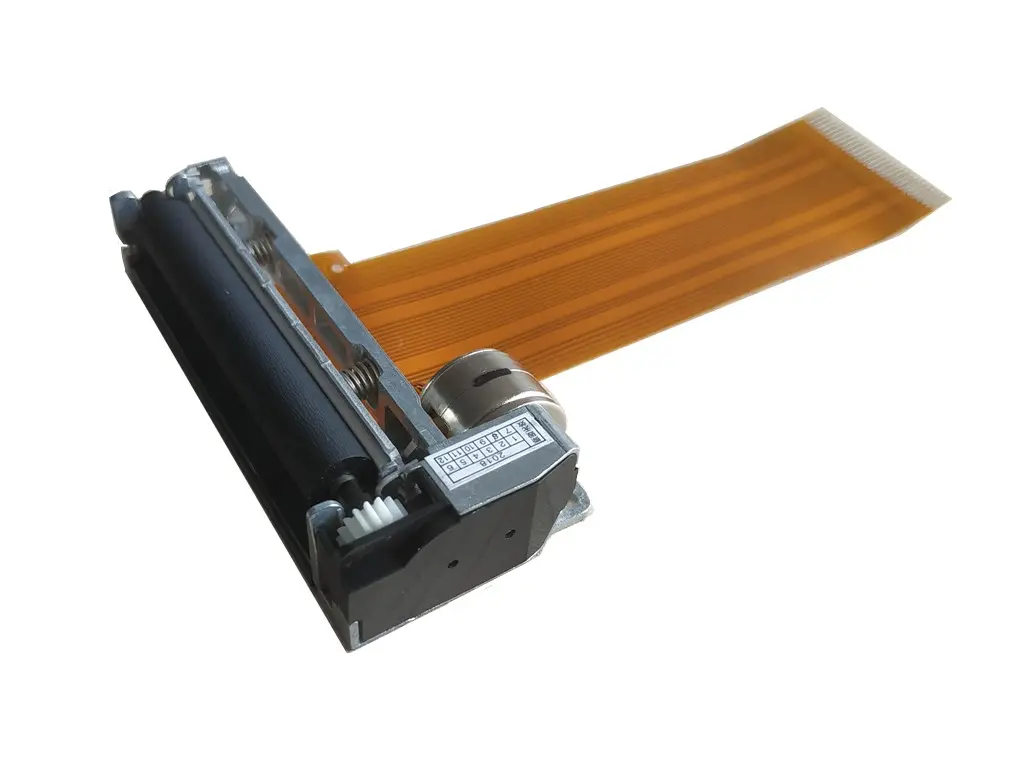 2 inch thermal printer mechanism
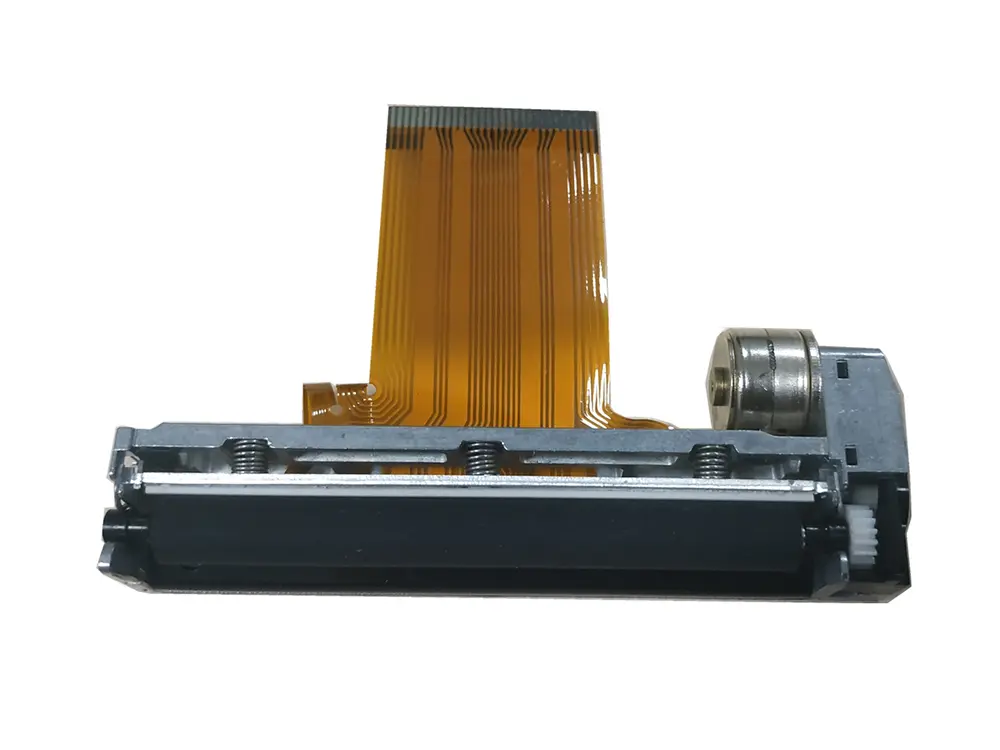 3 inch thermal printer mechanism
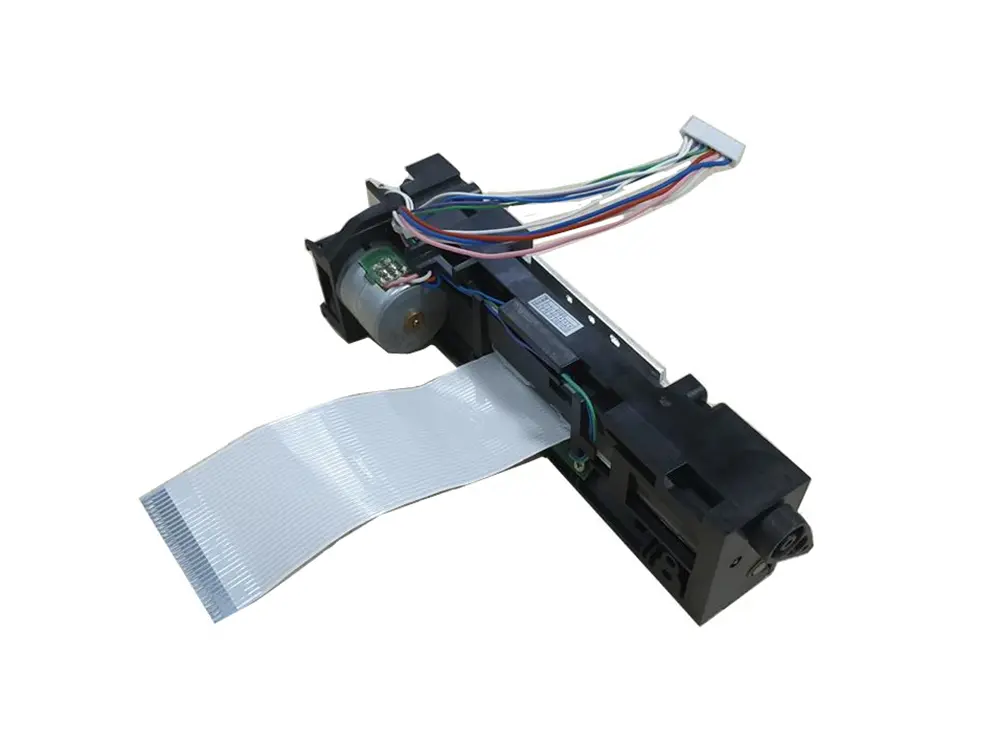 4 inch thermal printer mechanism
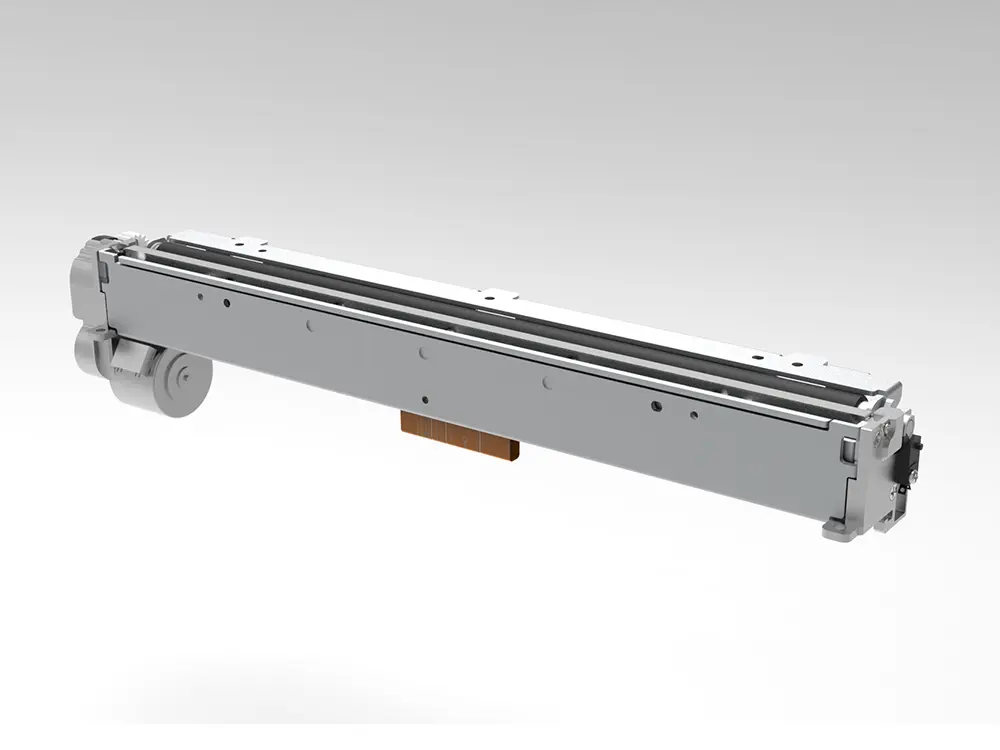 8 inch thermal printer mechanism
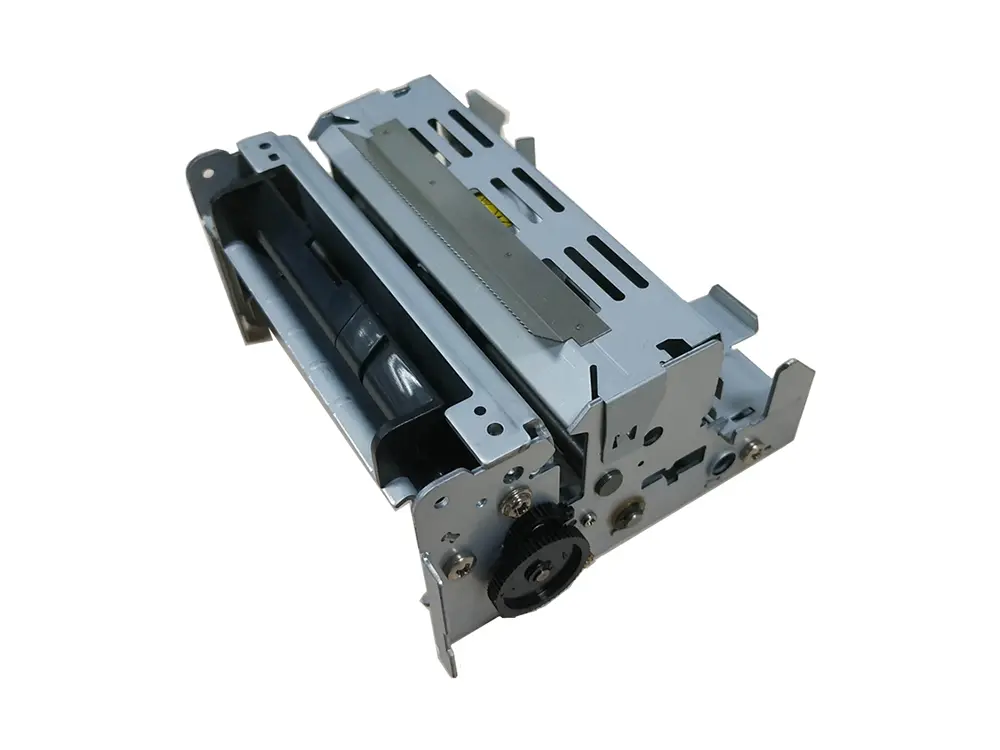 dot matrix printer mechanism
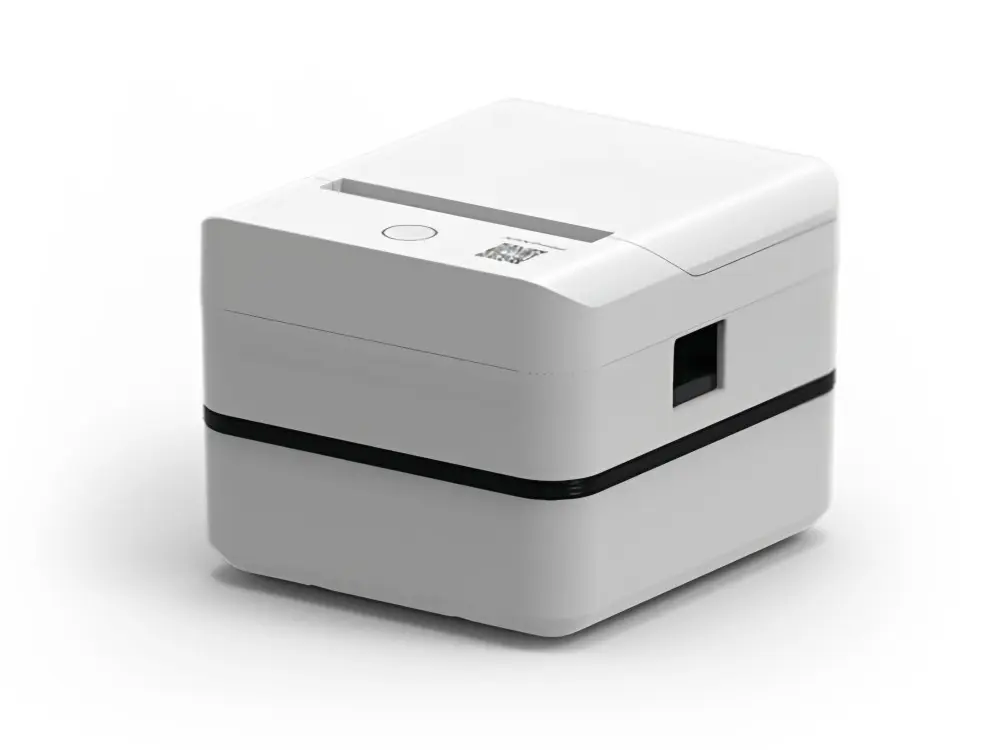 Label Printer
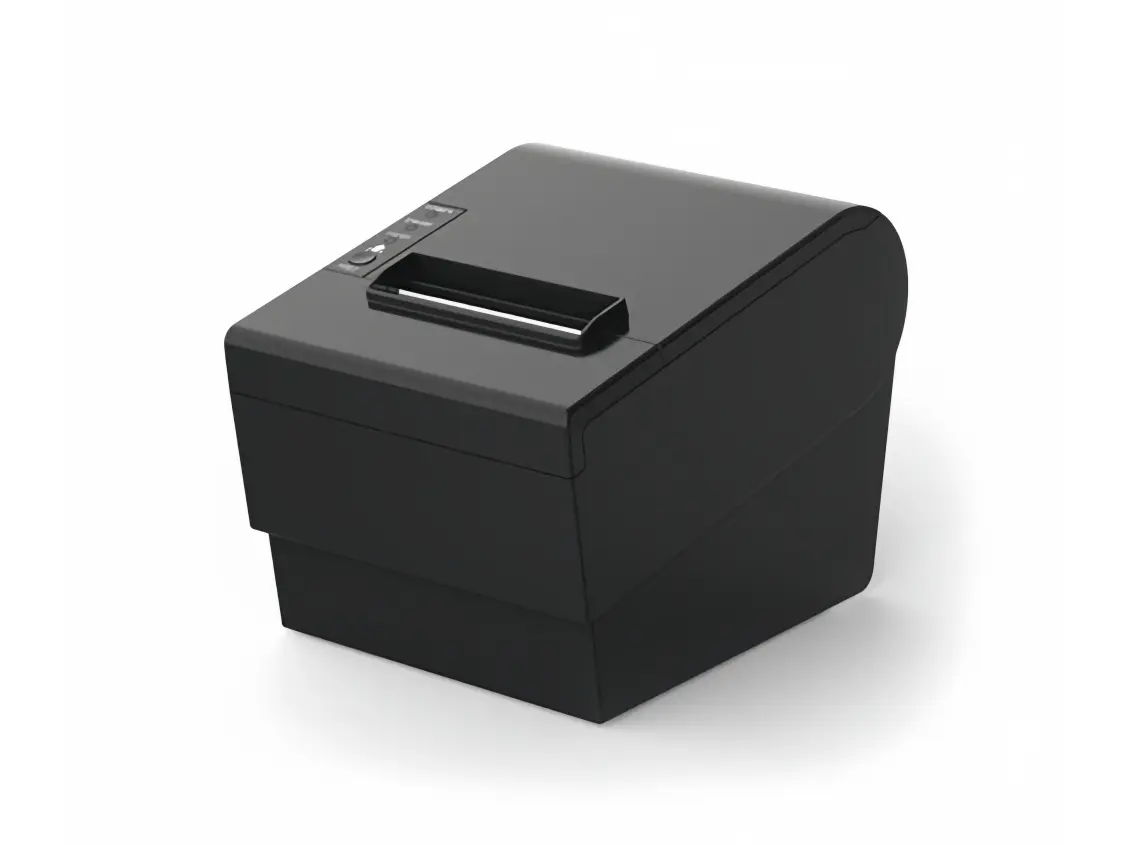 Receipt Printer
 Mobile Printer