2026 How to Choose the Best Shipping Thermal Printer?
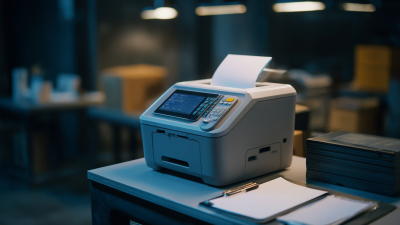
In the fast-paced world of e-commerce, choosing the right Shipping Thermal Printer can significantly affect your operations. Industry expert John Smith once stated, "A reliable shipping printer can save time and reduce errors." This highlights the printer's pivotal role in logistics.
Selecting the best printer is not a straightforward task. With numerous options, considerations like print speed, durability, and connectivity emerge as vital factors. For instance, is the printer capable of handling high-volume shipments? Such features can directly impact your efficiency.
Moreover, one must reflect on budgetary constraints. Sometimes, a cheaper model may struggle with performance. Printer compatibility with your software is another critical aspect. Many overlook this, yet it can lead to frustration. Investing time in evaluating your needs will pay off in the long run.
Understanding the Importance of a Shipping Thermal Printer
A shipping thermal printer is crucial for efficient logistics. According to a recent industry report, businesses using these printers can reduce shipping errors by 30%. This is vital in a world where speed matters. Customers want quick, accurate delivery. Ensuring packages are correctly labeled is the first step.
Tips: Choose a printer that supports various label sizes. This flexibility can enhance operational efficiency. Also, consider print speed. A slower printer may lead to backlog during busy seasons.
A thermal printer is more than just a device. It's a tool that impacts customer satisfaction. Poorly printed labels can lead to lost packages. This not only frustrates customers but also costs businesses money. Up to 25% of shipping errors stem from label issues, highlighting the need for quality printing.
Tips: Regular maintenance is key. Clean the print head often. This simple task can prevent print quality issues. Always keep spare supplies on hand to avoid delays during busy times.
2026 How to Choose the Best Shipping Thermal Printer? - Understanding the Importance of a Shipping Thermal Printer
| Feature |
Importance |
Example Options |
| Print Speed |
Affects workflow efficiency |
100mm/second or higher |
| Print Resolution |
Ensures clarity of barcodes and text |
203 dpi or above |
| Connectivity Options |
Enhances integration with systems |
USB, Bluetooth, Ethernet |
| Durability |
Suitable for high-volume shipping environments |
Rated for industrial use |
| Ease of Use |
Reduces training time and user errors |
User-friendly interface |
| Size and Portability |
Facilitates flexibility in workspace |
Compact design |
Key Features to Look for in a Thermal Printer
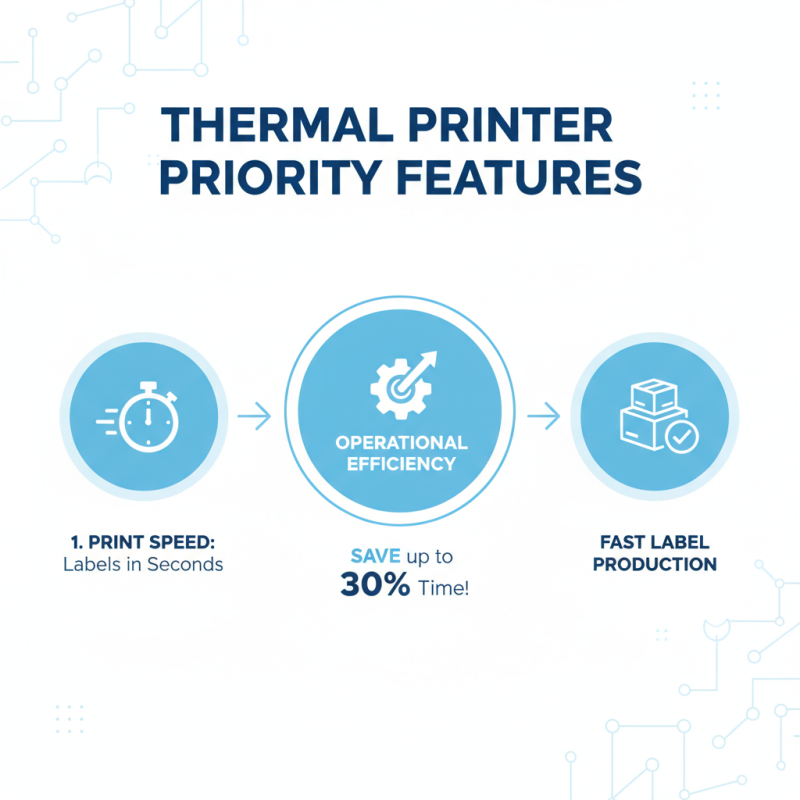
When choosing a shipping thermal printer, several key features should be prioritized. Print speed is crucial. A fast printer can produce labels in seconds. This can significantly improve your operational efficiency. According to industry data, businesses often report time savings of up to 30% when using high-speed thermal printers.
Print quality also matters. Look for a printer that delivers clear, crisp labels. Poor print quality can lead to scanning errors and delays. A study found that 15% of shipping errors stem from unreadable labels. This highlights the importance of ensuring quality in printed outputs.
Connectivity options are another critical aspect. A printer that supports Wi-Fi, Bluetooth, or USB can provide more flexibility. This can be vital for businesses with multiple devices. With 71% of companies using wireless solutions, it's wise to consider connectivity when making a choice. As shipping technology evolves, it’s essential to assess these features carefully and understand your specific needs. Failure to do so can lead to unnecessary challenges.
Comparing Different Types of Thermal Printers
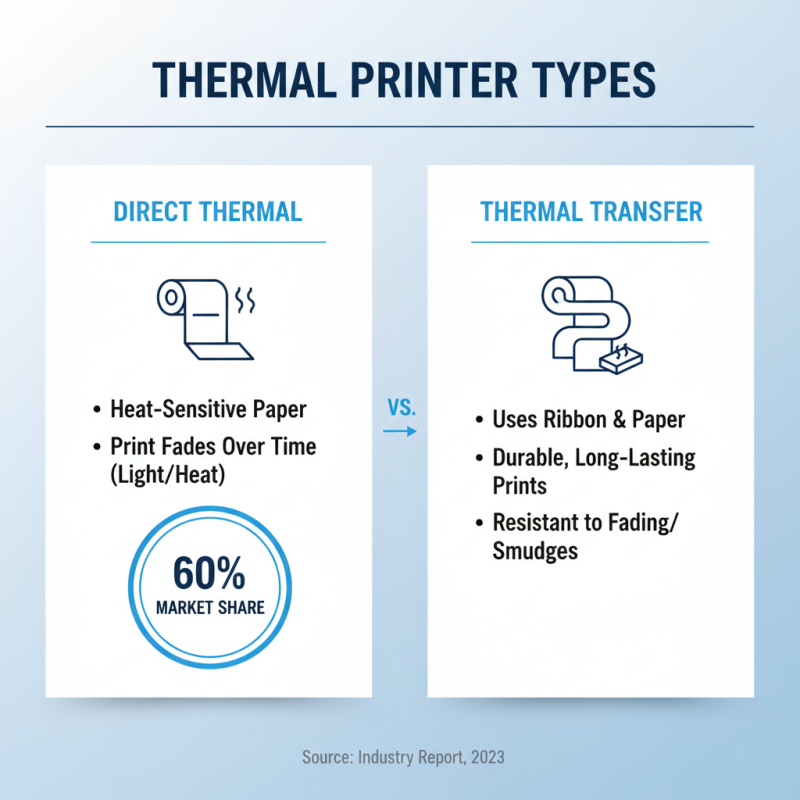
When selecting a thermal printer, understanding the different types available is crucial. There are direct thermal printers and thermal transfer printers, both with unique advantages. Direct thermal printers use heat-sensitive paper, producing crisp images and barcodes. However, these prints can fade over time due to light exposure. According to a recent industry report, direct thermal printers account for about 60% of the market due to their convenience.
On the other hand, thermal transfer printers utilize ribbons to transfer ink onto the printing surface. This method offers more durability, making it ideal for labels exposed to harsh conditions. Data suggests that thermal transfer printers are favored in industries where longevity of labels is essential, such as shipping and inventory management. Although they produce high-quality prints, the running cost can become an issue, especially for small businesses.
Choosing between these options is not straightforward. Budget constraints may lead businesses to opt for cheaper direct thermal models, which may not hold up in the long run. A recent survey indicated that nearly 40% of businesses regretted not investing in thermal transfer technology. Understanding the needs of your business is key to making the right decision.
Evaluating Price vs. Performance for Shipping Needs
When choosing a shipping thermal printer, understanding the balance between price and performance is crucial. A recent industry report indicates that over 45% of small businesses prioritize low-cost solutions. However, these cheaper models often compromise print speed or durability. In contrast, premium models may save money over time through faster processing and fewer replacement needs.
Consider print volume. For businesses averaging over 500 labels weekly, investing in high-performance printers can reduce costs. Research shows efficient printers provide up to 20% quicker label generation. But many budget models can slow down during peak times, which impacts shipping efficiency. It's essential to factor in your specific printing needs.
Evaluate ongoing costs as well. Less expensive printers might have lower upfront costs, yet consumables can be pricier in the long run. Reports suggest that maintenance expenses sometimes exceed initial printer prices. Understanding these details will help in choosing the right printer for your business. Make a choice that reflects both immediate needs and future growth.
Shipping Thermal Printer Price vs. Performance
Choosing the Right Thermal Printer for Your Business Size
Choosing the right thermal printer is essential for business efficiency. Different business sizes have unique needs. For small businesses, a compact thermal printer is often sufficient. These printers usually handle low to moderate printing volumes well. Studies show small businesses can save up to 30% in operational costs by using the right printing technology.
For medium to large businesses, the printing demands increase significantly. These businesses often require faster printing speeds and higher volume capabilities. Research indicates that larger operations may benefit from printers capable of producing thousands of labels daily. They need durability and reliability, especially in busy environments. However, investing in high-end models may not always be justifiable without a clear return on investment.
Consider the specific requirements of your operation before making a decision. A printer that excels in one environment may falter in another. It’s crucial to evaluate factors like print speed, quality, and volume capacity. You may find that a cheaper model meets your needs today but fails tomorrow. Carefully assess your growth projections to make an informed choice.

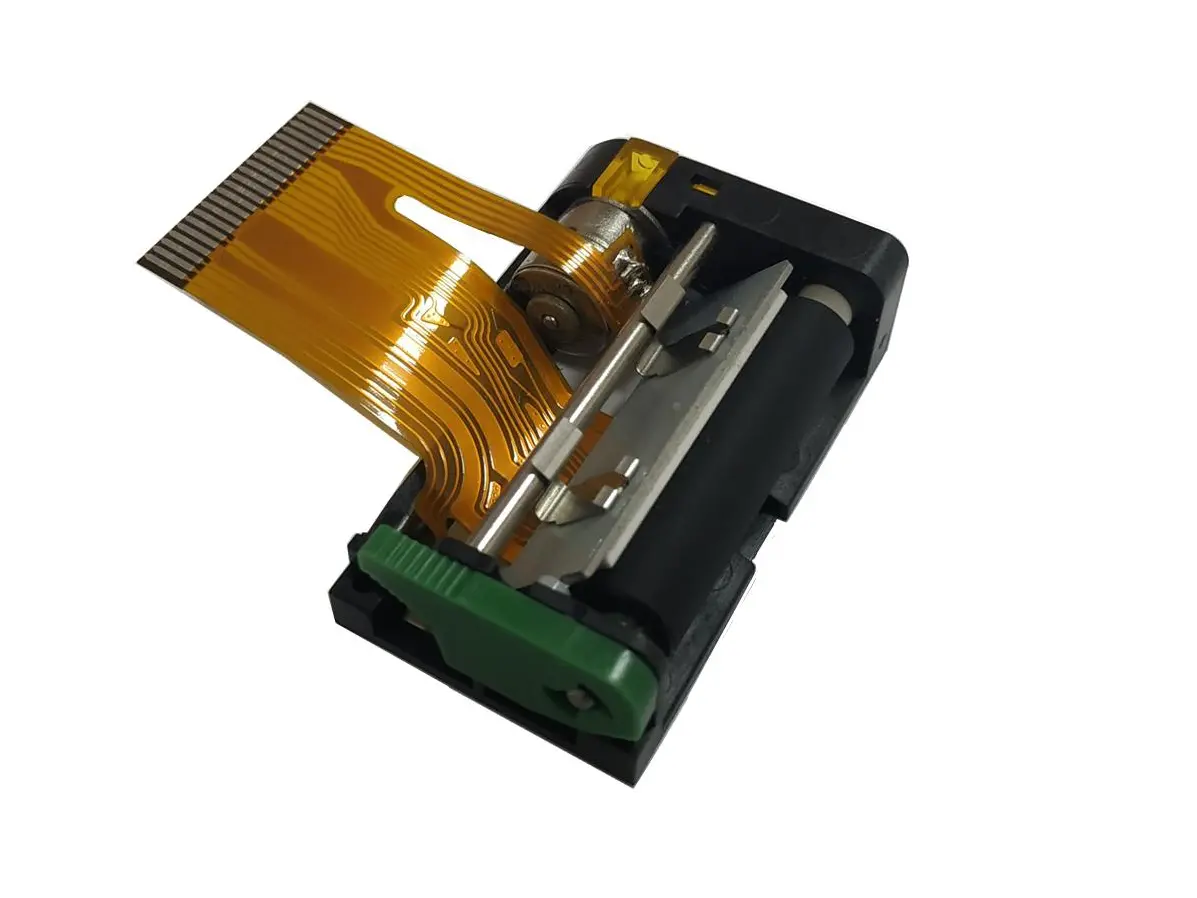 1 inch thermal printer mechanism
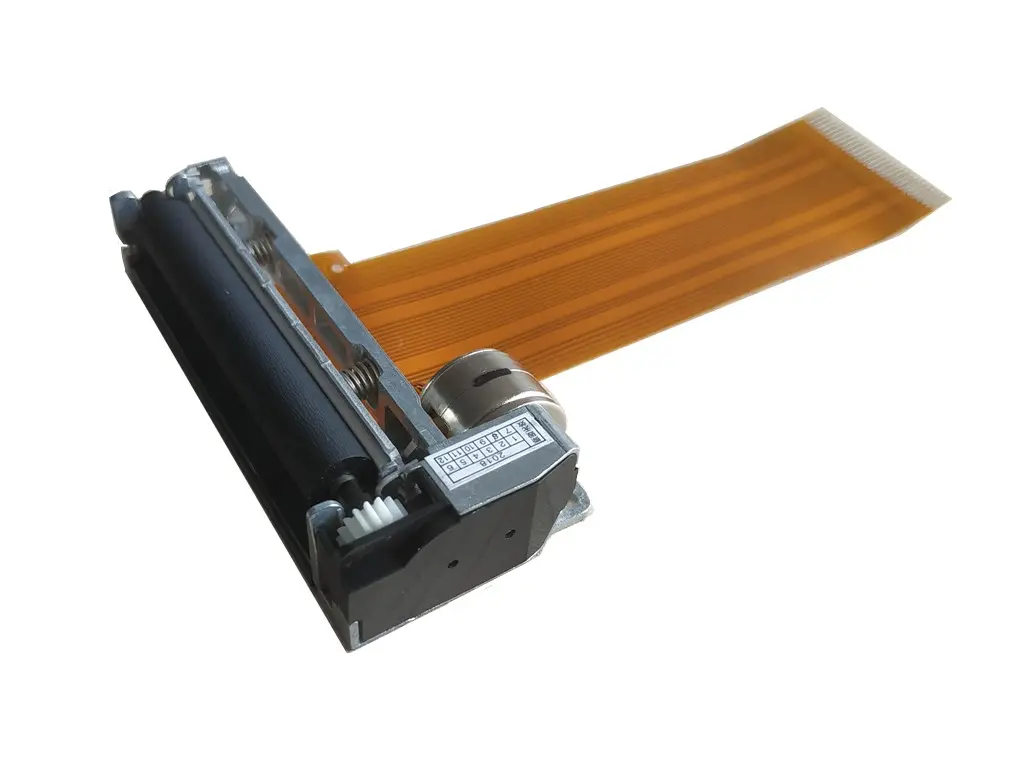 2 inch thermal printer mechanism
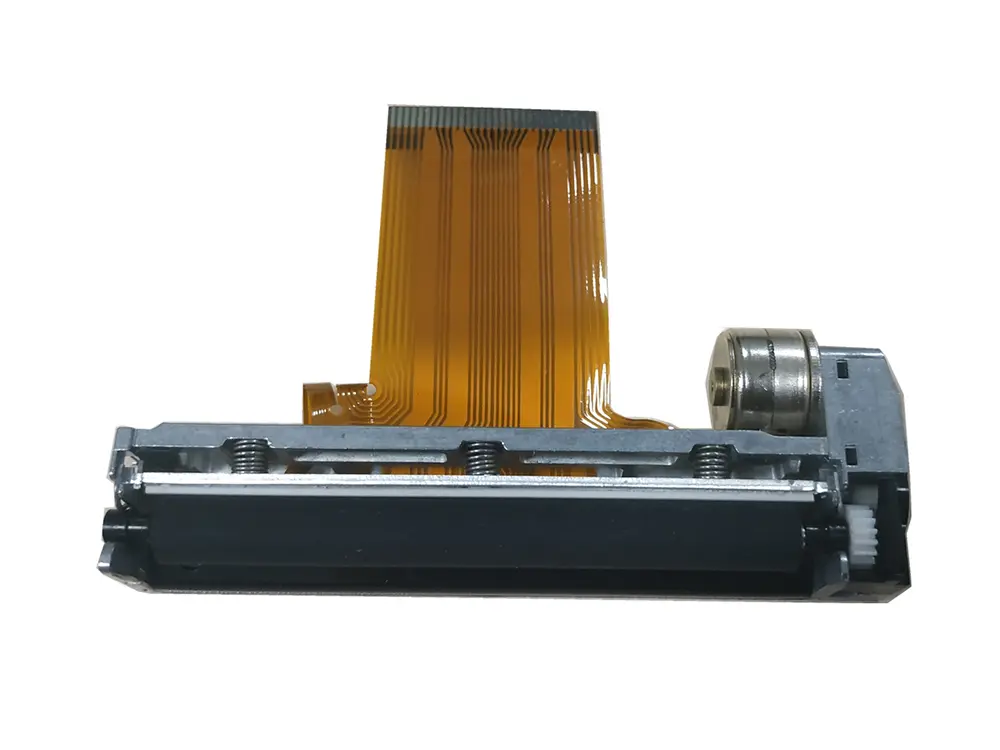 3 inch thermal printer mechanism
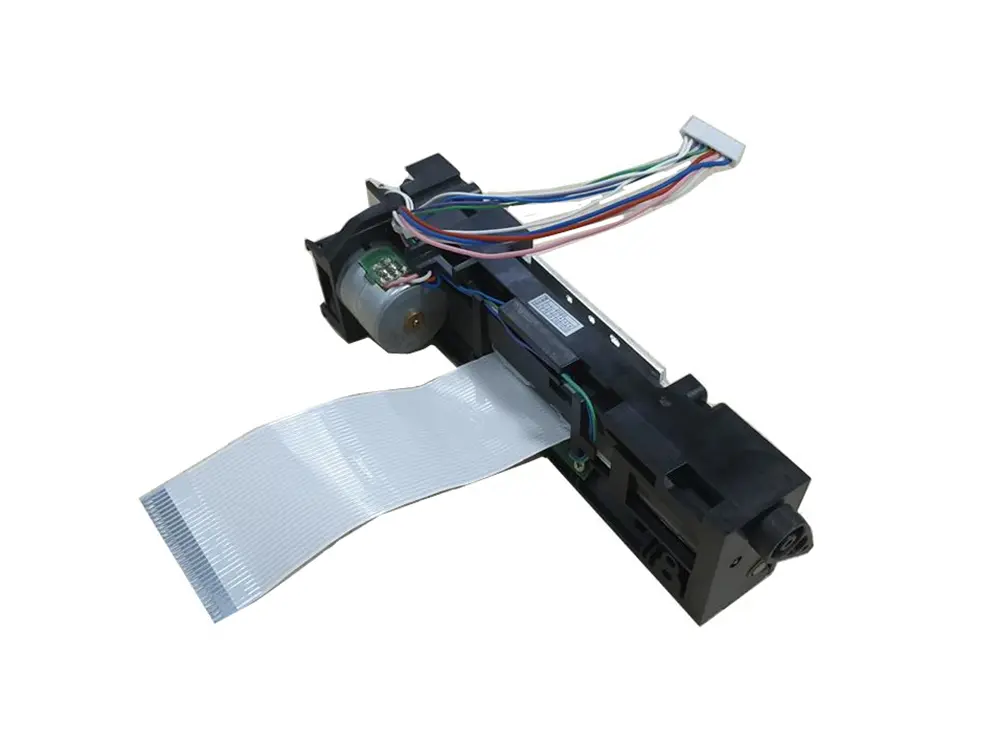 4 inch thermal printer mechanism
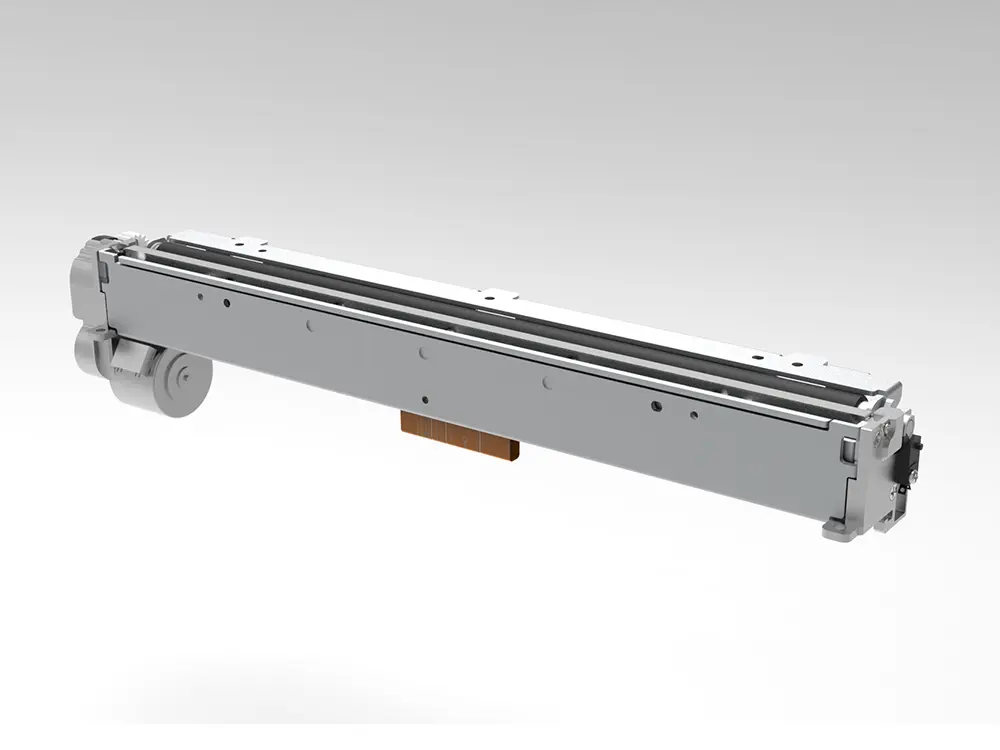 8 inch thermal printer mechanism
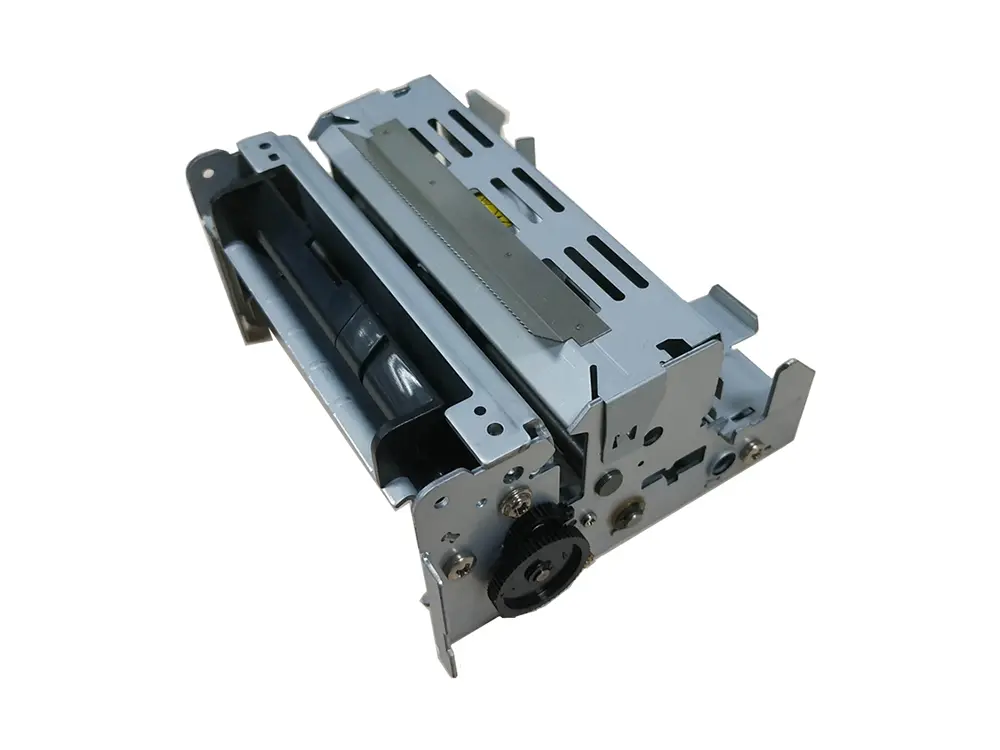 dot matrix printer mechanism
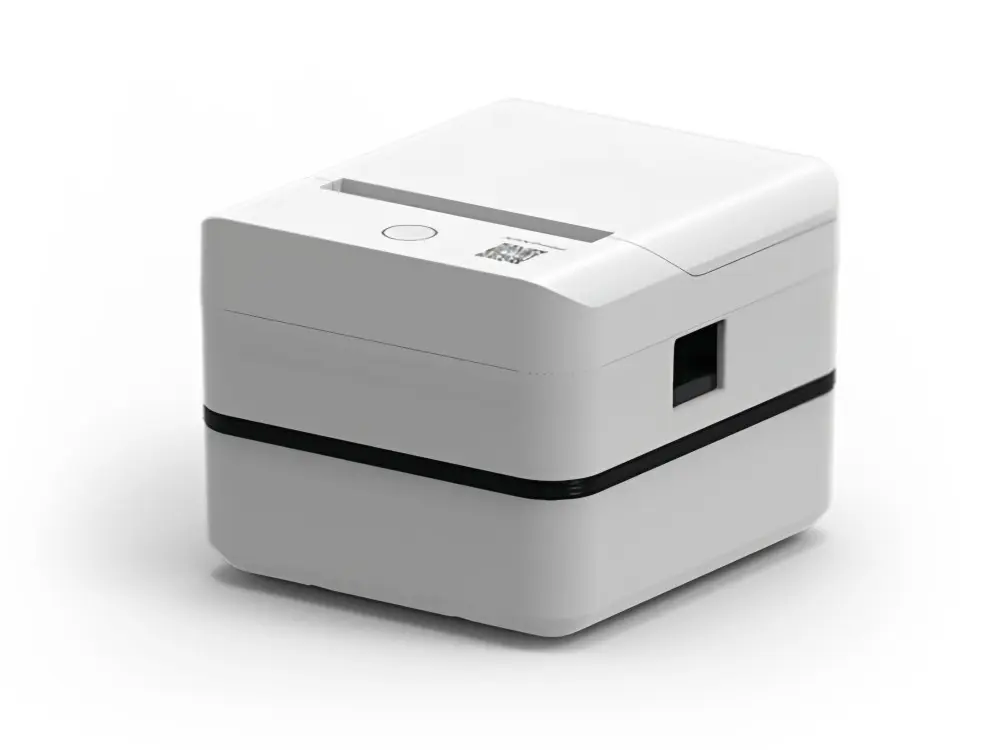 Label Printer
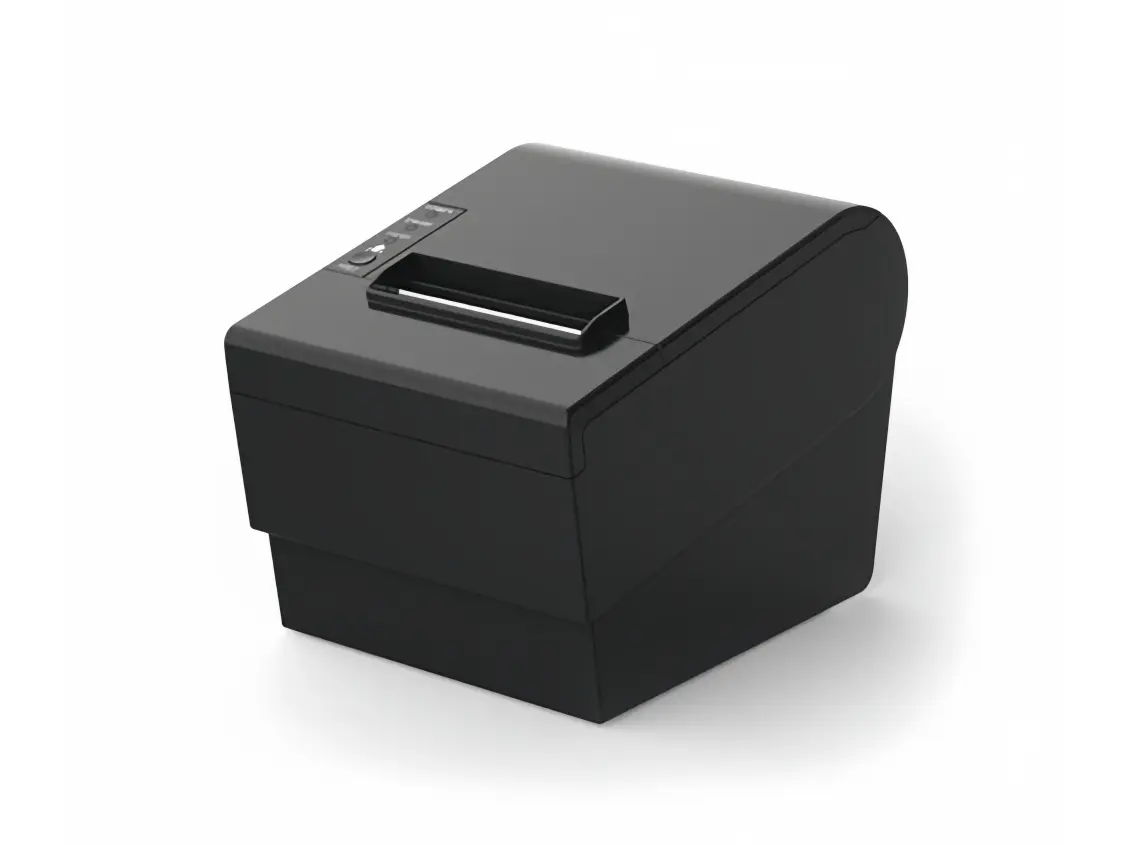 Receipt Printer
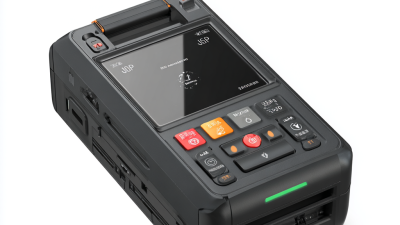
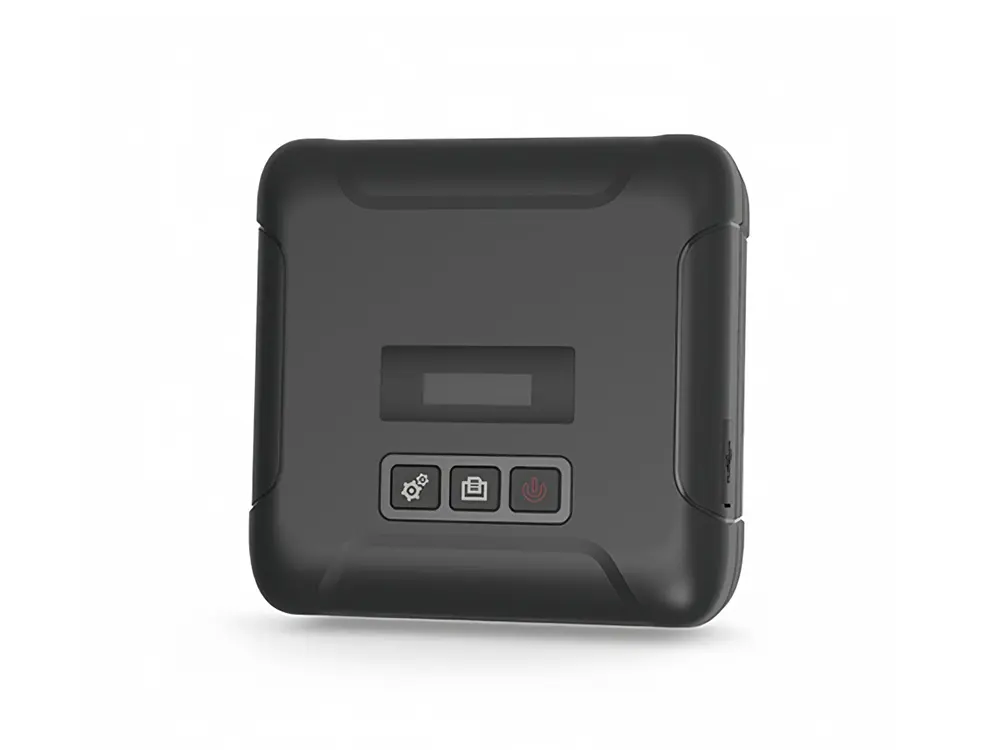 Mobile Printer