How to Choose the Best Mobile Printers for Your Business?
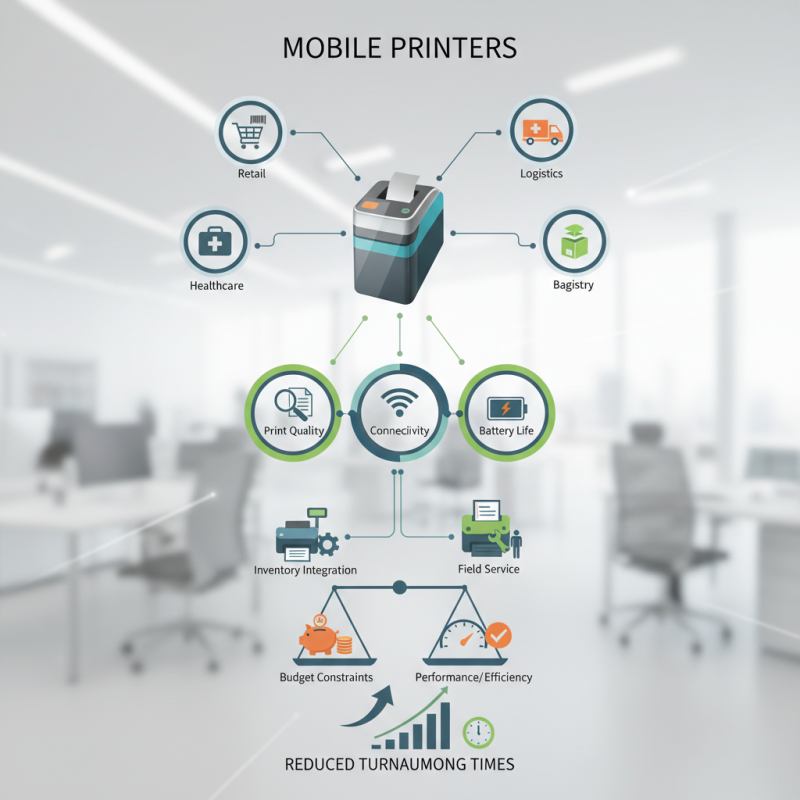
In today's fast-paced business environment, choosing the right mobile printers is crucial for efficiency and productivity. According to a report by MarketsandMarkets, the mobile printer market is projected to grow from $2.3 billion in 2021 to $4.5 billion by 2026. This growth reflects increasing demand across sectors such as retail, healthcare, and logistics. Industry expert John Smith states, “Mobile printers are transforming how businesses operate, streamlining processes, and reducing turnaround times.”
Businesses face challenges when selecting the best mobile printers. Factors such as print quality, connectivity options, and battery life are essential. For example, a retailer may need a compact printer that integrates seamlessly with their inventory system. Alternatively, a field service technician might prioritize durability and ease of use. Each scenario has unique requirements that can complicate decision-making.
Investing in the right mobile printers is not just a technical choice; it can impact customer satisfaction and operational efficiency. While some companies rush to adopt the latest models, they might overlook critical aspects like maintenance and support. Ensuring long-term usability requires careful evaluation of features and vendor reliability. Balancing budget constraints with performance needs is a continuous challenge in a rapidly evolving market.
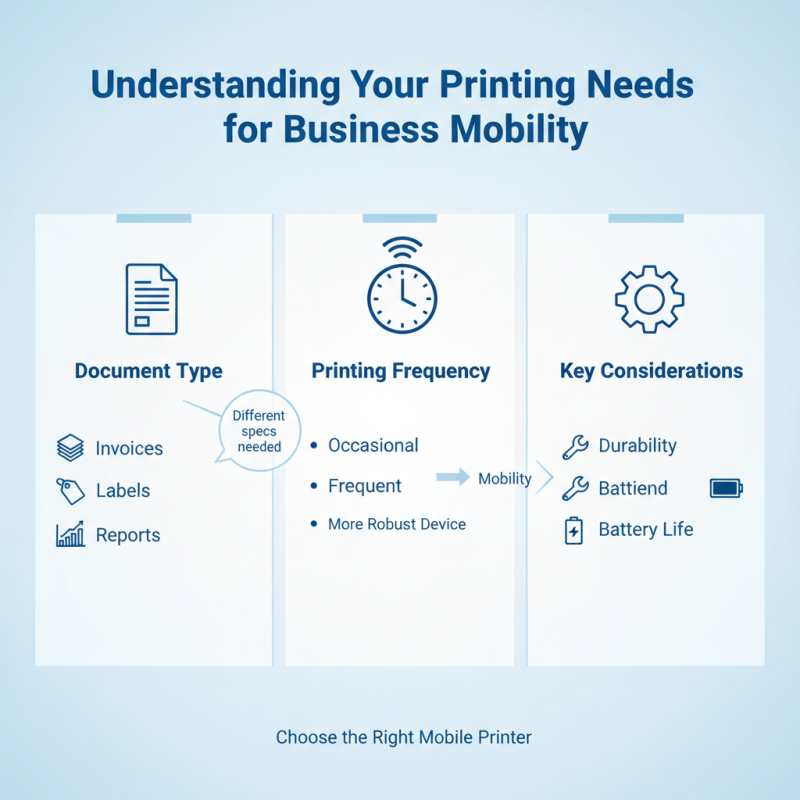
Understanding Your Printing Needs for Business Mobility
When considering mobile printers for your business, it's essential to clearly define your printing needs. Think about the types of documents you frequently print. Are they invoices, labels, or reports? Each type requires different specifications. Assess how often you will need to print while on the go. Frequent printing calls for a more robust device.
Battery life is a crucial factor. You don’t want to be caught without power at a critical moment. Look for printers that can handle multiple pages without needing a recharge. Consider the connectivity options, too. Will you be printing from smartphones, tablets, or laptops? Compatibility with multiple devices provides flexibility.
Also, think about the environment in which you'll use the printer. Will it be used in fieldwork or a busy office? Mobility can often lead to wear and tear. Design and build quality can influence durability. Each of these aspects shapes your choice. Sometimes, despite planning, the chosen printer might not meet all expectations. Adjustments may be necessary as your needs evolve. Being adaptable is vital.
Evaluating Key Features of Mobile Printers for Your Operations
When evaluating mobile printers for business operations, the key features to consider are crucial. According to a recent report by the International Data Corporation, 35% of businesses cited print mobility as essential to enhancing workflow efficiency. Businesses must prioritize print speed and quality to meet customer demands. A printer that offers 300 dpi resolution can make a significant difference in print clarity.
Battery life is another critical factor. Nearly 40% of mobile printers last less than four hours on a single charge, according to industry analysis. This limitation can disrupt operations, leading to potential delays. Choosing a printer with a battery capable of at least eight hours can help maintain workflow without frequent recharges.
Connectivity options should not be overlooked. Research shows that 60% of users prefer wireless capabilities for ease of use. Printers with Wi-Fi, Bluetooth, and cloud capabilities allow for greater flexibility. However, issues may arise in crowded networks, leading to connectivity failure. Therefore, it is important to evaluate the environment where the printer will be used and match it with the right connectivity solutions. Balancing these features can optimize operations and ensure that business needs are met effectively.
Comparing Different Types of Mobile Printers Available in the Market
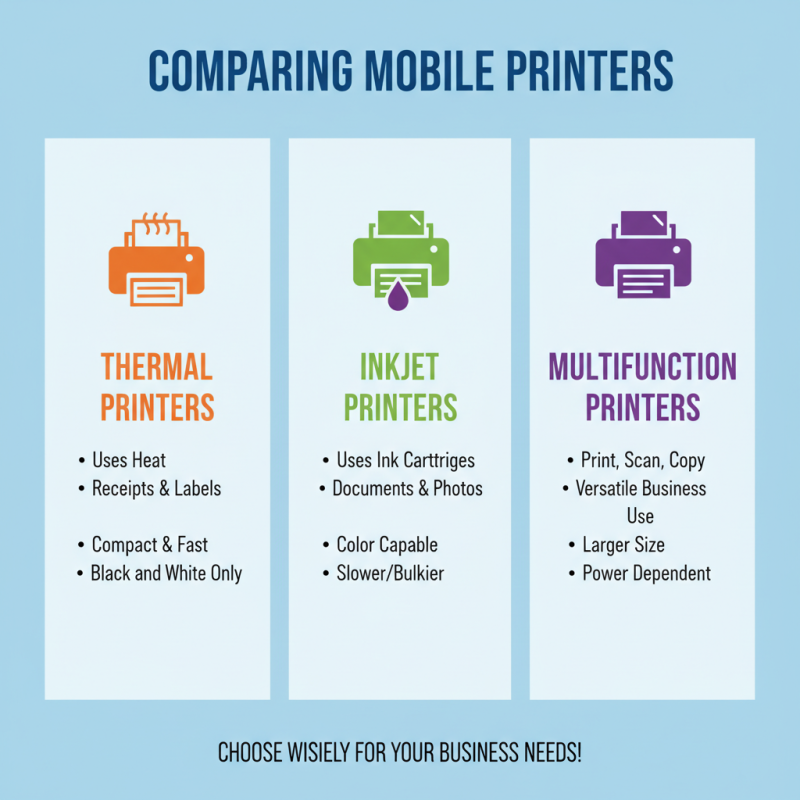
When selecting the right mobile printer for your business, understanding the types available is crucial. There are thermal printers, inkjet printers, and multifunction printers. Thermal printers use heat to produce images, making them suitable for receipts and labels. They are often compact and quickly produce high-quality prints. However, their lack of color can be a limitation for some applications.
Inkjet printers, on the other hand, offer versatility with color printing capabilities. They are suitable for various documents and designs. Their print quality can stand out, especially with images. Yet, inkjet printers may be bulkier and less durable than thermal options. Businesses requiring detailed graphics may find their capabilities advantageous.
Multifunction printers combine printing with scanning and copying. This type is ideal for businesses needing flexibility. However, they can be more complex and pricier. It’s essential to assess your specific needs. Consider whether space is limited or if speed is a priority. Reflecting on these factors will guide you toward the best choice for your business.
Assessing Compatibility with Devices and Software for Seamless Printing
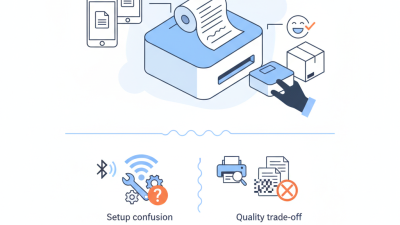
Assessing compatibility with devices and software is crucial when selecting mobile printers for your business. Data from industry reports indicate that over 70% of businesses experience workflow disruptions due to printing incompatibilities. These disruptions often lead to delays and increased operational costs. A mobile printer must seamlessly integrate with your existing devices, whether they are tablets, laptops, or smartphones.
Consider the software used in your business. Compatibility with common operating systems is a must. A study from a leading tech research group revealed that 65% of mobile printer users reported frustration due to software glitches. Look for printers that support multiple platforms, ensuring that all employees can print when needed. Features like Bluetooth and Wi-Fi connectivity enhance mobile printing efficiency, but be wary of connections that frequently drop.
Additionally, evaluate the supported file formats. Many professionals still rely on PDF documents for their business needs. If a printer cannot handle these with ease, it might hinder productivity. There's a noticeable gap in user satisfaction when printers fail to meet basic format compatibility. Regular feedback from users highlights these issues, emphasizing the importance of thorough research before making a decision.
Mobile Printer Compatibility with Devices and Software
Analyzing Cost-Effectiveness and Return on Investment for Mobile Printers
When considering mobile printers for your business, cost-effectiveness is a pivotal factor. A recent industry report revealed that companies can see up to a 30% reduction in operational costs by using mobile printing solutions. This statistic underscores the potential for mobile printers to enhance efficiency. However, not all mobile printers deliver the same return on investment (ROI). It's essential to analyze the total cost of ownership, which includes initial costs, consumables, and maintenance.
Moreover, a survey conducted by an industry expert indicated that businesses often overlook hidden costs, such as the time spent on training employees. Approximately 25% of businesses reported that operational delays occurred due to inadequate training on mobile printers. This data suggests that investing in proper integration and training might boost the printer's ROI. Furthermore, the versatility of mobile printers in various settings can indeed lead to better service delivery, thus enhancing customer satisfaction levels.
Ultimately, businesses must weigh the upfront investment against the potential savings and productivity gains. Not every mobile printer will fit every business. The right choice hinges on understanding specific needs, as well as potential limitations. An informed approach will yield the best investment and support overall growth in your operations.

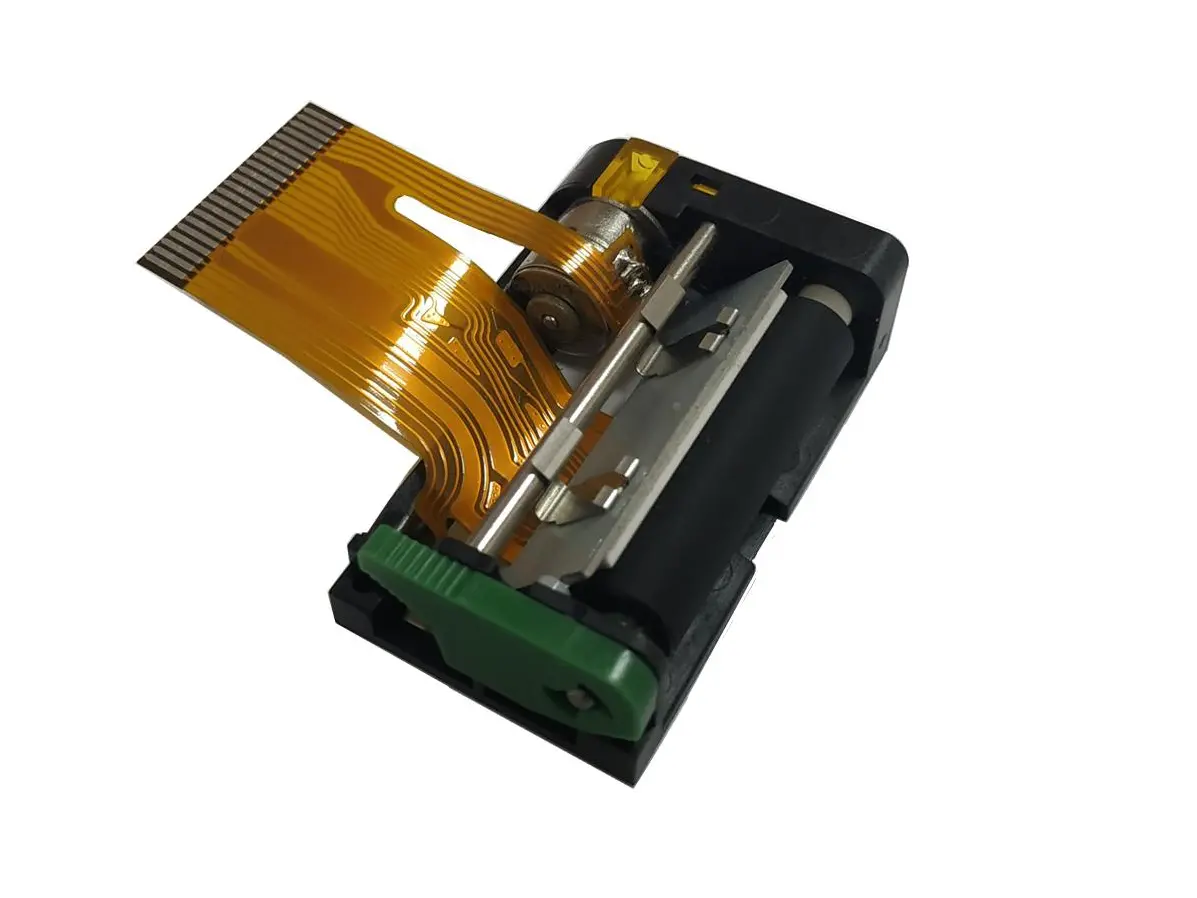 1 inch thermal printer mechanism
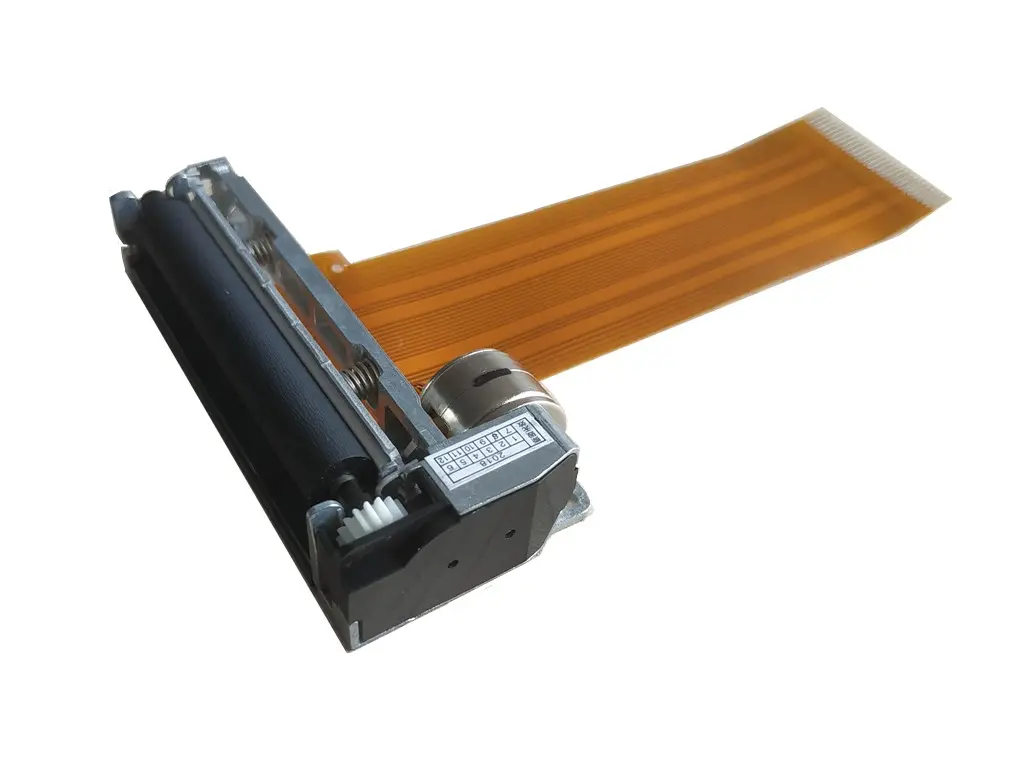 2 inch thermal printer mechanism
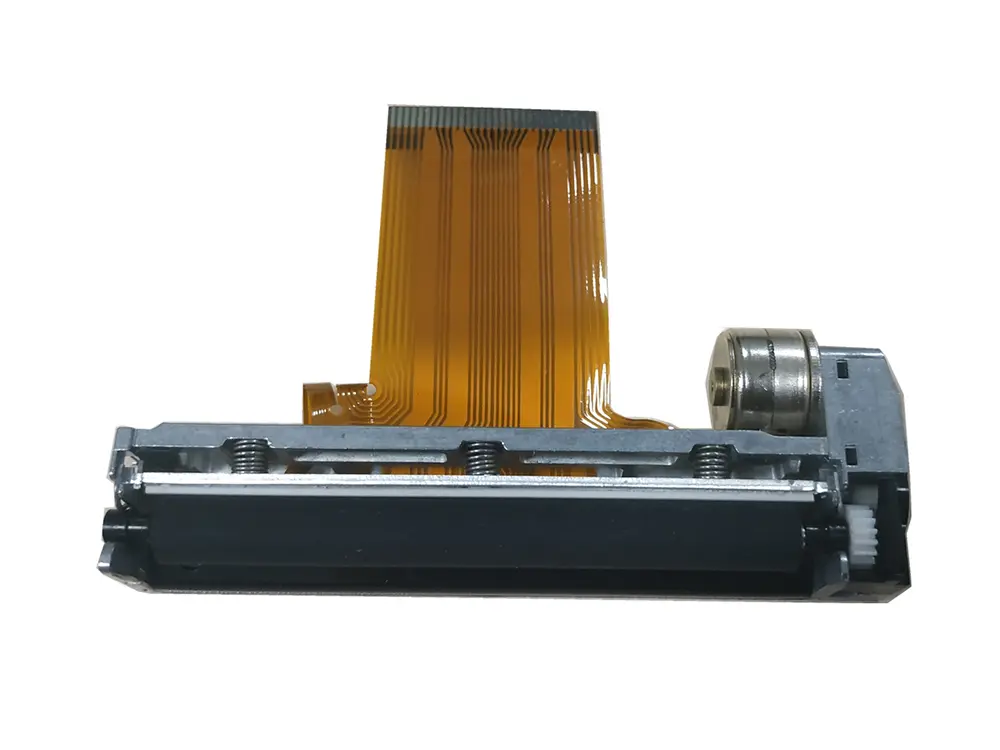 3 inch thermal printer mechanism
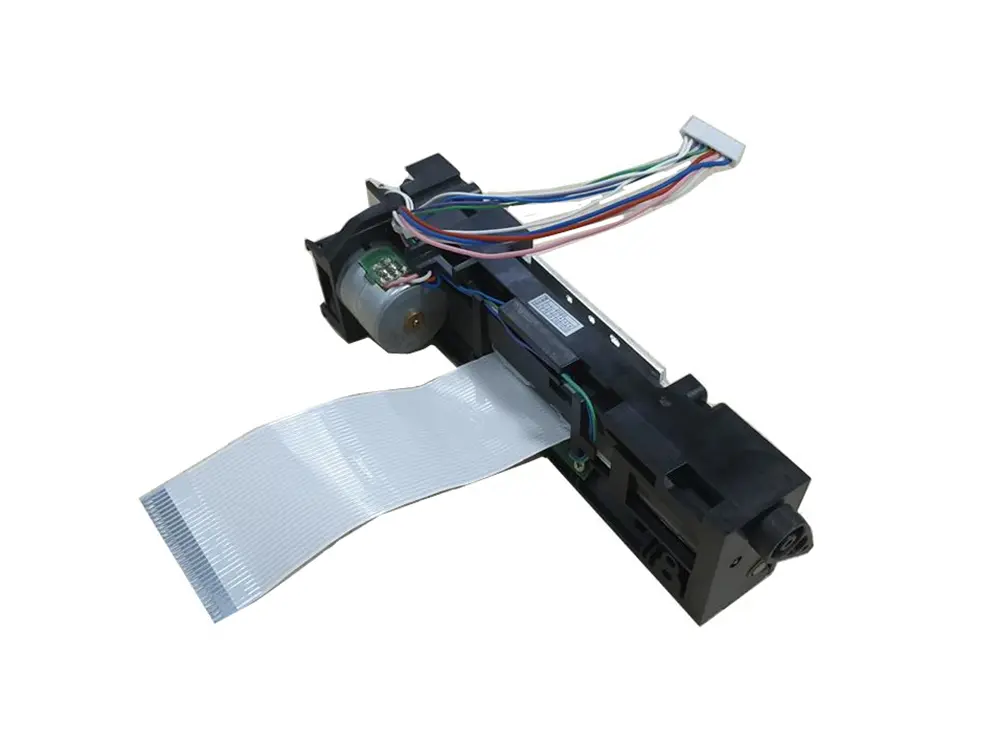 4 inch thermal printer mechanism
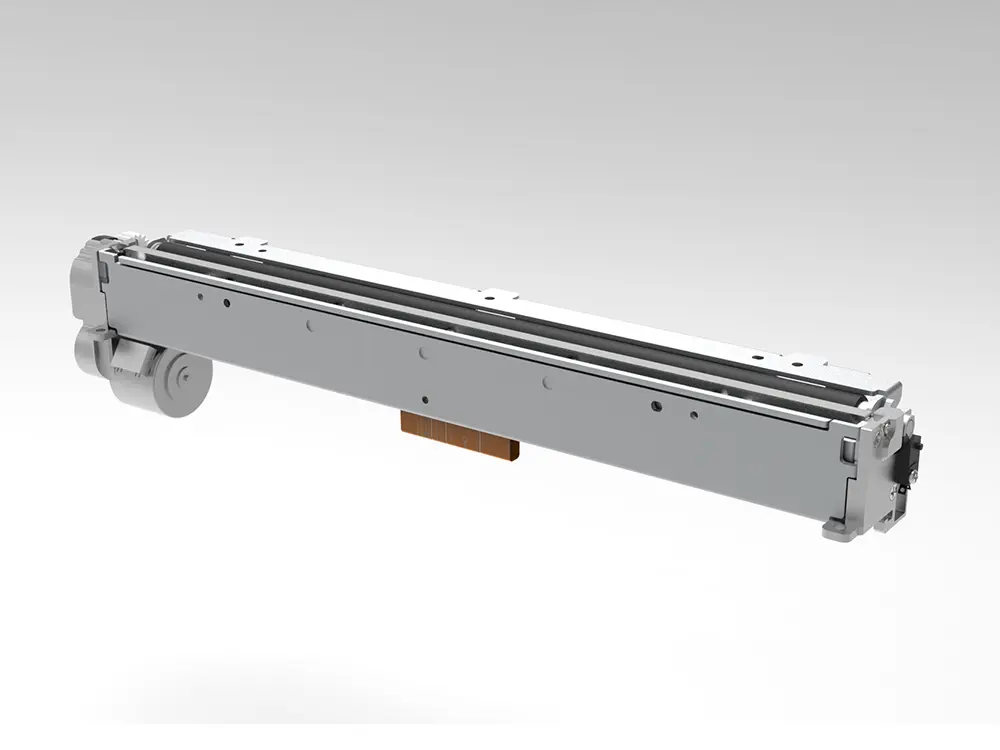 8 inch thermal printer mechanism
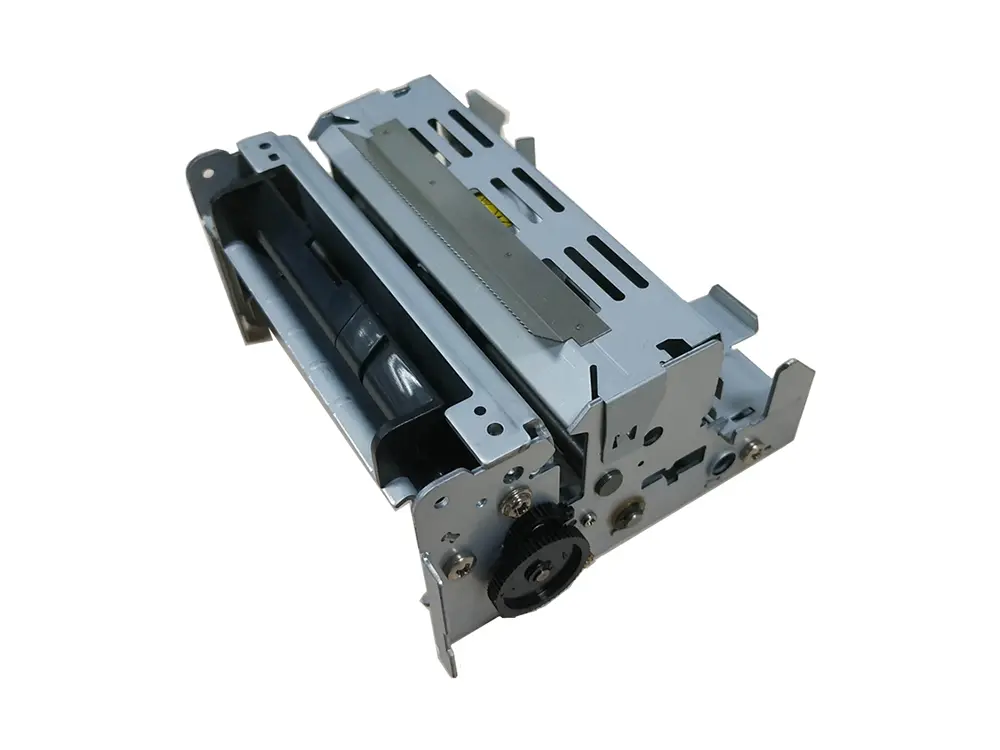 dot matrix printer mechanism
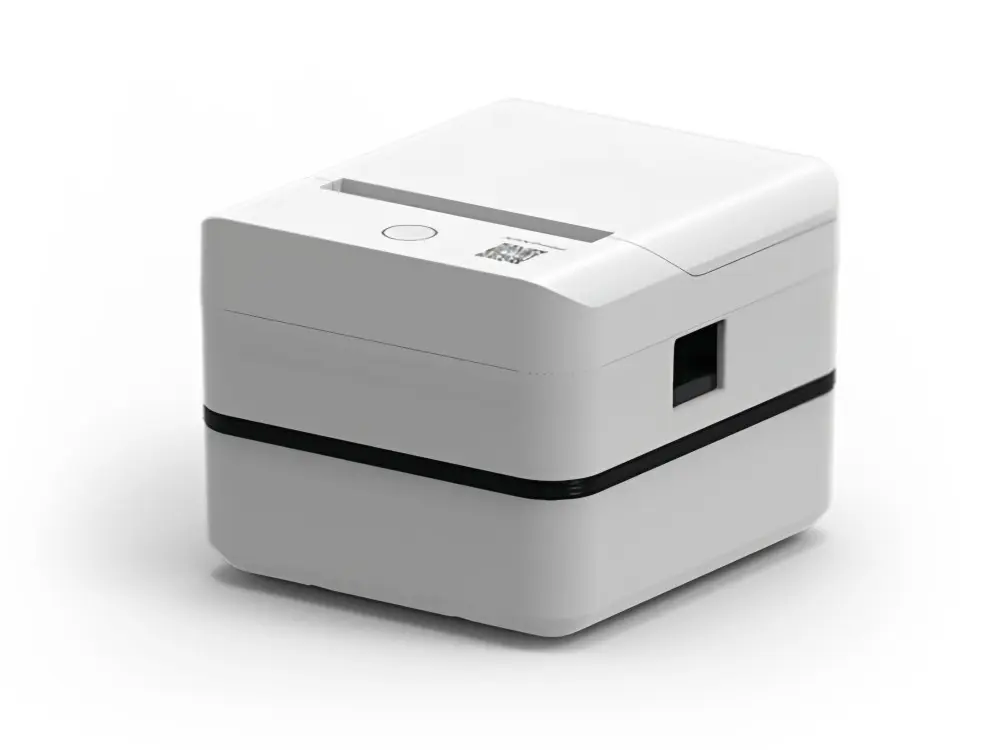 Label Printer
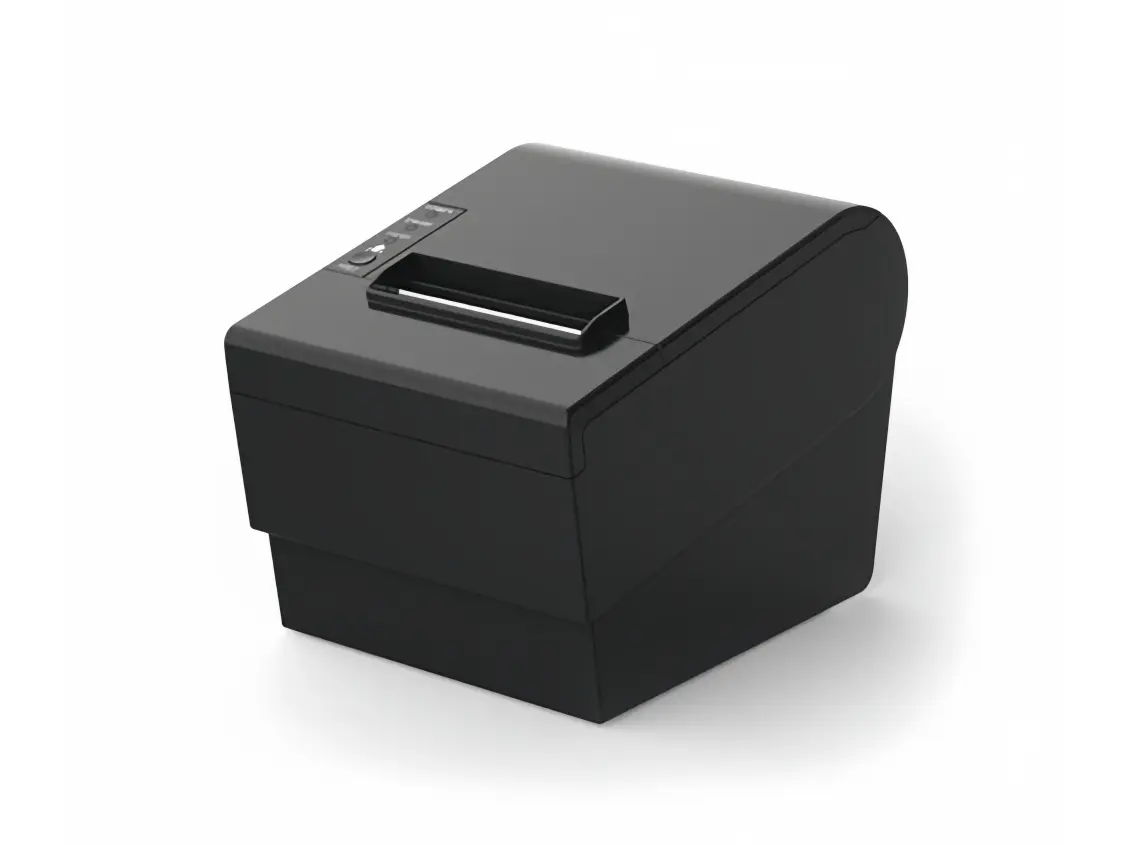 Receipt Printer
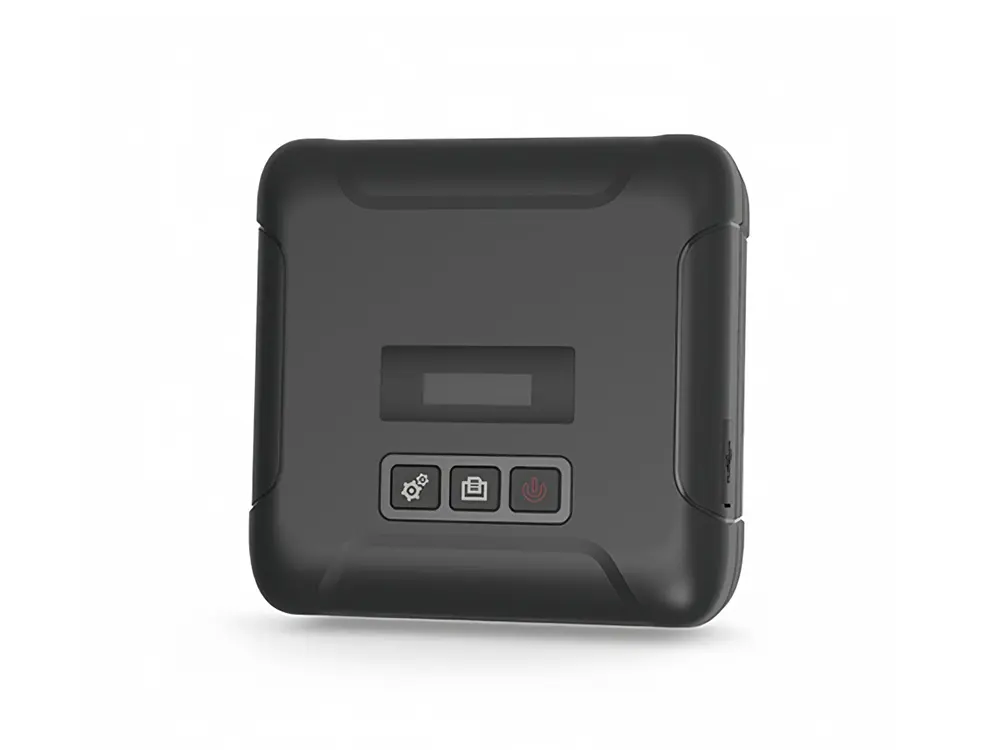 Mobile Printer