How to Choose the Best Barcode Thermal Printer in 2026?
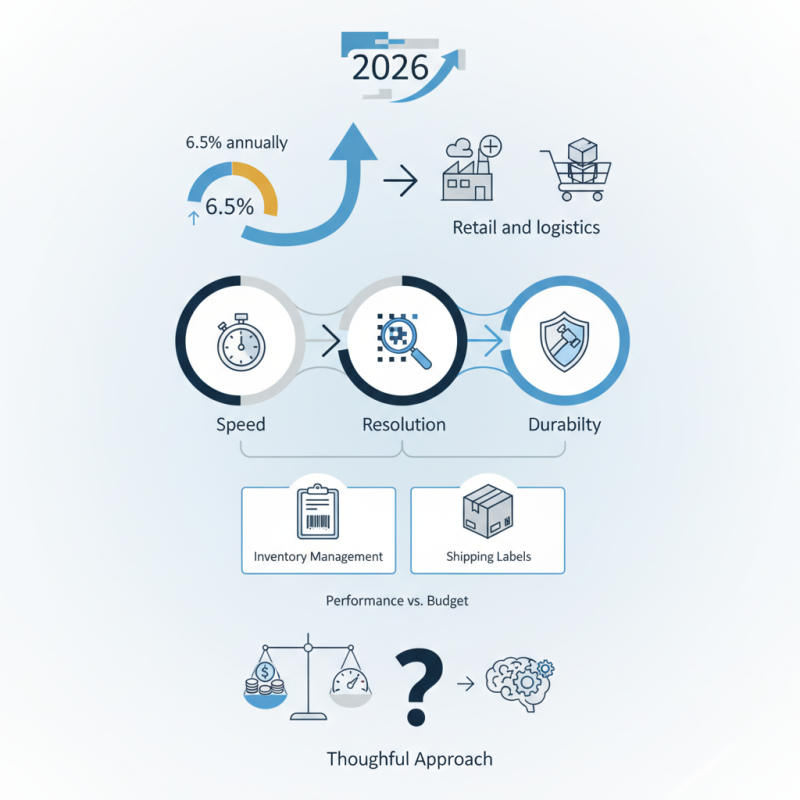
In 2026, choosing the right Barcode Thermal Printer remains crucial for businesses seeking efficiency and accuracy. Industry experts predict that the thermal printer market will grow by 6.5% annually, driven by increasing demand for high-quality barcodes in retail and logistics. According to a recent report by Smith & Associates, “Investing in the correct Barcode Thermal Printer can save time and reduce operational costs.”
Professionals emphasize the need to evaluate features such as speed, resolution, and durability. Experts like John Thompson, a leading analyst in printing technology, noted, “The right printer can significantly enhance workflow efficiency.” With multiple options available, making the right choice can be overwhelming. Many businesses have experienced frustration when selecting a printer that doesn't meet their requirements.
Consider the various uses of Barcode Thermal Printers, from inventory management to shipping labels. Brands must assess their specific needs to avoid costly errors. Balancing cost with functionality is not always straightforward. The decision can leave businesses pondering over performance versus budget. Thus, a thoughtful approach to selecting a Barcode Thermal Printer is essential.
Understanding Barcode Thermal Printers and Their Importance
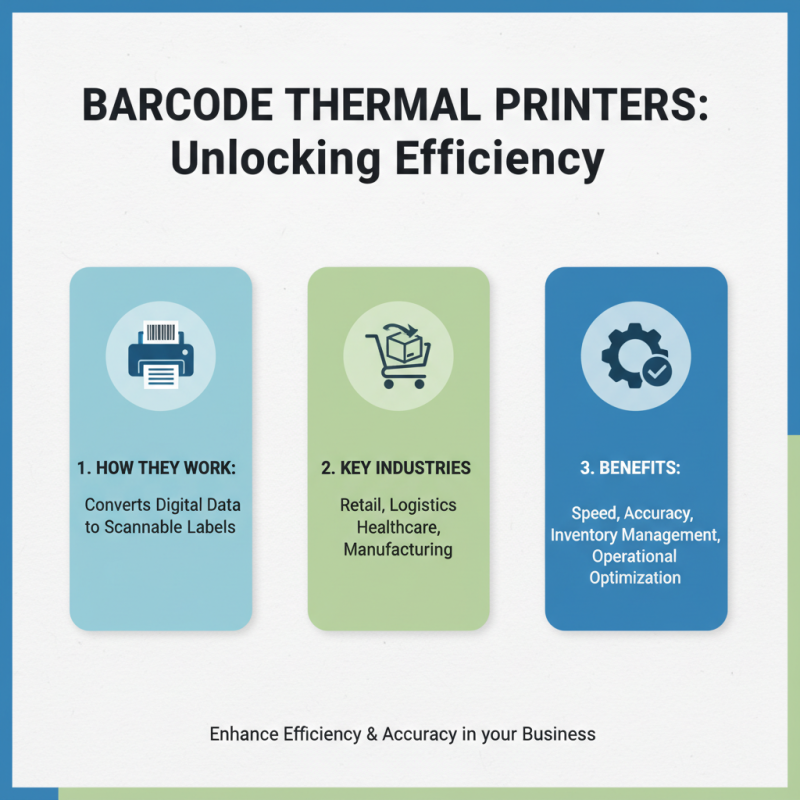
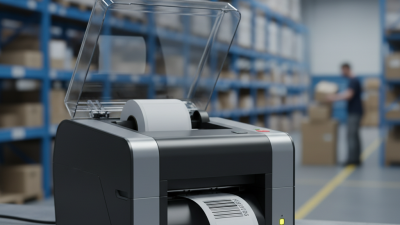
Barcode thermal printers play a crucial role in various industries, from retail to logistics. They convert digital data into high-quality, scannable labels swiftly. This capability enhances efficiency and accuracy in inventory management. Understanding how these printers work can help businesses optimize their operations.
The importance of barcode thermal printers is evident in their ability to streamline processes. They minimize labeling errors and reduce manual data entry, leading to cost savings. However, not all printers are created equal. Choosing the right one requires careful consideration of factors like print speed and resolution. Users often overlook these details, which can affect overall productivity.
Balancing features with budget is another challenge. Some printers may offer advanced options that exceed a company’s needs. It’s essential to evaluate the specific requirements before making a choice. Researching customer reviews and expert opinions can provide valuable insights. Businesses should approach this decision thoughtfully.
Key Features to Consider When Choosing a Barcode Thermal Printer
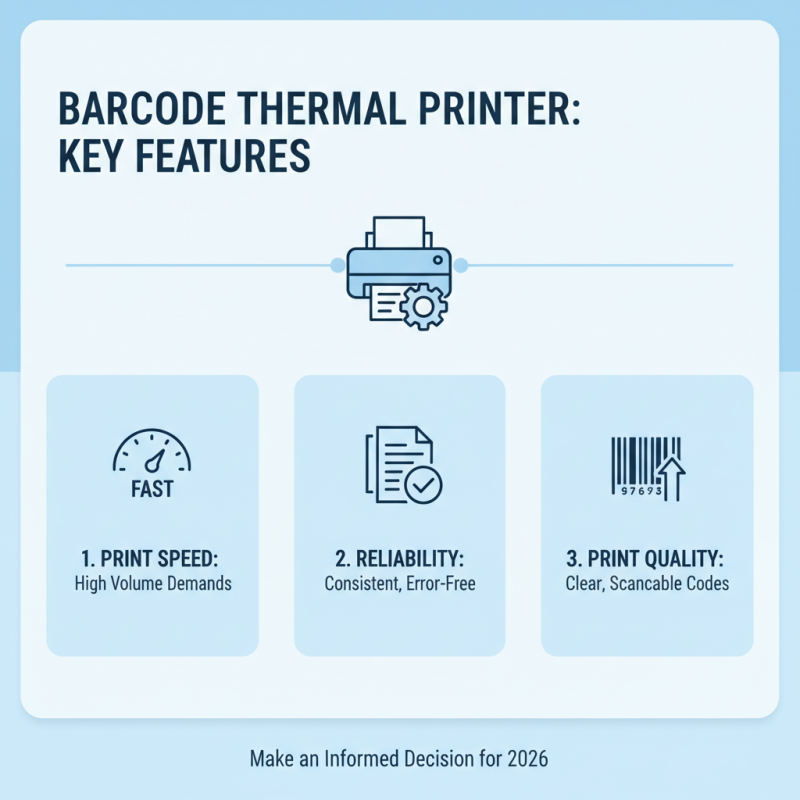
Choosing the right barcode thermal printer in 2026 can be daunting. There are key features to consider for making an informed decision. One significant factor is print speed. A printer with a high speed will save time, especially in busy environments. Ensure the model you choose meets your volume demands.
Another essential feature is print resolution. A higher resolution provides clearer barcodes, reducing scanning errors. Keeping accuracy in mind is crucial for inventory management. The printer's compatibility with various label sizes also matters. This flexibility allows you to customize labels as needed, enhancing your workflow.
Connectivity options are equally important. Look for models that offer USB, Bluetooth, or Wi-Fi capabilities. This can simplify integration into existing systems. Always check user reviews for reliability. Sometimes, a feature may seem appealing but may not perform well in real-world conditions. Balancing your specific needs with available technology can lead to a more satisfying purchase.
Comparing Different Types of Barcode Thermal Printers
When choosing a barcode thermal printer, it's crucial to compare different types. There are primarily three categories: direct thermal, thermal transfer, and industrial printers. Each type has unique features that cater to specific needs. For instance, direct thermal printers use heat-sensitive media. They are suitable for short-term applications like shipping labels. A recent industry report indicates that these printers account for 40% of the market due to their cost-effectiveness.
On the other hand, thermal transfer printers utilize ribbons to create durable prints. This makes them ideal for labels that require longevity, such as product labeling in retail. According to data from the Barcode Printer Association, demand for thermal transfer printing is on the rise, demonstrating a 25% growth in the last two years. It may require an initial investment, but the quality often justifies the cost over time.
Industrial printers, while more expensive, offer high-volume printing solutions. They are designed for warehouses or manufacturing settings. Businesses often underestimate the importance of reliability here. A breakdown can halt operations. Flexibility is another factor to keep in mind. Not all businesses need the same capabilities. Assess your specific printing needs to find the best fit.
How to Choose the Best Barcode Thermal Printer in 2026? - Comparing Different Types of Barcode Thermal Printers
| Printer Type |
Resolution (DPI) |
Print Speed (mm/sec) |
Connectivity Options |
Best Use Case |
| Direct Thermal |
203 |
150 |
USB, Bluetooth |
Shipping Labels |
| Thermal Transfer |
300 |
200 |
USB, Ethernet, Wi-Fi |
Inventory Management |
| Mobile Thermal |
203 |
120 |
Bluetooth, NFC |
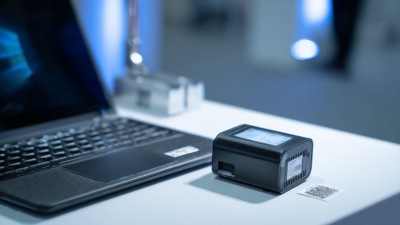
On-the-Go Printing |
| High-Volume Thermal |
600 |
300 |
USB, Ethernet |
Warehouse Labeling |
Assessing Printer Performance and Print Quality
When assessing printer performance, focus on speed and reliability. A thermal printer should produce labels quickly without sacrificing quality. Look for printers that can handle a high volume of labels daily. Also, check their durability. A good printer should withstand tough working environments.
Tip: Always evaluate the paper handling capacity. A printer that jams frequently can disrupt your workflow, leading to lost time and productivity. Consider printers with user-friendly interfaces that allow quick adjustments.
Print quality is equally crucial. The clarity of your barcodes impacts scanning effectiveness. Ensure the printer can produce sharp, crisp images. Test print samples to assess resolution and detail, especially on small labels.
Tip: Be cautious about ink and paper compatibility. Mixing wrong types can lead to fading or smudging in prints. An experienced user often learns this through trial and error. Investing in quality materials can save time and costs in the long run.
Evaluating Cost and Warranty Options for Barcode Printers
When choosing a barcode thermal printer, evaluating cost and warranty options is essential. The average price range for quality thermal printers sits between $200 to $1,000, depending on features and capabilities. A report from the IDC suggests that many businesses often overlook the total cost of ownership, which includes maintenance and supplies. This could lead to unexpected expenses later on.
Tip: Always ask about warranty periods. A longer warranty might indicate higher reliability. Most reputable printers come with warranties ranging from one to three years. Consider the type of warranty offered—onsite repairs may be more beneficial than just parts replacements.
Additionally, the cost of replacement parts can vary significantly. Businesses should analyze the total expense for consumables and support services. According to a survey by Statista, around 30% of users reported dissatisfaction with ongoing service costs. This highlights the importance of transparent pricing and clear understanding of potential upgrades or repairs.
Tip: Evaluate service response times. If a printer fails, quick support reduces downtime. Contact customer service before purchasing to gauge their responsiveness. A reliable partner can save both money and time in the long run.
Evaluation of Barcode Thermal Printers in 2026

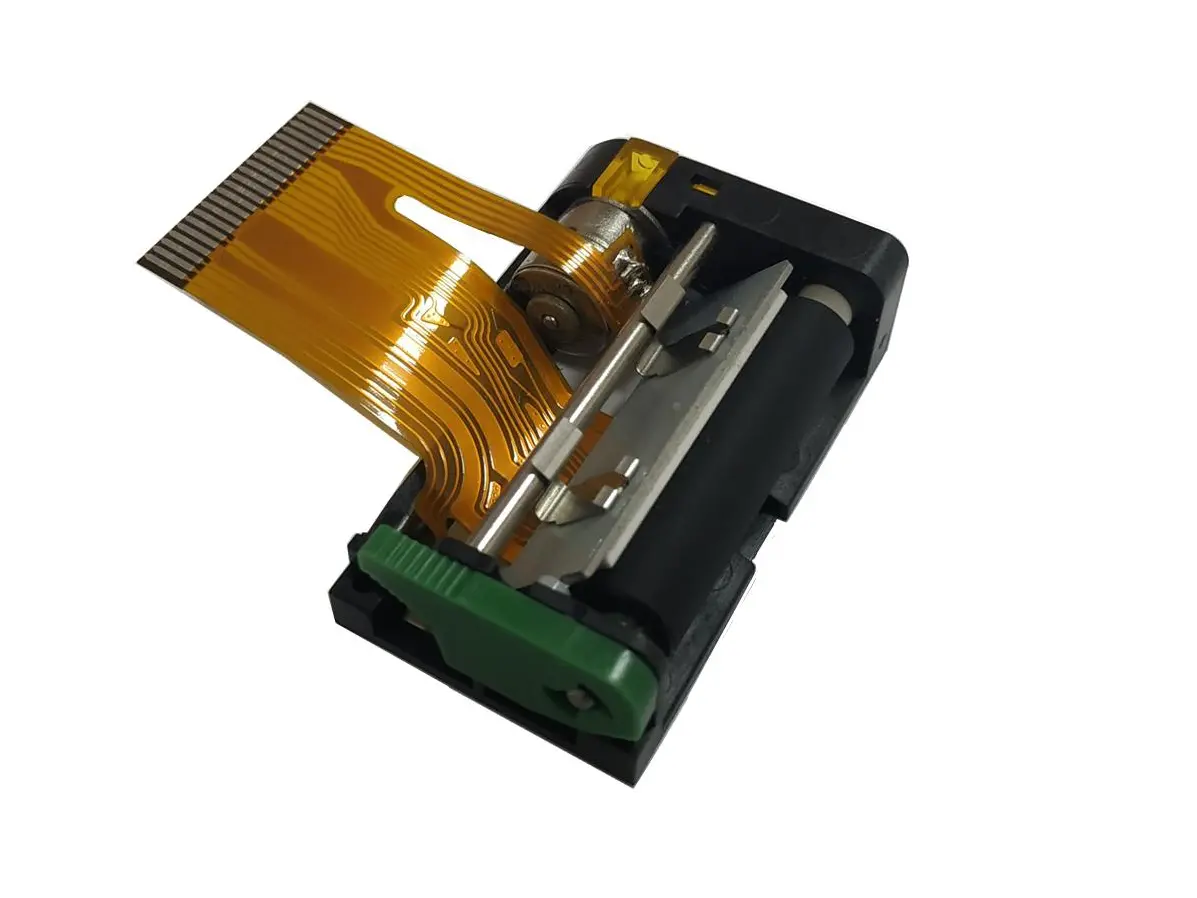 1 inch thermal printer mechanism
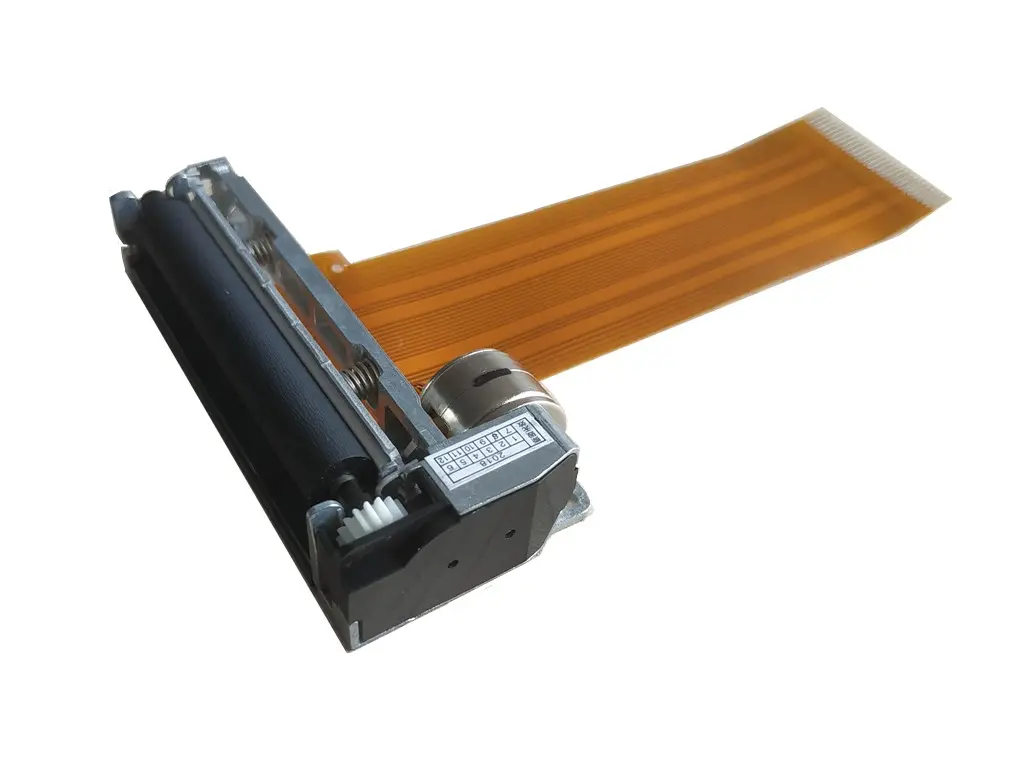 2 inch thermal printer mechanism
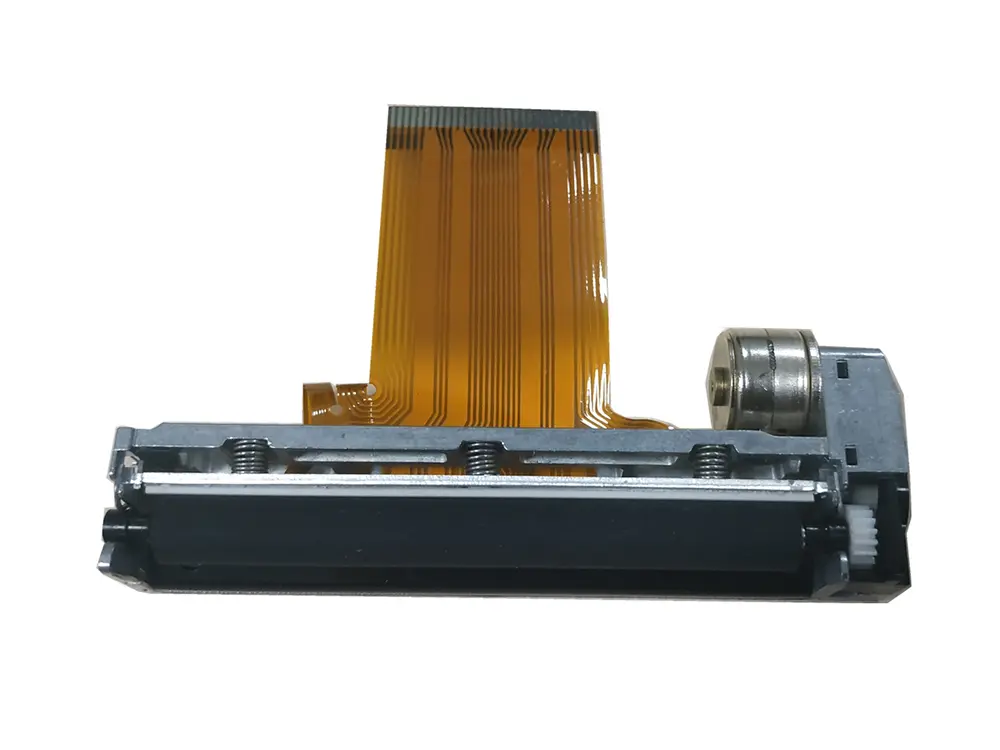 3 inch thermal printer mechanism
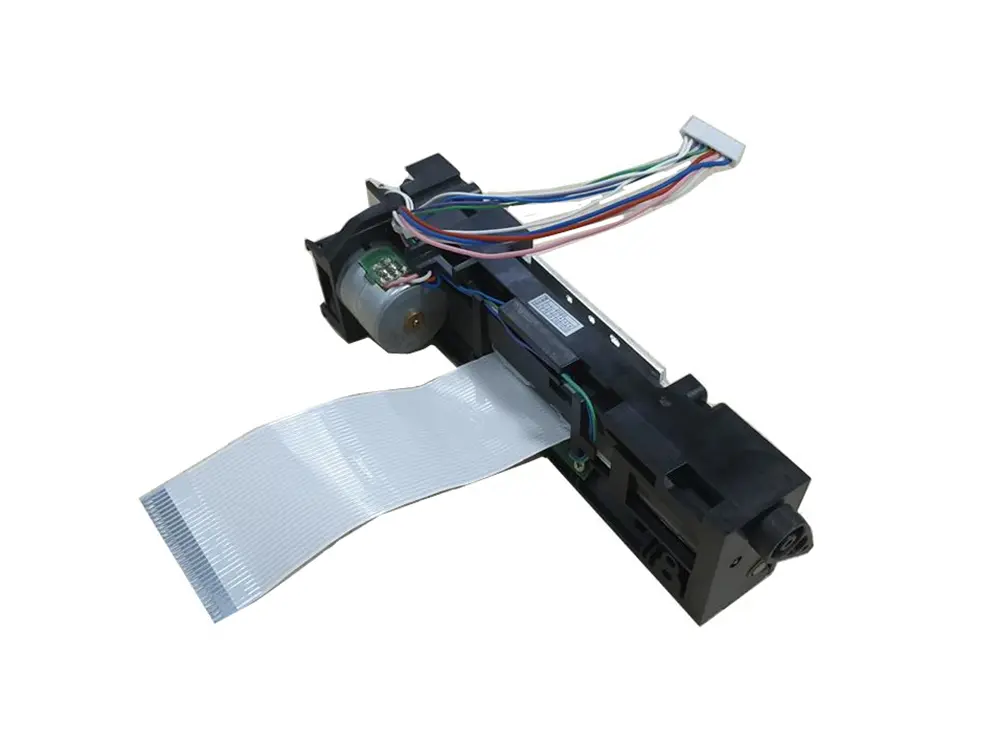 4 inch thermal printer mechanism
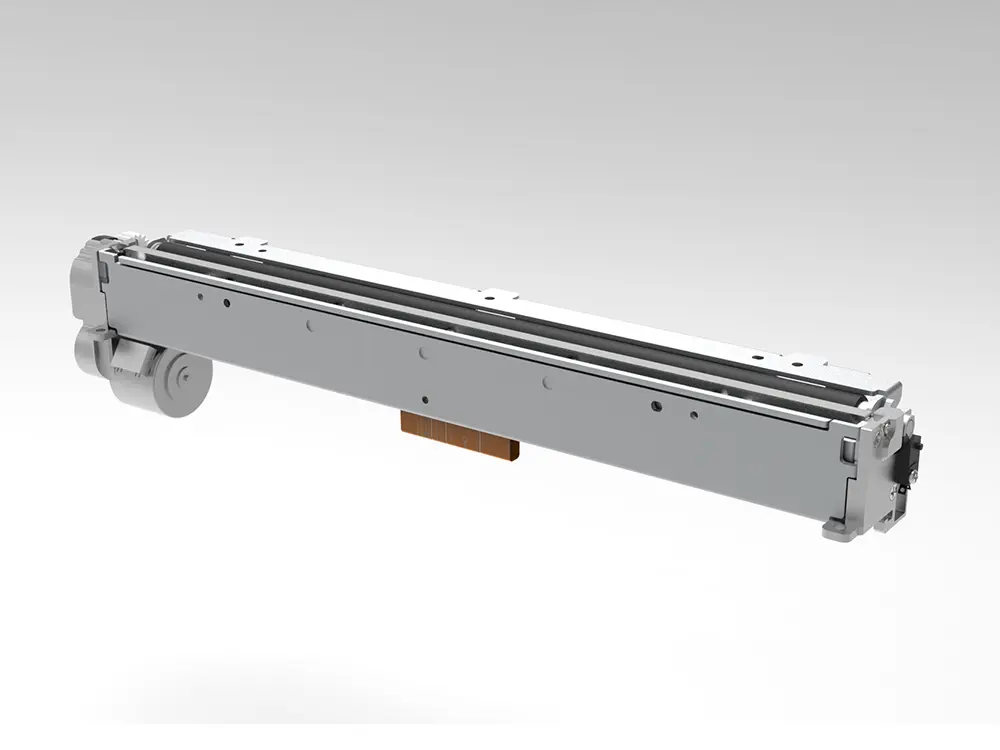 8 inch thermal printer mechanism
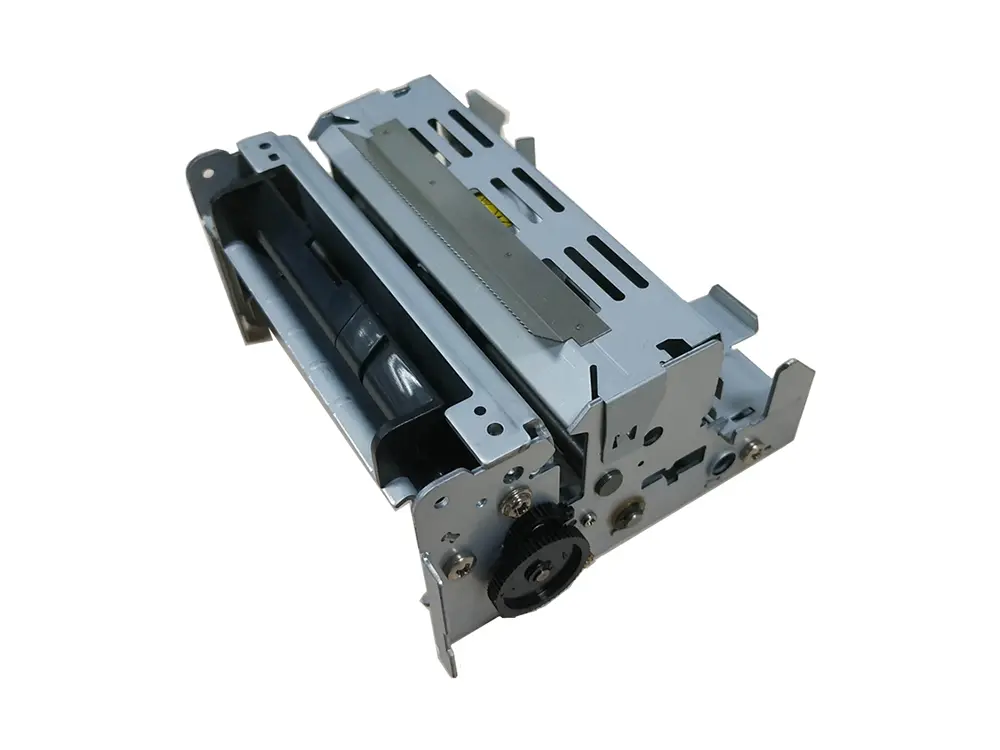 dot matrix printer mechanism
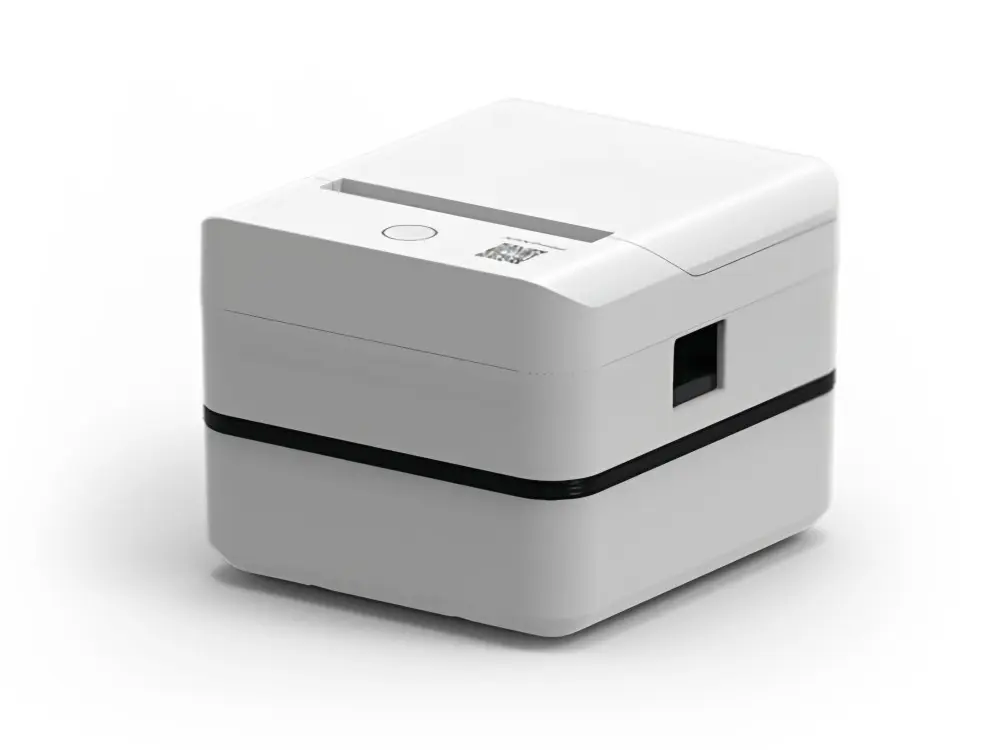 Label Printer
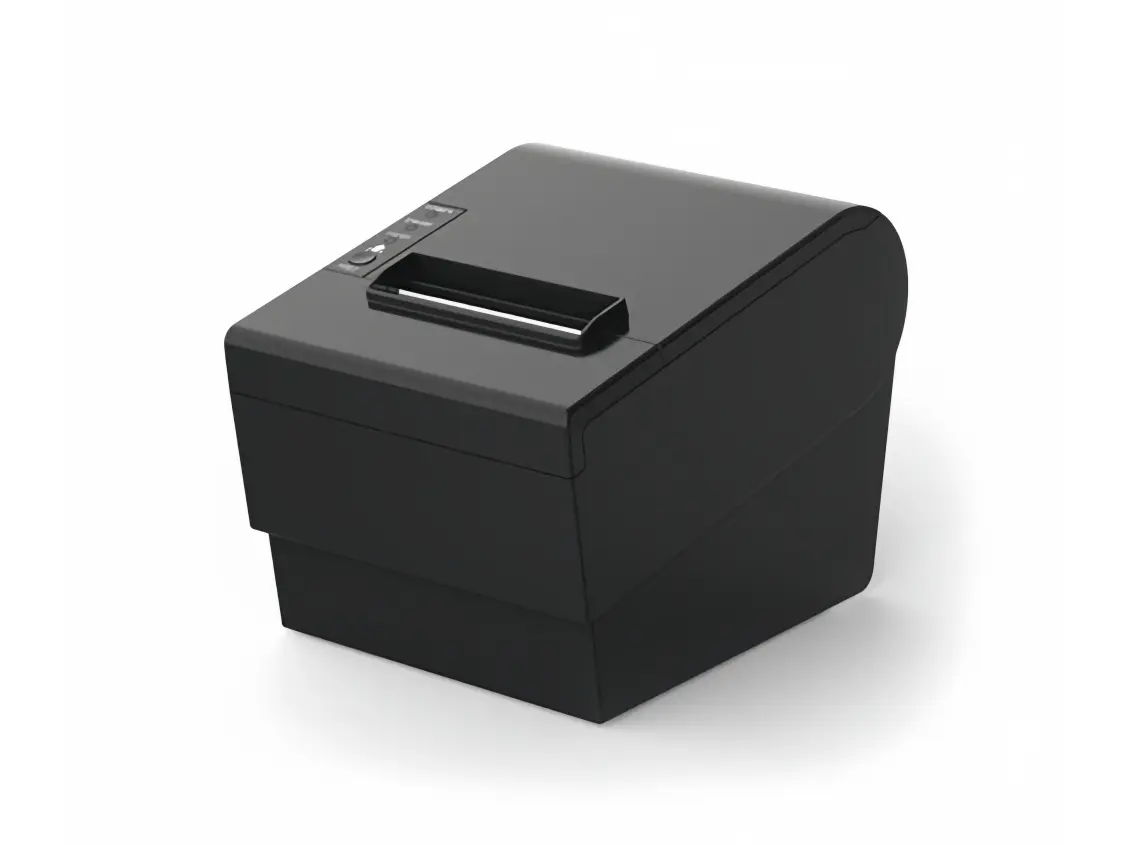 Receipt Printer
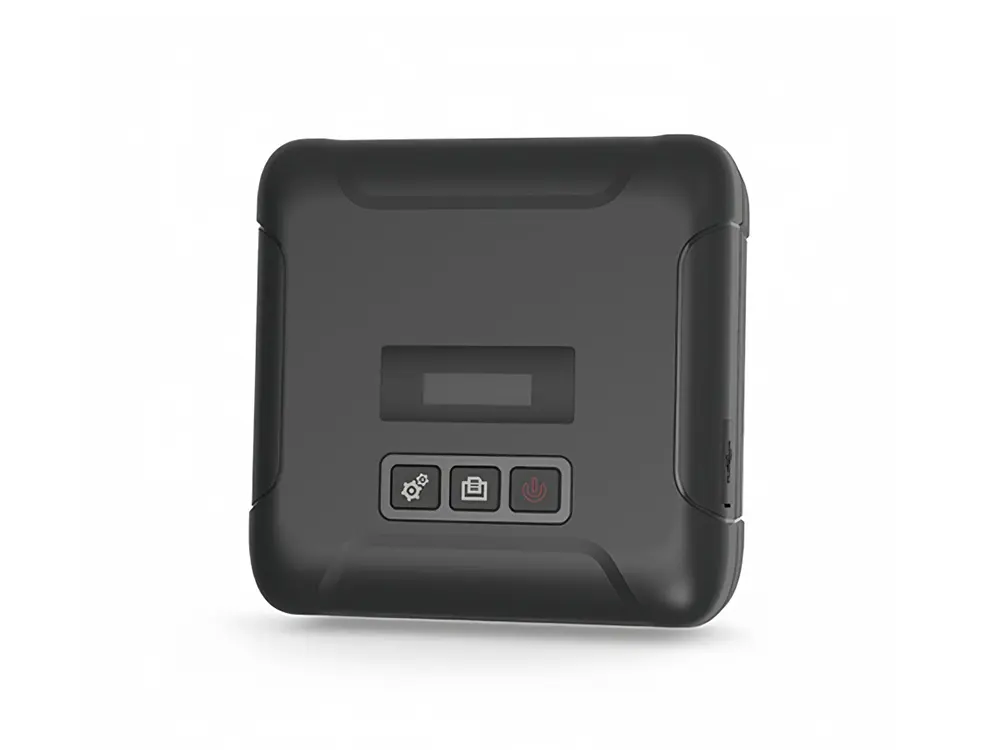 Mobile Printer