How to Choose the Best Pocket Photo Printer for Your Needs?
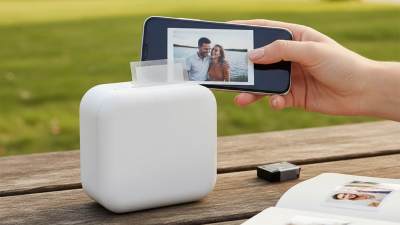
Pocket photo printers have revolutionized the way we capture and share memories. Renowned industry expert Jane Smith, a leading consultant for mobile printing technology, emphasizes, “A great pocket photo printer should be portable and produce high-quality prints.” Choosing the right device can be overwhelming, given the myriad options available.
These compact printers offer convenience, allowing users to print photos directly from their smartphones. They vary in size, print quality, and connectivity features. Some models even offer unique filters and editing options. However, not all pocket photo printers are created equal. It's essential to consider your specific needs, whether you're printing photos for a scrapbook or sharing memories with friends at an event.
Quality matters, but so does portability. Some printers may be lightweight but sacrifice print resolution. Users often overlook battery life, which can hinder on-the-go printing. Evaluating these factors can help ensure you invest in a pocket photo printer that aligns with your lifestyle and creative needs.
Understanding Pocket Photo Printers: Features and Benefits
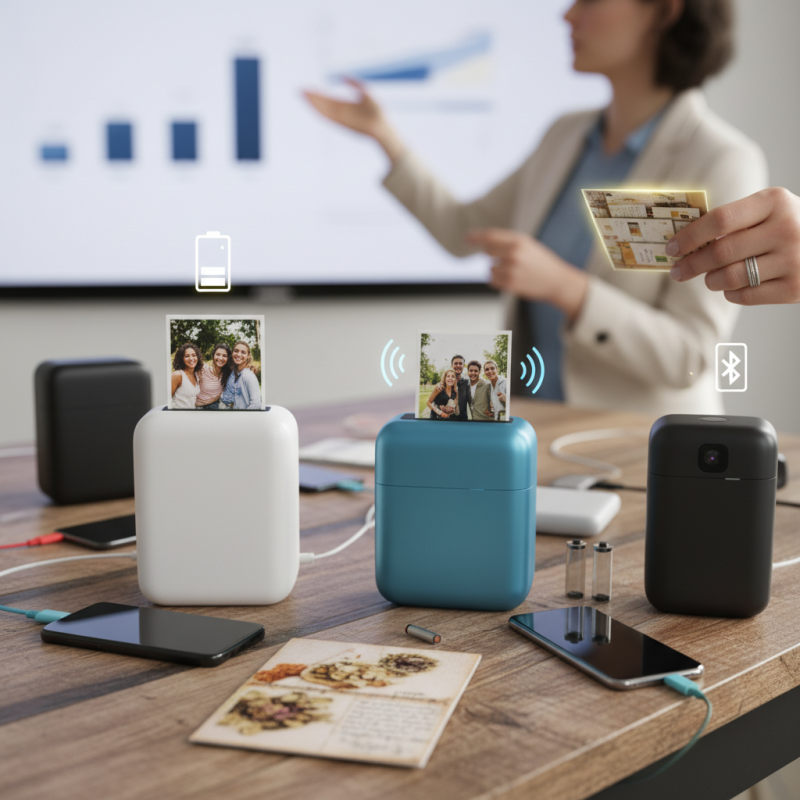
Pocket photo printers are increasingly popular for capturing memories on the go. Understanding their key features helps you choose the right model. A good printer offers portability, print quality, and easy connectivity to devices. Many are compact and lightweight, making them convenient for travel. The print quality varies, so pay attention to pixel resolution and color accuracy.
Battery life is also essential. Some printers generate several prints on a single charge, while others may need frequent recharging. Consider how often you intend to use it. If you plan to print many photos, a longer battery life is crucial. Printing speed may differ significantly between models as well, impacting your overall experience.
Tips for selecting a pocket photo printer include checking user reviews and expert opinions. Look for models that have a good balance of size and print quality. Some printers allow you to edit photos before printing, adding a layer of personalization. Testing the printer before purchasing can help identify any issues. Remember, it’s okay if your first choice isn’t perfect. Reflect on what features matter most to you after using the printer for a while. Your needs may evolve over time.
Assessing Print Quality: Resolution, Color Accuracy, and Speed
When evaluating pocket photo printers, print quality is paramount. Resolution plays a critical role. A higher DPI often results in sharper images. Many pocket printers offer resolutions around 300 DPI, which is suitable for most prints. However, some models may compromise on detail. This can lead to blurry or grainy photos. It’s essential to check user reviews to gauge real-world performance.
Color accuracy is another key factor. You want vibrant images that reflect real life. Look for printers that can reproduce a wide color gamut. Some devices struggle with skin tones, producing unnatural results. The ability to print with color fidelity is crucial, especially for portraits. Speed is also a consideration, especially if you’re printing in a hurry. Some printers can produce a print in under a minute, while others might take longer. This can affect your overall experience.
It’s also important to consider how the printer handles different paper types. Some models may work best on glossy finishes, while others excel with matte papers. Experimentation might be needed to find the right match. Understanding these elements is vital. They can significantly impact your printing experience, making it more enjoyable or frustrating. Prioritize what matters most to you in print quality. Choose a printer that meets those needs effectively.
Comparative Analysis of Pocket Photo Printers
Evaluating Portability: Size, Weight, and Battery Life Factors
When choosing a pocket photo printer, evaluating
portability is crucial. Size, weight,
and battery life significantly influence your printing experience. Research shows that
users prefer printers weighing less than 1 pound. These lightweight
options are easier to carry, promoting convenience during travel.
Battery life is another vital factor. Many portable printers offer battery lives
between 20 to 50 prints per charge. For example, a printer
that prints 30 photos on a single charge can sustain a weekend trip without needing a
power outlet. However, some users may overlook battery life in favor of features. This
compromise can lead to frustration.
Tip: Look for a printer that
provides battery performance indicators. This feature helps you gauge when to recharge.
Consider the physical dimensions too. A printer that is compact enough to fit in a small
bag increases accessibility. But, if the size sacrifices print quality, it might not be
worth it. Always balance portability with desired output.
Tip: Read user reviews on
portability and
battery life. Practical insights from other
photographers can highlight real-world performance. Pay attention to reviews discussing both
strengths and weaknesses. This reflection can lead to better choices.
Comparing Connectivity Options: Bluetooth, Wi-Fi, and USB
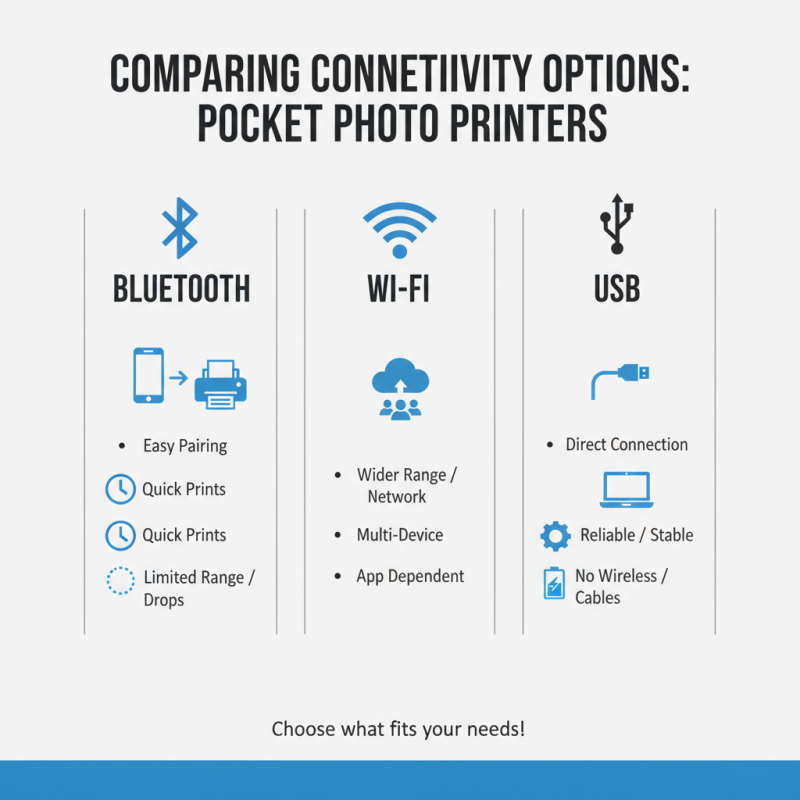
When choosing a pocket photo printer, connectivity options play a crucial role. Bluetooth is popular for its convenience. It allows easy pairing with smartphones without additional apps. Users can print photos quickly, but the range is limited. If you wander too far, the connection drops. This can be frustrating during social events.
Wi-Fi offers a broader range and better speed. It connects multiple devices simultaneously. Users can print from tablets, laptops, and phones. However, setting up Wi-Fi may require technical skills. Many users struggle with network settings. If not configured properly, it can lead to delays. Some might prefer the simplicity of USB connections. They are straightforward and reliable. But, you are tethered to a device, limiting flexibility on the go.
Consider your lifestyle when selecting a printer. If you often print with friends, Wi-Fi might suit you best. If you value quick, solo prints, Bluetooth could suffice. The choice depends on how you plan to use the printer. Each option has its advantages and weaknesses. Think about what features you need. Balancing convenience and reliability can be challenging, but it's key for satisfaction.
Budget Considerations: Price Range and Running Costs of Printers
When choosing a pocket photo printer, budget is a key factor. Consider the price range of the printer itself, as well as the ongoing costs. Some printers may seem affordable initially but have expensive ink or paper. Pay attention to the total cost over time, not just the retail price.
Tips for evaluating costs: Look for printers that offer economical refill options. Some models allow you to buy larger packs of paper, which can lower your per-print cost. Additionally, check for online deals or bundles that might save you money.
Don't overlook hidden expenses, such as shipping fees for supplies. Some printers might require specific types of paper, driving costs up. Weigh these factors against your needs and print quantity. This can lead to better long-term decisions. Ensure you understand what your budget allows before making a commitment.

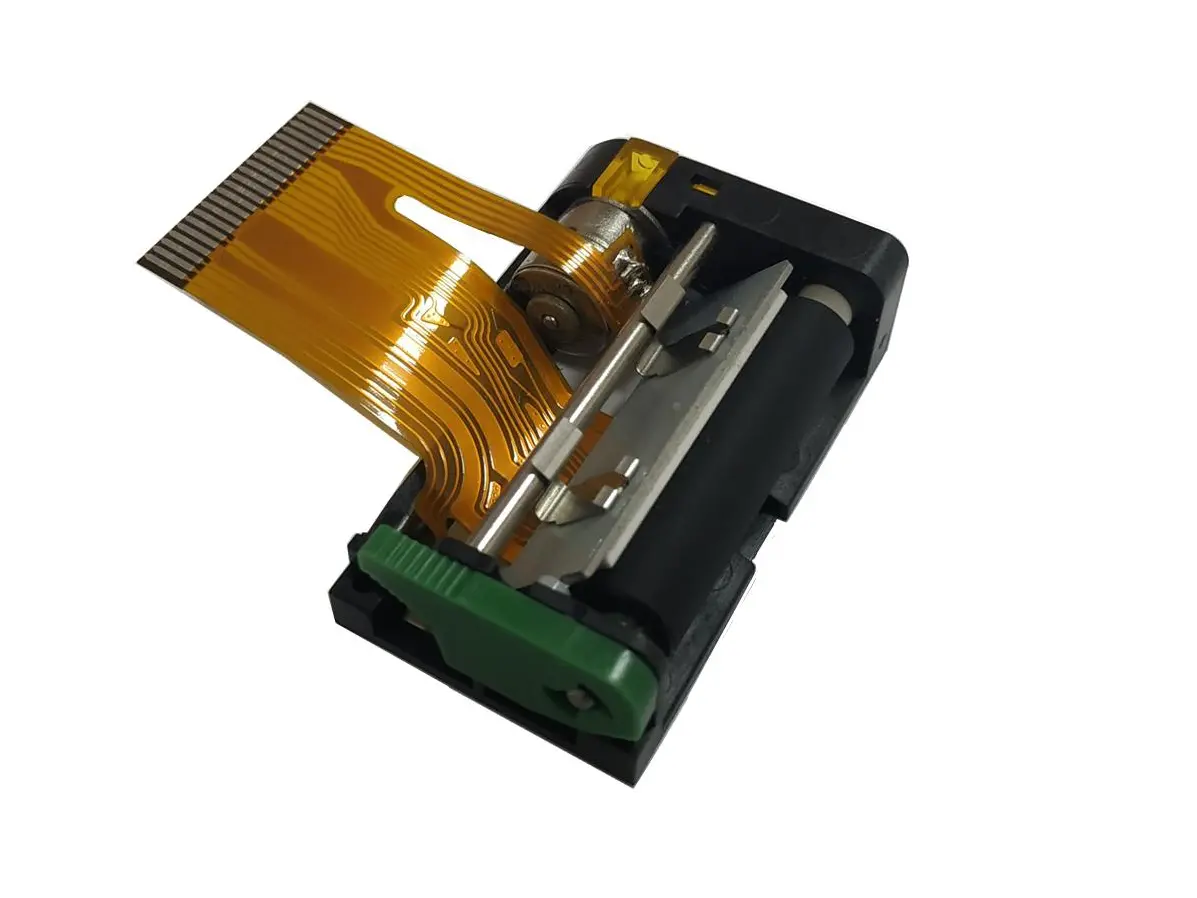 1 inch thermal printer mechanism
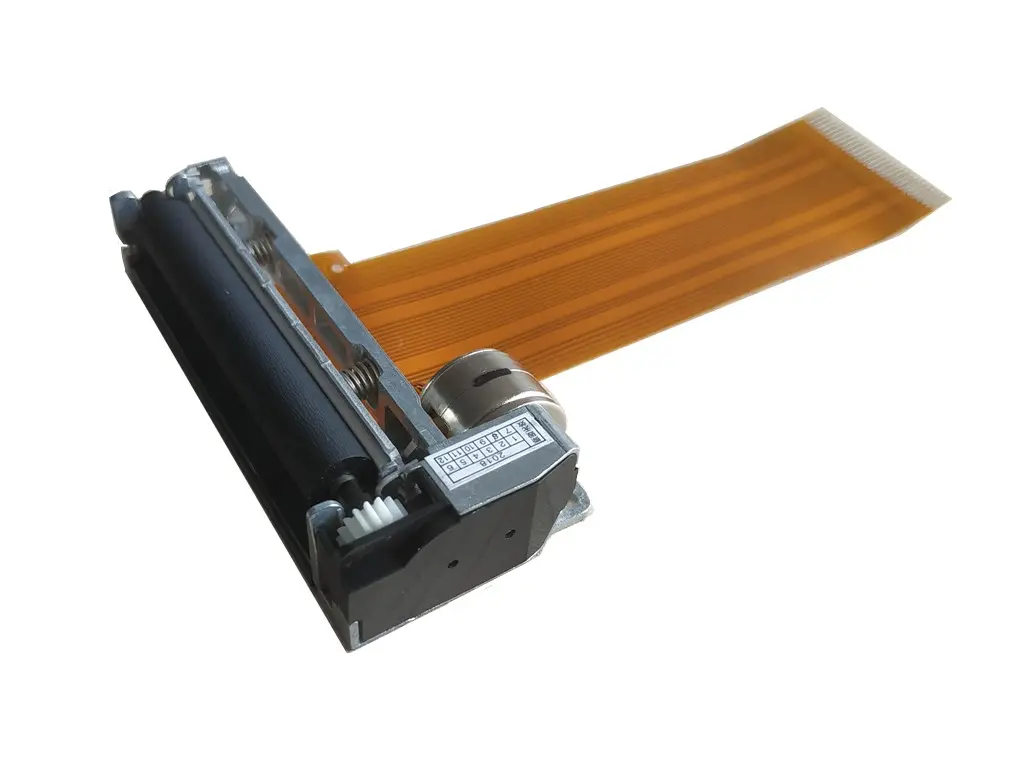 2 inch thermal printer mechanism
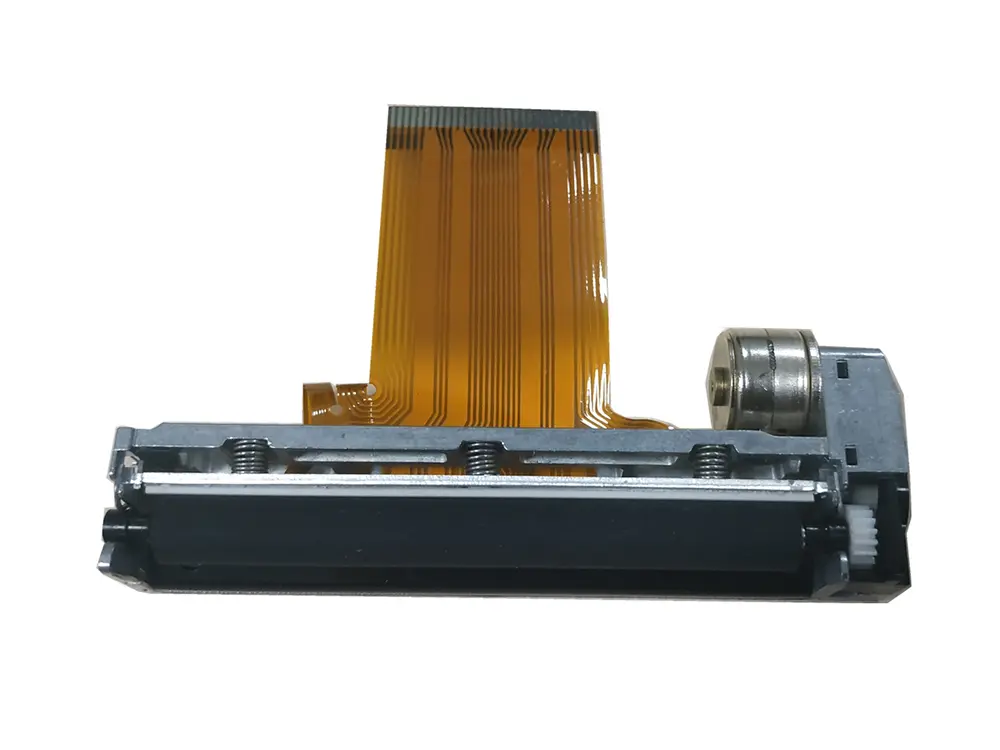 3 inch thermal printer mechanism
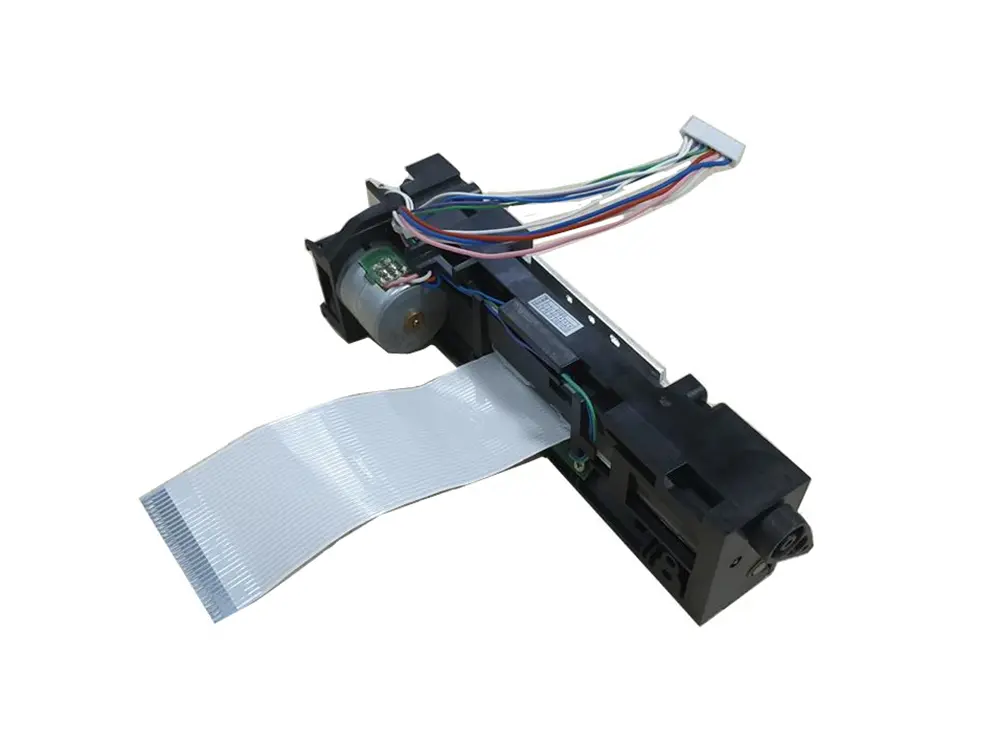 4 inch thermal printer mechanism
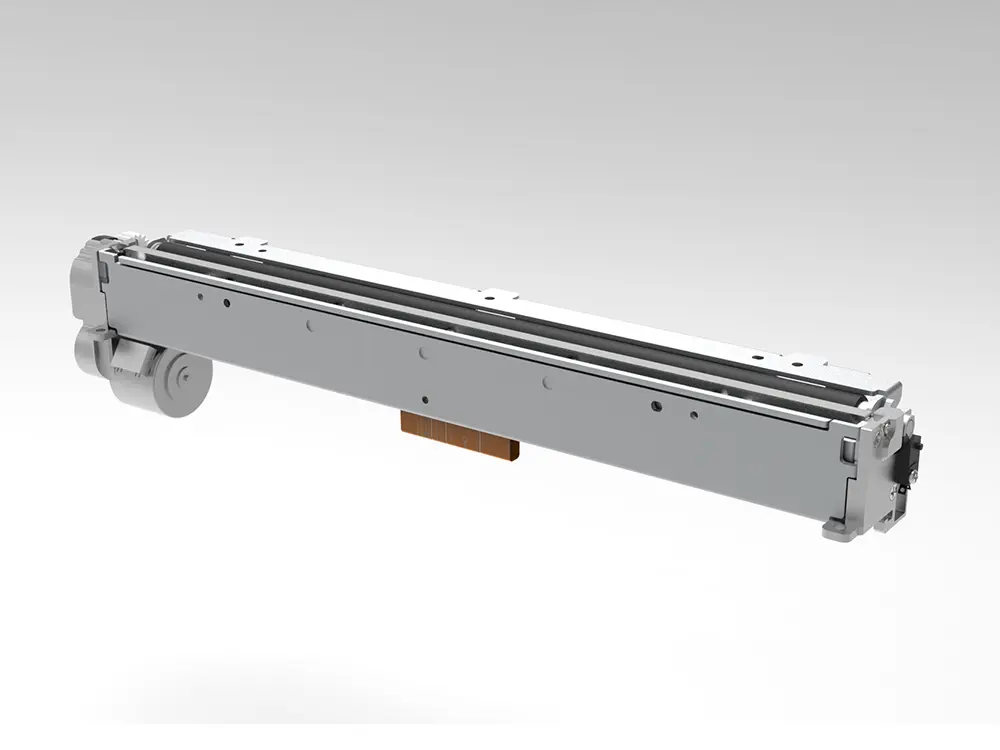 8 inch thermal printer mechanism
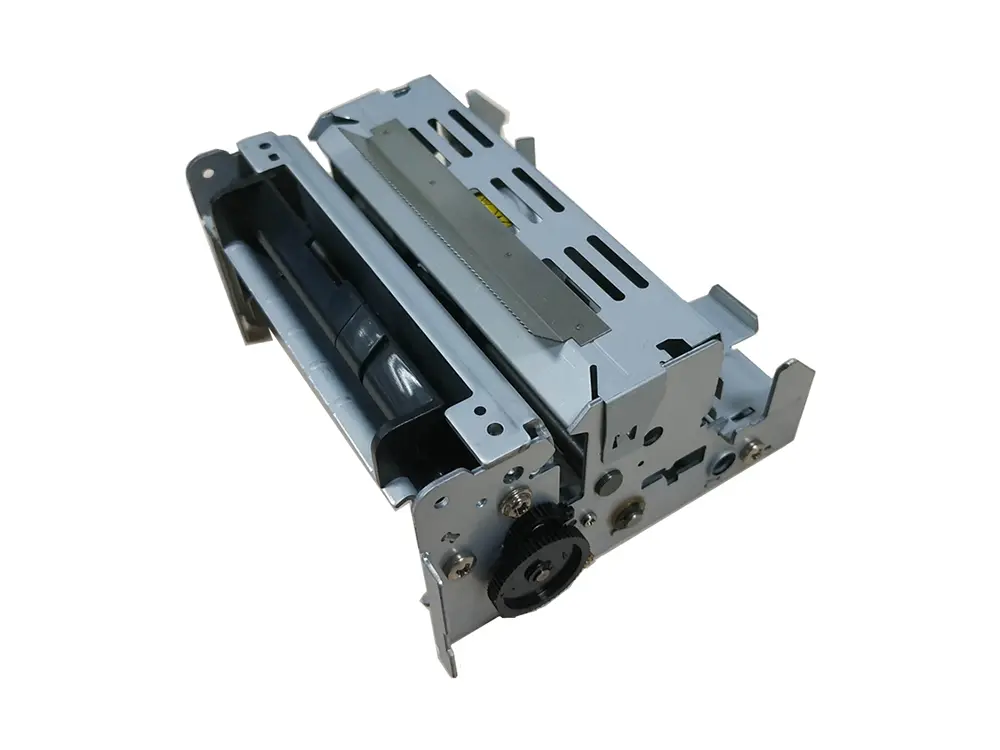 dot matrix printer mechanism
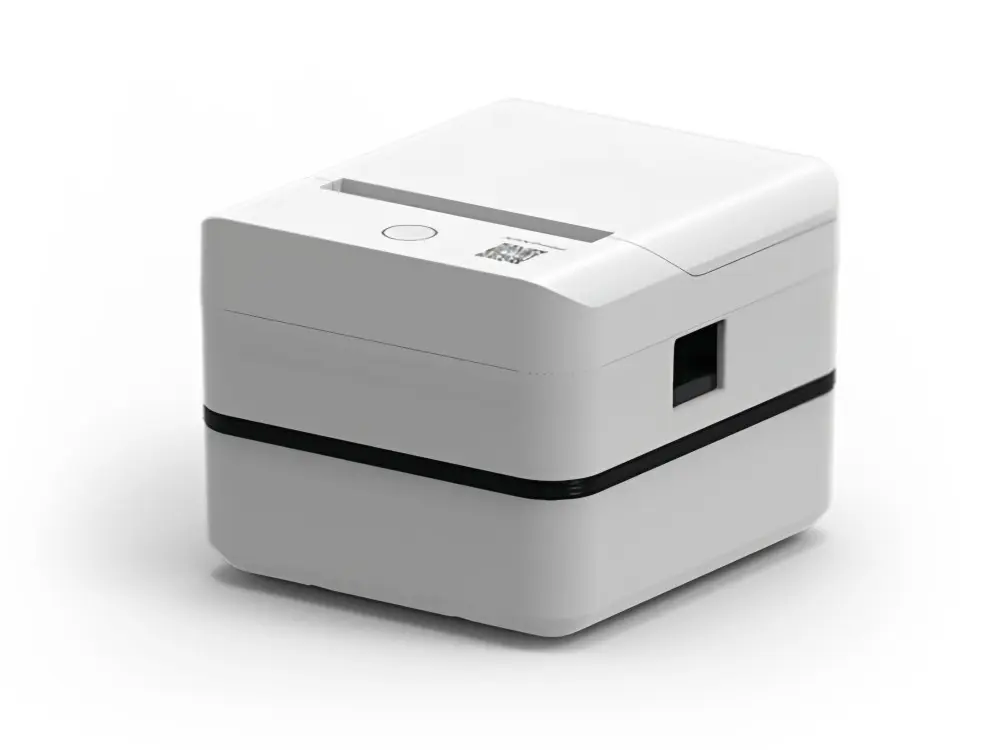 Label Printer
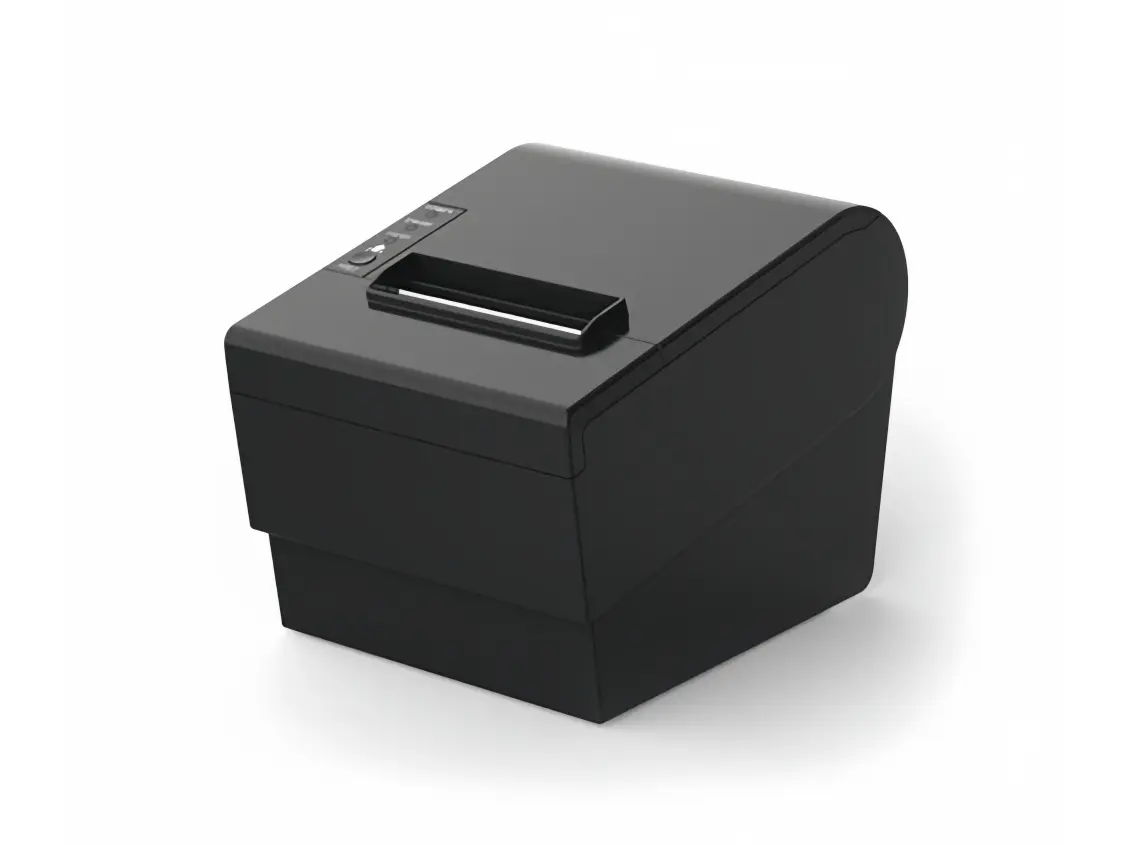 Receipt Printer
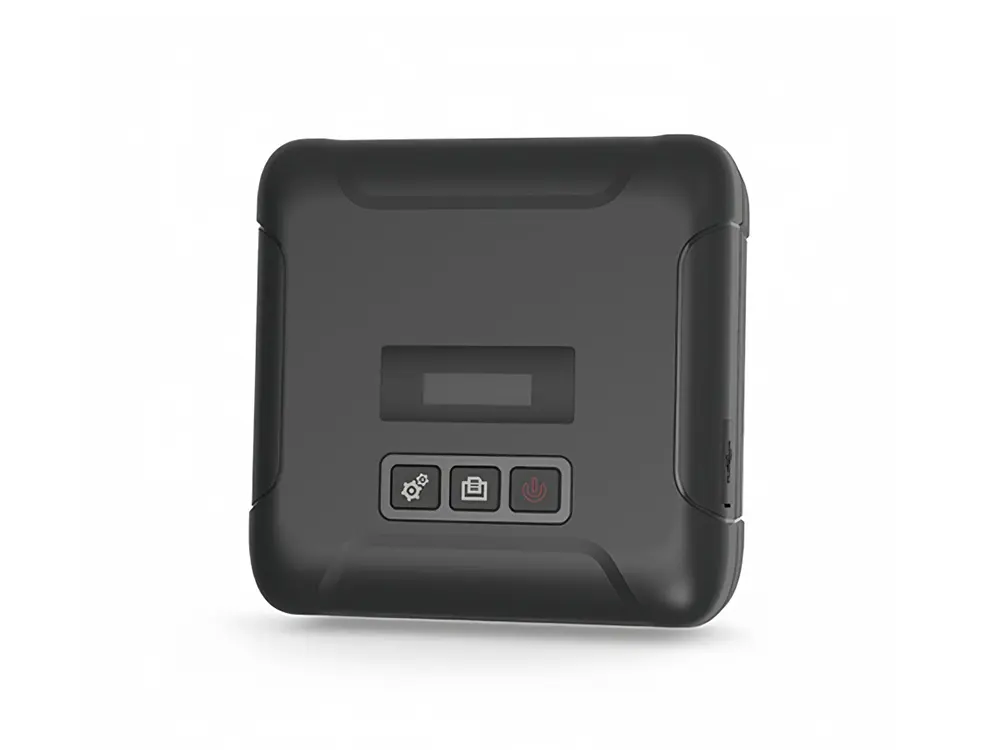 Mobile Printer