Top Cable Labeller Tips for Efficient Labeling Solutions?
Labeling cables efficiently is crucial in many industries. A good Cable Labeller can reduce errors and save time. According to a recent industry report, proper labeling can increase productivity by up to 30%. Accurate labels help workers identify and manage cables quickly.
However, many companies overlook the importance of effective labeling solutions. Often, they face issues like mislabeling and confusion due to unclear symbols. A survey indicated that nearly 40% of employees have encountered cable management challenges. They struggle with identifying cables, leading to wasted time and increased frustration.
Investing in a quality Cable Labeller can provide long-term benefits. Efficient labeling not only facilitates maintenance but also enhances compliance with safety standards. Despite these advantages, some organizations still hesitate to adopt these solutions. It’s essential to evaluate why labeling practices are not prioritized. Reflecting on these issues can lead to improved processes and greater efficiency.
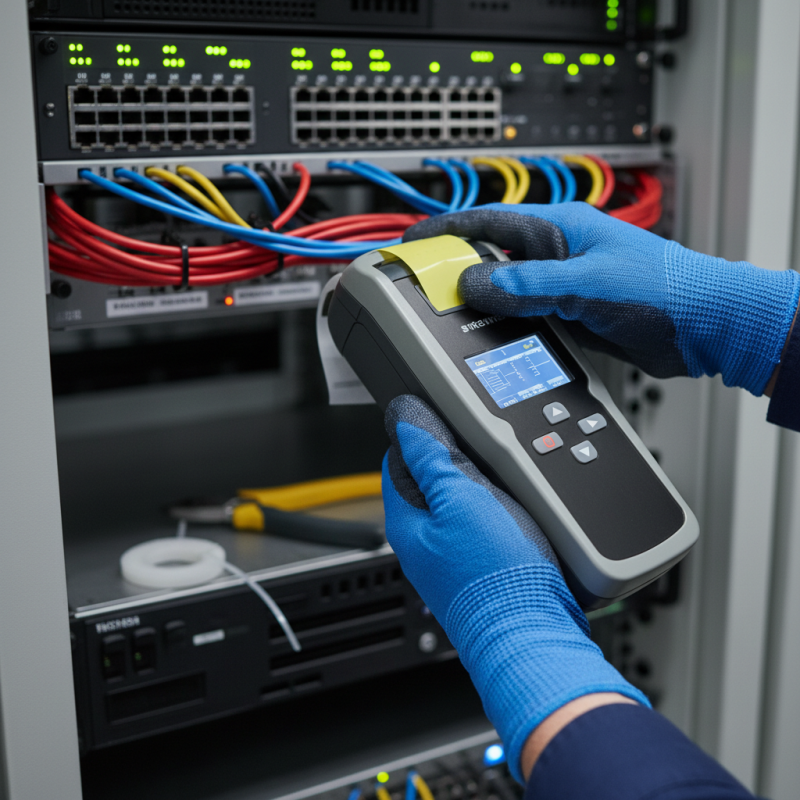
Top Cable Labeller Tips for Effective Labeling Solutions
When it comes to effective labeling solutions, organization is key. A well-structured approach can prevent confusion and enhance efficiency. Grouping cables by type or purpose before labeling will save time later. It’s helpful to keep a clear inventory list. Keeping track of what you have is essential. This acts as a foundation for an effective labeling system.
Choosing the right labels is also vital. Weather-resistant or durable labels can be beneficial. However, remember that not every label works in every condition. Testing labels in different environments can help determine their suitability. It's common to find labels peeling or fading over time. Ensuring the right adhesive can significantly improve longevity.
Another important aspect is the labeling method. Handwritten labels can be quick, but they may lack consistency. Printing labels often offers clearer visibility and uniformity. Yet, using printers can lead to technical issues. Printing failures may cause delays and frustration. Reflecting on the labeling process can expose areas needing improvement. Regular assessment of your labeling strategies can lead to better solutions.
Understanding Cable Labelling Standards and Regulations in Detail
Understanding cable labelling standards and regulations is crucial for efficient labeling solutions. Various industries have specific requirements. Compliance ensures safety and traceability. Standardization avoids confusion and mistakes during installation and maintenance. Adhering to these regulations can seem overwhelming at times. Simplifying complex guidelines is essential for effective implementation.
Consider colors and symbols used in labeling. They should be easily recognizable. For instance, using bright colors can enhance visibility. However, not all colors work in every environment. Some may blend into backgrounds, making them hard to see. Thoughtful consideration of these details is vital. Making a mistake here can lead to dangerous situations.
Regularly reviewing and updating labels is necessary. Codes change, and new standards emerge. Occasionally, labels may wear out or fade. Check labels often to ensure they remain intact. It’s easy to overlook these details in busy work environments. Taking the time to reflect on current practices leads to better labeling methods. Every small adjustment can improve overall efficiency.
Choosing the Right Materials for Durable and Efficient Labels
When selecting materials for durable labels, consider durability and functionality. Materials like polyester and vinyl are excellent choices. They resist water and chemicals, ensuring labels last in various environments. However, the cost can be higher. Weighing budget against quality is essential.
Label adhesive also plays a vital role. A strong adhesive ensures labels stick well, but it may damage surfaces upon removal. This can be a challenge when dealing with sensitive equipment. Testing different adhesives on various materials might help find the right balance between strength and removability.
Remember to evaluate your labeling needs. Not every project requires the most robust materials. Sometimes, a simpler solution suffices. Analyze the environment where the labels will be used. Gathering feedback from users can provide insights into what works best. Adjusting your material choices based on practical experiences leads to better outcomes.
Best Practices for Designing Legible and Informative Cable Labels
When designing cable labels, clarity is key. Use large fonts and a simple typeface. Bright colors improve visibility, while contrasting shades help the text stand out. It's essential to use common abbreviations that will be understood by everyone. Long words or complex phrases may confuse users. Keep your messages brief; they should convey important information at a glance.
Consider the material of your labels too. Weather-resistant and durable options are better for outdoor settings. Labels can fade or peel off if they're not suited for their environment. Regularly review your labels. Over time, information can become outdated. A label with incorrect data is worse than no label at all.
Think about the layout of the information. Use bullet points or sections for better readability. Users often skim through labels; make sure they find what they need quickly. While you may think your design is perfect, always be open to feedback. Learning from user experiences can lead to improvements. Don’t hesitate to revise your approach.
Top Cable Labeller Tips for Efficient Labeling Solutions
Maximizing Labelling Efficiency with Automation and Technology
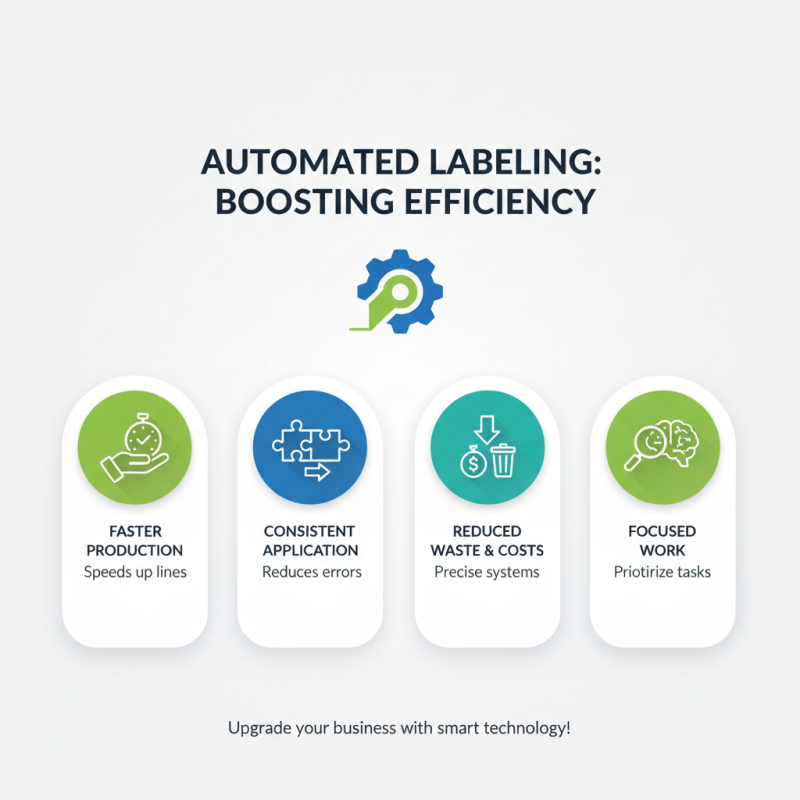
In today's fast-paced world, automation can dramatically improve labeling efficiency. By utilizing advanced labeling machinery, businesses can significantly reduce manual work. Automated labelers ensure consistent application and minimize errors. This technology speeds up production lines, allowing teams to focus on core tasks. Many companies have seen reduced waste, thanks to precise labeling systems.
However, not all automated solutions fit every scenario. It's crucial to evaluate specific needs. Sometimes, older systems can be updated for improved functionality. A hybrid approach, combining technology with traditional methods, may be more effective. It can be surprising how often miscommunication leads to labeling mistakes. Reviewing processes regularly is essential for continuous improvement. In such cases, smaller teams can collaborate effectively to streamline operations. With clear guidelines, the potential for error decreases significantly.
Conclusion
In the pursuit of efficient labeling solutions, utilizing a Cable Labeller effectively can significantly enhance the organization and identification of cables. It is crucial to understand the relevant cable labeling standards and regulations to ensure compliance and safety. Selecting the right materials for labels will contribute to their durability and effectiveness, while best practices in design will ensure that labels are legible and informative to users.
To further improve the labeling process, integrating automation and technology can maximize efficiency, allowing for quicker and more accurate label production. Additionally, addressing common labeling issues in the cable industry can prevent disruption and maintain productivity. By following these tips, businesses can optimize their cable labeling processes and achieve reliable results.

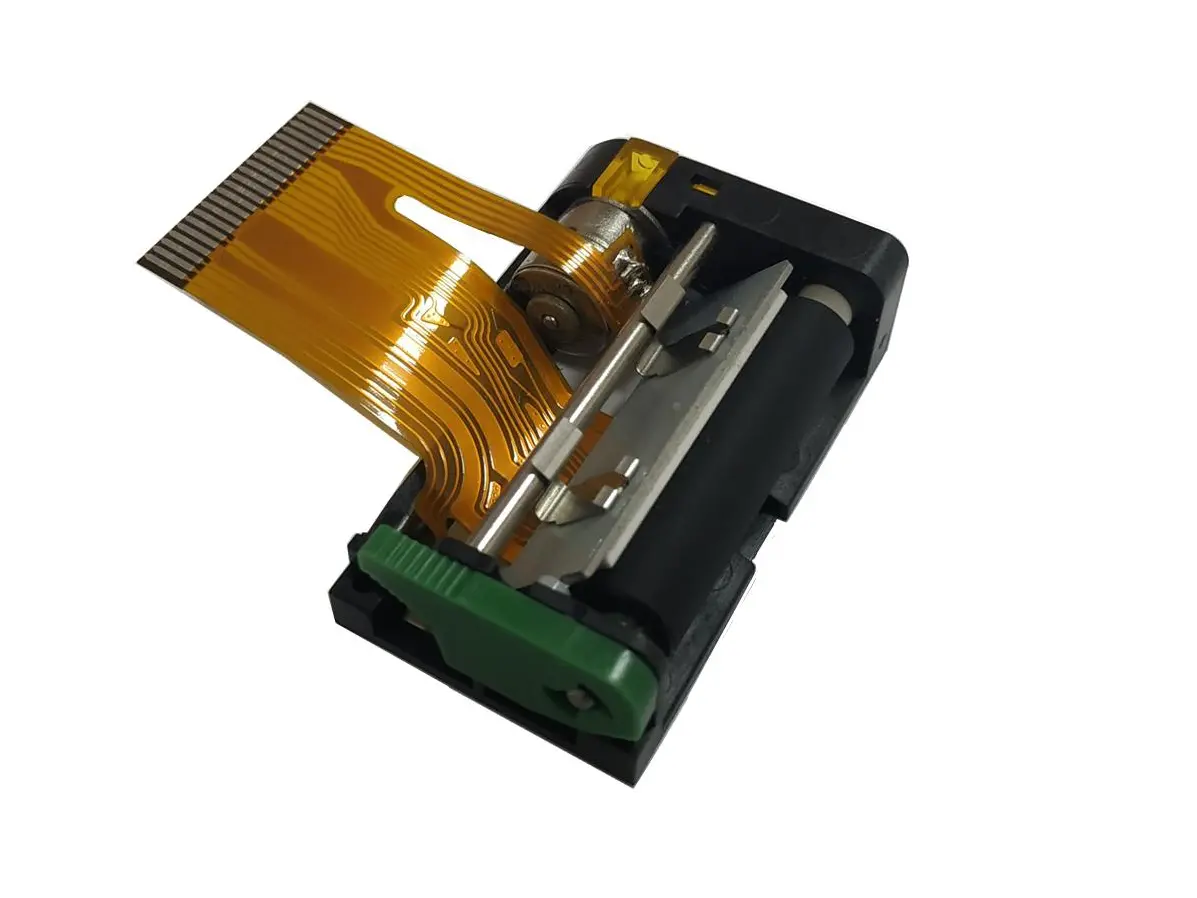 1 inch thermal printer mechanism
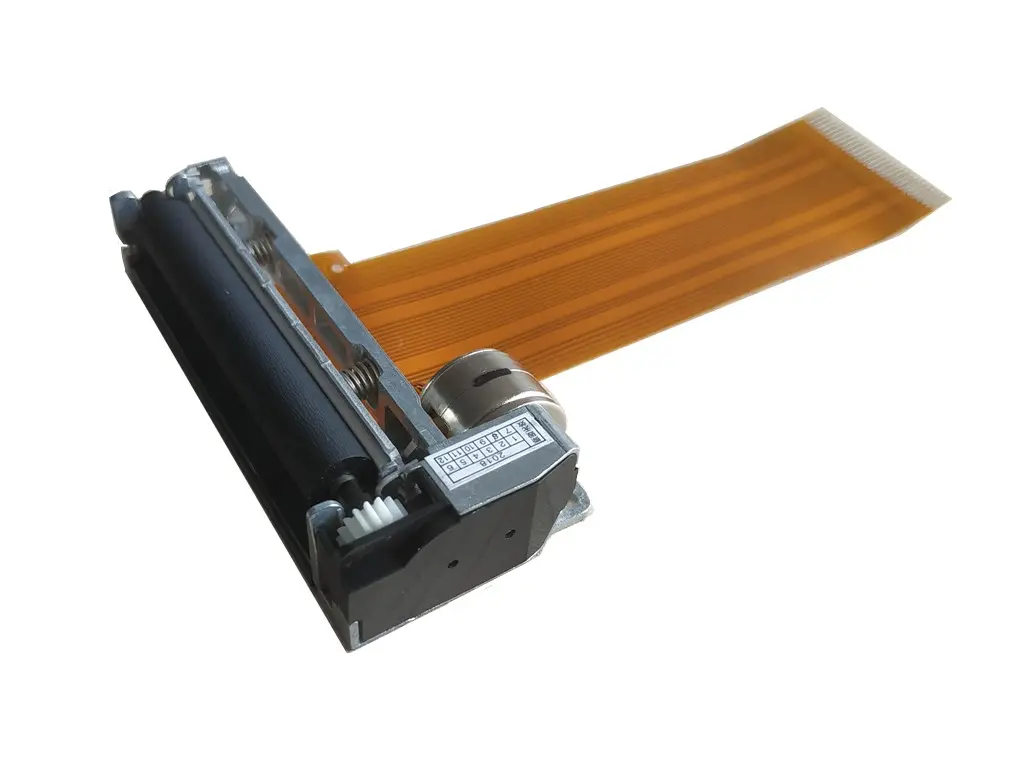 2 inch thermal printer mechanism
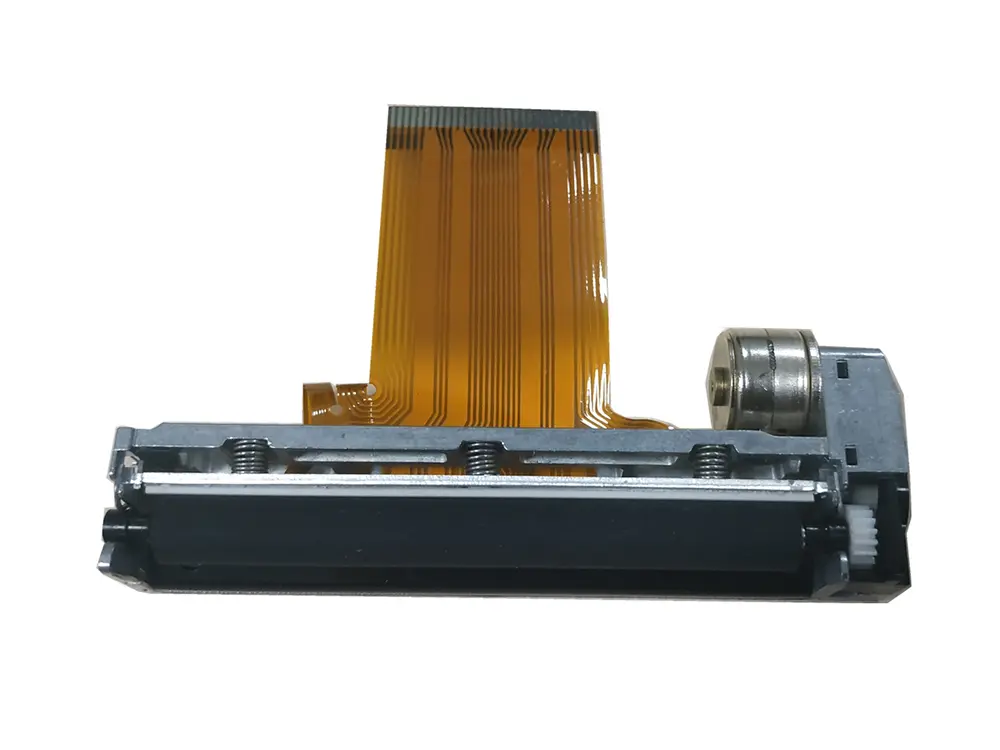 3 inch thermal printer mechanism
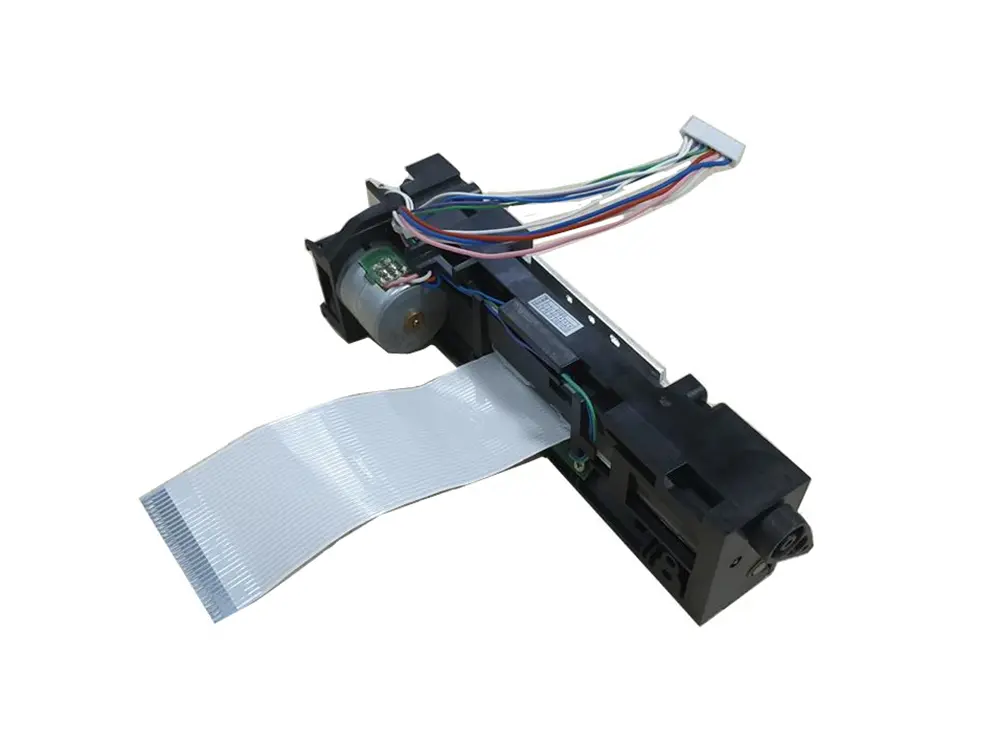 4 inch thermal printer mechanism
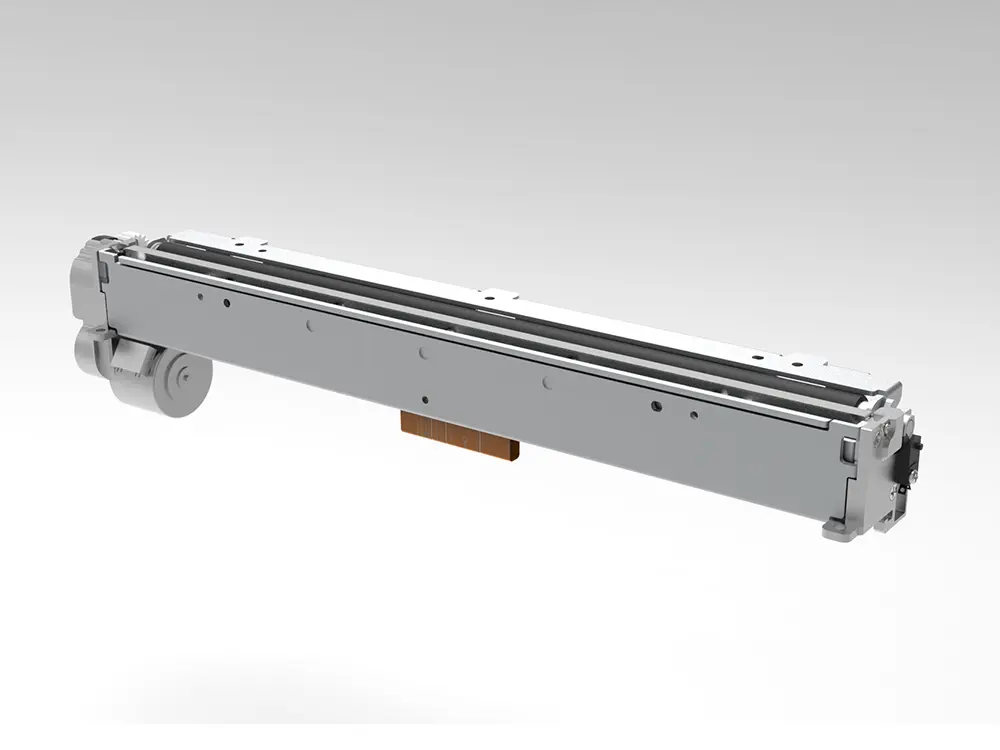 8 inch thermal printer mechanism
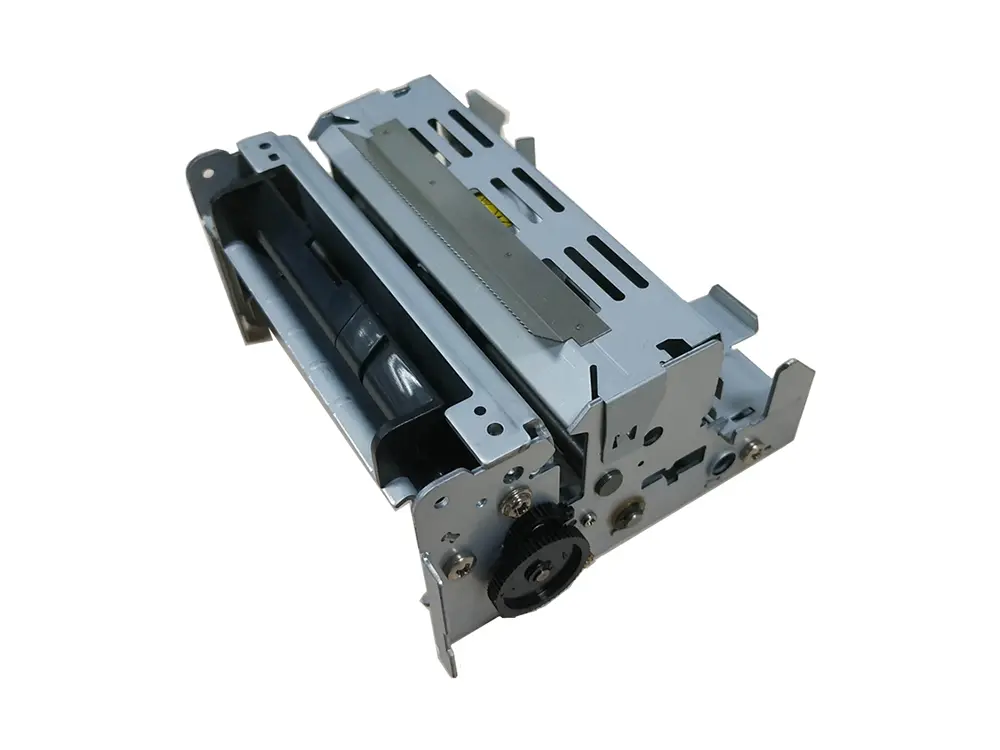 dot matrix printer mechanism
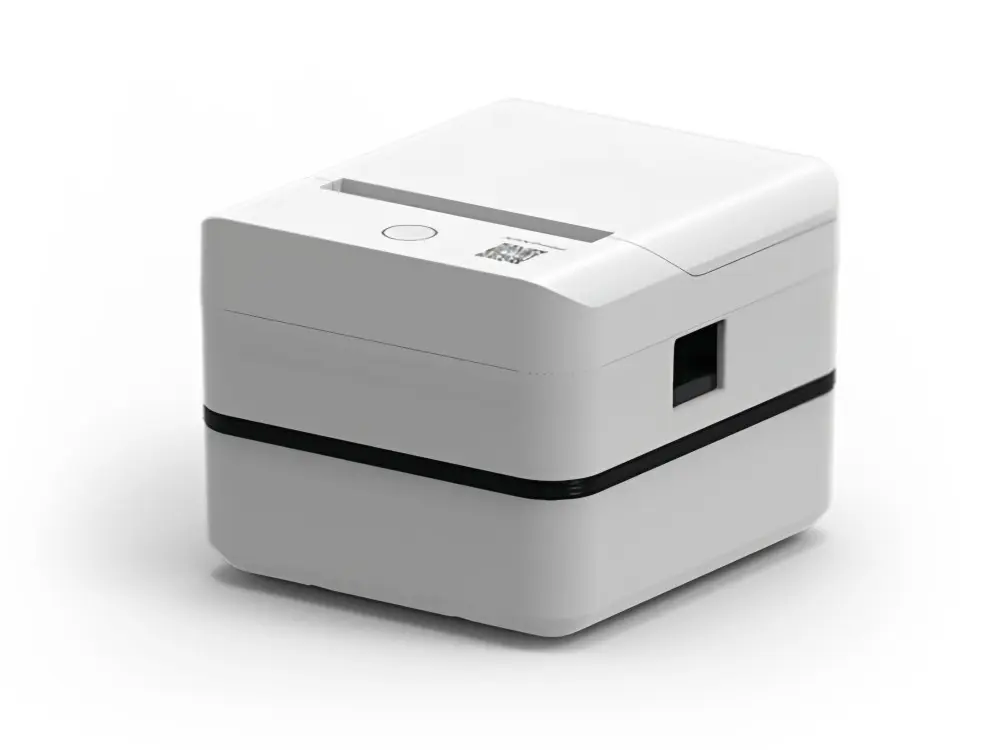 Label Printer
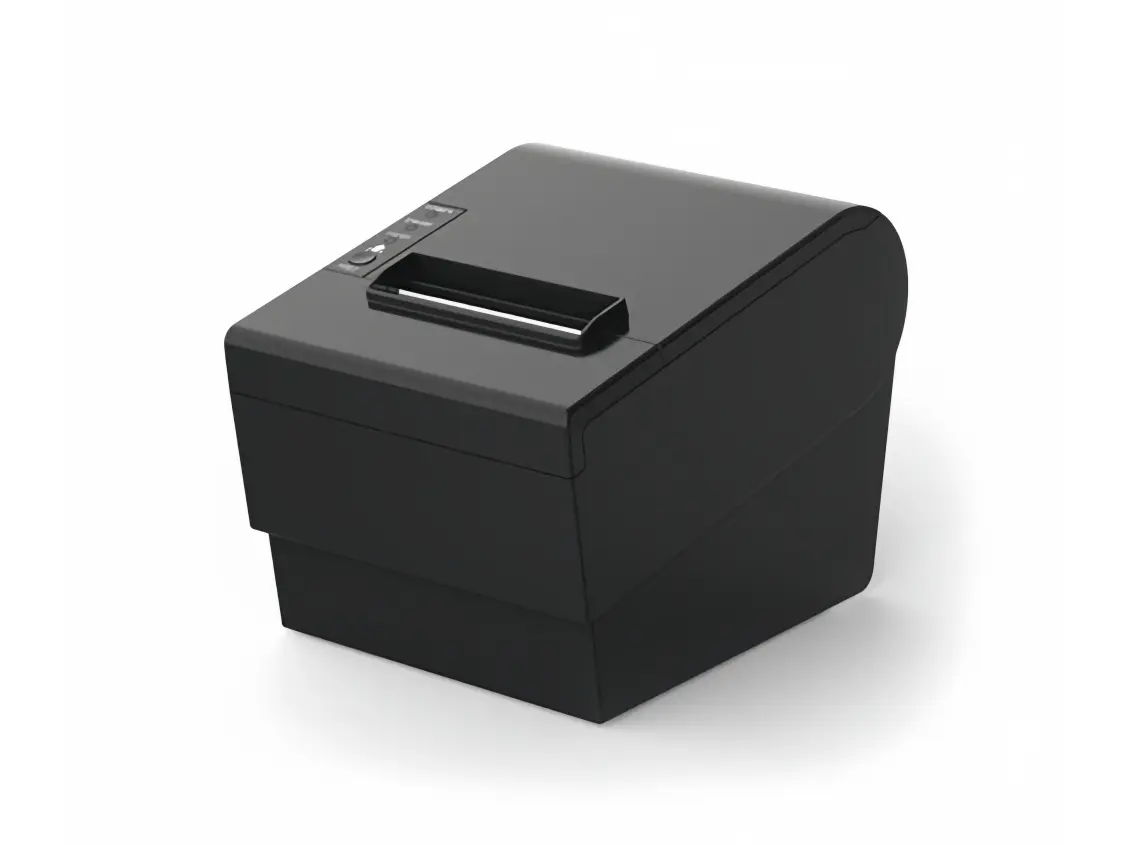 Receipt Printer
 Mobile Printer