Best Thermal Receipt Printer for Your Business Needs?
In today's fast-paced business environment, selecting the right Thermal Receipt Printer is crucial. According to a recent report by MarketsandMarkets, the thermal printer market is expected to grow at a CAGR of 6.6% from 2021 to 2026. This growth reflects the increasing demand for efficient and reliable printing solutions in retail and hospitality sectors.
Expert James Smith, a leading analyst in printing technology, states, "The right thermal receipt printer can significantly enhance customer satisfaction and streamline operations." Businesses now seek printers that not only meet their printing needs but also offer durability and speed. Many companies still overlook critical features, leading to inefficiencies.
Quality thermal receipt printers are essential for receipt issuance, inventory tracking, and customer management. However, choosing the right one can be daunting. Companies must consider size, connectivity, and compatibility with existing systems. A misstep in selection can lead to increased costs and workflow disruptions. Therefore, careful evaluation is necessary to ensure long-term success.
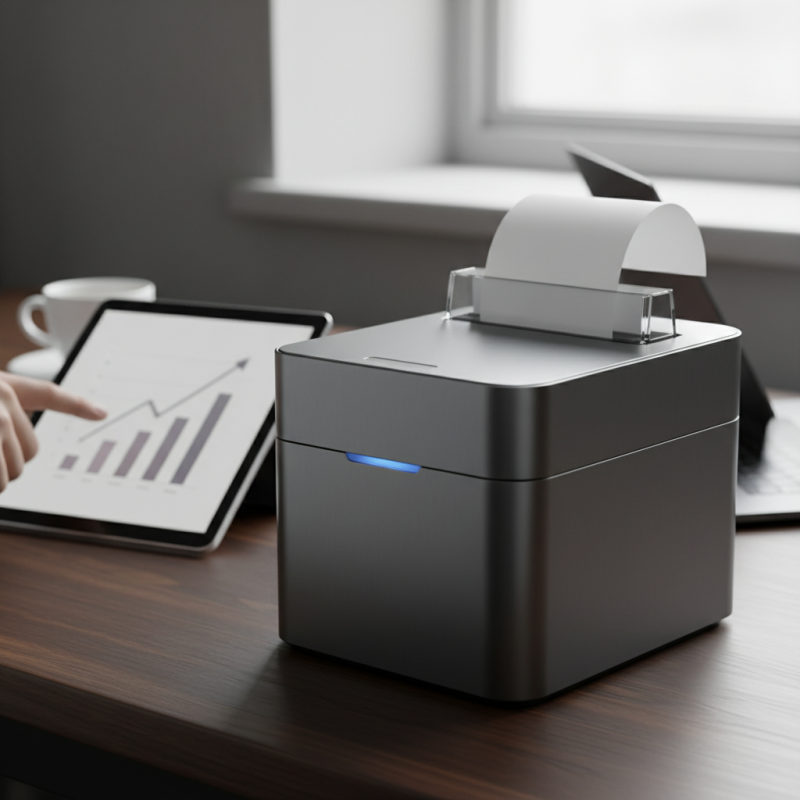
Factors to Consider When Choosing a Thermal Receipt Printer
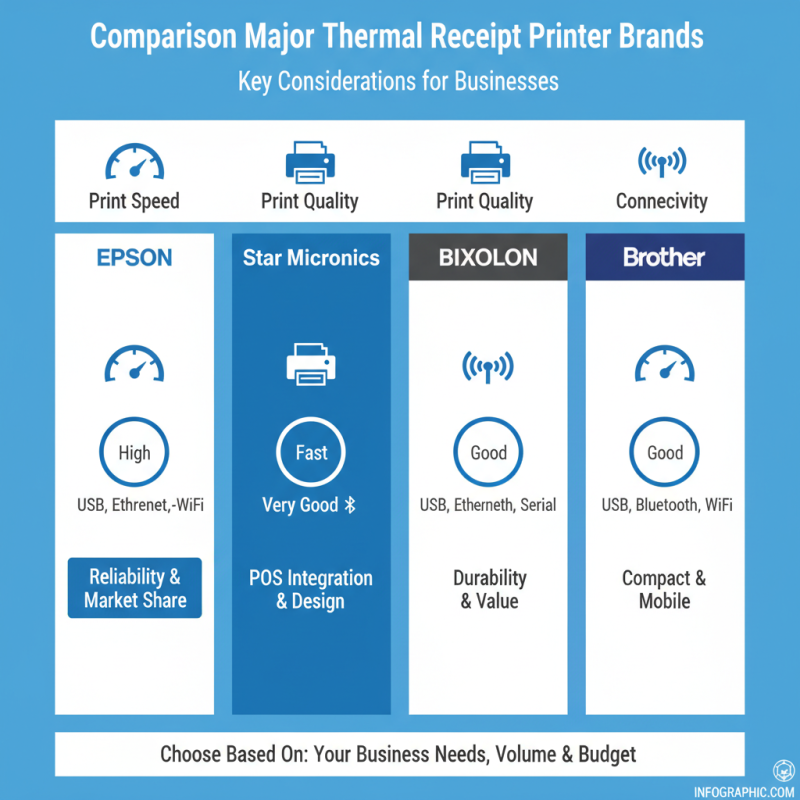
When selecting a thermal receipt printer, several factors should guide your choice. The printing speed is crucial. According to industry reports, average thermal printers can produce receipts at speeds ranging from 80 to 300 mm per second. A faster printer can significantly improve transaction times. This is especially important in busy retail environments where every second counts.
Durability is another key consideration. Thermal printers should withstand the rigors of daily use. Studies show that high-quality devices can last up to 5 years. Replacing a faulty printer can lead to unexpected costs and downtime. Look for a printer with a reliable warranty or service plan.
Connectivity options also can't be overlooked. Modern thermal printers offer Ethernet, Bluetooth, and USB connections. About 60% of businesses prefer versatile connectivity to streamline operations. Compatibility with existing systems is essential. Take time to verify whether the printer meets the specific requirements of your point-of-sale setup. Fast and effective communication between devices can prevent logs and data mishaps.
Lastly, consider the printer’s energy consumption. Some printers are designed to be energy-efficient, reducing operational costs. This often gets overlooked but impacts long-term budget planning significantly. Balancing these factors can prove challenging but is essential for making a well-informed decision.
Types of Thermal Receipt Printers Available on the Market
When considering thermal receipt printers, it's essential to understand the types available in the market. The main categories include direct thermal and thermal transfer printers. Direct thermal printers utilize heat-sensitive paper. This type is often suitable for high-volume settings but may fade over time. A report by Industry Research predicts that this market will experience a growth rate of 5.7% annually.
On the other hand, thermal transfer printers employ a thermal ribbon. This method allows for better durability of printed receipts. Businesses needing longevity for their receipts typically prefer this type. According to a 2022 analysis, around 38% of businesses favor thermal transfer due to its reliability. However, users must account for ribbon costs and paper types.
Another emerging option is mobile thermal printers. They are compact and offer wireless connectivity. This flexibility caters to the needs of delivery and field service industries. The adoption rate for mobile printers has soared by 15% in recent years. Yet, they might fall short in terms of print volume compared to stationary models. These nuances highlight the diverse landscape of thermal receipt printers available today.
Advantages of Using Thermal Receipt Printers for Businesses
Thermal receipt printers are becoming essential tools for various businesses. They offer numerous advantages that enhance efficiency and reliability. For instance, the speed of these printers can significantly reduce wait times for customers. Research shows that businesses using thermal printers can accelerate transaction times by up to 25%. This efficiency helps in managing high traffic periods, especially during peak hours.
Another key benefit is the reduction in operating costs. Thermal printers do not require ink, which presents significant savings. The estimated annual savings for businesses using thermal printing technology can reach up to $1,200. This cost-effectiveness contributes to better profit margins. Additionally, the quality of thermal prints is superior. The crisp and clear text improves customer satisfaction, as it enhances readability.
However, businesses must also consider potential downsides. Over time, thermal paper can fade, impacting the longevity of receipts. Customers may face difficulties if they need to refer back to older receipts. Regular training for staff on printer maintenance is advisable. Addressing these challenges ensures that businesses maximize the benefits of thermal printing technology while minimizing drawbacks.
Maintenance Tips for Prolonging the Life of Your Thermal Printer
Maintaining a thermal receipt printer is crucial for its longevity. Regular cleaning is one effective practice. Dust and debris can accumulate on the printhead and rollers. Using isopropyl alcohol with a lint-free cloth can keep these parts clean. A dirty printhead can result in faded prints. Be aware that neglecting this simple task can impact quality.
Another vital aspect is proper handling. Avoid dropping your printer or exposing it to extreme temperatures. Thermal printers are sensitive devices. They require a stable environment to function optimally. Ensure your printer is on a stable surface to prevent vibrations and shocks. Using the appropriate paper is also essential. Poor-quality paper can damage the printer over time.
Don't forget to check your printer regularly for worn-out parts. If you notice any unusual sounds, it’s worth investigating. Ignoring these signs can lead to larger problems down the line. Regularly updating your printer’s software can also optimize performance. A well-maintained printer not only enhances productivity but also saves costs in the long run.
Best Thermal Receipt Printer for Your Business Needs? - Maintenance Tips for Prolonging the Life of Your Thermal Printer
| Printer Model |
Print Speed (mm/sec) |
Paper Width (mm) |
Connectivity Options |
Estimated Maintenance Cost (Annual) |
Lifespan (Years) |
| Model A |
200 |
80 |
USB, Bluetooth |
$50 |
5 |
| Model B |
250 |
58 |
USB, Ethernet |
$70 |
6 |
| Model C |
180 |
80 |
USB, Serial |
$65 |
4 |
| Model D |
300 |
80 |
Bluetooth, Wi-Fi |
$80 |
7 |
| Model E |
220 |
76 |
USB, Ethernet, Serial |
$60 |
5 |

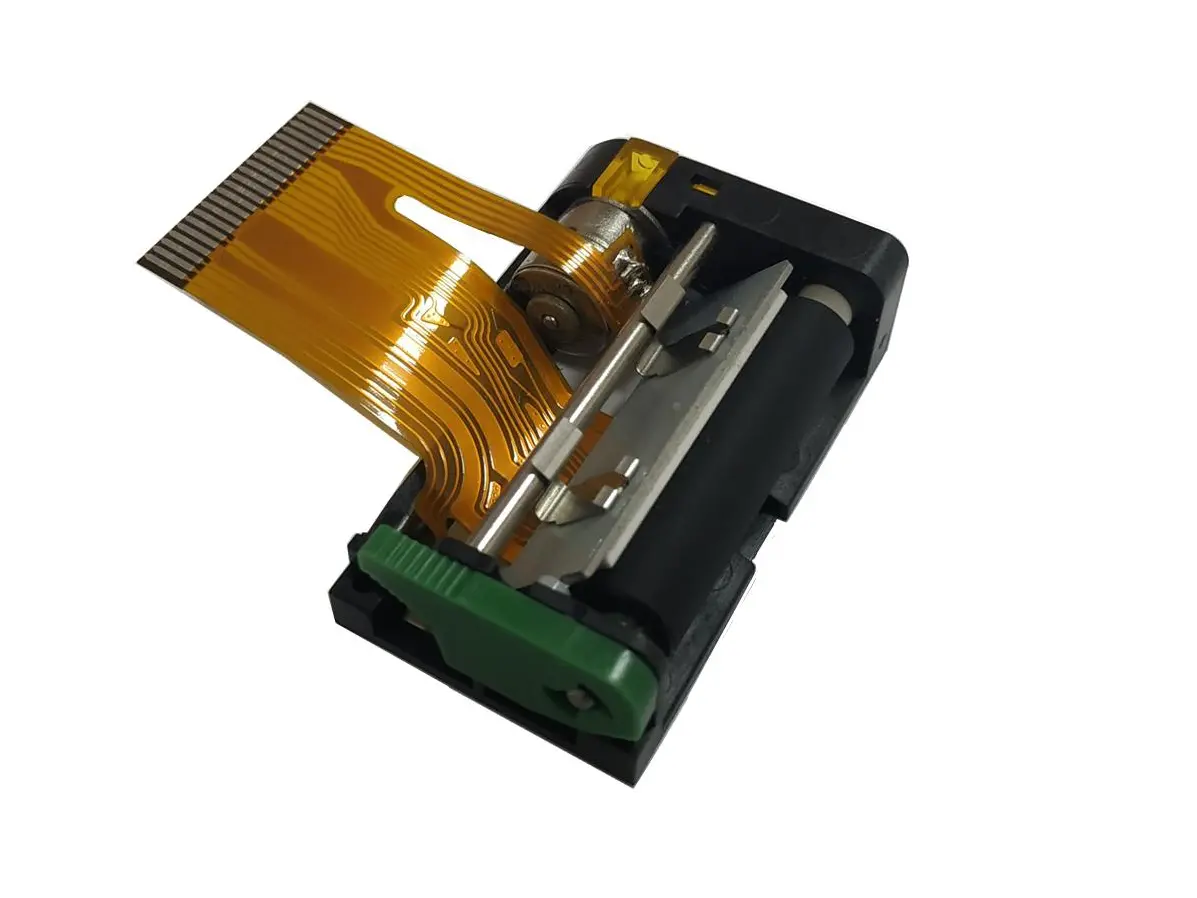 1 inch thermal printer mechanism
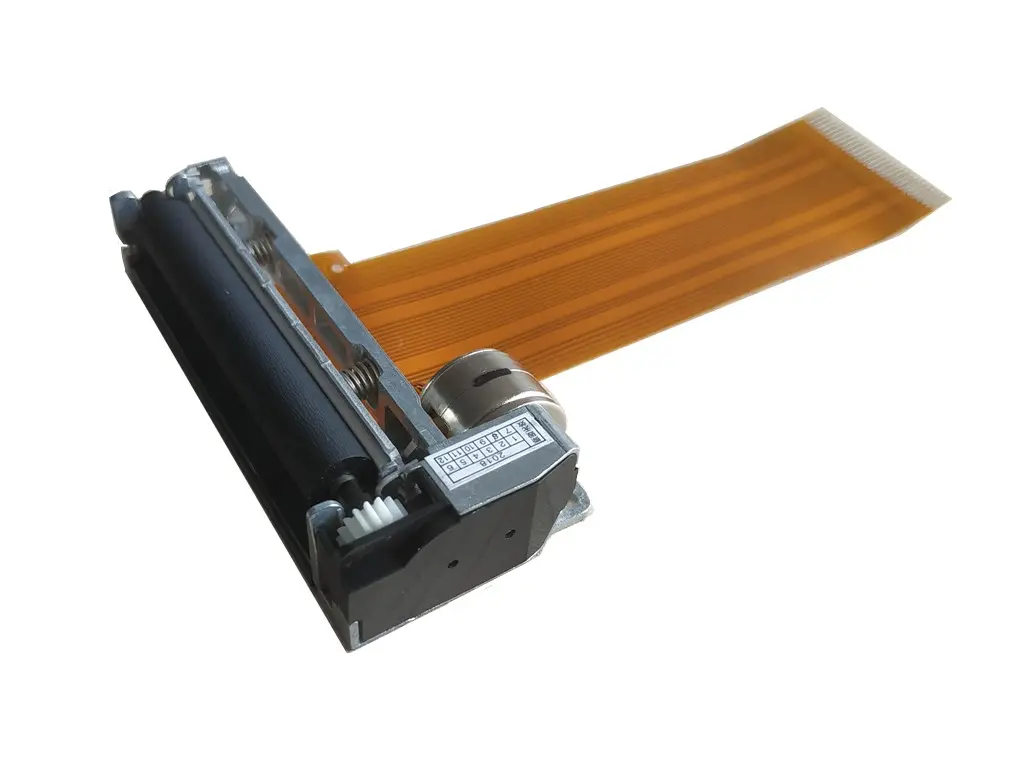 2 inch thermal printer mechanism
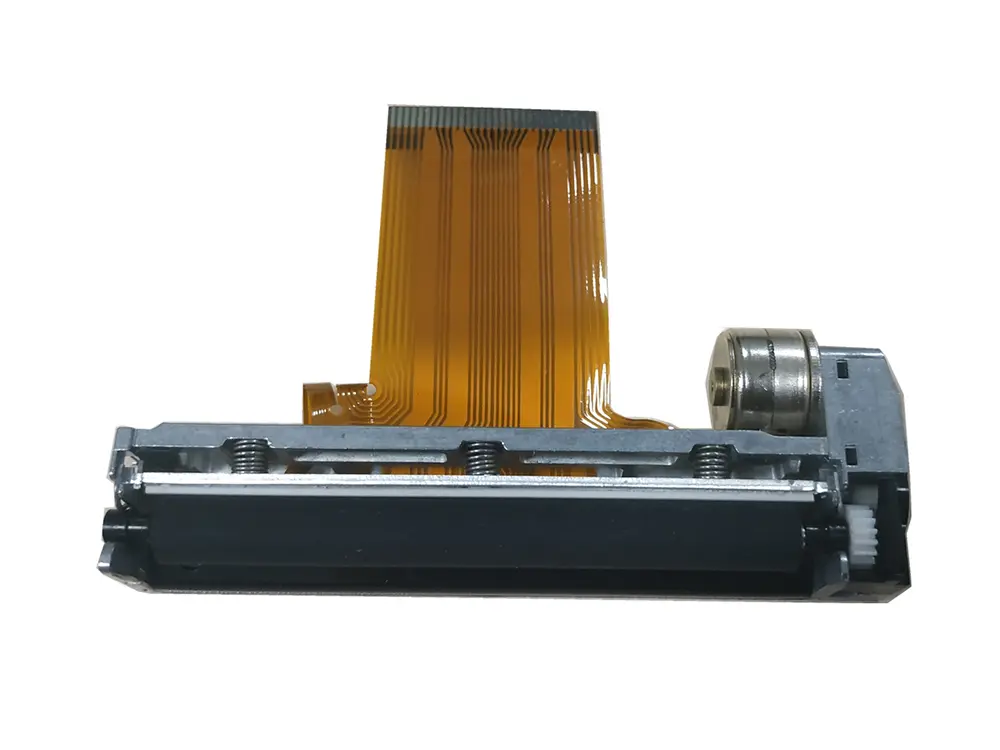 3 inch thermal printer mechanism
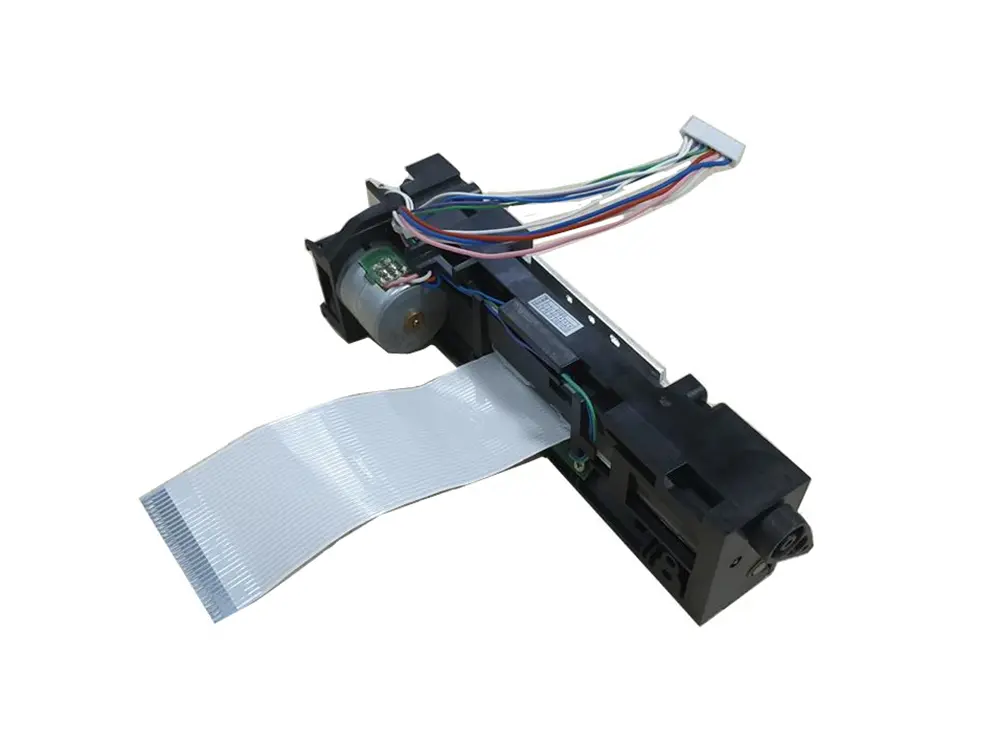 4 inch thermal printer mechanism
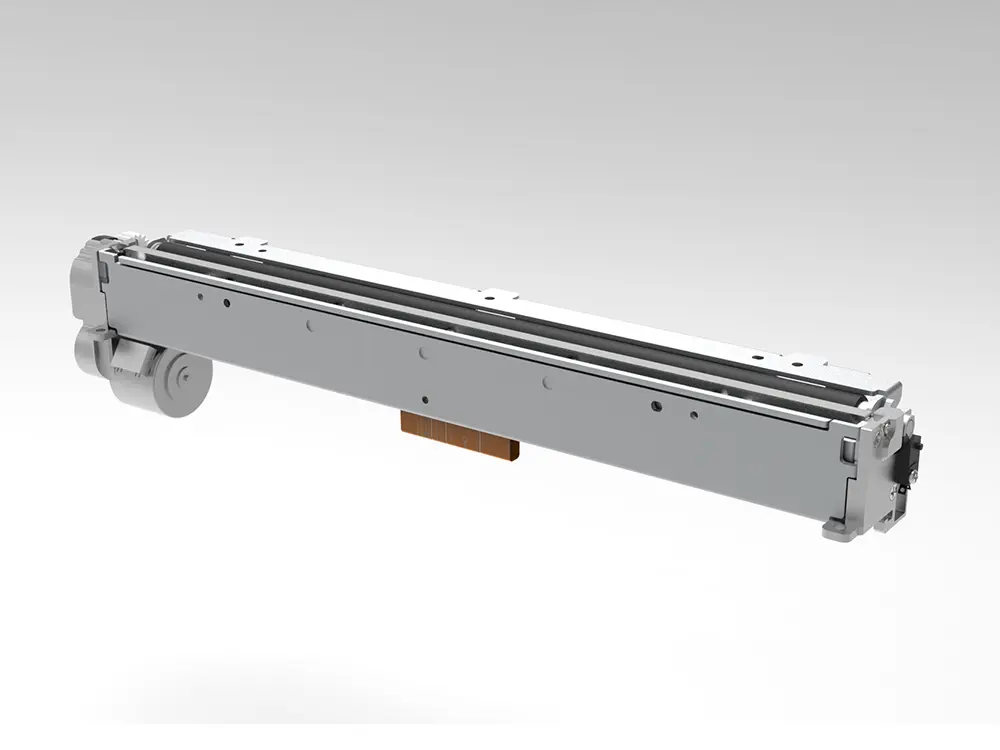 8 inch thermal printer mechanism
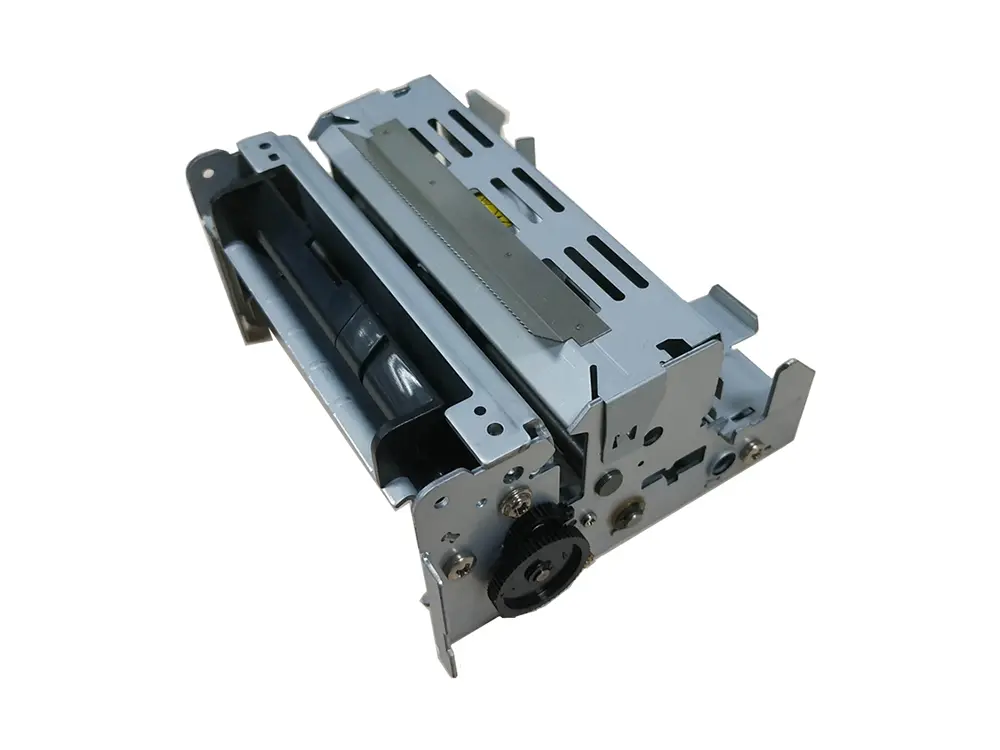 dot matrix printer mechanism
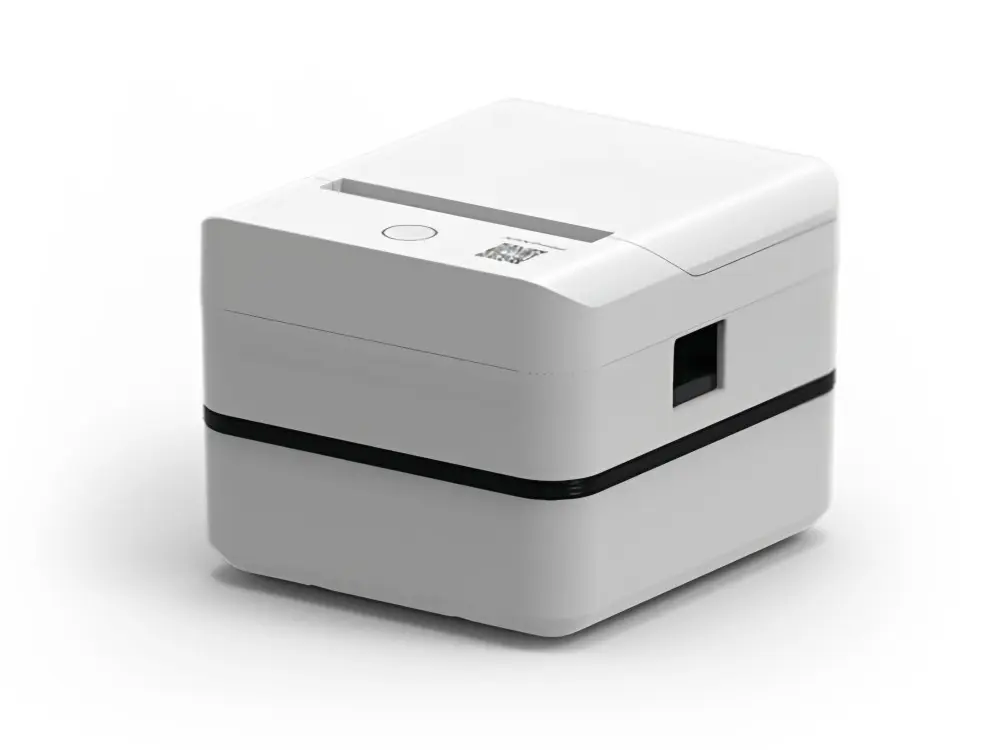 Label Printer
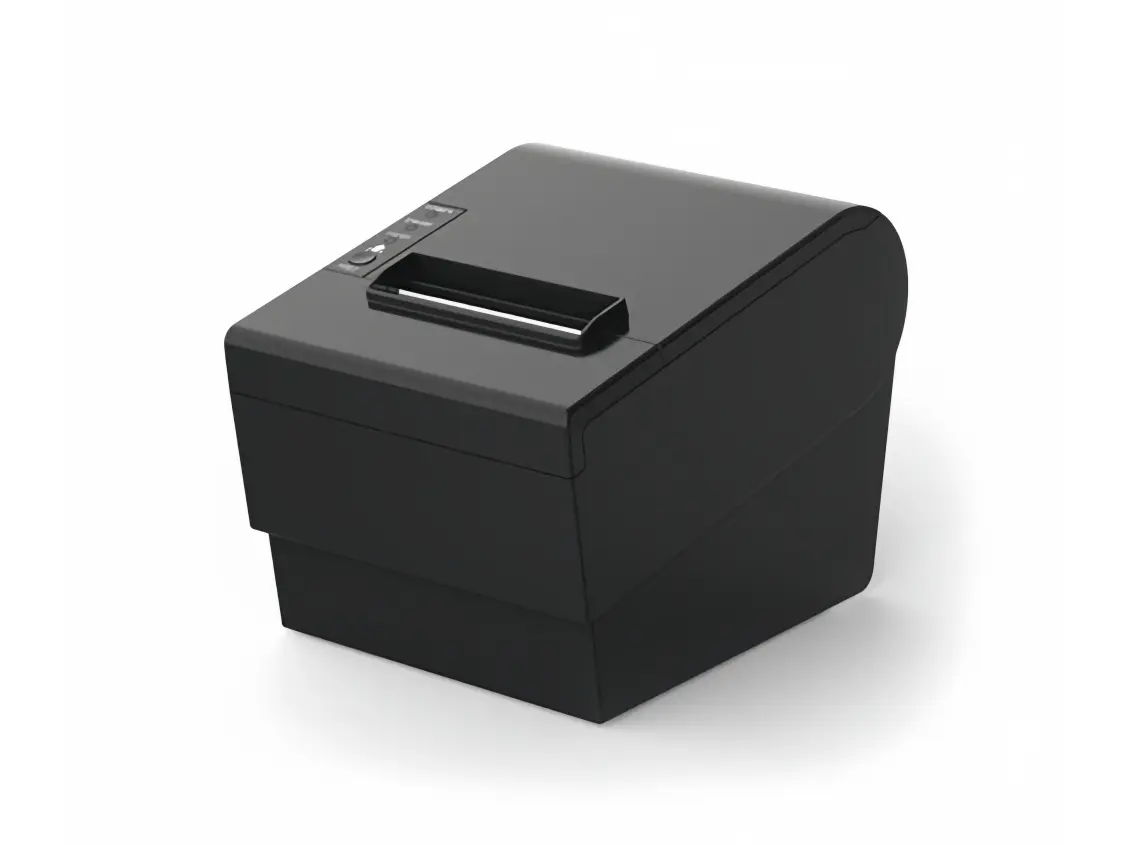 Receipt Printer
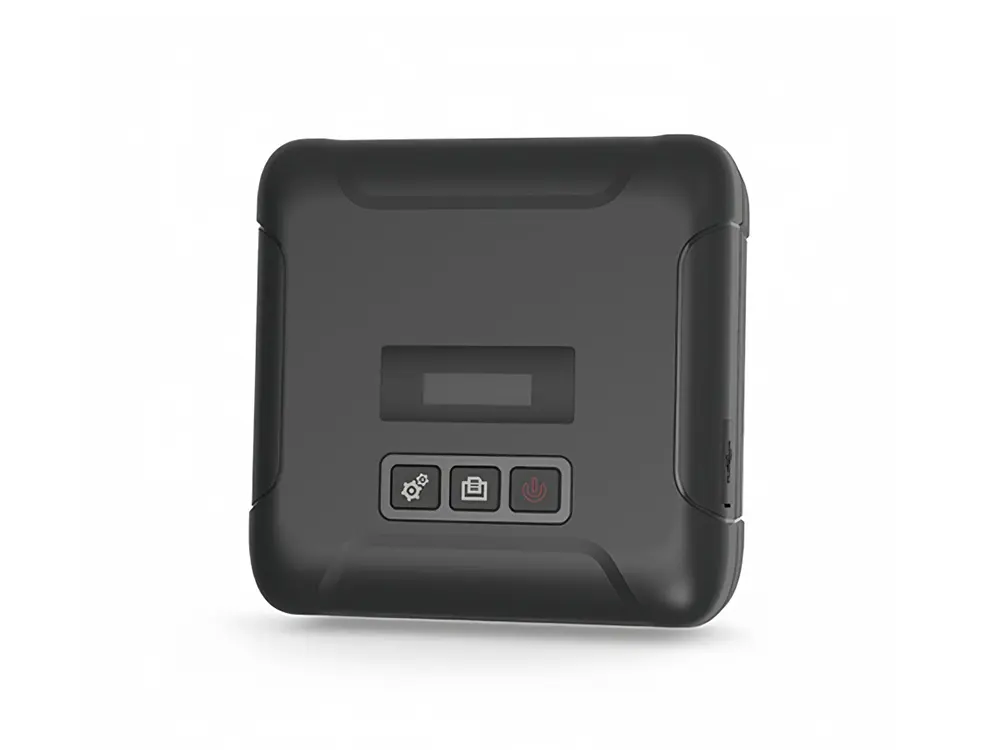 Mobile Printer