2026 Best Barcode Thermal Printer Reviews and Buying Guide?
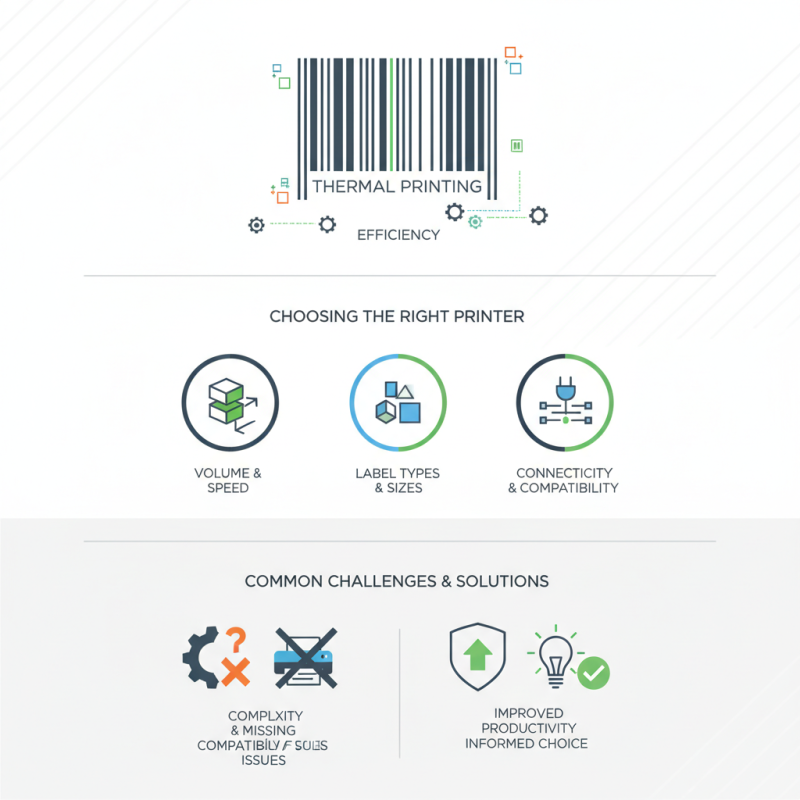
In today's fast-paced business world, choosing the right Barcode Thermal Printer is crucial. These printers are not just tools; they enhance efficiency. Retailers, warehouses, and offices rely on them daily. With various models available, selecting the best one can be overwhelming. It's essential to consider specific needs. For example, the volume of printing required or the types of labels needed.
However, finding the perfect Barcode Thermal Printer often presents challenges. Some models may lack essential features. Others might be too complex for simple tasks. Customers often face confusion regarding compatibility and performance. This guide will address common pitfalls and highlight key aspects of effective selection. With informed choices, businesses can improve operations and productivity. Let's explore what makes a Barcode Thermal Printer the best fit for your needs.
2026 Overview of Barcode Thermal Printers: Key Features and Technology
Barcode thermal printers have revolutionized labeling and inventory management. Their compact size and efficient printing capabilities make them suitable for various settings. Many retailers and warehouses now rely on this technology to streamline operations. Key features often include rapid print speeds, high resolution, and the ability to handle different label sizes.
The technology behind these printers typically involves direct thermal and thermal transfer methods. Direct thermal printing uses heat-sensitive paper, while thermal transfer employs a ribbon for enhanced durability. Both methods have their pros and cons. For instance, direct thermal prints may fade over time, needing replacements sooner. The choice between them often puzzles newcomers.
In summarizing features, one must consider connectivity options. Wireless capabilities can enhance ease of use but may introduce connectivity issues. Users frequently overlook power supply requirements. Battery-powered models offer flexibility but require monitoring for charge levels. Careful consideration is essential to avoid unexpected downtime.
Industry Standards: Understanding Thermal Printing and Its Applications
Thermal printing has emerged as a crucial technology across various industries. It offers speed and efficiency, making it ideal for labels, receipts, and barcodes. Businesses rely on thermal printers for their ability to produce sharp, clear images quickly. In logistics, for example, they are essential for tracking and shipping labels.
Understanding thermal printing requires knowledge of its types. Direct thermal printing uses heat-sensitive materials and produces images without ink. Thermal transfer printing, on the other hand, uses ribbons for durability. Each method has its strengths and weaknesses. For instance, direct thermal prints may fade over time, while thermal transfer provides longevity but comes at a cost.
Thermal printing plays a vital role in retail, healthcare, and manufacturing. Many retailers benefit from instant barcode creation, enhancing customer experience. However, not all businesses fully grasp how to integrate this technology efficiently. Investing in a quality printer is important, but overlooking the type of thermal printing needed can lead to setbacks. It’s essential to assess your requirements thoroughly before making a decision.
Top Thermal Printer Brands: Market Share and Product Comparisons
When considering thermal printers, understanding market share and brand comparisons is crucial. According to a recent market analysis, the thermal printer industry is booming. In 2023, it was valued at approximately $5 billion, with growth expected to continue at a rate of over 8% annually. This suggests a strong preference for thermal printing technology in various sectors, including retail and logistics.
Each brand offers unique features and strengths. For example, some brands emphasize speed and efficiency. Others might focus on sustainability or cost-effectiveness. However, many consumers find it challenging to make the best choice. A survey indicated that nearly 40% of users felt overwhelmed by the options available. With so many choices, it can become easy to overlook essential features, like print quality or connectivity options.
Additionally, product reliability often varies significantly across brands. Reports indicate that about 30% of consumers experienced issues such as paper jams or connectivity errors within the first year of use. This highlights the importance of investigating user reviews and expert opinions. Often, brand loyalty does not equate to better performance. Exploring a range of products could reveal hidden gems that outperform more popular options.
2026 Best Barcode Thermal Printer Reviews and Buying Guide
| Model |
Print Speed (mm/s) |
Resolution (dpi) |
Connectivity |
Price Range ($) |
| Model A |
150 |
300 |
USB, Bluetooth |
100 - 150 |
| Model B |
200 |
203 |
Ethernet, Wi-Fi |
150 - 200 |
| Model C |
250 |
300 |
USB, Ethernet |
200 - 250 |
| Model D |
100 |
203 |
Bluetooth, Wi-Fi |
80 - 120 |
| Model E |
180 |
300 |
USB, Wi-Fi |
120 - 170 |
Selecting the Right Barcode Printer: Factors Influencing Your Choice
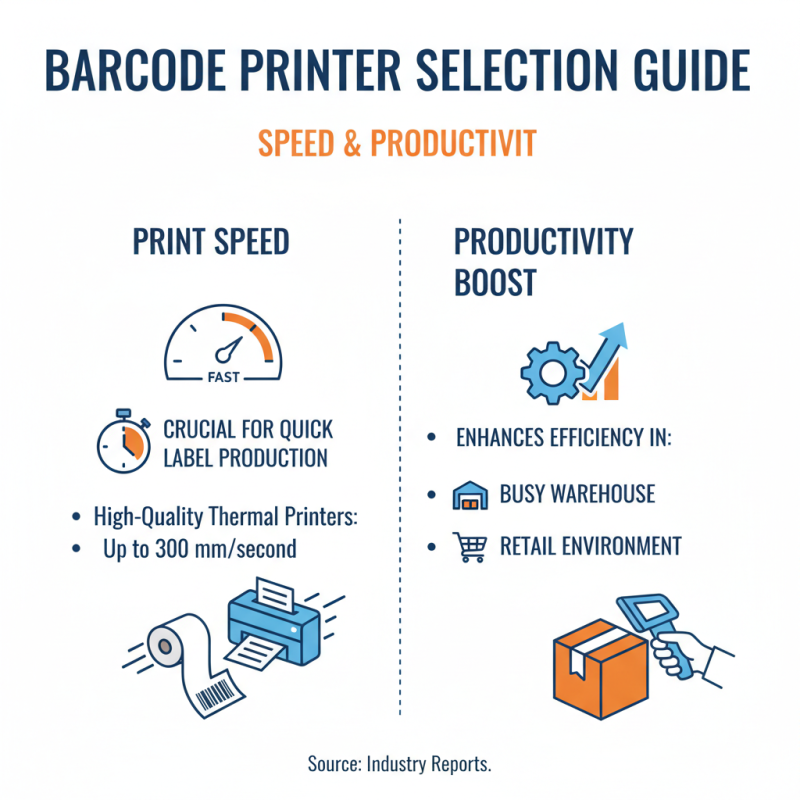
When selecting the right barcode printer, several factors play a crucial role. Print speed, for instance, is vital for businesses that need to produce labels quickly. According to industry reports, high-quality thermal printers can produce up to 300 mm per second. This speed can significantly enhance productivity in a busy warehouse or retail environment.
Another key aspect is print resolution. Many businesses require crisp, clear barcodes to ensure optimal scanning. A resolution of 300 dpi is often recommended. This level of detail allows for accurate scans, reducing errors. However, some printers may not meet these standards consistently, raising concerns about long-term reliability.
It's also essential to consider connectivity options. USB, Bluetooth, and Wi-Fi capabilities provide flexibility in printer placement. A recent study shows that 45% of users prefer wireless options for ease of use. Despite these advantages, wireless connections may introduce latency issues or connectivity drops, leading to frustration. Choose wisely to avoid potential pitfalls.
Cost Analysis: Evaluating Pricing Trends and Total Cost of Ownership
When considering a barcode thermal printer, it’s crucial to evaluate the total cost of ownership. The initial purchase price is just the beginning. Maintenance, supplies, and energy consumption also contribute to overall costs. Analyze these factors carefully. It can be surprising how quickly expenses add up.
Supplies like thermal paper and ink ribbons require ongoing investment. Prices can vary widely. Some brands may offer lower upfront costs but higher supplies expenses. Energy efficiency also plays a role. A printer that consumes more power will impact long-term costs.
Consider the longevity of the printer too. A cheap model may break down sooner, leading to frequent replacements. This not only disrupts business operations but also increases costs. A more reliable printer might cost more upfront but save on repairs and replacements later. Reflect on the true cost before making a choice.

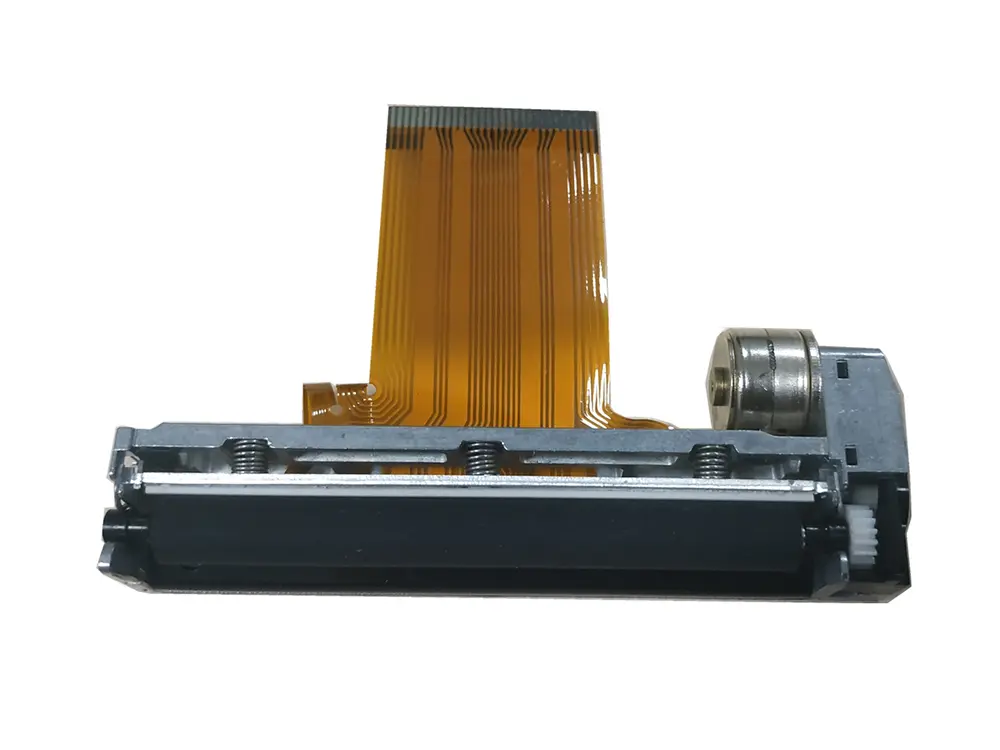
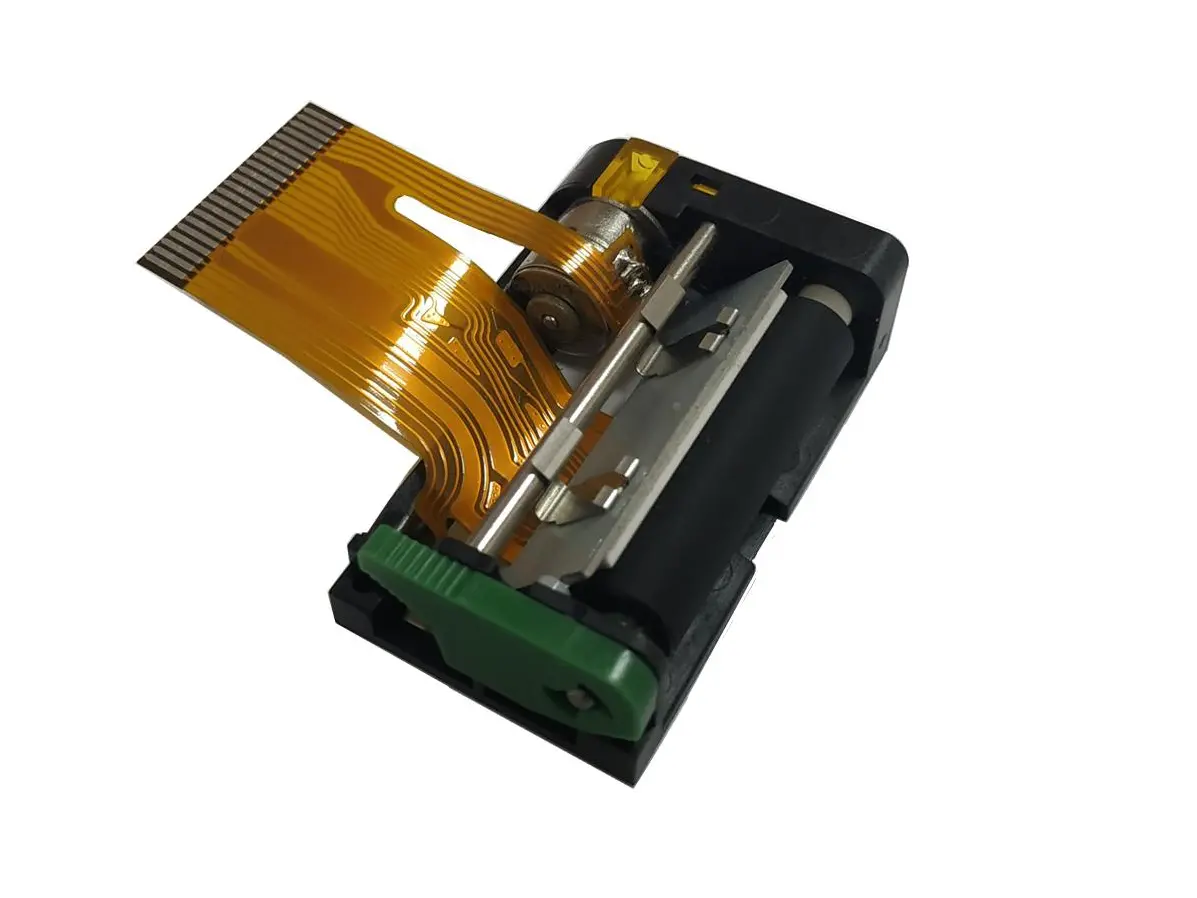 1 inch thermal printer mechanism
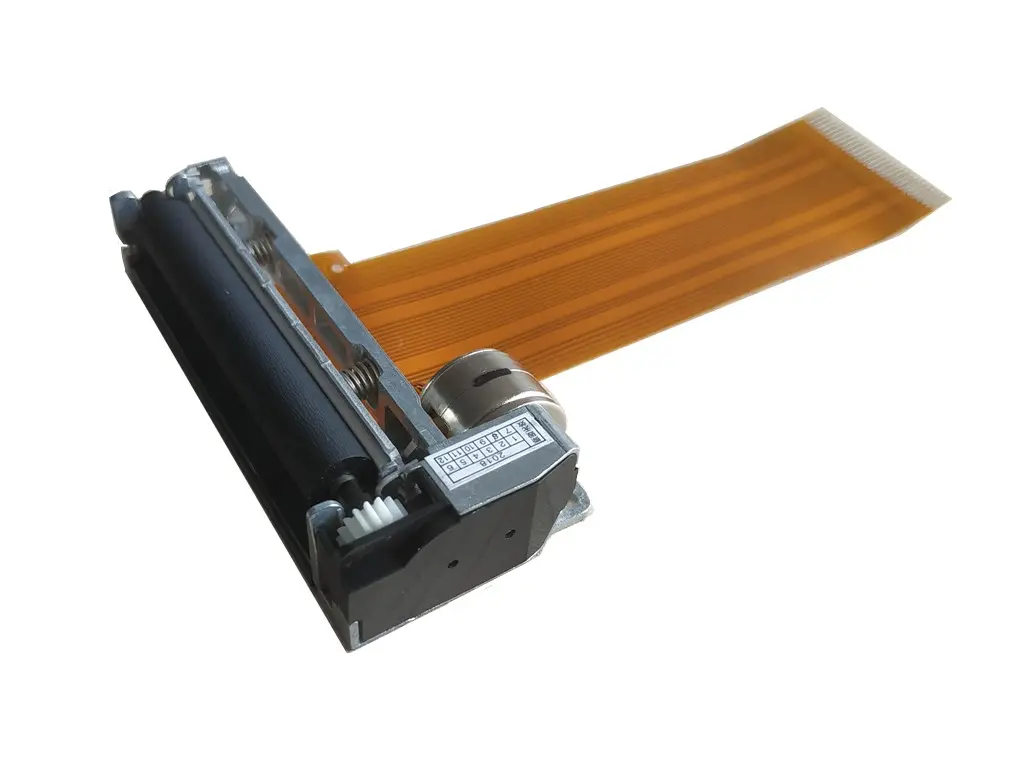 2 inch thermal printer mechanism
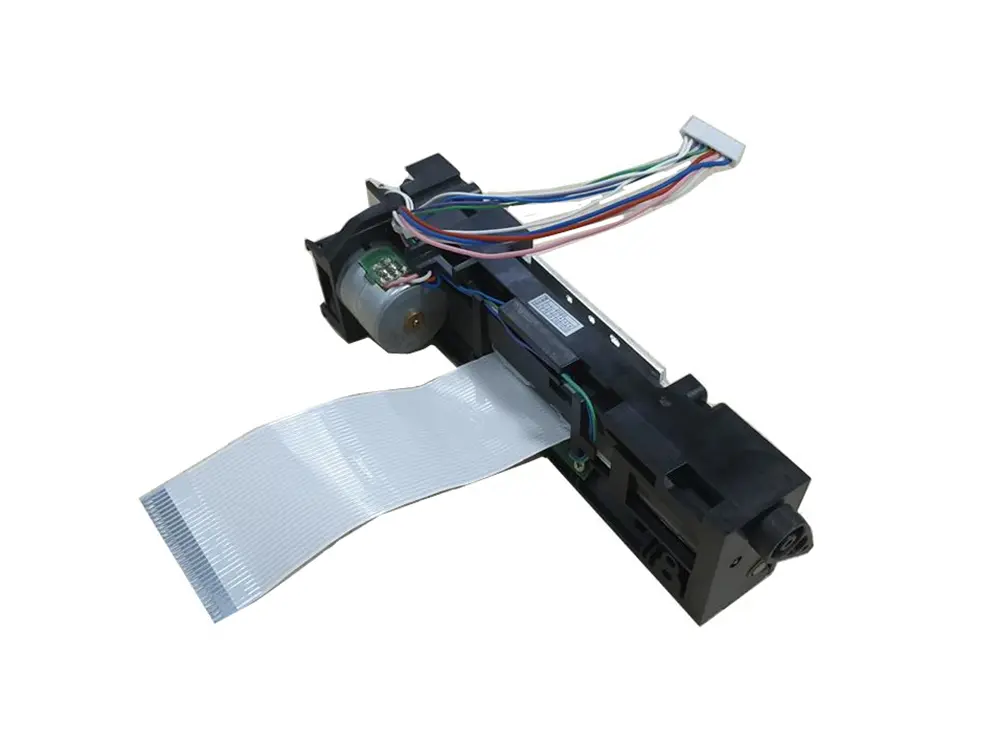
 3 inch thermal printer mechanism
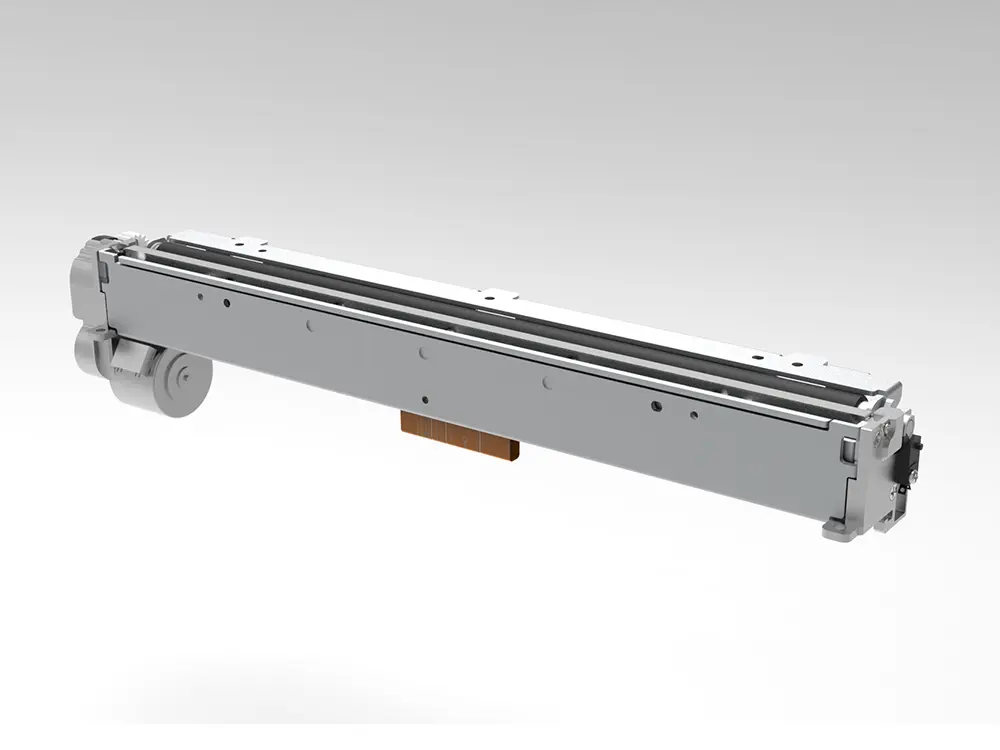
 4 inch thermal printer mechanism
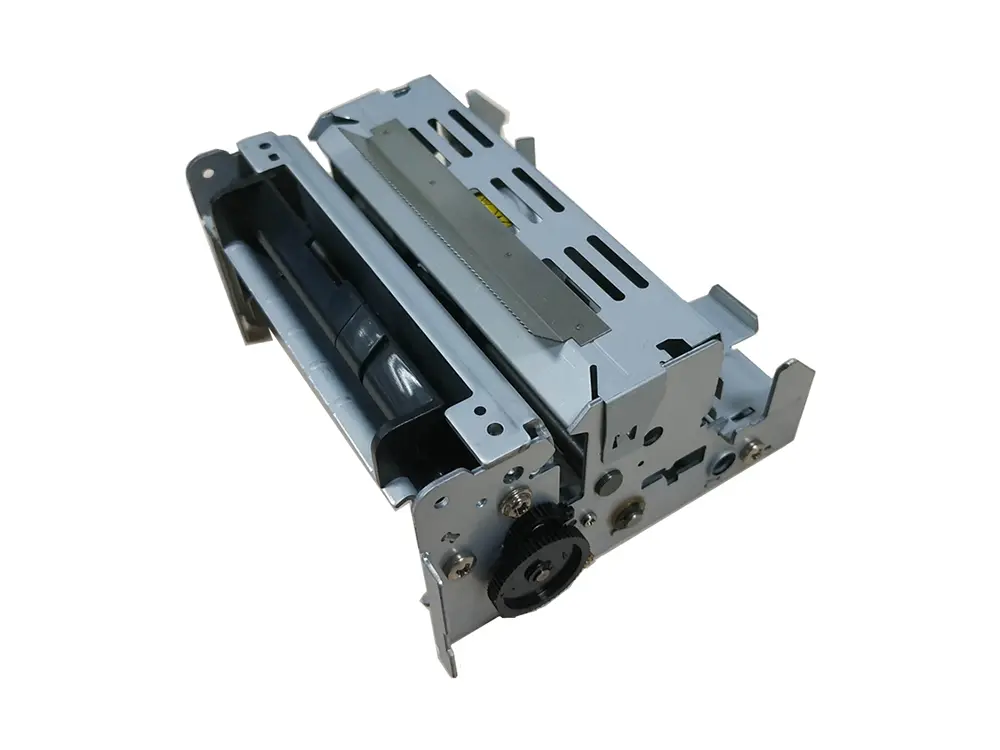
 8 inch thermal printer mechanism
 dot matrix printer mechanism
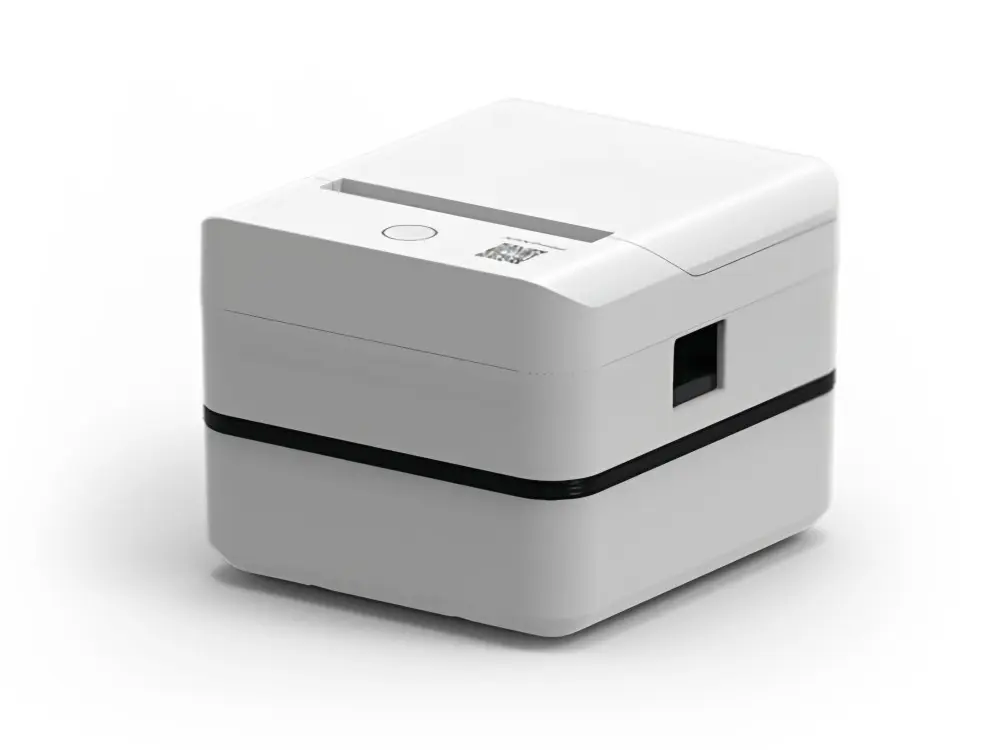 Label Printer
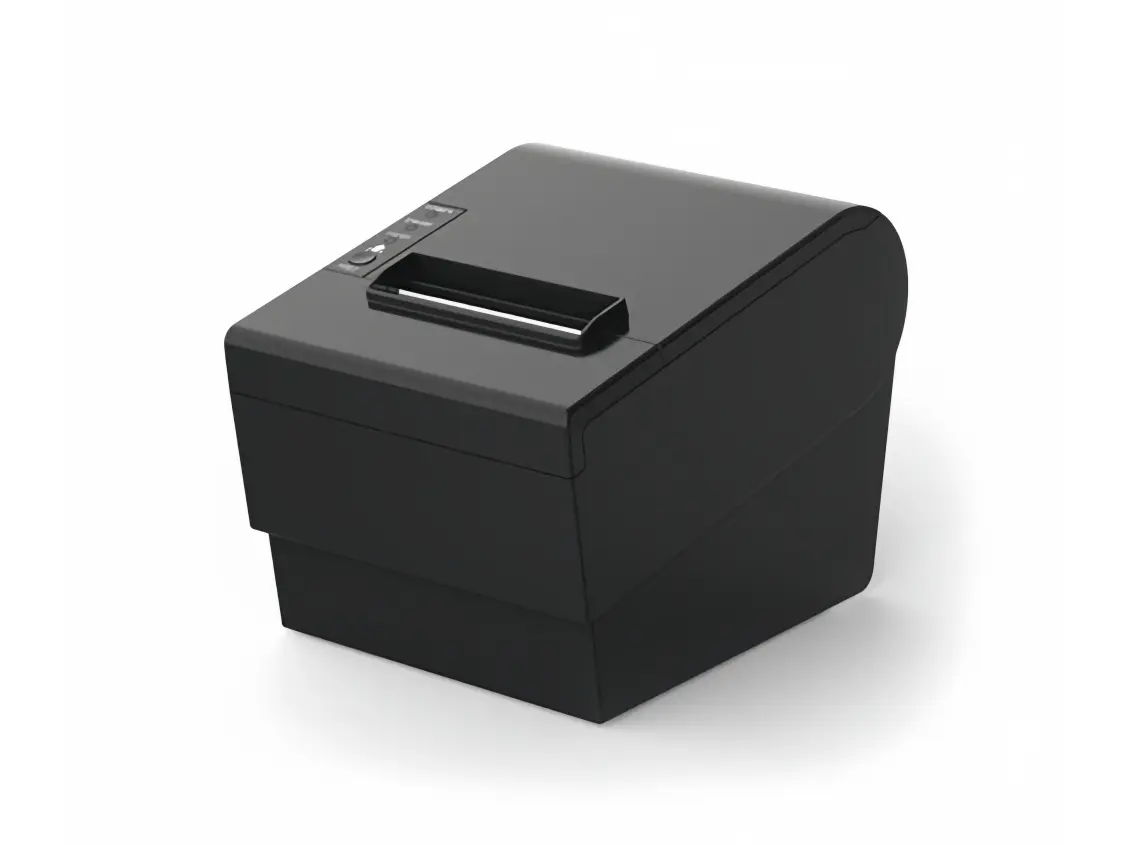 Receipt Printer
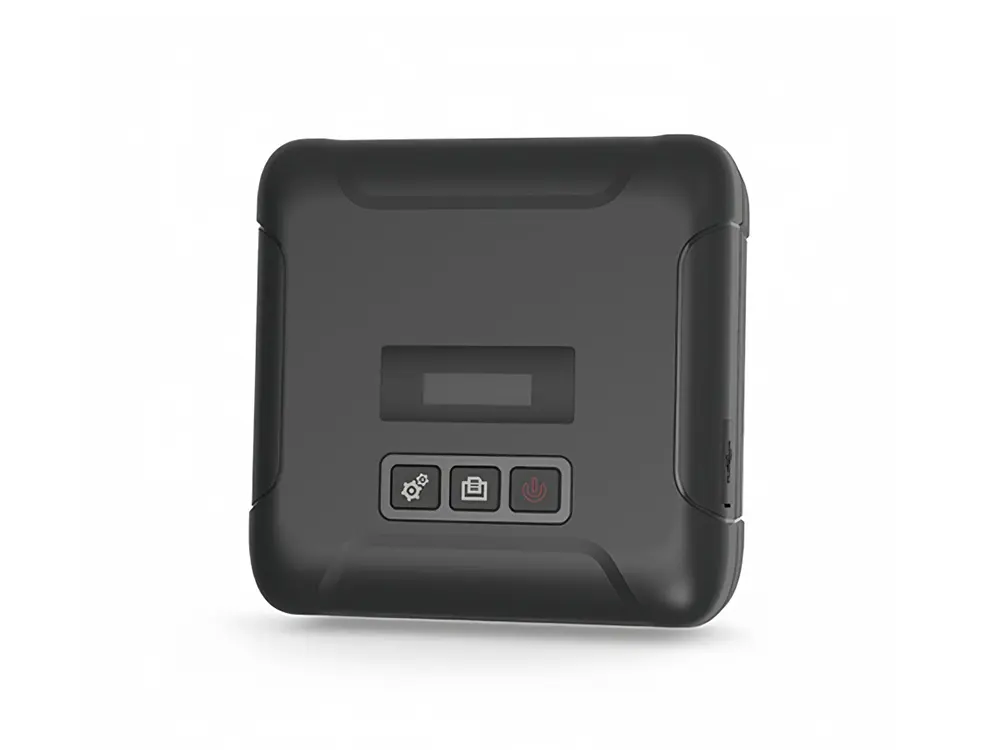 Mobile Printer