2026 Best Printing Barcodes Solutions for Global Buyers?
In the dynamic world of technology, "Printing Barcodes" stands out as a crucial component for businesses worldwide. Experts like John Smith, a leader in the printing industry, emphasize its significance: “Effective barcode solutions streamline operations and enhance accuracy.” This quote encapsulates the essence of why global buyers seek the best printing barcode solutions for their needs.
As companies navigate through an ever-changing market landscape, the demand for efficient, reliable barcode systems becomes paramount. With the increase in online shopping and inventory management, the right barcode solution can make or break a business. It’s essential to assess various options available in 2026 to find the perfect match, ensuring productivity and precision.
However, not all solutions are created equal. Businesses must consider various factors such as cost, scalability, and user-friendliness. While experts provide valuable insights, companies often overlook the nuances of their unique requirements. Reflecting on past experiences can guide decision-making. Investing time in research pays off in finding the ideal "Printing Barcodes" provider.
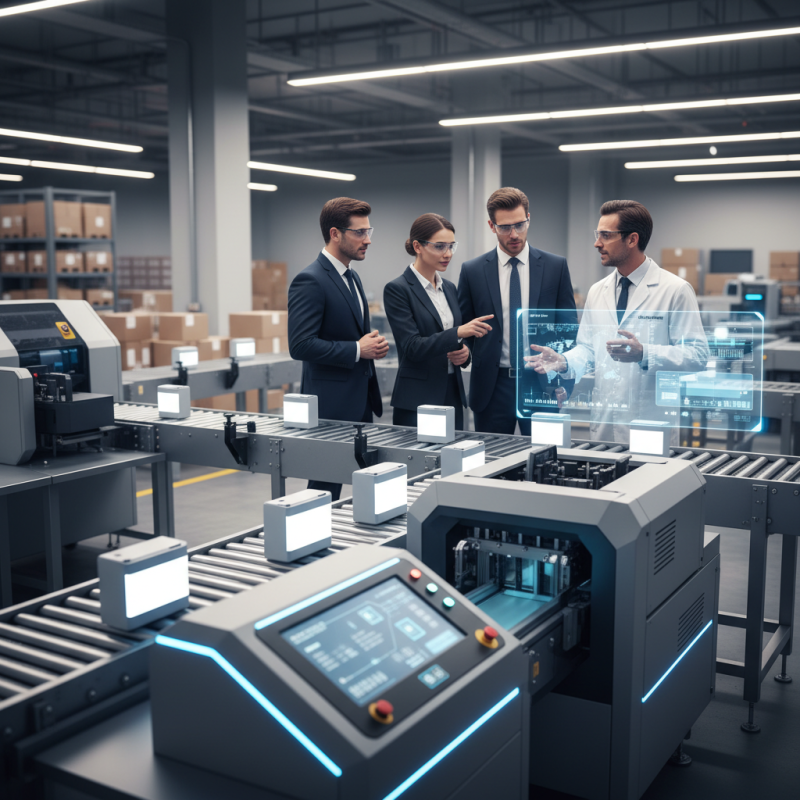
Overview of Barcode Printing Solutions for Global Market
In today’s fast-paced market, barcode printing solutions play a crucial role in logistics and inventory management. According to industry reports, the global barcode printer market is projected to reach approximately $5 billion by 2026. This growth is driven by rising demand for automation and operational efficiency across various sectors, from retail to manufacturing. Advanced thermal printing technologies are gaining attention due to their durability and print quality.
However, implementing these technologies poses challenges. Many companies struggle with integration into existing systems. A report from a leading supply chain consultancy notes that 32% of businesses face compatibility issues when adopting new barcode solutions. This gap highlights the need for thorough planning and skilled personnel to ensure successful implementation. As companies strive to enhance their operations, they must remain vigilant about ongoing maintenance and updates for their barcode printing systems.
Furthermore, sustainability has become a critical concern. Reports indicate that over 70% of consumers value eco-friendly packaging and labeling. Yet, many barcode solutions still rely on materials that are not environmentally friendly. Brands are urged to rethink their choices to align with consumer preferences and regulatory requirements. The landscape of barcode printing is evolving, but firms must navigate these waters carefully to leverage emerging opportunities.
Key Features to Consider in Barcode Printing Technologies
When considering barcode printing technologies, several key features emerge as essential for effective use. Resolution plays a crucial role. A higher DPI ensures sharp, clear barcodes that are easily scanned. Look for printers that support at least 300 DPI for optimal results.
Another important factor is the printing speed. For businesses with high-volume needs, fast printing times can significantly enhance productivity. A printer that can produce a hundred labels in minutes may prove invaluable in busy settings.
Tips: Regularly assess your printing needs. If your workflow changes, so should your equipment. Also, consider compatibility with existing inventory systems. A seamless integration minimizes operational hiccups and boosts efficiency. Lastly, maintain your printer well. Poor maintenance leads to inconsistent quality, ultimately affecting your operations.
2026 Best Printing Barcodes Solutions for Global Buyers? - Key Features to Consider in Barcode Printing Technologies
| Barcode Type |
Print Quality |
Scanning Range |
Materials Supported |
Speed (Labels per Minute) |
Connectivity Options |
| QR Code |
High Resolution (600 DPI) |
Up to 10 Feet |
Paper, Plastic |
150 |
USB, Bluetooth |
| Data Matrix |
Medium Resolution (300 DPI) |
Up to 8 Feet |
Paper, Metal |
120 |
Ethernet, Wi-Fi |
| Code 128 |
High Resolution (600 DPI) |
Up to 15 Feet |
Paper, Cardboard |
200 |
USB, Serial |
| EAN-13 |
High Resolution (600 DPI) |
Up to 12 Feet |
Paper, Adhesive |
180 |
USB, Wi-Fi |
| UPC |
Medium Resolution (300 DPI) |
Up to 10 Feet |
Paper, Plastic |
160 |
Bluetooth, Wi-Fi |
Top Barcode Printing Brands and Their Offerings
When exploring barcode printing solutions, several key brands stand out in the market. Their technology leverages advanced print heads and software to deliver quality barcodes efficiently. According to a recent industry report, the global barcode printer market is projected to reach over $4 billion by 2026, reflecting a significant demand for innovative solutions.
Different brands offer various features, from thermal printing technology to mobile printing solutions. Companies report that 74% of users prioritize speed and reliability when choosing their printing devices. Some brands now incorporate cloud connectivity, allowing for seamless integration with existing inventory systems. However, not all systems are perfect; frequent label jamming and software compatibility issues can disrupt workflow.
User reviews highlight that while many barcode printers deliver high-quality results, they may lack intuitive interfaces. Training staff to use complex features can pose challenges. A growing focus on user experience might drive brands to refine their offerings. As businesses strive for efficiency, assessing the strengths and weaknesses of available printing solutions becomes paramount.
Comparative Analysis of Thermal vs. Inkjet Barcode Printers
When selecting a barcode printing solution, the choice often narrows down to thermal and inkjet printers. Thermal printers utilize heat to create images on special thermal paper. They excel in speed and reliability, making them ideal for high-volume printing environments. According to a recent industry report, more than 60% of businesses prefer thermal printers for their operational efficiency and lower maintenance costs.
On the other hand, inkjet printers use liquid ink applied through tiny nozzles. They are capable of producing high-resolution images and can print on a variety of materials. However, they often have a higher total cost of ownership due to ink replacement and servicing needs. Studies indicate that inkjet printers may not perform as well in harsh environments, with failure rates reportedly peaking at 15% when exposed to extreme temperature variations.
Both types have their unique advantages and challenges. While thermal printers are straightforward, they lack the versatility of inkjet models. Inkjet printers offer flexibility but may require regular monitoring and more frequent ink changes. It's crucial for businesses to assess their specific needs and weigh these factors carefully before making a decision. Each scenario can differ significantly. Reflecting on these details will lead to better choices for barcode printing solutions.
Cost Considerations and Budgeting for Barcode Printing Solutions
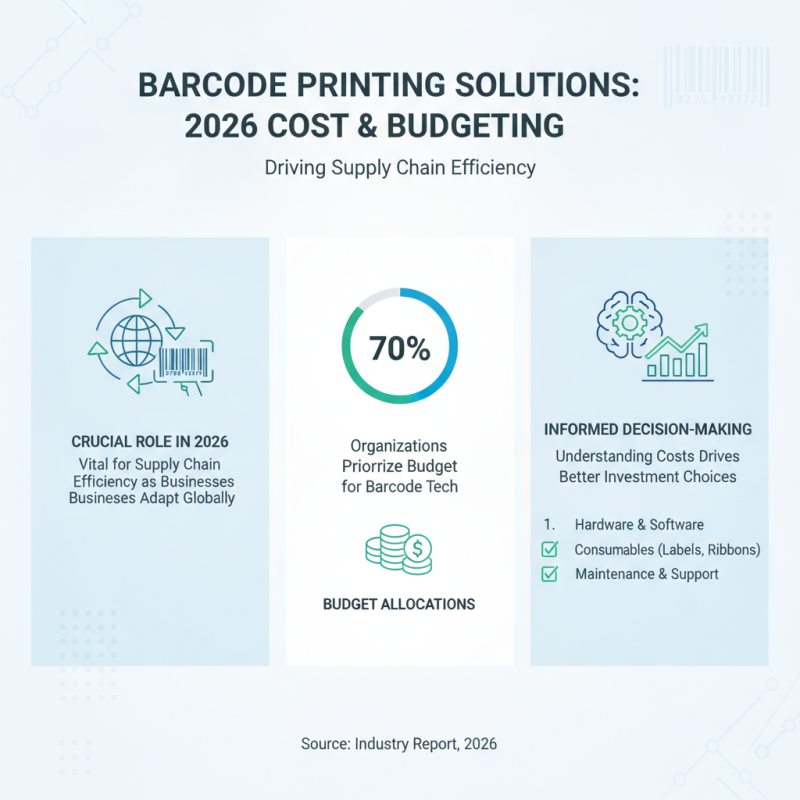
In 2026, barcode printing solutions will play a vital role in supply chain efficiency. As businesses worldwide adapt, cost considerations have become crucial. A recent industry report shows that 70% of organizations prioritize budget allocations for barcode technologies. Understanding these costs can drive better decision-making.
Equipment expenses often dominate budgets. According to industry analysts, the average initial investment for a printing system can exceed $5,000. However, ongoing costs, such as ink and maintenance, may reach another $2,000 annually. These numbers highlight the importance of thorough budgeting.
Many companies overlook hidden costs, like software integration. Nearly 40% of businesses face unexpected expenses in this area. Investing in training also proves essential, as undertrained employees can lead to inefficiencies. Organizations must critically assess their needs before diving in. Evaluating current practices can uncover areas needing improvement.

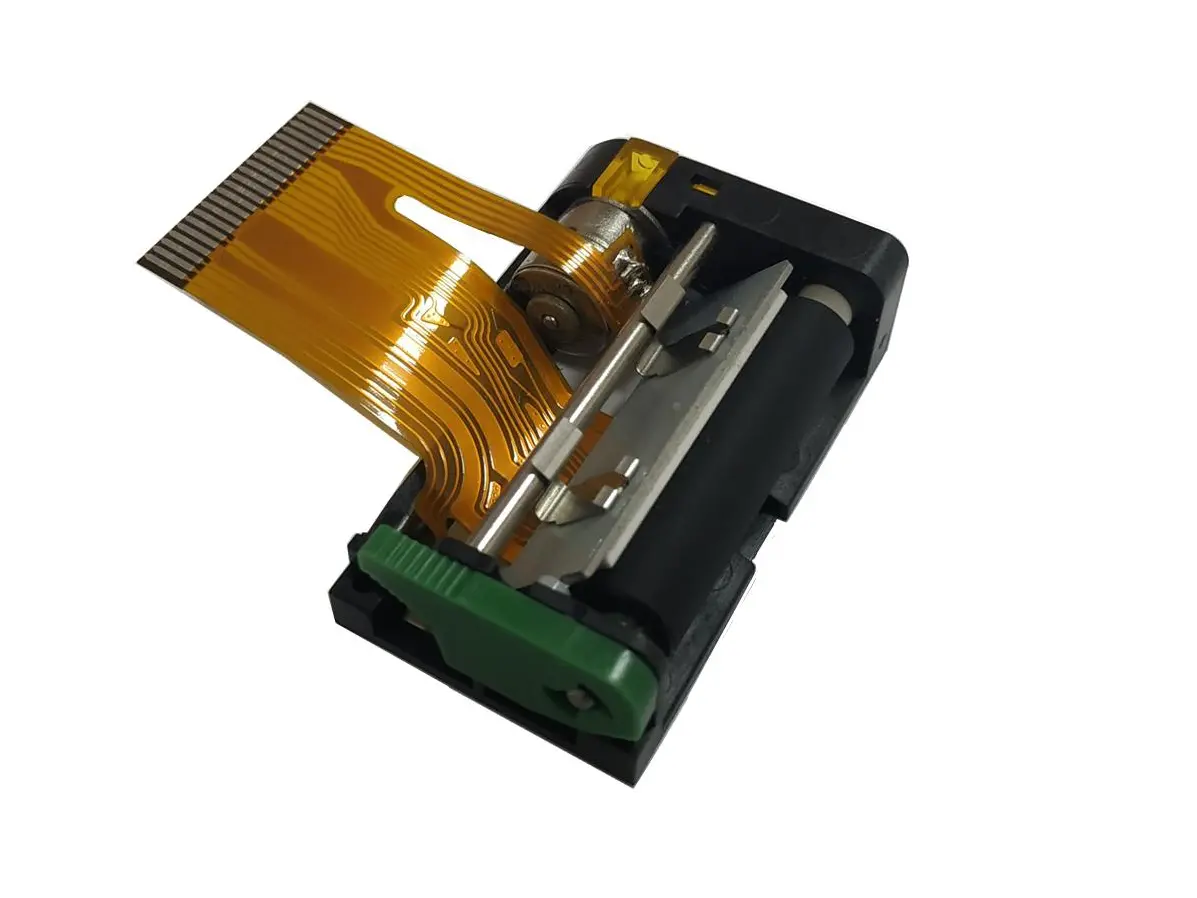 1 inch thermal printer mechanism
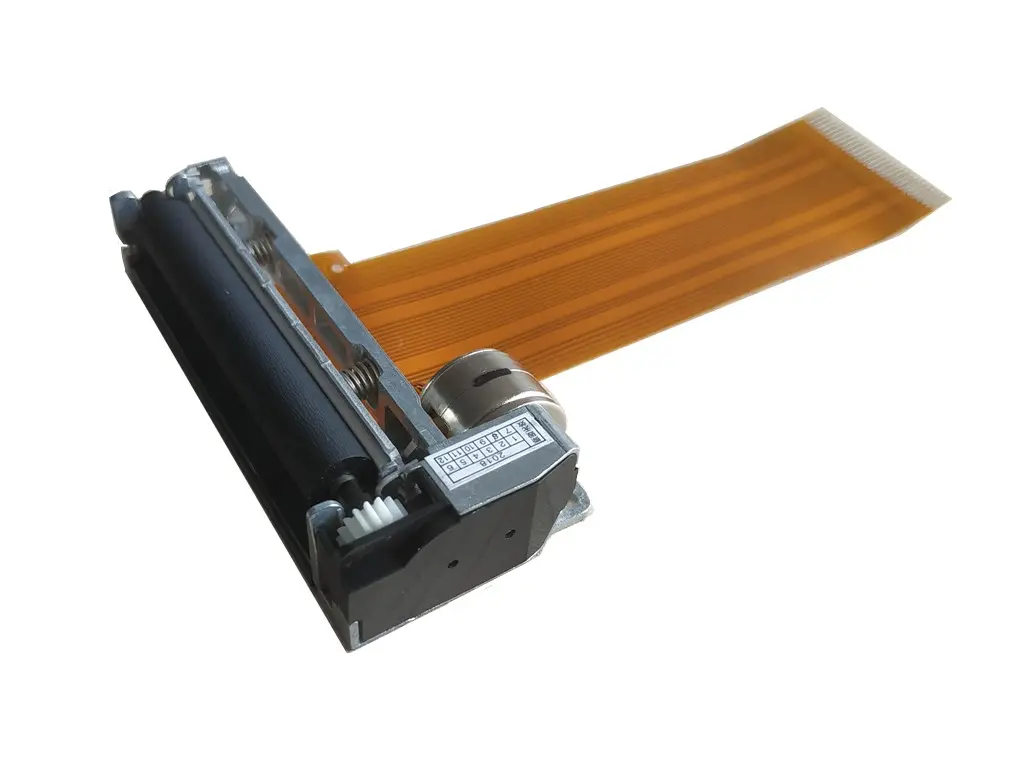 2 inch thermal printer mechanism
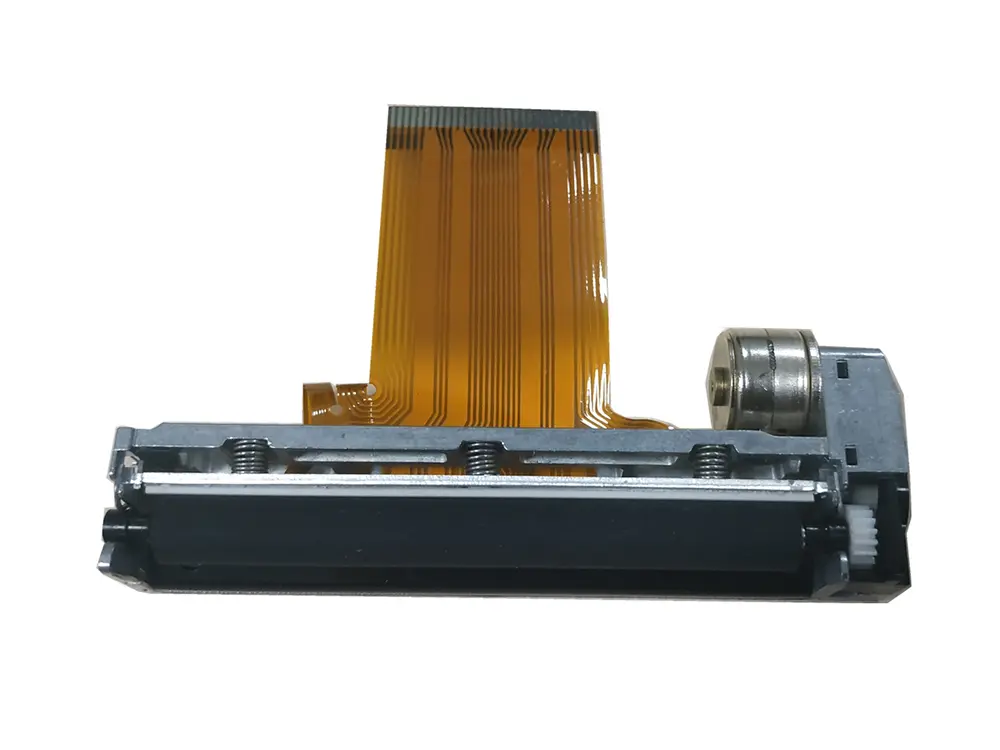 3 inch thermal printer mechanism
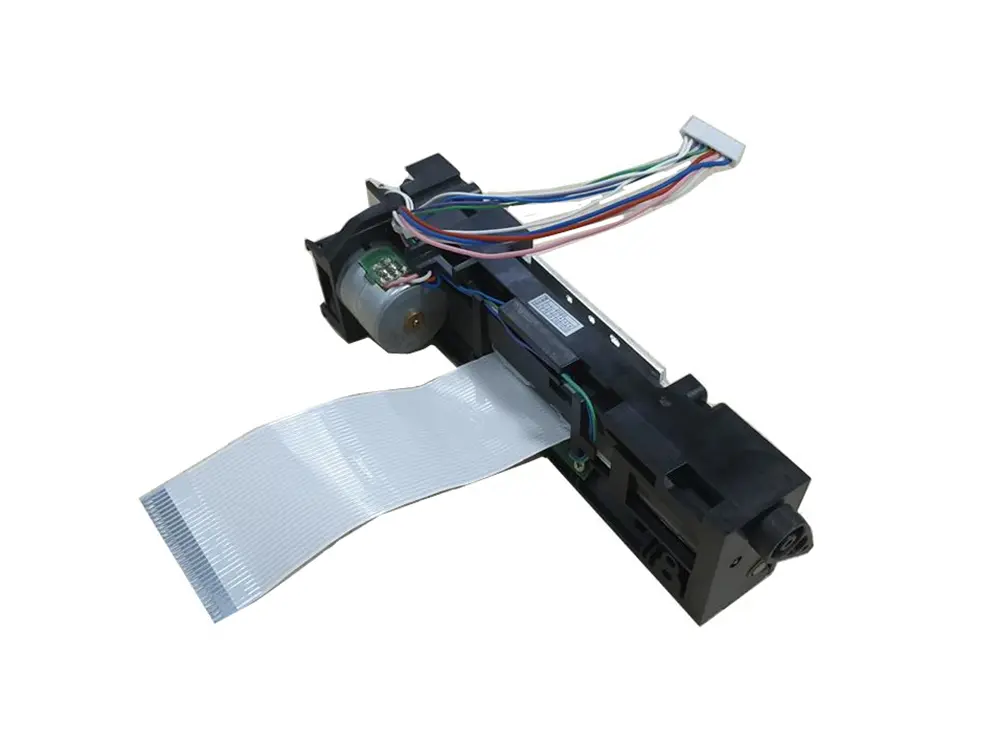 4 inch thermal printer mechanism
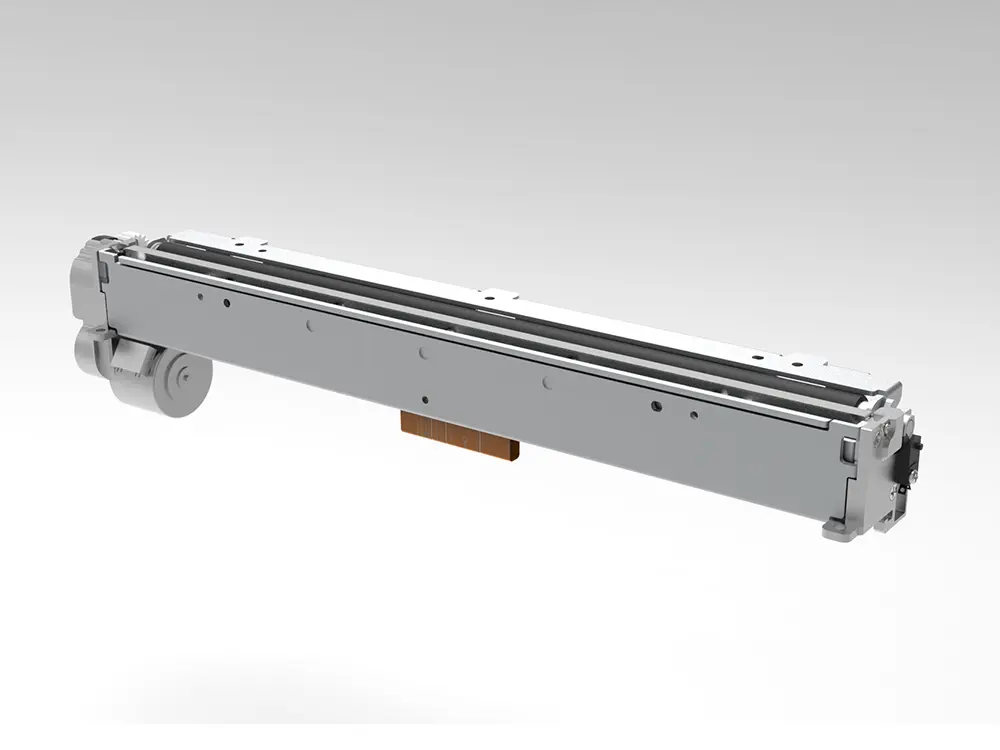 8 inch thermal printer mechanism
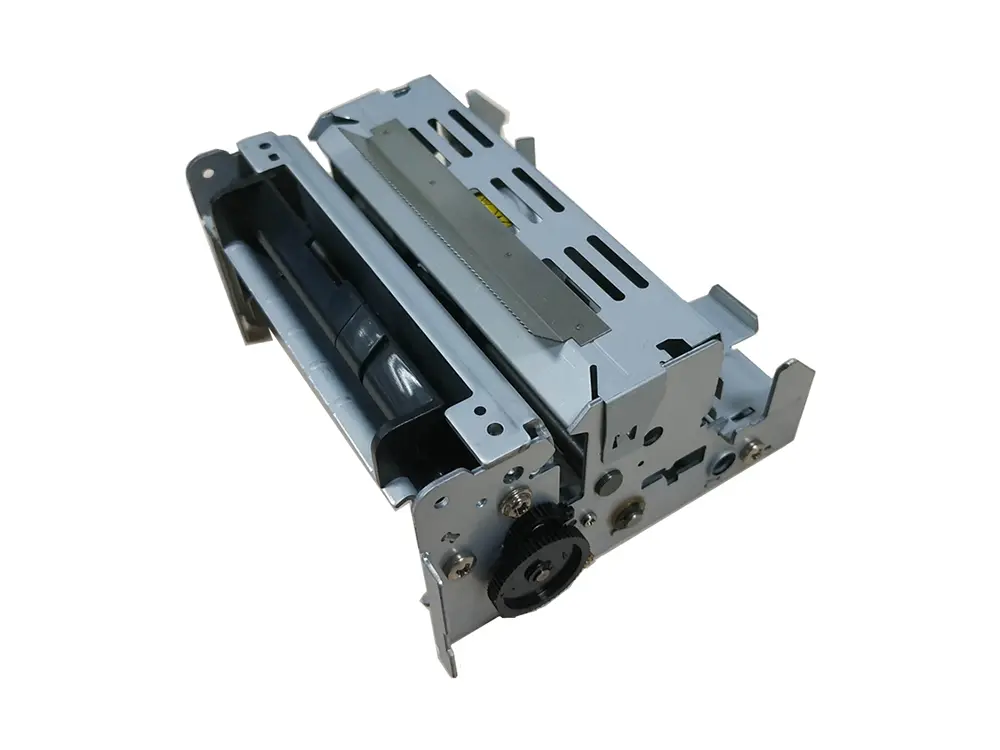 dot matrix printer mechanism
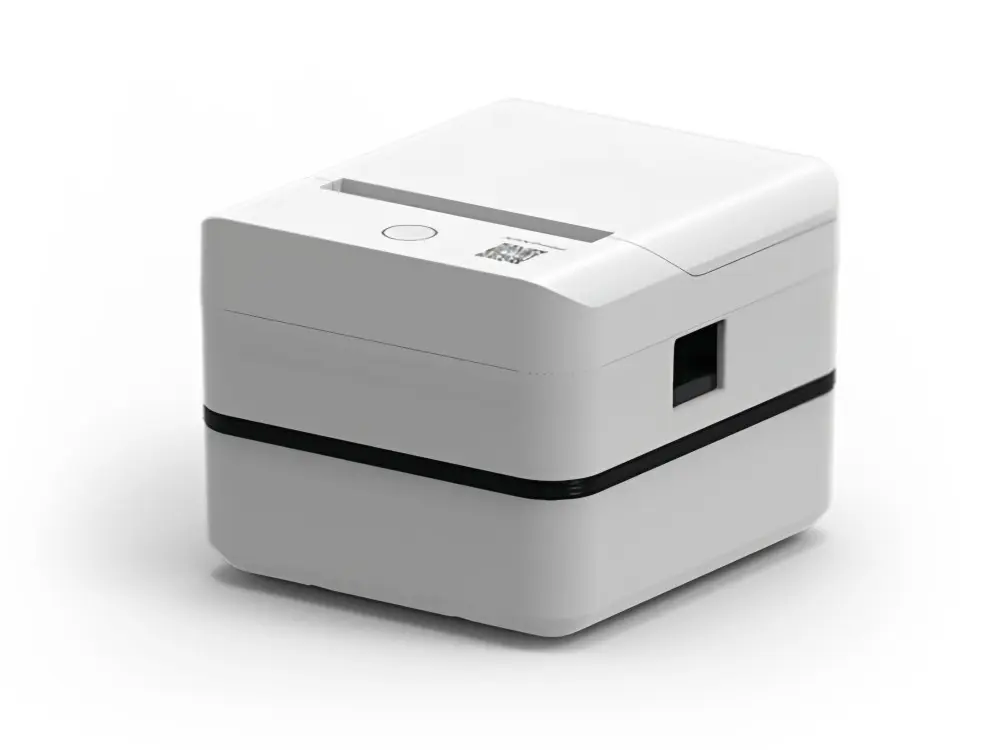 Label Printer
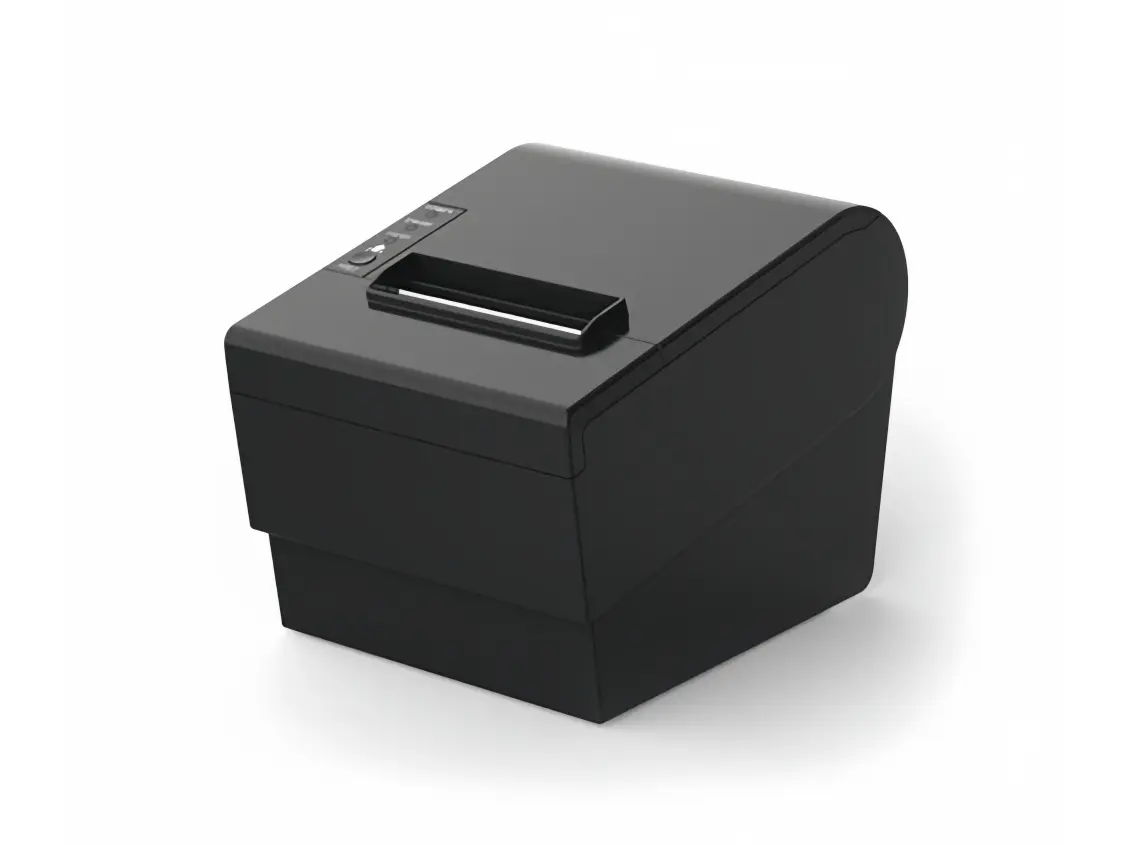 Receipt Printer
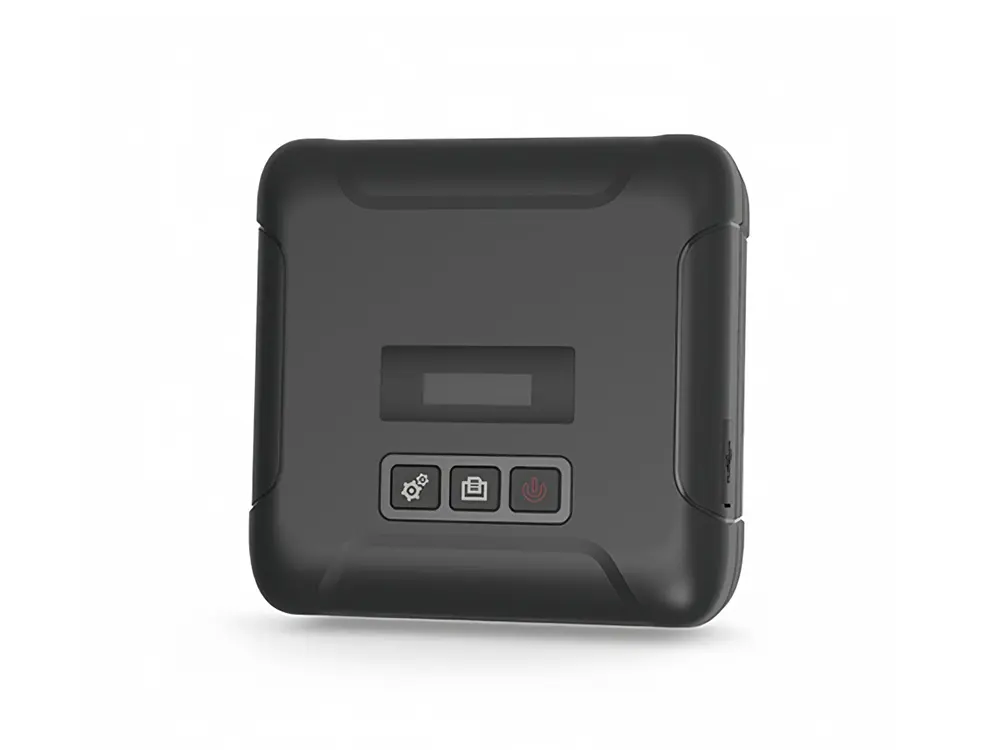 Mobile Printer